











A nail clipper is a small tool, but it has a large effect on the quality of everyday grooming. A clean cut can make nail shaping easier, reduce rough edges and help keep a manicure routine efficient. A poor clipper, by contrast, can leave jagged corners, require repeated pressure or feel awkward in the hand. For buyers comparing personal grooming tools, salon accessories or retail-ready beauty items, the right nail clipper should be judged by more than appearance alone.
Olimor Beauty’s luxury elegant nail clipper, described with a metal base, natural wood accents, sharp curved blades and a velvet case, is a good example of a clipper designed to combine practical cutting with a refined presentation. Whether you are choosing one tool for a home kit or reviewing options for a beauty tool range, the most useful questions are simple: does it cut cleanly, is it comfortable to hold, does the finish support long-term use and does the packaging match the intended customer experience?
What a Good Nail Clipper Should Do
The main job of a nail clipper is to shorten the free edge of the nail without crushing, tearing or leaving uneven layers. That depends on blade alignment, cutting edge sharpness and the way pressure transfers through the lever. A clipper can look polished and still perform poorly if the jaws meet unevenly or if the lever flexes too much during use.
For home grooming, a reliable clipper should make small, controlled cuts. It should not require forcing the blade through the nail. When a clipper cuts smoothly, the user can follow the natural curve of the nail and then finish with a file if needed. This is especially important for fingernails, where over-cutting the corners can create discomfort, and for anyone who prefers a neat shape without spending a long time correcting rough edges afterward.
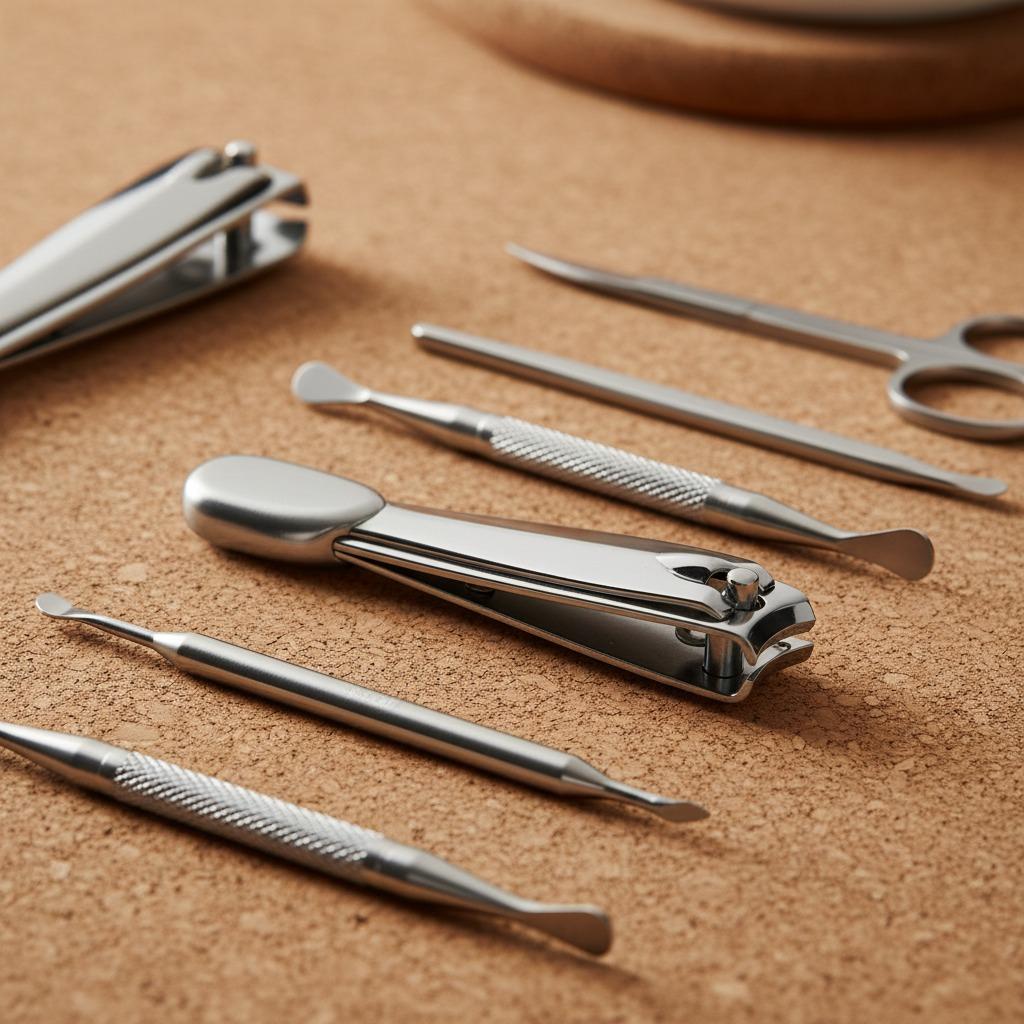
The curved blades referenced in the product description are relevant because many users want a clipper that follows the natural arc of the nail. A curved cutting line can make standard trimming easier, provided the user cuts gradually rather than trying to remove the entire nail edge in one press.
Design Details That Affect Daily Use
Comfort is not only about softness or weight. It is about control. A nail clipper with a stable grip helps the user position the blades accurately before applying pressure. The original product description notes a metal base with natural wood accents and a rich grain pattern. From a user perspective, those details matter when they improve grip security and hand feel, not merely when they create a decorative effect.
When evaluating a clipper, pay attention to these practical design factors:
- Blade alignment: The upper and lower cutting edges should meet evenly across the cutting area.
- Lever resistance: The lever should feel firm but not stiff. Excessive resistance can make trimming tiring or imprecise.
- Grip surface: Wood accents or textured areas can help the tool feel steadier, especially during careful trimming.
- Jaw opening: The opening should suit the nail thickness expected for the intended use.
- Edge finish: Surfaces that touch the hand should feel smooth, with no sharp unfinished edges.
- Storage protection: A case can help keep the clipper clean and reduce scratching during travel or drawer storage.
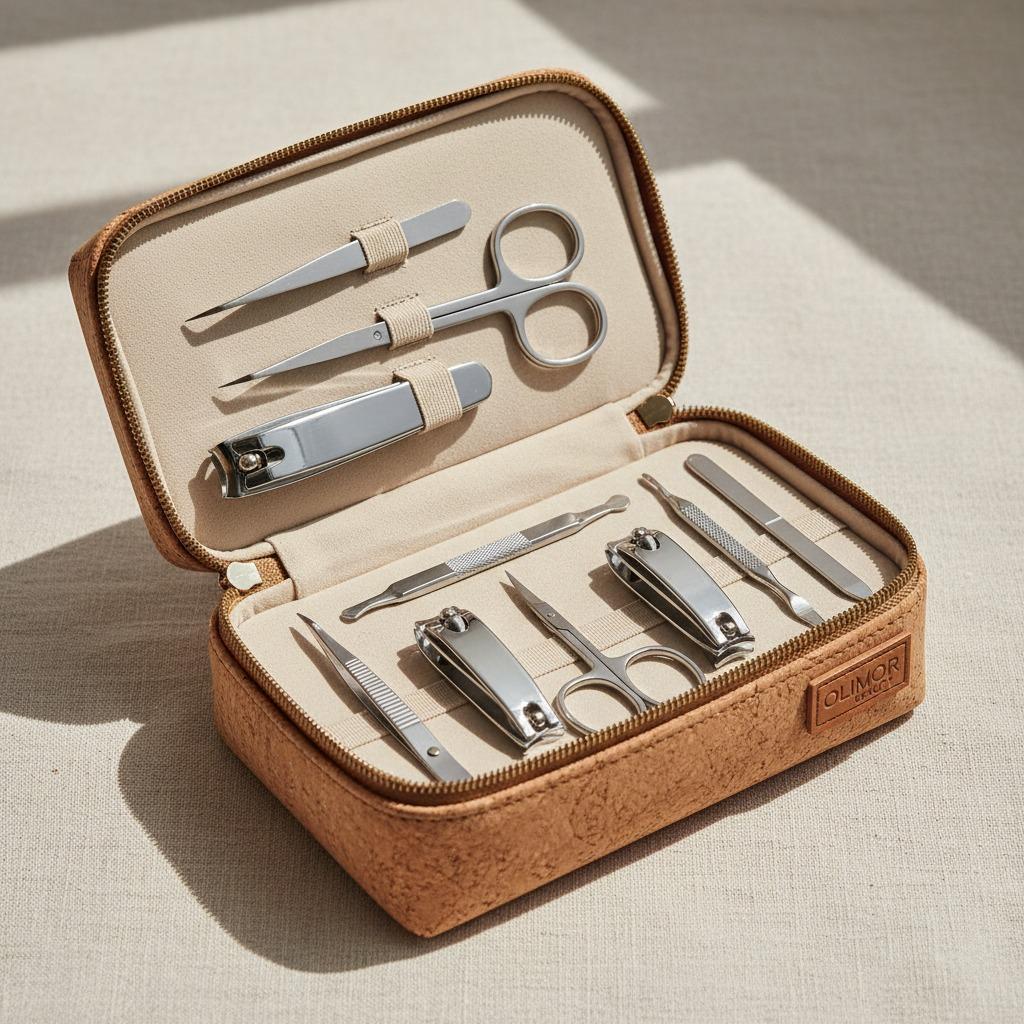
The velvet case mentioned in the source material can add value when the product is intended as a personal grooming item, a giftable accessory or part of a coordinated beauty kit. For wholesale or retail buyers reviewing beauty tool products, packaging should be considered together with function: attractive presentation is useful only when the tool inside performs consistently.
How to Use a Nail Clipper for a Cleaner Result
Even a well-made clipper performs best with proper technique. Nails should be trimmed with controlled movements rather than one large cut across the full width. This lowers the chance of bending the nail plate or creating a sharp corner. For most users, the best approach is to trim after washing and drying the hands, when nails are clean but not overly soft. Very soft nails may tear more easily; very dry nails may feel brittle.
- Clean the tool first. Wipe the cutting area before use, especially if the clipper has been stored in a shared drawer or travel bag.
- Start at one side. Position the curved blade near the edge of the nail and make a small cut.
- Follow the natural shape. Move across the nail in two or three small cuts instead of one forceful press.
- Avoid cutting too close. Leave a fine white edge so the fingertip remains protected.
- Finish with a file. Use a nail file to smooth tiny points rather than trying to correct every detail with the clipper.
- Clean and dry after use. Remove nail dust or clippings before placing the clipper back in its case.
This method is especially useful with a sharp, curved clipper because it gives the user more control over the final shape. It also helps preserve the edge of the tool, since the clipper is not being forced through thick sections at an awkward angle.
Material, Finish and Craft Questions for Buyers
For professional buyers, sourcing decisions require more than a visual review. A nail clipper may be sold as a compact personal item, included in a manicure kit, presented as a premium accessory or offered as part of a broader grooming selection. In each case, the tool should be assessed against the expectations of the final customer.
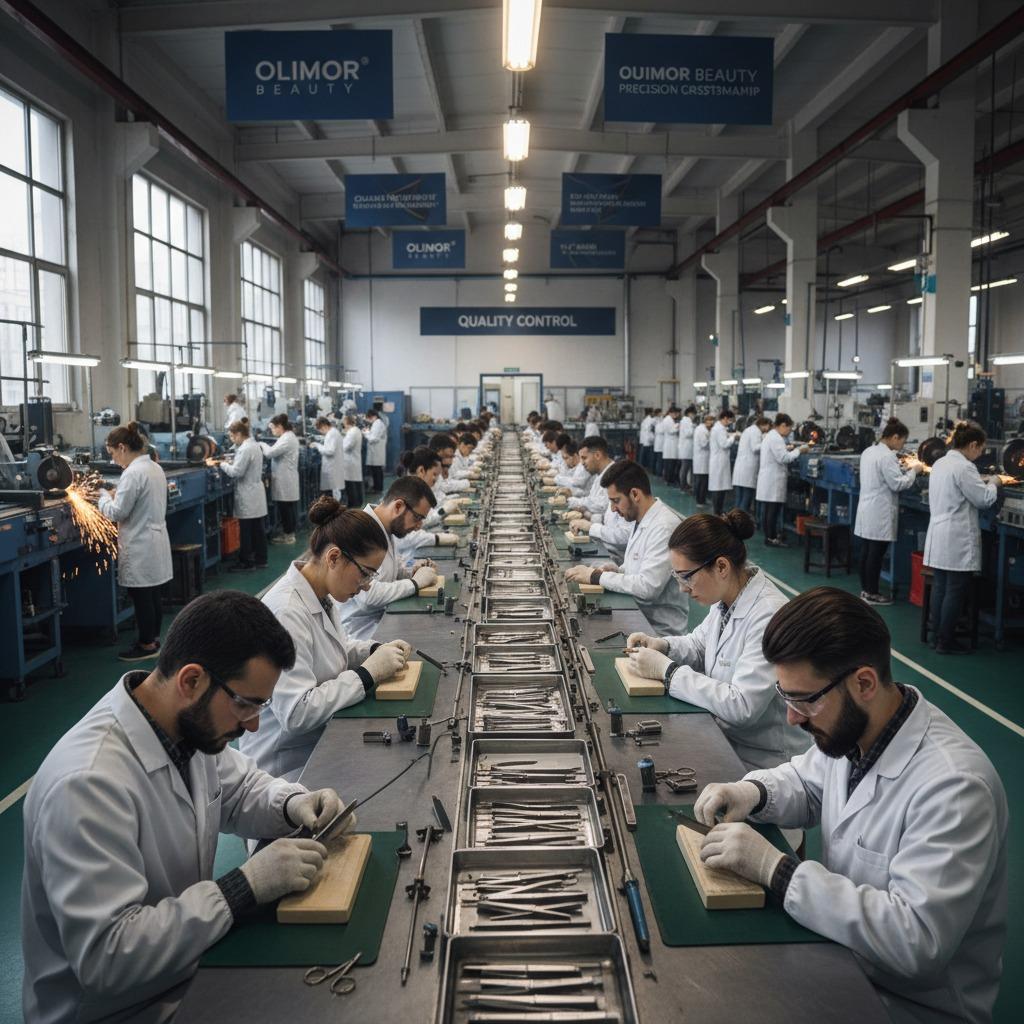
The original product information refers to quality checks, careful construction and inspection from raw materials to final packaging. Because specific material grades and test results are not provided, buyers should focus on verifiable checkpoints during evaluation. Useful questions include: Are the cutting edges consistent across samples? Does the lever return smoothly? Are the wood accents securely fitted? Is the finish clean around the rivet and edges? Does the case protect the product during shipping and storage?
| Evaluation Area | What to Check | Why It Matters |
|---|---|---|
| Cutting performance | Test several small cuts on appropriate nail samples or approved substitutes. | Shows whether the blade cuts cleanly without tearing or excess pressure. |
| Blade alignment | Inspect the jaw line when closed and when pressure is applied. | Poor alignment causes uneven trimming and reduces user confidence. |
| Grip comfort | Hold the clipper in different hand positions and test lever control. | A stable grip supports precise trimming and safer handling. |
| Surface finish | Check metal edges, wood accent transitions and visible polishing. | Finish quality affects comfort, appearance and perceived value. |
| Packaging fit | Place the clipper in the case and test removal, closure and protection. | Good packaging improves storage and helps present the product properly. |
These checks are practical for retailers, private-label planners, distributors and beauty professionals comparing different grooming tools. If a product is intended for a premium display, the standard for finish and packaging will naturally be higher than for a basic utility item.
Where This Clipper Fits in a Grooming Kit
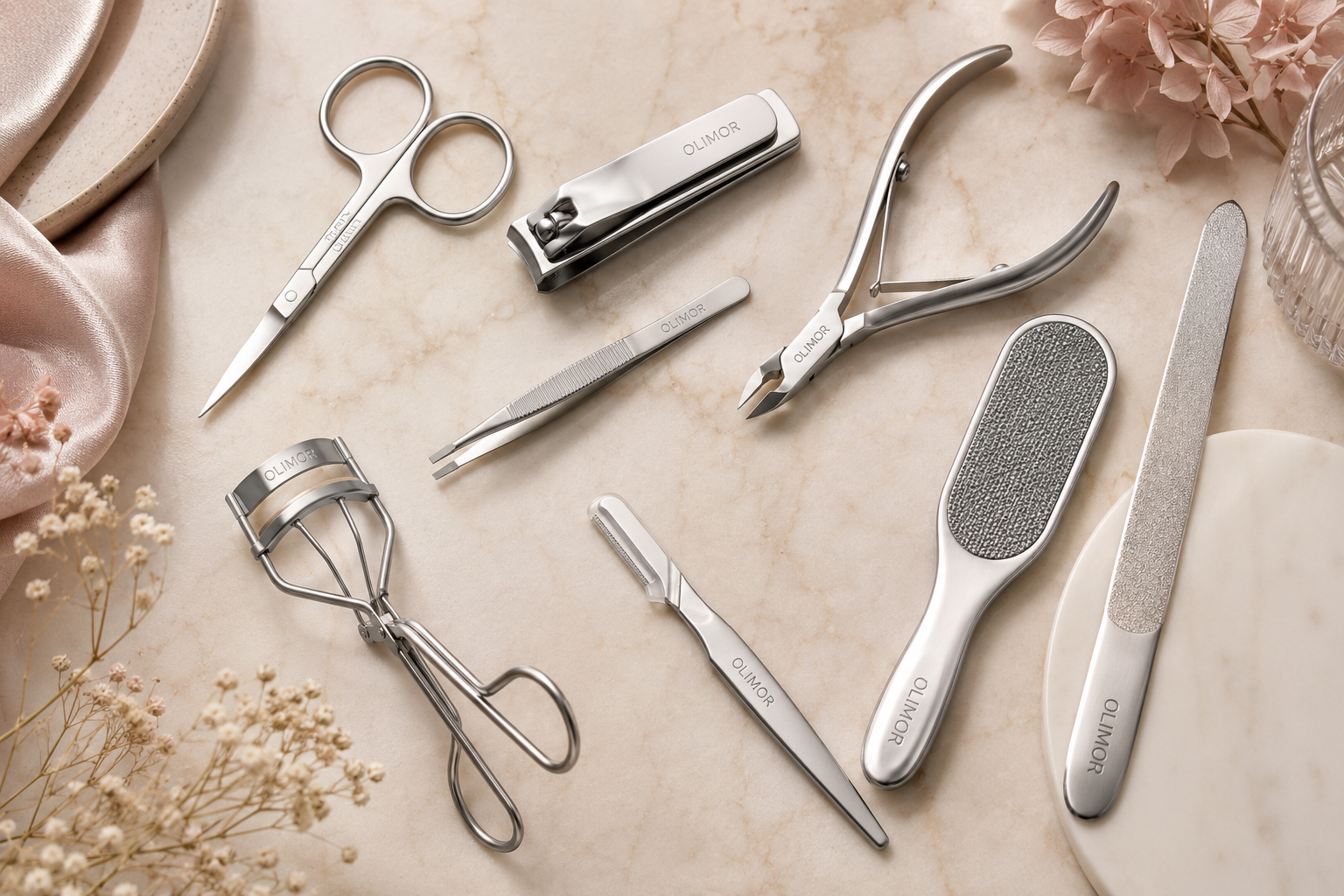
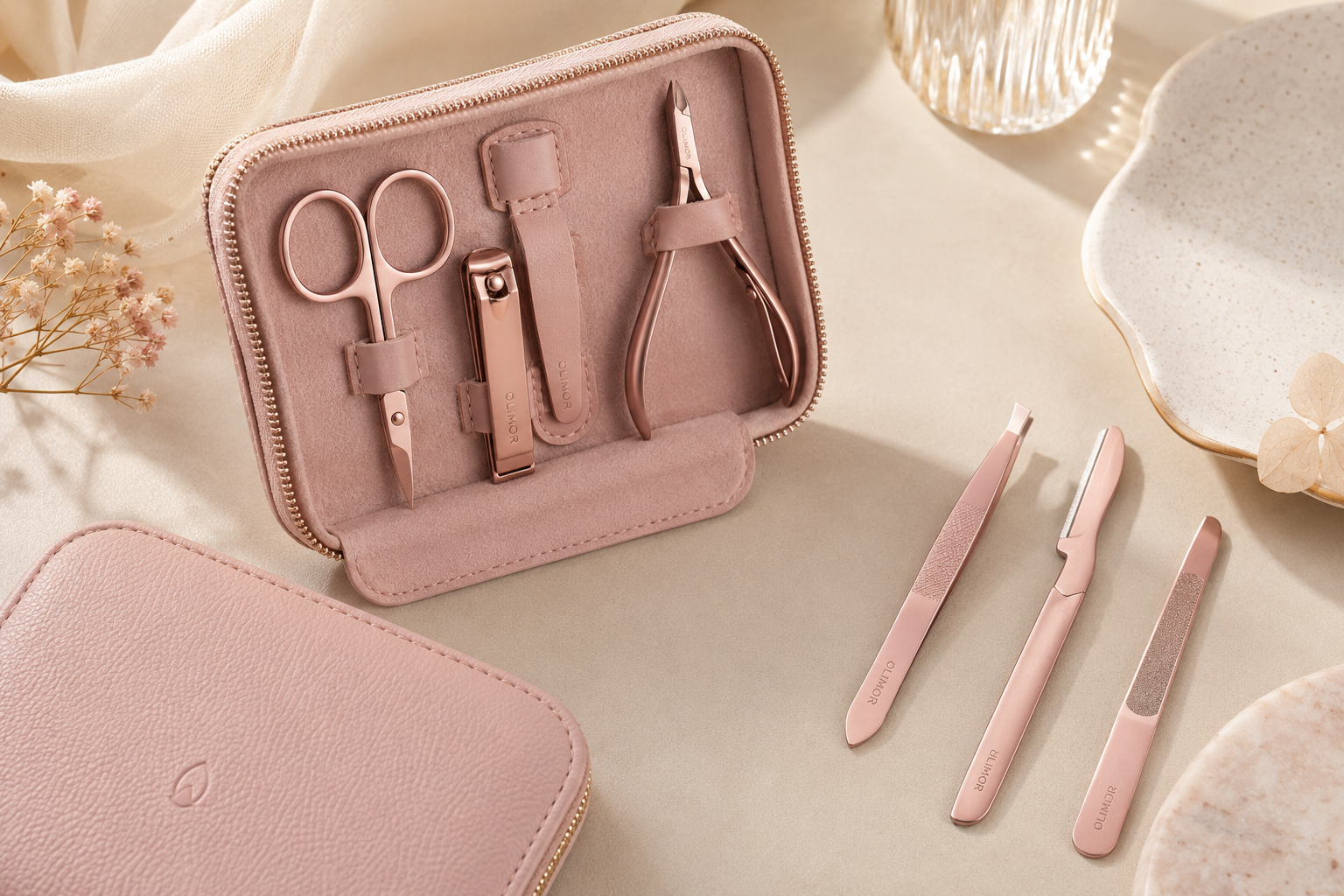
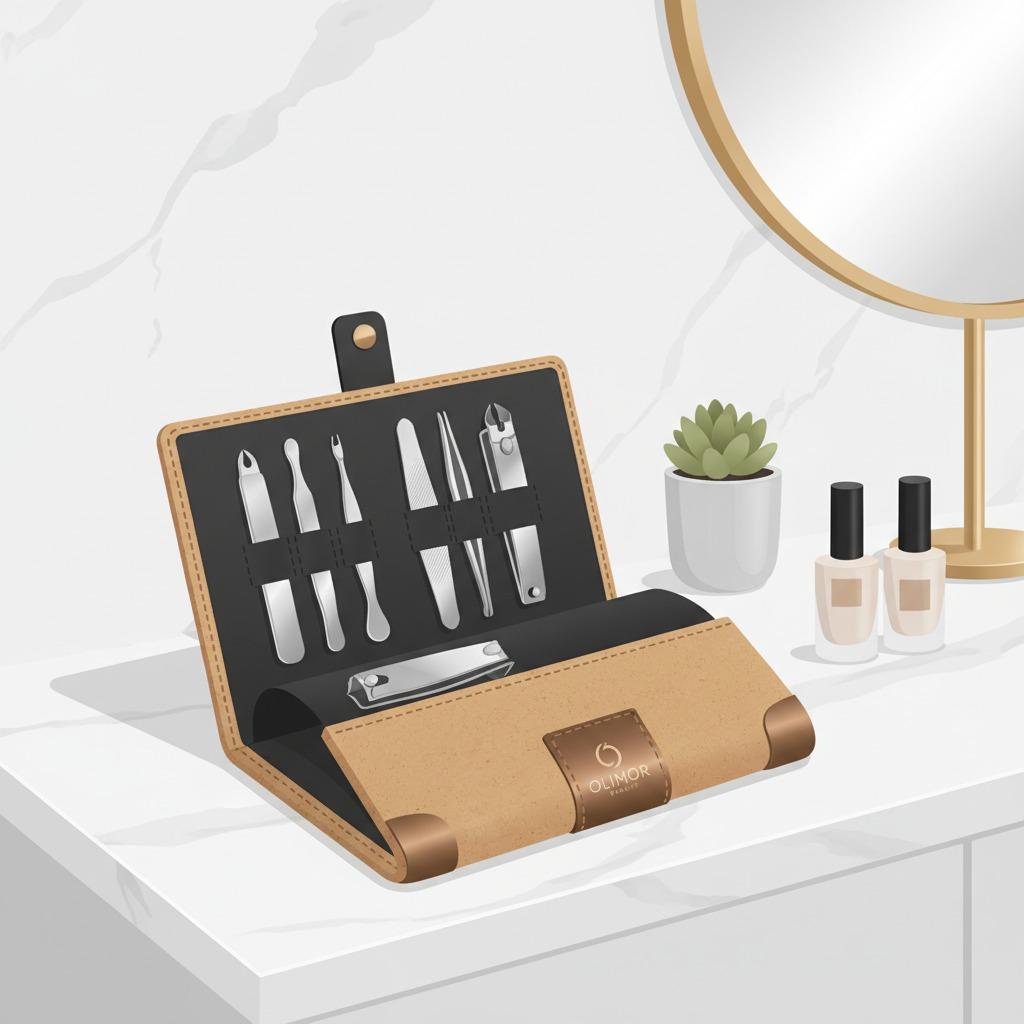
A precise nail clipper is usually the starting point of a grooming kit rather than the only item needed. A complete nail care setup may include a file, cuticle tool, small scissors, tweezers and cleaning accessories. The clipper’s role is to reduce nail length cleanly; shaping and smoothing are usually completed with a separate file. This division of tasks helps prevent over-cutting and gives a more polished final result.
The luxury elegant nail clipper described here is particularly suitable for users who value both grooming performance and presentation. The metal base suggests stability, while the natural wood accent gives the tool a warmer hand feel and a more distinctive appearance. The velvet case supports tidy storage, which is helpful for travel, gifting or countertop organization.
For businesses building assortments, it can be useful to compare this kind of individual grooming tool with wider product collections. A standalone clipper may appeal to customers who want a refined everyday item, while a kit may suit customers seeking a more complete nail care solution. The better choice depends on the sales channel, target price positioning and how much emphasis is placed on presentation.
Care and Maintenance for Longer Service
Maintenance is simple, but it should not be ignored. Nail clippers contact skin, nail dust and sometimes moisture, so they should be cleaned regularly. After each use, remove visible debris from the jaws and wipe the tool dry. If a damp cloth is used, dry the metal areas fully before storing the clipper in its case. Avoid leaving the tool in wet bathroom conditions for long periods.
Do not use a nail clipper to cut wire, plastic tags or other hard materials. Those tasks can damage blade alignment or dull the cutting edge. If the clipper begins to leave rough, crushed edges even with careful technique, it may be time to replace it. A grooming tool should make nail care easier, not require extra force or repeated correction.
For shared environments such as salons, guest bathrooms or professional sample kits, cleaning practices should follow the relevant hygiene rules for that setting. Personal tools are easier to maintain because they are used by one person, but they still benefit from regular wiping, dry storage and careful handling.
Choosing the Right Nail Clipper with Olimor Beauty
The best nail clipper is not defined only by shine, weight or packaging. It is defined by the balance of clean cutting, comfortable control, reliable finishing and appropriate presentation. Olimor Beauty’s luxury elegant nail clipper brings together several useful qualities stated in the product description: sharp curved blades, a metal base, natural wood accents, ergonomic grip benefits, quality inspection and a velvet case.
For individual users, those qualities can support a more controlled home grooming routine. For buyers, they provide clear points for product evaluation: cutting accuracy, grip comfort, surface quality and packaging suitability. If you are reviewing nail grooming tools for retail, promotional use or a broader beauty range, compare the product against real handling needs rather than relying only on appearance.
To discuss available beauty tool options or share sourcing requirements, you can contact Olimor. If you already have a project brief, quantity plan or packaging direction prepared, you may also send an inquiry so the team can review the details and respond with relevant next steps.