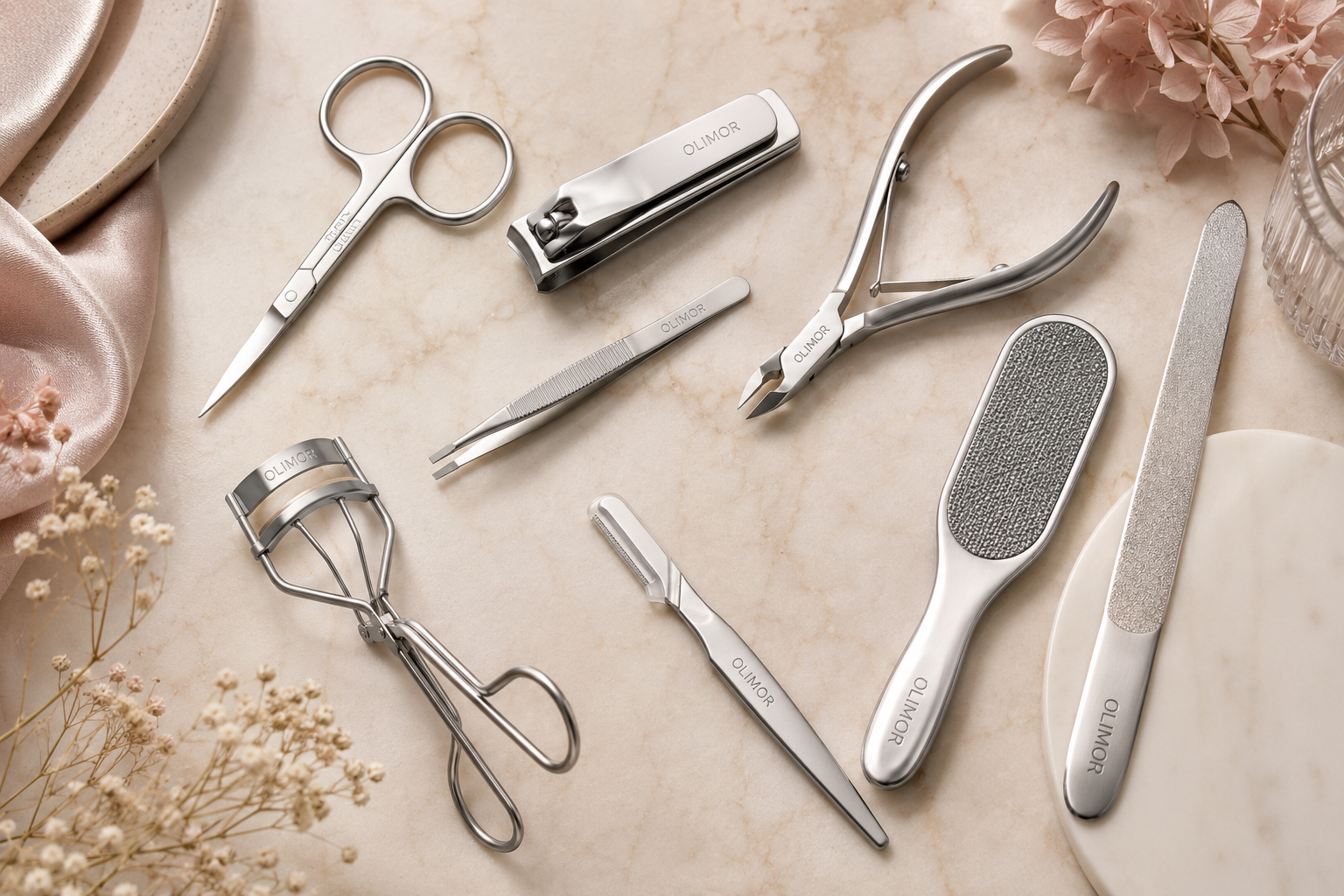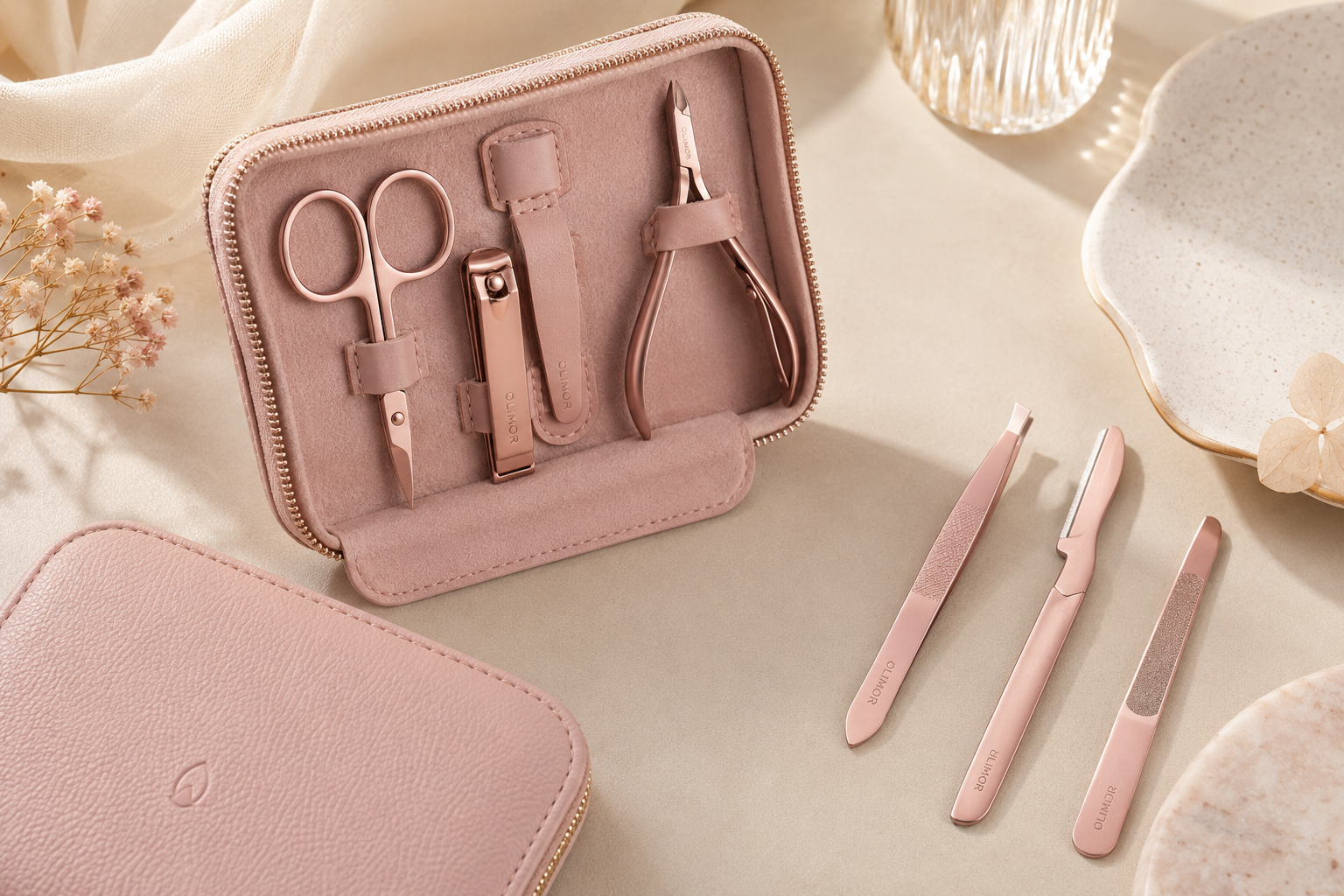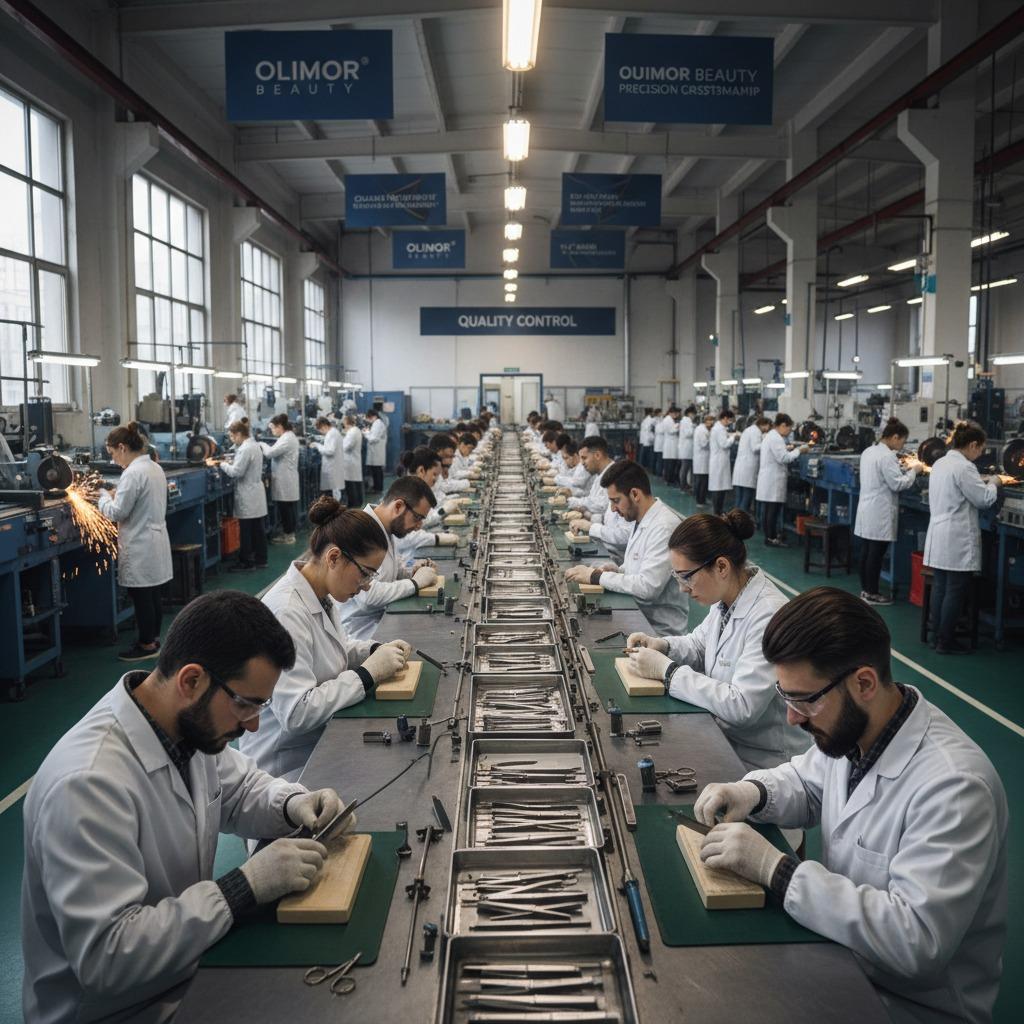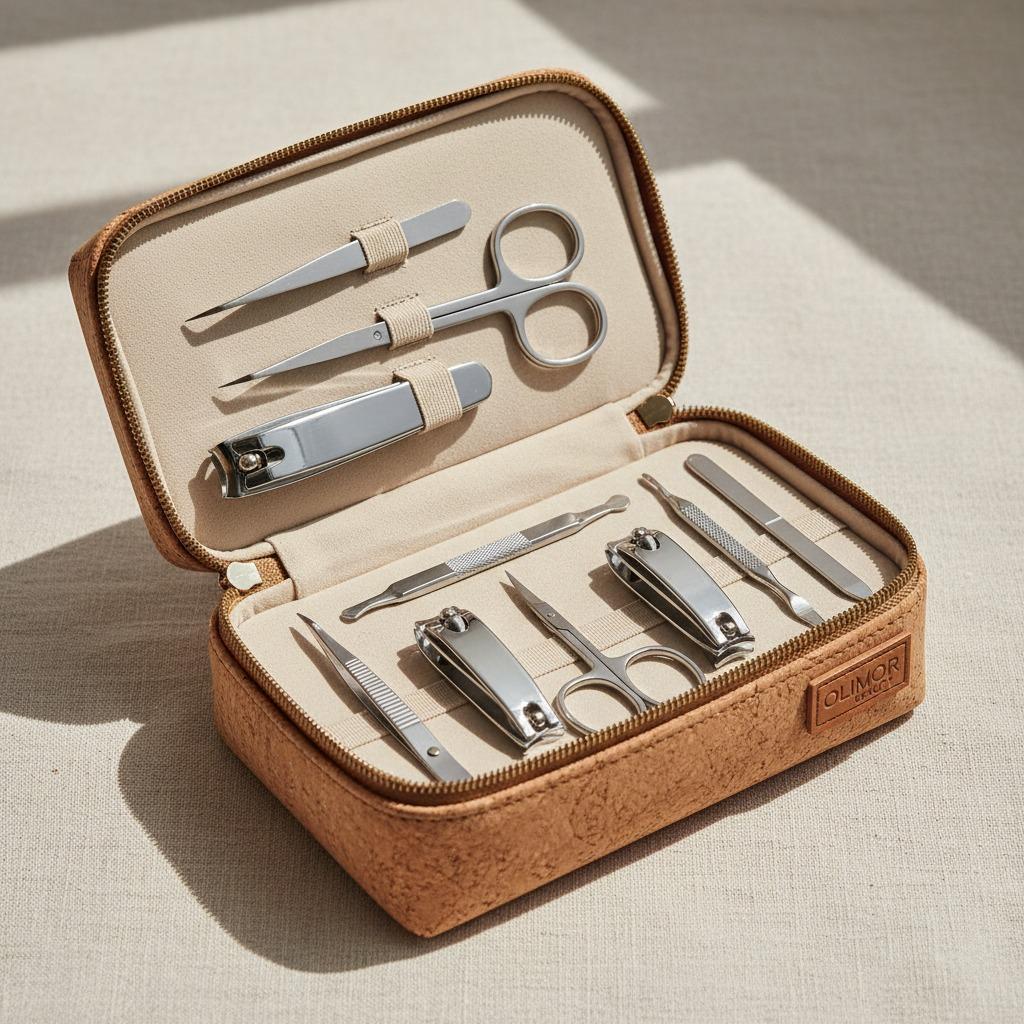











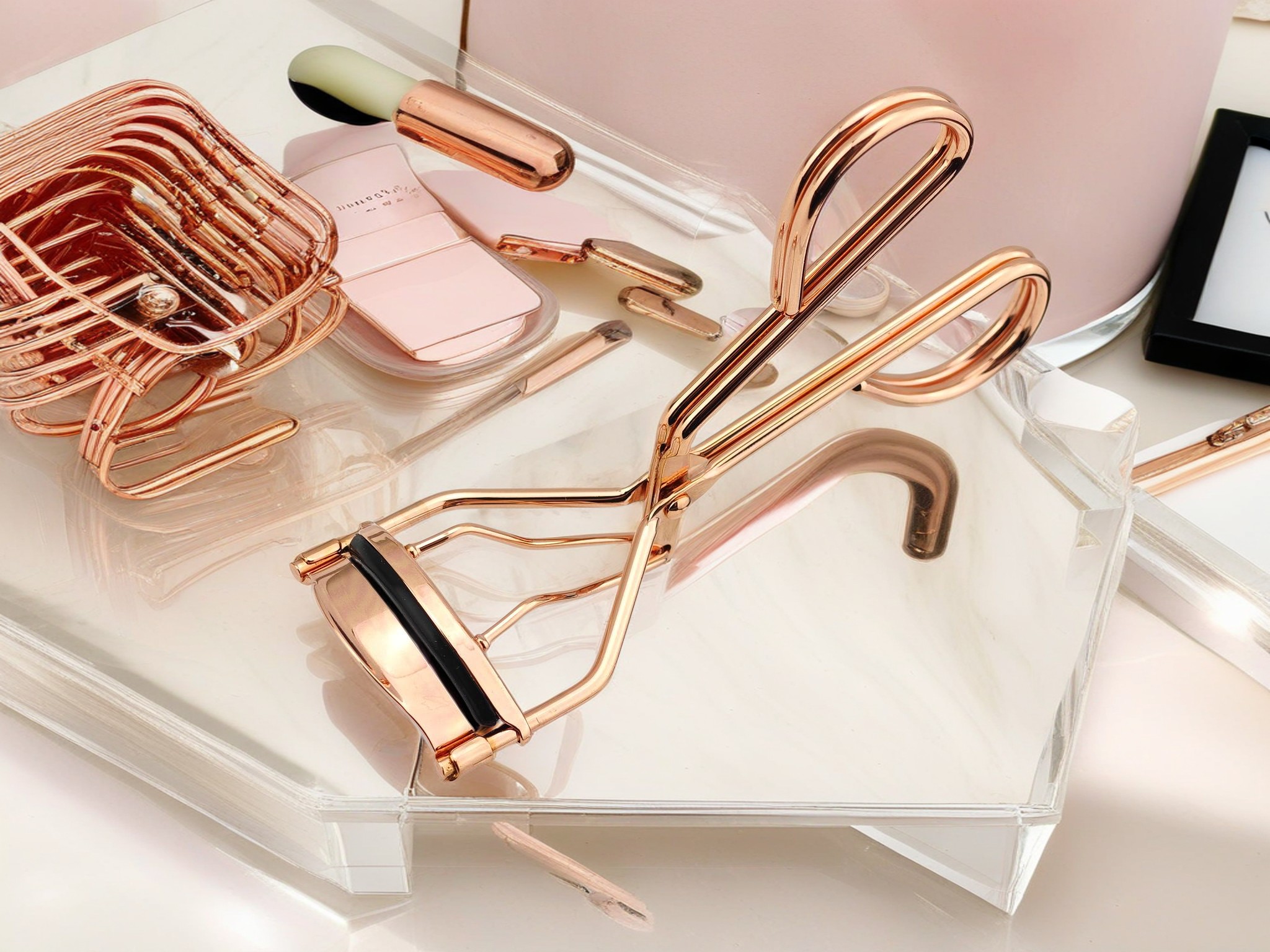
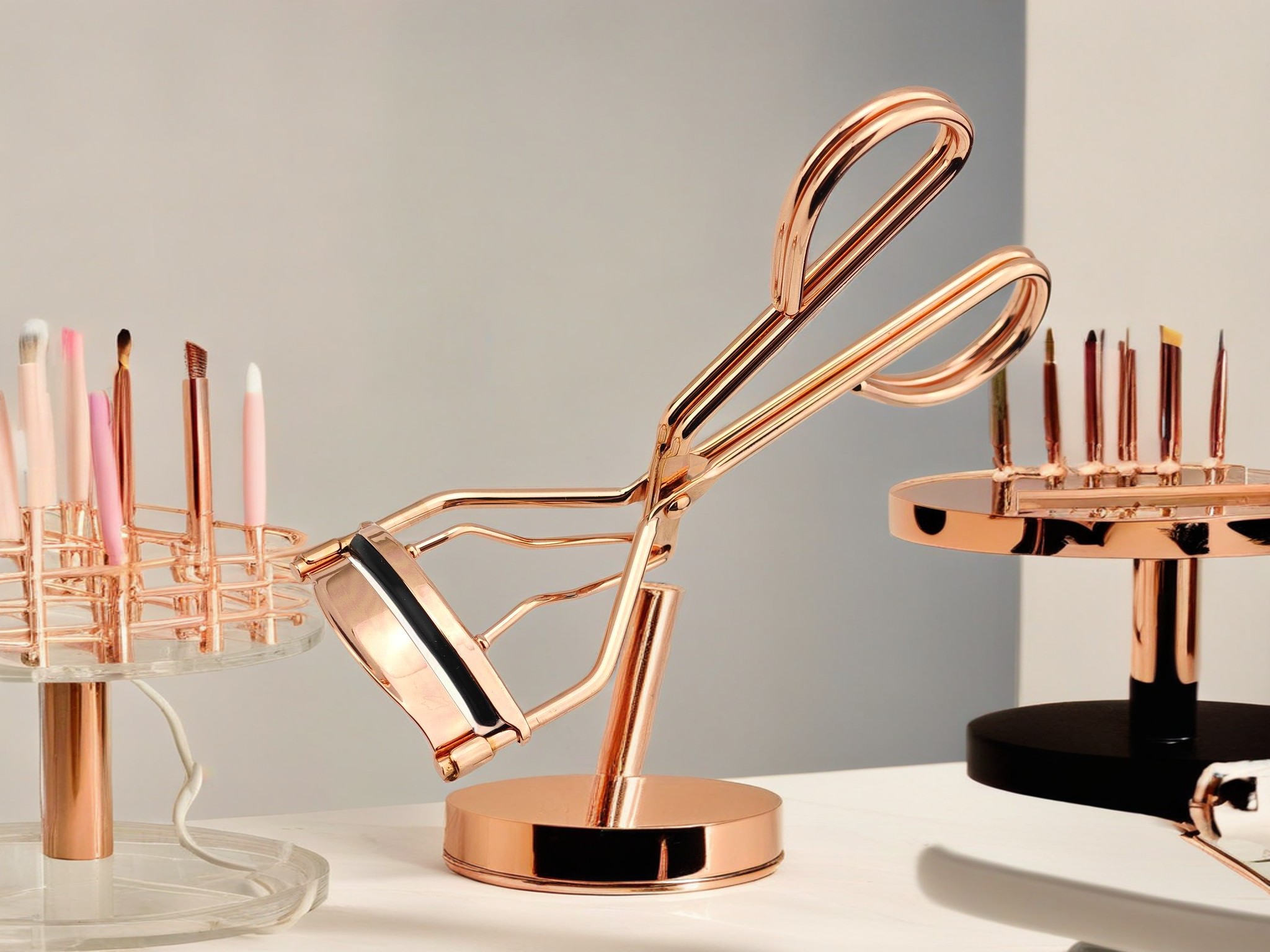
A precision eyelash curler should lift lashes smoothly without pinching the eyelid, leaving a harsh crimp, or making the user press harder than necessary. The Rose Gold Precision Lash Curler from Olimor Beauty is designed as a handheld beauty tool with a polished rose gold finish, ergonomic double-ring handle, wide curved clamp and silicone cushion. For everyday users, it supports a clean curl before mascara. For retailers, distributors, makeup artists and salon buyers, it is a compact lash accessory that is easy to explain, display and add to a broader beauty-tool assortment.
This guide focuses on one practical question: how do you choose, use and evaluate a precision eyelash curler so it performs well in real beauty routines? It covers user technique, lash-type considerations, cleaning, inspection, travel storage, commercial selection and supplier evaluation without relying on vague claims. If you are building a beauty tool range, you can also compare related items in Olimor’s beauty tool products section while assessing how a lash curler fits your retail or professional offer.
What a Precision Eyelash Curler Is Supposed to Do
An eyelash curler is a simple manual tool, but small design differences affect comfort and results. Its main purpose is to place lashes between a curved upper clamp and a cushioned lower pad, then apply controlled pressure to lift the lash line. The goal is a smooth curve, not a sharp bend.
The Rose Gold Precision Lash Curler combines three useful elements. First, the double-ring handle gives the fingers a familiar and stable position, helping users close the tool gradually instead of squeezing abruptly. Second, the wide curved clamp is intended to reach lashes across the eye from inner to outer areas, which can reduce the need to recurl the same section repeatedly. Third, the silicone cushion softens contact against the lashes when the tool is positioned correctly.
The rose gold finish adds retail and vanity appeal, especially for gifting, beauty kits and coordinated displays. However, color should be treated as a presentation feature rather than the main performance factor. Buyers should still inspect alignment, handle movement, cushion seating, edge smoothness and packaging protection before deciding whether a curler is suitable for their customers.
Key Features to Check Before Choosing a Lash Curler
The best eyelash curler is not always the most decorative one. It is the tool that fits the user’s eye shape comfortably, allows controlled pressure and can be cleaned after use. For B2B buyers, the same criteria help reduce avoidable customer complaints caused by poor fit, rough edges or unclear instructions.
| Feature | Why it matters | What to check |
|---|---|---|
| Clamp curvature | Determines how naturally the curler sits along the lash line. | Check whether the curve can reach the center and outer lashes without forcing the tool against the eyelid. |
| Clamp width | A wider clamp may cover more lashes in one press. | Confirm that width does not compromise comfort for smaller or more rounded eyes. |
| Silicone cushion | Softens pressure and helps avoid a harsh crease when used correctly. | Inspect that the cushion is seated evenly, not loose, split, flattened or sticky. |
| Double-ring handle | Supports grip control for beginners and faster professional use. | Open and close the handle to confirm smooth movement and stable alignment. |
| Finish quality | Affects appearance, hand feel and perceived retail value. | Look for smooth surfaces, consistent coating and no sharp or rough contact points. |
| Portability | Important for travel pouches, makeup kits and daily bags. | Consider whether packaging or a pouch can protect the clamp and cushion in transit. |
For assortment planning, a rose gold lash curler can sit well beside eye tools, skincare tools and manicure accessories. Buyers comparing multiple categories may find it useful to browse Olimor’s product collections to plan color themes, gift sets or point-of-sale groupings.
How to Use an Eyelash Curler Safely and Effectively
Most eyelash curler problems come from technique rather than the tool alone. Pinching, crimping and lash pulling usually happen when the curler is too close to the lid, squeezed too hard, used on sticky mascara, or applied without checking alignment. The safest habit is to curl clean, dry lashes before mascara unless a cosmetic brand gives different instructions for its product.
- Start with clean lashes. Remove old mascara, oil and skincare residue. Lashes should move freely and not stick to the cushion.
- Use a mirror and look slightly downward. This position makes the lash base easier to see while keeping the eyelid relaxed.
- Open the curler fully. Bring the tool toward the eye slowly. Do not rush the placement step.
- Position near the lash roots, not on the skin. The clamp should catch lashes close to the base without pinching the eyelid. If skin is caught, release immediately and reposition.
- Press gently. Close the handle with light, controlled pressure. A hard squeeze can create a sharp bend and may stress the lashes.
- Build the curl in stages. After curling near the base, move slightly toward the middle of the lashes and press again lightly. For longer lashes, a final soft press near the tips can create a more natural arc.
- Apply mascara after curling. Mascara can help define and hold the lifted shape. Avoid recurling lashes once mascara has dried, because stiff coated lashes are more likely to stick or break.
For very straight lashes, several light presses usually give a better result than one forceful press. For short lashes, positioning matters more than pressure. For sensitive eyes, users should pause, check the clamp location and avoid curling in a moving car, train or other unstable environment.
Matching the Curler to Different Lash and Eye Needs
The Rose Gold Precision Lash Curler has a wide curved clamp intended to suit a broad range of eye shapes, but no manual curler will feel identical on every user. Eye curvature, lid shape, lash length and comfort tolerance vary. Retailers and professional users should present lash curlers as fit-sensitive tools, not one-size-fits-all guarantees.
For long lashes
Long lashes can look bent if curled only at the base. A three-step method works better: press lightly near the roots, repeat at the middle and finish with a gentle touch closer to the tips. This creates a lifted curve rather than lashes pointing straight upward.
For short lashes
Short lashes require careful alignment. The user should avoid pushing the curler into the lid just to catch more hair. A controlled grip and clear mirror angle are more important than extra pressure.
For straight or downward-facing lashes
Focus first on the base lift, then set the shape with mascara. If the curl drops quickly, the issue may be mascara weight, lash texture, humidity or technique. Repeated hard squeezing is not the best solution and may create uneven bends.
For sensitive eyes or beginners
A beginner should practice the motion without pressing hard. The double-ring handle helps with control, but users still need to close the clamp slowly and release immediately if they feel skin, pulling or discomfort.
Cleaning, Maintenance and Inspection
An eyelash curler touches the lash line, where mascara, oils, skincare and dust can collect. Cleaning is not only about appearance; residue can make lashes stick to the cushion and can affect the smoothness of the curl. The tool should be wiped after use, especially if it is shared in a professional environment or handled during makeup services.
After curling, wipe the silicone cushion and nearby metal contact area with a clean soft cloth. If visible cosmetic residue remains, use a suitable cosmetic tool cleaner or a lightly dampened cloth, then dry the curler thoroughly. Do not store the tool while wet. Moisture trapped around joints or cushions can reduce the tool’s usable condition and create hygiene concerns.
Regular inspection is simple and should become part of routine beauty tool care:
- Check whether the silicone cushion is split, cracked, flattened, sticky or deeply marked.
- Confirm the cushion sits evenly in its channel and does not shift during closing.
- Open and close the handle to see whether the clamp moves evenly.
- Inspect the clamp edge for roughness, deformation or residue buildup.
- Look at the finish around joints and contact points for wear that could affect comfort.
- Store the curler in a clean pouch or protected compartment when traveling.
A worn cushion can press unevenly and turn a smooth curl into a crimp. Professional users and retailers offering product education should remind customers to replace the cushion or tool when visible wear affects performance. Avoid giving a fixed replacement interval unless it is supported by the supplier’s instructions, because actual wear depends on frequency of use, cleaning habits and storage conditions.
Commercial Buying Considerations for Retailers, Salons and Distributors
For commercial buyers, a lash curler is both a product and an education item. It is small, affordable to display compared with larger beauty devices, and easy to add near mascara, false lashes, makeup brushes or travel accessories. However, customer satisfaction depends on clear expectations. A curler cannot permanently change lash growth, and it should not be marketed as a substitute for professional lash services.
When comparing lash curlers for retail or salon resale, consider these practical sourcing questions:
- Sample inspection: Can you review samples for clamp alignment, handle movement, cushion fit and finish consistency before a larger order?
- Packaging protection: Will the clamp and cushion be protected during shipping, storage and retail handling?
- Instruction clarity: Are use and cleaning instructions simple enough for first-time users?
- Assortment fit: Does the rose gold finish coordinate with other beauty tools, gift sets or seasonal displays?
- Customization discussion: If branding, packaging or assortment requirements are needed, what customization options can the supplier confirm in writing?
- After-sales support: How will the supplier handle product questions, documentation requests or repeat orders?
Cost can vary based on order scope, packaging, customization, finishing requirements, inspection expectations and logistics. Buyers should avoid comparing only the unit price without considering defect risk, packaging suitability and customer education. A low-cost curler that arrives with uneven cushions or unclear instructions can create higher hidden costs through returns, complaints or extra service time.
For regulated retail markets, verify current product safety, labeling, packaging and import requirements with qualified advisers and supplier documents. Depending on destination and sales channel, public bodies or frameworks such as the U.S. Consumer Product Safety Commission and the European Union General Product Safety Regulation may be relevant to general consumer product obligations. Requirements can change, so buyers should confirm current versions and not assume that a beauty tool automatically meets a market’s rules without documentation.
Common Problems and How to Solve Them
If lashes look crimped, the user is often pressing too hard or holding the curler in only one position. The fix is to use lighter pressure and curl in two or three stages along the lash length. If the eyelid is pinched, the clamp is too close to the skin or the eye angle is not right. Release the curler, look slightly downward and reposition before pressing.
If only the center lashes curl, the clamp may not be aligned with the outer corner, or the eye shape may need sectional curling. Users can curl the center first, then slightly adjust the angle to reach outer lashes without forcing the tool. If lashes stick to the cushion, clean the pad and avoid using the curler over wet or dried mascara. If the curl drops quickly, check whether heavy mascara, oil residue or very straight lash texture is affecting hold.
If the tool feels unstable, inspect the handle and clamp. A curler with wobbling movement, a damaged cushion or rough edge should not be used near the eye. For buyers receiving stock, these are the kinds of issues that should be caught during incoming inspection before products reach customers.
Supplier Evaluation Checklist
Before placing a wholesale, distributor or customized order, use a simple checklist to compare suppliers consistently. The goal is to confirm the product you receive matches the product you approved.
- Request clear product photos and specifications for the lash curler being quoted.
- Review physical samples when possible, including the handle, clamp, cushion and finish.
- Check whether packaging protects the tool during shipping and retail display.
- Confirm branding, color, packaging or accessory customization details in writing if required.
- Ask what inspection steps are used for alignment, surface condition and assembly consistency.
- Clarify ordering process, payment terms, shipping method and documentation before committing.
- Keep approved samples or reference photos for future order comparison.
If you are evaluating the Rose Gold Precision Lash Curler for a retail range, salon kit or promotional program, you can contact Olimor Beauty for product and sourcing discussions, or send a product inquiry with your target use, packaging needs and destination market.
Frequently Asked Questions
Can I request samples before a larger order?
For B2B evaluation, asking for samples is a practical step. Samples allow you to inspect clamp alignment, cushion seating, handle feel, finish quality and packaging before confirming a larger purchase. Availability and terms should be confirmed directly with Olimor.
Is there a fixed MOQ for the Rose Gold Precision Lash Curler?
Minimum order quantity can depend on product configuration, packaging, customization and current production arrangements. Request the current MOQ in writing when you submit your inquiry.
Can the curler be customized for retail or promotional programs?
Customization may involve packaging, branding or assortment presentation, depending on project requirements. Confirm available options, artwork requirements and approval steps with the supplier before planning a launch.
How should quality be checked when stock arrives?
Inspect cartons and packaging first, then check representative units for smooth opening and closing, secure silicone cushions, consistent rose gold finish, clean edges and correct labeling or inserts if included. Keep records of any issues and compare against approved samples.
How is lead time determined?
Lead time can be influenced by order quantity, customization, packaging, inspection, production schedule and shipping method. Ask for a current estimate based on your exact order details rather than relying on a general assumption.
Final Buying Guidance
The Rose Gold Precision Lash Curler is best suited for users and buyers who want a portable manual lash tool with controlled double-ring handling, a wide curved clamp, a silicone cushion and a polished rose gold appearance. Its strongest value is practical: it is easy to understand, simple to demonstrate and useful for everyday makeup routines when used before mascara with gentle pressure.
For personal use, focus on correct positioning, clean lashes and routine cushion inspection. For commercial sourcing, focus on sample review, packaging protection, customer instructions, market requirements and supplier communication. A well-selected eyelash curler should feel stable in the hand, comfortable near the eye, easy to clean and clear to use from the first demonstration.