










Eyelash extensions depend on small movements repeated with consistency. A lash artist may isolate one natural lash, pick up a fine extension, build or place a volume fan, and adjust direction without disturbing the surrounding lashes. For that kind of control, the tweezer is not a minor accessory. It is the main contact point between the hand and the lash.
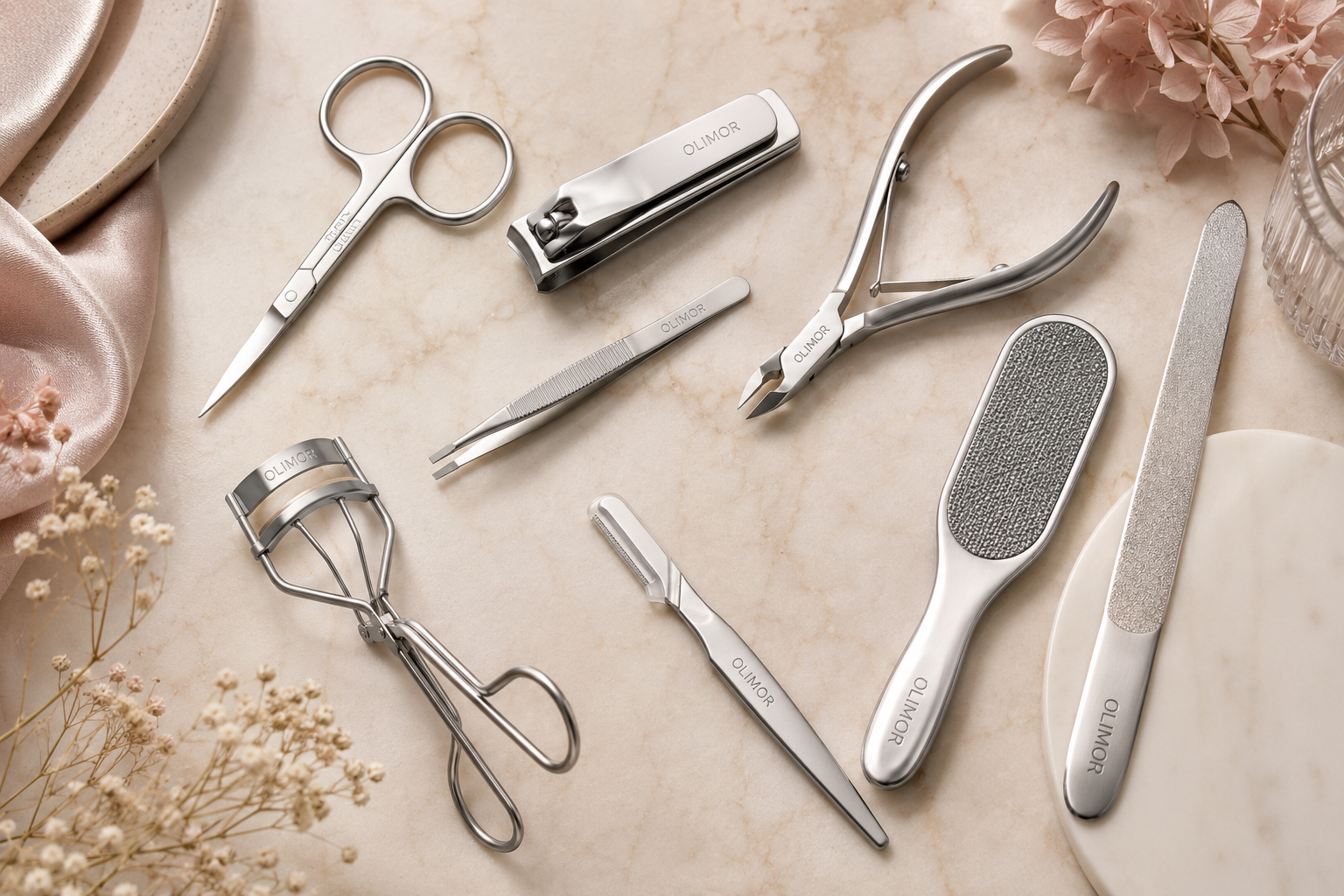
Olimor Beauty stainless steel tweezers are designed for detailed beauty work such as eyelash extensions, brow grooming and facial hair removal. The original product presentation highlights ergonomic handling, customized tips for lash tasks, stainless steel construction, resistance to rust and wear, and finish choices including gold, silver, black and rose gold. For salons, independent lash technicians and learners, those details matter because the right tweezer can reduce unnecessary hand strain and help create more predictable placement.
Why Tweezer Precision Matters in Lash Extension Work
In lash extension services, precision is not only about making the finished set look neat. It also affects speed, comfort and control. Poorly matched tweezers can slip when picking up extensions, pinch too tightly, or make it difficult to separate natural lashes cleanly. The result may be slower application and more hand fatigue during longer appointments.
Good tweezers support three core actions. First, they help isolate a natural lash without pulling neighboring lashes into the work area. Second, they pick up extensions securely enough for accurate placement. Third, they release smoothly, so the technician does not disturb the adhesive bond or the direction of the extension. When a tweezer tip, tension and grip feel balanced, the artist can focus more on lash mapping and symmetry instead of constantly correcting tool behavior.
For buyers comparing beauty tool products, the most useful question is not simply whether a tweezer looks professional. It is whether the tool shape supports the task: isolation, classic pick-up, volume fan handling, brow shaping or general facial hair removal.
Stainless Steel Construction for Daily Salon Handling
The supplied product information identifies these tools as stainless steel tweezers and notes resistance to rust and wear. Stainless steel is commonly preferred in professional beauty tools because it offers a cleanable surface and a durable feel when used throughout the day. For lash technicians, that durability is especially important because tweezers are handled repeatedly, cleaned regularly and stored between appointments.
Durability also affects consistency. A tweezer that loses alignment or grip too quickly can change the way a technician works. If the tips no longer meet evenly, the tool may drop extensions or crush delicate materials. If the arms bend easily, the artist may need to apply more pressure, which can lead to fatigue. A well-made stainless steel tweezer should feel stable in the hand and maintain dependable tip contact through repeated beauty tasks.
When evaluating a tweezer set for professional use, consider how the metal finish, spring tension and tip alignment work together. A polished appearance is helpful for presentation, but the more important signs are even closure, controlled grip and comfortable resistance. These are the details that influence daily use in a salon or training environment.
Tip Shapes and Tasks: Isolation, Placement and Brow Grooming
The original product information notes that the tweezers use customized tips for specific lash tasks such as isolating individual lashes and placing volume fans. Different tip forms are useful because lash extension work is not one single motion. A technician may prefer one tweezer for separation and another for pickup or fan control.
- Isolation work: A fine, controlled tip helps separate one natural lash from surrounding lashes. This is essential before placing an extension.
- Classic lash pickup: A tweezer with reliable tip contact can hold a single extension without slipping or twisting.
- Volume fan placement: For volume techniques, the grip area must support delicate fan handling without collapsing the fan before placement.
- Brow grooming: Precise tips are useful for removing stray brow hairs and cleaning shape lines around the arch or tail.
- Facial hair detail work: A stable tweezer can help with small, targeted grooming tasks where fingers or larger tools are not suitable.
No single tweezer is perfect for every technician or every technique. Hand size, working angle, lash map and service style all influence preference. That is why sets with multiple tweezer types can be practical: they allow the user to choose the tool that best fits the exact step of the treatment.
Ergonomic Handling for Longer Appointments
Lash application can require sustained concentration over a long appointment. Even a small amount of unnecessary tension becomes noticeable when repeated hundreds of times. The original product description emphasizes ergonomic contouring intended to reduce finger strain during extended application. For professionals, this is not just a comfort feature; it can support steadier work and more consistent pressure.
When testing a tweezer, pay attention to how much force is required to close the arms. If the tension is too stiff, the thumb and fingers may tire quickly. If it is too loose, the user may overcompensate by squeezing harder than necessary. The best choice is often a tool that closes smoothly, gives clear feedback at the tips and does not force the wrist into an awkward angle.
Grip comfort is also affected by surface finish and tool balance. A tweezer should not feel slippery when handled with clean, dry hands, and it should not roll or twist unexpectedly between the fingers. For lash artists who perform several appointments a day, these small differences can affect confidence and pace.
Finish Options: Gold, Silver, Black and Rose Gold
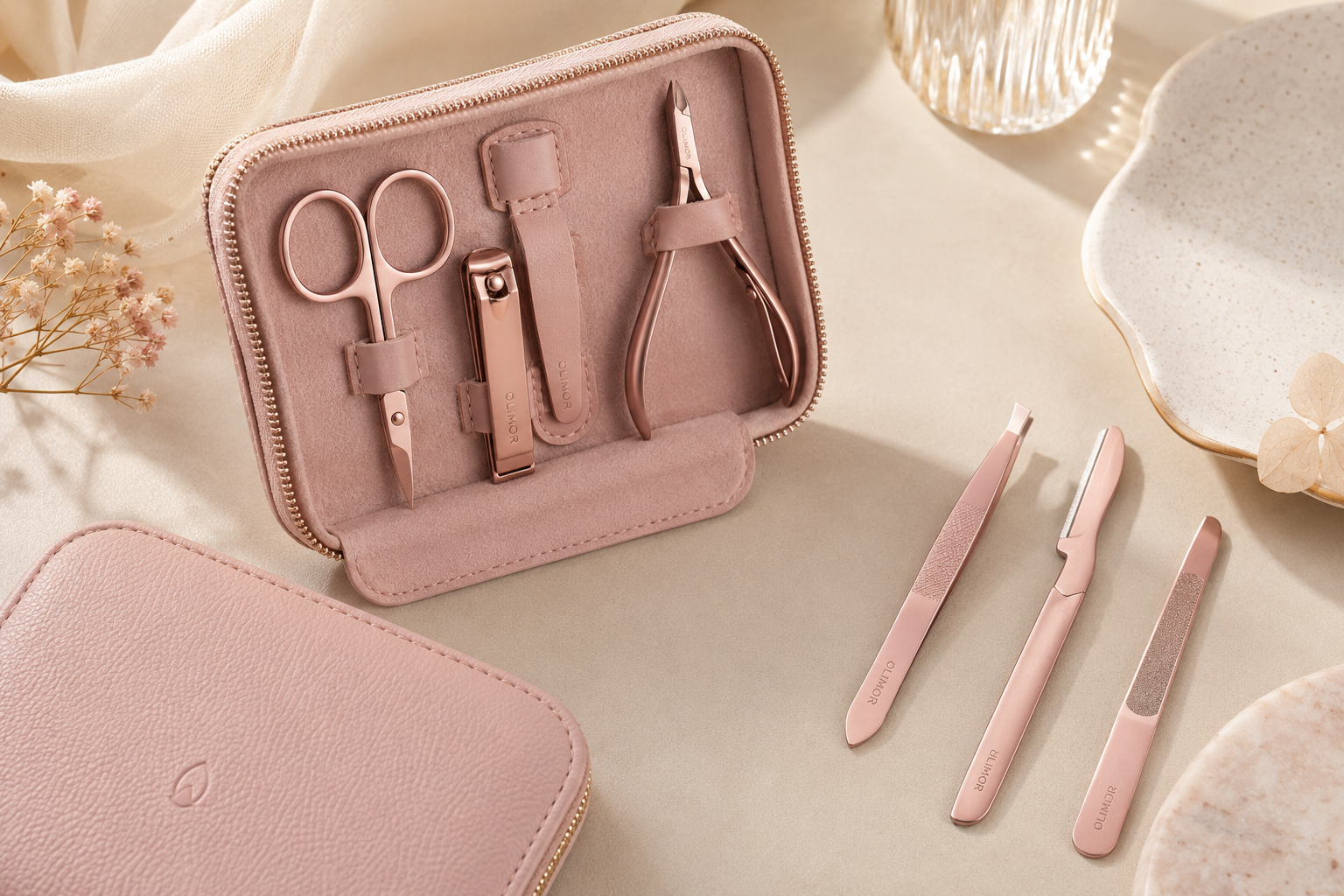
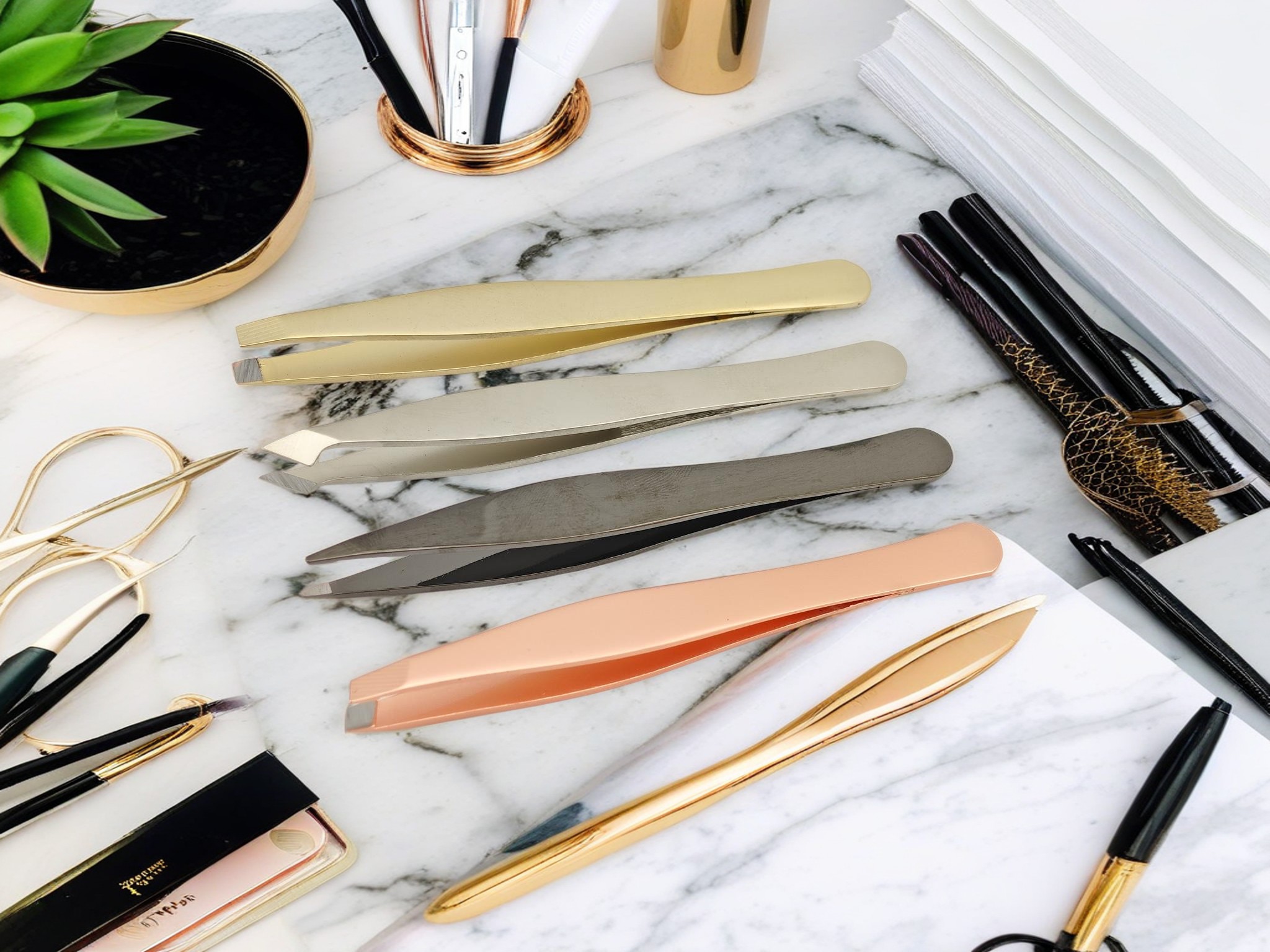
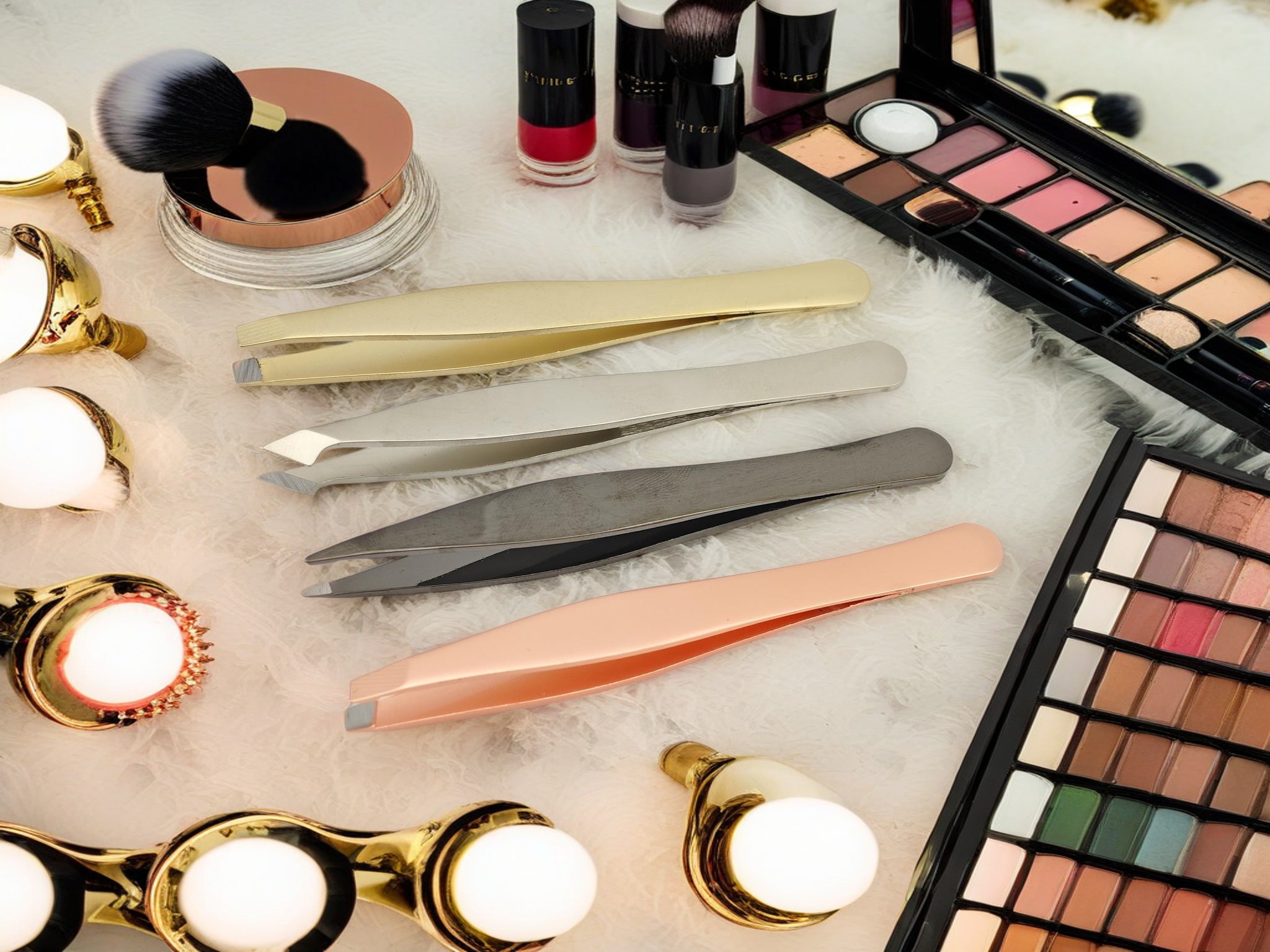
The tweezers are available in gold, silver, black and rose gold finishes. While finish choice is often associated with appearance, it can also help with organization. A salon may assign different colors to different workstations, training kits or task categories. For example, one finish can be used for isolation tools and another for pickup tools, reducing mix-ups during setup.
Color options can also support retail or wholesale presentation. A coordinated tool set looks tidy in a lash cart, training case or professional kit. However, buyers should treat finish as secondary to performance. Tip alignment, comfort, grip and cleanability should come first. A beautiful tweezer that does not hold lashes reliably will not serve the technician well.
If you are building a broader professional tool assortment, compare color and shape options alongside other product collections so the final range feels coherent without sacrificing function.
How to Choose the Right Tweezers for Your Skill Level
The product is suitable for both experienced lash technicians and beginners, but each group may evaluate it differently. A beginner often needs a forgiving tool that makes isolation easier and provides clear feedback when picking up extensions. An experienced artist may look more closely at tip behavior, fan control and speed during advanced techniques.
- Define the main service: Choose based on whether the tweezer will be used mainly for classic extensions, volume fans, isolation, brow shaping or general detail work.
- Check tip contact: The tips should meet evenly and hold fine material without requiring excessive pressure.
- Test working angle: The tweezer should allow a comfortable wrist position when used with your preferred lash bed and lighting setup.
- Consider hand fatigue: Select tension that feels controlled over a full appointment, not just during a quick test.
- Plan the set: Use different tweezers for isolation and pickup when possible, especially for more complex lash work.
For training schools or salon buyers, it can be helpful to standardize a basic tweezer set while still allowing artists to choose their preferred working shape. This keeps purchasing organized but respects the practical differences in technique.
Cleaning, Storage and Maintenance Habits
Even durable stainless steel tweezers need careful handling. Fine tips can be damaged if dropped, pressed against hard surfaces or stored loosely with heavier tools. A tweezer that looks intact may still lose precision if the tips become slightly misaligned. Because lash work relies on small contact points, storage and cleaning habits directly affect tool performance.
- Clean tools according to the hygiene procedures required for your workplace and local regulations.
- Dry tweezers thoroughly before storage to help protect the finish and working surfaces.
- Store each tweezer in a protective case, sleeve or dedicated tray to prevent tip damage.
- Avoid using lash tweezers for non-beauty tasks, such as opening packaging or scraping adhesive residue from hard surfaces.
- Inspect tip alignment regularly and remove any tool from service if it no longer grips safely or predictably.
Maintenance is not complicated, but it must be consistent. A few seconds of careful storage after each service can preserve the fine working edges that make the tweezer useful in the first place.
Buying Questions for Salons, Distributors and Training Kits
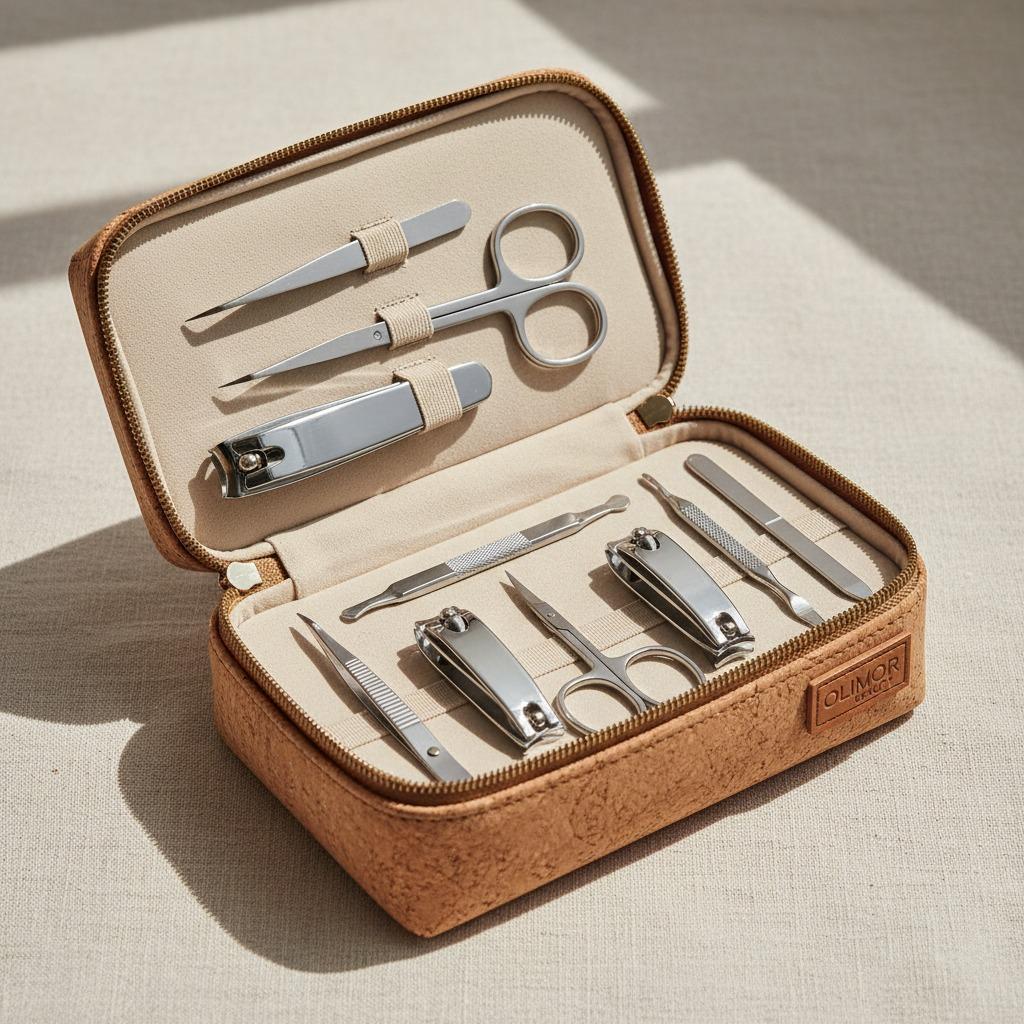
For professional purchasing, the best tweezer choice depends on intended use, user experience and assortment planning. Salons may want reliable tools for daily appointments. Distributors may focus on finish variety and set composition. Training providers may need tools that are comfortable for learners and versatile enough for multiple practice tasks.
Before placing an order, prepare a simple checklist: required tweezer shapes, preferred finishes, packaging expectations, cleaning and storage needs, and whether the tools will be used for lash extensions only or also for eyebrow grooming. If you need to discuss product selection or supply details, you can contact Olimor or send an inquiry with your intended use and quantity planning.
Precision tweezers are small tools, but they influence the quality of lash extension work from the first isolation to the final check. By focusing on stainless steel construction, comfortable tension, task-appropriate tips and careful maintenance, professionals can choose tweezers that support accurate, repeatable beauty work every day.