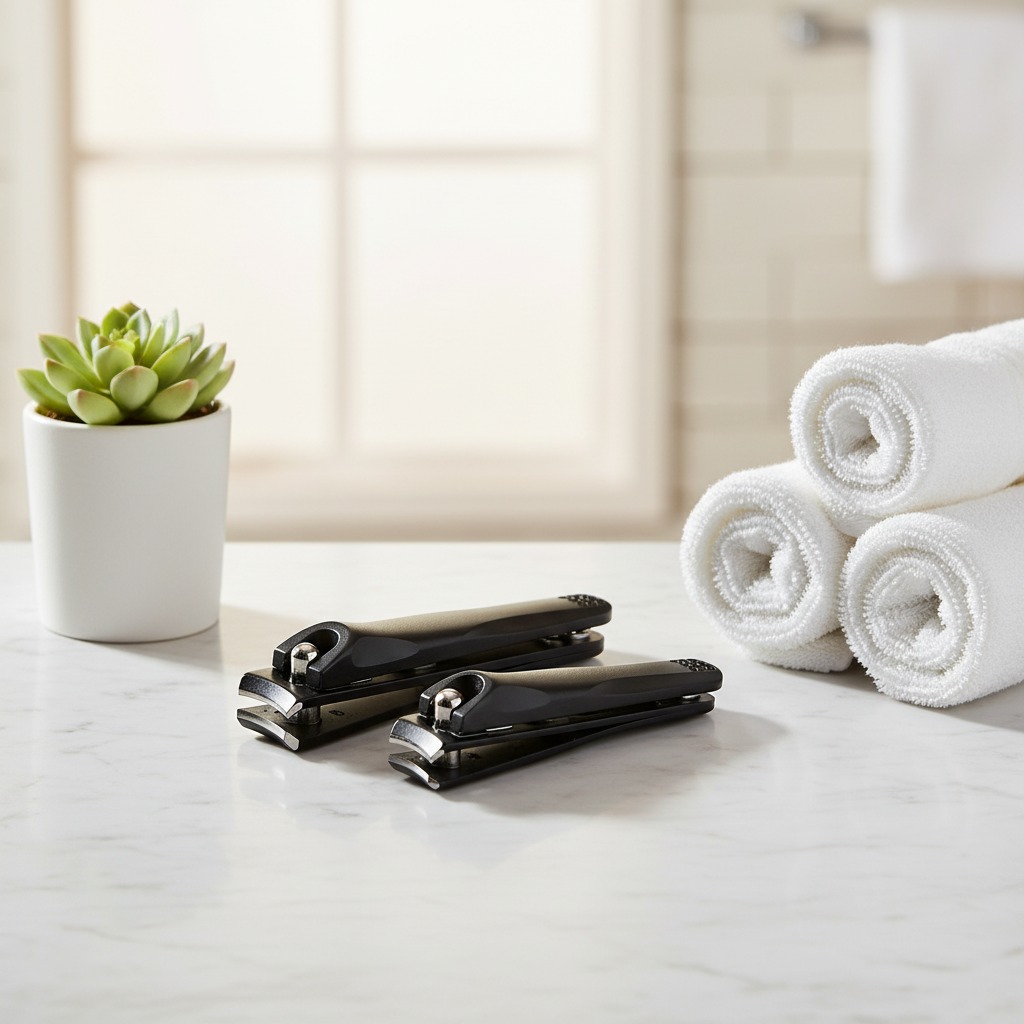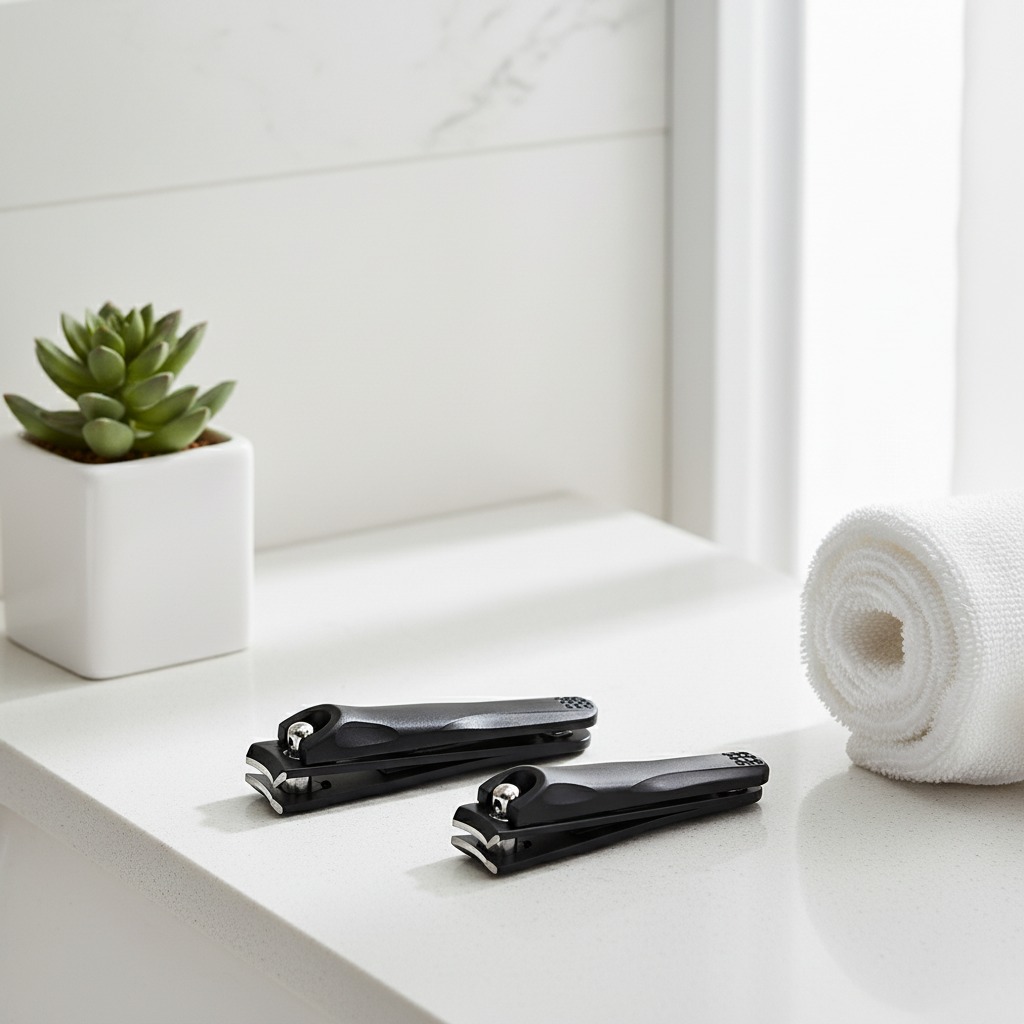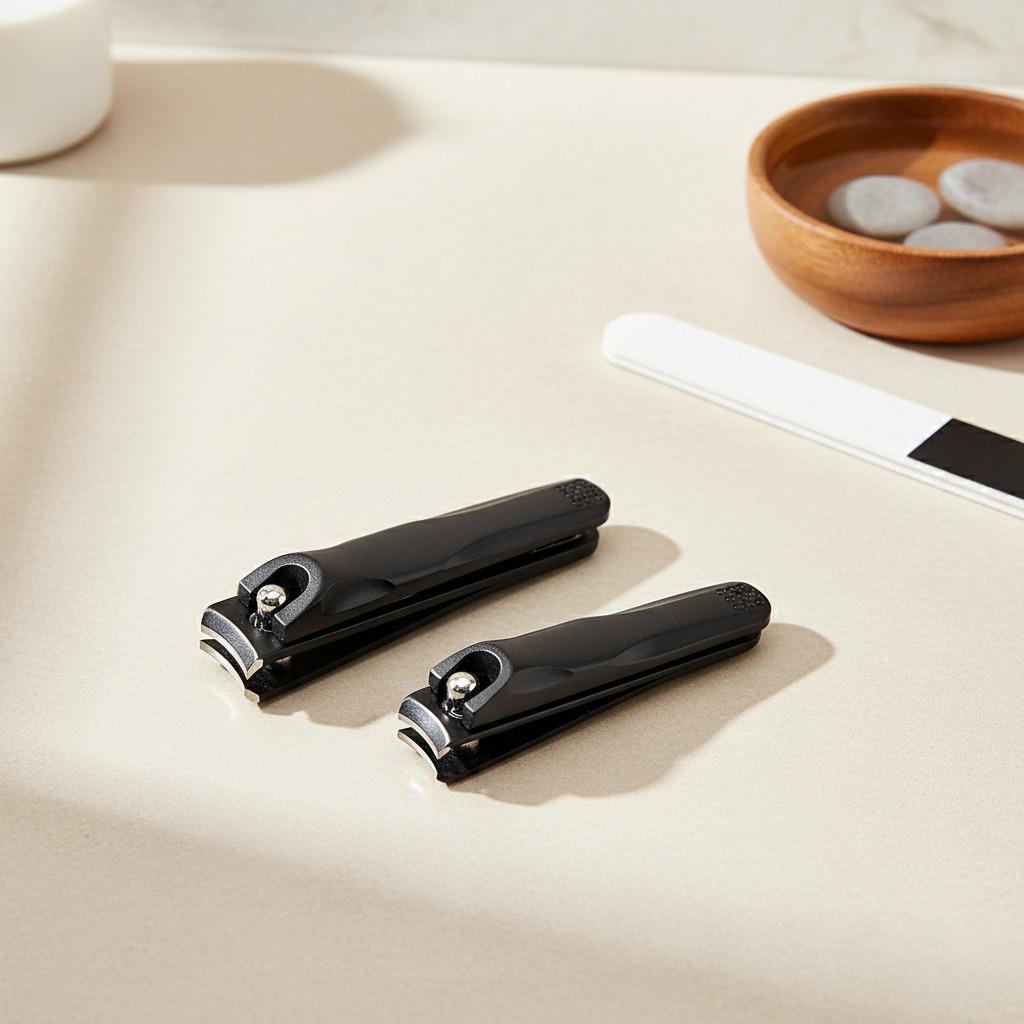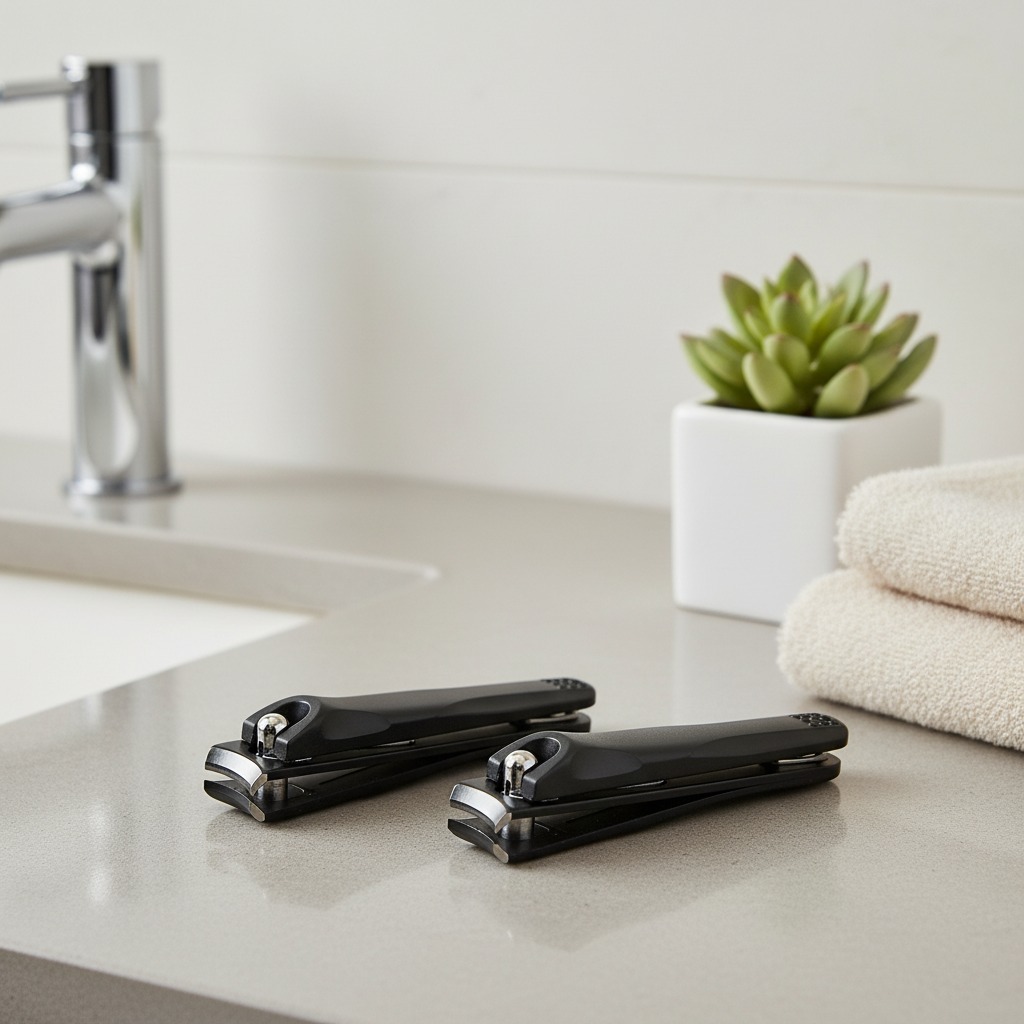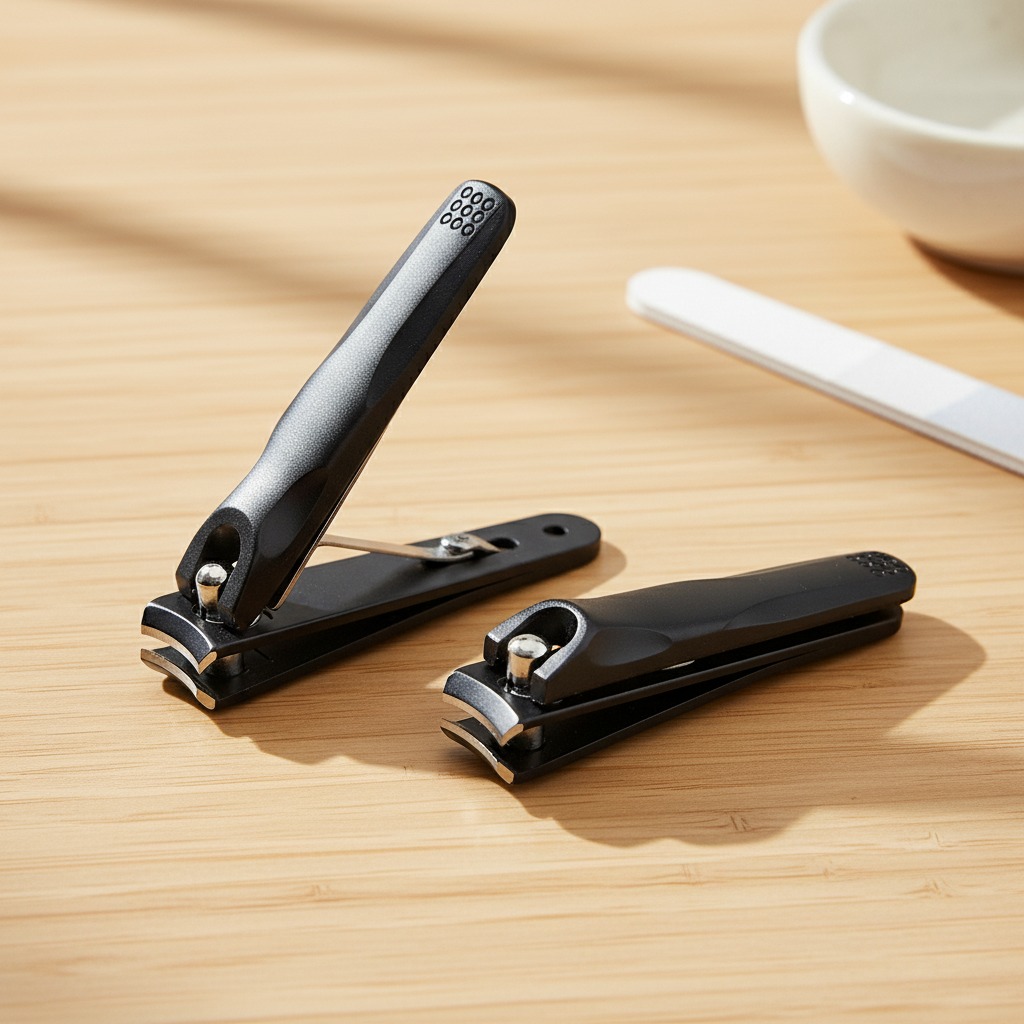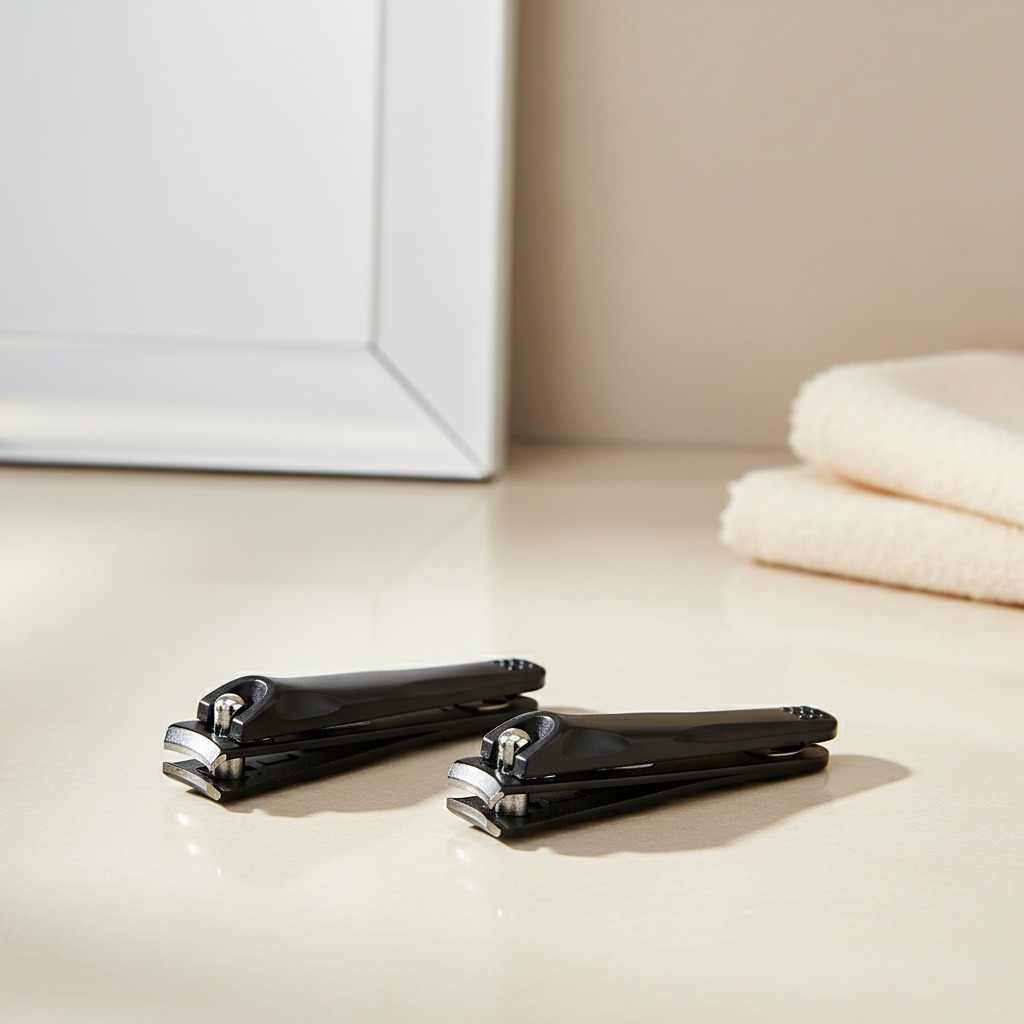











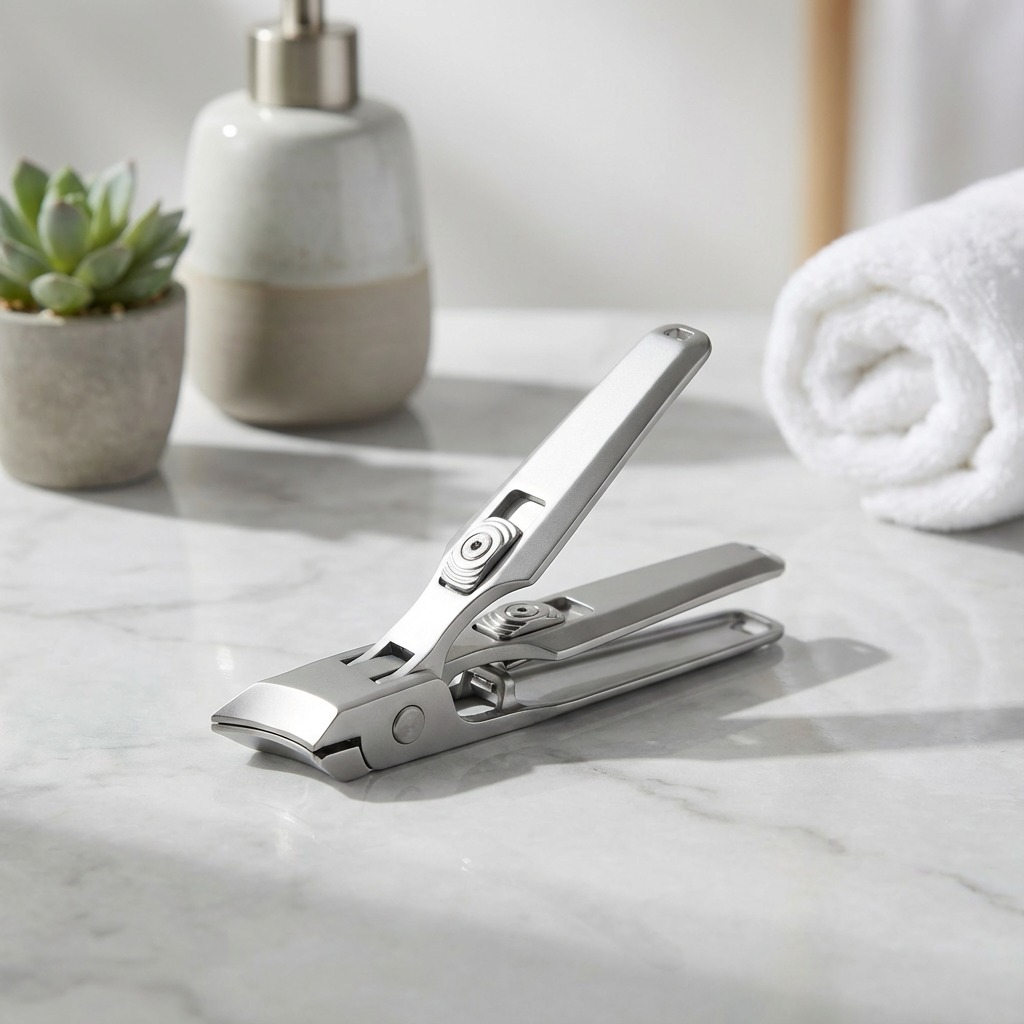
For retailers, distributors, private-label brands and grooming kit suppliers, a nail clipper is a small product with a large quality expectation. Customers may not think about the engineering behind it, but they immediately notice when a clipper pulls, bends, leaves a rough edge or feels uncomfortable in the hand. Choosing the right nail clipper factory is therefore not only a sourcing task; it is a decision that affects repeat purchases, product reviews and the credibility of your grooming line.
Olimor Beauty works with buyers who need practical, sale-ready grooming tools, including stainless steel nail clippers with ergonomic levers and sharp curved blades. Whether you are comparing wholesale nail clipper options, planning an OEM project or preparing to buy nail clippers in bulk, the most useful approach is to evaluate the product from the user’s point of view first, then confirm the production and packaging details behind it.
What Makes a Nail Clipper Factory Worth Evaluating?
A dependable factory should be able to turn a simple tool into a consistent product across many units. With nail clippers, consistency matters more than decorative claims. The lever should press smoothly, the jaws should meet accurately, and the cutting edge should be sharp enough to trim cleanly without crushing the nail. For bulk buyers, one excellent sample is not enough; the question is whether the same performance can be repeated through production and packaging.
When reviewing a nail clipper China manufacturer or wholesaler, look at how the supplier discusses materials, blade alignment, surface finish and quality control. The original product promise may be straightforward: stainless steel construction, ergonomic levers, sharp curved blades, and a clean cut that helps prevent splitting and reduces filing work. Those details are useful because they connect factory decisions to real consumer benefits. A clipper does not need complicated language to be valuable; it needs dependable cutting performance and a comfortable feel.
It is also important to consider the intended sales channel. A nail clipper for a travel set may need compact, portable packaging. A clipper sold as part of a personal care kit may need to match other grooming tools visually. A private-label item may require OEM support so the finished product aligns with your brand presentation. You can explore related beauty tool products to compare how nail tools fit into a broader grooming assortment.
Core Product Criteria: Blade, Lever, Material and Finish
The best way to assess a nail clipper is to break it into functional parts. Each part influences the end user’s experience, and each part can create quality problems if it is not controlled properly.
- Blade shape: Curved blades are common because they follow the natural contour of fingernails. The curve should be smooth and symmetrical, not overly aggressive or misaligned.
- Cutting edge: A sharp edge helps produce a clean cut, which can reduce nail splitting and lessen the need for filing after trimming.
- Lever design: Ergonomic levers make the clipper easier to press, especially for users who trim multiple nails in one session or prefer a steadier grip.
- Material choice: Stainless steel nail clippers are valued for their durability and suitability for regular grooming use.
- Jaw alignment: The upper and lower cutting edges should meet evenly. Uneven contact can cause tearing, incomplete cuts or pressure marks.
- Surface finish: Edges, corners and touch points should feel smooth. A clipper can cut well but still disappoint users if it feels rough in the hand.
- Portability: Many buyers prefer clippers that fit easily into travel bags, vanity cases or retail grooming kits without taking up unnecessary space.
These criteria are especially important for wholesale nail clippers because defects multiply quickly in bulk orders. A small alignment issue that appears in a few samples can become a large customer service problem if it continues through full production.
OEM Nail Clipper Projects: What to Define Before Production
OEM nail clipper projects are attractive for brands that want a product tailored to their own market positioning. Customization may involve appearance, logo placement, packaging format or assortment planning. Before focusing on decoration, however, define the performance standard. A good-looking clipper that does not cut well will not support long-term sales.
Start by clarifying the product role. Is it a standalone retail nail clipper, a component in a manicure set, a promotional grooming item or part of a travel kit? The answer affects size preference, packaging, target price range, and the level of presentation expected by the buyer. Olimor Beauty supports nail clipper OEM needs while maintaining attention to product quality from raw materials to packaging, which is important for buyers who want branding flexibility without losing control over everyday usability.
For an OEM inquiry, prepare a simple checklist before contacting a factory. This helps both sides communicate clearly and reduces the risk of misunderstood expectations.
- Define the selling channel: retail shelf, online store, salon supply, travel kit, gift set or distributor catalog.
- Confirm the desired clipper type and general size range without assuming unverified specifications.
- Identify the preferred finish, handle feel and visual style.
- Decide whether branding is needed on the product, packaging or both.
- Prepare packaging requirements, including whether the item needs to be displayed, protected for shipping or included inside a larger kit.
- Set sample review criteria for blade sharpness, lever comfort, alignment, appearance and packaging condition.
- Plan inspection points before shipment so the final order is judged consistently.
If you already have a product brief or need help narrowing options, you can send an inquiry with your intended use, market and packaging expectations.
Quality Control From Raw Materials to Packaging
For nail clippers, quality control should not be limited to checking the finished carton. The original product information highlights control from raw materials to packaging, and that approach is exactly what buyers should look for. Problems can begin with material selection, appear during forming and sharpening, or show up at the final packaging stage as scratches, loose parts or presentation issues.
A practical quality review can be organized into stages:
| Stage | What to Check | Why It Matters |
|---|---|---|
| Material review | Confirm the intended stainless steel construction and surface expectations. | Material choice affects durability, appearance and user confidence. |
| Blade forming | Check curve consistency and even jaw contact. | Accurate blades help create a clean cut and reduce splitting. |
| Assembly | Review lever movement, pressure feel and stability. | A smooth lever makes the tool easier and more comfortable to use. |
| Finishing | Inspect touch points, edges and visible surfaces. | Rough finishes can make a product feel low quality even if it cuts well. |
| Packaging | Check placement, protection and presentation. | Packaging protects the clipper and supports the buyer’s brand image. |
For bulk orders, it is helpful to inspect samples from different parts of production rather than only approving one hand-selected piece. Consistency is the real indicator of whether a nail clipper factory can support ongoing wholesale supply.
Wholesale Buying Considerations for Retailers and Distributors
Wholesale buyers usually need a balance of product value, reliable timing and a clear path for repeat orders. The original information notes competitive pricing and timely delivery, but buyers should still evaluate the complete sourcing picture rather than price alone. A low unit cost loses its advantage if the product creates returns, complaints or rework.
Consider how the nail clipper will be sold. For online listings, clean product presentation and consistent finish are important because customers inspect photos closely. For in-store retail, packaging and shelf clarity matter. For kit assembly, size consistency and packaging efficiency can affect downstream production. For distributors, predictable supply and straightforward communication may be as important as the product itself.
It is also useful to compare nail clippers with adjacent grooming tools when planning a category. A buyer may start with one clipper but later expand into manicure tools, tweezers or care accessories. Reviewing Olimor Beauty product collections can help you think about how nail clippers fit into a broader personal care range without forcing unrelated products into the order.
Maintenance Guidance That Helps End Users
Even a well-made nail clipper performs better when users care for it properly. Including simple care instructions in packaging or product listings can reduce misuse and improve customer satisfaction. The instructions do not need to be complicated; they should help the buyer keep the clipper clean, dry and ready for accurate trimming.
- Wipe the cutting edge after use to remove nail residue.
- Keep the clipper dry before storage, especially if it is carried in a toiletry bag.
- Avoid using fingernail clippers on unsuitable hard materials, as this may damage the cutting edge.
- Store the clipper where the blade edge is protected from impact.
- Replace the clipper if the jaws no longer meet evenly or the cut becomes rough.
These simple directions can be especially valuable for private-label packaging because they show the end user that the brand has considered everyday use, not only the initial sale.
Building a Practical Nail Clipper Sourcing Plan
The strongest sourcing plan starts with function, then moves to branding and scale. First, confirm that the clipper trims cleanly, feels comfortable and uses appropriate stainless steel construction. Next, confirm that the factory can support the appearance, packaging and OEM requirements your sales channel needs. Finally, review order planning, inspection expectations and delivery communication before committing to a larger wholesale purchase.
Olimor Beauty is positioned as a nail clipper factory, wholesaler and OEM partner for buyers who need practical grooming tools in bulk. The most effective conversations are specific: describe your market, packaging goal, branding needs and quality priorities. If you are preparing a new nail care item or reviewing current supplier options, contact Olimor to discuss how stainless steel nail clippers can fit your product plan.
A nail clipper may be compact, but it represents the standard of your grooming category every time a customer uses it. By focusing on blade performance, lever comfort, material quality, packaging control and OEM clarity, you can select a factory partner with a better chance of supporting reliable sales and satisfied end users.