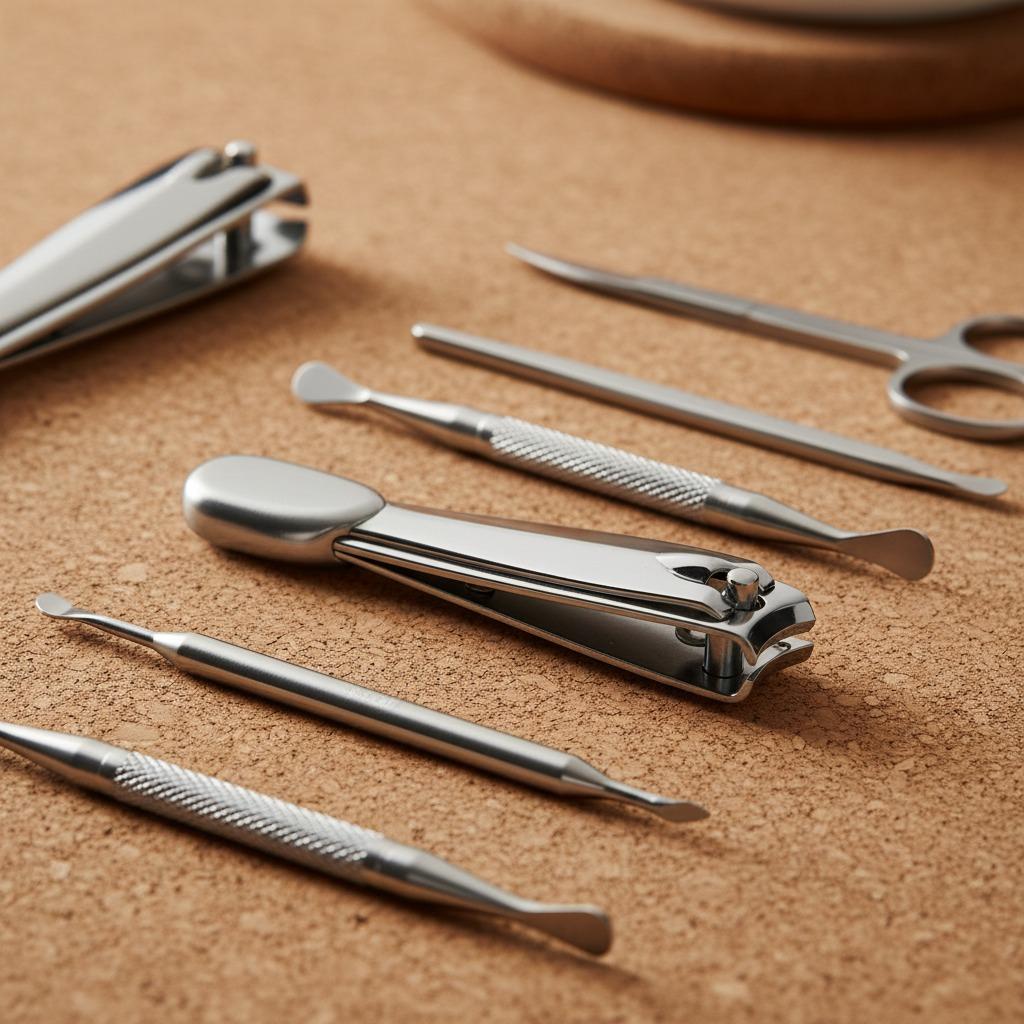











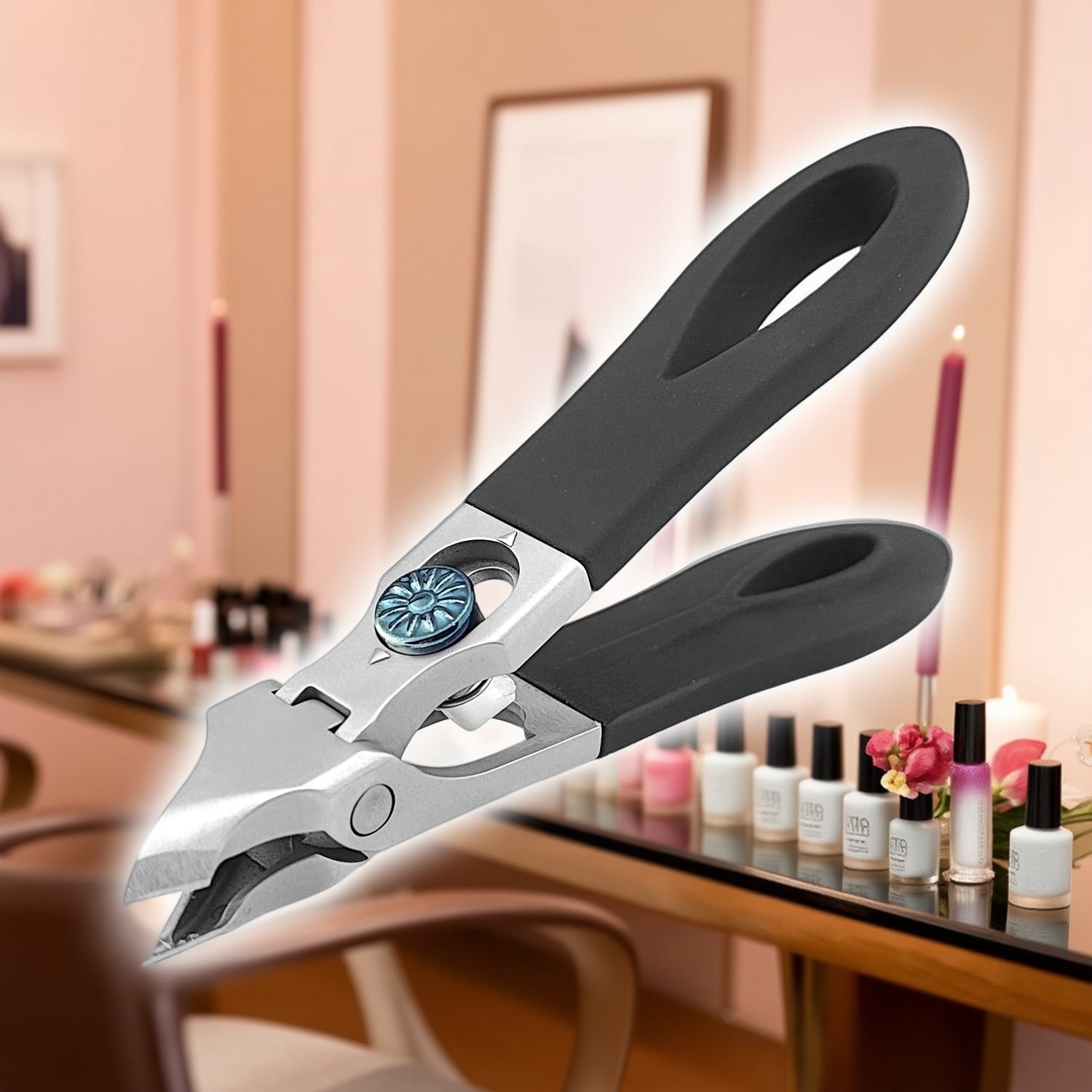
Professional nail clippers are small tools with a direct effect on grooming comfort, hygiene and customer satisfaction. A good clipper should cut cleanly without crushing the nail, feel stable in the hand, resist everyday wear, and be easy to clean after use. For salons, retailers, distributors and beauty-tool buyers, the best choice is not simply the sharpest-looking tool or the most attractive package. It is the clipper that delivers consistent trimming performance across repeated use and matches the intended market.
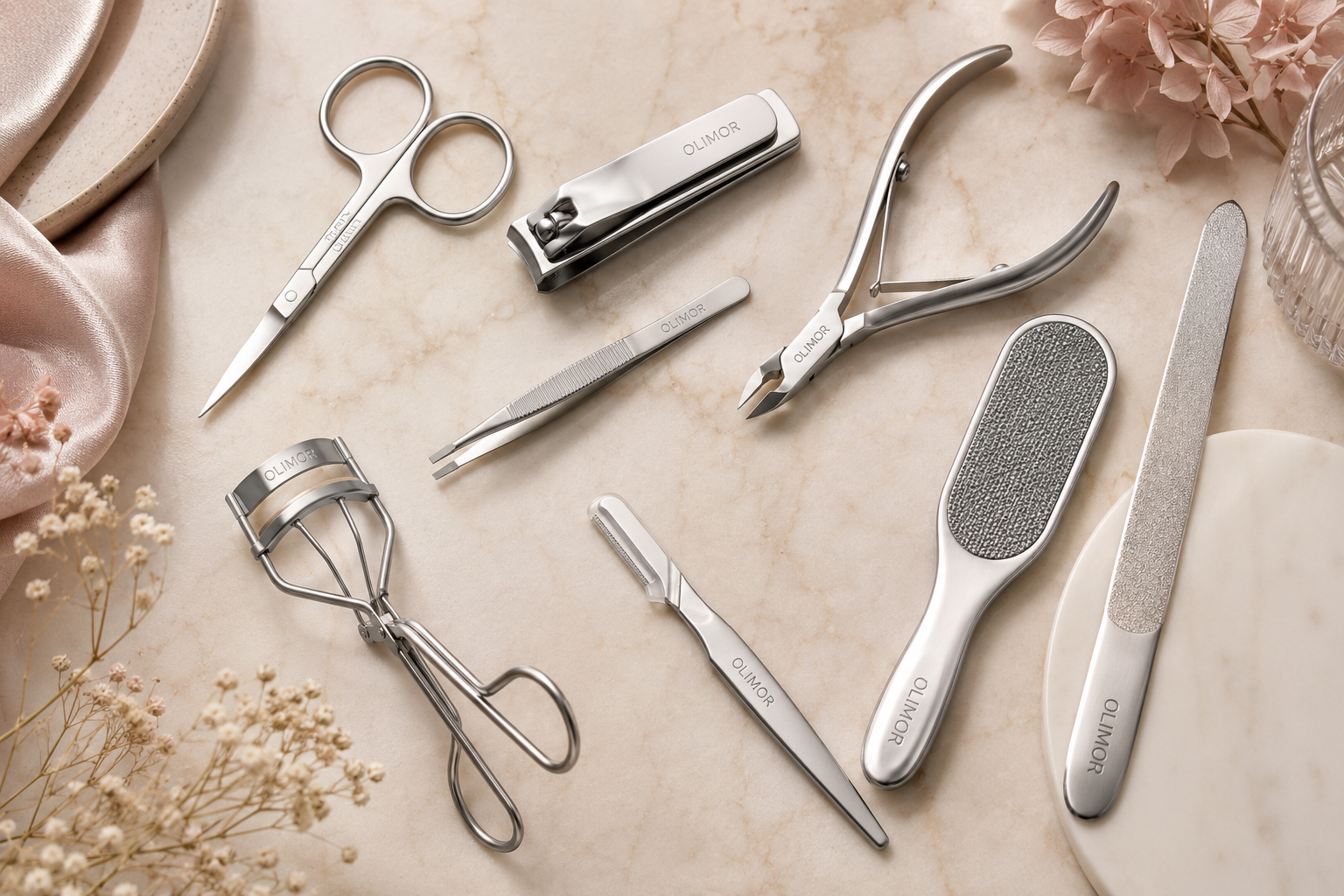
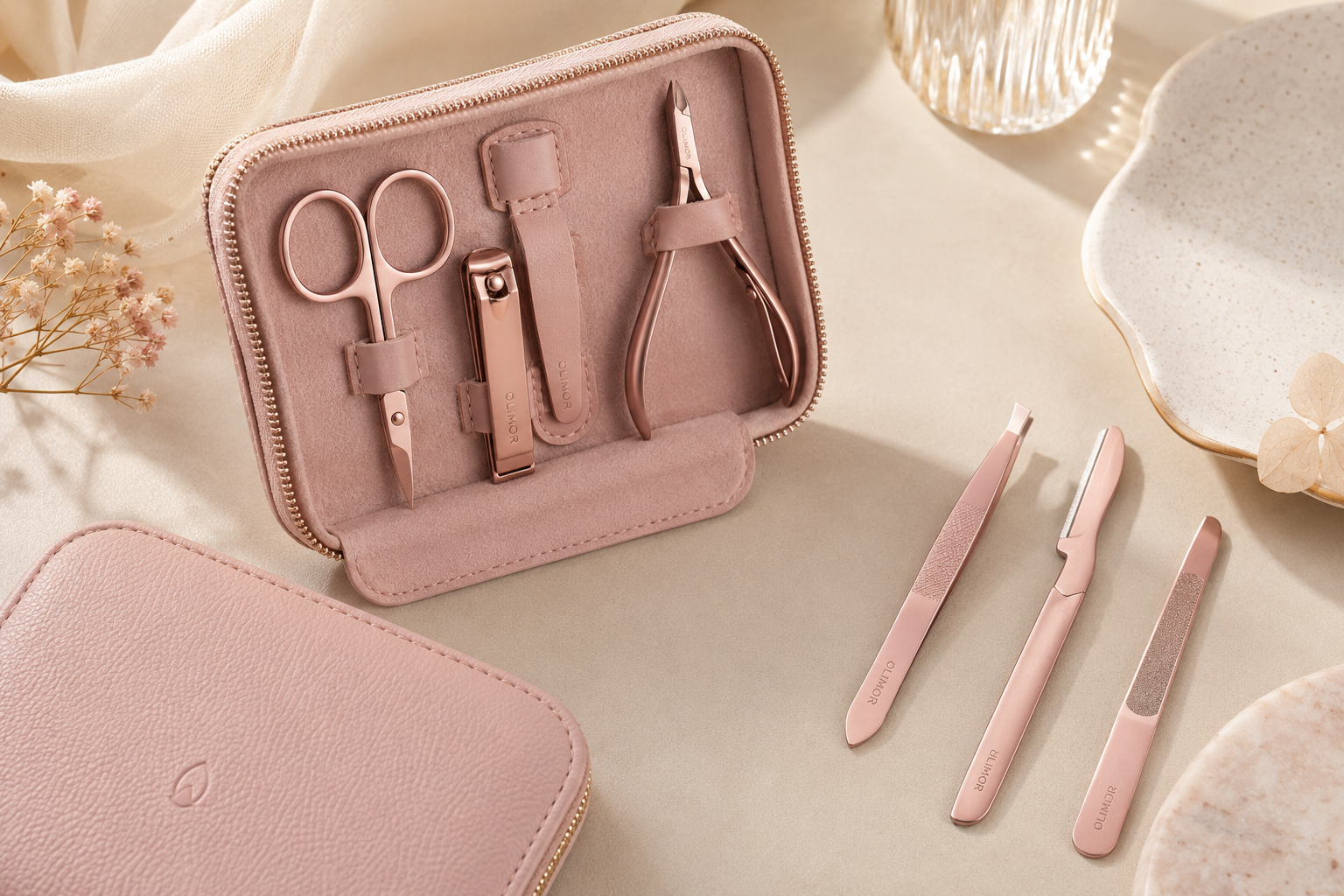
Olimor Beauty presents nail clippers for precise grooming, with stainless steel construction and designs suitable for both personal and professional use. The product presentation reflects a polished beauty-tool style rather than a purely utilitarian accessory, which can matter for retail displays and beauty assortments. Still, sourcing decisions should be based on practical inspection: edge alignment, lever action, grip comfort, surface finish, cleaning access and packaging suitability.
What Makes a Nail Clipper Professional?
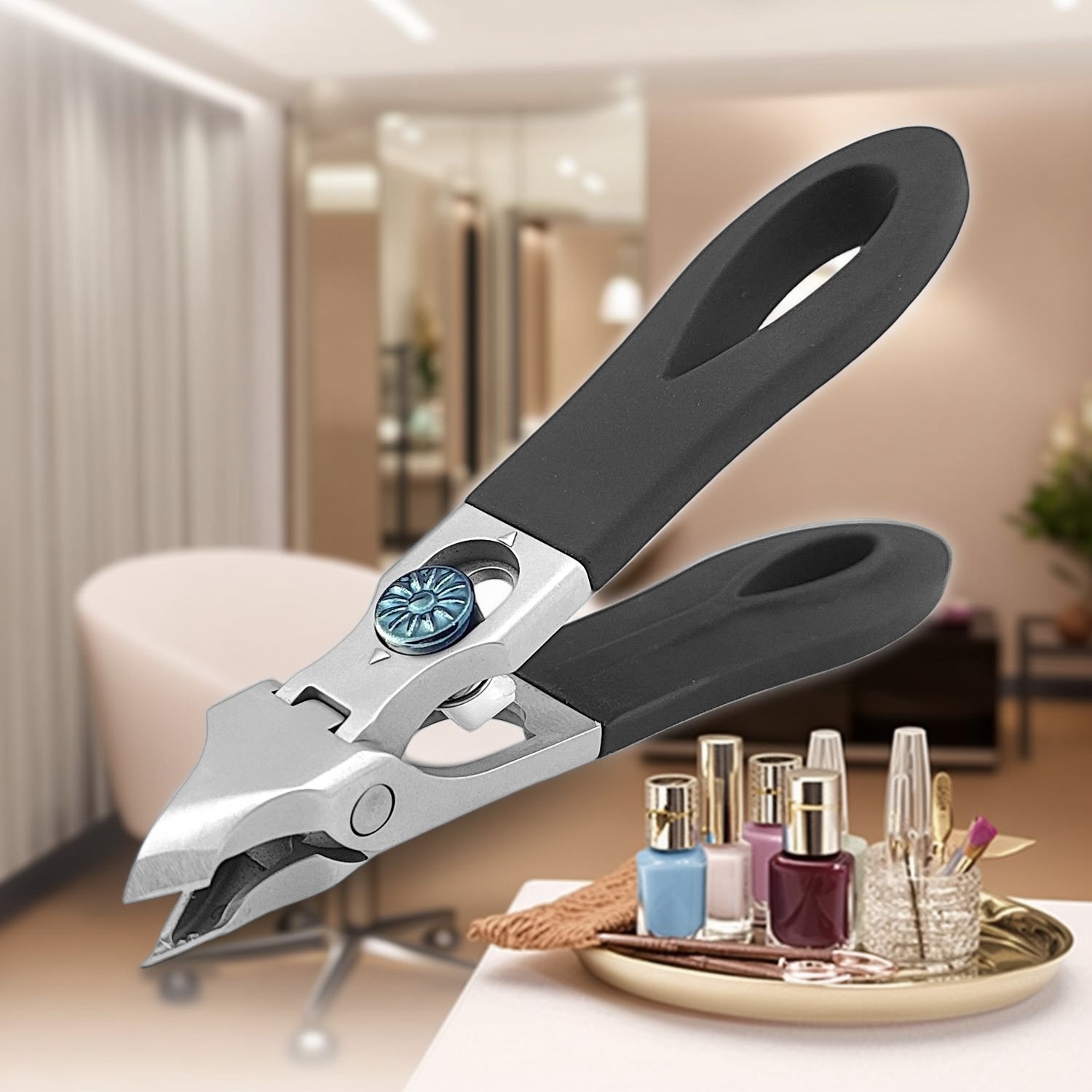
A professional nail clipper is defined by control, repeatability and ease of maintenance. Sharpness is important, but sharp edges alone do not guarantee a clean cut. The upper and lower cutting edges must meet evenly, the lever must transfer pressure smoothly, and the body should sit securely in the user’s hand. If the jaws are misaligned, a clipper can leave jagged edges or split the nail even when the blade feels sharp.
For home grooming, a reliable clipper should reduce effort and make routine trimming safer and neater. For salon or grooming service use, it should also support repeated handling, clear cleaning procedures and predictable results for different users. For retailers, it should combine visible quality with practical value so customers understand why it belongs in a beauty, manicure or personal-care assortment.
When comparing beauty tool products, start with function before packaging. A refined matte or polished finish can support a premium impression, and decorative details may help shelf appeal, but the essential points remain the same: clean edge meeting, stable lever movement, comfortable grip, smooth finish and simple cleaning.
Key Selection Criteria for Stainless Steel Nail Clippers
Stainless steel construction is a strong starting point for a grooming tool because it is commonly selected for durability, surface quality and ease of wiping. However, buyers should not stop at the phrase “stainless steel.” The total performance of a clipper depends on forming, finishing, edge preparation, assembly and inspection.
1. Cutting edge alignment
Close the clipper slowly and check whether the two cutting edges meet from one side to the other. A visible gap, uneven contact or twisted jaw can cause partial cuts. Good alignment helps the user trim in controlled sections instead of squeezing repeatedly on the same nail edge.
2. Lever feel and pivot stability
The lever should press down smoothly without a loose, rattling or unstable feel. Side-to-side movement can reduce accuracy, especially when trimming smaller nails or shaping corners before filing. The pivot area should look neat, with no obvious burrs or rough parts that could catch debris.
3. Grip comfort
Professional and retail users may include people with different hand sizes, grip strength and grooming habits. A comfortable lever surface and secure body shape help users apply pressure gradually. This is especially useful for thicker nails, older users, salon technicians and anyone who prefers controlled trimming over forceful cutting.
4. Surface finish
A smooth matte or polished appearance should feel clean to the touch. Inspect the outer body, lever, corners and jaw area. Rough edges near the lever or underside can affect perceived quality and user comfort. For retail buyers, finish consistency across samples is also important because customers often compare tools visually before purchasing.
5. Cleanability
Nail tools collect clippings, keratin dust, skin oils and hand-care product residue. A professional clipper should be easy to wipe around the jaws and pivot area. Decorative details can add appeal, but they should not create hard-to-clean areas that trap debris.
Comparison: Match the Clipper to the Use Case
The right nail clipper depends on where and how it will be used. A compact clipper for a manicure kit does not need the same priorities as a clipper selected for repeated salon use. Before requesting samples or confirming an order, define the target user and the sales channel.
| Use case | What to prioritize | Buyer questions to ask |
|---|---|---|
| Personal grooming | Comfortable grip, clean edge alignment, compact storage and smooth surface finish | Will the end user understand how to trim safely and store the tool dry? |
| Salon or grooming service | Consistent lever action, easy cleaning, durable body and predictable performance | Can the tool be cleaned according to the salon’s hygiene procedures? |
| Retail beauty assortment | Balanced appearance, practical size, attractive but clear packaging and customer-friendly positioning | Does the design communicate usefulness as well as visual appeal? |
| Travel or manicure kit | Compact shape, secure lever, smooth edges and compatibility with other kit tools | Will the clipper fit neatly without snagging pouches or nearby accessories? |
| Distributor or private assortment | Repeatable sample quality, packaging options, inspection criteria and coherent category planning | Can the supplier explain material, finish, assembly and quality checks clearly? |
Fingernail and toenail tools should also be considered separately. A clipper intended for everyday fingernail grooming may not be suitable for very thick toenails. Buyers should check product descriptions, jaw opening, body size and sample performance before assigning a tool to a category.
Sample Inspection Checklist Before Buying
Photos and catalog descriptions are useful, but they cannot replace hands-on review. A structured sample inspection helps B2B buyers compare options fairly and reduces the risk of choosing only by appearance. Use the same checklist for every sample so the final decision is based on repeatable criteria.
- Visual finish: Inspect the clipper under good light. Look for burrs, rough corners, uneven surface treatment, visible gaps, scratches or inconsistent decoration.
- Edge meeting: Hold the jaws toward a light source and close them slowly. The edges should meet evenly without twisting or leaving a gap.
- Lever movement: Open and press the lever several times. It should move smoothly and feel controlled rather than loose, sticky or uneven.
- Hand comfort: Hold the clipper as an end user would. Check whether the lever surface feels secure and whether the body is easy to control.
- Cutting control: If appropriate sample testing is available, compare how the clipper handles light trimming pressure and whether it leaves a clean edge that can be finished with a file.
- Cleaning access: Check whether visible debris can be removed easily from the cutting area and around the pivot.
- Packaging fit: Confirm that the clipper sits securely in the planned retail card, pouch, box or kit format without damaging the finish.
- Consistency: Review more than one sample when possible. One good piece does not always represent full order consistency.
For distributors and private assortment buyers, it is useful to document what is acceptable before production or purchasing is confirmed. Define expectations for finish, edge alignment, lever function, packaging condition and labeling content. Clear inspection language reduces misunderstanding and helps both buyer and supplier evaluate quality in the same way.
Cleaning, Hygiene and Maintenance Guidance
Even a well-made professional nail clipper can perform poorly if it is not cleaned and stored properly. Nail clippings and fine dust can collect around the jaws, while moisture may remain near the pivot after washing or disinfecting. Routine care helps preserve a smoother cutting feel and a more professional appearance.
After each use, remove visible clippings and wipe the cutting area with a clean cloth. If the clipper is used in a salon or grooming service, follow the hygiene procedures required by that business and local regulations. Tools should be dried before storage, especially around the pivot and cutting edges. Avoid dropping the clipper onto hard surfaces because impact can affect blade alignment even if the body still looks intact.
For consumer-facing packaging or product pages, practical care instructions add value. Useful guidance includes trimming after washing when nails are slightly softer, cutting in small sections rather than forcing one large cut, and finishing sharp edges with a nail file. These simple instructions can improve the end-user experience without making unsupported performance claims.
Where hygiene rules apply, buyers should verify current local requirements and supplier documents. Public bodies such as the U.S. Food and Drug Administration and the European Commission provide guidance and regulatory information that may be relevant to personal-care products, consumer product safety or market access depending on the destination market. Requirements can change, so confirm the current version and do not rely on packaging claims alone.
Packaging and Retail Positioning for Nail Clippers
Packaging should protect the tool, present it clearly and explain its intended use. For retail, the customer should quickly understand whether the clipper is for everyday fingernails, heavier grooming, travel kits or a broader manicure set. For salon supply, packaging may need to emphasize practical handling, easy storage and product identification rather than decorative display.
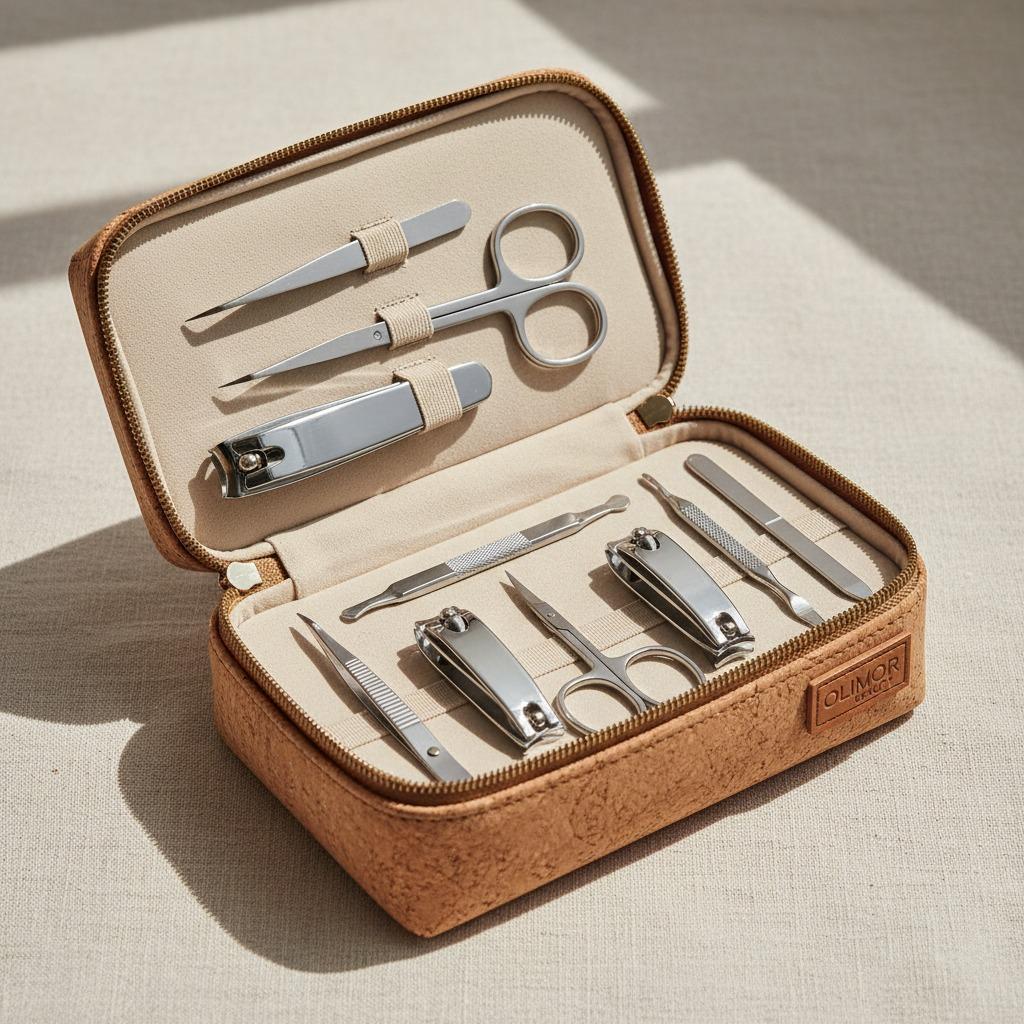
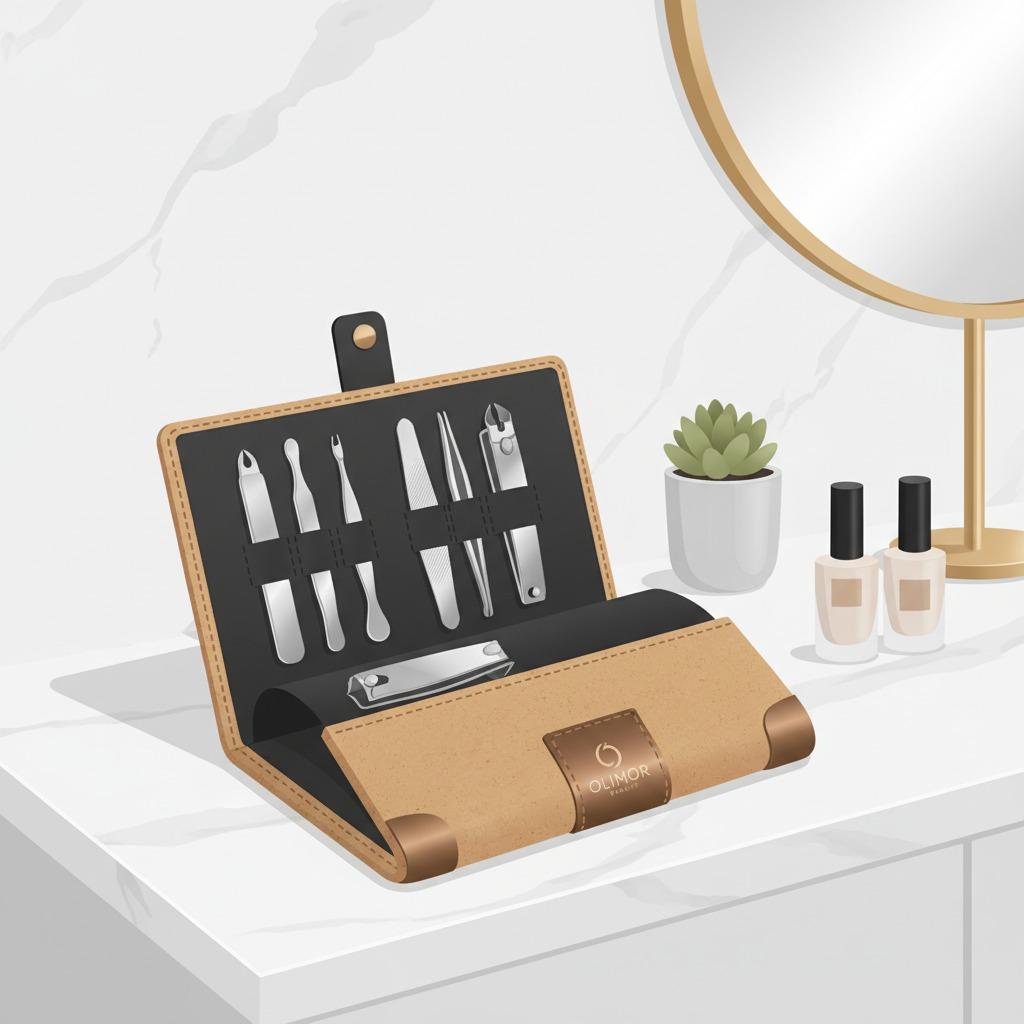
When planning a beauty-tool assortment, consider how the nail clipper will sit alongside files, cuticle tools, tweezers and other grooming accessories. A coherent assortment looks more professional and helps buyers build complete manicure or personal-care ranges. Olimor’s broader beauty tool collection can be reviewed when comparing complementary products for retail, salon or distribution programs.
Packaging details worth checking
- Does the package hold the clipper securely without scratching the finish?
- Can the customer see the shape, finish and lever clearly?
- Is the product description specific enough to avoid misuse?
- Are care and cleaning instructions easy to understand?
- Does the packaging suit the sales channel: retail shelf, salon back bar, travel kit or e-commerce shipment?
- Are any compliance statements, labels or importer details verified for the target market?
Packaging choices can affect cost, perceived value and logistics. A simple package may suit salon supply, while a more refined retail presentation may support giftable or premium positioning. However, attractive packaging should not compensate for weak tool performance. Start with the clipper’s function, then select packaging that supports the product’s role.
Cost Factors and Supplier Evaluation
Nail clipper cost is influenced by several factors: material selection, body thickness, forming complexity, edge preparation, surface finish, decoration, packaging, order structure and inspection requirements. Buyers should avoid comparing quotes without confirming what is included. Two similar-looking clippers may differ in assembly quality, finish consistency, packaging level or inspection process.
Commercially relevant questions should be direct and practical. Ask what material and finish options are available, how the cutting edges are inspected, whether samples can be reviewed, what packaging formats are supported and how the supplier handles customization requests. If decorative colors, patterns or surface treatments are offered, confirm that they do not interfere with cleaning or lever movement.
Supplier evaluation should also include communication quality. A reliable supplier should be able to explain the product clearly, respond to sample feedback and discuss practical requirements without making vague claims. Buyers should keep written records of approved samples, packaging artwork, inspection expectations and any customization details before proceeding.
Common Nail Clipper Problems and How to Prevent Them
Many nail clipper complaints come from a small number of preventable issues. Rough cuts, uncomfortable pressure, loose lever action and hard-to-clean areas can often be identified during sample review. Addressing these points early protects the buyer, the retailer and the end user.
- Rough or jagged nail edges: Check edge alignment and advise users to trim in small sections, then finish with a file.
- Nail crushing instead of cutting: Review sharpness, jaw meeting and whether the clipper is suitable for the nail thickness.
- Unstable hand feel: Inspect lever movement, pivot fit and body shape before approving the sample.
- Debris buildup: Choose a design that allows easy wiping around the jaws and pivot area.
- Inconsistent retail appearance: Define acceptable finish quality, packaging placement and surface condition before ordering.
For professional buyers, the goal is not to eliminate every possible user error. The goal is to choose a tool that performs predictably when used correctly and is easy for customers or salon staff to maintain.
When to Contact a Nail Clipper Supplier
Contact a supplier when you know the intended use, target market and basic product expectations. You do not need every detail finalized, but you should be ready to describe whether the clipper is for personal grooming, salons, retail display, travel kits or a broader nail-care assortment. This helps the supplier recommend relevant options and packaging directions.
To discuss professional nail clippers or related grooming tools, you can contact Olimor with your product goals, or send a sourcing inquiry for sample discussion, packaging needs and assortment planning. A restrained, specific inquiry is more useful than a general request because it allows the supplier to address function, finish and presentation together.
FAQ: Professional Nail Clipper Sourcing
Can I request samples before deciding on a nail clipper?
Sample review is a practical step for B2B buyers because it allows inspection of edge alignment, lever feel, finish, packaging fit and cleaning access. Ask the supplier what sample options are available for the product you are considering.
Is there a minimum order quantity for professional nail clippers?
MOQ can depend on the selected product, packaging, customization and production arrangement. Confirm the current requirement directly with the supplier rather than assuming a standard quantity.
Can nail clippers be customized for retail or private assortment use?
Customization may involve packaging, presentation, surface appearance or assortment planning, depending on the product and supplier capability. Buyers should confirm available options, artwork requirements and approval steps before placing an order.
How should quality be checked before shipment?
Useful checks include visual finish, cutting edge alignment, lever movement, packaging condition and consistency against the approved sample. Buyers should agree on inspection expectations in writing and verify any market-specific documentation needed for the destination.
How long does production or delivery take?
Timing depends on product availability, order details, packaging, customization and logistics. Request current lead time information from the supplier during the inquiry stage and reconfirm it before order confirmation.
Final Buying Advice
The best professional nail clipper is the one that combines clean cutting, stable handling, smooth finish, easy maintenance and appropriate presentation for its market. Stainless steel construction, ergonomic handling and refined appearance are valuable, but they should be supported by practical inspection and clear supplier communication.
For salons, prioritize consistent lever action, hygiene procedures and comfort during repeated use. For retailers, balance appearance with useful product education and packaging clarity. For distributors and sourcing teams, focus on samples, inspection criteria, customization details and supplier responsiveness. A small tool can carry a large share of the user’s grooming experience, so choose it with the same care given to any professional beauty-tool category.