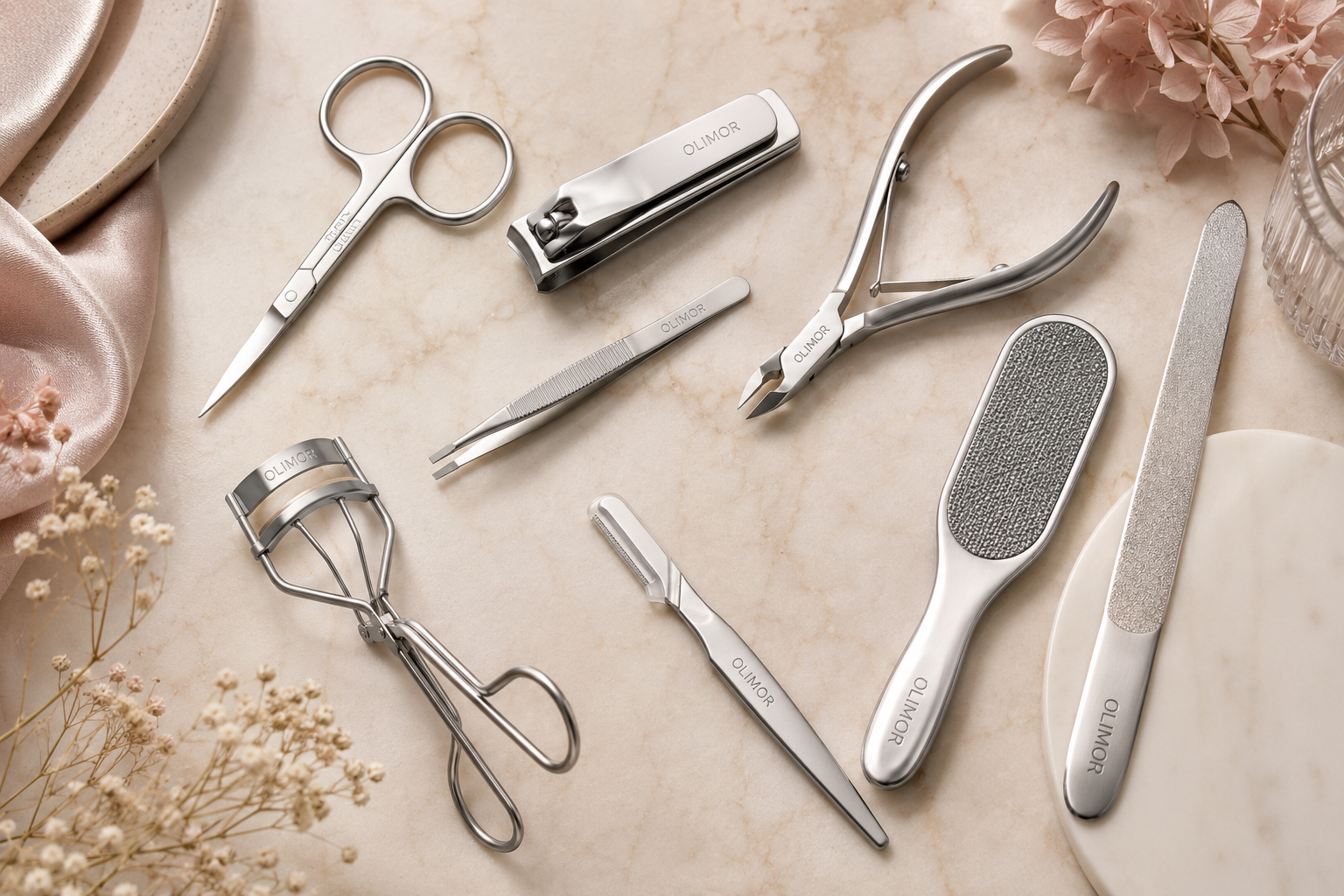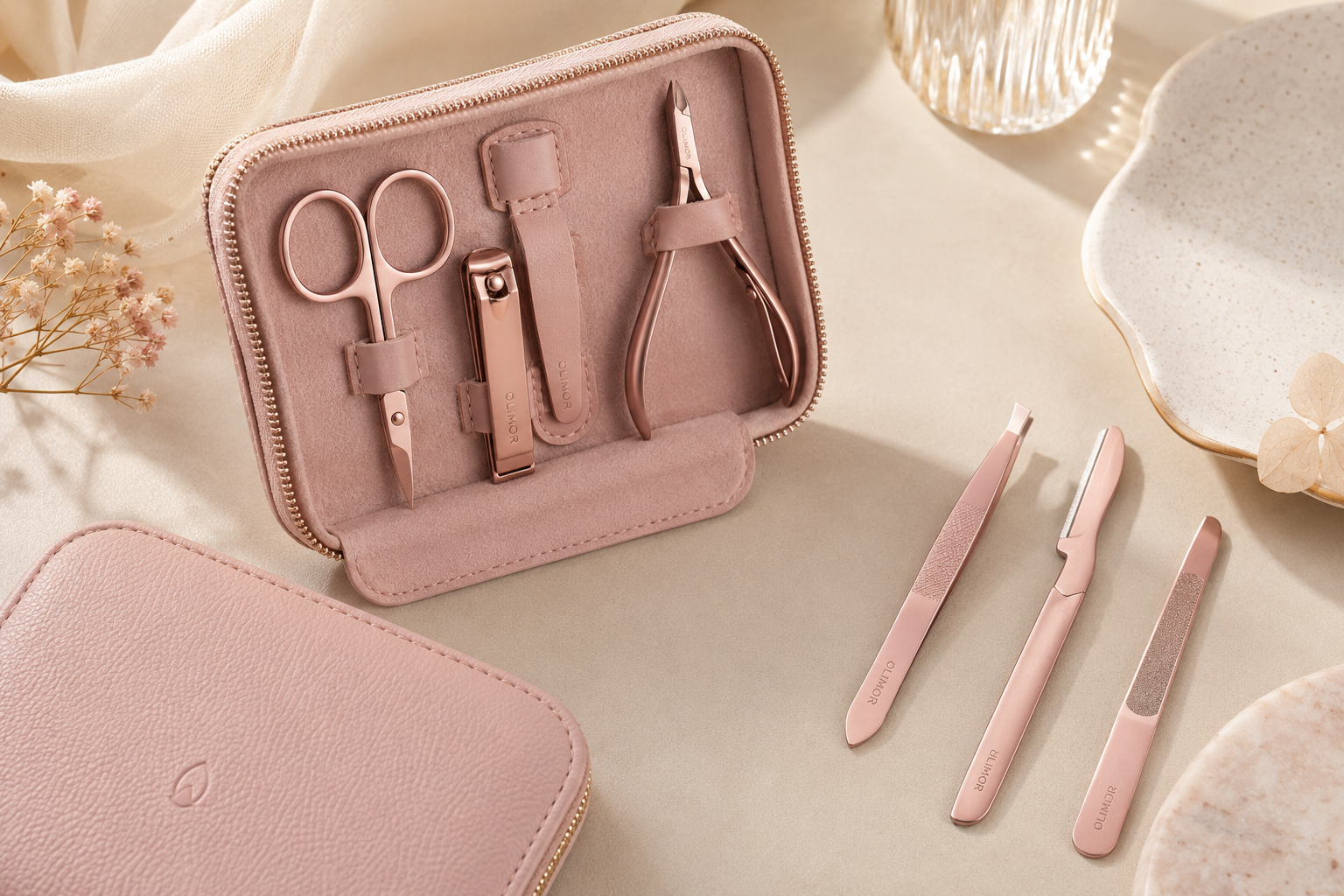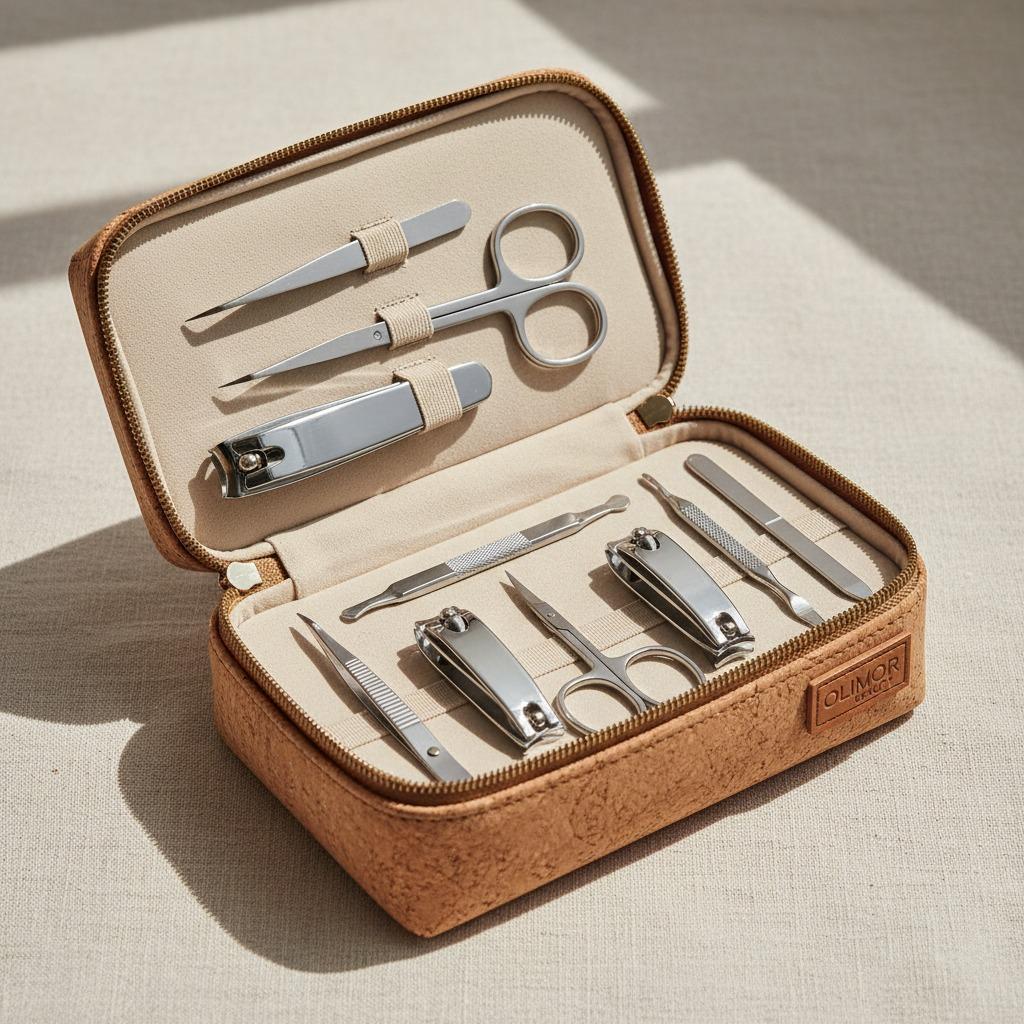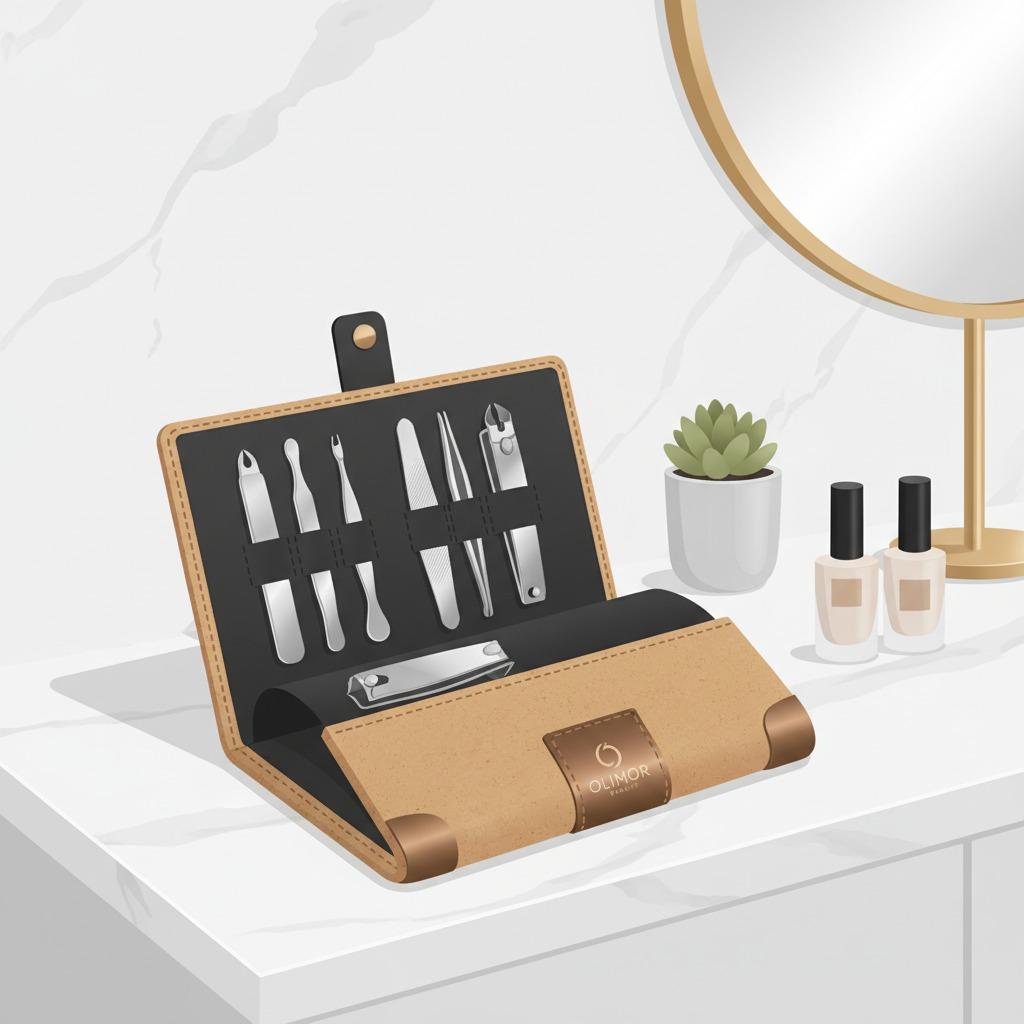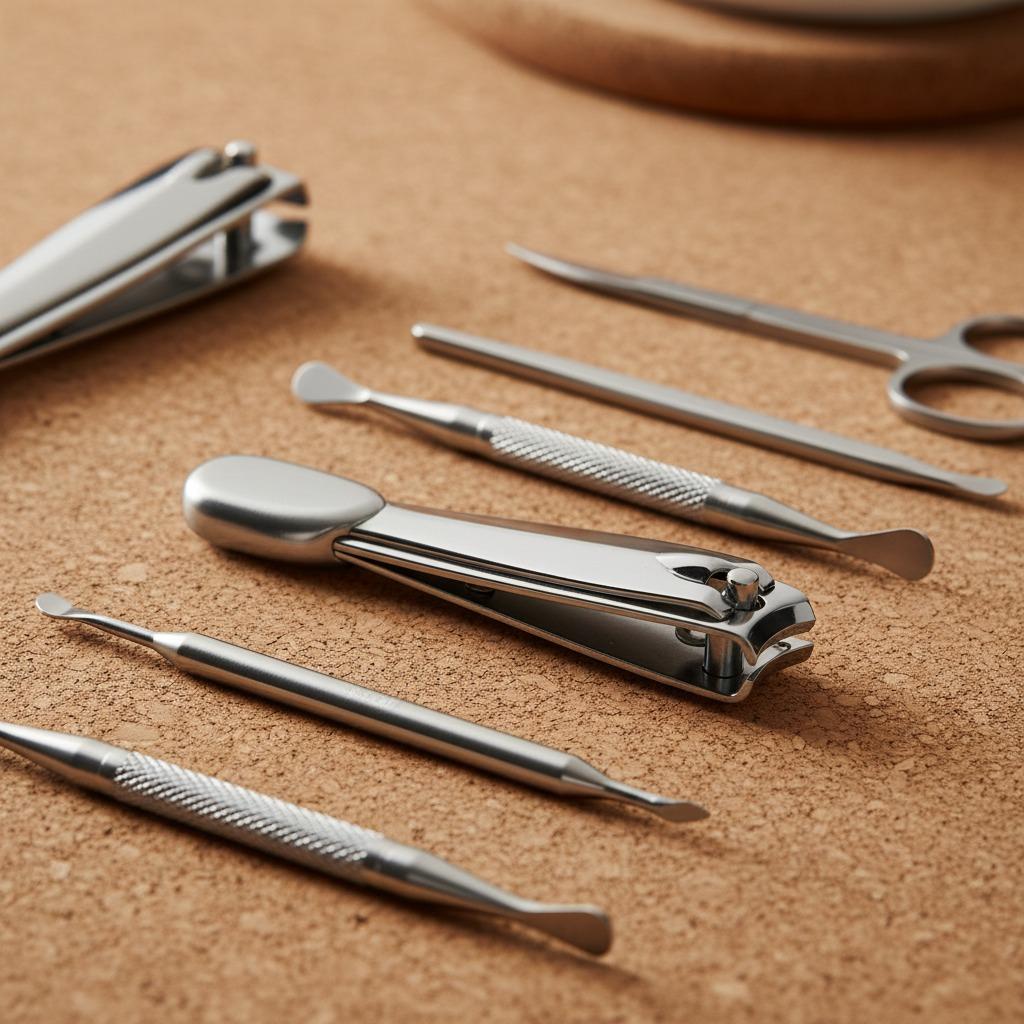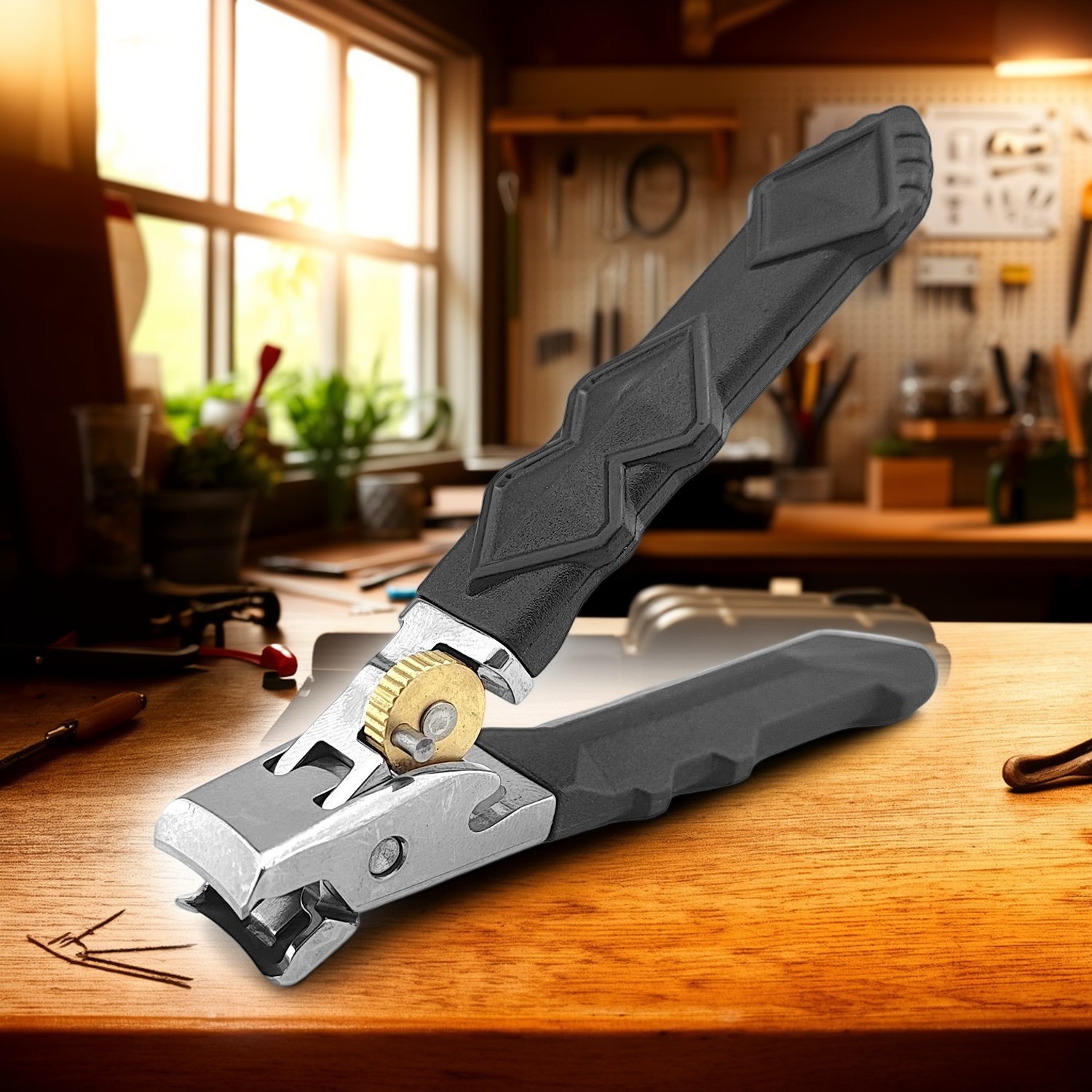
A professional nail clipper looks simple, but small differences in construction can change the entire trimming experience. A sharp, aligned cutting edge helps reduce crushing and uneven splits. A comfortable handle gives better control. Stainless steel construction supports durability and easier cleaning. For home grooming, salon service, travel kits, or retail beauty tool assortments, the right clipper should cut cleanly without requiring excessive pressure.
Olimor Beauty focuses on practical beauty tools designed for dependable daily use. This guide explains what to look for when selecting a professional nail clipper, how to judge quality before purchase, and how to care for the tool so it stays useful for longer. If you are comparing nail tools for personal use or sourcing items for a beauty business, you can also browse Olimor beauty tool products or review broader product collections for related grooming options.
Why a Professional Nail Clipper Cuts Differently
The main purpose of a nail clipper is to create a controlled cut through the nail plate. Lower-quality clippers can squeeze the nail before cutting, leaving a ragged edge or encouraging small cracks. A professional-style clipper should feel steady in the hand, close evenly, and cut with a firm but smooth motion. The difference is most noticeable on thicker nails, dry nails, or nails that need frequent maintenance.
Precision matters for more than appearance. A clean edge is easier to file, less likely to catch on fabric, and more comfortable for people who work with their hands. In a salon or grooming service environment, a predictable cut also improves working speed because the technician does not need to correct as many jagged edges afterward. For home users, it makes routine nail care easier to repeat consistently.
The best clipper is not always the largest or heaviest option. A good choice depends on the nail type, hand strength, grip preference, and whether the tool will be used mainly for fingernails, toenails, or general grooming. Buyers should evaluate the whole tool rather than focusing only on appearance.
Stainless Steel Construction and Edge Alignment
The original appeal of a professional nail clipper often starts with stainless steel. Stainless steel is widely used in grooming tools because it offers strength, a clean surface, and resistance to rust and corrosion under normal care conditions. For a nail clipper, the material must also support a sharp cutting edge and withstand repeated opening and closing.
Edge alignment is one of the most important quality points. When the jaws close, the cutting edges should meet evenly across the full width. If one side closes first or the tips do not match, the clipper may bend the nail instead of cutting it cleanly. Before buying in bulk, buyers often review product samples to check whether the jaw closure is consistent from piece to piece.
Look closely at the cutting edge. It should appear smooth, even, and free from visible burrs. A rough edge can leave a torn nail surface. The lever should return naturally after pressure is released, and the pivot should feel secure rather than loose. These details are small, but they affect how professional the tool feels in real use.
Ergonomic Handles: Comfort, Control, and Accuracy
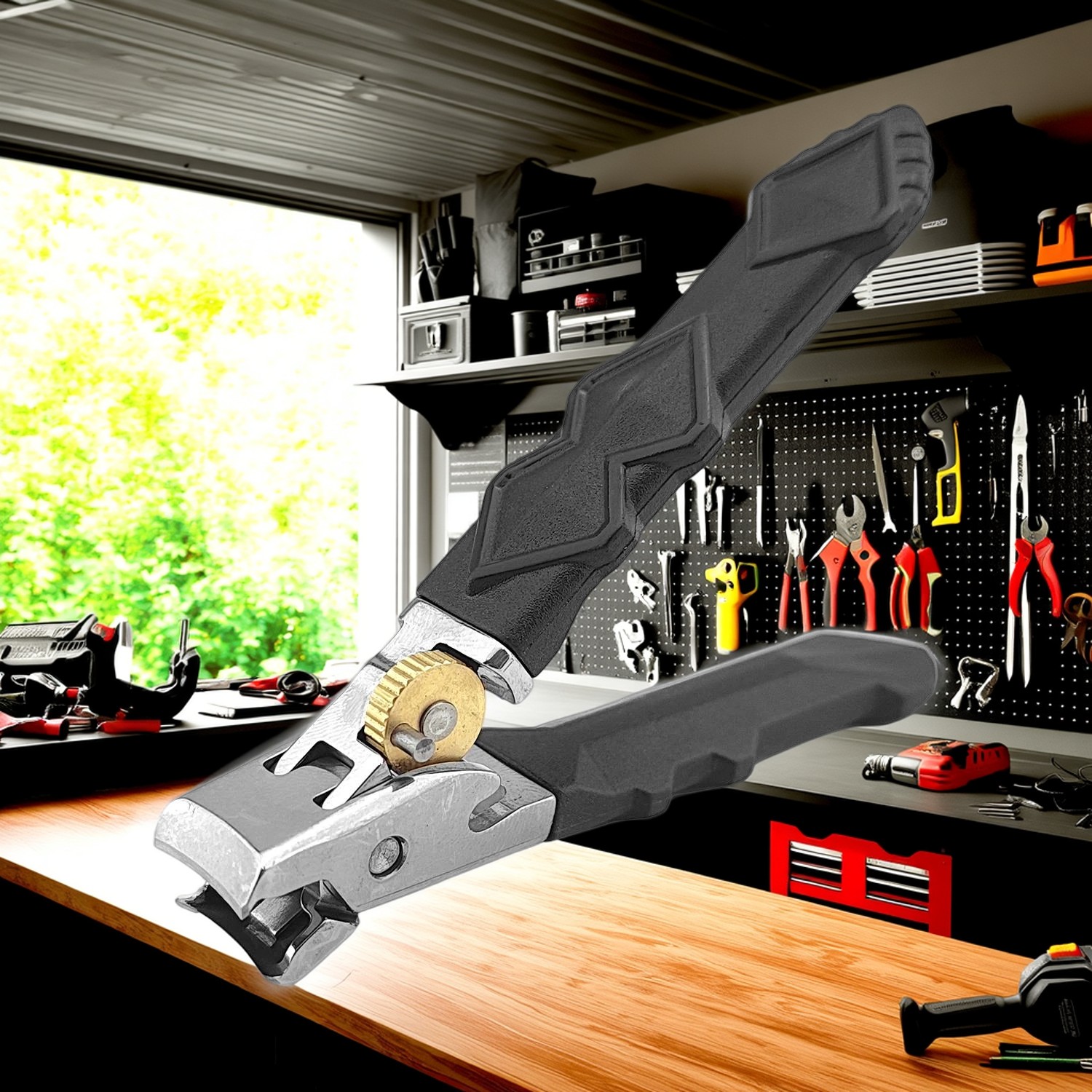
An ergonomic handle is not simply a design feature; it directly influences control. Nail clipping requires pressure, but it also requires accurate placement. If the handle is too slippery, too short, or awkward to press, users may cut at the wrong angle or apply uneven force. A comfortable lever helps reduce strain, especially for people trimming multiple nails at one time or technicians using the tool repeatedly throughout the day.
When evaluating handle comfort, consider hand size and the intended user. A clipper that works well for occasional personal grooming may not be ideal for a professional setting where speed and repeatability matter. The lever should provide enough surface area for a stable thumb press, and the body should sit securely between the fingers. A smoother operation helps users trim with confidence instead of forcing the cut.
For retail buyers, handle feel is also part of the perceived value. Customers may not know the technical details of the cutting edge, but they immediately notice whether the clipper feels balanced and comfortable. A tool that looks clean and works smoothly is more likely to be kept, recommended, and reordered.
How to Choose the Right Professional Nail Clipper
Before selecting a nail clipper, define the primary use case. A compact fingernail clipper for personal grooming has different expectations from a sturdier tool used for thicker toenails. Salon and spa buyers may prioritize consistent quality, packaging suitability, and easy cleaning. Beauty retailers may consider product feel, appearance, and customer education. A clear use case prevents overbuying features that are not needed while missing details that matter.
Use the checklist below when comparing options:
- Cut quality: The clipper should cut cleanly without flattening or tearing the nail.
- Jaw alignment: Cutting edges should meet evenly from side to side.
- Material: Stainless steel supports durability and routine cleaning when cared for properly.
- Handle comfort: The lever should be easy to press and stable in the hand.
- Finish: Surfaces should be smooth, with no sharp burrs where fingers touch the tool.
- Use scenario: Match the size and strength of the clipper to fingernail, toenail, travel, retail, or salon use.
- Packaging needs: Consider whether the item will be sold individually, included in a grooming set, or used as a service tool.
If you are preparing a purchase plan for a store, distributor, or service business, a structured checklist can help compare samples objectively. Instead of choosing only by price, evaluate how the tool performs after repeated cuts and whether the feel is consistent across multiple units.
Maintenance for Hygiene and Longer Service Life
Even a well-made nail clipper needs basic care. Nail tools come into contact with natural oils, nail dust, and moisture, so cleaning after use is important. Wipe the cutting area with a clean cloth after trimming, remove debris around the jaws, and allow the tool to dry before storage. Moisture left in the hinge or under the lever can reduce the life of any metal grooming tool.
For personal grooming, it is best to keep one clipper for individual use rather than sharing. In professional environments, hygiene procedures should follow the business’s local rules and service standards. The tool should be cleaned between uses and stored in a clean, dry location. Avoid throwing the clipper into a crowded drawer with other metal items, because impacts can dull the edge or misalign the jaws.
Do not use a nail clipper for tasks it was not designed for, such as cutting wire, plastic tags, or adhesive packaging. Misuse can damage the cutting edge and create an uneven bite. If the clipper begins to pull, bend, or tear nails, inspect the alignment and edge condition before continuing to use it.
Sourcing Questions for Beauty Businesses
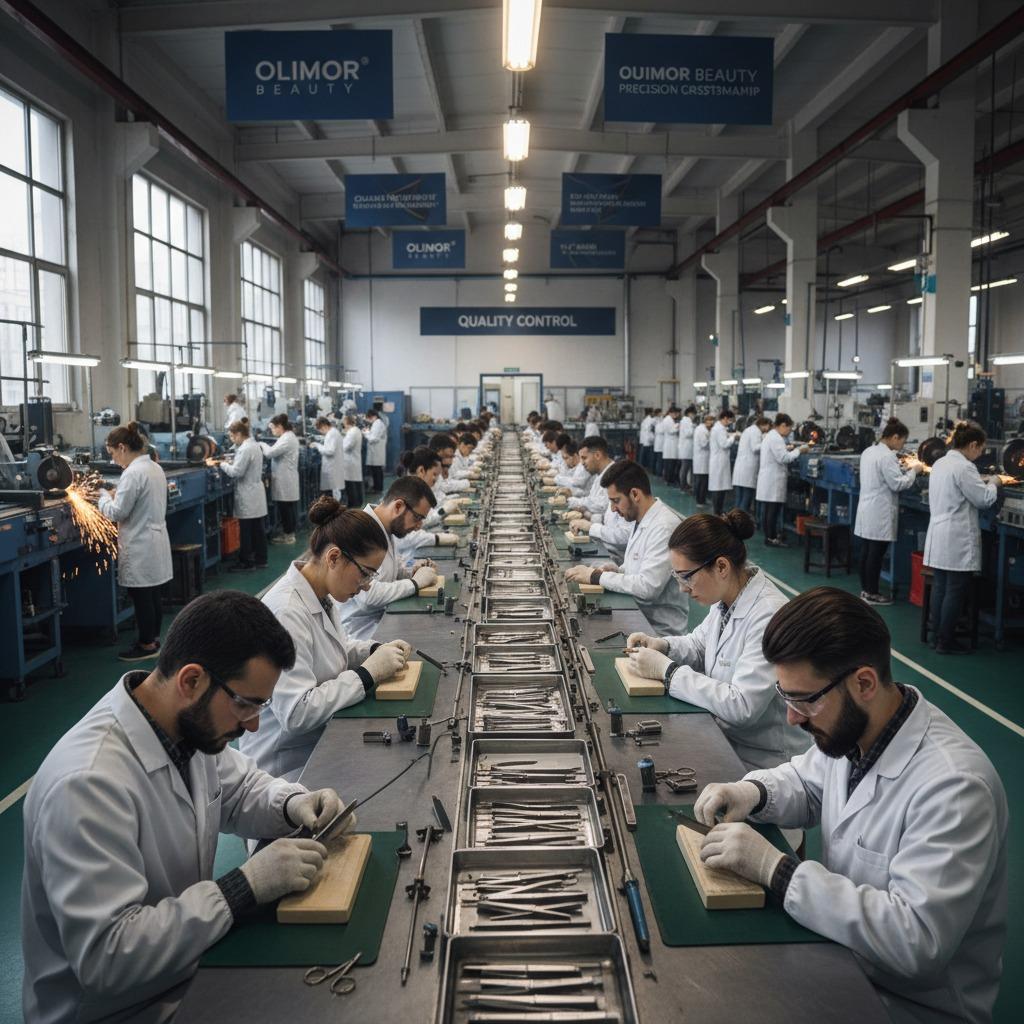
For buyers sourcing professional nail clippers for resale or service use, product selection should include more than a visual review. A supplier conversation can cover material, finish consistency, inspection process, packaging options, and intended user groups. Olimor Beauty emphasizes quality control from material selection to final packaging, which is especially relevant when consistency matters across larger orders.
When comparing suppliers or preparing specifications, consider documenting the following points:
- Preferred product size and whether the clipper is intended for fingernails, toenails, or general grooming.
- Expected handle style and grip comfort for the target customer.
- Surface finish requirements, including smoothness around touch points.
- Packaging format needed for retail display, kits, or professional distribution.
- Inspection expectations for jaw alignment, lever movement, and visible defects.
- Care instructions that should be included for end users.
Clear sourcing criteria help avoid misunderstandings and make sample evaluation faster. If you need product guidance for a specific market or kit concept, you can contact Olimor or send an inquiry with your intended use and selection priorities.
Final Selection Tips
A professional nail clipper should feel precise, comfortable, and reliable. Stainless steel construction, ergonomic handling, and consistent quality inspection are all meaningful advantages, but the final choice should still match the real user. A salon technician may value repeatable cutting performance and easy cleaning. A home user may prefer comfort, compact storage, and simple maintenance. A retailer may need a balanced option that feels solid immediately in the customer’s hand.
Before committing to a nail clipper, test how it opens, closes, and cuts. Check the cutting edge, press the handle several times, and look for any rough areas. A good tool does not need complicated instructions; it should simply make nail trimming cleaner and more controlled. With the right selection criteria, a professional nail clipper becomes a dependable part of everyday grooming rather than a disposable accessory.