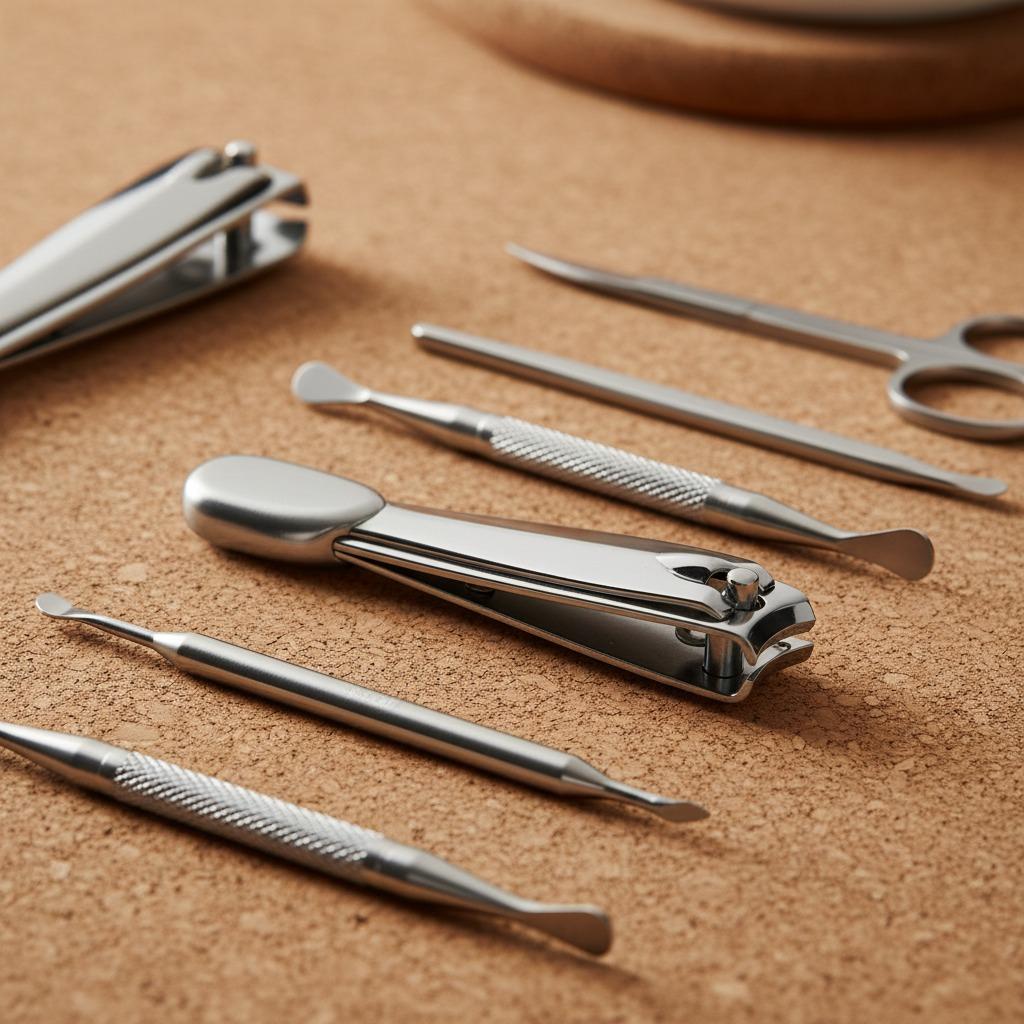











Classic nail clippers seem simple, but a well-made one can make daily grooming noticeably easier. The right tool cuts cleanly, feels steady in the hand, stores easily, and holds up through repeated use. A poor clipper can crush the nail, leave jagged edges, feel awkward to control, or wear out too quickly. For personal care routines, salon kits, travel sets, and retail beauty-tool assortments, those differences matter.
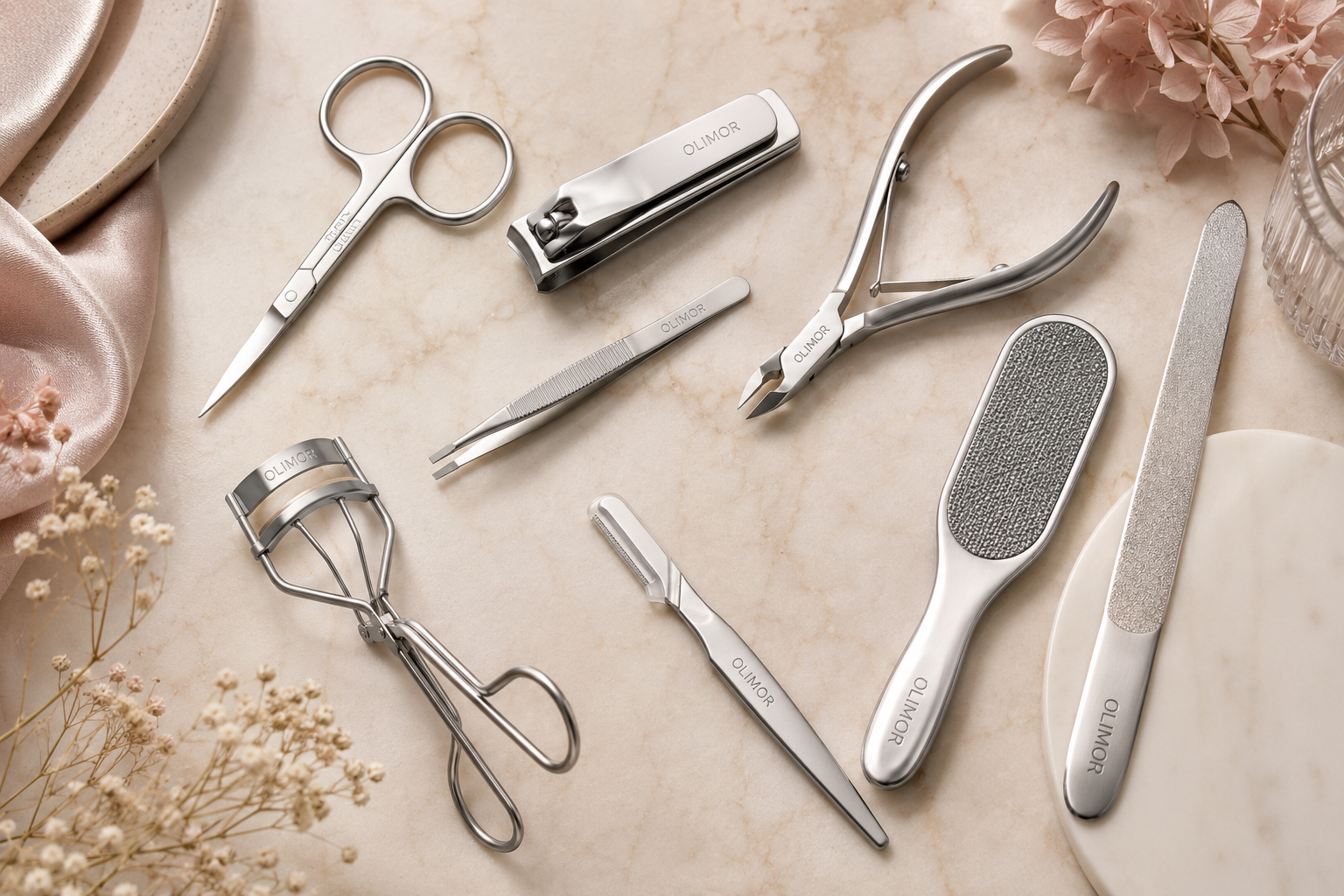
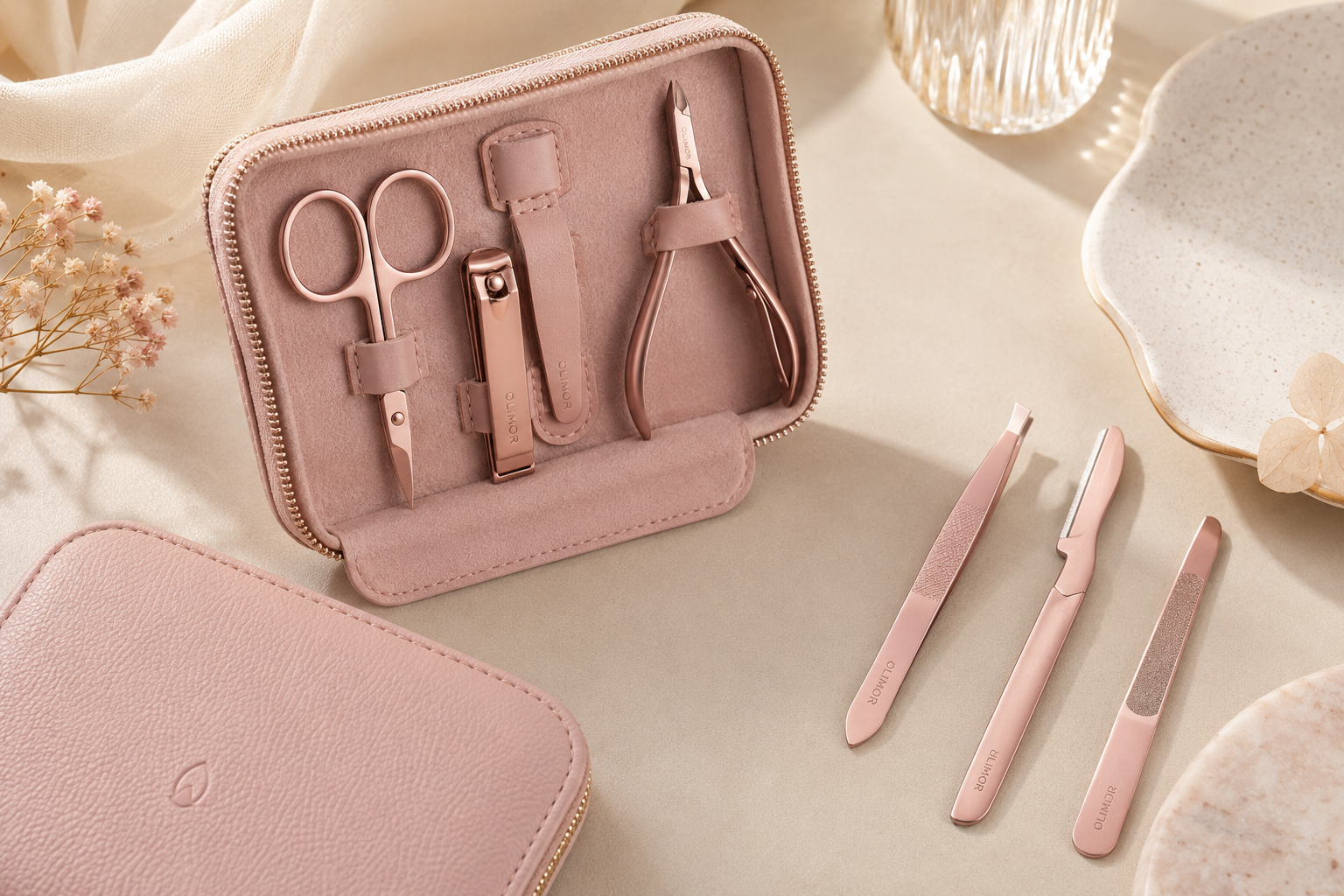
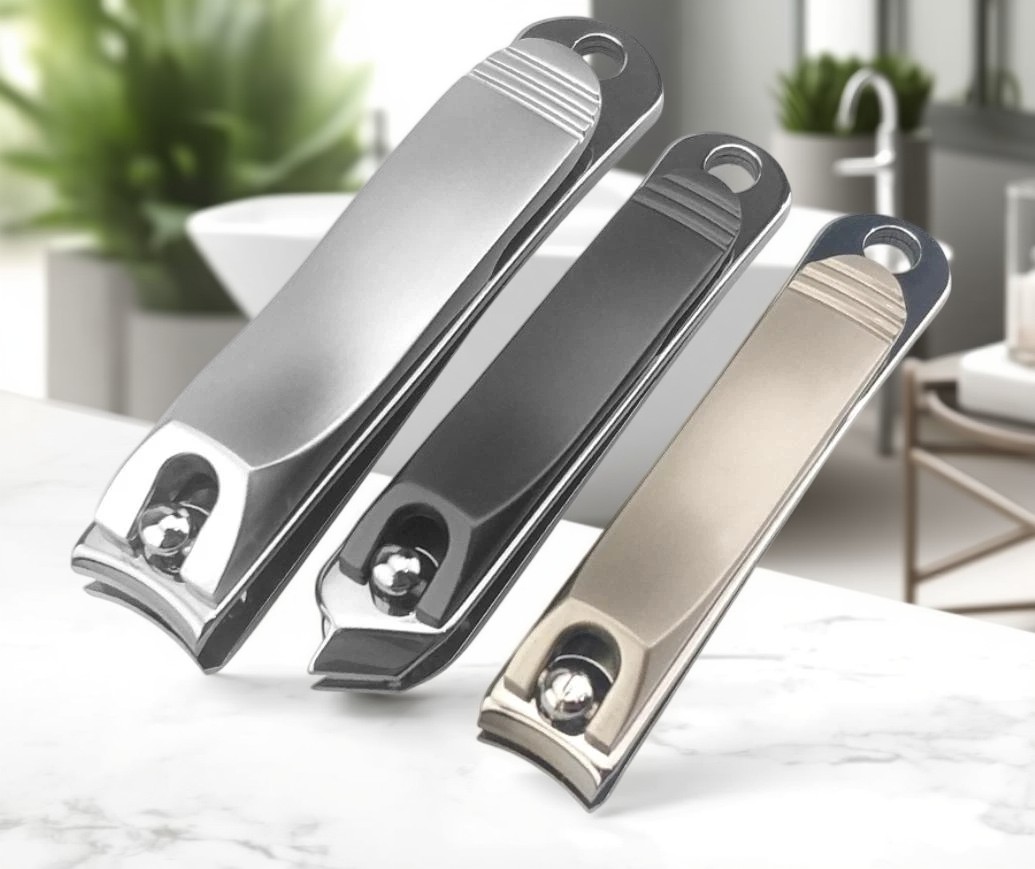
Olimor Beauty classic nail clippers are positioned around practical use rather than novelty. The key details are straightforward: durable construction, an ergonomic handle, a polished appearance, an integrated nail file, and a keyhole design for portability. The available finishes are polished silver, gunmetal gray, and champagne gold, which makes the product suitable for a range of grooming sets and merchandising styles.
If you are comparing options for a product line, you can review the broader beauty tool range or use this guide to narrow down what really matters in a classic clipper.
What a Classic Nail Clipper Should Do Well
A good nail clipper should do one job consistently: trim nails cleanly with minimal effort. That sounds basic, but it depends on several small details working together. The blades need to meet properly, the handle should support control, and the body should feel stable when pressure is applied. When any of those parts are weak, the result is often a rough or uneven trim.
For most buyers, the practical benchmark is not complexity. It is whether the clipper performs the same way every time. That matters for everyday fingernail maintenance, toenail trimming, and shared grooming kits where users may have different hand sizes and grip preferences. It also matters in retail, where customers usually want a tool that looks familiar, works quickly, and does not require instructions.
In short, a classic nail clipper should be easy to understand, easy to use, and easy to keep in good condition.
Why Some Clippers Feel Better Than Others
Two nail clippers can look similar and still perform very differently. The main difference usually comes down to how the tool feels in use, not just how it looks on a shelf.
- Cutting action: A smoother clip helps reduce the need for repeated pressure and can leave a cleaner edge.
- Control: A stable body helps the user trim in small sections rather than forcing one difficult cut.
- Grip comfort: An ergonomic handle can reduce fatigue, especially when trimming harder toenails.
- Finish quality: A clean, polished surface is easier to present in retail or gifting programs.
- Portability: A keyhole design can make the clipper easier to attach to a pouch, key ring, or travel set.
- Extra utility: An integrated nail file saves time when a small rough point needs smoothing after clipping.
For buyers, these details are useful because they influence user satisfaction more than decorative features do. If a clipper is meant for daily care, a dependable feel is usually more valuable than a complicated design.
What Olimor Beauty Classic Nail Clippers Are Designed to Offer
Olimor Beauty classic nail clippers are built around familiar, practical features that suit everyday grooming. The design emphasis is on reliable function and comfortable handling rather than unnecessary add-ons.
The durable construction supports regular use, while the ergonomic handle helps the user maintain control during trimming. That can be especially helpful when the clipper is used on thicker toenails or in environments where a fast, predictable cut is important. The integrated nail file is another practical detail because it allows the user to smooth minor roughness immediately after clipping.
The keyhole design adds portability and storage flexibility. It is useful for travel grooming pouches, compact kits, or retail items that need to be easy to hang, bundle, or display. The product is also available in three finishes: polished silver, gunmetal gray, and champagne gold. These options help buyers match different aesthetics without changing the basic product type.
For brands building a coordinated assortment, that matters. The same clipper can fit into a simple personal-care lineup, a travel-focused set, or a more gift-oriented beauty accessory collection. If you are planning a set, see how it could fit into a broader grooming collection.
How to Compare Classic Nail Clippers Before Buying
When sourcing nail clippers, it helps to compare the factors that affect everyday use and customer perception. The checklist below is a practical starting point for procurement teams, retailers, and brand owners.
| Buying question | What to look for | Why it matters |
|---|---|---|
| Does it trim cleanly? | Stable cutting action with minimal repeated pressure | Cleaner results and better user satisfaction |
| Is it comfortable to hold? | Ergonomic handle and secure feel | Less hand fatigue during regular use |
| Is it practical for travel? | Compact body and keyhole design | Easier storage in pouches, kits, and drawers |
| Does it help finish the nail? | Integrated nail file | Reduces the need for an extra tool |
| Will it fit the intended aesthetic? | Polished silver, gunmetal gray, or champagne gold | Improves assortment matching and shelf appeal |
| Is it suitable for repeated use? | Durable structure and sensible storage | Better service life and lower replacement pressure |
This comparison is useful because it keeps the focus on function first. A classic clipper should not be judged only by color or packaging; it should be judged by how it performs in the hand.
Cost Factors That Usually Shape a Nail Clipper Program
For commercial buyers, the final cost of a nail clipper program is usually influenced by a few predictable variables. The first is the product configuration itself. A standard classic clipper may be straightforward, while packaging choices, finish options, and any requested customization can affect the overall quote.
The second factor is how the item will be sold. An individual clipper, a bundled set, and a retail display pack each create different sourcing and packing considerations. If the clipper is being added to a manicure kit or travel set, the surrounding components and protective packaging will also shape the final structure of the order.
The third factor is commercial support. Buyers often need clarity on finish consistency, packaging format, and whether the supplier can accommodate brand presentation requirements. It is also wise to ask about inspection steps and document availability before confirming a program. For products sold into regulated markets, buyers may need to review applicable consumer product requirements or general chemical compliance expectations such as EU REACH where relevant. Verify the current version of any standard or rule, and always request supplier documents instead of assuming compliance.
If you are in the early stage of evaluation, a direct conversation can help align product format and market needs. You can send an inquiry with your finish preference, packaging idea, and target channel, or contact the team to discuss assortment planning.
How to Use a Classic Nail Clipper for a Cleaner Result
Even a well-made nail clipper performs best with good technique. Clean, controlled trimming helps reduce rough edges and makes the finish easier to manage.
- Start with clean, dry nails. Dirt, lotion, or moisture can make the clipper slip and reduce control.
- Trim in small sections. Avoid forcing a large cut all at once, especially on harder toenails.
- Follow the nail’s natural shape. This helps create a more even edge and avoids awkward corners.
- Use steady pressure. Let the clipper cut rather than twisting the hand or pulling the nail.
- Finish with the integrated file. Smooth small rough points immediately after clipping.
- Check both hands and feet separately. Different nail thicknesses may require different levels of control.
This approach is especially helpful for people who are trimming their own nails at home. It also suits salon or grooming kit users who want a quick, dependable finish before moving on to filing or further care.
Maintenance and Storage Tips for Longer Service Life
Nail clippers are low-maintenance tools, but they still benefit from consistent care. Small habits make a real difference in how long the tool stays clean, sharp-feeling, and pleasant to use.
- Remove debris after each use: Clear nail fragments from the cutting area so residue does not build up.
- Keep it dry: Wipe the clipper after use and dry it thoroughly if it has been cleaned with water.
- Store it separately: Avoid loose contact with keys, scissors, or other metal items that may mark the finish.
- Use it only for nails: Cutting non-grooming materials can damage the cutting edge.
- Protect it in transit: A pouch or case is useful for travel kits and retail add-ons.
These steps are simple, but they help preserve both appearance and function. That is important for end users and for brands that want products to feel dependable after repeated handling.
Which Customers and Channels Fit This Product Best?
Classic nail clippers work well across several use cases because the product is instantly understandable. The strongest fit is usually where practicality matters more than specialist features.
Home grooming: The clipper is straightforward for everyday fingernail and toenail trimming. The ergonomic handle and file make it especially useful in small personal-care routines.
Travel sets: The keyhole design supports compact storage and easy attachment. That makes the clipper suitable for wash bags, desk drawers, gym kits, and carry-on grooming pouches.
Retail assortments: The silver, gray, and gold finish options help create visual variety without changing the core product type. This can support shelf appeal in general beauty-tool programs.
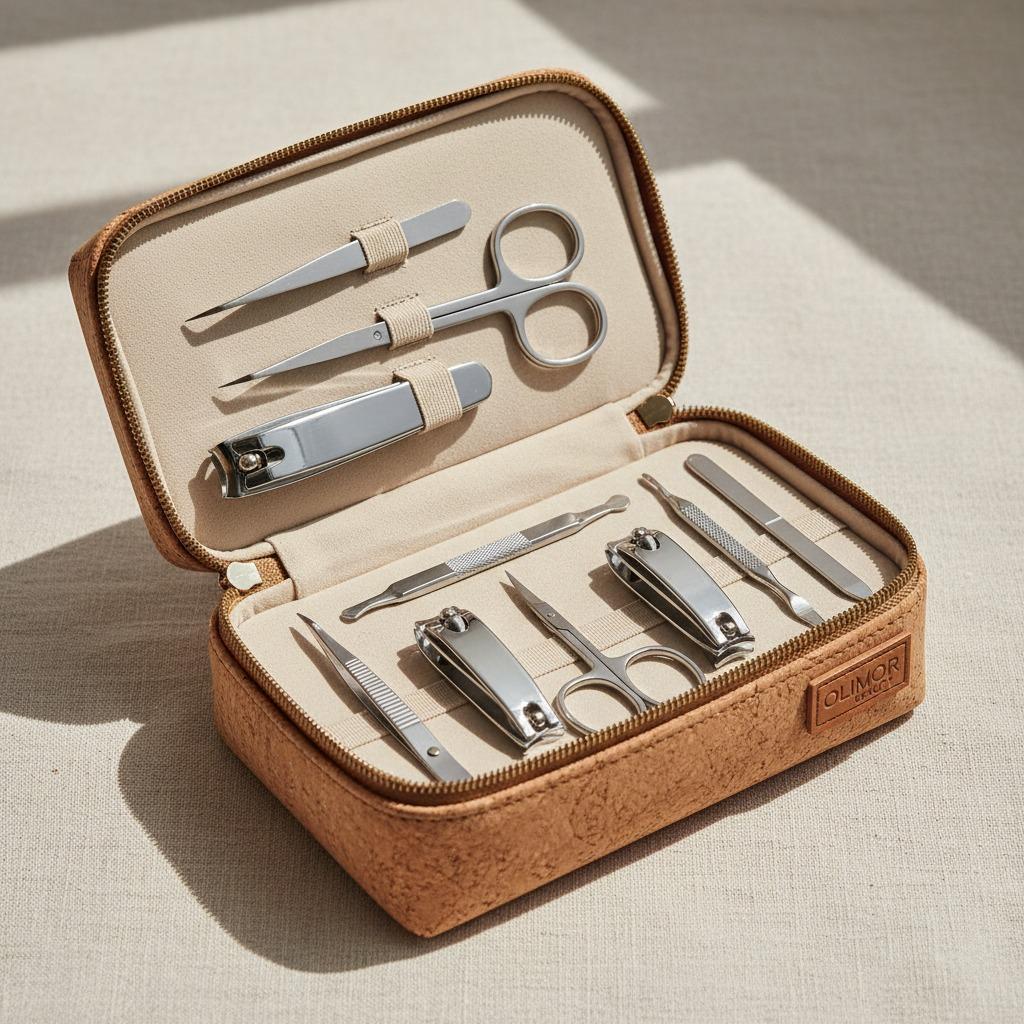
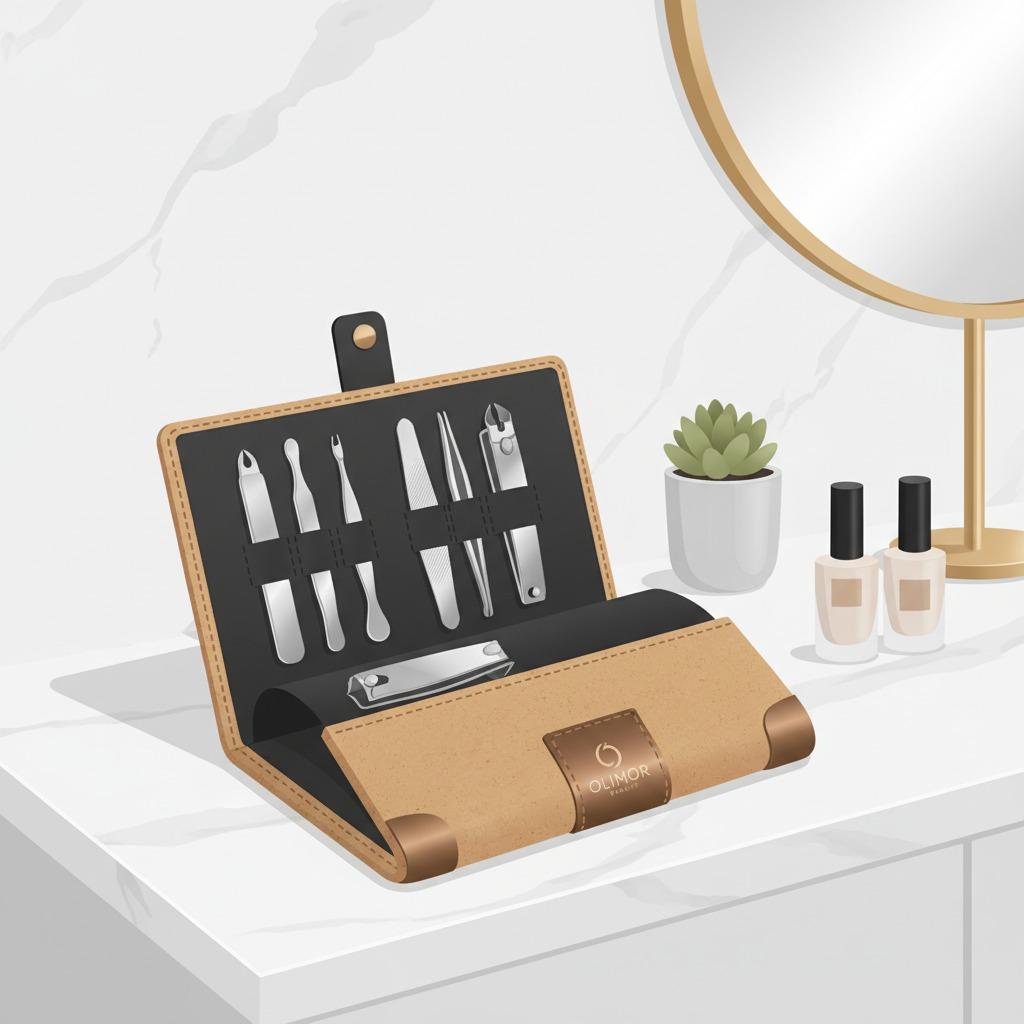
Gift or promotional kits: Because the product is universal and easy to use, it can be paired with files, tweezers, scissors, or manicure accessories in bundled sets.
Professional grooming kits: Salons and grooming services often need practical tools that support quick, controlled maintenance before finishing work. A classic clipper fits that role well.
For buyers building an assortment, the goal is to choose a product that is easy to explain, easy to use, and easy to replenish. That is where a classic tool often outperforms a more complicated one.
Quality Checks to Request From a Supplier
Before you commit to a clipper program, it is useful to ask for clear product and packaging details. The aim is not to overcomplicate the purchase. It is to reduce surprises after launch.
- Ask how the cutting action is inspected before shipment.
- Confirm which finish options are available for the program you want to build.
- Request product photos or samples to review the handle feel, file placement, and overall appearance.
- Clarify whether the clipper can be supplied as an individual item or within a set.
- Ask what packaging options are available for retail, travel, or gift use.
- Request any documents your market requires and verify them against current public rules or buyer standards.
These questions help buyers evaluate whether the clipper is suitable for their channel and customer expectations. They also make it easier to compare suppliers on practical grounds instead of relying on appearance alone.
FAQ
Can I request a sample before placing a larger order?
Yes, that is usually the best way to assess trimming feel, finish, and overall presentation. Ask for the current sample process when you make your inquiry.
Is customization available for retail or branded sets?
Customization may be possible depending on the program. Buyers commonly ask about packaging, finish selection, and brand presentation, so it is worth discussing those needs early.
What should I check for quality?
Focus on cutting consistency, handle comfort, finish uniformity, file usefulness, and how the clipper is packed for storage or shipping. If your market has specific requirements, request the relevant documents.
What affects lead time?
Lead time usually depends on order scope, product configuration, customization, and packaging details. Confirm the schedule directly for your specific project.
Can this clipper fit into a manicure kit or travel set?
Yes. The classic format, keyhole design, and integrated file make it suitable for compact grooming kits and coordinated accessory sets.
A Practical Choice for Everyday Grooming and Sourcing
A good classic nail clipper does not need to be complicated. It needs to trim cleanly, feel comfortable, store well, and hold up to regular use. Olimor Beauty classic nail clippers are built around those priorities with durable construction, an ergonomic handle, an integrated file, a keyhole design, and three polished finish options.
For end users, that means easier everyday grooming. For buyers, it means a straightforward product that can fit retail, travel, gift, and professional assortments without unnecessary complexity. If you are planning a new program or comparing grooming tools, start with the practical questions in this guide, then request the details that matter for your market through the inquiry form or by contacting the team directly.