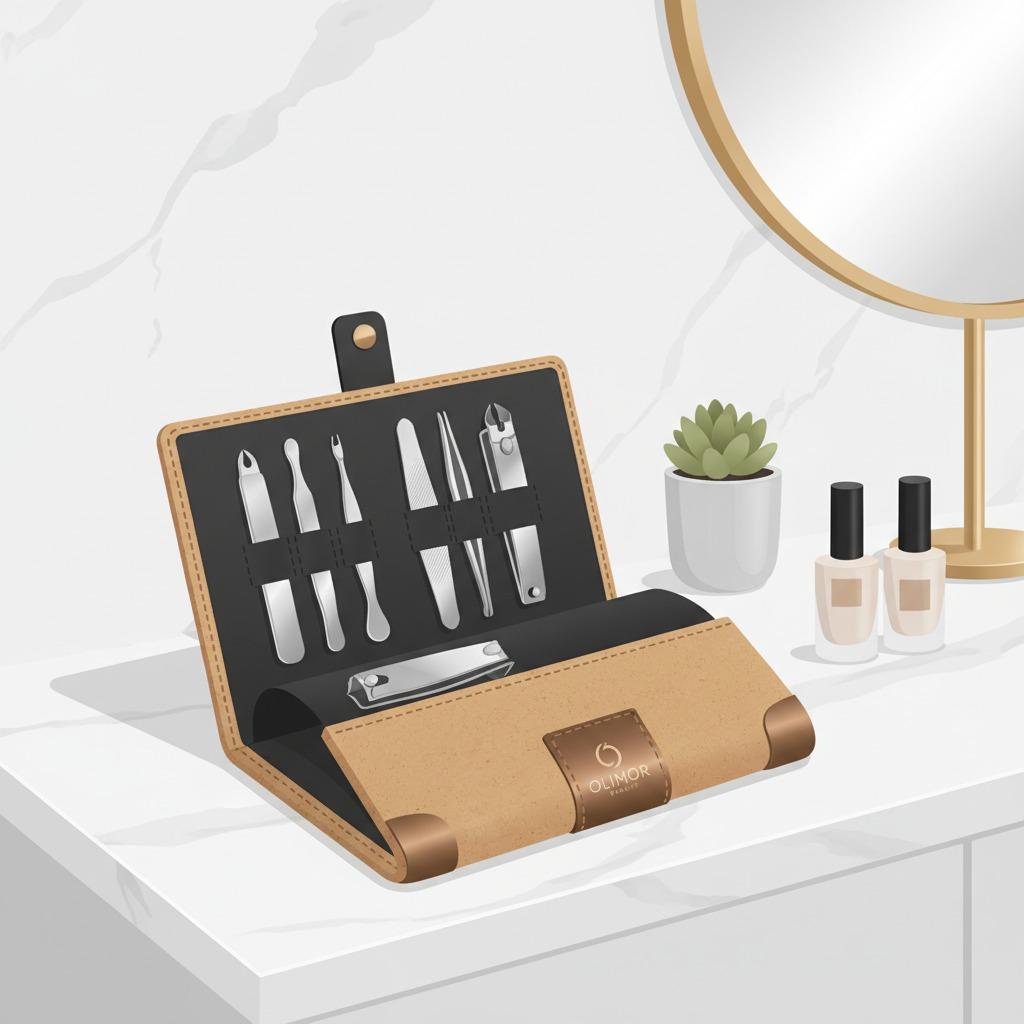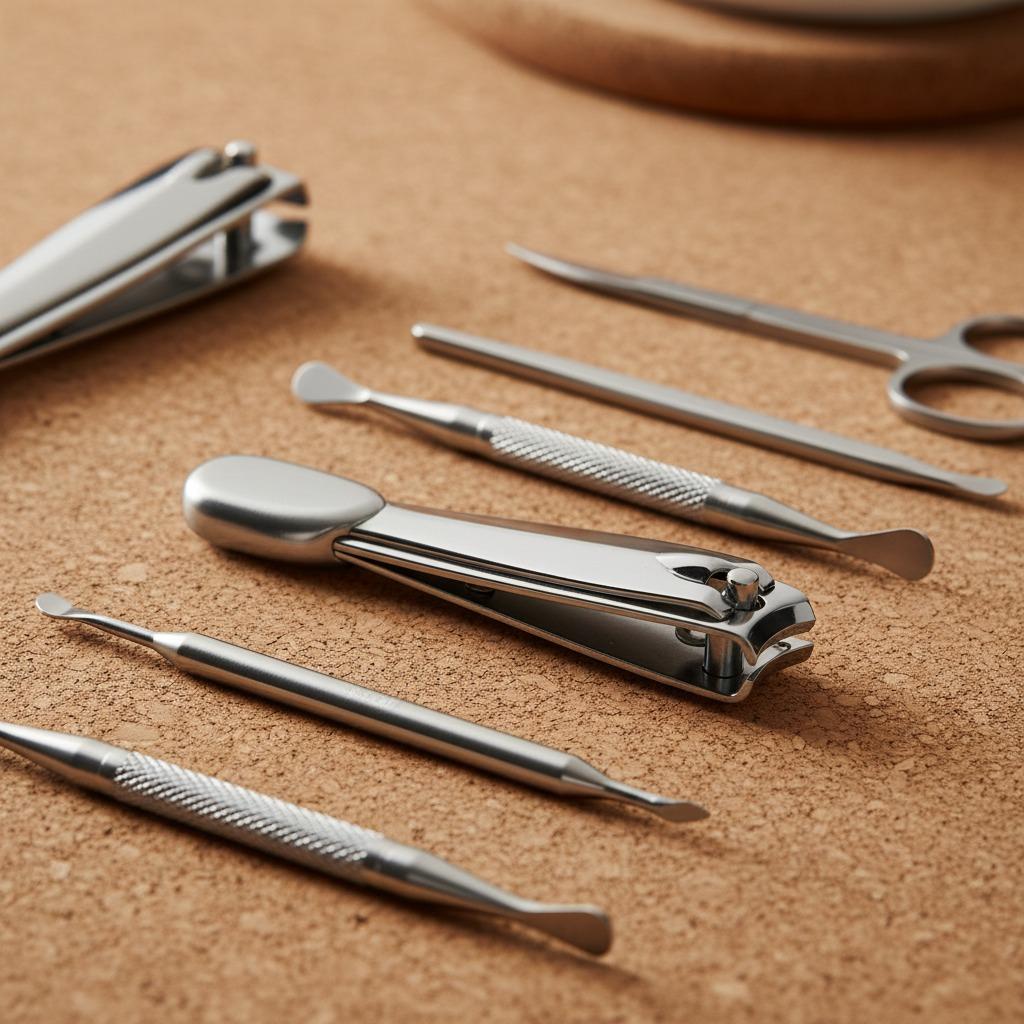
A good nail clipper should do one simple job well: trim the nail cleanly with controlled pressure and minimal roughness. For personal grooming, that means less tearing, fewer jagged edges and a more comfortable result. For retailers, distributors, salon buyers and beauty kit planners, it means fewer customer complaints about dull blades, awkward handling or inconsistent quality.
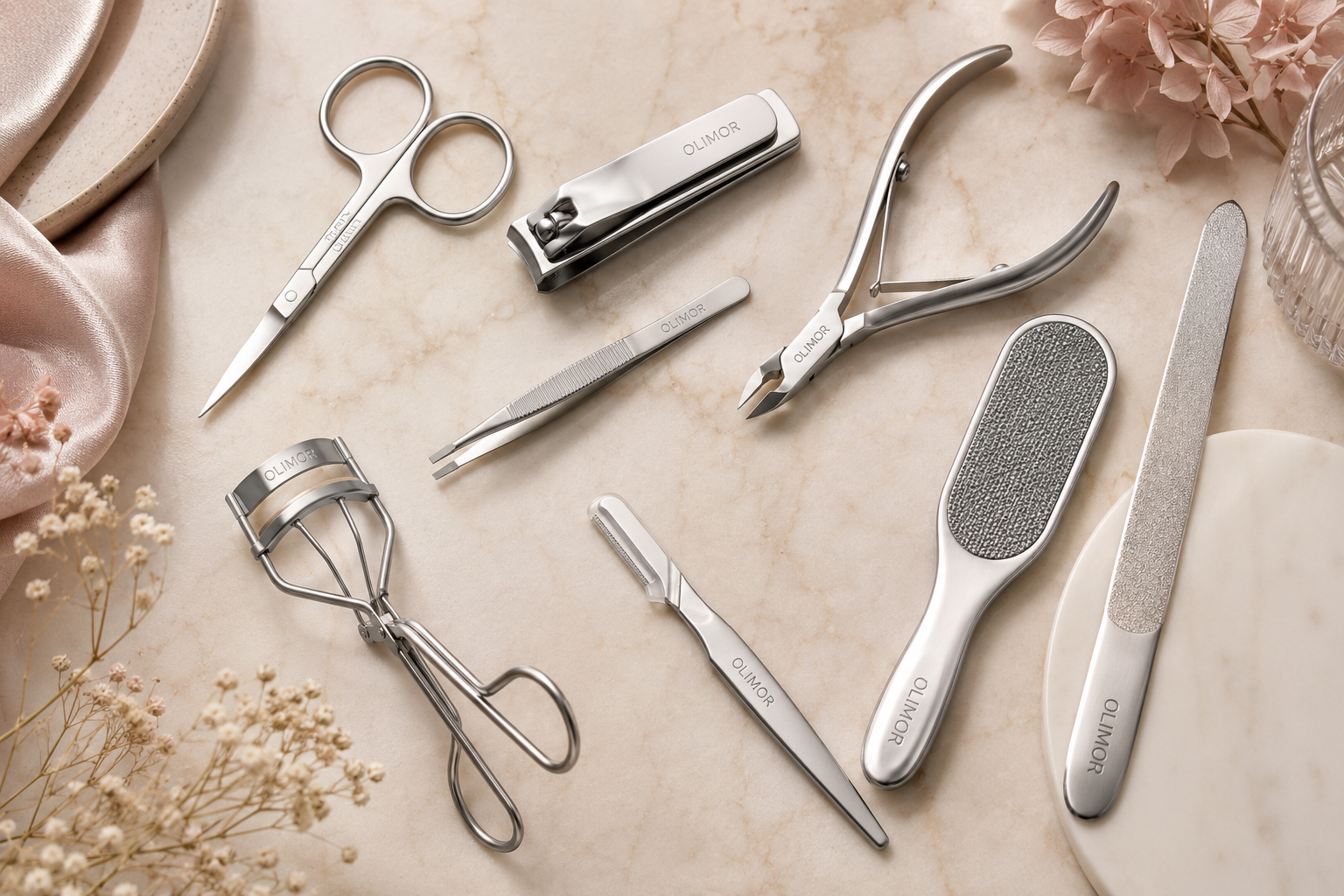
Olimor Beauty nail clippers are built around practical fundamentals: high-quality stainless steel construction, rust-resistant durability, a precision-designed cutting edge, an ergonomic curved handle and a convenient loop for storage. Finish options include classic chrome, refined gray and champagne gold, making the tool suitable for home manicure kits, travel pouches, salon retail displays and general beauty tool assortments.
This guide explains how to evaluate stainless steel nail clippers from a buyer’s point of view. It covers material, cutting performance, finish selection, inspection checks, maintenance, sourcing questions and supplier evaluation so you can choose a compact grooming tool with confidence.
What Searchers Usually Want to Know About Nail Clippers
Most people comparing nail clippers are not looking for a complicated tool. They want to know which clipper will cut cleanly, feel stable in the hand, resist rust and last through regular use. B2B buyers also need to know whether the product can fit a retail concept, travel kit, salon program or private beauty assortment.
The primary selection questions are practical:
- Will the jaws cut cleanly? A good cutting edge should meet evenly and trim without crushing or bending the nail.
- Is the tool comfortable to control? The lever and handle shape should support steady pressure without slipping.
- Will the material hold up in real grooming environments? Stainless steel is commonly chosen because nail tools are often stored in bathrooms, pouches and cosmetic bags.
- Does the finish suit the sales channel? Chrome, gray and champagne gold finishes support different merchandising styles.
- Can the supplier provide consistency? For commercial programs, the sample should represent the expected production quality.
If you are comparing this item with other manicure and beauty tools, review related beauty tool products to understand how nail clippers can fit into a broader assortment.
Why Low-Quality Nail Clippers Often Fail
Many nail clippers look similar at first glance, but the difference becomes clear during use. A poor clipper may require repeated pressure, leave one side of the nail longer than the other, or create a ragged edge that needs heavy filing. These problems usually come from dull cutting edges, uneven jaw alignment, weak lever feel or slippery handling surfaces.
Dull edges do not truly cut the nail. They press and bend it until it breaks. This can create small cracks at the edge of the nail, especially when the user clips too much at once. Jagged corners may then catch on fabric, hosiery, hair or gloves. Users often respond by trimming deeper than necessary, which can lead to discomfort.
Alignment is equally important. The two cutting surfaces should meet cleanly. If the jaws do not align, the clipper may leave a thin uncut section, split the nail or require a second cut in the same area. For a customer using the tool at home, that feels frustrating. For a retailer or distributor, it can affect repeat purchase and brand perception.
Handling is another common weakness. A nail clipper is a pressure tool, so grip and control matter. If the lever surface feels unstable or slippery, the user may shift position while pressing. Olimor Beauty nail clippers address this practical issue with an ergonomic curved handle intended to support more controlled trimming.
Key Features of Olimor Beauty Stainless Steel Nail Clippers
Olimor Beauty nail clippers focus on reliable construction rather than unnecessary complexity. The tool is made from high-quality stainless steel, a practical material for grooming tools because it offers durability and resistance to rust. This matters for products kept near sinks, in bathroom drawers, in travel toiletry bags or inside beauty kits.
The precision-designed cutting edge is the core functional feature. A clean cutting edge helps reduce splitting and uneven trimming, although finishing with a nail file is still recommended for a smooth, polished edge. A well-made clipper should reduce the amount of correction needed after trimming.
The ergonomic handle has a curved surface for more comfortable pressure and improved control. This design consideration is useful for everyday users, travelers and salon clients who want a secure grip while shaping nails. It is also relevant for older users or anyone who prefers a tool that feels steady rather than sharp-edged or awkward in the hand.
Each clipper includes a convenient loop for storage. This detail supports practical use in several settings: hanging on a display hook, attaching inside a grooming kit, organizing tools in a travel pouch, or keeping the clipper accessible in a professional setup. Small storage features often affect how easily a customer keeps and reuses the tool.
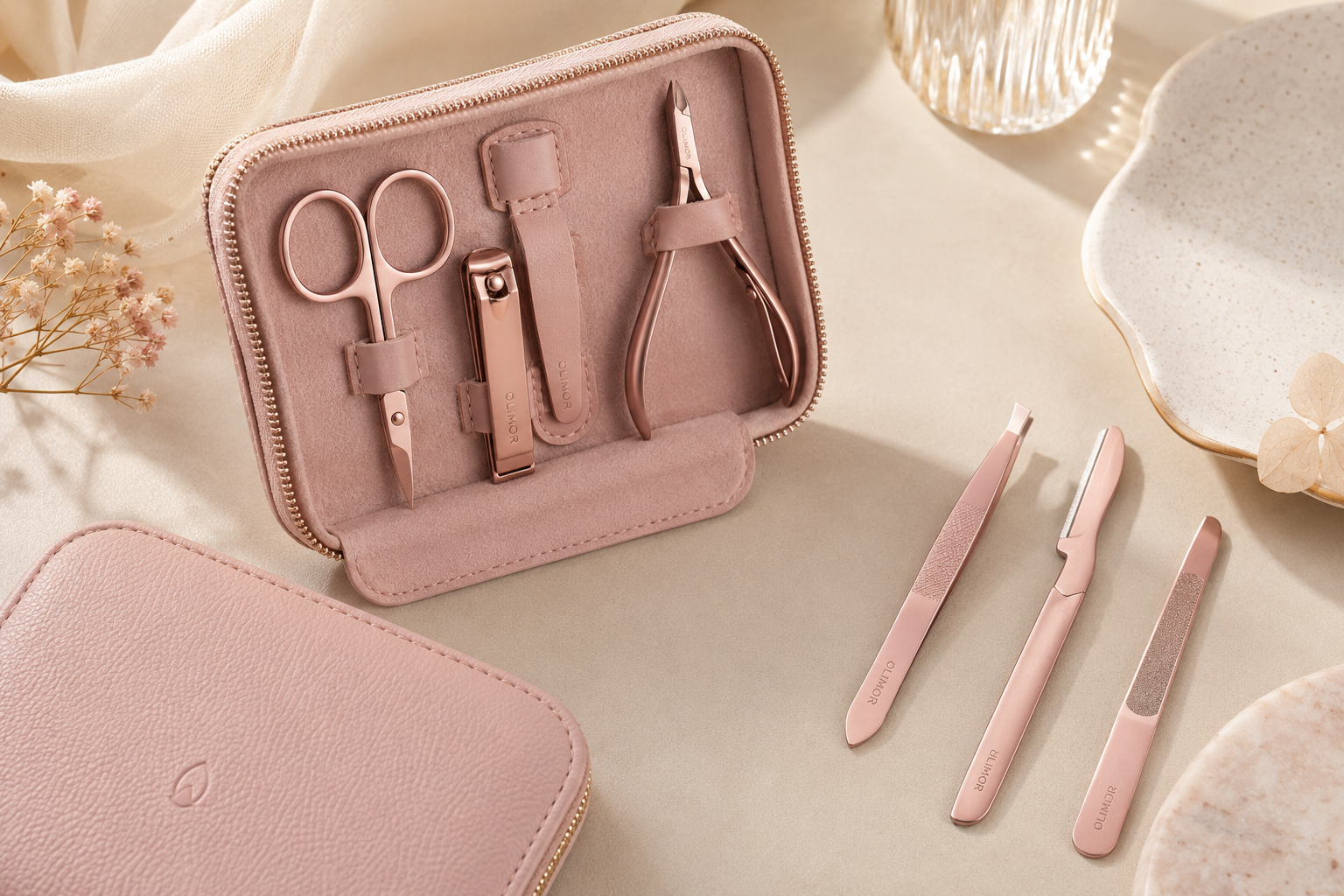
Available finishes include classic chrome, refined gray and champagne gold. Chrome gives a familiar clean appearance. Gray provides a more understated, modern look. Champagne gold has a warmer beauty-oriented presentation that may suit gift sets or coordinated manicure assortments. Buyers building sets can compare related items through Olimor product collections.
Comparison: Which Finish and Use Case Makes Sense?
Finish does not replace cutting quality, but it affects merchandising, perceived value and assortment consistency. A practical clipper used in a travel kit may need a different visual style from a clipper placed in a beauty gift set. The table below can help product teams match finish and positioning without overcomplicating the decision.
| Option or Feature | Best Fit | What to Check Before Ordering |
|---|---|---|
| Classic chrome finish | General grooming kits, basic manicure sets, unisex retail assortments | Check surface consistency, shine, edge smoothness and whether it matches other metal tools in the set. |
| Refined gray finish | Modern travel kits, understated personal care lines, minimalist packaging | Review color consistency between samples and expected bulk production. |
| Champagne gold finish | Beauty-focused kits, giftable manicure assortments, decorative retail presentation | Confirm the finish works with packaging colors and other accessories. |
| Stainless steel construction | Tools expected to resist rust in bathrooms, toiletry bags and salon retail use | Inspect edges, surface finish and overall construction quality on samples. |
| Loop for storage | Travel pouches, hanging displays, organized manicure kits | Check that the loop supports the intended packaging or display method. |
| Curved ergonomic handle | Users who want controlled trimming and stable pressure | Test comfort, grip and lever feel during actual clipping motions. |
For B2B buyers, the most useful comparison is not only between colors. It is between complete product experiences: how the clipper looks, how it feels, how reliably it cuts and how well it fits the retail or kit concept.
Inspection Checklist for Buyers and Product Teams
Before committing to a nail clipper for a retail line, salon display, gift set or travel program, inspect more than the appearance. A bright finish can hide weak alignment or uncomfortable handling. Use samples for hands-on evaluation and compare them against the standard you expect from production.
Sample Inspection Checklist
- Jaw alignment: Look at the cutting edges from the front and side. They should meet evenly without visible offset.
- Cutting action: Test the clipping motion for smooth pressure. Avoid tools that feel loose, unstable or harsh.
- Edge performance: The clipper should cut cleanly instead of crushing or bending the nail.
- Lever comfort: Press the handle several times to judge whether the curved surface feels secure and comfortable.
- Surface finish: Check chrome, gray or champagne gold surfaces for visible scratches, rough spots or inconsistent color.
- Storage loop: Confirm the loop works with your pouch, hook, card, tray or kit design.
- Cleaning access: Make sure nail residue can be wiped away from the jaws and body after use.
- Packaging compatibility: Verify that the clipper size, finish and presentation suit the planned kit or retail display.
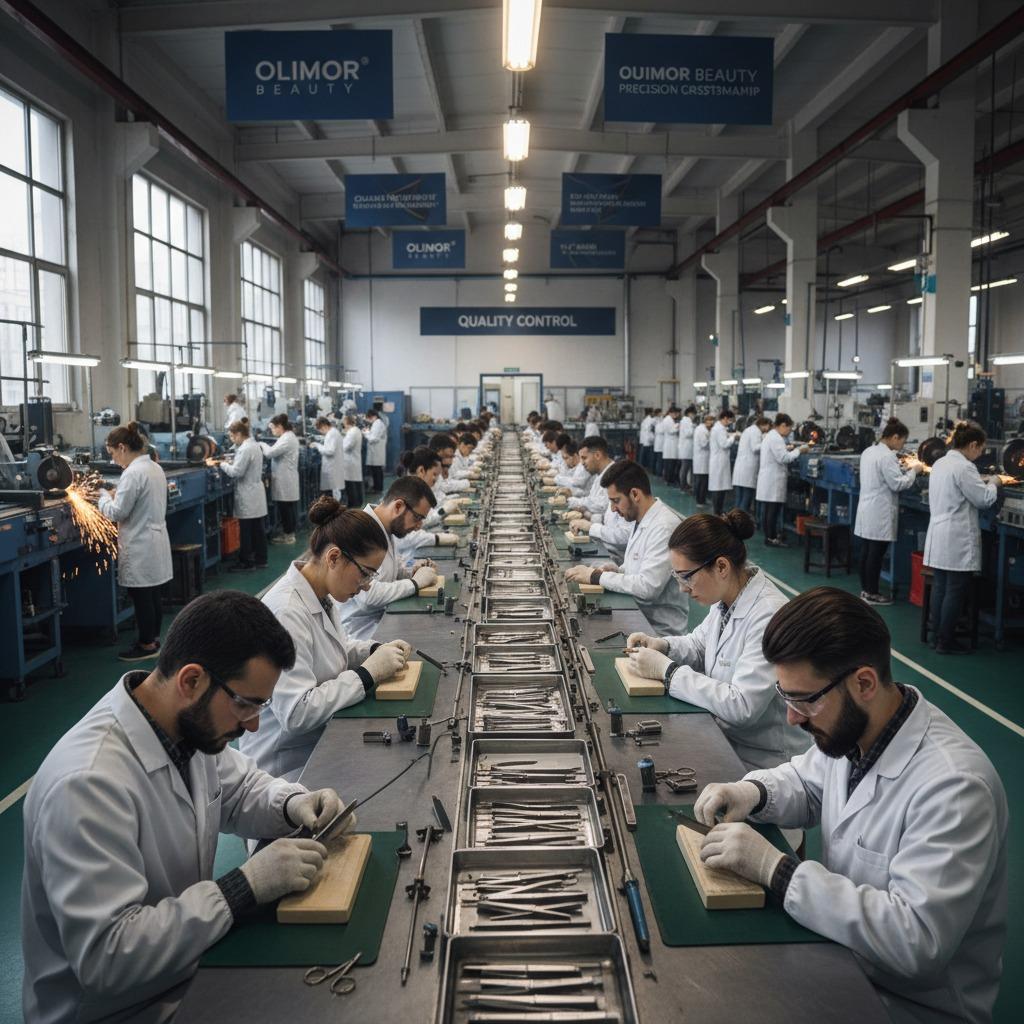
- Supplier consistency: Ask whether the approved sample will be used as the reference for bulk production quality.
Public requirements for consumer goods can vary by destination market. Depending on where the product is sold, buyers may need to consider applicable expectations from bodies or frameworks such as the U.S. Consumer Product Safety Commission or the European Union’s General Product Safety Regulation. Always verify current versions, destination-market obligations and supplier documents rather than relying on assumptions.
How to Use Nail Clippers for a Cleaner Trim
Even a well-made stainless steel nail clipper performs best with careful technique. The goal is not to remove as much nail as possible in one cut. It is to trim gradually, follow the natural nail shape and leave an edge that can be lightly filed if needed.
- Start with clean nails. Wash and dry hands or feet so the tool does not slip. Slightly softened nails after washing may be easier to trim, especially if they are thick.
- Position at the free edge. Place the cutting edge at the nail tip rather than too close to the skin.
- Use small cuts. On wider nails, make several controlled cuts instead of one aggressive cut.
- Avoid cutting deep corners. This is especially important for toenails, where cutting too deeply into the sides can cause discomfort as the nail grows.
- Finish with a file if needed. A clean clip reduces roughness, but a file can smooth small corners for a polished result.
- Wipe after use. Remove nail residue from the jaws and dry the tool before storing it.
For shared environments, such as salons, family grooming kits or retail demonstration settings, cleaning discipline is especially important. Stainless steel is easy to wipe and maintain, but the tool should still be kept dry and separated from damp items.
Maintenance and Storage for Longer Service Life
Nail clippers are often treated as low-value disposable items, but proper care helps preserve performance and appearance. After each use, remove nail fragments from the cutting area and wipe the body with a clean cloth. If the clipper becomes wet, dry it before placing it back into a pouch, drawer or display storage area.
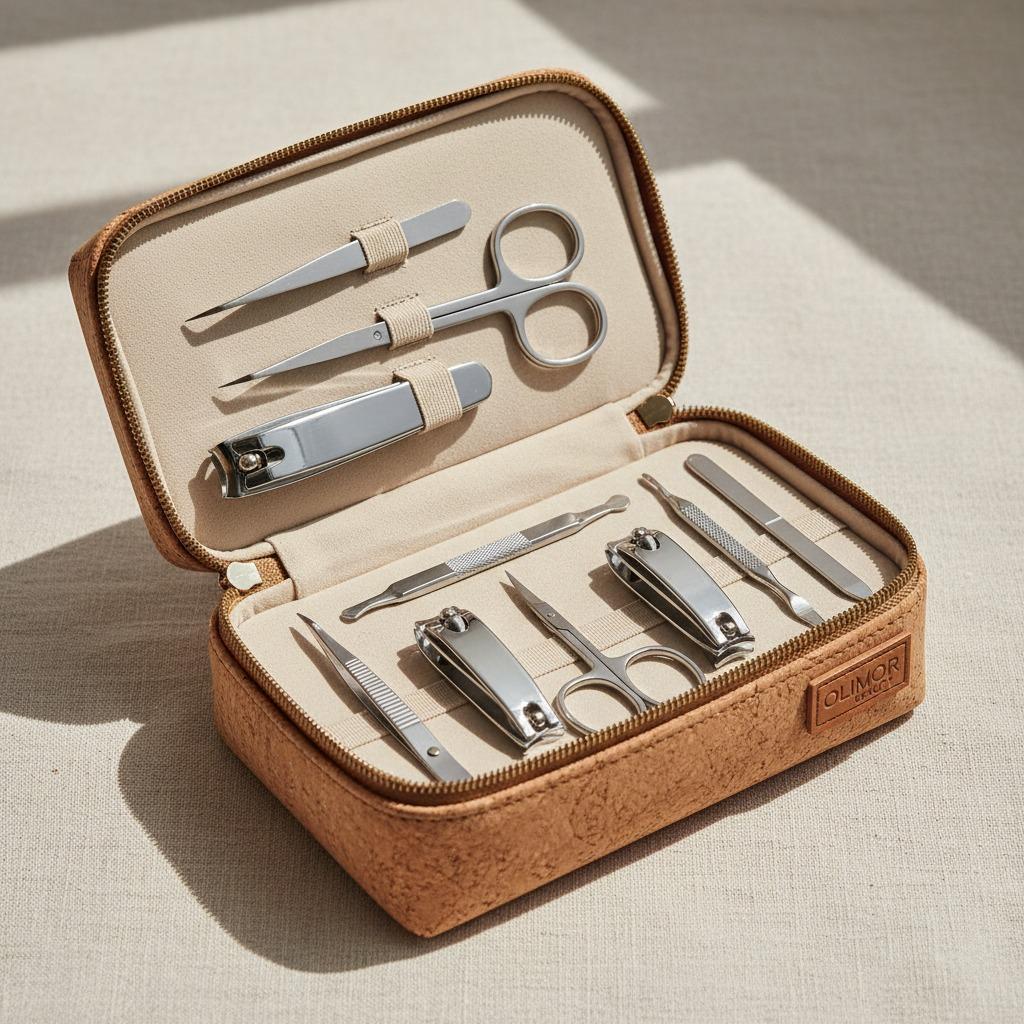
Avoid leaving the clipper loose with abrasive metal objects that could scratch the finish or affect the cutting edge. In travel cases, place the clipper where the lever will not catch on fabric or press against other tools. The integrated loop makes it easier to attach the clipper to an organizer, hang it on a display or keep it accessible in a grooming pouch.
If a clipper starts to feel dull, loose or misaligned, replacement is usually safer and more practical than forcing the cut. A dull tool may bend the nail and create rough edges. For commercial buyers, this is why sample review and supplier communication are important before ordering for a program.
Cost Factors and Supplier Evaluation for B2B Buyers
The cost of a nail clipper is influenced by more than the metal body. Buyers should think in terms of total product suitability: construction, finish, consistency, packaging requirements, customization needs and after-sales expectations. A low initial unit cost may not be attractive if the tool creates complaints or does not match the intended retail presentation.
Relevant cost and sourcing factors include:
- Material and construction: Stainless steel construction supports durability and rust resistance, which are important for grooming tools.
- Cutting edge quality: More consistent alignment and cutting action help improve user satisfaction.
- Finish selection: Chrome, gray and champagne gold may support different packaging and merchandising strategies.
- Packaging format: A travel pouch, retail card, kit insert or salon counter display can affect sourcing requirements.
- Customization needs: If branding, color coordination or set-building is required, confirm feasibility directly with the supplier.
- Inspection process: Buyers should clarify how samples, approval references and bulk quality expectations are handled.
- Destination market: Ask what documents are available and verify current regulatory or retailer requirements for your market.
When evaluating a supplier, ask clear questions and provide the intended use case. A nail clipper for a basic personal care line may need a different finish and packaging approach from one designed for a premium beauty kit. If you are preparing a sourcing brief, you can send an inquiry with the desired finish, packaging concept and sales channel.
Where These Nail Clippers Fit in a Beauty Tool Assortment
Stainless steel nail clippers are compact, but they can influence how customers judge the quality of an entire grooming set. A manicure kit may include several visually attractive accessories, but the clipper is one of the tools customers actually test immediately. If it feels sturdy and cuts cleanly, the whole set feels more dependable.
Olimor Beauty nail clippers are suitable for home nail care kits, travel grooming pouches, salon retail sets and broader beauty tool assortments. Their stainless steel construction, ergonomic handle, precision cutting edge, storage loop and finish options give buyers practical flexibility without making the product overly complex.
For distributors and retailers, they can work as a standalone grooming item or as part of a coordinated kit. Chrome supports classic everyday positioning, gray supports modern minimal assortments and champagne gold supports a warmer beauty-led presentation. To discuss how these clippers can fit with other tools, contact Olimor Beauty with your application and target channel.
FAQ
Can I request samples before placing a bulk order?
Sample availability should be confirmed directly with Olimor Beauty. For B2B sourcing, samples are useful for checking cutting action, jaw alignment, finish consistency, handle comfort and packaging fit before approving a larger order.
Is there a minimum order quantity for nail clippers?
MOQ can depend on the product, finish, packaging and customization requirements. Buyers should provide the intended order details through the inquiry process so the supplier can respond with current terms.
Can the nail clippers be customized for a retail kit or beauty set?
Customization possibilities may vary by project. If you need a specific finish direction, packaging format or coordinated assortment, share the concept, target market and branding requirements for review.
How should buyers evaluate quality before production?
Inspect samples for jaw alignment, clean cutting performance, lever stability, ergonomic feel, surface finish and storage-loop usability. Confirm that the approved sample will serve as the quality reference for production discussions.
What affects lead time?
Lead time may be influenced by order quantity, finish selection, packaging, customization and production scheduling. Ask for current timing during quotation and verify all project details before confirming an order.