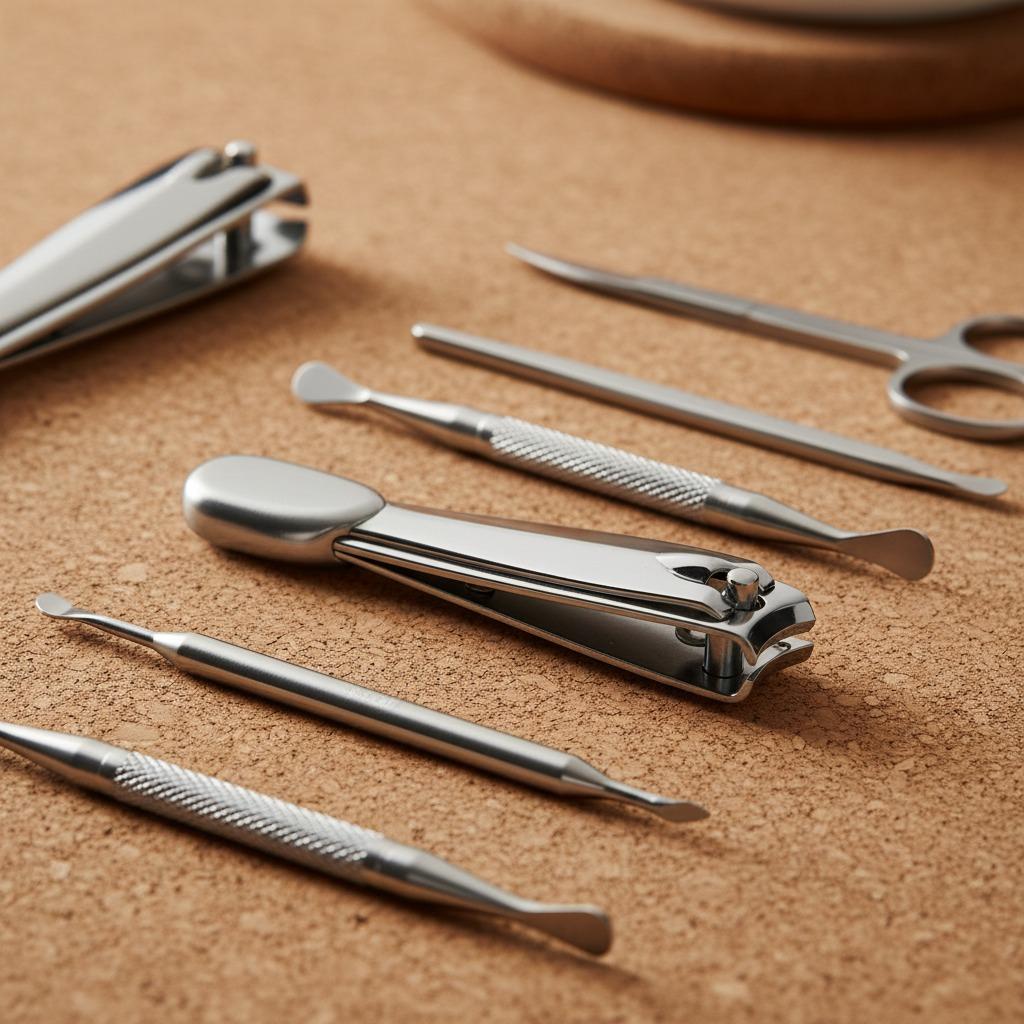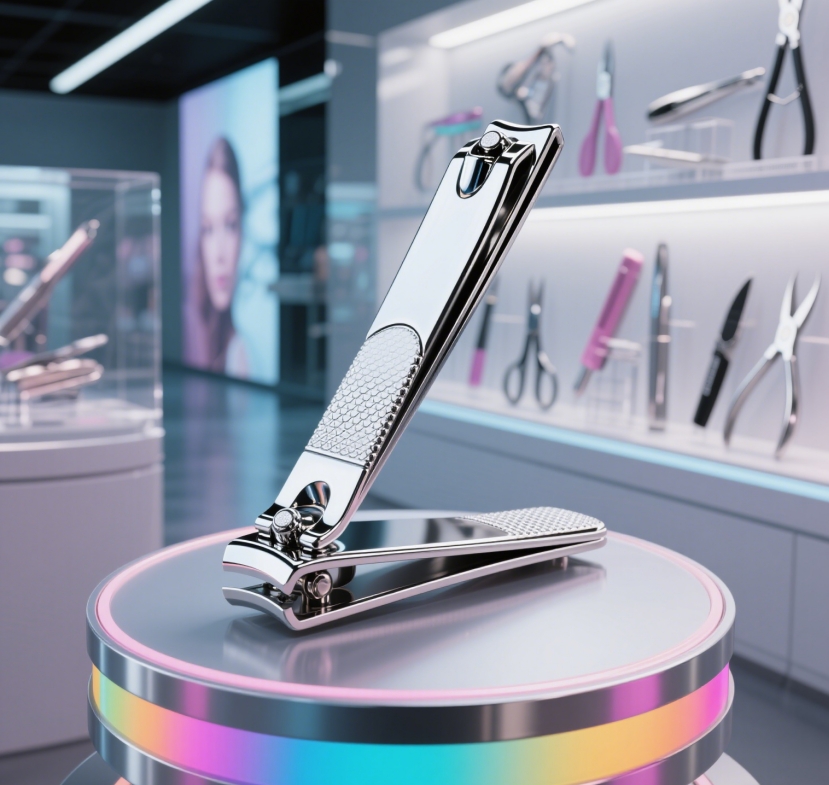
A good nail clipper looks simple, but small design details affect how cleanly it cuts, how comfortable it feels, and how long it remains useful. For personal care buyers, salon supply teams, travel kit brands, and beauty retailers, the right clipper should do more than shorten nails. It should help create a neat edge with controlled pressure, resist daily wear, and fit the way the end user actually grooms.
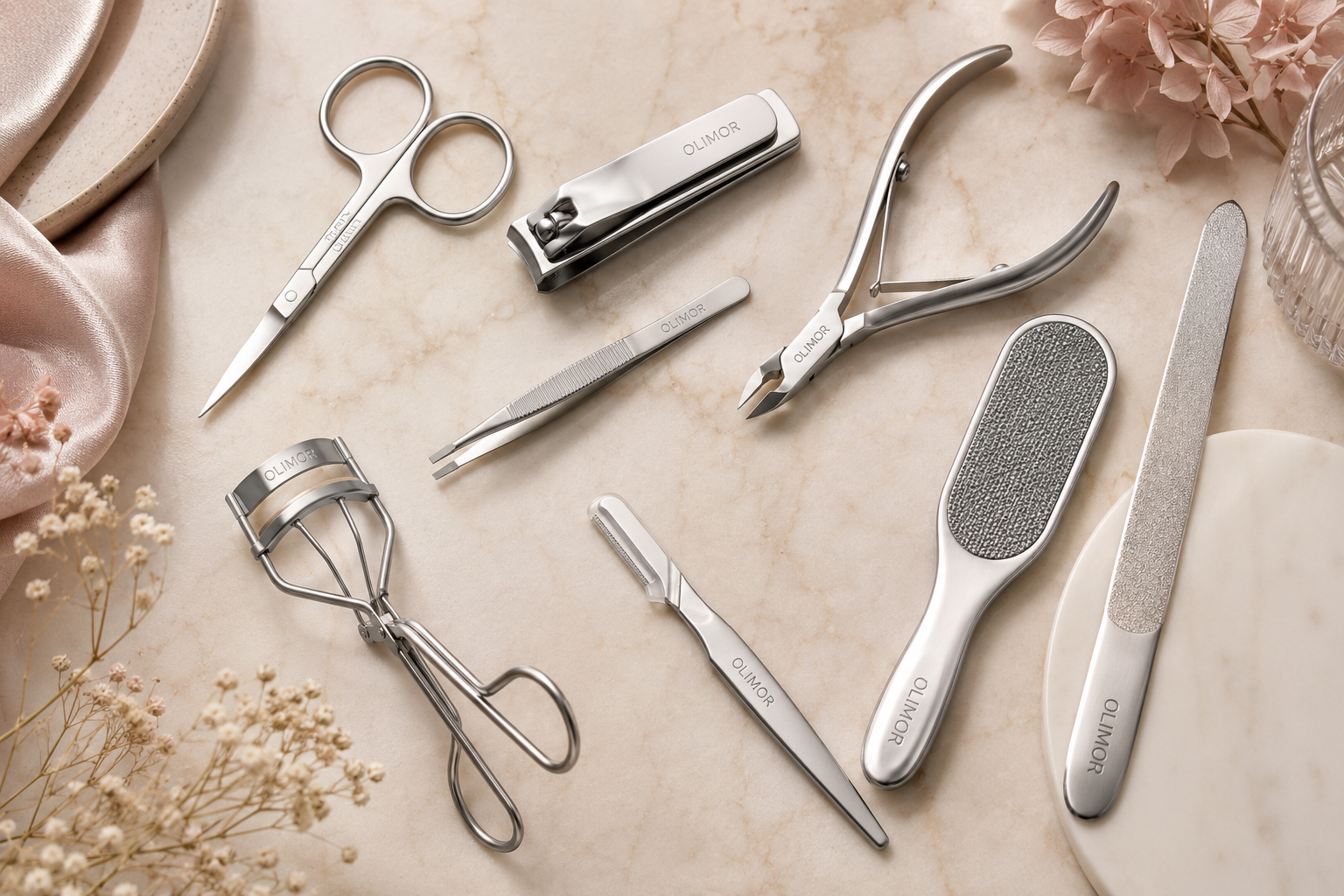
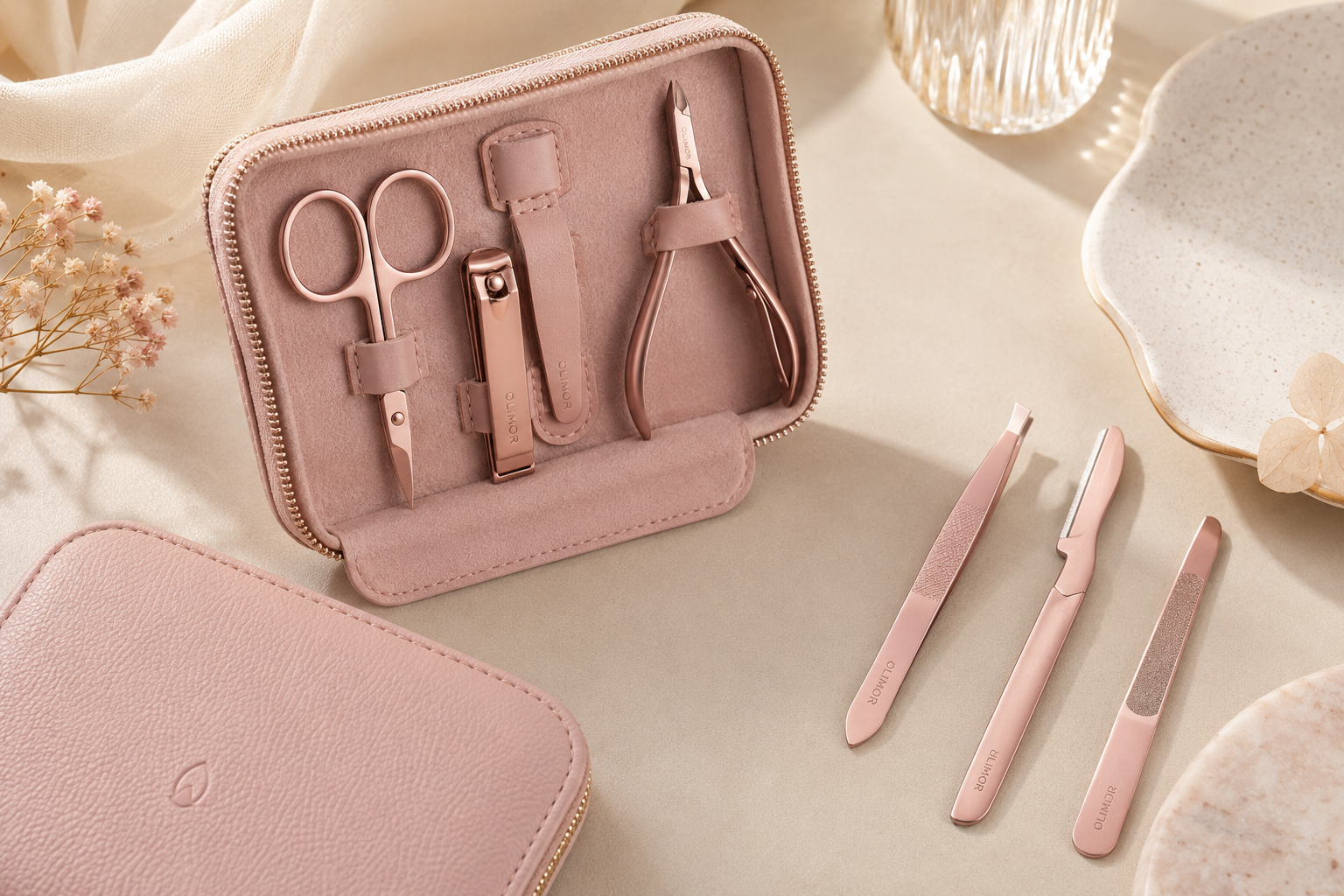
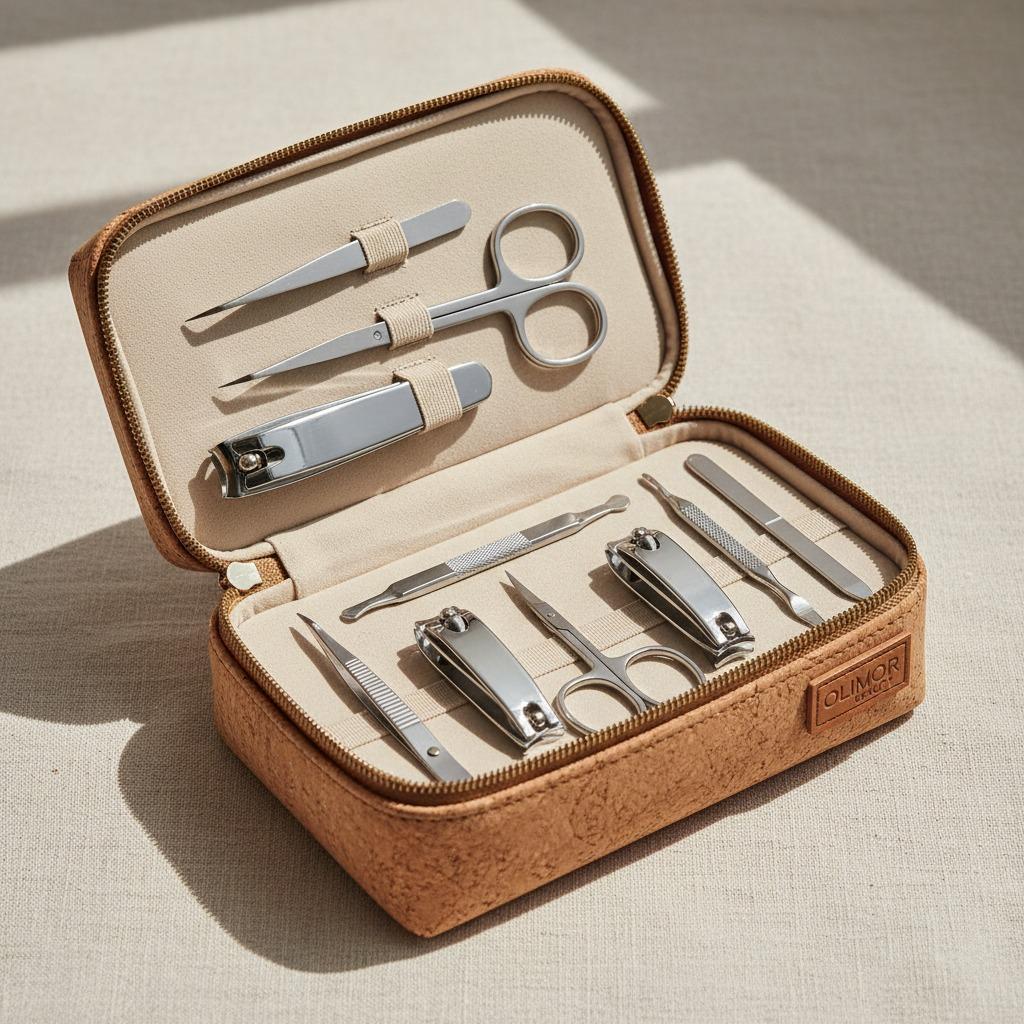
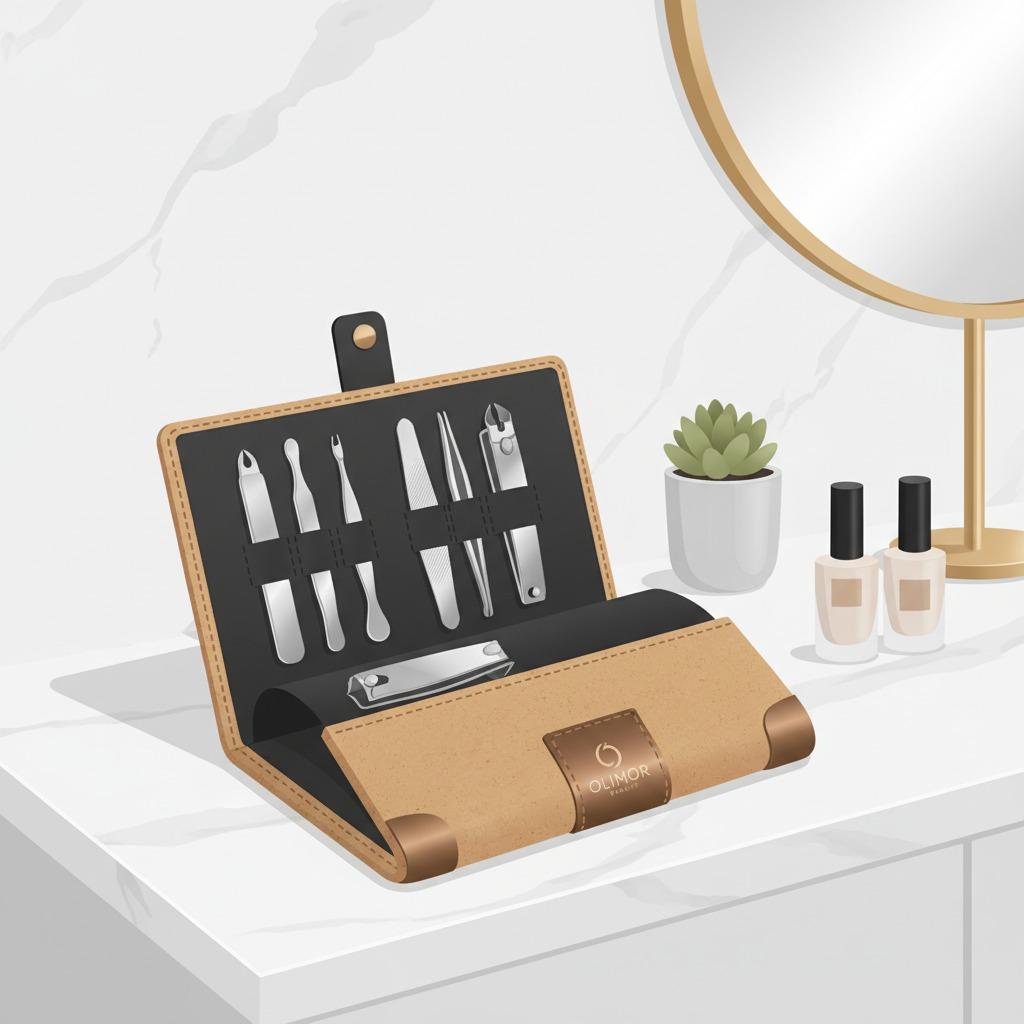
Olimor Beauty nail clippers are presented as precision grooming tools made for fingernails and toenails, with options that include professional-style tools and compact travel choices. The original product information highlights durable stainless steel construction, calibrated blades for smoother cutting, ergonomic handles, and finish options including magenta and matte black. A compact travel nail clipper is also described at 95 mm long and 13 mm wide, making portability a clear part of the product angle.
This guide explains what those features mean in practical terms, how different buyers can evaluate nail clippers, and what to check before adding them to a grooming line, retail shelf, salon kit, or personal travel pouch.
What Separates a Better Nail Clipper from a Basic One?
Nail clippers are often judged only by sharpness, but sharpness alone is not enough. A well-designed clipper needs a balanced relationship between blade alignment, leverage, handle grip, and the size of the cutting jaw. If one of these elements is weak, the user may need to squeeze harder, make repeated cuts, or file away rough edges afterward.
For everyday grooming, the best nail clipper is one that cuts predictably. A clean cut helps reduce jagged edges that catch on fabric or require excessive filing. For toenails, control is especially important because thicker nails can expose weaknesses in the cutting mechanism. For professional or repeated use, comfort matters as much as the cut: a tool that slips, flexes, or requires too much pressure can quickly become frustrating.
Olimor Beauty positions its nail clippers around durability, precision, and ease of use. Stainless steel is a sensible choice for a grooming tool because it supports a firm cutting edge and is easier to clean than many coated or porous alternatives. The key for buyers is to evaluate not just the material claim, but the finishing, blade fit, hinge feel, and consistency from piece to piece.
Key Olimor Beauty Nail Clipper Features to Evaluate
The supplied product information identifies several important design features. Each one has a practical grooming benefit when executed well.
- Stainless steel construction: Suitable for a tool that is handled often and exposed to bathroom or salon environments. Buyers should look for a smooth finish, firm assembly, and edges that feel finished rather than rough.
- Calibrated blades: Proper blade alignment helps create a cleaner cut and can reduce uneven edges or nail splitting. The clipper should close evenly without one side meeting before the other.
- Ergonomic handles: A comfortable handle improves control, especially for people trimming thicker toenails or using clippers frequently in a service setting.
- Non-slip handling: Grip matters when hands are freshly washed, when lotion has been applied, or when the user is working quickly in a grooming routine.
- Finish options: Magenta and matte black finishes offer different visual directions for retail presentation, gift sets, or coordinated personal care kits.
- Travel-friendly size: A compact nail clipper measuring 95 mm by 13 mm can fit easily into a pocket, pouch, handbag, or travel grooming case.
These features are useful for different reasons. A salon buyer may focus on repeatable cutting performance and hand comfort. A retailer may care about visual presentation and clear product positioning. A travel accessories brand may prioritize compact dimensions and protective packaging. A personal user may simply want a clipper that feels stable and cuts smoothly without crushing the nail.
Matching the Clipper to the User and Use Case
Not every nail clipper is purchased for the same grooming situation. Before selecting a style or preparing a wholesale inquiry, identify where the clipper will be used and who will use it.
| Use case | What matters most | Buyer notes |
|---|---|---|
| Home grooming | Clean cut, easy grip, durable build | A versatile clipper should handle routine fingernail and toenail trimming without feeling flimsy. |
| Salon or professional kit | Comfort, consistency, easy cleaning | Repeated use makes handle comfort and stable blade alignment more important. |
| Travel grooming pouch | Compact size, portability, reliable cut | The 95 mm by 13 mm travel clipper size is relevant for compact kits and on-the-go grooming. |
| Retail beauty display | Finish, packaging fit, clear value | Magenta and matte black finishes can support different shelf aesthetics and customer preferences. |
| Gift or personal care set | Coordinated look, useful accessories | A matching nail file, when included in the selected set, can make the grooming experience feel more complete. |
This use-case thinking prevents overbuying on appearance alone. A bright finish can attract attention, but the tool still needs to cut well. A compact clipper may be convenient, but it should still provide enough leverage for comfortable trimming. A professional-looking tool should be evaluated for how it feels after repeated use, not only how it looks in packaging.
Why Blade Alignment and Leverage Matter
The cutting edge is the most important part of any nail clipper. When the upper and lower blades meet cleanly, the nail is trimmed with less pressure. When alignment is poor, the clipper may bend the nail before cutting it, leave a rough edge, or require several passes in the same spot.
Leverage is the second part of the equation. A clipper with a comfortable handle and efficient lever lets the user apply pressure smoothly. This is especially useful for toenails, which are usually thicker than fingernails. If the lever is awkward or too slippery, the user may squeeze harder than necessary, reducing control.
For buyers comparing Olimor Beauty nail clippers with other options, a hands-on check is useful. Open and close the clipper several times. The motion should feel stable, not loose or gritty. Inspect the cutting edge under good light. The blades should meet evenly. Test the grip shape with dry hands and, if appropriate for evaluation, after washing hands. A tool used in real grooming conditions must remain controllable, not just attractive.
Choosing Colors and Finishes for Retail or Brand Programs
The original product details mention magenta and matte black finishes. These two directions can serve different audiences. Magenta creates a more expressive beauty-tool look and may work well for personal care displays, giftable grooming items, or coordinated cosmetic accessories. Matte black presents a more restrained, minimalist appearance that can suit unisex grooming sets, barber-inspired kits, or travel accessories.
Finish selection should be based on the retail environment and the intended customer. A color that works well in a beauty boutique may not be the best choice for a minimalist travel kit. Conversely, a neutral finish may be practical but less visible on a crowded beauty shelf. If you are building a broader assortment, compare nail clippers with other beauty tool products so that color, handle feel, and packaging direction remain consistent across the range.
For product managers, the finish should also be evaluated for durability in everyday handling. A clipper may be carried in a cosmetics bag with tweezers, files, keys, or metal accessories. During selection, check whether the finish feels smooth, even, and appropriate for the level of use expected by the customer.
Travel Nail Clippers: What the 95 mm by 13 mm Size Means
A travel nail clipper needs to be compact without becoming difficult to control. The described 95 mm length and 13 mm width make the Olimor Beauty travel option small enough for portable grooming, but still large enough to be handled as a real tool rather than a novelty item.
For travel kits, dimensions matter because every item competes for space. A slim clipper can fit into a toiletry pouch, office drawer, gym bag, handbag, or emergency grooming kit. It is also useful for people who maintain nails frequently and do not want to wait until they are home to fix a chipped or uneven edge.
When evaluating a travel clipper, think beyond size alone. The user may be trimming a nail in a hotel bathroom, at a desk, or while preparing for a meeting. The tool should be easy to locate, hold, and clean. A compact clipper that feels too thin or unstable can disappoint users even if it packs well. Balance portability with enough grip and leverage for the grooming task.
Care and Maintenance for Longer Tool Life
Even a durable stainless steel nail clipper benefits from basic care. Nail tools contact keratin, skin oils, soap residue, and sometimes moisture. Cleaning and drying help preserve performance and keep the tool pleasant to use.
- Remove nail debris after each use. Open the clipper and brush or wipe away visible nail particles.
- Clean the cutting area regularly. Use a soft cloth slightly dampened with water or an appropriate cleaning method for the setting in which the tool is used.
- Dry thoroughly. Do not store the clipper wet in a closed pouch, especially in humid bathroom conditions.
- Store separately when possible. Keeping the clipper away from loose metal items can help protect the finish and cutting edge.
- Inspect the blades over time. If the clipper begins crushing rather than cutting, or leaves persistent rough edges, it may be time to replace it.
For salons and service environments, hygiene procedures should follow local requirements and the business’s own tool-care policies. For retail buyers, simple care instructions can reduce customer complaints by helping users understand how to keep the clipper performing well.
Sourcing Checklist for Beauty Retailers and Wholesale Buyers
If you are sourcing nail clippers for a store, set, or brand program, focus on verifiable product qualities rather than vague claims. A useful evaluation process includes samples, inspection, and use-case testing.
- Check whether the clipper cuts both thin fingernails and thicker nails cleanly.
- Compare several pieces from the same sample group for consistent blade alignment.
- Confirm that the handle shape is comfortable for different hand sizes.
- Review finish quality under bright light for scratches, uneven coating, or rough edges.
- Test how the clipper fits into intended packaging, travel pouches, or retail displays.
- Decide whether a matching nail file or coordinated grooming accessory is important for your customer segment.
- Prepare questions about packaging, finish options, and assortment planning before you send an inquiry.
For broader assortment planning, it can also help to review Olimor Beauty product collections and identify whether the nail clipper will be sold as a single item, part of a nail care set, or an accessory within a wider grooming range. This keeps the purchasing decision connected to customer needs rather than isolated product features.
Final Thoughts: A Small Tool That Deserves Careful Selection
Nail clippers are purchased repeatedly, used frequently, and judged quickly by the people who own them. A clipper either feels stable and cuts cleanly, or it becomes a source of rough edges and frustration. Olimor Beauty nail clippers bring together stainless steel construction, ergonomic handling, calibrated cutting edges, portable sizing, and finish choices that can suit both personal and commercial grooming needs.
The best choice depends on the intended use. For home users, comfort and clean trimming are central. For travel, compact dimensions and dependable leverage matter. For retailers and wholesale buyers, consistency, finish quality, and assortment fit are just as important as appearance. If you need help comparing options for a specific program or buyer profile, you can contact Olimor with your application details and sourcing priorities.