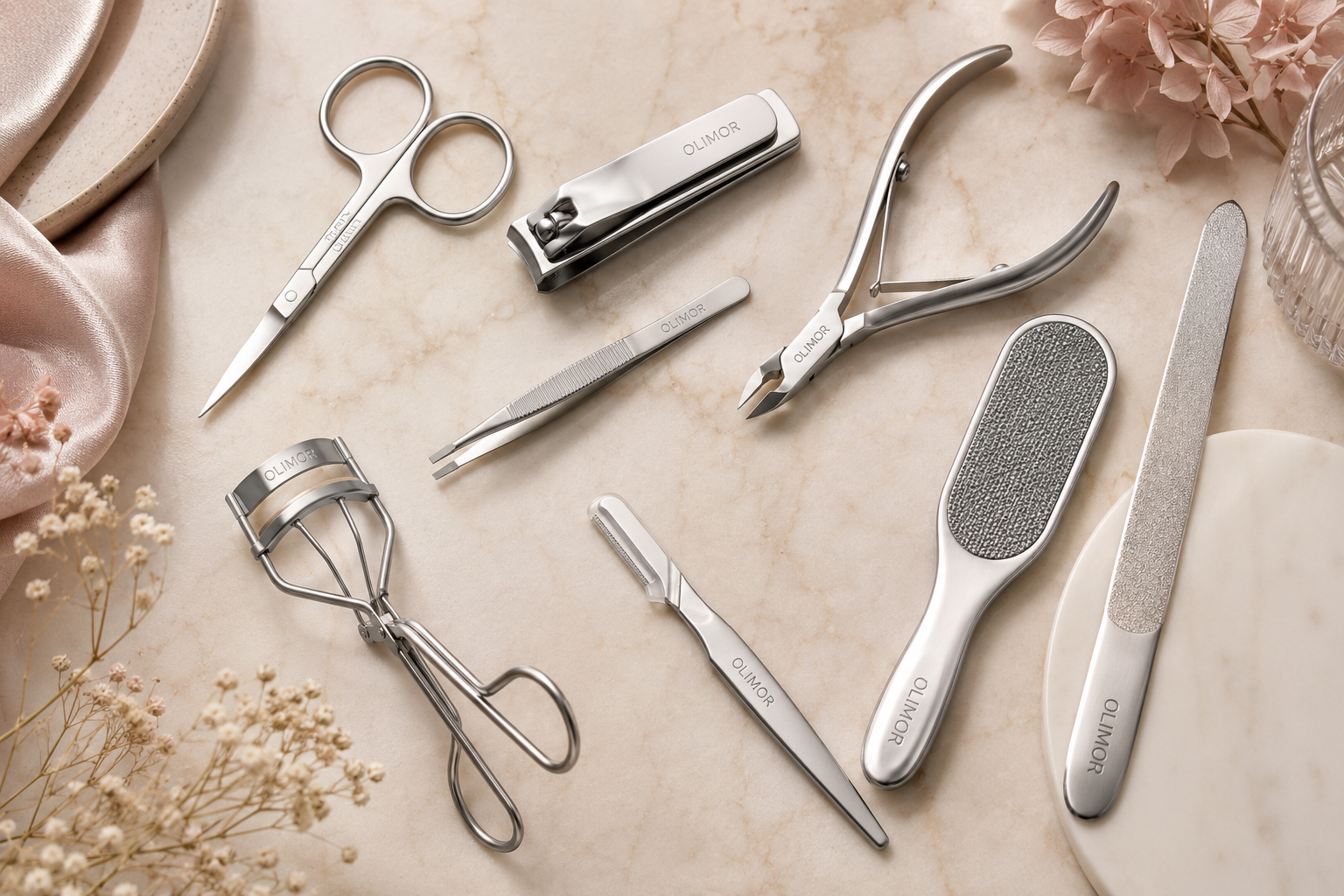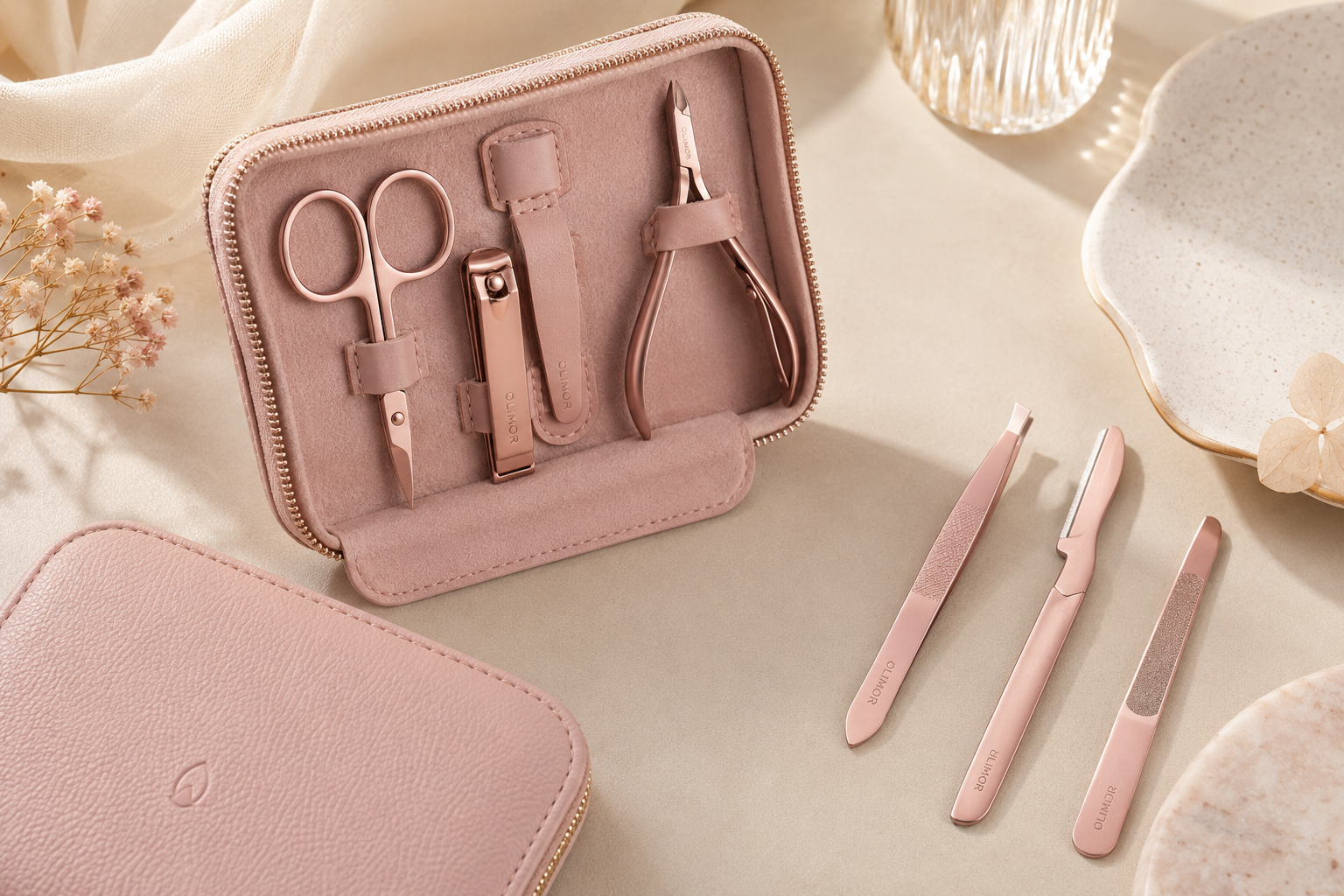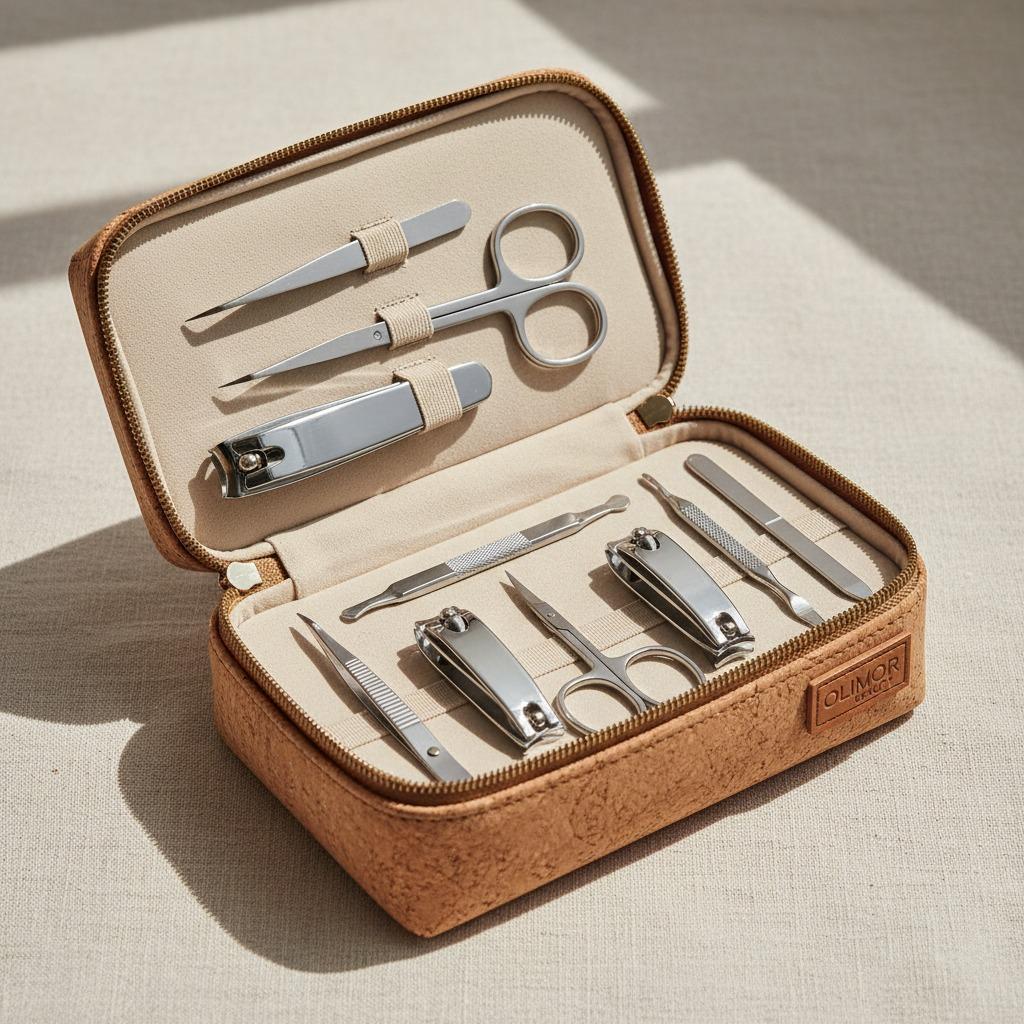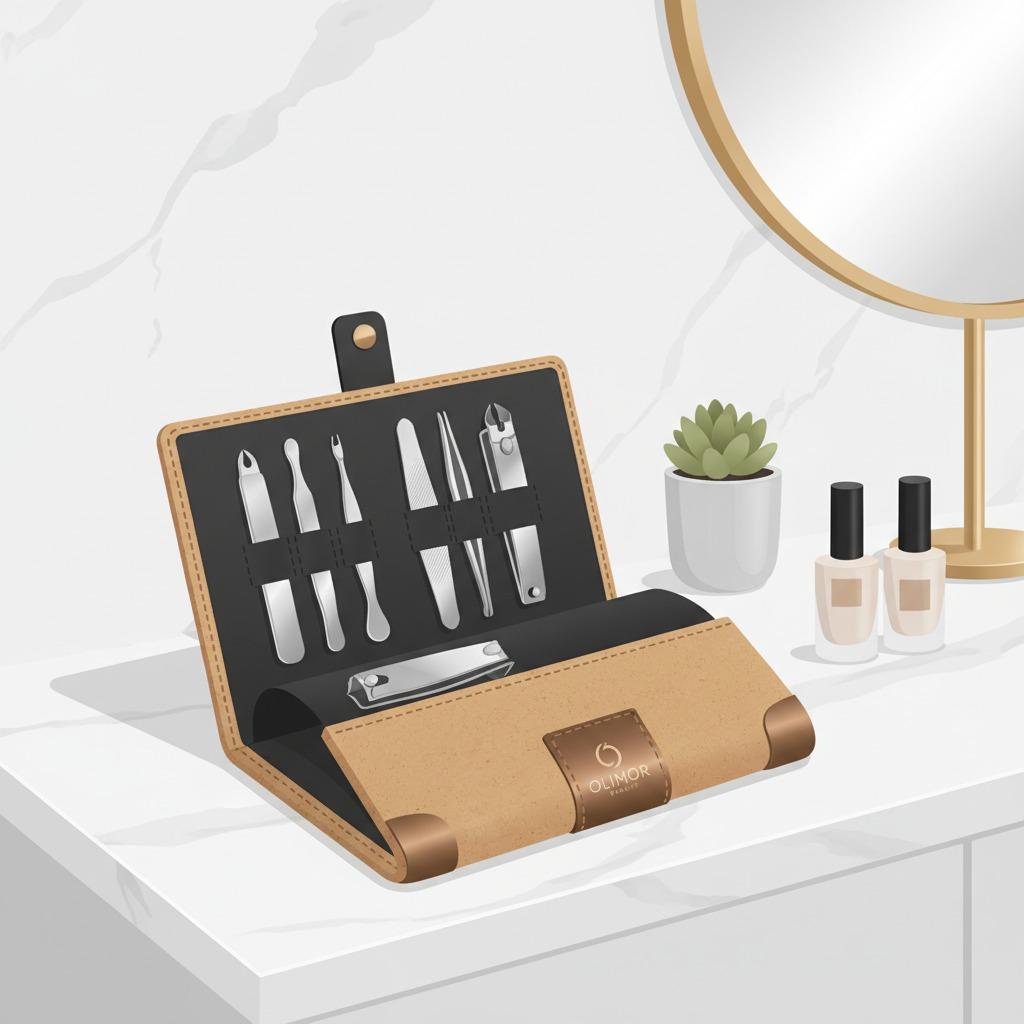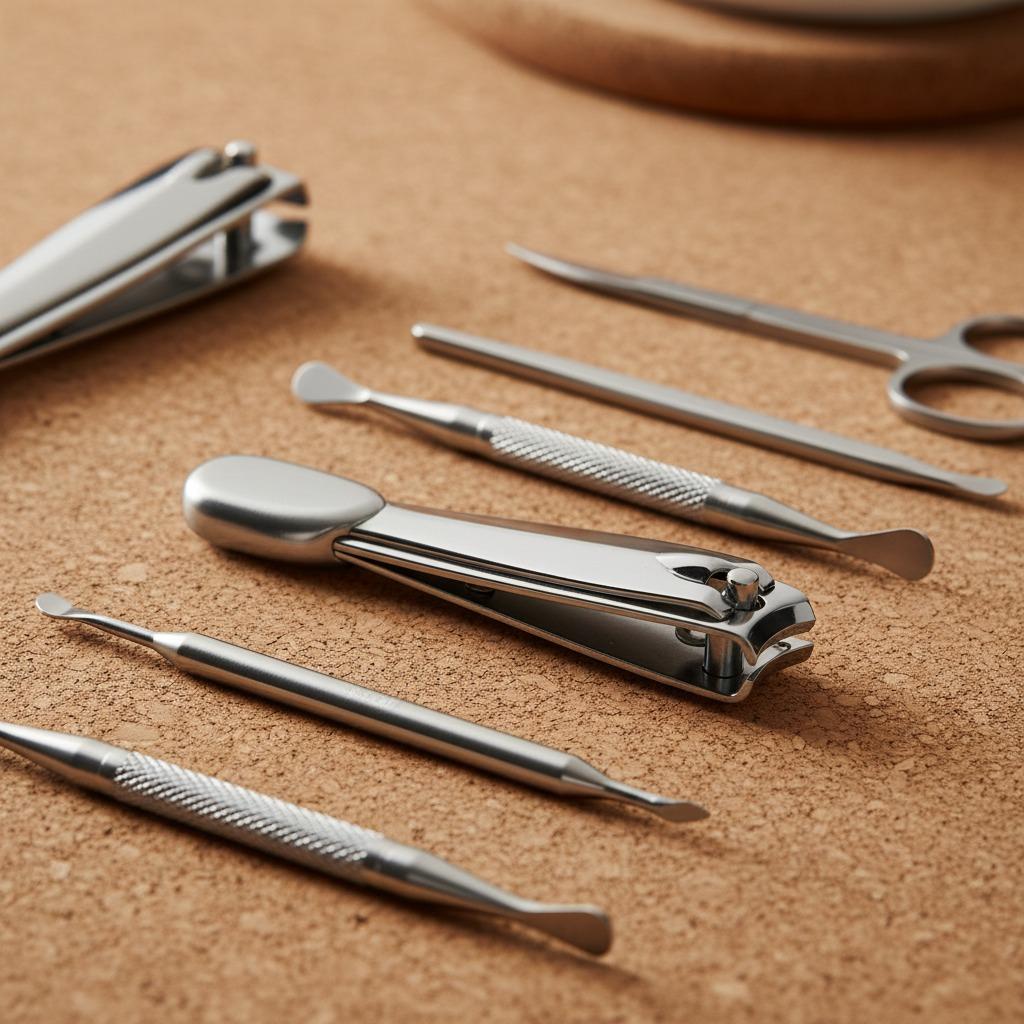











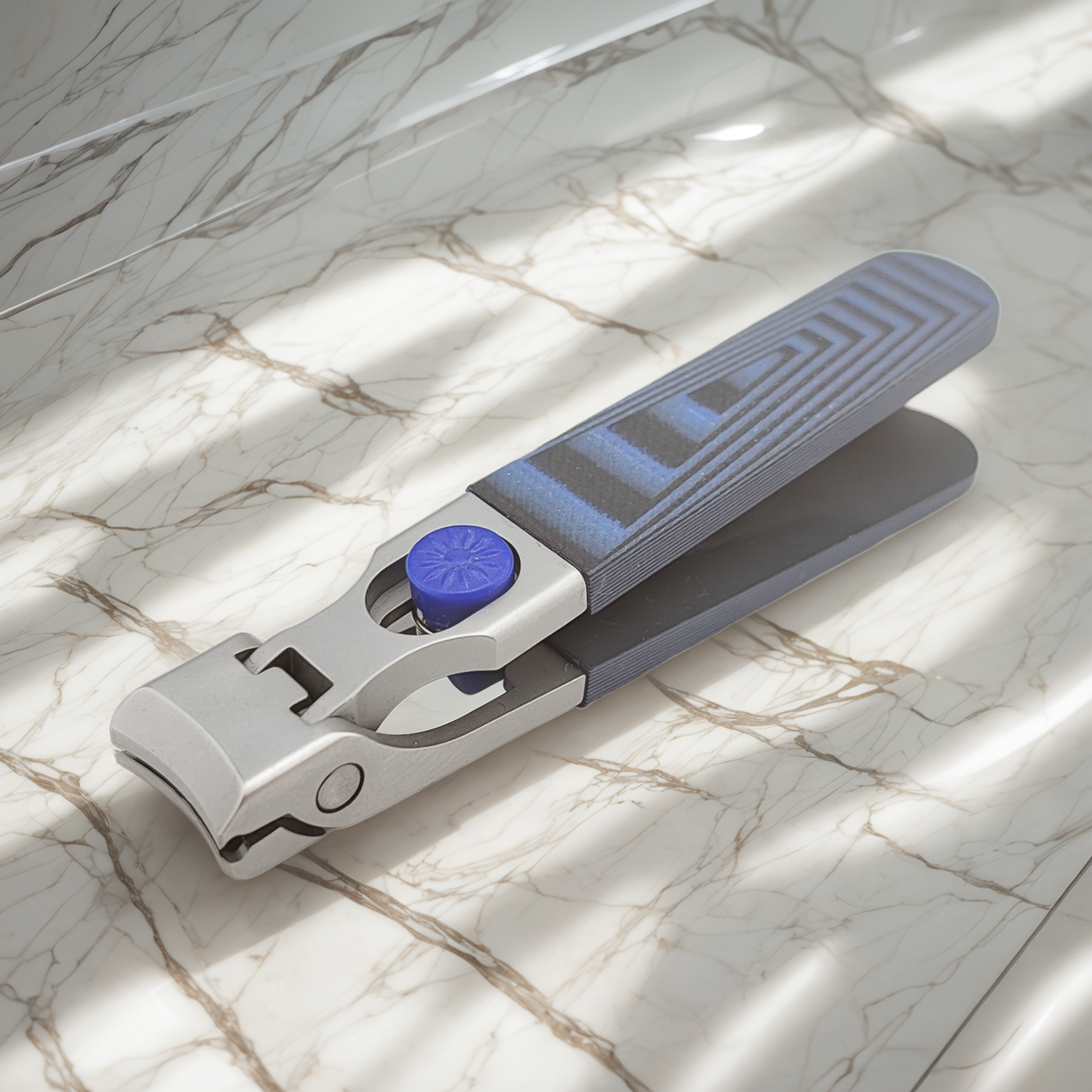
A nail clipper looks simple, but anyone who has dealt with cracked toenails, jagged edges or a lever that flexes under pressure knows that the tool matters. The best nail clipper for daily grooming is not just sharp on the first use; it should cut cleanly, feel stable in the hand and remain easy to maintain over time. For personal care buyers, salons, retailers and distributors comparing beauty tool products, the important question is not which clipper looks the most polished in a photo. The real question is whether the clipper is built for controlled, repeatable trimming on different nail types.
Olimor Beauty focuses on grooming essentials that support practical use: clean cutting, comfortable handling and dependable quality control. This guide explains what to look for when selecting a professional nail clipper for home manicures, pedicures or resale assortments, without relying on vague claims or decorative features that do not improve performance.

Why a Better Nail Clipper Changes the Result
A low-quality clipper often bends the nail before it cuts. That crushing action can leave a white stress line, rough corners or tiny cracks that expand after washing hands, wearing shoes or applying pressure to the nail. A better clipper should make a decisive cut with less squeezing force. This is especially important for toenails, which are usually thicker and less flexible than fingernails.
Precision grooming is not about trimming nails as short as possible. It is about shaping them cleanly while keeping enough control to avoid cutting into skin or leaving sharp side edges. A well-made nail clipper helps users maintain a natural nail length, reduce snagging and finish with less filing. For many households, one reliable tool also reduces the need to keep several flimsy clippers that perform inconsistently.
Key Selection Criteria for a Professional Nail Clipper
When comparing nail clippers, use practical criteria instead of relying only on weight or appearance. A clipper can feel substantial but still cut poorly if the blade alignment is uneven or the lever design wastes force. The following points are useful for personal buyers as well as businesses evaluating product assortments.
- Blade alignment: The upper and lower cutting edges should meet evenly from one side to the other. Gaps can cause tearing or incomplete cuts.
- Cutting edge sharpness: A sharp edge should trim the nail cleanly rather than flattening it before separation.
- Lever stability: The handle should press smoothly without wobbling or twisting under normal force.
- Grip comfort: A non-slip or easy-to-hold surface helps the user control angle and pressure, especially after washing hands.
- Curvature: Curved blades suit many fingernail shapes, while toenail trimming may benefit from a cutter that provides enough opening and strength for thicker nails.
- Finish quality: Edges around the body, file area or lever should not feel sharp against the fingers.
- Maintenance access: Nail debris should be easy to remove so the tool can be cleaned and dried after use.
Manicure and Pedicure Use: One Tool or Separate Tools?
Many users want a single nail clipper that can handle both fingernails and toenails. That can work when the tool has robust construction, sharp curved blades and a comfortable lever action. However, the right choice depends on nail thickness, user strength and hygiene preferences.
For fingernails, accuracy is usually the priority. Users need to trim small sections and follow the natural curve without cutting too deeply into the sides. For toenails, strength and opening clearance become more important. A pedicure nail clipper should be able to cut tougher nails cleanly without splintering. If multiple people share a household, separate tools for hands and feet can also make cleaning routines simpler and more hygienic.
| Use case | What matters most | Buyer note |
|---|---|---|
| Everyday fingernail trimming | Blade alignment, controlled curve, comfortable grip | Choose a clipper that allows small, gradual cuts. |
| Toenail trimming | Strong lever action, sharp edge, stable body | Avoid tools that flex or crush before cutting. |
| Travel grooming kit | Compact size, safe storage, easy cleaning | Check that the lever stays secure when packed. |
| Retail or salon assortment | Consistent finish, practical packaging, repeatable quality | Compare samples for cutting feel and inspection details. |
Ergonomics: Small Design Details That Affect Control
Ergonomics are especially important for a tool that applies pressure near sensitive skin. A clipper should feel stable between the fingers, not slippery or awkward. The lever angle should allow the user to press downward with controlled force rather than squeezing from an uncomfortable wrist position. If the handle is too narrow or smooth, the user may compensate by pressing harder, which increases the risk of uneven trimming.
A modern circular pivot point can help create a smoother cutting motion and contribute to durability when designed well. The pivot should feel firm, not loose, and the lever should return cleanly after each cut. For older users, people with reduced hand strength or anyone trimming thicker toenails, the difference between a smooth lever and a stiff one can be significant. Comfort should not be treated as a decorative feature; it directly affects safety and trimming accuracy.
Material and Finish Considerations
The original purpose of a nail clipper is mechanical: two sharpened edges meet under pressure. Material quality and finish consistency therefore matter. Stainless steel is commonly preferred for grooming tools because it can offer a clean appearance, practical corrosion resistance and the ability to hold a usable edge when manufactured correctly. However, buyers should still evaluate the actual cutting performance rather than assuming that any stainless-looking tool is equal.
Look at the hinge, rivet or pivot area, blade polish and outer edges. Burrs, rough corners or uneven plating can make a clipper uncomfortable to use and harder to clean. If the product is intended for resale, the perceived quality at first touch is important, but so is the hidden quality that appears after repeated use: whether the lever loosens, whether the cutting edges remain aligned and whether the surface is easy to wipe dry.
How to Use a Nail Clipper for Cleaner Results
Even a high-quality professional nail clipper performs best with proper technique. Cutting too much nail at once places more stress on the nail plate and can leave a rough edge. A cleaner method is to trim in several small cuts, following the natural nail shape.
- Wash and dry hands or feet so the nail area is clean and easier to inspect.
- For very hard toenails, trim after bathing when nails are slightly softened, then dry the tool afterward.
- Start from one side and make small cuts across the nail instead of forcing one large cut.
- Leave a modest free edge rather than cutting into the skin line.
- Smooth sharp corners with a nail file if needed.
- Remove nail debris from the clipper, wipe it clean and store it in a dry place.
People with painful nail conditions, ingrown nails, diabetes-related foot concerns or signs of infection should seek appropriate professional care rather than trying to solve the issue with a stronger clipper.
Maintenance and Hygiene for Longer Service Life
A nail clipper is often stored in bathrooms, travel pouches or drawers where moisture and debris can accumulate. Basic maintenance protects both performance and hygiene. After use, tap out nail pieces, wipe the cutting edges and dry the tool before storage. If the clipper is shared, cleaning between users is especially important. Avoid leaving it wet beside a sink or in a sealed pouch immediately after washing.
Do not use a nail clipper to cut wire, plastic tags or craft materials. These tasks can damage the cutting edge and misalign the blades. If a clipper begins to crush nails instead of cutting them, or if the lever becomes unstable, it is time to replace it. A grooming tool should make nail care easier, not require extra force that risks slips or uneven results.
What Retailers and Sourcing Teams Should Check
For buyers building a beauty tool range, a nail clipper is a small item with high repeat-use expectations. Customers may not discuss it often when it works well, but they notice immediately when it fails. Before adding a clipper to an assortment, evaluate samples under realistic use conditions and compare several pieces for consistency.
- Check whether each sample cuts paper-thin nail edges and thicker test nails cleanly.
- Inspect blade meeting points under good light for gaps or overlap.
- Press the lever repeatedly to feel for looseness, friction or uneven resistance.
- Review whether the surface finish is smooth where fingers contact the tool.
- Consider packaging that protects the cutting edge during shipping and display.
- Confirm that product claims are specific, supportable and appropriate for the target market.
If you are comparing grooming tools for a retail line, salon supply program or private assortment, Olimor Beauty can help you review practical options across product collections. For specific project needs, you can send an inquiry with your target product type, packaging direction and market requirements.
Choosing a Clipper That Fits Real Grooming Habits
The best nail clipper is the one that matches how it will actually be used. A compact clipper may be suitable for travel or light fingernail trimming, while a stronger pedicure nail clipper is better for regular toenail care. For households, comfort and cleaning may matter most. For businesses, consistency across batches and a clear quality inspection process are just as important as the sample shown in a catalog.
Rather than selecting the cheapest available tool or the most decorative design, focus on cutting feel, alignment, grip and maintainability. These practical qualities determine whether a nail clipper delivers clean results week after week. To discuss beauty tool sourcing needs or compare suitable options, you can contact Olimor for support.