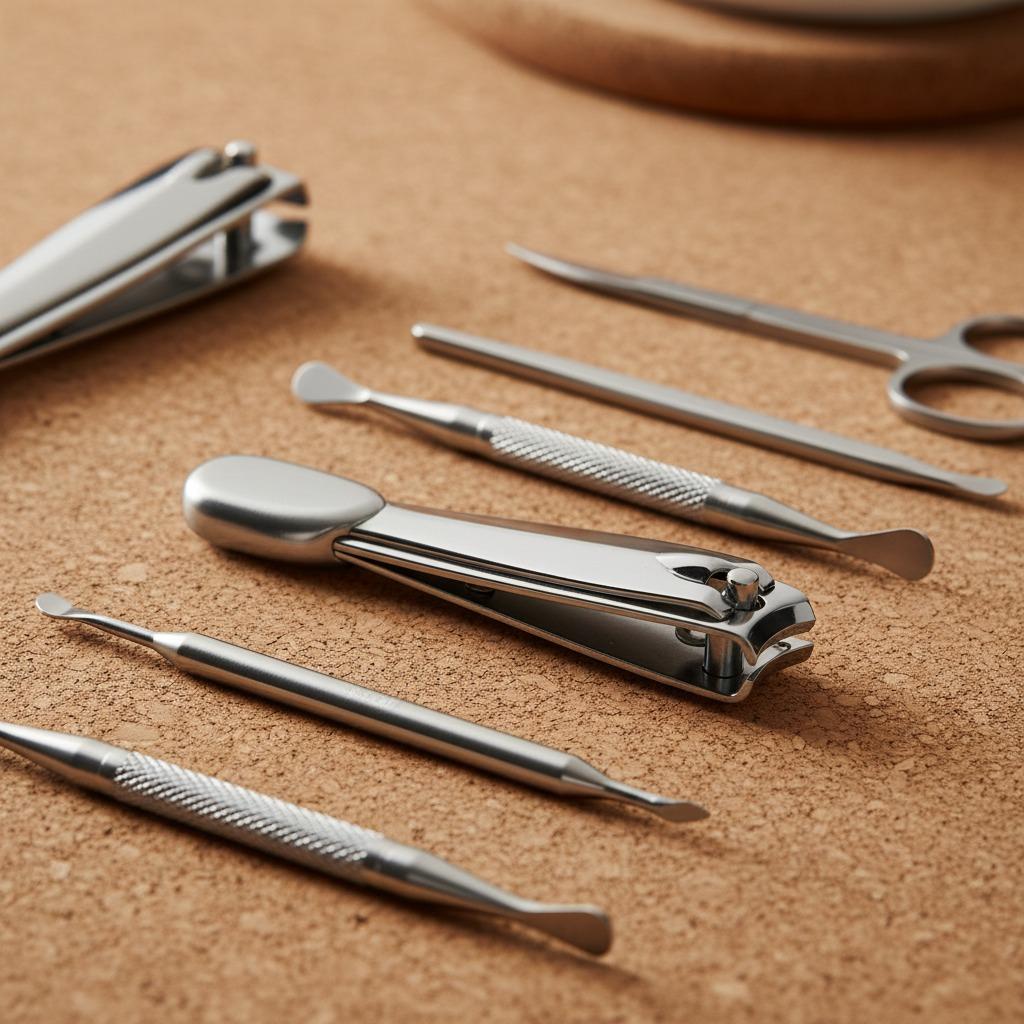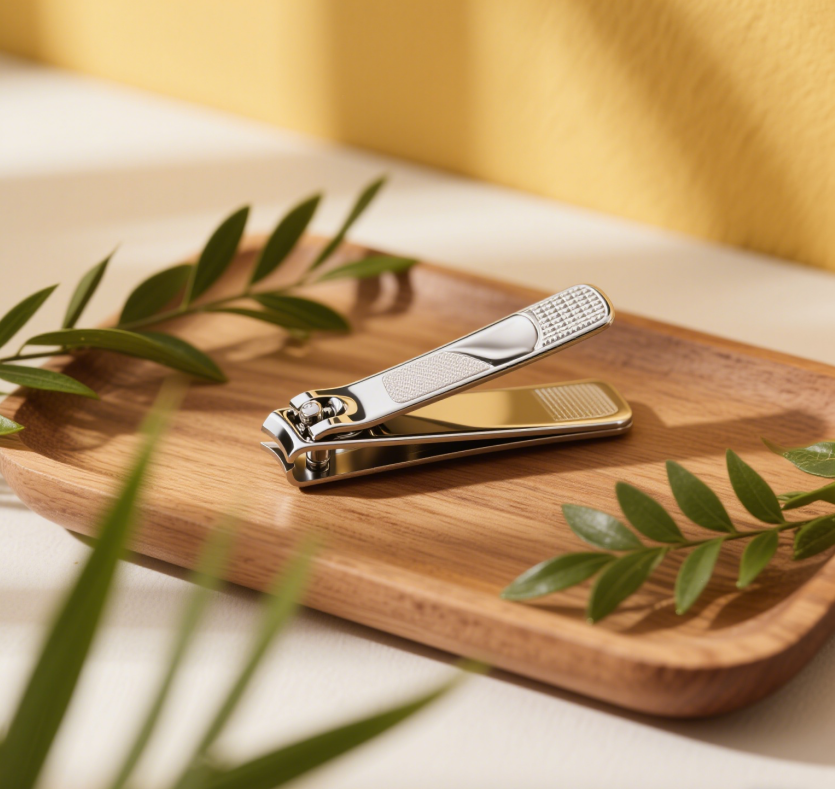
A precise nail clipper should cut cleanly, feel stable in the hand, be easy to clean, and fit the way people actually groom at home or on the move. Olimor Beauty’s nail clipper is positioned as a compact everyday grooming tool with stainless steel cutting parts, a curved trim profile, a strong hinge mechanism, and an ergonomic magenta handle with a matte, soft-grip feel.
This guide is for personal care users, beauty retailers, gift-set buyers, and sourcing teams comparing small grooming tools. It explains what matters in clipper design, how to inspect a nail clipper before purchase, how to use it correctly, and what B2B buyers should ask suppliers before adding a clipper to a retail assortment or private grooming kit.
What Makes a Nail Clipper Precise?
Precision in a nail clipper is not only about sharpness. A useful clipper combines cutting edge alignment, controlled leverage, comfortable grip, and a shape that helps the user trim in small, predictable sections. If the cutting edges do not meet evenly, the tool can bend or crush the nail instead of clipping it cleanly. If the handle slips, the user may remove too much nail or leave jagged corners.
For everyday grooming, the most important selection points are:
- Cutting edge alignment: The upper and lower cutting edges should meet evenly across the cutting area.
- Cutting material: Stainless steel cutting parts are practical for a tool that needs a clean edge and routine wiping after use.
- Lever and hinge feel: A strong hinge mechanism helps transfer pressure smoothly and reduces the need for repeated squeezing.
- Grip control: A matte or soft-feel handle can feel steadier than a polished metal surface, especially for small hand movements.
- Cutting profile: A curved edge can help follow the natural shape of fingernails when trimming gradually.
- Portability: A compact, lightweight body is easier to store in a vanity drawer, toiletry pouch, retail kit, or travel bag.
The Olimor clipper combines these practical features with a bright magenta handle, making it easier to spot in a beauty kit or retail display than a plain metal-only tool.
Key Product Features and Why They Matter
The most visible feature is the magenta ergonomic handle. Color is useful for more than appearance. In a bathroom drawer, salon pouch, or travel case, a bright handle helps users quickly identify the clipper among other beauty tools. For retailers, the color can also create shelf visibility and make the product feel more giftable than a basic commodity clipper.
The handle has a matte finish and soft-grip feel. Nail trimming requires short, controlled motions, so surface feel matters. A grip-friendly handle can help reduce slipping and improve confidence when trimming the free edge of the nail. This is especially relevant for users who dislike the feel of narrow polished metal levers.
The stainless steel cutting mechanism is another core detail. Stainless steel is commonly used in nail care tools because it supports a functional cutting edge and is suitable for routine cleaning. The clipper’s curved cutting edge is intended to support smoother nail shaping, especially on fingernails, where many users prefer to follow the nail’s natural curve in several small clips.
The strong hinge mechanism supports consistent pressure. In practical use, this helps the cutting edges close more predictably. A weak or loose-feeling mechanism can make the user press harder than necessary or clip the same area repeatedly, increasing the chance of rough edges.
Curved vs. Straight Nail Clippers: Which Should Buyers Choose?
Many shoppers compare curved and straight nail clippers because the cutting profile affects both comfort and nail shape. A curved nail clipper can be convenient for fingernails because it naturally follows the rounded free edge. A straighter approach is often preferred for toenails, where cutting too deeply into the side corners may cause discomfort as the nail grows.
The Olimor clipper’s curved trim profile makes it suitable for general grooming, especially routine fingernail maintenance. Users should still trim gradually rather than forcing the whole nail into one cut. For toenails, it is better to use controlled, conservative clipping and avoid aggressively rounding the side corners.
| Comparison Point | Curved Nail Clipper | Straighter Nail Trimming Approach |
|---|---|---|
| Best everyday use | Following the natural curve of fingernails | Keeping toenail edges less rounded |
| Finish after clipping | Can reduce the amount of shaping needed | May require filing corners depending on nail shape |
| User technique | Trim in small sections along the curve | Clip across with care and avoid deep side cuts |
| Buyer consideration | Good for compact grooming kits and daily care | May be preferred for specialized toenail tools |
For retailers, the clearest product message is not that one shape is universally better. The stronger message is that the clipper should match the intended grooming task, end user, and kit position.
How to Inspect a Nail Clipper Before Purchase or Bulk Approval
Inspection is important for both individual shoppers and B2B buyers. A nail clipper is small, but small defects can change the user experience. Before approving a product for resale, gift kits, or travel grooming sets, buyers should inspect both function and finish.
Functional inspection checklist
- Edge meeting: Close the clipper slowly and check whether the cutting edges meet evenly without a visible offset.
- Lever movement: Press the handle several times to feel whether the hinge action is smooth and stable.
- Cutting confidence: The lever should not feel loose, uneven, or unstable during normal use.
- Handle stability: The ergonomic handle should feel secure and comfortable during small trimming motions.
- Surface finish: The matte magenta surface should look consistent and should not have rough areas that affect handling.
- Cleaning access: Nail clippings should be easy to remove from the cutting and hinge area after use.
- Packaging fit: For retail or travel kits, confirm that the clipper fits the intended packaging without stressing the lever or cutting edge.
For large orders, sourcing teams should request representative samples and review supplier documentation relevant to the intended market. If selling consumer products in the United States or European Union, buyers may need to consider requirements overseen by public bodies such as the U.S. Consumer Product Safety Commission or the European Commission’s General Product Safety framework. Always verify current versions of applicable rules and supplier documents for the destination market.
Best Use Cases: Home, Travel, Retail, and Gifting
A compact ergonomic nail clipper can serve several buying situations. At home, it belongs in a basic nail care routine alongside a nail file and cleaning cloth. For travel, the lightweight body and easy-to-see handle make it simple to locate in a toiletry bag. In retail, the bright handle and practical stainless steel cutting function provide a clear benefit story for shoppers.
Home grooming
For personal use, the clipper supports routine trimming when nails grow beyond the preferred length. The curved cutting edge is useful for shaping fingernails gradually, while the soft-grip handle helps users keep control during short clipping motions. A nail file should still be used to smooth tiny corners after clipping.
Travel grooming
A travel grooming tool should be compact, easy to find, and simple to clean. The magenta handle helps the clipper stand out inside a pouch, and the portable design makes it suitable for toiletry kits. Users should store it in a clean pocket or small case so the cutting area does not rub against keys, tweezers, or other hard objects.
Retail and beauty assortments
For retailers, a nail clipper is often a low-complexity add-on product, but quality still affects repeat trust. Buyers should assess cutting feel, handle comfort, color consistency, packaging compatibility, and whether the tool fits the wider product story. If you are building a broader grooming range, review Olimor’s beauty tool products or compare related items in the product collection.
Gift sets and promotional kits
A nail clipper is practical in beauty kits, travel sets, personal care bundles, and small gift assortments. The magenta handle gives it more visual character than a plain metal clipper, while the stainless steel cutting parts keep the focus on function. For kit planning, ensure the clipper is packed so the cutting edge is protected and the handle finish is not scratched by nearby tools.
How to Use a Nail Clipper Cleanly and Comfortably
Good technique improves results and reduces the risk of rough edges. Even a well-made clipper should not be forced through too much nail at once. The cleanest results usually come from trimming in small sections and finishing with a file.
- Clean hands or feet first. Remove visible debris and dry the nails so the clipper is less likely to slip.
- Position the clipper carefully. Place only the portion of nail you intend to remove between the cutting edges.
- Clip in small sections. Work gradually across the nail instead of trying to remove the entire edge in one cut.
- Follow the fingernail curve gently. Use the curved edge to guide the shape, but avoid cutting deeply into the side corners.
- Be conservative with toenails. Many users prefer a less rounded toenail shape to reduce side pressure as the nail grows.
- File the final edge. A clipper creates the main length; a file smooths sharp points and helps prevent snagging.
- Clean the tool after use. Remove nail fragments and wipe the cutting area before storage.
People with unusually thick, painful, damaged, or infected nails should seek appropriate professional advice rather than relying only on at-home trimming. A nail clipper is a grooming tool, not a medical treatment.
Maintenance and Hygiene for Longer Tool Life
Maintenance is simple but important. After each use, shake or brush out nail clippings from the blade and hinge area. Wipe the stainless steel cutting parts with a clean, dry cloth. If the clipper has been exposed to water, dry it thoroughly before placing it in a drawer, pouch, or kit.
Avoid using the clipper on wire, plastic tags, craft materials, packaging, or anything other than nails. Misuse can dull the cutting edge or affect hinge alignment. Dropping the tool onto a hard surface may also change the way the edges meet, so travel storage should protect the clipper from impact and abrasion.
For shared households, dormitories, salons, or retail demonstration environments, hygiene instructions should be clear. A nail clipper contacts keratin, skin-adjacent areas, and nail debris. It should be cleaned between uses, and personal tools should not be casually shared without appropriate sanitation habits.
Cost Factors and Supplier Evaluation for B2B Buyers
The cost of a nail clipper is influenced by more than the metal cutting part. For commercial buyers, the relevant cost drivers include handle design, surface finish, packaging requirements, order volume, customization needs, inspection expectations, and destination-market documentation. Because these factors vary by project, buyers should confirm details directly instead of assuming a fixed price or lead time.
When evaluating a supplier, ask practical questions that connect product function with retail readiness:
- Can samples be reviewed before bulk approval?
- What customization options are available for packaging, color presentation, or assortment planning?
- How is cutting edge alignment checked during production or pre-shipment inspection?
- What information is provided for materials, care instructions, and destination-market compliance review?
- How should the clipper be packed to protect the handle finish and cutting mechanism during transport?
A good supplier conversation should include the intended use case. A travel kit, impulse retail item, salon accessory, and gift set may all require different packaging and presentation choices. To discuss sourcing requirements, buyers can contact Olimor or send a product inquiry with the target market, assortment plan, and customization needs.
Common Nail Clipper Problems and How to Avoid Them
Most disappointing trimming results come from either poor tool condition or rushed technique. If nails crack during clipping, the user may be cutting too much at once, using a poorly aligned clipper, or trimming nails that are too dry or brittle. If edges feel sharp afterward, the clipper may have created the length correctly, but a nail file is still needed for finishing.
If the clipper feels slippery, a handle with a matte, soft-grip surface can improve control. If the tool is hard to find in a toiletry bag, a bright handle color can help. If the cutting action feels uneven, inspect the hinge and cutting edge alignment and replace the tool if it no longer closes properly.
For retailers, customer satisfaction depends on matching expectations to product function. A compact curved clipper is a practical everyday grooming tool, but it should not be oversold as a specialist medical or heavy-duty toenail solution unless the product is specifically designed and documented for that purpose.
FAQ: Samples, MOQ, Customization, Quality, and Lead Time
Can buyers request samples before placing an order?
Sample availability should be confirmed with Olimor based on the product, customization request, and intended order. Samples are useful for checking cutting feel, handle comfort, finish consistency, and packaging fit.
Is there a minimum order quantity?
MOQ can depend on the product configuration, packaging, customization, and supply plan. Buyers should ask for current MOQ details when submitting an inquiry rather than relying on assumptions.
Can the nail clipper be customized for retail or gift sets?
Customization may involve packaging, assortment planning, presentation, or other project-specific details. Confirm available options directly with the supplier and review samples before bulk approval.
How should quality be checked before shipment?
Useful checks include cutting edge alignment, lever smoothness, hinge stability, handle finish, color consistency, cleanliness, and packaging protection. Buyers should agree on inspection expectations before production or shipment.
What affects lead time?
Lead time may be influenced by order quantity, customization, packaging requirements, production schedule, inspection arrangements, and shipping method. Confirm the current timeline with the supplier for each project.
A Practical Choice for Everyday Nail Care
Olimor Beauty’s ergonomic nail clipper focuses on the details that matter in a small grooming tool: stainless steel cutting parts, a curved trim profile, a strong hinge mechanism, a portable body, and a visible magenta handle with a matte soft-grip feel. For consumers, these features support controlled nail trimming at home or while traveling. For retailers and sourcing teams, they create a clear product story around function, comfort, portability, and visual appeal.
The best nail clipper is one that cuts predictably, feels secure, cleans easily, and suits the intended user. By inspecting alignment, testing handle comfort, giving users simple care instructions, and asking the right supplier questions, buyers can select a nail clipper that performs well as an everyday grooming essential.