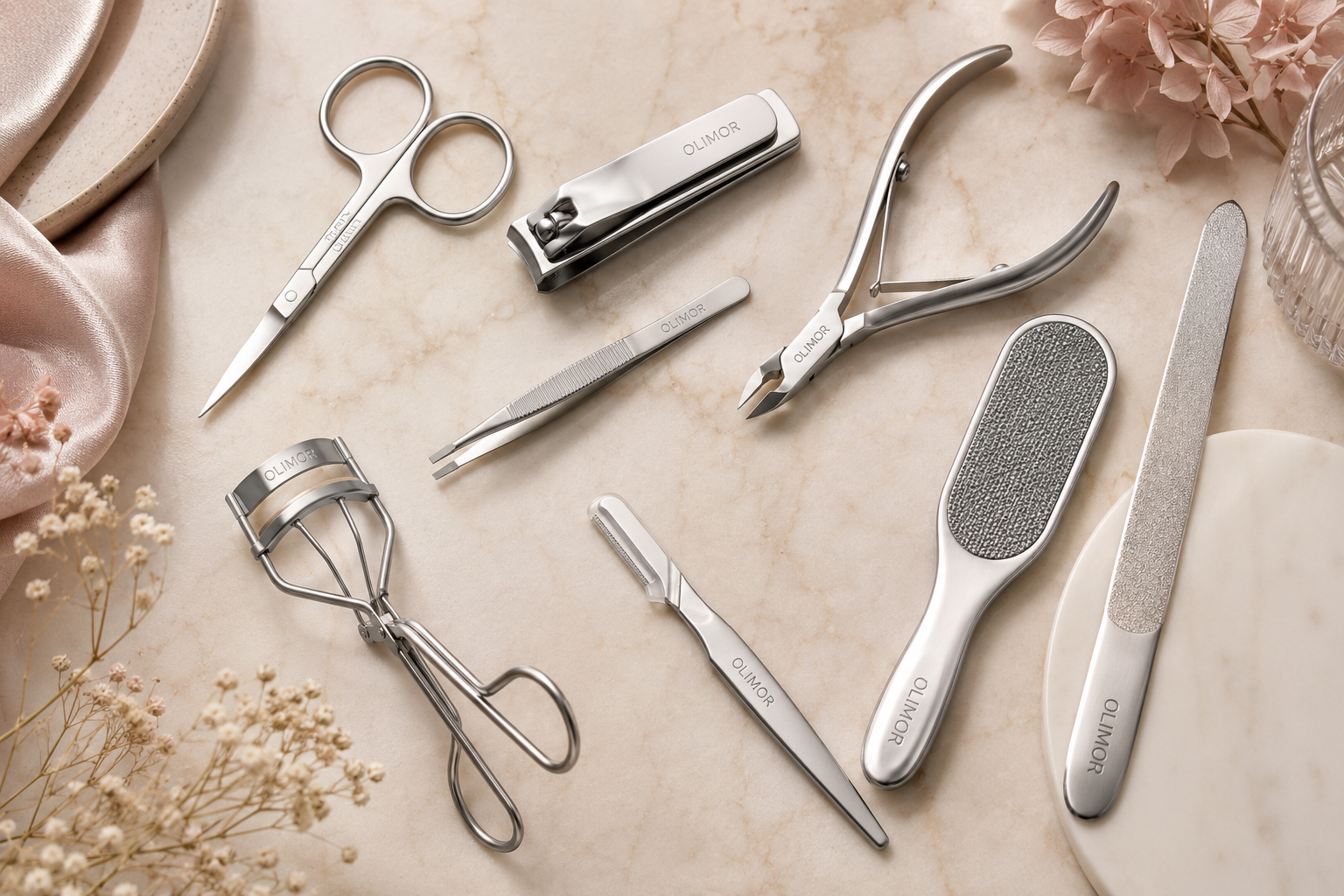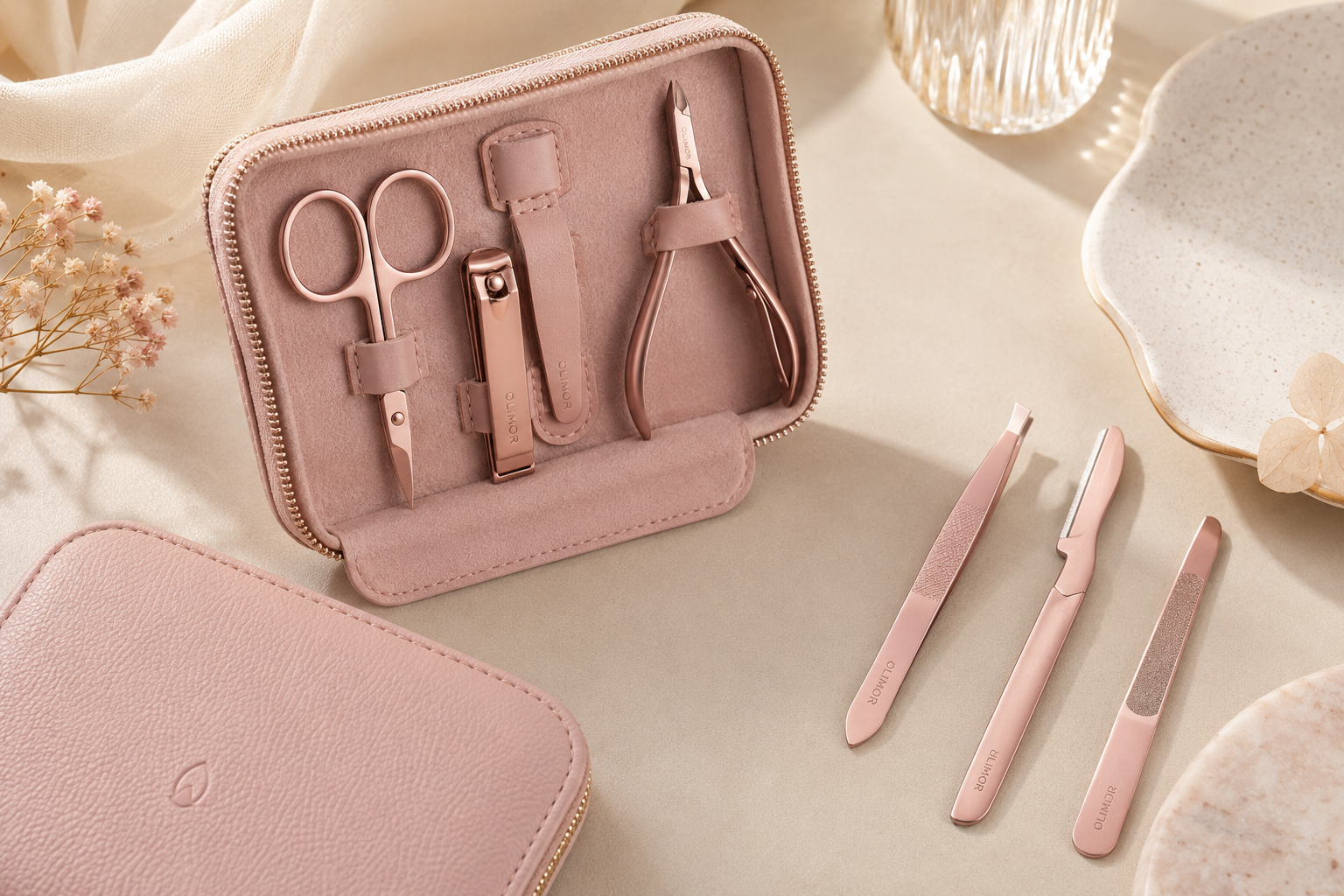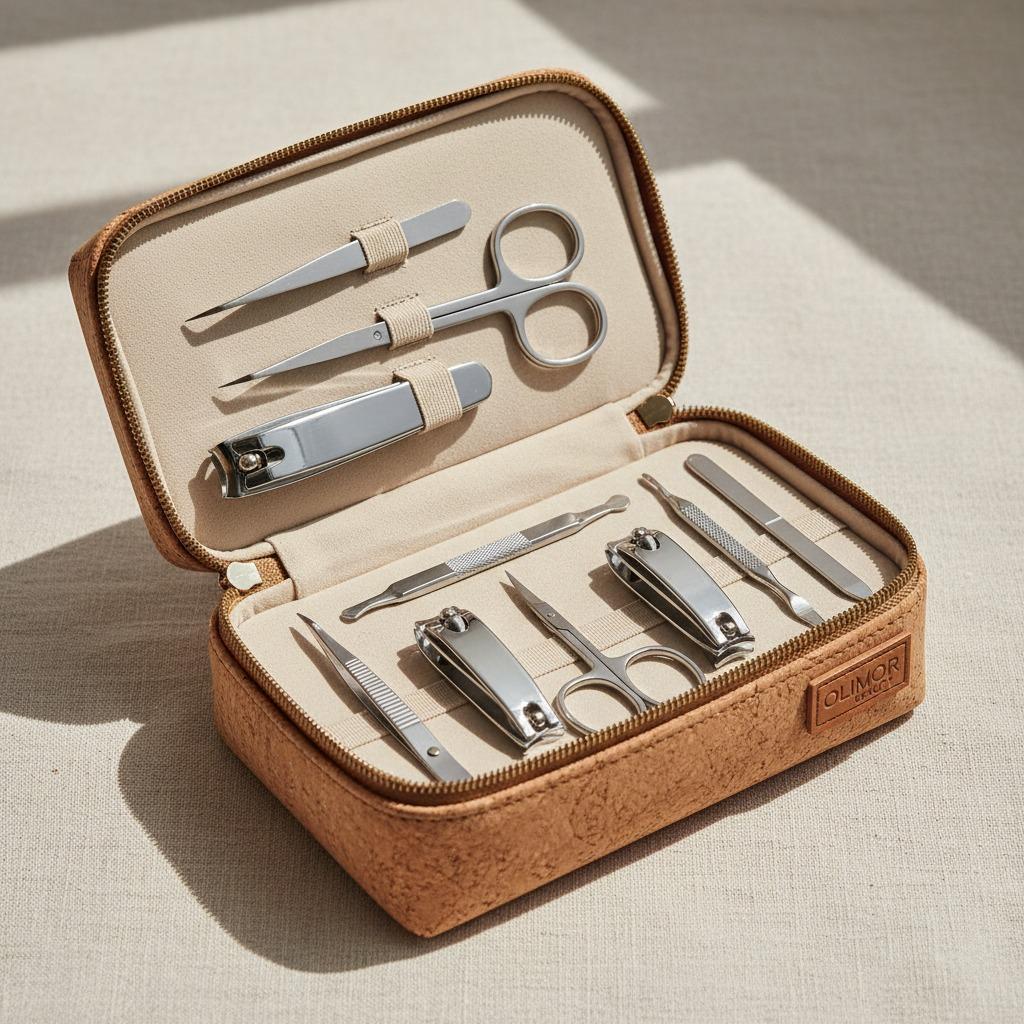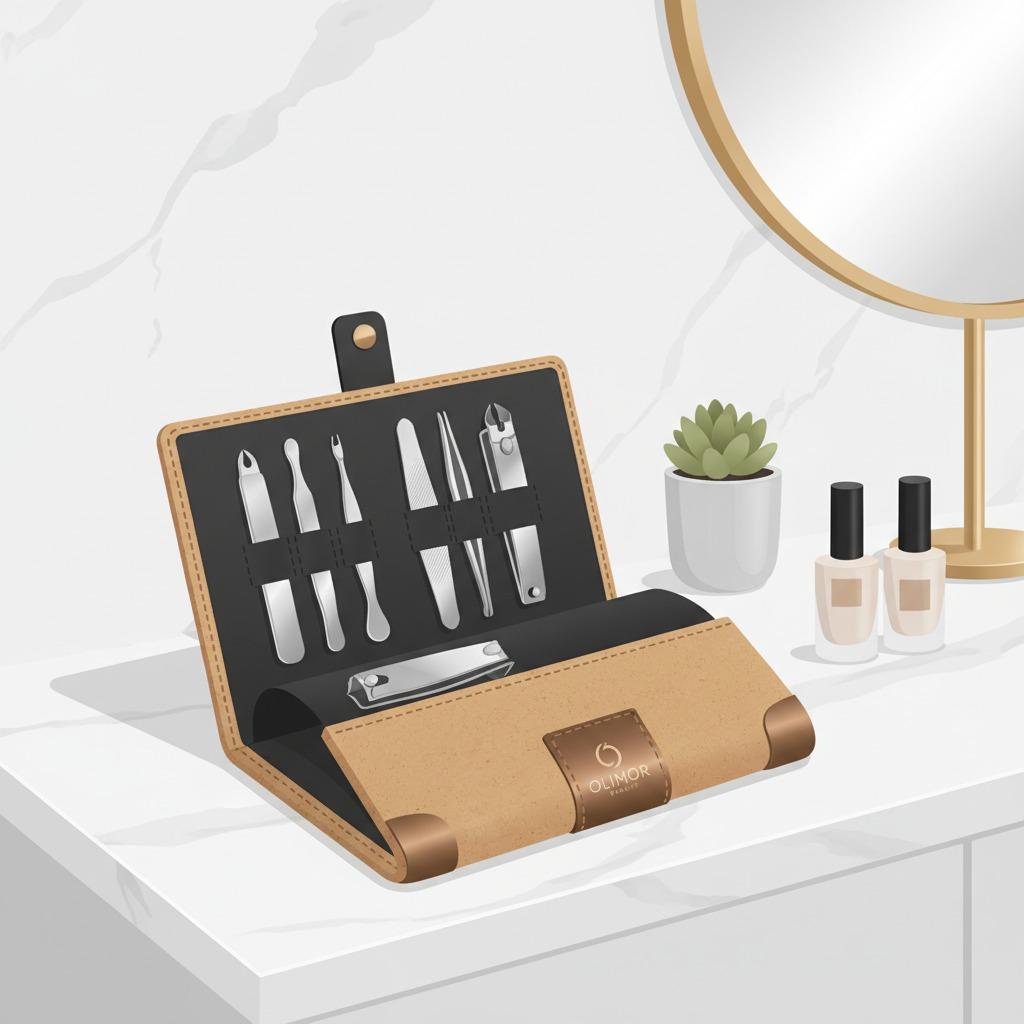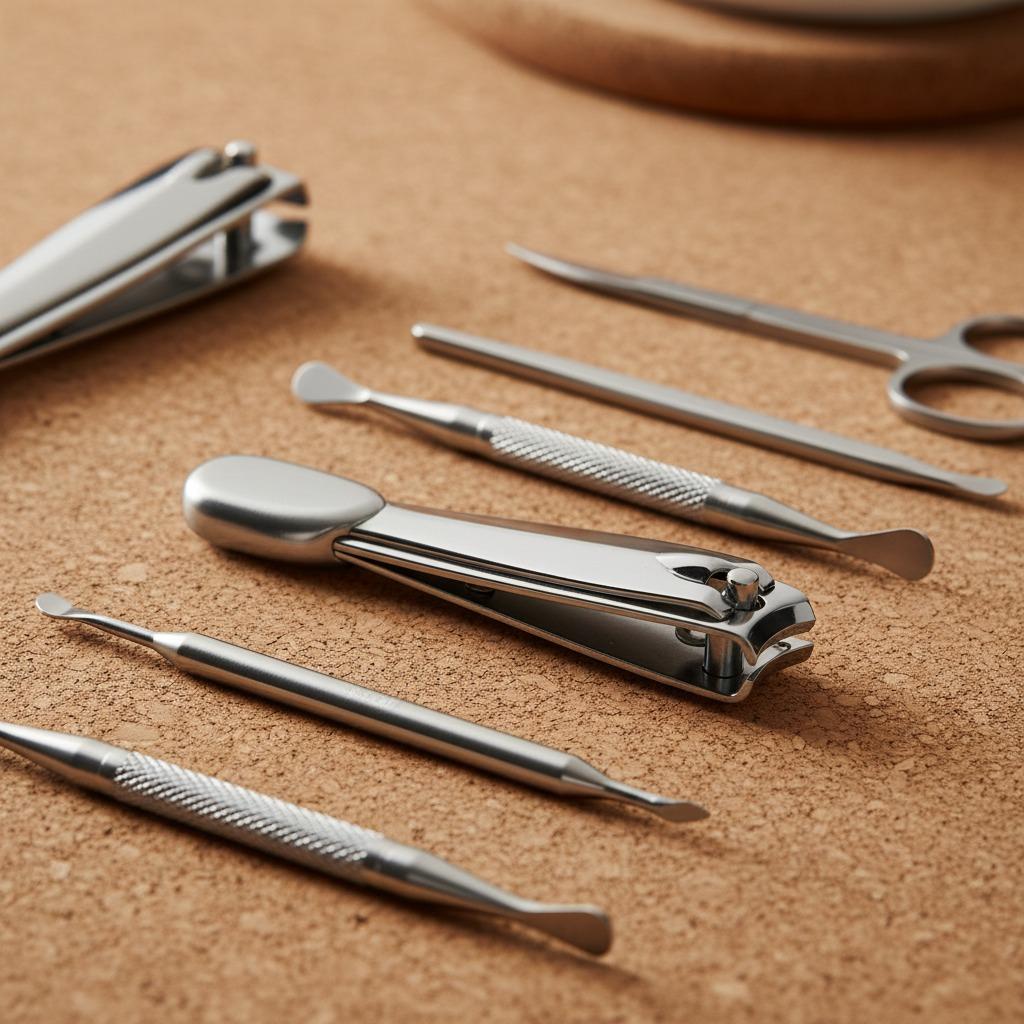












Finding the right beauty tools supplier in China is not only about comparing catalog photos. For salons, beauty retailers, distributors and private-label buyers, the real question is whether a tool will feel controlled in the hand, keep a dependable cutting edge, arrive with consistent finishing and support the experience your customer expects. Olimor Beauty focuses on beauty implements designed for precision tasks, including tools such as the EleganceCut Precision Scissors, where material choice, handle comfort and inspection all influence day-to-day performance.
A well-made beauty tool should help users work cleanly and confidently without unnecessary hand fatigue. Whether the buyer is sourcing for professional salon use or for a curated retail assortment, the same fundamentals matter: reliable materials, ergonomic handling, repeatable production quality and clear communication before ordering. This guide explains how to evaluate those factors when considering Olimor Beauty and similar beauty tool sourcing decisions.

What Buyers Should Look for in a China Beauty Tools Supplier
A beauty tools supplier should be evaluated through the lens of the final user. A salon professional may use scissors or grooming implements for long periods, while a home user expects the tool to feel safe, comfortable and easy to control. In both cases, a product that looks attractive but feels awkward will quickly lose value.
When reviewing beauty tool products, buyers should pay attention to practical details rather than only surface appearance. For precision scissors and similar implements, the most important areas include the metal used, the sharpness and alignment of the cutting area, the comfort of the grip, the smoothness of the finish and the supplier’s approach to inspection before packing.
- Material suitability: Beauty implements should use appropriate metal for the task. The supplied product information notes the use of high-grade stainless steel for a sharp, long-lasting edge.
- Edge consistency: Cutting tools should close cleanly and feel controlled through the full cutting motion.
- Grip comfort: Handle shape, grip texture and finger placement affect how steady the user feels.
- Finish quality: Edges, joints and coated or colored areas should feel smooth and carefully finished.
- Packaging readiness: Retailers and distributors need products to arrive protected and presentation-ready for their sales channel.
Material and Craftsmanship: Why Stainless Steel Matters
For precision beauty tools, material selection is one of the first quality signals. Olimor Beauty describes the use of high-grade stainless steel for implements such as the EleganceCut Precision Scissors. Stainless steel is widely valued in beauty tools because it supports a clean finish and can provide a sharp, durable cutting edge when manufactured and maintained correctly.
However, material name alone is not enough. Buyers should also consider how the tool is formed, sharpened, finished and checked. A pair of scissors may use a suitable metal but still disappoint if the blade alignment is inconsistent or if the handle creates uneven pressure during use. Craftsmanship is the combination of the material, the process and the final inspection.
For bulk sourcing, it is useful to examine samples from the perspective of real use. Open and close the scissors repeatedly. Check whether the movement feels smooth and whether the tips meet predictably. Inspect the cutting area under good lighting. Look for burrs, rough transitions or areas that might catch skin, fabric or product packaging. These small observations often reveal whether a supplier’s production approach is consistent enough for professional or retail buyers.
Ergonomic Design for Professional and Home Use
Comfort is a quality feature, not a luxury detail. The original product details for the EleganceCut Precision Scissors highlight a mint-green soft grip and an asymmetrical handle. These design choices are meaningful because they can improve control and reduce hand strain, especially during repeated grooming or salon tasks.
An asymmetrical handle can guide finger placement and help the user maintain a steadier position. A soft grip can also make the tool feel more secure, particularly for users who need fine control. For salons, comfort affects productivity and consistency. For home beauty users, it affects confidence and safety.
When comparing beauty scissors or other hand tools, buyers should consider multiple hand sizes and use cases. A handle that feels comfortable for one person may be less suitable for another. If your customers include both professionals and general consumers, choose products with intuitive handling, stable grip surfaces and shapes that do not require complicated technique to use safely.
Inspection Points Before You Approve a Beauty Tool Order
Olimor Beauty describes internal quality control checks from raw materials to final packaged product. For buyers, it is helpful to translate that quality promise into practical approval criteria. Before placing repeat or larger orders, create a checklist that reflects how your customers will judge the product after purchase.
| Inspection area | What to review | Why it matters |
|---|---|---|
| Blade or working edge | Sharpness, alignment, clean closure and visible finishing | Determines precision and user confidence |
| Handle and grip | Comfort, stability, surface smoothness and finger placement | Reduces strain and supports control |
| Overall finish | No rough areas, uneven coating, sharp non-working edges or loose parts | Protects perceived value and safe handling |
| Consistency across samples | Compare several pieces rather than one selected sample | Shows whether production is repeatable |
| Packaging condition | Protection, cleanliness, labeling space and retail presentation | Supports shipping, storage and resale |
This kind of checklist is especially important for distributors and brand owners. A single sample can show the design concept, but multiple samples reveal consistency. If you are planning a curated range, review related product collections so the finish, color direction and handling experience feel coherent across your assortment.
Sourcing Questions That Help Avoid Generic Tools
Many beauty tools appear similar online, so buyers need questions that separate decorative products from practical implements. The goal is not to collect the longest specification sheet; it is to understand whether the supplier can deliver tools that fit your market, quality level and packaging needs.
- Who is the end user? A salon professional, beauty student, home grooming customer and retail gift buyer may each value different features.
- What task must the tool perform? Precision trimming, detail grooming and general beauty maintenance require different balance and edge expectations.
- How important is comfort during repeated use? If the tool will be used frequently, handle shape and grip texture deserve close attention.
- What finish will match your sales channel? A professional kit may need a clean technical look, while retail shelves may benefit from a softer color accent such as the mint-green grip noted on the EleganceCut Precision Scissors.
- How will quality be verified before shipment? Define the visual, functional and packaging checks that matter to your customers.
For custom sourcing discussions, it is better to prepare a concise brief with target user, intended use, preferred finish direction, packaging expectations and sample review criteria. You can send an inquiry with these details so the conversation starts with practical requirements rather than vague descriptions.
Maintenance Tips That Protect Tool Performance
Even a well-made stainless steel beauty tool needs appropriate care. Maintenance guidance is useful for retailers and distributors because it reduces avoidable complaints and helps end users get better long-term performance from the product.
For scissors and other precision implements, users should wipe the tool after use, keep it dry before storage and avoid dropping it onto hard surfaces. Cutting tools should be used only for their intended beauty tasks; using them on unsuitable materials can affect edge quality or alignment. If a tool has a soft grip or colored handle area, it should be cleaned gently and stored away from harsh conditions that could damage the finish.
Retailers can include simple care instructions in product listings, inserts or staff training notes. Clear guidance helps customers understand that performance depends on both manufacturing quality and proper handling. It also positions the product as a considered beauty implement rather than a disposable accessory.
When Olimor Beauty Is a Good Fit for Your Sourcing Plan
Olimor Beauty is relevant for buyers seeking beauty tools where precision, ergonomic handling and inspected finishing are central to the product value. The available product details emphasize stainless steel construction for lasting sharpness, internal quality control and user-focused design features such as a soft grip and asymmetrical handle on the EleganceCut Precision Scissors.
This makes the supplier worth evaluating for beauty retailers, salon supply businesses, distributors and brands that need tools with a more thoughtful user experience. The strongest sourcing approach is to compare the tool against your own customer needs: how it feels in hand, whether it performs the intended task cleanly, whether the finish suits your price position and whether the packaging supports your channel.
If you are building or refining a beauty tools range, start with function first. Choose tools that feel stable, inspect samples carefully and align the design with your customer’s actual routine. To discuss product options or clarify sourcing requirements, you can contact Olimor with your intended market, use case and quality priorities.