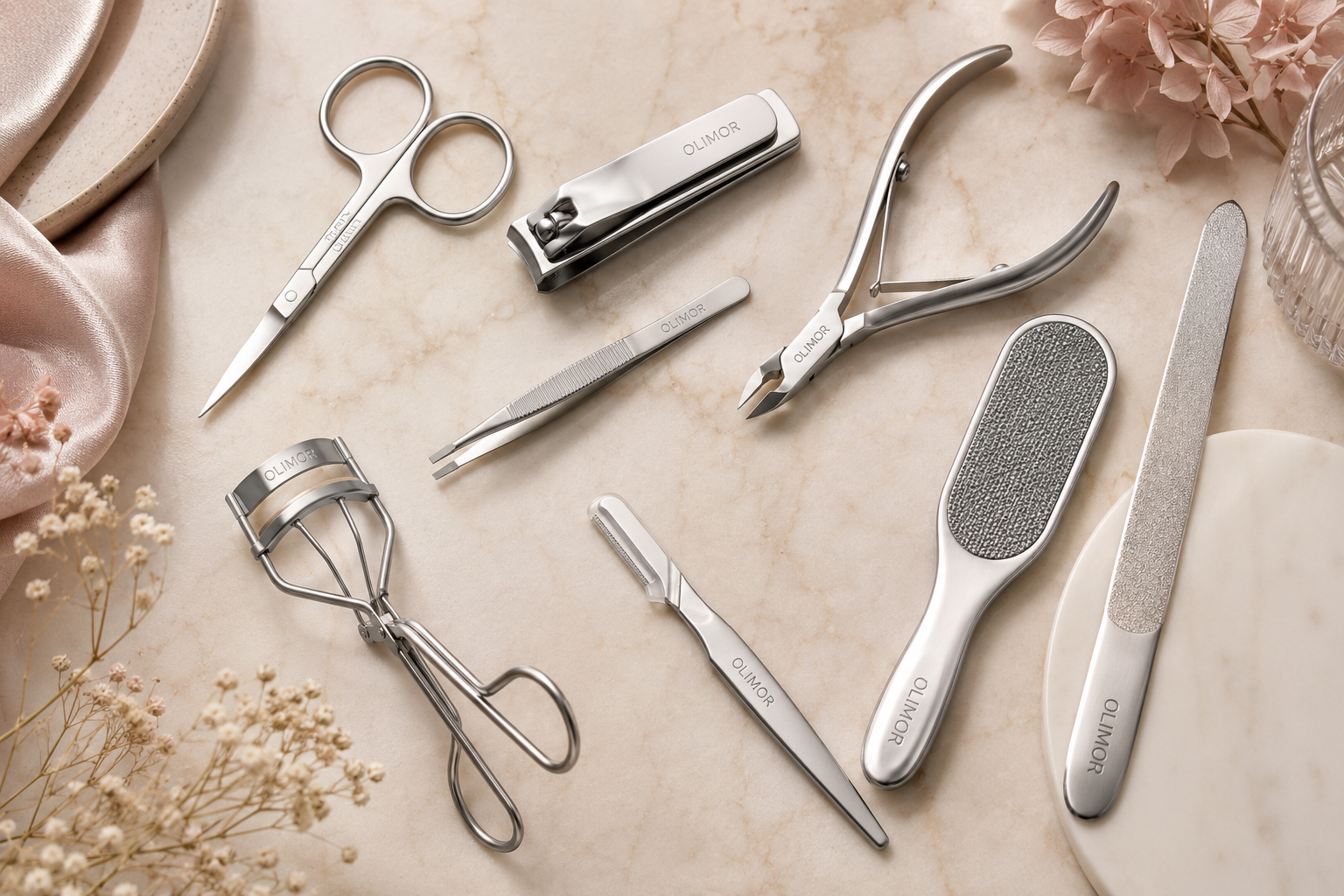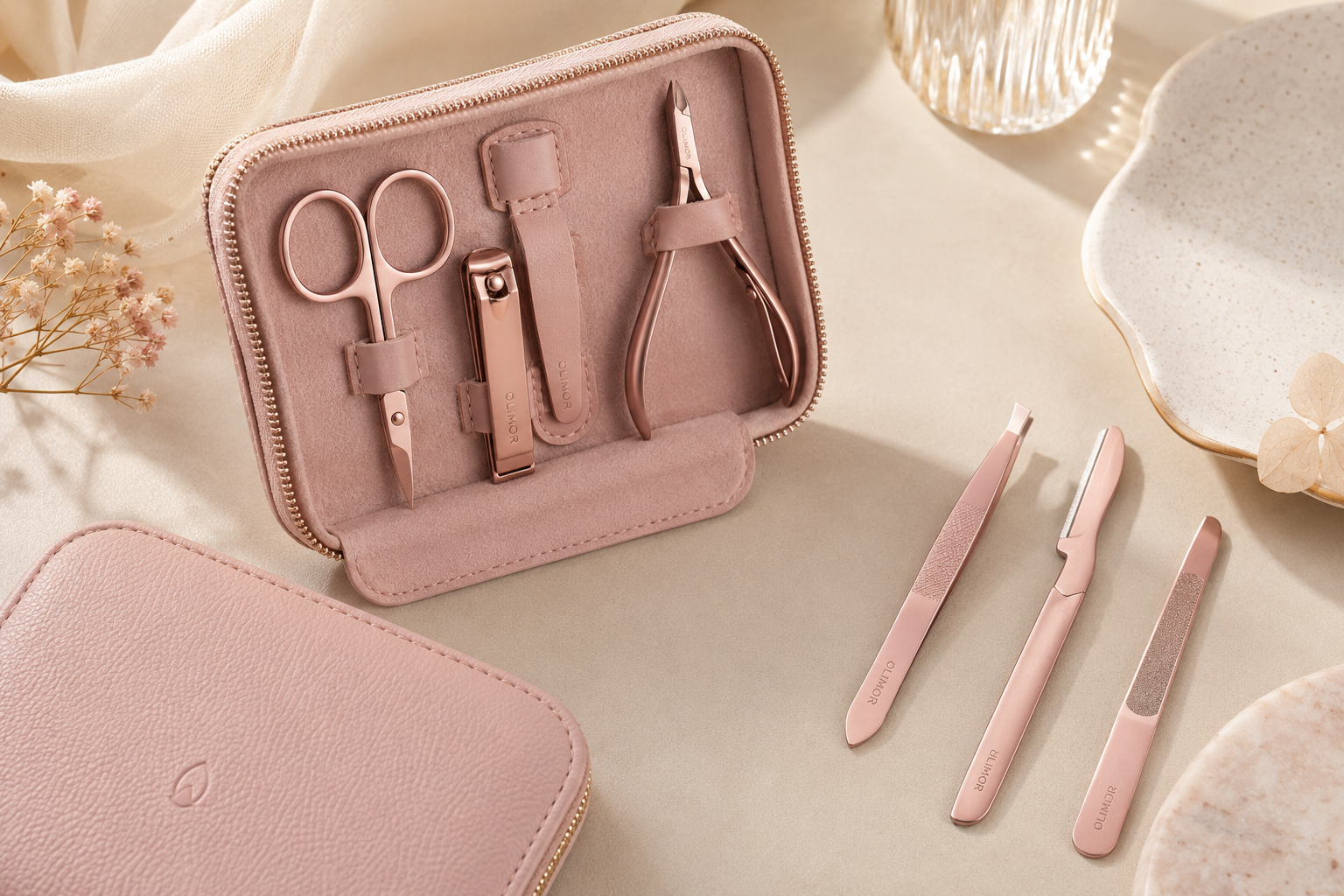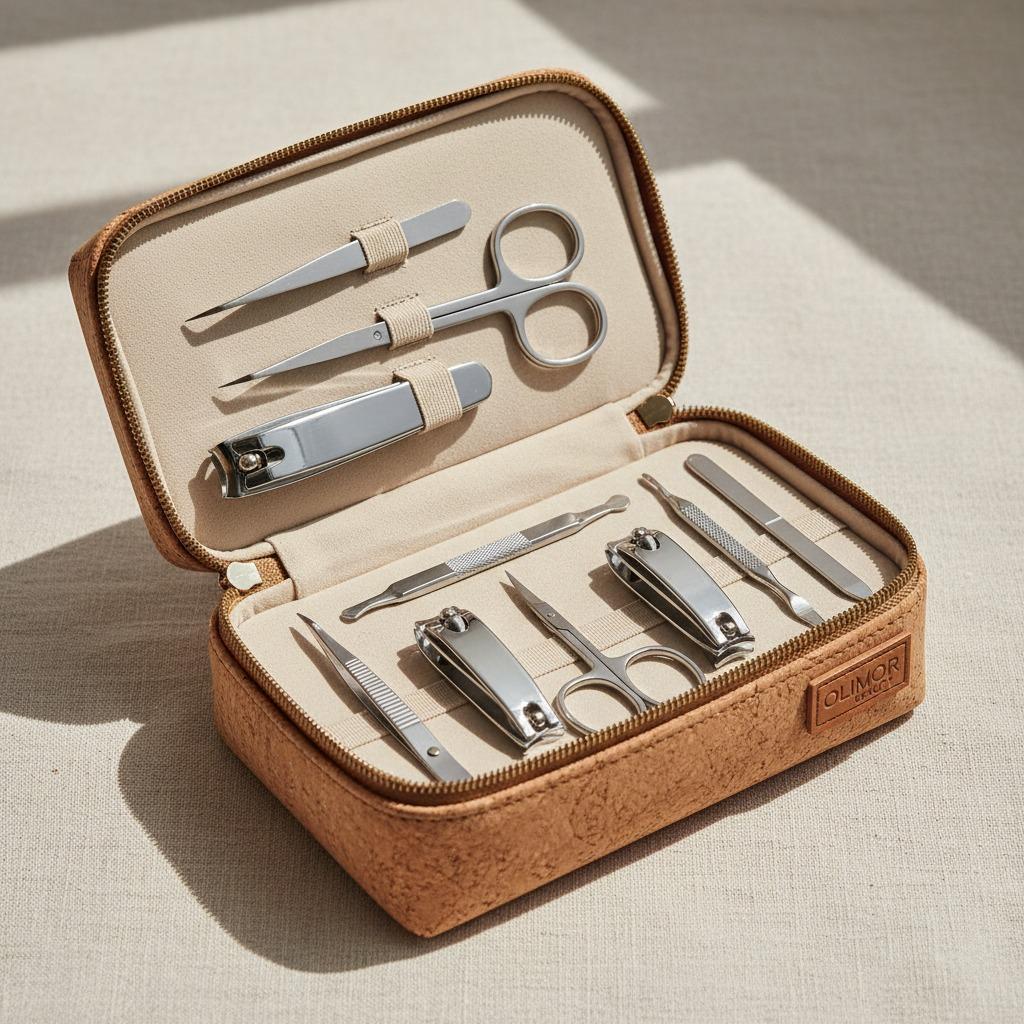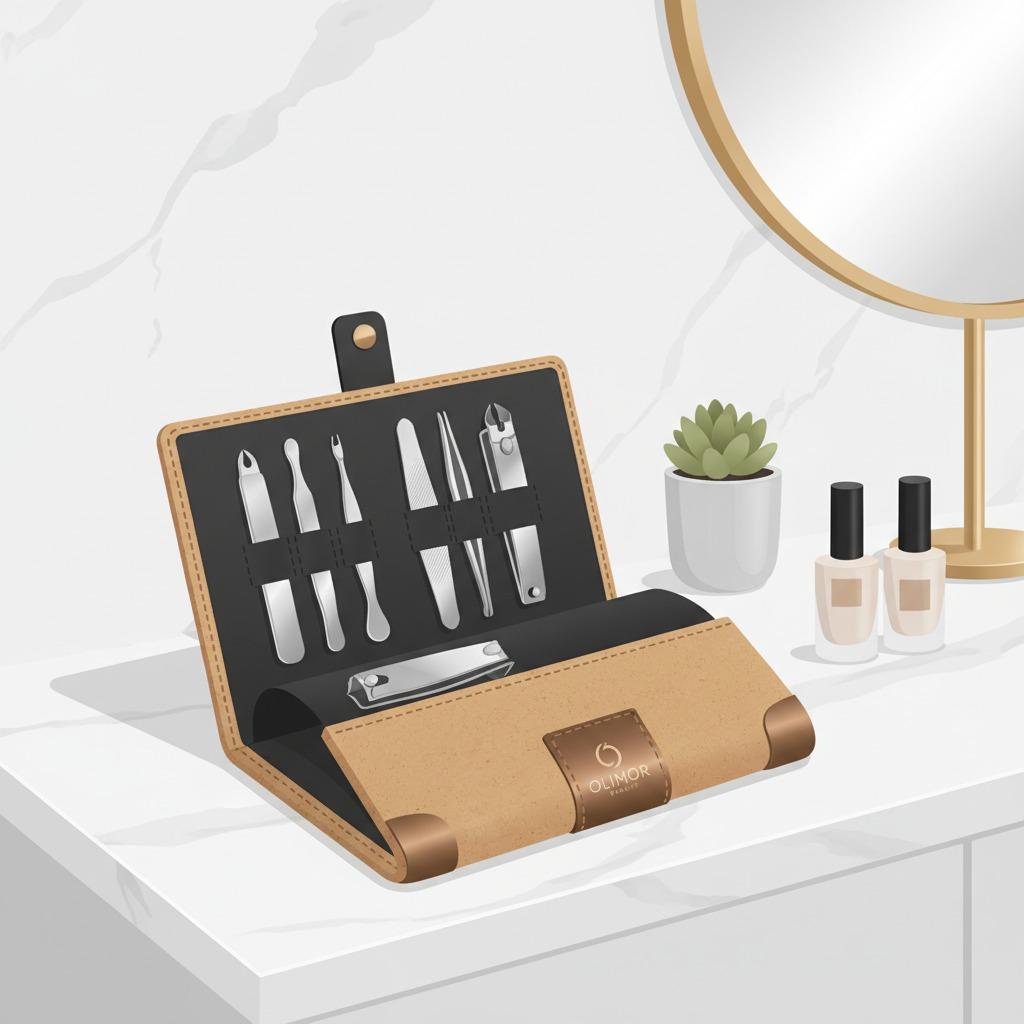
Professional nail clippers are small tools, but they carry a large share of the user experience in manicure and pedicure care. A clean clip can reduce rough edges, repeated trimming and unnecessary pressure on the nail. A weak or poorly aligned clipper can bend, tear or leave the user fighting the tool instead of controlling the cut.
For salons, beauty retailers, private-label grooming programs and nail care brands, the right question is not simply whether a clipper looks premium. The better question is whether the cutting jaws align well, the handle feels secure, the pivot remains stable and the design fits the intended sales channel. Olimor Beauty nail care tools include professional nail clippers and custom manicure scissors with practical and visual details such as soft non-slip handling areas, stainless steel construction in the described nail care tools, a blue floral pivot accent on the scissors, and a clipper design with an azure blue gear and matte black soft-touch handle.
This guide explains how to evaluate professional nail clippers from a buyer’s point of view: performance, materials, user comfort, inspection, assortment planning, cost factors, maintenance and supplier questions.
What Buyers Mean by Professional Nail Clippers
A professional nail clipper is not professional because it is larger, heavier or decorated. It is professional when it helps the user shorten nails with control, repeatability and confidence. The tool should close evenly, cut without excessive force and feel steady in hand during routine grooming.
For fingernails, buyers often look for a controlled cutting edge that follows the natural curve of the nail. For toenails, leverage and jaw opening may become more important because the nail is usually thicker and the trimming angle can be more difficult. For retail kits, the clipper also needs to look presentable, photograph well and fit logically with other manicure tools.
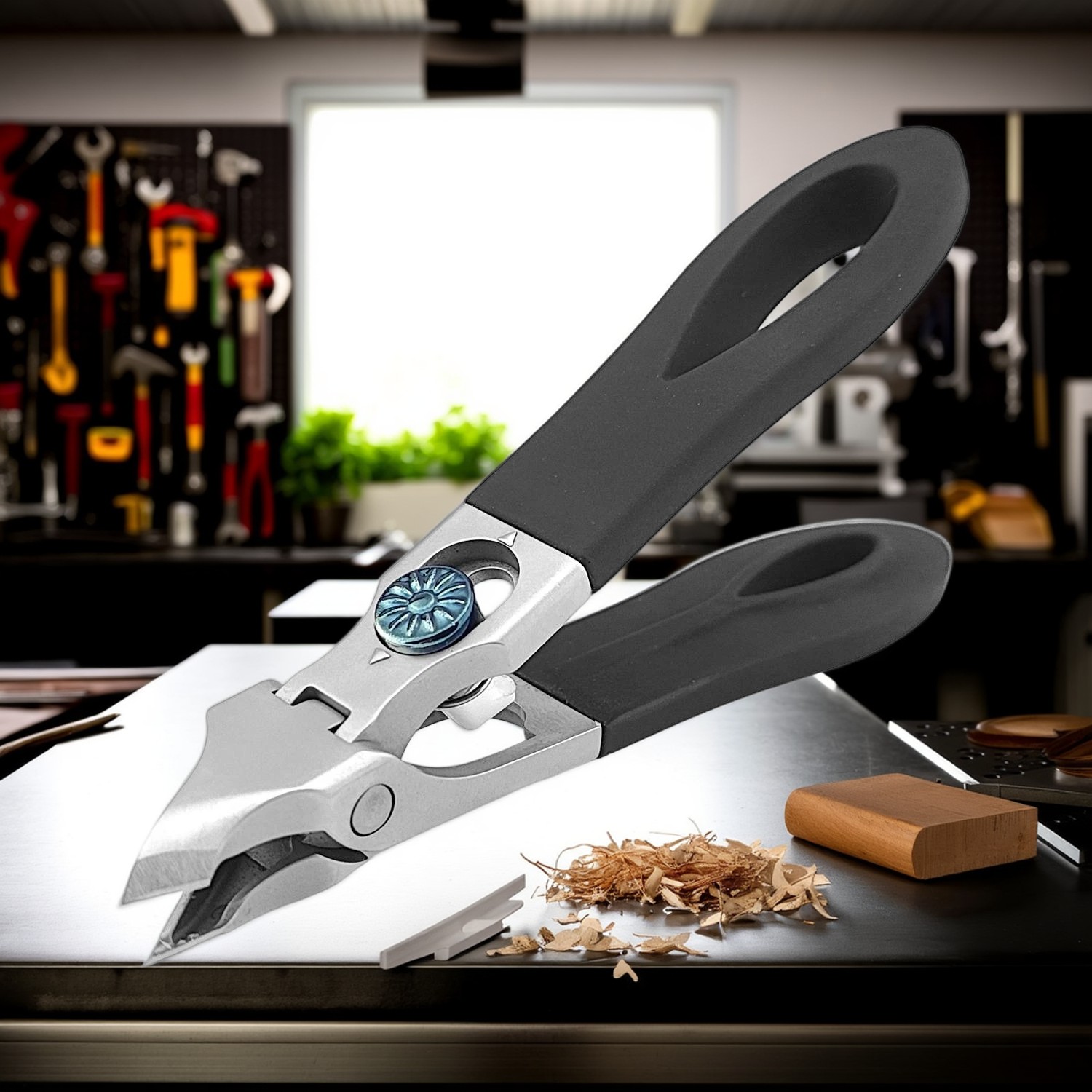
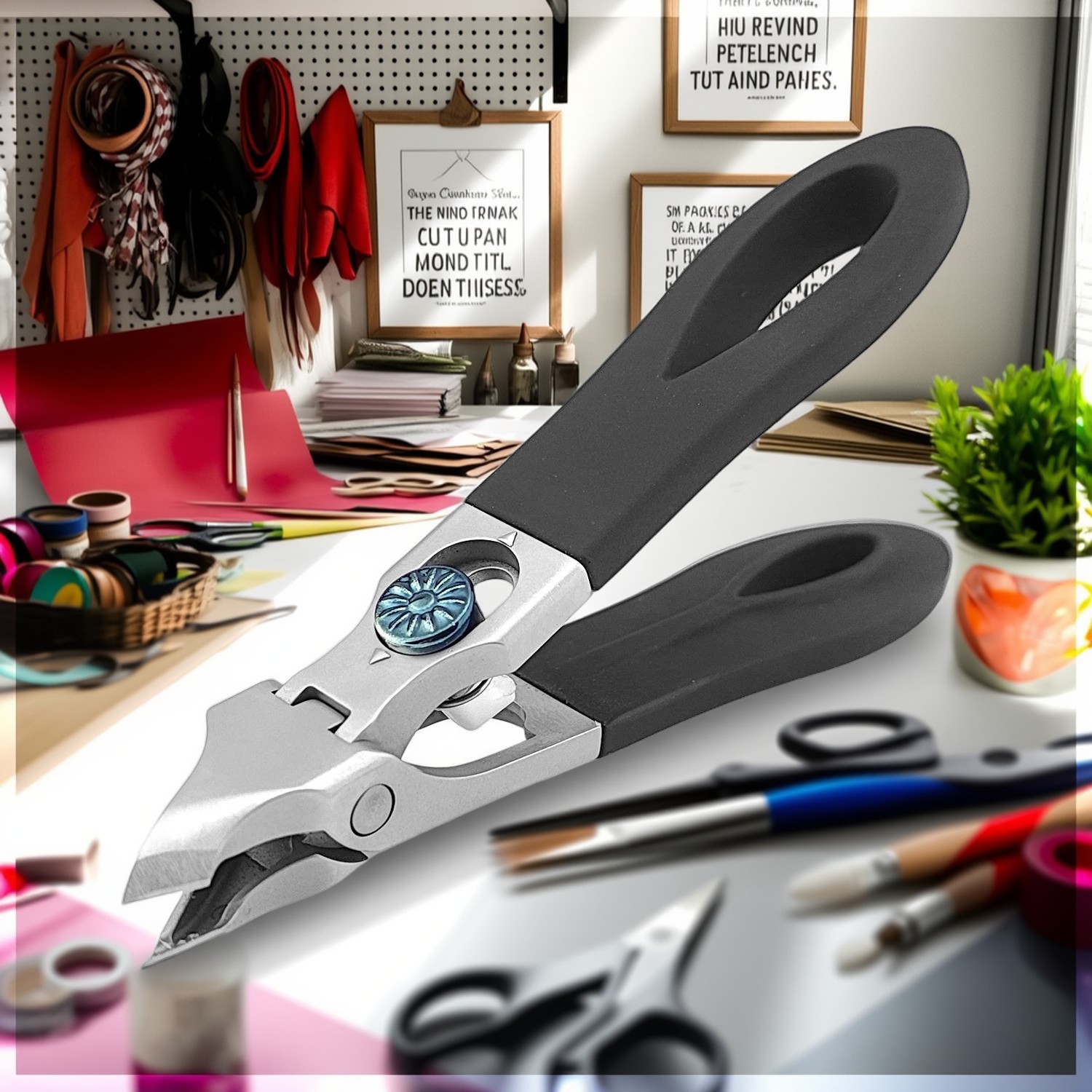
The main components to evaluate are the cutting jaws, pivot or rotating mechanism, handle, surface finish and any soft-touch or non-slip areas. The product direction described by Olimor Beauty includes a refined clipper with an azure blue gear and a matte black soft-touch handle. Those details support visual identity and grip, but they should always be reviewed together with the cutting feel and inspection results.
Blade Alignment, Cutting Edge and Pivot Stability
The cutting edge is the most important part of any nail clipper. When the jaws close, the edges should meet evenly from side to side. If one side touches before the other, the tool may crush or tear the nail instead of cutting it cleanly. This is one of the easiest quality checks for buyers to perform during sample review.
Edge shape should match the use case. A curved edge is often preferred for everyday fingernail trimming because it follows the nail contour. A straighter or wider edge may suit toenail trimming, where users often want to avoid cutting too deeply into the corners. If the assortment needs to serve both manicure and pedicure use, it may be better to specify separate options rather than relying on one general-purpose tool for every customer.
Pivot stability also affects performance. A clipper with excessive side-to-side movement may twist under pressure, especially when trimming thicker nails. A stable pivot or rotating mechanism helps the jaws close in a predictable path. During inspection, open and close the clipper several times, press slowly, and check whether the motion feels controlled rather than loose, sticky or sudden.
Handle Comfort, Grip and User Control
Grip is a practical safety and usability issue. Nail care often happens after washing hands, soaking feet, applying lotion or preparing the nail surface. A completely smooth handle can become harder to control in these conditions. Soft non-slip handling areas can make the pressing surface feel more secure and reduce the chance that the user’s fingers slide during trimming.
The matte black soft-touch handle described for Olimor’s clipper direction gives the tool a modern visual contrast with the azure blue gear detail, but it also serves a practical purpose: it gives fingers a more comfortable place to apply pressure. This is useful in salon settings where tools are used repeatedly and in retail settings where customers often judge quality by how a tool feels in hand.
- Salon use: prioritize stable leverage, easy cleaning and a handle that does not create sharp pressure points.
- Retail display: balance attractive color accents with a mechanism customers can test and understand quickly.
- Travel grooming kits: keep the tool compact but avoid handles that are too small for controlled pressure.
- Pedicure-focused ranges: consider stronger leverage and a cutting shape suitable for careful trimming of thicker nails.
Professional Nail Clippers vs. Manicure Scissors
Clippers and manicure scissors are complementary tools, not direct replacements. A clipper is designed for quick length reduction. It is efficient when the user wants to shorten the free edge of the nail in small, controlled cuts. Manicure scissors are often preferred for more gradual shaping, delicate trimming or users who want a softer cutting motion.
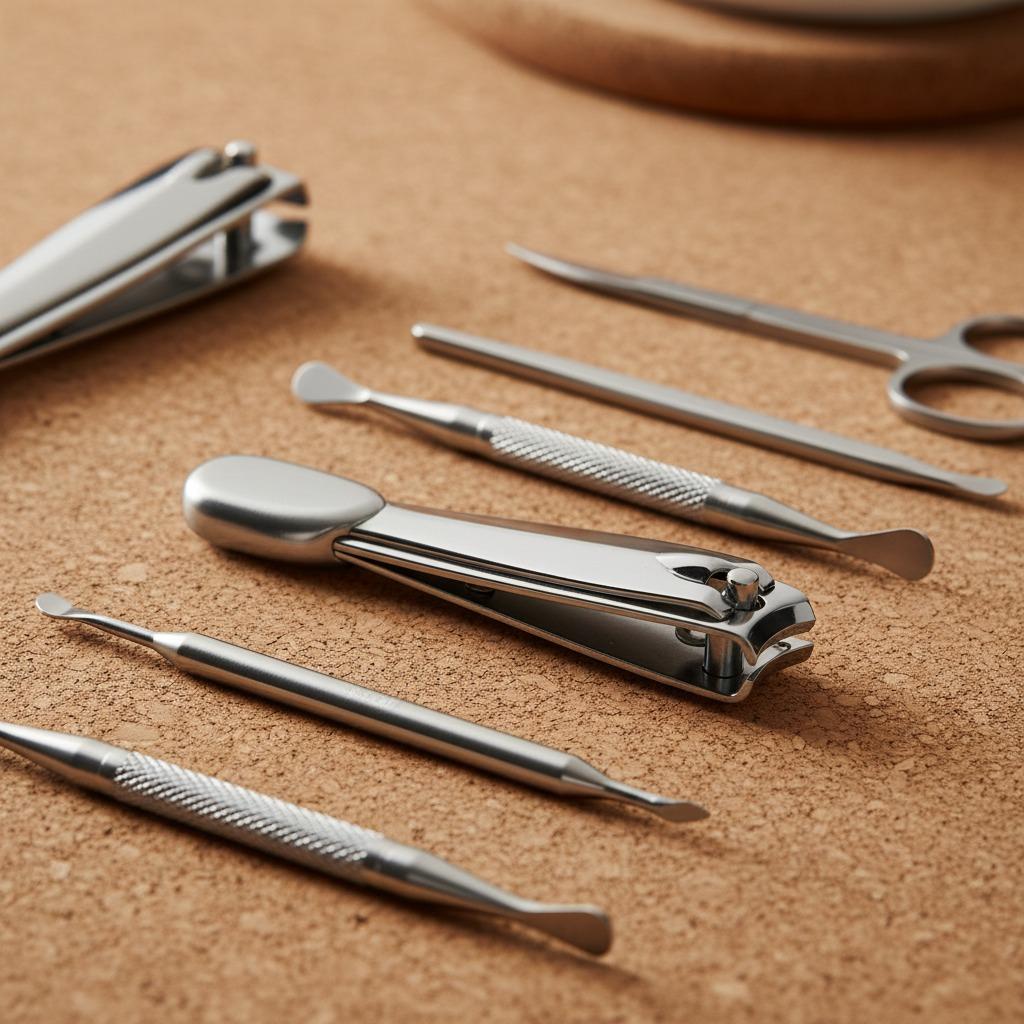
Olimor Beauty’s nail care tool direction includes custom manicure scissors with stainless steel construction, soft non-slip handling areas and a blue floral pivot accent. For buyers building a complete nail care range, scissors can add perceived value and function when paired with a clipper, especially in a manicure set or salon drawer.
| Tool | Best Use | What to Check Before Buying |
|---|---|---|
| Professional nail clipper | Fast trimming of fingernails or toenails | Jaw alignment, cutting feel, leverage, handle security and finish consistency |
| Manicure scissors | Gradual shaping and delicate trimming | Blade smoothness, pivot stability, handle comfort and tip control |
| Coordinated nail care set | Retail kits, salon stations and grooming assortments | Clear purpose for each tool, consistent design language and practical packaging fit |
How to Inspect Nail Clipper Samples Before Sourcing
Sample inspection should be practical and repeatable. A buyer does not need laboratory data to notice basic workmanship issues, but the inspection should be more detailed than simply checking color and packaging. Use the same checklist for every supplier sample so comparisons are fair.
Sample inspection checklist
- Check jaw closure: hold the clipper against light and confirm that the cutting edges meet evenly without obvious gaps.
- Test the press action: press the handle slowly several times and feel for wobble, scraping, sudden release or uneven resistance.
- Inspect the cutting result: use an appropriate nail sample or agreed test material and look for tearing, crushing or jagged edges.
- Review surface finish: check metal edges, coated areas, decorative parts and handle surfaces for rough spots or inconsistent finishing.
- Evaluate grip: hold the clipper with dry hands and after normal hand preparation to judge whether the non-slip area remains comfortable.
- Check cleaning access: look around the jaws and pivot area to see whether nail residue can be removed without difficulty.
- Assess packaging fit: confirm that the clipper sits securely and that the handle coating or decorative gear is protected from abrasion.
If a supplier provides technical drawings, material statements, packaging specifications or inspection criteria, review those documents against the sample in hand. Avoid relying only on photos, because small alignment and comfort issues are hard to judge from images.
Cost Factors Without Reducing Quality to Price
Nail clipper cost depends on more than the metal body. Buyers should consider the cutting edge preparation, handle design, pivot assembly, surface finishing, decorative details, packaging and inspection level. A soft-touch handle, color accent such as an azure blue gear, or coordinated presentation with manicure scissors may affect the final sourcing plan, but these features should support the user experience rather than exist only for appearance.
Commercial buyers should also define the channel before negotiating. A salon supply item may need stronger emphasis on repeated use and cleaning. A retail beauty kit may need more attention to giftable presentation and coordinated design. A promotional grooming tool may prioritize compact size and simple packaging, but it still needs safe, reliable cutting action.
Useful cost discussions with suppliers usually include these questions: What product configuration is being quoted? Is packaging included? Are decorative or soft-touch elements included in the same quotation? What sample approval process is used? What inspection steps are performed before shipment? These questions help buyers compare offers more accurately without inventing a simple price-per-piece benchmark that may not reflect the real product.
Supplier Evaluation for Beauty Tool Buyers
A reliable supplier should be able to discuss function, finish, packaging and quality control in plain terms. For nail clippers, buyers should look for a supplier that understands how cutting performance, grip and product presentation work together. Olimor Beauty presents nail clippers within a wider beauty tool context, so buyers can review related beauty tool products and broader product collections when planning a complete grooming assortment.
When comparing suppliers, request product photos, available specifications, packaging options and representative samples before making a larger commitment. Ask how sample feedback is handled and which details can be customized. Customization might involve handle color, decorative details, product pairing, packaging or assortment planning, depending on the available product program. Avoid assuming that every part can be changed without affecting cost, tooling, lead time or inspection requirements.
For regulated markets, buyers should verify current requirements for the destination market and ask suppliers for applicable documents rather than relying on verbal claims. For example, companies selling articles into the European market may need to consider chemical restrictions administered through ECHA under REACH, where applicable. Salon operators should also follow hygiene rules from their local cosmetology board or equivalent public authority. Requirements can change, so confirm current versions and supplier documents before purchasing.
Cleaning, Storage and Maintenance for Longer Tool Life
Even a well-made clipper needs basic care. Nail residue, moisture, oils and cosmetic products can collect around the jaws and pivot. After use, remove visible debris and wipe the tool dry with a clean cloth. In professional environments, follow the salon’s approved hygiene procedure and local rules for tool cleaning and disinfection. For personal use, keeping the clipper dry and away from bathroom clutter can help protect the cutting edge and finish.
Storage is simple but important. Do not toss clippers into a drawer where the jaws can strike metal files, tweezers or scissors. Use a pouch, tray compartment or retail case when possible. If the clipper includes a soft-touch handle, avoid prolonged contact with harsh chemicals or sticky residue. For manicure scissors, open and close the blades gently after cleaning to confirm that the pivot remains smooth.
Technique also matters. Trim in small sections rather than forcing one large cut across the nail. Slightly softened nails after washing may be easier to cut, while overly wet nails can bend and reduce cutting precision. For toenails, controlled small cuts are especially useful because thicker nails can place more stress on the tool and the user’s hand.
Choosing the Right Clipper for Your Market
The best nail clipper is the one that fits the user, channel and quality expectation. A salon buyer may value leverage, control and cleaning access. A beauty retailer may need a tool that combines reliable performance with attractive shelf presentation. A private-label grooming program may focus on a coordinated design that fits packaging and brand positioning. A manicure set may benefit from pairing a professional clipper with manicure scissors so each tool has a distinct role.
Before placing an order, define the primary user and trimming purpose. Then review samples for jaw alignment, pivot stability, cutting feel, grip comfort and finish. Confirm which details are fixed and which can be customized. Finally, document cleaning instructions, packaging requirements and inspection expectations so the final product matches the approved sample.
For sourcing discussions, product options or assortment planning, buyers can contact Olimor Beauty or send a nail tool inquiry. A nail clipper may be compact, but in a grooming range it is often one of the tools customers use most often.
FAQ for B2B Nail Clipper Buyers
Can I request samples before placing an order?
Yes. Buyers should request samples to inspect jaw alignment, cutting feel, handle comfort, finish and packaging fit before confirming a larger order. Use the same checklist for each sample so supplier comparisons stay consistent.
Is there a fixed MOQ for professional nail clippers?
MOQ can depend on the product configuration, packaging, customization and current production plan. Confirm the applicable MOQ directly during the inquiry stage rather than assuming one number applies to every project.
What customization options should buyers discuss?
Discuss practical and visual options such as handle color, soft-touch areas, decorative accents, tool pairing, retail packaging and assortment structure. Any customization should be confirmed with samples and supplier documentation.
How should quality be checked before shipment?
Agree on inspection points such as jaw closure, pivot stability, cutting action, grip finish, surface consistency and packaging condition. Buyers should verify inspection documents and compare production samples with the approved reference sample.
How is lead time confirmed?
Lead time depends on order details, customization, packaging and production scheduling. Confirm timing with the supplier after the specification, sample approval and order requirements are clear.