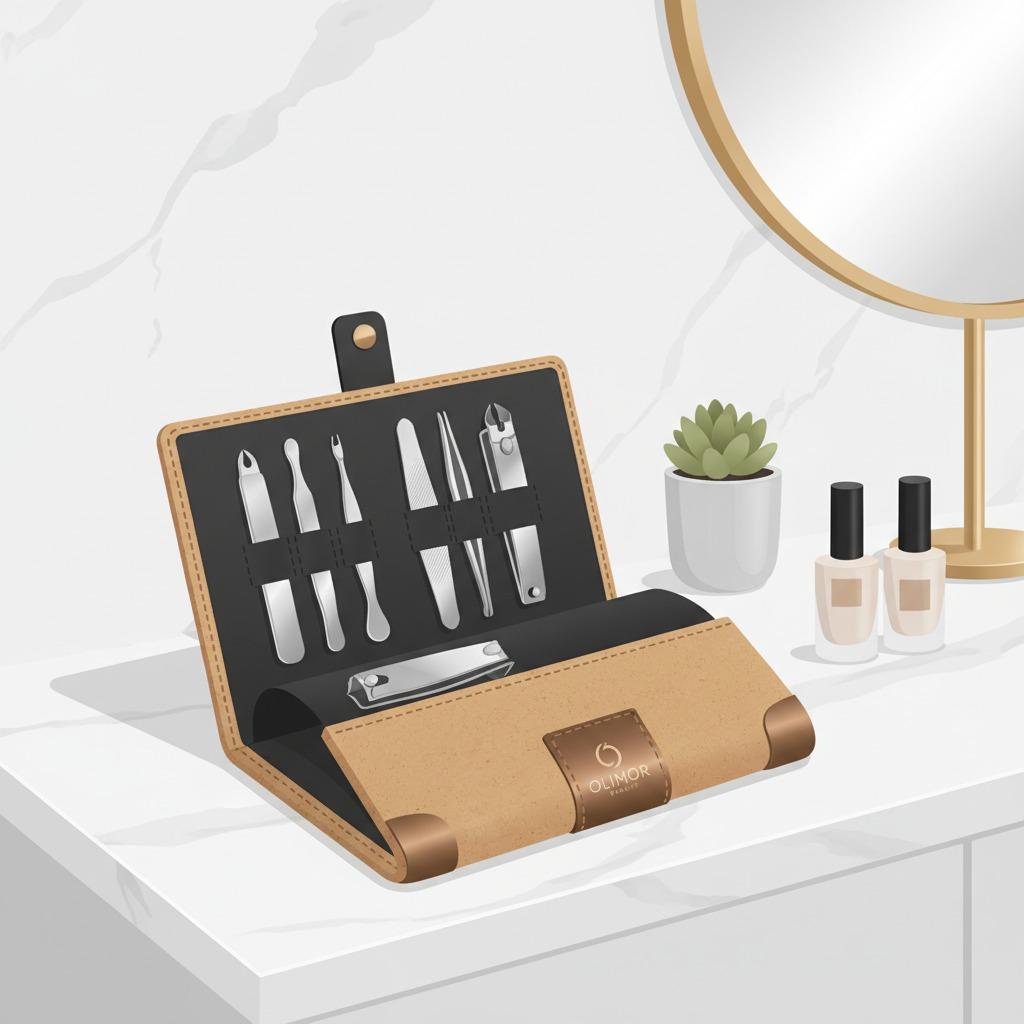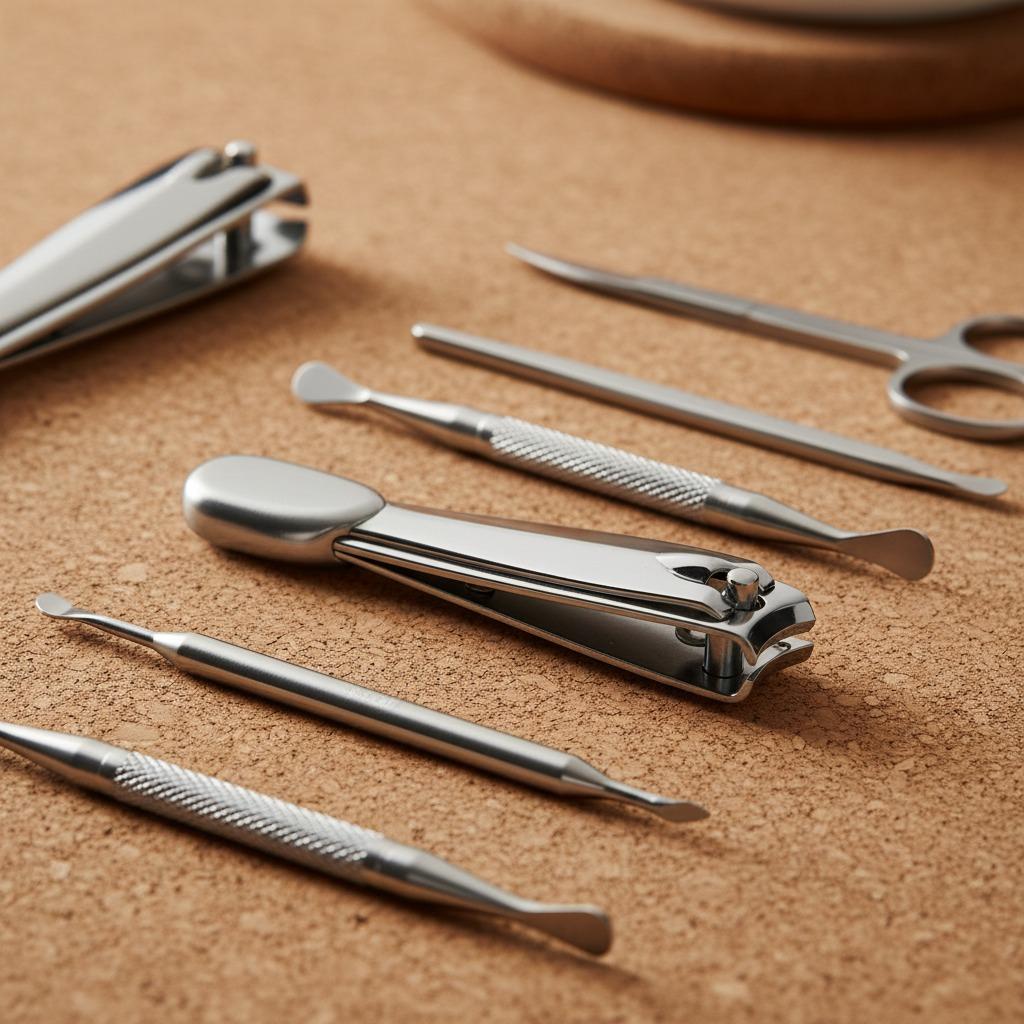











A nail clipper looks simple, but buyers know that small details decide whether the finished tool feels sharp, stable, comfortable, and durable. A poorly made clipper can bend, leave rough nail edges, pinch the hand, or lose cutting performance quickly. A well-considered clipper, by contrast, combines a clean cutting edge, balanced leverage, comfortable handling, and consistent finishing. For beauty retailers, grooming brands, salons, gift-set suppliers, and distributors, selecting the right nail clipper manufacturer is therefore a practical sourcing decision rather than a purely cosmetic one.
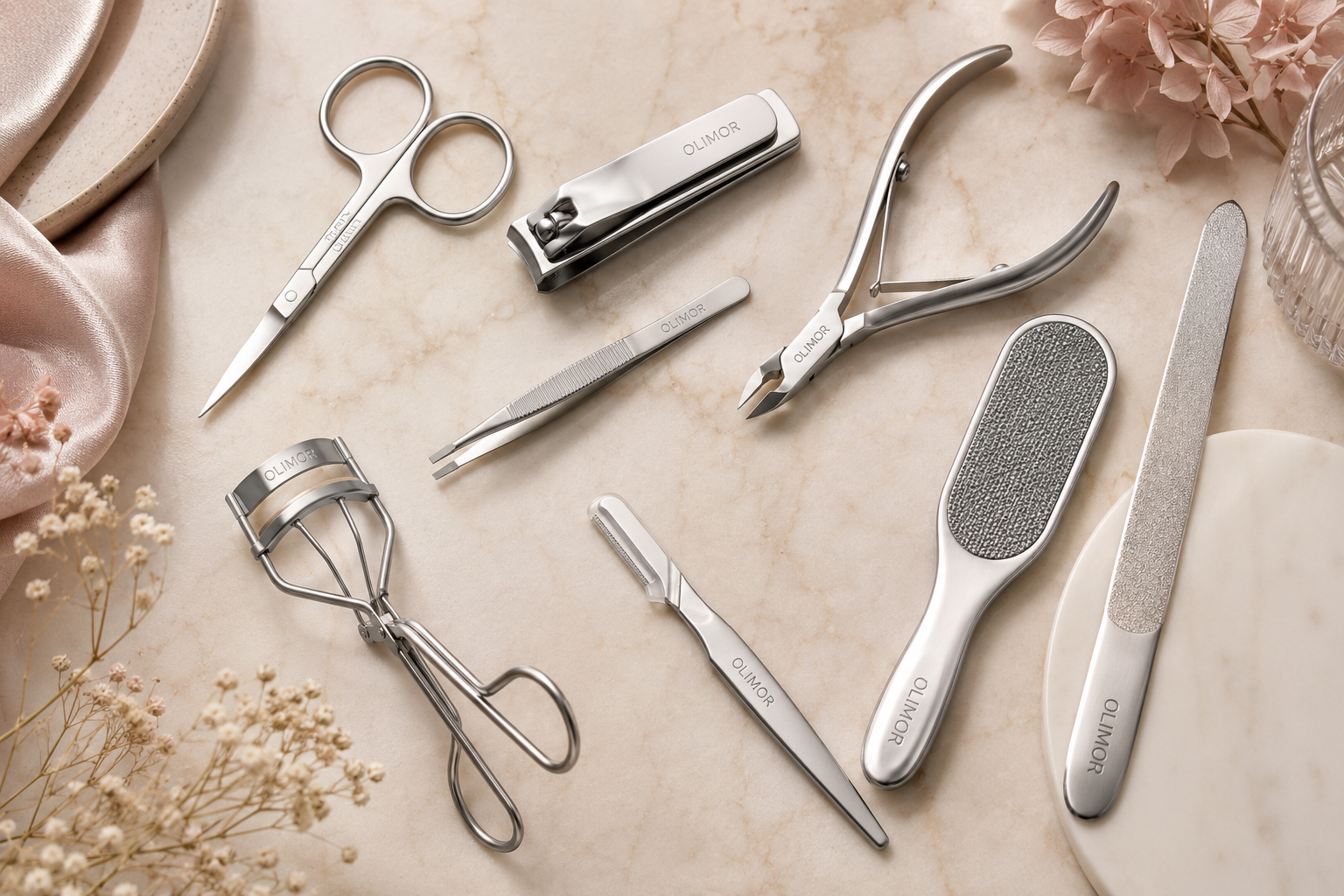
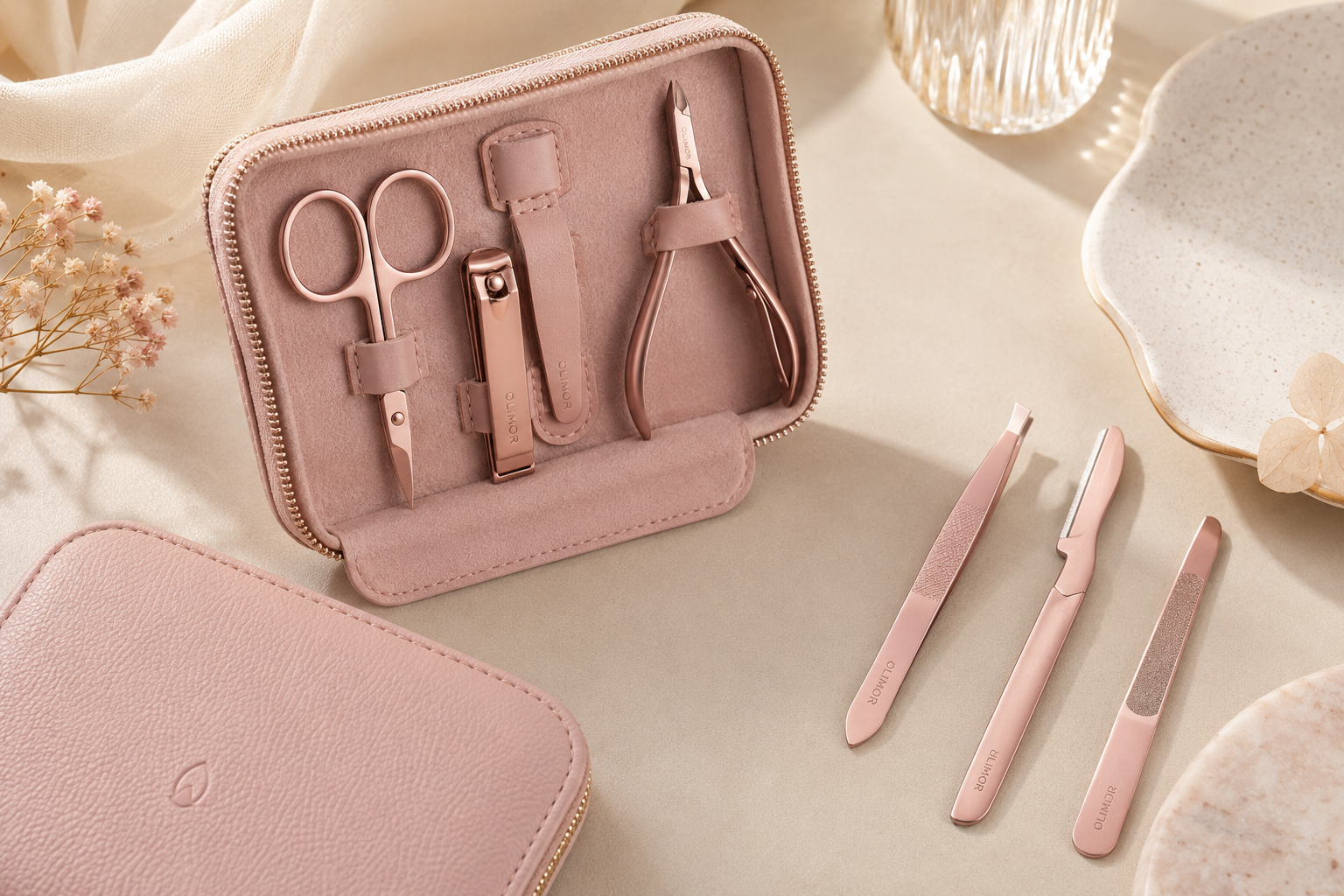
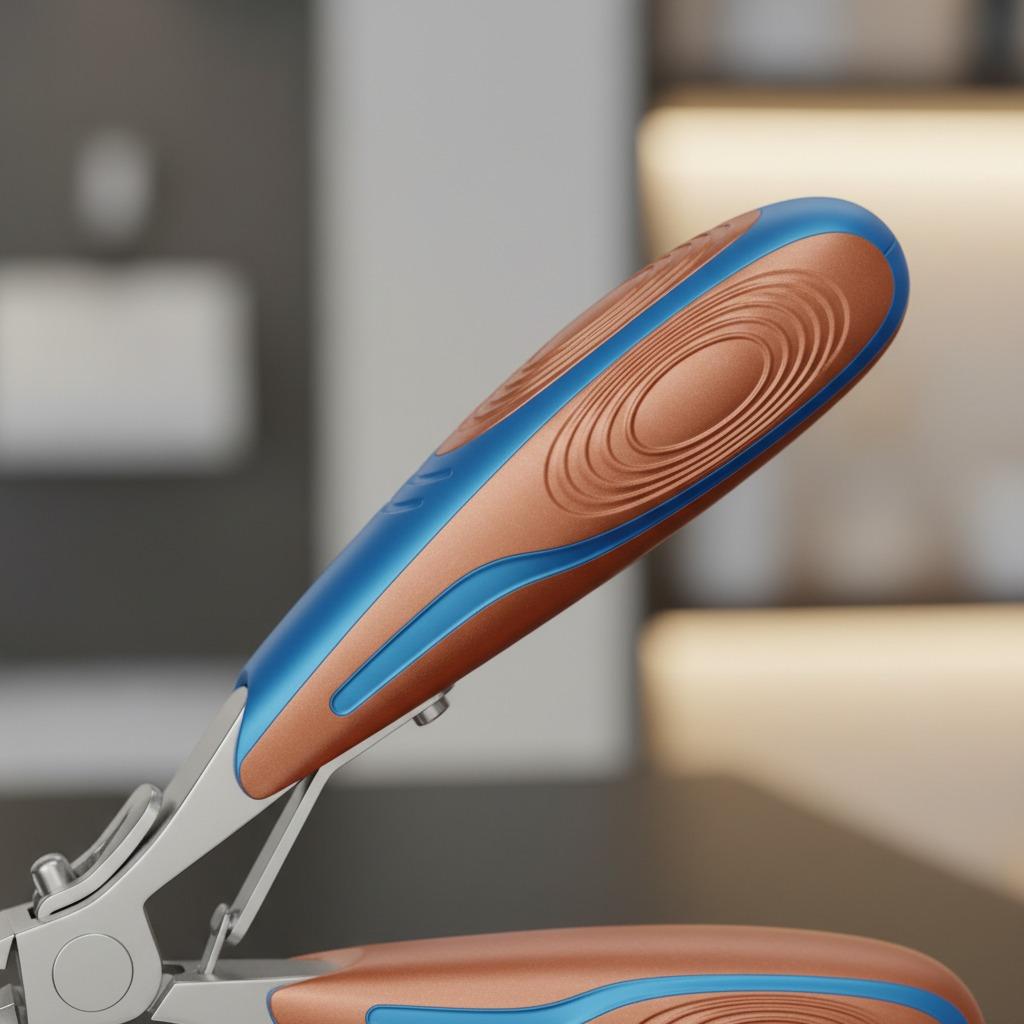
Olimor Beauty focuses on beauty and grooming tools, including nail clippers designed for everyday personal care. The nail clipper shown here combines a stainless steel cutting edge, an ergonomic handle, a concentric circle grip pattern, a reddish-brown finish, and a distinctive blue accent. Those visible design choices are not only decorative; they influence how the tool is held, how confidently it cuts, and how appealing it looks in a grooming kit or retail display.
What Serious Buyers Should Expect from a Nail Clipper Manufacturer
When comparing suppliers, it is tempting to look first at appearance and unit cost. Those factors matter, but they do not tell the whole story. A nail clipper must perform a repetitive mechanical task with precision. The hinge, lever, cutting edge, alignment, surface finishing, and grip area all contribute to the user experience. If one element is weak, the product can feel cheap even when it looks attractive in photos.
A useful manufacturer discussion should cover how the clipper will be used and sold. A compact clipper for travel kits may require different priorities from a premium grooming set or a salon retail item. For consumer sales, the product must also be easy to understand at a glance: customers should see where to hold it, feel that the lever is stable, and trust that the cutting edge will trim cleanly without crushing the nail.
Buyers reviewing Olimor Beauty’s nail clipper can use the product page as a starting point, then compare it with broader beauty tool products when building a complete grooming assortment. This approach helps keep the clipper decision connected to the overall brand or retail category rather than treating it as an isolated accessory.
Cutting Edge, Alignment, and Trimming Performance
The most important part of any nail clipper is the cutting edge. The original product information identifies a stainless steel cutting edge, which is a practical choice for a grooming tool because the edge must resist regular contact, cleaning, and pressure. However, material alone does not guarantee a good clipper. Edge geometry, sharpness, alignment, and lever action all affect how the tool feels in use.
During evaluation, buyers should test the clipper on different nail thicknesses if possible. A quality clipper should close evenly, trim cleanly, and avoid tearing or leaving jagged edges. The upper and lower cutting jaws should meet consistently across the curve. If the jaws are misaligned, the clipper may require extra pressure, which can create discomfort or inconsistent trimming results.
Use this quick inspection list when reviewing samples or discussing production standards:
- Jaw alignment: The two cutting edges should meet evenly without visible gaps or skewing.
- Edge finish: The cutting surface should feel clean and purposeful, not rough, chipped, or uneven.
- Lever stability: The lever should press smoothly without wobbling excessively.
- Cutting feel: The clipper should trim with controlled pressure rather than crushing the nail.
- Post-cut nail edge: A good trim should require minimal follow-up filing for ordinary nail care.
For large purchasing programs, it is also wise to define what “acceptable” and “unacceptable” samples look like before confirming packaging or order details. This reduces confusion later and gives both sides a clearer standard for production review.
Ergonomic Details: Grip, Handle Shape, and Control
The visible handle design is one of the strongest points of this Olimor Beauty nail clipper. The supplied information describes a sleek handle with a concentric circle pattern in a rich reddish-brown finish, created for grip and comfort. For a small grooming tool, that kind of surface detail matters. A nail clipper is often used after washing hands or during a personal care routine when fingers may not be completely dry. A patterned surface can help the user maintain control during trimming.
Ergonomics are not only about softness or size. They involve the relationship between pressure, stability, and hand position. A clipper should allow the user to apply force without feeling that the tool might slip sideways. The lever should be easy to press, and the grip area should guide the thumb naturally. If a clipper feels too narrow, too slick, or too unstable, users may press harder than necessary, which reduces comfort.
The blue accent mentioned in the original product information also serves a visual purpose. Color accents can help a grooming tool stand out in a drawer, travel pouch, or retail set. For buyers creating a line of personal care products, small visual choices like accent color and handle finish can make the item feel more considered without changing its basic function.
Durability and Quality Assurance from Materials to Packaging
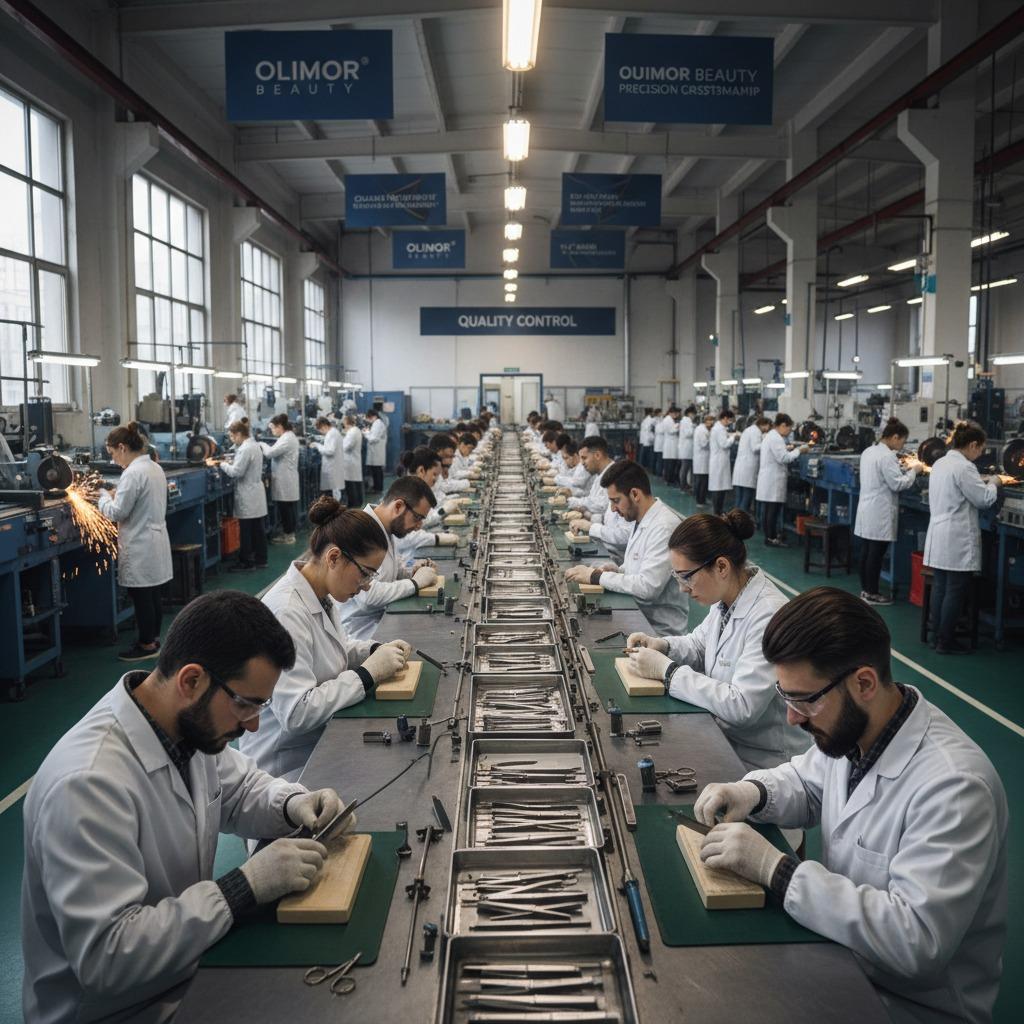
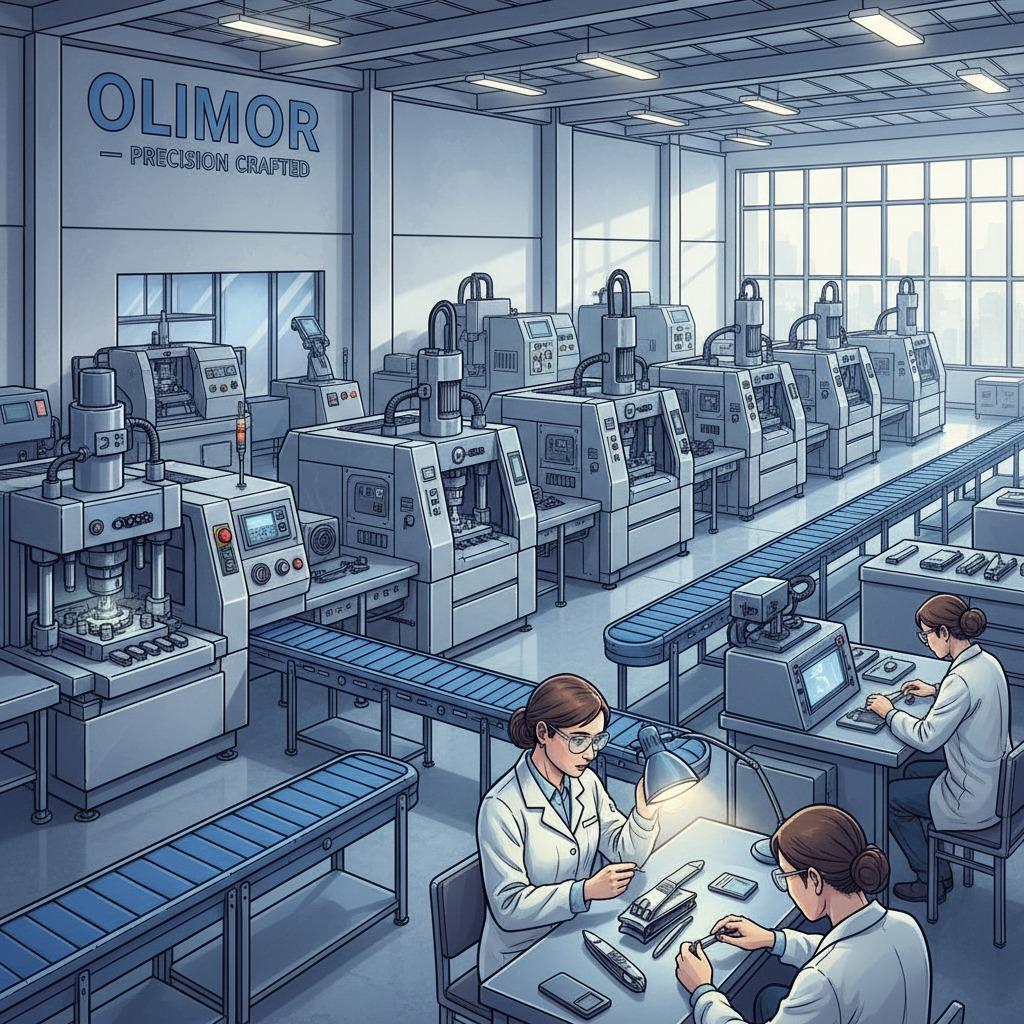
Durability in a nail clipper is measured by more than whether it stays in one piece. The edge should remain functional through repeated use, the lever should continue to move smoothly, and the surface finish should maintain a clean appearance under normal handling. The supplied article notes that Olimor Beauty inspects stages from raw materials to packaging, which is an important concept for grooming tool sourcing.
Quality assurance should begin before assembly. Raw material checks help reduce variation. During forming and finishing, the product should be reviewed for surface defects, burrs, uneven edges, and shape consistency. After assembly, the hinge and lever action need attention because a clipper with a good-looking body can still perform poorly if the mechanical parts do not work together.
Packaging is also part of the quality experience. A nail clipper may be small, but packaging protects the cutting edge, prevents cosmetic damage, and presents the product clearly to the customer. Buyers should consider whether the clipper will be sold individually, included in a set, displayed in store, shipped through ecommerce, or packed with other grooming tools. Each route places different demands on packaging strength, labeling space, and presentation.
Practical Sourcing Questions Before Placing a Nail Clipper Order
Good sourcing is built on clear expectations. Before comparing suppliers only by quotation, buyers should define the type of nail clipper program they need. This includes target user, sales channel, desired appearance, packaging format, and inspection priorities. Even when exact specifications are still being developed, a structured checklist prevents important details from being overlooked.
| Decision Area | Why It Matters | What to Review |
|---|---|---|
| Cutting performance | Determines user satisfaction and repeat purchase potential | Sharpness, jaw alignment, pressure required, nail edge after trimming |
| Handle and grip | Affects control, comfort, and perceived value | Surface pattern, handle shape, lever feel, slip resistance during normal use |
| Finish and appearance | Influences retail appeal and brand fit | Reddish-brown handle finish, blue accent, surface consistency, visible defects |
| Quality checks | Reduces inconsistent batches and customer complaints | Raw material review, in-process inspection, assembly checks, packaging review |
| Assortment planning | Helps buyers build a coherent product range | How the clipper fits with related grooming tools and product collections |
If the clipper is intended for private label, gift sets, or channel-specific retail, buyers should prepare reference samples, artwork requirements, packaging dimensions, and any compliance expectations relevant to their market. When details are not finalized, it is still helpful to share the intended retail position: basic daily-use item, premium grooming accessory, travel kit component, or salon resale tool.
Use Cases for Retailers, Salons, and Grooming Kits
A nail clipper is one of the most universal beauty tools, but the best product choice depends on the customer. For personal care retailers, visual appeal and packaging clarity may be especially important because customers compare options quickly on the shelf. For ecommerce sellers, product photos, finish consistency, and post-delivery condition matter because the customer cannot test the clipper before buying. For salons, the tool should feel dependable and easy to clean between uses according to the salon’s own hygiene process.
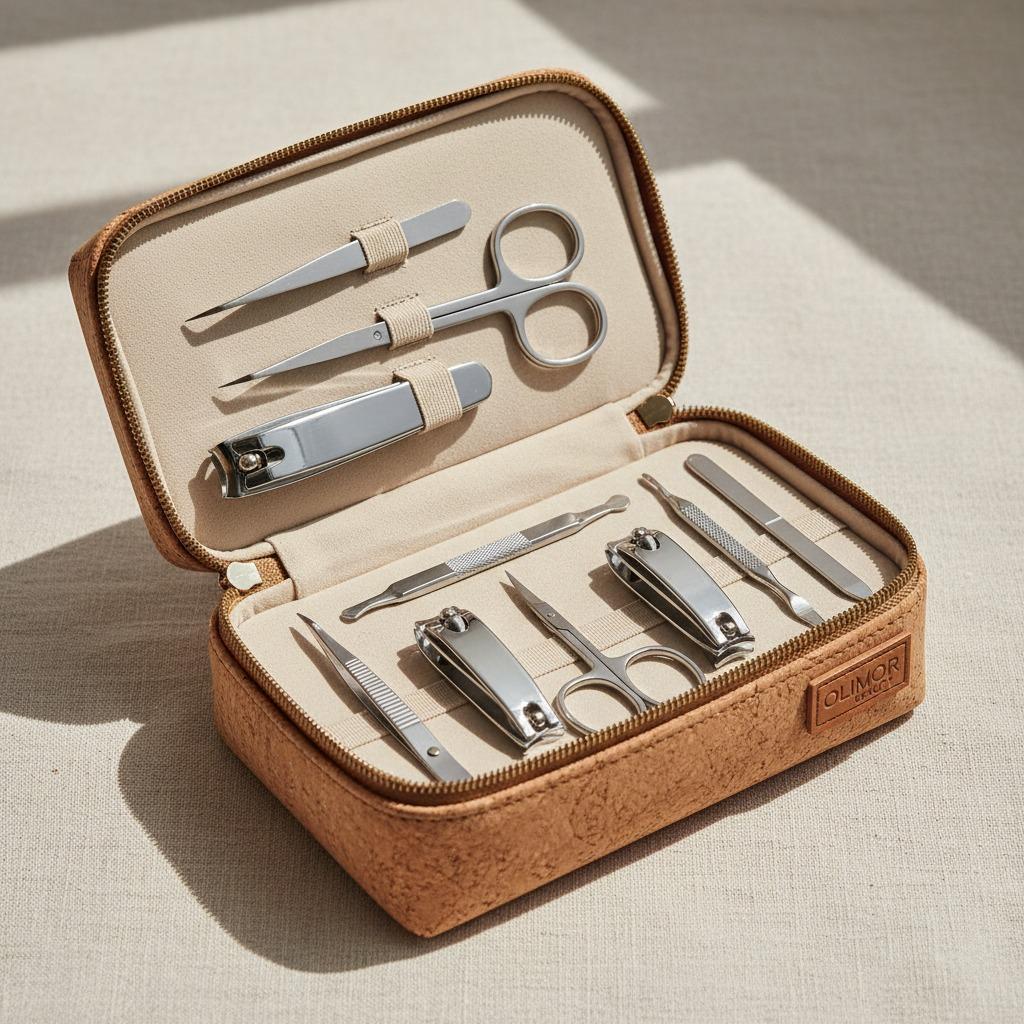
Gift-set and travel-kit buyers often value a clipper that looks more refined than a plain utility item. The concentric circle handle pattern, reddish-brown finish, and blue accent can support that purpose by giving the tool a more distinctive appearance. At the same time, the stainless steel cutting edge keeps the focus on practical trimming performance.
When building a broader grooming range, buyers can compare this nail clipper with other Olimor Beauty categories through beauty tool products. For tailored sourcing conversations, artwork questions, packaging planning, or sample review steps, buyers can send an inquiry or contact Olimor.
Maintenance Guidance That Improves the End-User Experience
Even a well-made clipper performs better when users care for it properly. Retailers and brands can reduce complaints by including simple usage and maintenance guidance in product copy or packaging. The instructions do not need to be complicated. Customers mainly need to know how to keep the cutting edge clean, dry, and protected.
- Trim nails when they are clean, and avoid forcing the clipper through material it is not designed to cut.
- Wipe the cutting edge after use to remove nail dust or residue.
- Keep the clipper dry before storing it in a pouch, drawer, or grooming kit.
- Do not drop the clipper onto hard surfaces, as impact can affect alignment.
- Store it away from loose objects that may scratch the finish or damage the cutting edge.
These simple points help users preserve the feel of the tool over time. They also support a more professional product presentation, especially for brands selling grooming accessories online or in curated beauty sets.
Why the Manufacturer Choice Matters
Choosing a nail clipper manufacturer is not only about finding a supplier that can make a familiar product. It is about securing a tool that feels right in the hand, cuts cleanly, looks consistent, and arrives packaged in a way that supports the sales channel. Olimor Beauty’s nail clipper highlights several features buyers can evaluate directly: a stainless steel cutting edge, ergonomic handle design, concentric circle grip pattern, reddish-brown finish, blue accent, and quality attention from materials through packaging.
For buyers planning a grooming tool range, the best next step is to define the intended market, compare samples carefully, and align product appearance with real user expectations. A nail clipper may be compact, but when it is made with attention to cutting performance, comfort, and durability, it becomes a dependable everyday tool that customers continue to use.