










Low MOQ nail clipper sourcing is useful when a beauty business needs reliable grooming tools without committing to a large first order. For startups, boutique retailers, e-commerce sellers and regional wholesalers, smaller order quantities can reduce inventory pressure while still allowing a product line to enter the market in a professional way. The key is not simply finding the smallest order size. The better goal is to choose a nail clipper program that supports practical product testing, consistent quality and future replenishment.
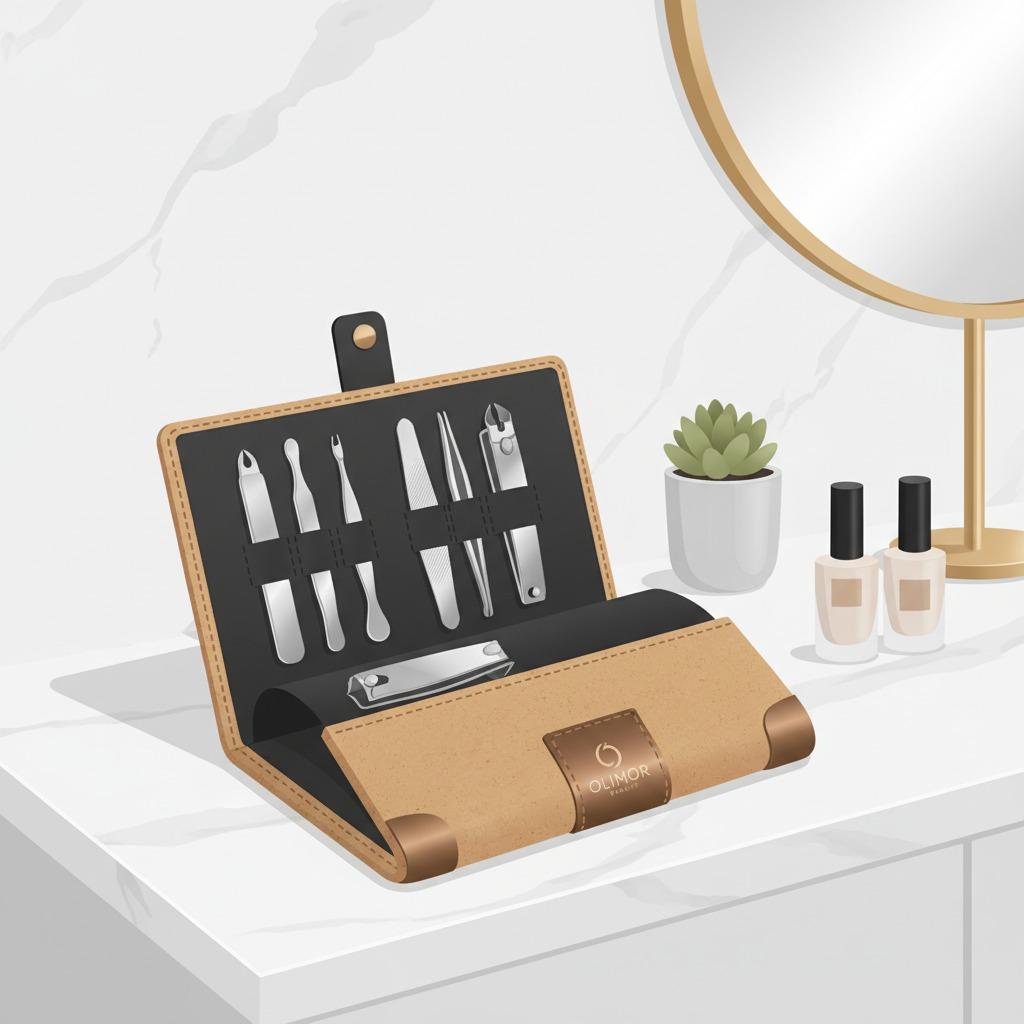
Olimor Beauty works with beauty tools for buyers who need flexible sourcing options, including nail clippers for retail, wholesale and OEM planning. A nail clipper may look simple, but its performance depends on blade alignment, material choice, grip comfort, finishing, packaging protection and quality inspection. When these details are managed well, the product feels more dependable to the end user and is easier for a brand or distributor to sell with confidence.
Why Low MOQ Matters for Nail Clipper Buyers
Many beauty tool buyers do not want to start with a full container or an oversized inventory position. Nail clippers are often used to test a grooming accessories category, add a practical item to an existing manicure range or support a promotional set. Low MOQ sourcing gives buyers a controlled way to validate demand before expanding volume.
This approach is especially helpful for businesses that sell across multiple channels. A retailer may want to compare in-store response with online conversion. A wholesaler may want to offer several grooming items to different shop types. A private label brand may need samples, trial orders and feedback before moving into broader distribution. In each case, low MOQ nail clippers help reduce overstock risk while keeping the door open for later scale.
- Market testing: Introduce nail clippers to a new customer base before committing to a wider launch.
- Assortment building: Add a compact grooming tool alongside manicure, pedicure or personal care products.
- Cash flow control: Avoid tying too much capital into one SKU at the start.
- Retail feedback: Learn which packaging, price position or design direction works best.
- OEM preparation: Test product quality and user response before developing a more customized version.
Product Features That Deserve Attention
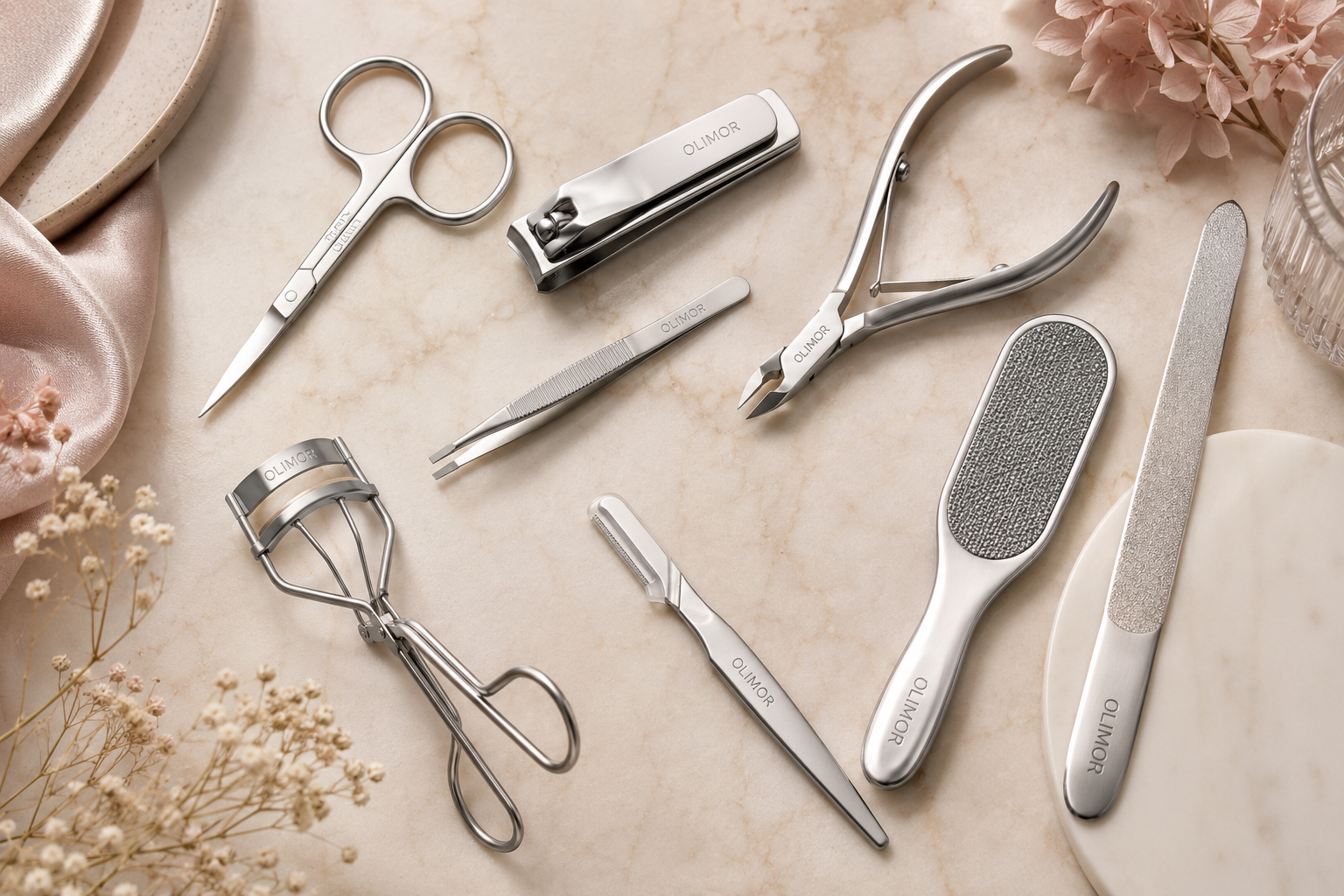
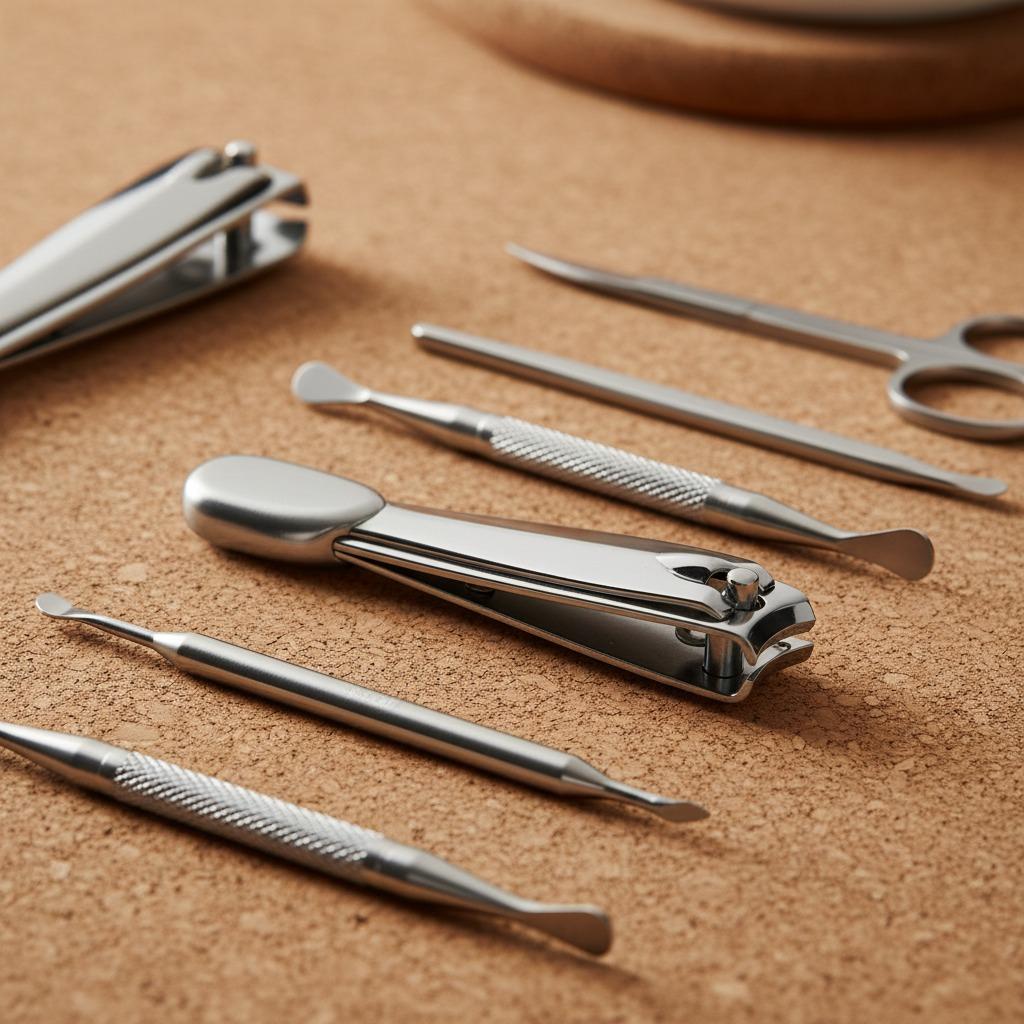
The original appeal of a nail clipper is its everyday usefulness, but buyers should evaluate it with more care than a basic commodity. Olimor Beauty nail clipper options are described with stainless steel construction, sharp curved blades, ergonomic handles and compact portability. These are practical features because they affect both user comfort and repeat purchase potential.
Stainless steel is commonly preferred for grooming tools because it supports durability and a cleaner appearance. For buyers, the important checks include surface finish, edge consistency and how well the clipper resists visible wear during normal handling. Curved blades matter because they help follow the natural shape of fingernails and toenails. Poor blade alignment can cause uneven cutting, so this is one of the first areas to inspect when reviewing samples.
Handle comfort is another detail that affects customer satisfaction. A clipper that feels slippery, too stiff or awkward to press may generate complaints even if the metal looks acceptable. Ergonomic handles are valuable when they provide stable leverage and make the tool easier to control. Compact and portable designs are also relevant for travel kits, checkout counter items, gift sets and personal care pouches.
How to Evaluate a Low MOQ Nail Clipper Supplier
A low MOQ offer should not replace proper sourcing discipline. Buyers still need to confirm whether the supplier can maintain quality over repeat orders, support packaging needs and communicate clearly about production details. Olimor Beauty positions its low MOQ nail clipper solutions for wholesalers, retailers and brands that need flexible ordering, but the buyer should still prepare a clear evaluation process.
Before ordering, review a physical sample or confirmed production reference whenever possible. Check the cut on different nail thicknesses, examine the finish under good light and open and close the lever repeatedly to feel resistance. If the clipper is intended for a retail shelf, look at how it will be displayed and protected in packaging. A good grooming tool can still create problems if it arrives scratched, loose in the pack or poorly labeled for the target market.
| Evaluation area | What to check | Why it matters |
|---|---|---|
| Blade performance | Clean cut, aligned edges, smooth action | Directly affects user satisfaction |
| Material and finish | Stainless steel appearance, surface consistency, rust-resistant handling | Supports durability and retail presentation |
| Grip and leverage | Comfortable press, stable hold, no sharp handle edges | Improves everyday usability |
| Packaging fit | Protection, display format, barcode or label space if needed | Reduces damage and supports selling channels |
| Repeat order control | Consistent sample approval process and inspection points | Helps maintain quality after the first order |
OEM and Private Label Considerations
Low MOQ nail clipper programs are often used as the first step toward OEM development. For a brand, customization may include design direction, color choices, logo placement or packaging format, depending on the project scope. The most important point is to separate cosmetic preferences from functional requirements. A clipper that looks good but cuts poorly will not support a beauty brand for long.
Start by defining the end user. A travel-focused customer may prefer a compact clipper with simple packaging. A salon retail customer may expect a more polished finish and a premium presentation. A value-oriented wholesale channel may need a practical design that can be replenished consistently. When you know the use case, it becomes easier to decide which features are essential and which are optional.
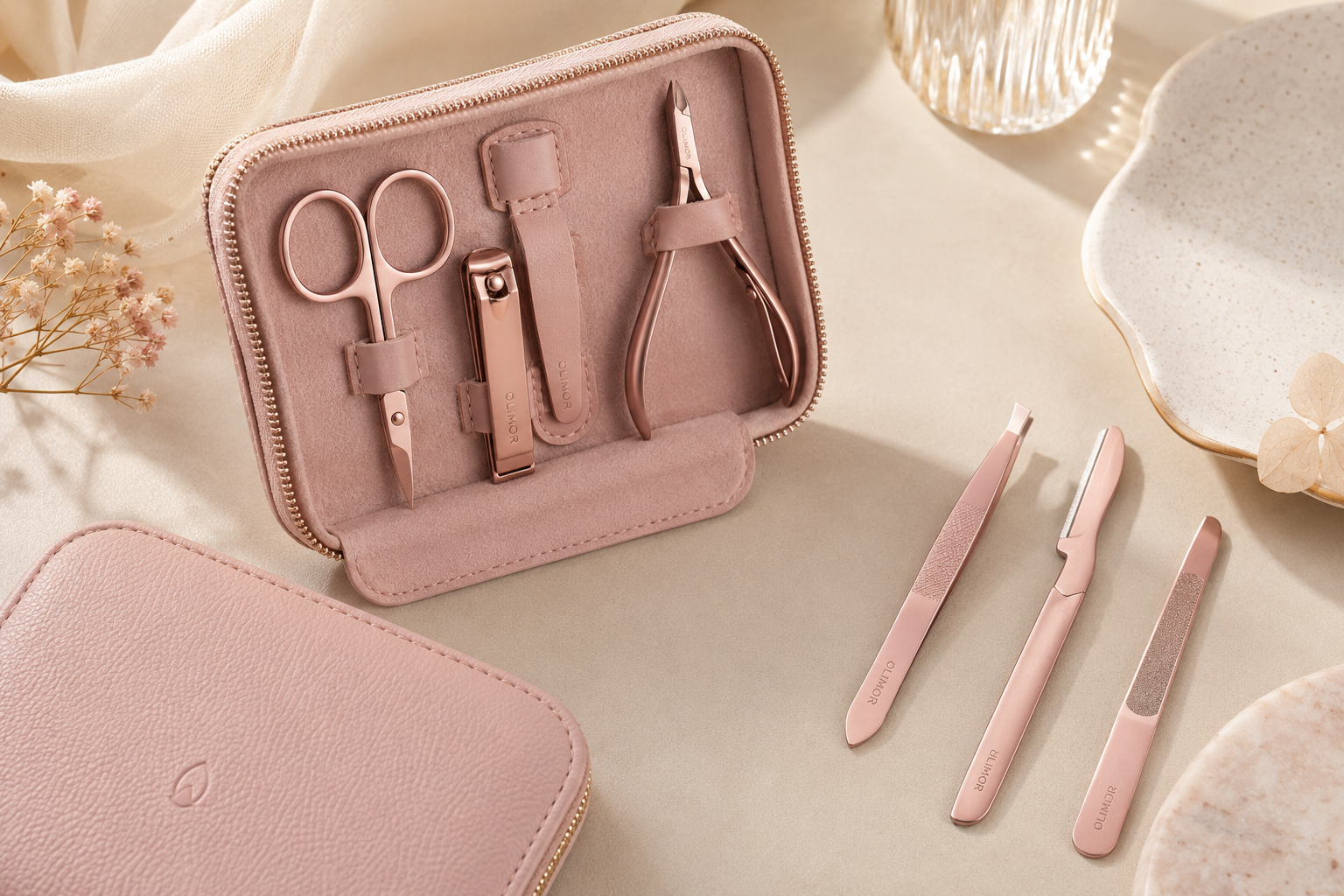
For OEM planning, prepare clear reference materials: target retail channel, preferred packaging style, logo position, expected order path and any local labeling requirements. If you are comparing nail clippers with other beauty tool products, keep the branding system consistent so the finished range looks organized. Buyers building a wider grooming assortment can also review Olimor product collections for related category planning.
Quality Control From Material to Packaging
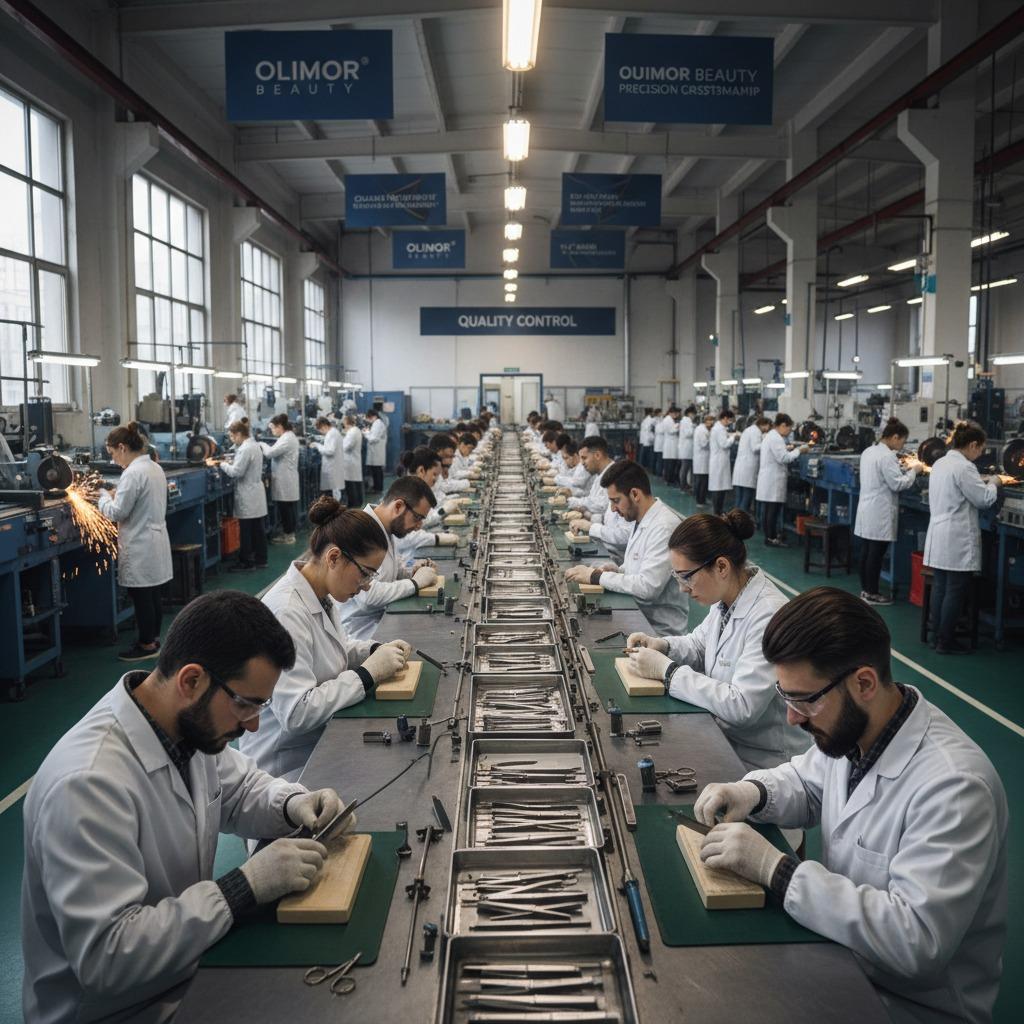
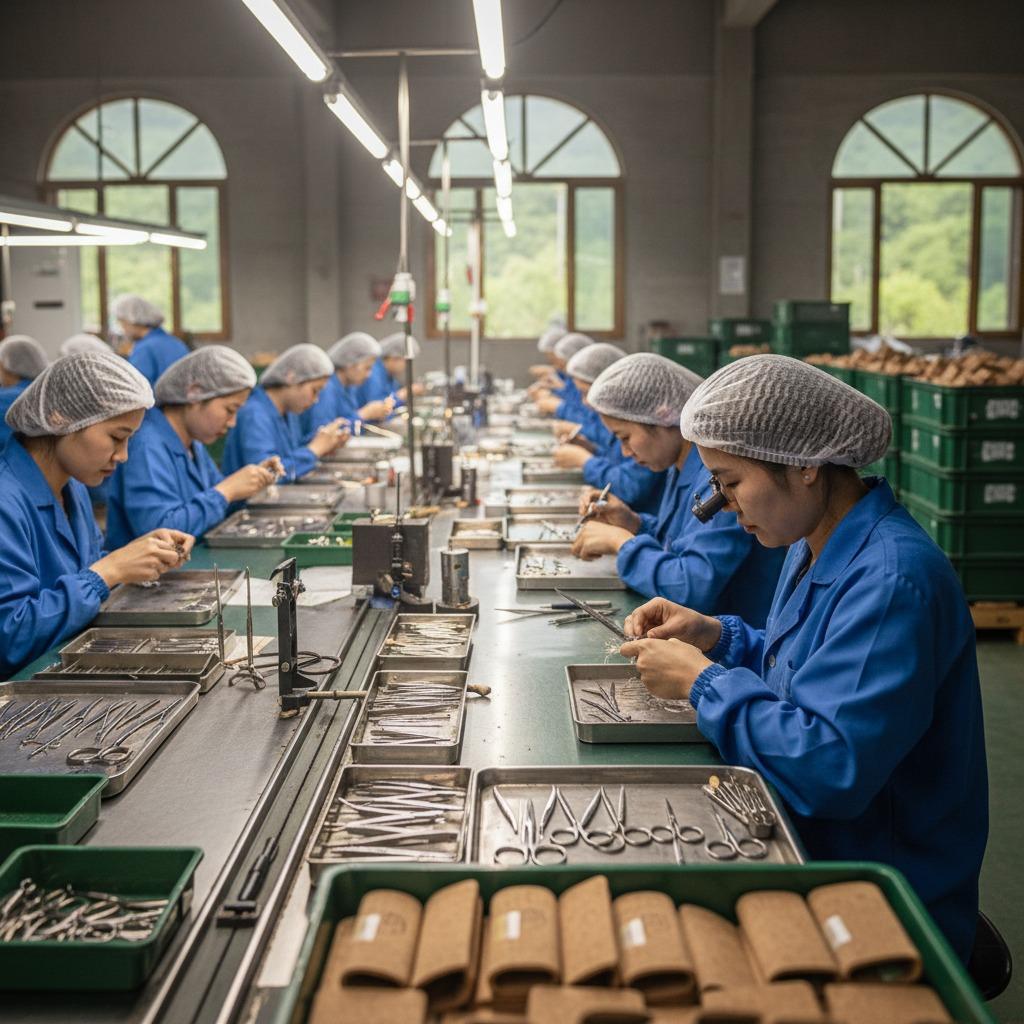
Quality assurance is especially important when working with lower first-order quantities because each unit may carry more weight in early customer impressions. Olimor Beauty describes inspections from raw materials to final packaging, which is the right kind of process focus for nail clippers. A practical inspection plan should cover the product before assembly, during finishing and after packing.
For nail clippers, common inspection points include blade sharpness, blade alignment, lever movement, surface marks, hinge stability and packaging cleanliness. If the product is sold online, visual consistency is also important because customer expectations are shaped by product photos. If it is sold through stores, packaging condition and hang-tab durability may matter more.
Buyers should keep approved samples, packaging references and written specifications on file. This makes reorder discussions easier and reduces confusion when a product is adjusted. Even when the first order is small, documentation helps turn a trial purchase into a repeatable supply program.
Best Use Cases for Low MOQ Nail Clippers
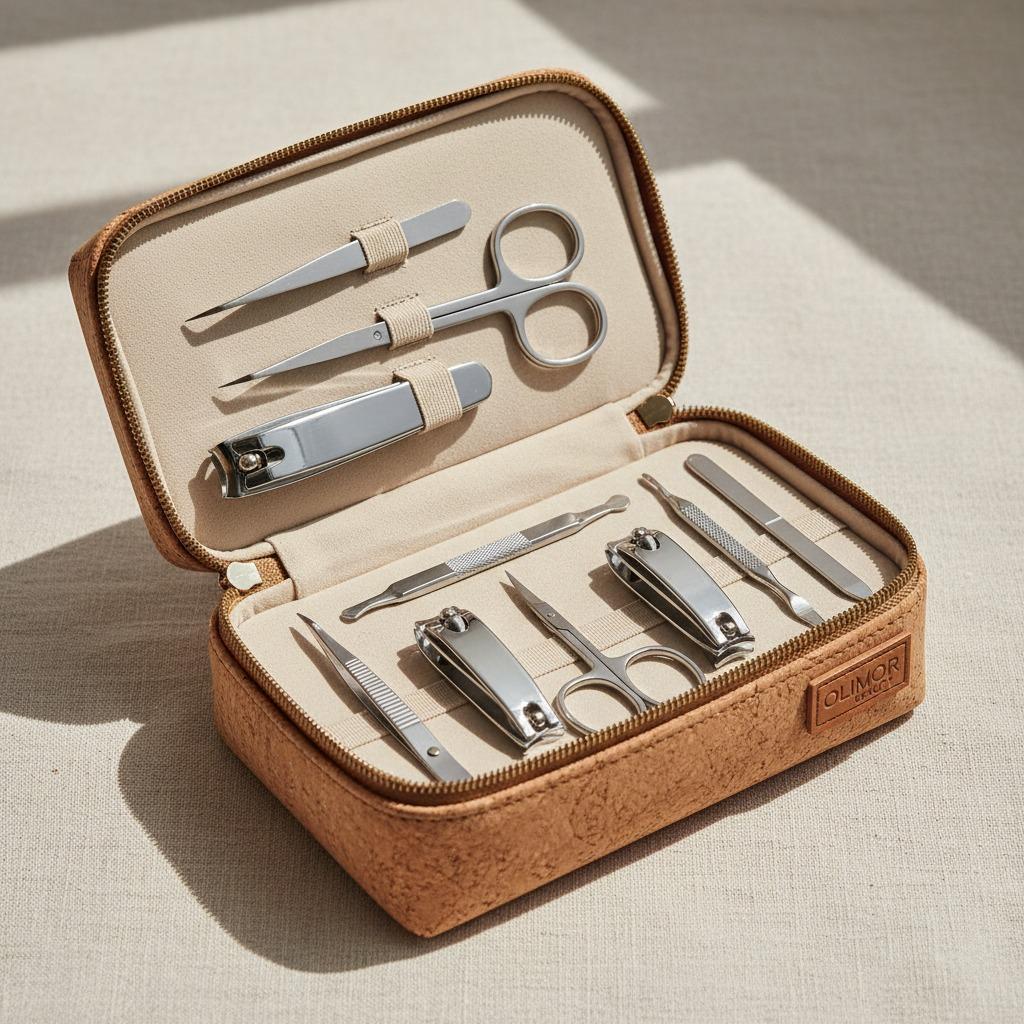
Low MOQ nail clippers can serve several commercial purposes. For an e-commerce beauty brand, they can be tested as a standalone grooming accessory or bundled with nail files, cuticle tools or travel hygiene items. For a physical retailer, they work as an impulse purchase near manicure products or personal care displays. For a distributor, they provide an accessible SKU for salons, pharmacies, gift shops or convenience channels.
They are also useful for seasonal kits and small promotional programs. Because nail clippers are practical and widely understood, they do not require a long consumer education process. The main challenge is differentiation. Buyers can differentiate through reliable cutting performance, clean packaging, a coherent brand presentation and thoughtful positioning rather than exaggerated claims.
Planning Your First Low MOQ Order
A successful first order starts with a defined objective. Are you testing demand, filling a product gap, preparing an OEM line or comparing suppliers? The answer affects how you should evaluate samples, packaging and reorder timing. Avoid choosing solely on the lowest unit cost. A nail clipper with inconsistent cutting, weak packaging or poor finish can become expensive through returns, complaints and slow sell-through.
- Define the sales channel and target customer before choosing a design.
- Review sample performance, especially blade alignment and handle comfort.
- Confirm packaging needs for retail, e-commerce or wholesale distribution.
- Document approved product details so reorders can be compared accurately.
- Track customer feedback after launch and use it to guide future order volume or OEM adjustments.
If you are preparing a nail clipper sourcing project, you can send an inquiry with your intended channel, quantity plan and customization needs. For broader sourcing questions or help comparing beauty tool options, contact Olimor to discuss the next step. Low MOQ sourcing works best when it is treated as a structured entry point: small enough to manage risk, but clear enough to support long-term product planning.