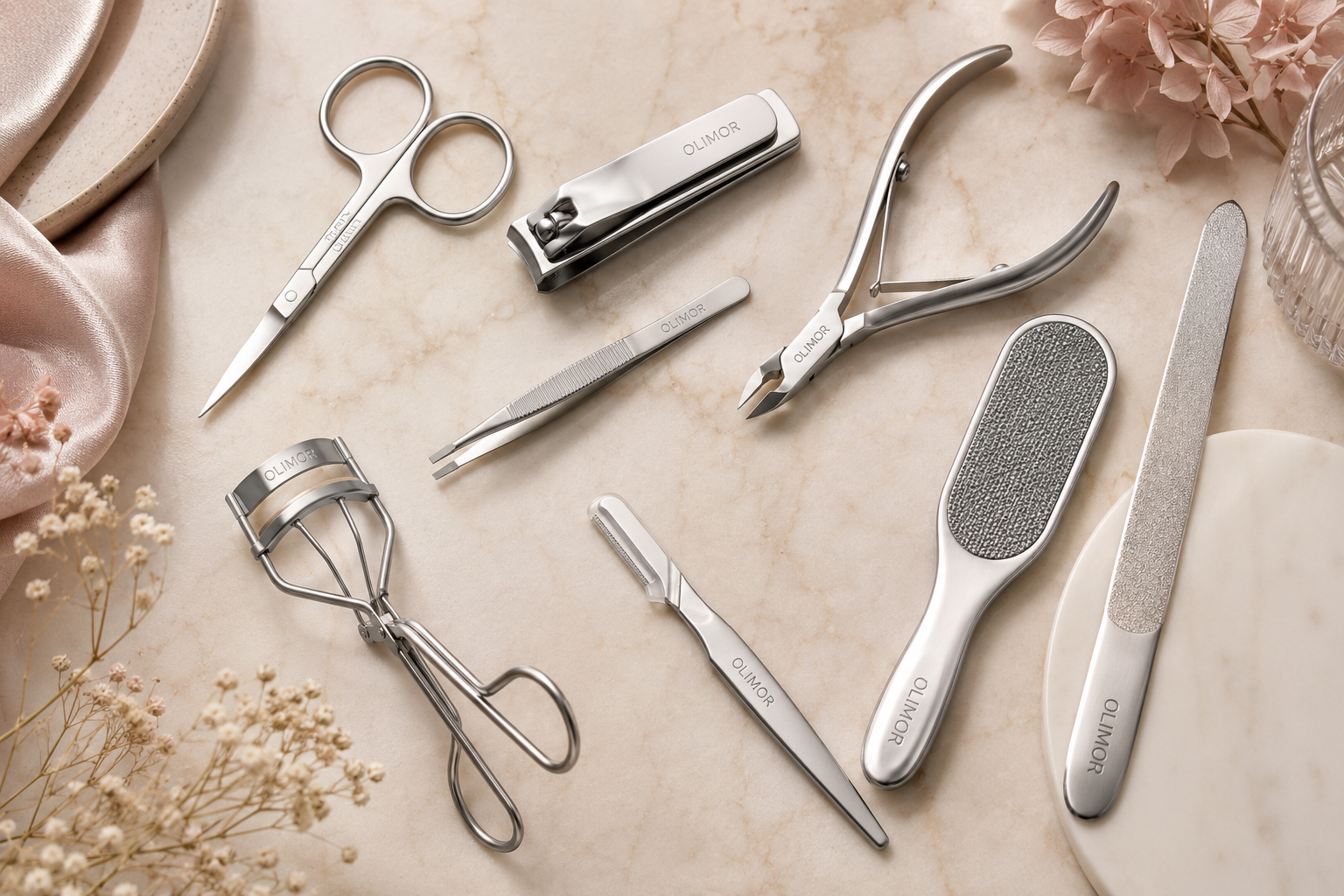











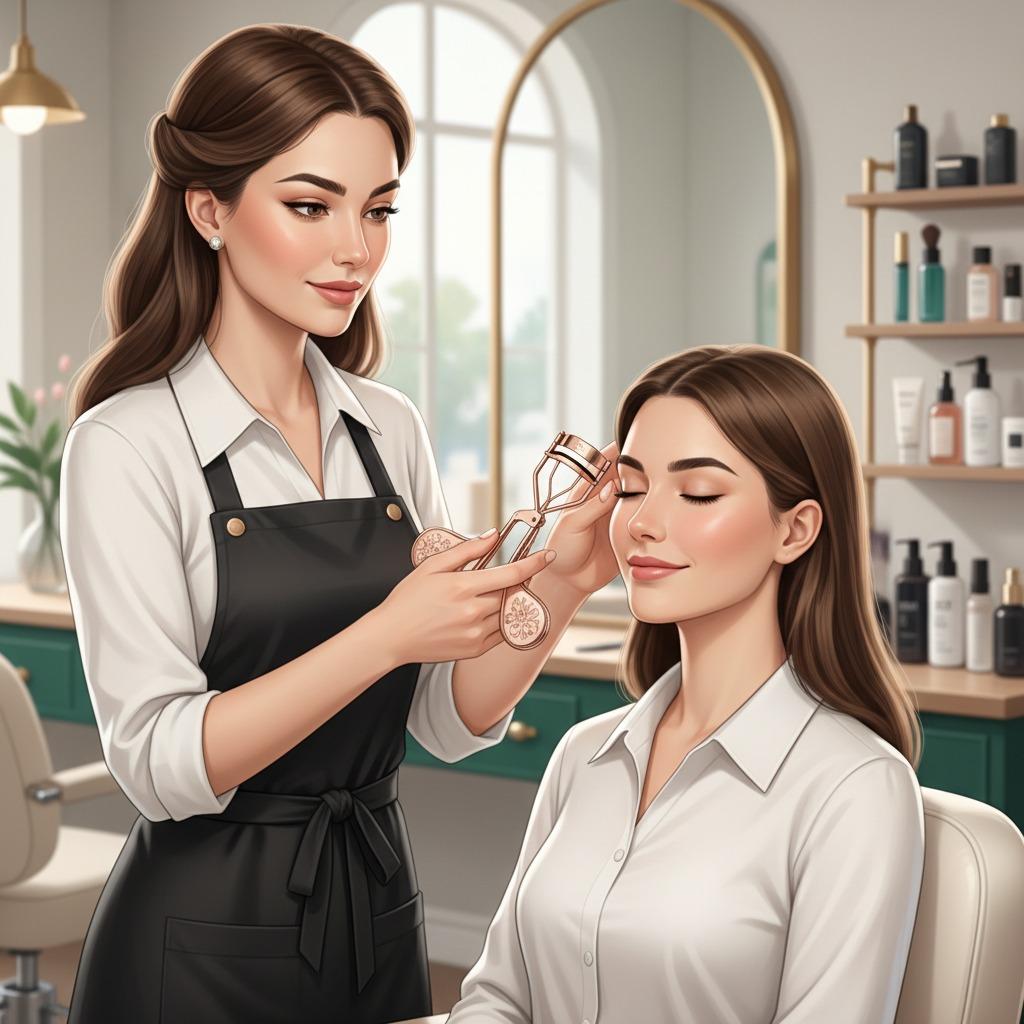
An eyelash curler looks simple, but buyers should treat it as a precision beauty tool. The frame must align evenly, the pad must cushion pressure correctly, the finish must feel smooth near the eye area, and the tool must remain stable after repeated opening and closing. For retailers, distributors, beauty brands and professional tool buyers, quality affects customer comfort, product reviews, repeat purchase and brand trust.
The right eyelash curler is not chosen by shine alone. A polished surface can attract attention on a shelf, but the real buying decision should include stainless steel construction, electroplating consistency, hinge feel, pad security, packaging protection and supplier communication. Olimor Beauty offers eyelash curler options within its beauty tool range, and buyers can compare related items through the beauty tool products category when planning a complete assortment.
What Makes an Eyelash Curler High Quality?
A high-quality eyelash curler should lift lashes smoothly without pulling, pinching or creating a harsh crease. It should allow controlled pressure rather than forcing a sudden clamp. The upper curling bar and lower pad should meet evenly across the lash line, so the center and corners of the lashes receive consistent pressure.
For B2B purchasing, quality also means batch consistency. A single sample may look acceptable, but commercial orders need repeatable frame shape, stable plating appearance, correctly fitted pads and packaging that protects the product in transit. Buyers should therefore evaluate the product as both a user tool and a retail item.
The most important quality signals are easy to inspect. Close the curler slowly and watch whether the top bar meets the pad evenly. Run a fingertip gently around the handle loops, outer frame and near the curling area to check for rough edges. Open and close the hinge several times to feel whether the movement is stable. Examine the finish under normal light to look for uneven color, cloudy patches or exposed edges. These basic checks reveal more than a quick visual glance.
Stainless Steel Construction: Why the Base Material Matters
Olimor Beauty eyelash curlers are described with stainless steel construction, a practical choice for a beauty tool that needs strength and shape stability. Stainless steel helps the frame resist everyday handling and supports the alignment needed for a clean curl. If a curler frame bends too easily or loses its original shape, the upper bar may no longer meet the pad evenly, which can reduce curling performance and increase discomfort.
When reviewing a stainless steel eyelash curler sample, buyers should look beyond the material description. The frame should feel rigid enough for controlled use, but not so heavy or awkward that daily handling becomes uncomfortable. The finger loops should be smooth and easy to grip. The hinge should not grind, wobble or feel loose. If a spring-assisted design is used, the return action should feel predictable rather than weak or overly stiff.
Stainless steel also provides a suitable base for decorative and protective surface finishing. However, good finishing depends on preparation, forming and plating control. Buyers should inspect difficult areas such as inner curves, hinge zones and edges because defects often appear there first. A stable stainless steel base combined with careful finishing gives the finished curler a cleaner retail appearance and a more dependable user feel.
Electroplating Finish: Appearance, Protection and Inspection
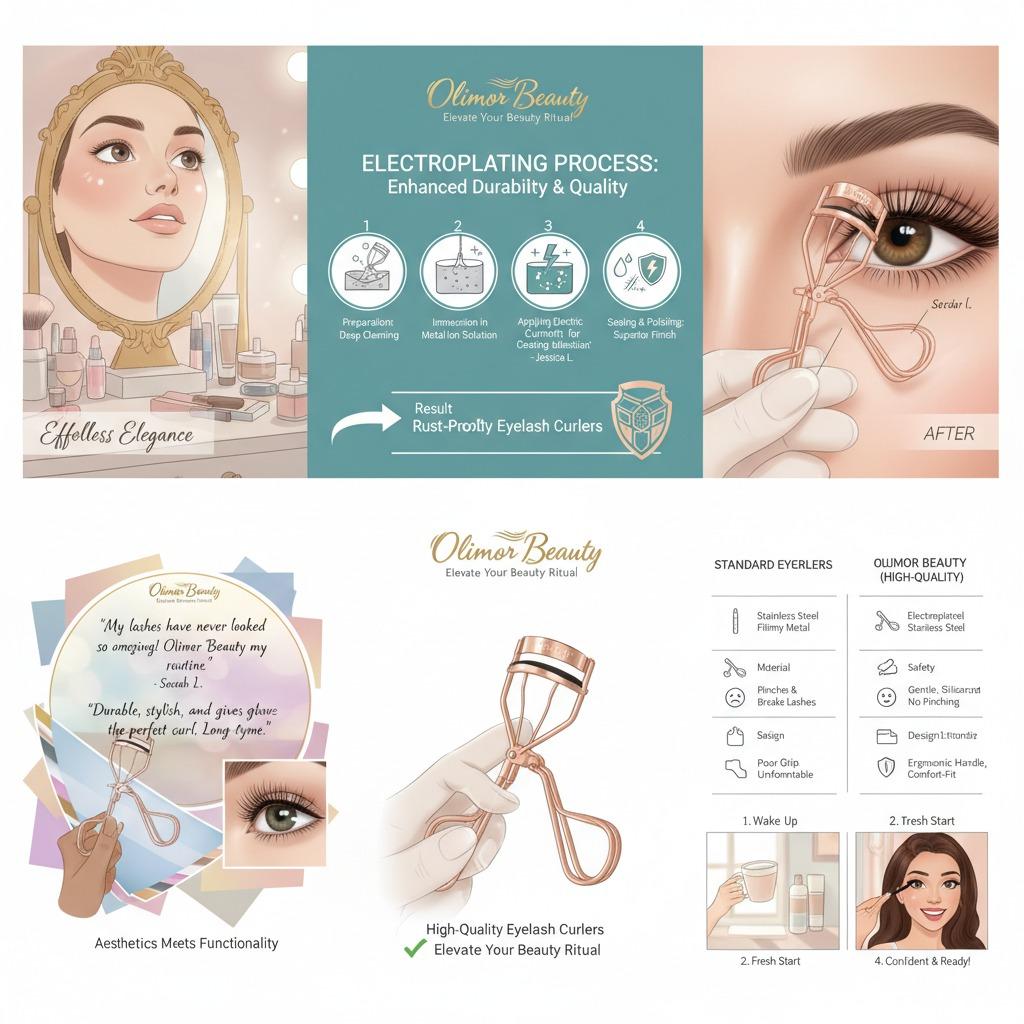
Electroplating is an important feature for many eyelash curlers because it affects both appearance and surface protection. Product information for Olimor Beauty eyelash curlers notes electroplating with examples such as nickel or gold. The finish can support a polished silver-tone, gold-tone or other decorative look when included in a specific production plan. It can also help improve surface resistance during normal handling.
For buyers, electroplating should be evaluated with practical inspection. The color should be consistent across visible surfaces. The finish should look smooth, not cloudy or patchy. Edges should not show exposed base metal. The hinge area should not have heavy buildup that interferes with movement. Areas close to the lash line must feel smooth because the tool is used near a sensitive part of the face.
Plating choice can also affect commercial positioning. A classic polished finish may suit everyday retail assortments. A warmer decorative finish may support a gift set, promotional beauty kit or private-label line with coordinated packaging. Buyers should confirm which finishes are available for the project, how color matching will be approved, and what finish standard will be used for production comparison. Avoid relying only on product photos; physical samples are more useful for judging color, touch and hinge feel.
Fit, Comfort and Lash Performance
The best eyelash curler for one customer group may not be the best for another. Eye shapes vary, and the frame curve should suit the intended users. A flatter curve may not reach corner lashes well for some users, while a deeper curve may feel harder to position for others. B2B buyers should define the target market before selecting a model: everyday consumer retail, professional makeup use, travel kits, entry-level accessories or premium beauty sets.
The pad is central to comfort. It should sit securely in the lower channel and should not slide during repeated pressing. The pad should cushion the lash rather than cutting a sharp bend into it. If the pad is too hard, users may see a crease. If it is too soft or loose, the curl may be weak or uneven. Buyers should also confirm whether replacement pads are included or can be arranged as part of the packaging plan, because pads naturally wear through use.
Useful performance checks include closing the curler on a thin paper strip to observe whether pressure appears even from side to side, testing repeated open-close cycles by hand to feel stability, and checking whether the pad remains seated after several presses. These are simple receiving or sample-room checks, not laboratory claims, but they help identify obvious alignment or assembly problems before a larger order is placed.
Comparison: Low-Grade vs. Better-Quality Eyelash Curlers
Many eyelash curlers look similar online. A structured comparison helps buyers avoid choosing only by surface shine or low unit cost. The table below summarizes practical differences that matter in sourcing and retail performance.
| Evaluation Point | Lower-Grade Risk | Better-Quality Indicator | Buyer Action |
|---|---|---|---|
| Frame material and shape | Frame flexes, deforms or feels unstable during use. | Stainless steel construction feels stable and holds alignment. | Check rigidity and close the curler slowly to confirm even contact. |
| Electroplating | Patchy color, exposed edges, rough surface or inconsistent gloss. | Smooth finish with consistent tone across visible and curved areas. | Inspect under normal light and compare multiple samples side by side. |
| Hinge movement | Loose, scratchy or uneven opening and closing. | Stable hinge feel with controlled movement. | Open and close repeatedly during sample review. |
| Pad fit | Pad shifts, flattens quickly or creates a sharp lash crease. | Pad sits securely and supports cushioned pressure. | Check pad seating and ask about replacement pad options. |
| User comfort | Finger loops feel rough or awkward; frame may pinch. | Smooth edges and comfortable pressure control. | Test handling with different users where possible. |
| Retail readiness | Tool arrives scratched or visually inconsistent. | Packaging protects the finish and supports the sales channel. | Review packaging structure and transport protection before order approval. |
Cost Factors Buyers Should Understand
Cost is important, but eyelash curler pricing is shaped by several variables. Buyers should compare total value rather than the lowest quoted figure. Material choice, forming precision, electroplating finish, pad quality, packaging, decoration and order requirements can all affect final cost.
A stainless steel curler with a consistent electroplated finish may require more controlled production than a basic tool with minimal finishing. Decorative colors or special finishes may involve additional approval steps. Custom packaging, branded inserts, replacement pads or coordinated sets can also influence cost. Buyers should ask suppliers to separate the main cost drivers so they can decide which features are essential and which are optional for the intended sales channel.
For retail assortments, packaging can be a meaningful part of value. A curler with a clean finish can still disappoint if it arrives scratched or if the packaging does not match the brand position. For promotional projects, the priority may be a balanced combination of appearance, practical function and reliable delivery planning. For professional tool lines, hinge feel, frame alignment and pad comfort may matter more than decorative presentation.
Supplier Evaluation and Quality Control Questions
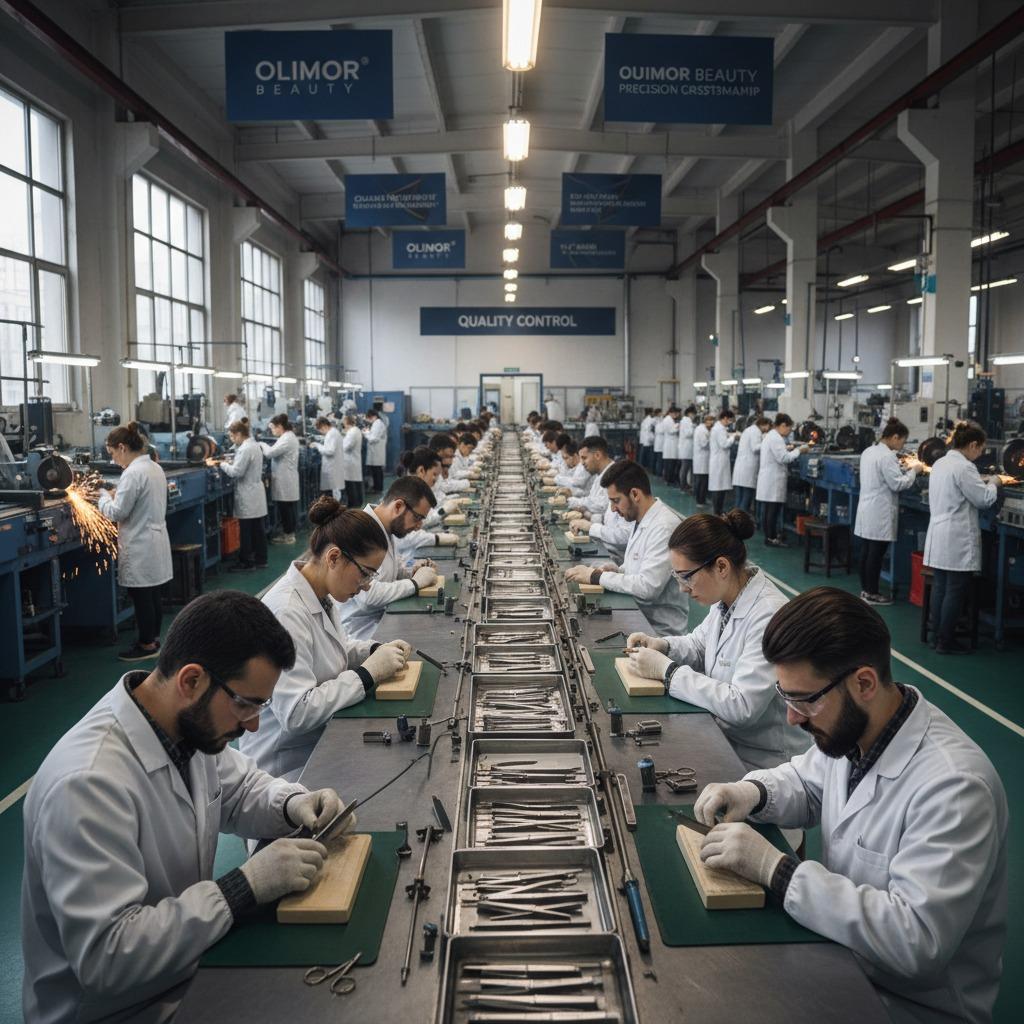
A reliable eyelash curler supplier should be able to discuss materials, surface finish, sample approval, packaging and inspection points clearly. Buyers do not need vague promises; they need practical answers that connect to the product and the order.
Ask how stainless steel construction is confirmed for the selected model, what electroplating options are available, how finish samples are approved, and what visual defects are considered unacceptable. Discuss how frame alignment is checked, how pads are fitted, and how products are protected before shipment. If private-label packaging is required, confirm artwork review, sample approval and carton protection procedures.
For markets with chemical or consumer product requirements, buyers should verify applicable regulations and obtain current supplier documents. Depending on destination and product configuration, references such as EU REACH requirements for certain substances or guidance from the U.S. Consumer Product Safety Commission may be relevant. Requirements can change, and applicability depends on market, materials and intended use, so buyers should verify current versions and request project-specific documentation rather than assuming coverage.
Checklist for Sample Review Before Placing an Order
Use this checklist when reviewing eyelash curler samples, comparing suppliers or preparing internal approval notes.
- Material feel: Confirm the frame feels stable and does not flex easily during normal hand pressure.
- Frame alignment: Close the curler slowly and check even contact between the upper bar and lower pad.
- Surface finish: Look for smooth electroplating, consistent color, clean edges and no visible roughness.
- Hinge action: Open and close the tool repeatedly to check for wobble, grinding or stiffness.
- Pad fit: Make sure the pad sits securely in the channel and does not shift during pressing.
- User comfort: Test finger loops, handle feel and pressure control with practical use in mind.
- Packaging protection: Review how the curler is held in place to reduce scratching or deformation.
- Customization approval: Confirm how color, logo, packaging or set combinations will be sampled and approved.
- Documentation: Request relevant product, material or compliance documents for your market when applicable.
- Batch consistency: Compare more than one sample if possible, especially for finish color and hinge feel.
Customization and Assortment Planning
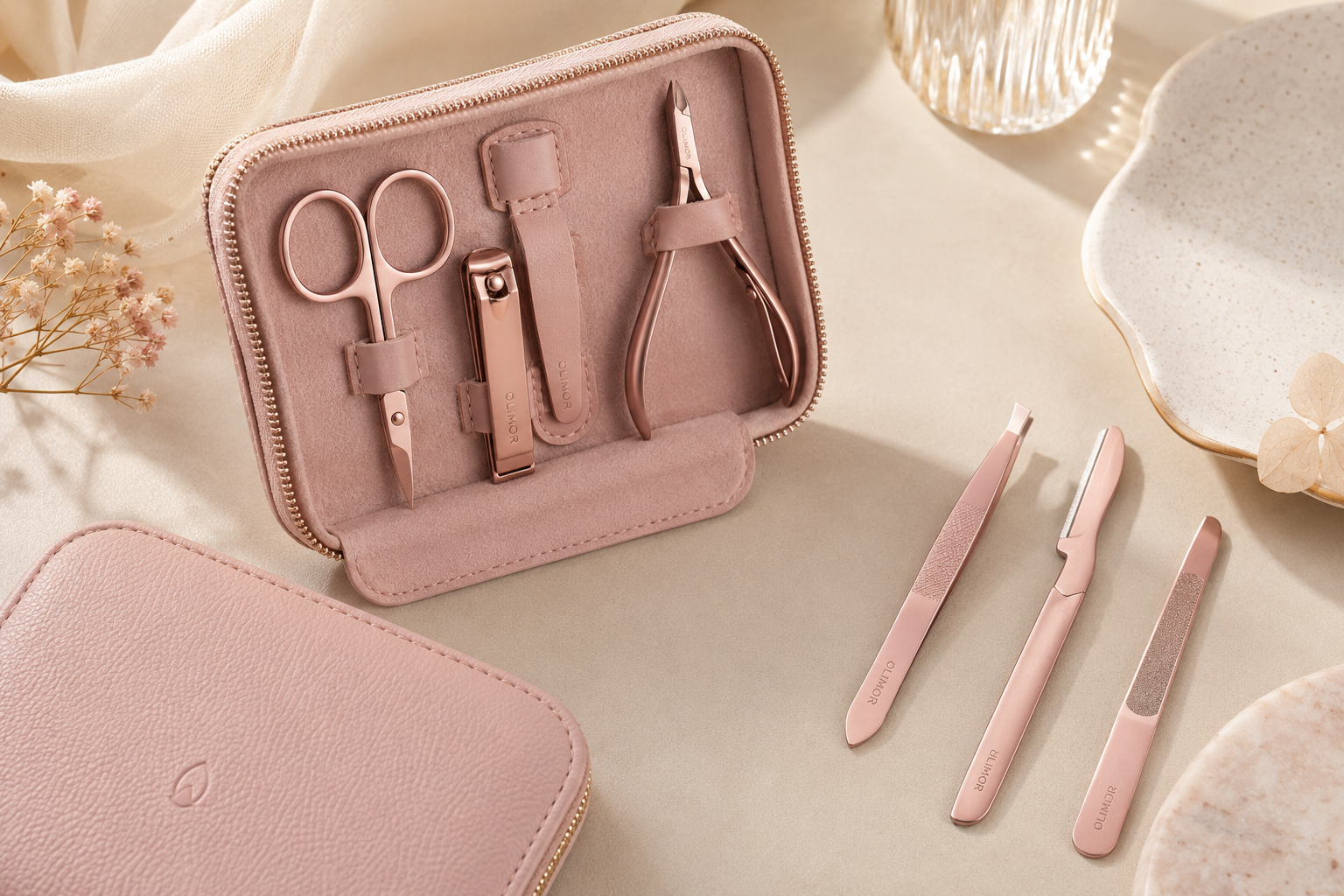
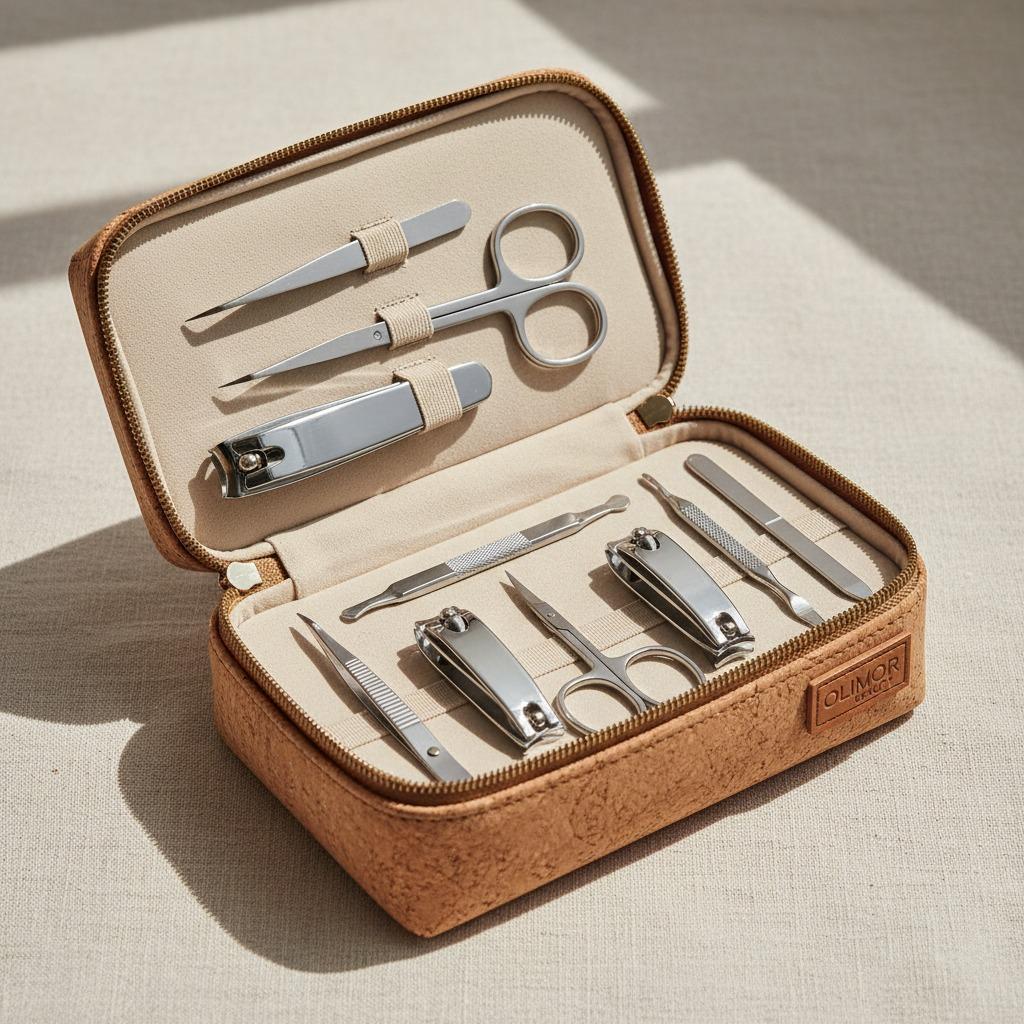
Eyelash curlers are often purchased as standalone retail tools, but they can also support broader beauty assortments. A curler may be paired with tweezers, brow tools, cosmetic scissors, manicure tools or travel beauty accessories. Buyers can review related ranges through Olimor Beauty product collections when planning a coordinated line.
Customization should be planned around the selling channel. For a retail beauty wall, packaging visibility and color consistency may be important. For an e-commerce product, clear product images, care instructions and replacement pad information can reduce after-sales questions. For private-label projects, the key points are finish selection, logo or packaging direction, sample approval and quality inspection criteria.
Buyers should avoid over-customizing before confirming the basic tool performance. The correct order of evaluation is: first test frame alignment, pad comfort and hinge feel; then approve finish and packaging; then finalize branding details. This process helps prevent a visually attractive product from failing in practical use.
Care and Maintenance Guidance for End Users
Care instructions are useful for customer satisfaction and should be considered part of the product presentation. Users should remove mascara, eyeliner or skincare residue from the pad and frame after use. A soft dry or slightly damp cloth is usually suitable for routine cleaning, followed by dry storage. The tool should not be left wet, and it should be protected from heavy pressure inside a crowded makeup bag if the finish appearance matters.
Users should replace the pad when it becomes cracked, flattened, sticky, loose or visibly worn. A worn pad can reduce curl quality and may create sharper pressure on lashes. The frame should not be forced open beyond its intended range, and the curler should not be used if it becomes damaged or misaligned. Including simple care guidance on packaging or product pages can reduce misuse and improve the perceived value of the tool.
When to Choose Olimor Beauty for Eyelash Curler Projects
Olimor Beauty eyelash curlers are relevant for buyers who need stainless steel construction, electroplating options and practical beauty tool sourcing support. The best fit depends on the project: everyday retail accessories, beauty gift sets, professional tool selections or private-label programs. A clear brief should include target customer, finish preference, packaging direction, sample needs, inspection concerns and destination market.
If you are comparing eyelash curlers for a new range, start by reviewing available tool options and defining the performance details that matter most to your customer. For project discussion, sample questions or customization planning, send an eyelash curler inquiry or contact Olimor Beauty with your intended use, packaging needs and quality review points.
FAQ for B2B Eyelash Curler Buyers
Can I request samples before confirming an eyelash curler order?
Sample review is recommended for checking frame alignment, electroplating appearance, hinge feel, pad fit and packaging direction. Buyers should confirm sample availability and any project-specific requirements directly with Olimor Beauty.
Is there a fixed MOQ for eyelash curlers?
MOQ can depend on the selected model, finish, customization and packaging plan. Buyers should discuss the intended order details before assuming a quantity requirement.
Can the finish, logo or packaging be customized?
Customization may be possible depending on the product plan, including finish direction, branding and packaging. Physical or pre-production samples should be approved before bulk production when appearance or branding is important.
How should quality be checked before shipment?
Practical checks should include material appearance, plating consistency, edge smoothness, hinge movement, frame alignment, pad seating and packaging protection. Buyers should agree on inspection criteria with the supplier before production.
What affects lead time for eyelash curler projects?
Lead time may be influenced by sample approval, finish selection, packaging design, customization and order volume. Confirm the current schedule with the supplier for each project rather than relying on a general estimate.