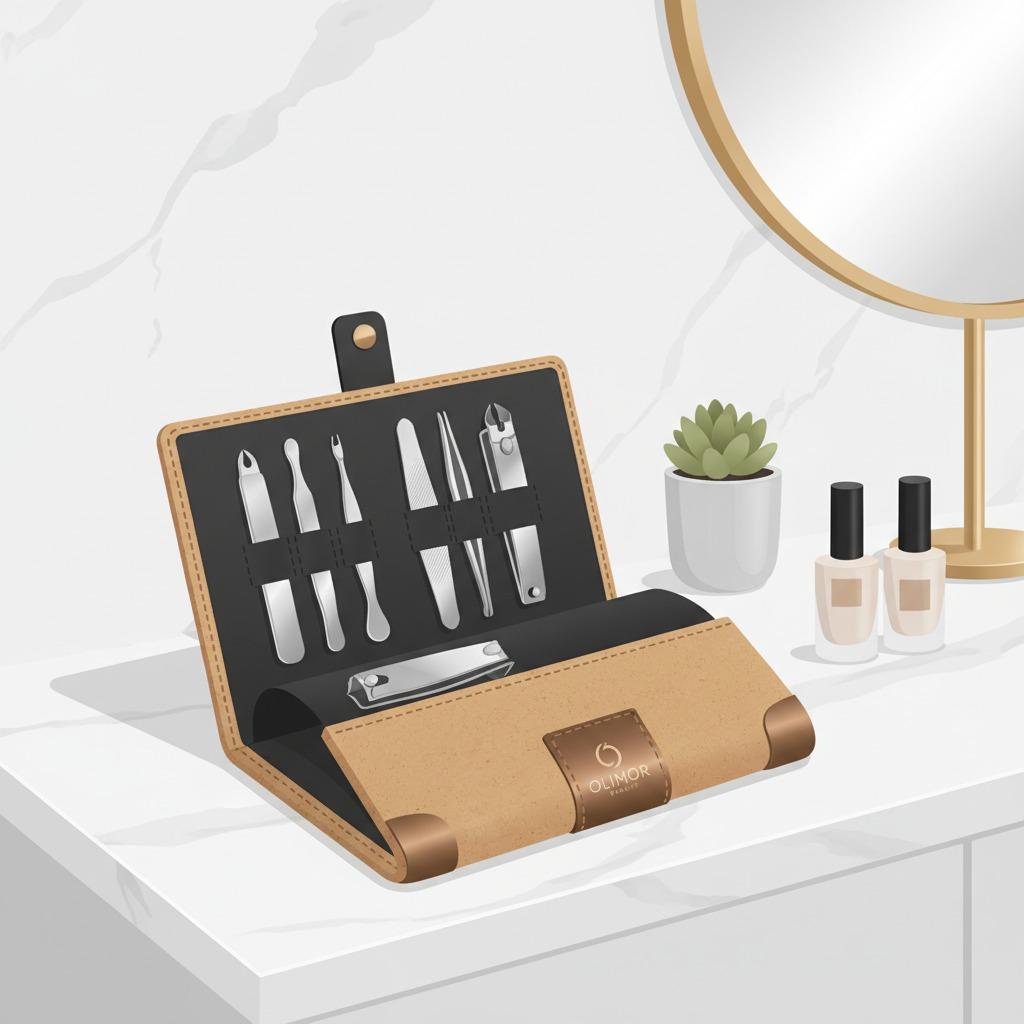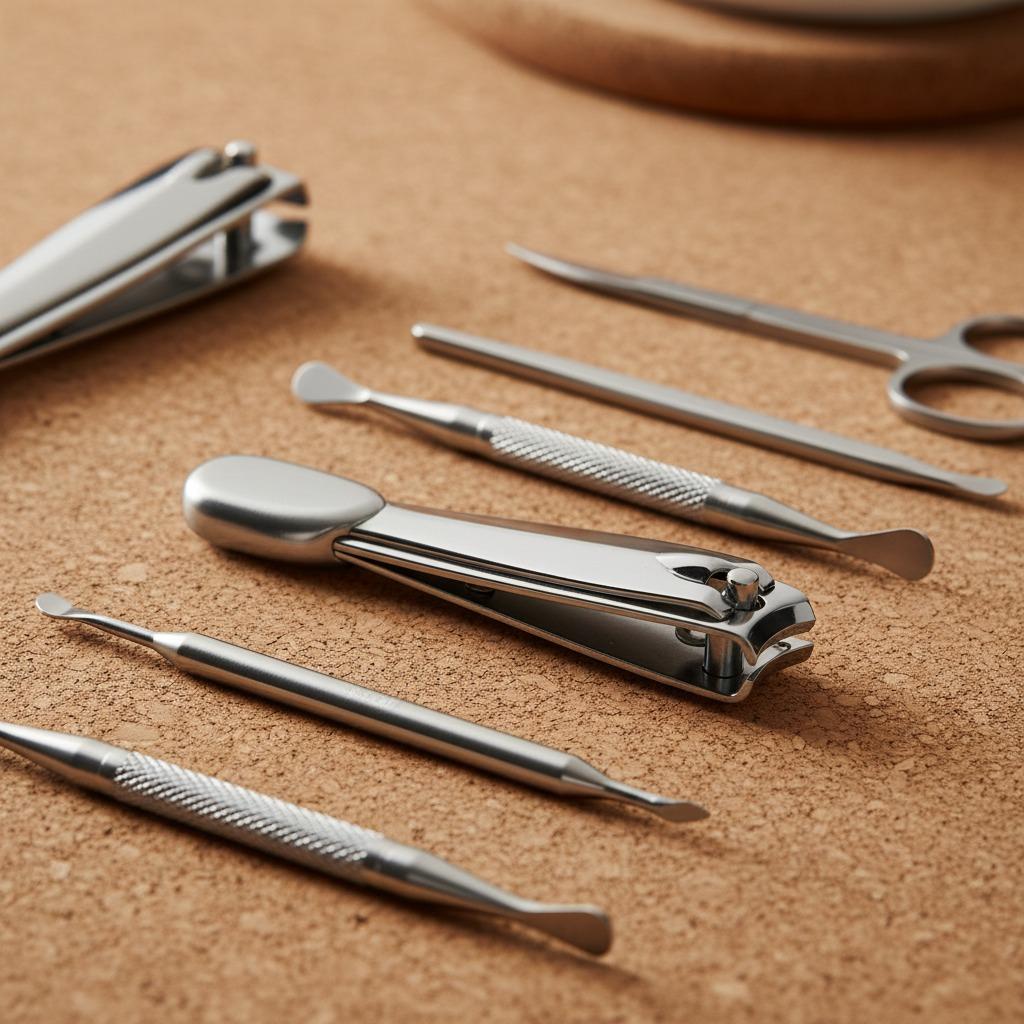











A nail clipper looks simple, but buyers know that small differences in blade alignment, spring force, handle shape and finishing can decide whether a tool feels precise or frustrating. For retailers, salon suppliers, grooming kit brands and beauty distributors, choosing the right nail clipper factory is less about finding a basic metal tool and more about securing consistent performance across every shipment.
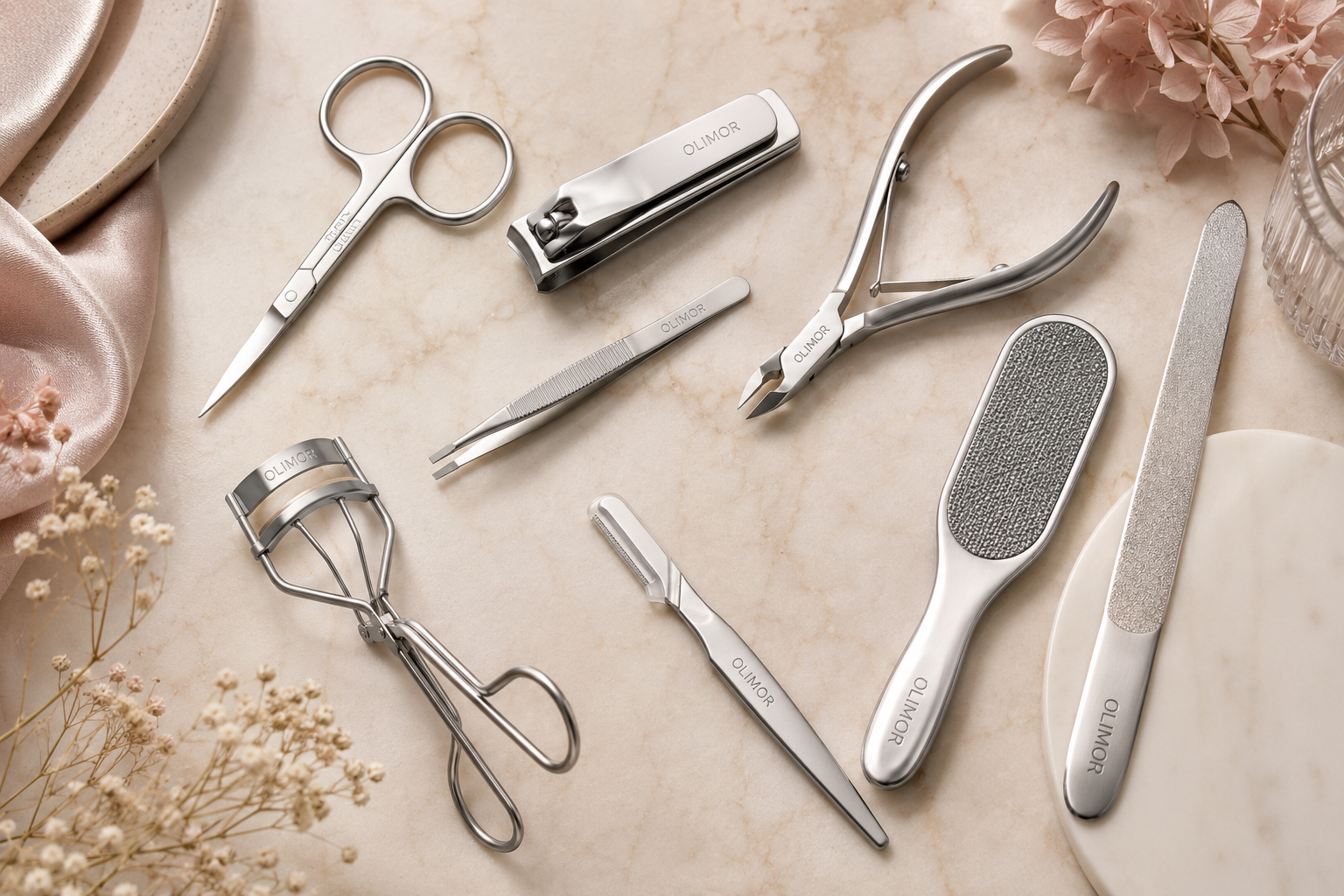
Olimor Beauty focuses on beauty tools for practical daily grooming needs, including nail clippers for home, salon and retail use. If you are comparing suppliers, the most useful approach is to examine how the clipper is built, how it feels in the hand, and how the factory controls repeatability. You can explore related beauty tool products or review broader product collections when planning a coordinated beauty tool range.
What Makes a Nail Clipper Factory Worth Evaluating?
A reliable nail clipper factory should be judged by more than appearance. A polished surface can look attractive in product photos, but the user experience depends on mechanical details. The cutting edges need to meet evenly. The lever should transfer pressure smoothly. The body should resist twisting during use. The rivet or pivot area should feel stable rather than loose or rough.
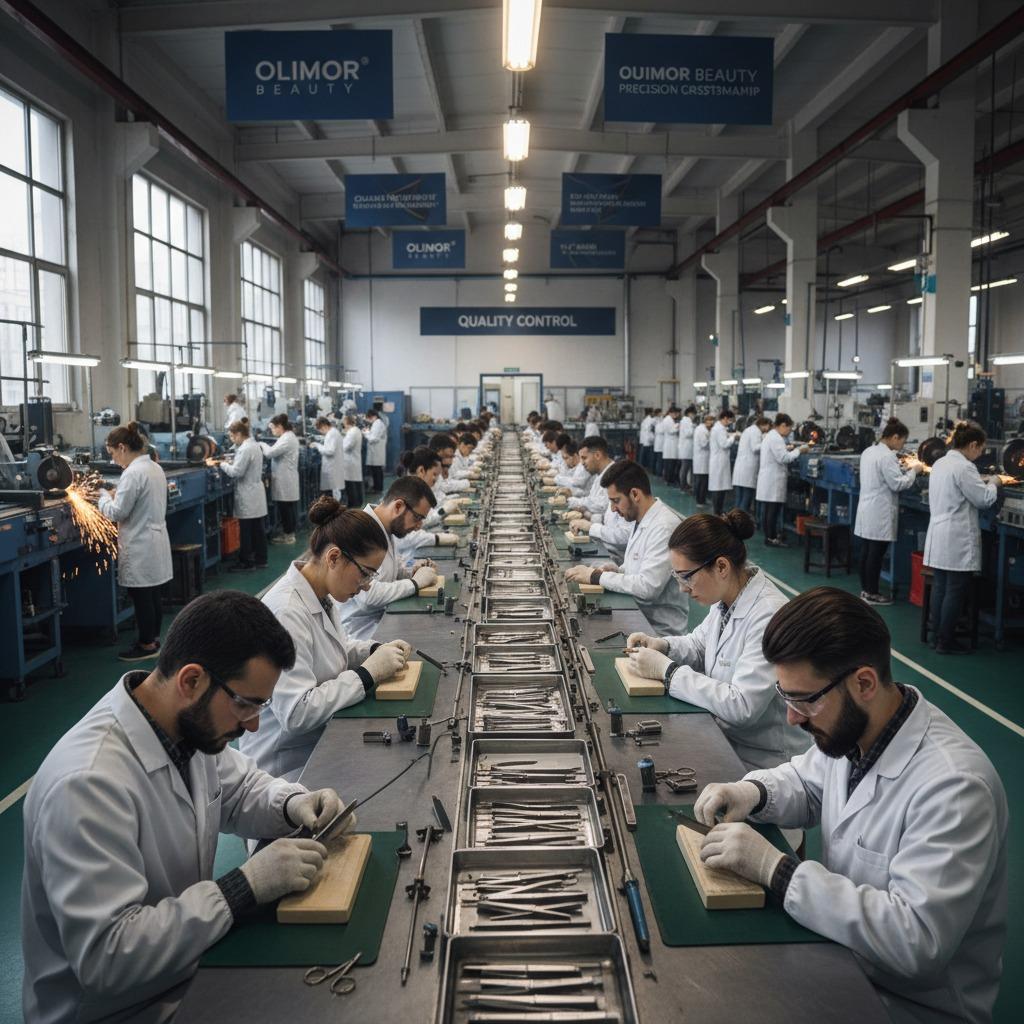
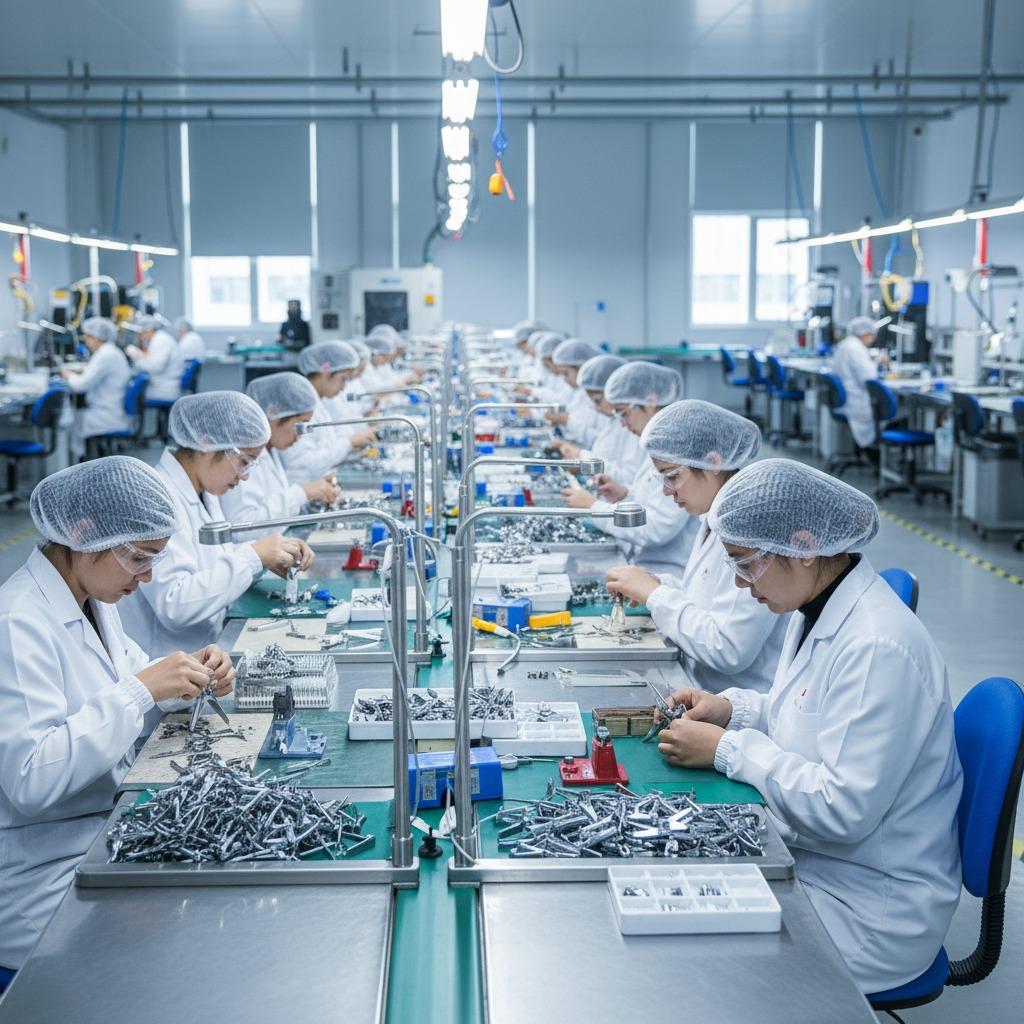
For sourcing teams, the most important question is whether the factory can repeat the same quality from one batch to the next. A sample may cut well, but production consistency is what protects your brand reputation. During evaluation, compare several pieces rather than one ideal sample. Check whether each clipper closes cleanly, whether the nail catcher or file component, if present, is fitted neatly, and whether the surface finish is smooth enough for daily handling.
Olimor Beauty’s nail clipper factory positioning is built around precision engineering and user-focused design. For buyers, that means the purchasing discussion should cover not only price and packaging, but also blade sharpness, ergonomic grip, durability expectations and inspection standards.
Nail Clipper Comparison: Standard vs Heavy-Duty Designs
A useful nail clipper comparison starts with the intended user. Not every customer needs the same cutting force. Some buyers need compact clippers for travel kits, some need everyday fingernail clippers for retail shelves, and others need heavy-duty nail clippers for thicker nails. Choosing the wrong style can lead to poor reviews even when the clipper is well made.
| Clipper type | Best use case | Key buying checks |
|---|---|---|
| Standard nail clippers | Everyday fingernail trimming, personal care kits, general retail | Comfortable lever pressure, clean blade alignment, smooth edges, compact handling |
| Heavy-duty nail clippers | Thicker nails, customers who prefer stronger cutting force, salon or grooming use | Reinforced construction, stable pivot, wider opening, secure grip, controlled cutting action |
| Compact or travel clippers | Travel sets, promotional kits, handbag or toiletry bag use | Small size without rough edges, safe closure, lightweight feel, packaging compatibility |
Standard nail clippers should feel easy to control and should not require excessive pressure. Their value comes from balance: sharp enough for clean trimming, compact enough for daily use, and comfortable enough for a wide range of users. Heavy-duty nail clippers, by contrast, are judged by strength and stability. The original product positioning highlights reinforced stainless steel construction for heavy-duty options, which is relevant when users need stronger cutting support without an unstable feel.
When building a product line, many buyers choose both standard and heavy-duty versions. This allows you to serve different grooming needs without forcing one tool to do everything. It also helps retailers organize the category clearly: everyday nail care, tougher nail trimming, and travel or kit use.
Blade Alignment, Sharpness and Cutting Feel
The cutting edge is the heart of a nail clipper. A clipper that crushes, bends or tears the nail will quickly disappoint customers. During supplier evaluation, test the blade alignment visually and by use. The two cutting edges should meet evenly across the arc. There should not be a visible gap at one side, and the lever should not wobble so much that pressure is lost before the cut.
Sharpness also needs context. A clipper can feel sharp at first but become unreliable if the edge is poorly formed or if the body lacks stability. Ask for clear information about the factory’s inspection steps for cutting performance, appearance and assembly. You do not need exaggerated claims; you need a process that makes sense and can be repeated.
- Check whether the blades close evenly from left to right.
- Press the lever slowly to feel for grinding, looseness or uneven resistance.
- Inspect the cutting edge for burrs, chips or inconsistent finishing.
- Compare multiple samples from the same batch, not just one piece.
- Consider the target nail type: fingernails, thicker nails or mixed household use.
For retail buyers, these checks help reduce returns and negative reviews. For salons and professional grooming suppliers, they help ensure the tool performs predictably during repeated use.
Ergonomics, Grip and User Safety
Ergonomics matters because nail clipping requires control. A slippery or awkward clipper can cause uneven cuts, especially for users trimming with their non-dominant hand. The lever should be easy to press without feeling flimsy. The clipper body should fit securely between the fingers. Edges and corners should be finished so the tool feels safe when held, stored or packed into a grooming kit.
For heavy-duty nail clippers, grip and leverage become even more important. Strong cutting force should not mean uncomfortable pressure. A well-designed tool allows the user to apply force gradually and predictably. For standard nail clippers, a natural hand position and moderate pressure are usually more important than maximum strength.
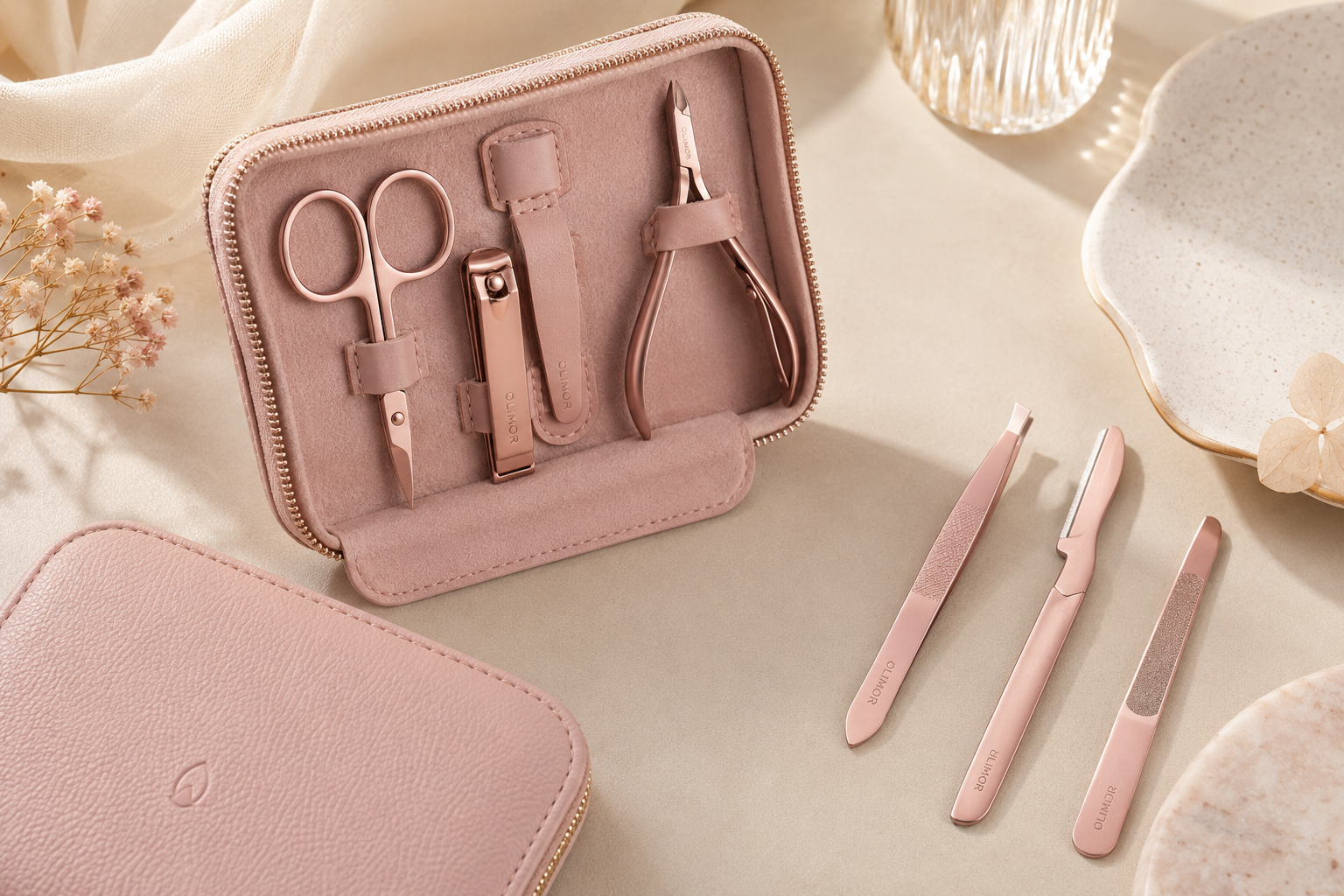
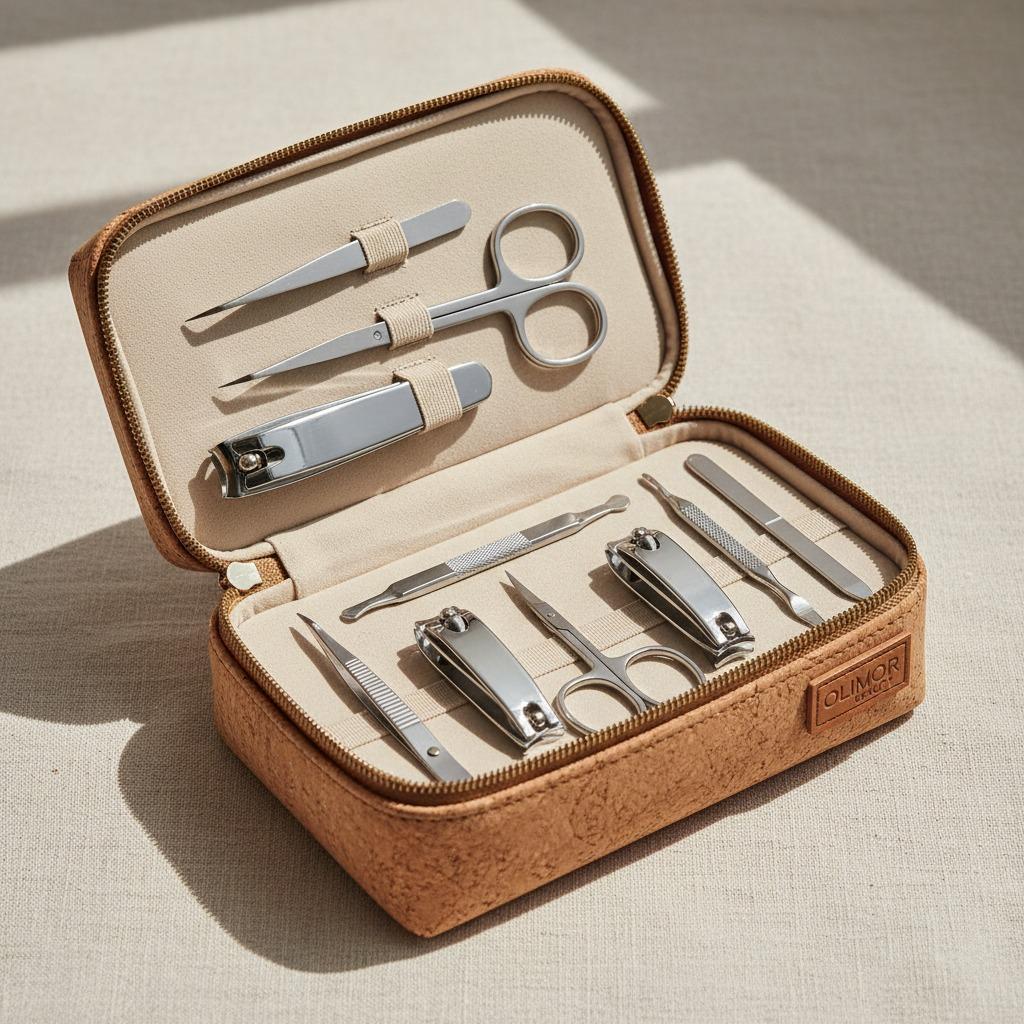
Packaging teams should also consider how the clipper will be displayed and stored. If a clipper includes a built-in file or movable component, check that it does not catch on packaging or feel loose. If the product is sold in sets, confirm that the clipper size and finish match the rest of the range. Coordinated sourcing across manicure and grooming items can be discussed through contact Olimor when you are planning a full assortment.
Factory Quality Control Questions for Buyers
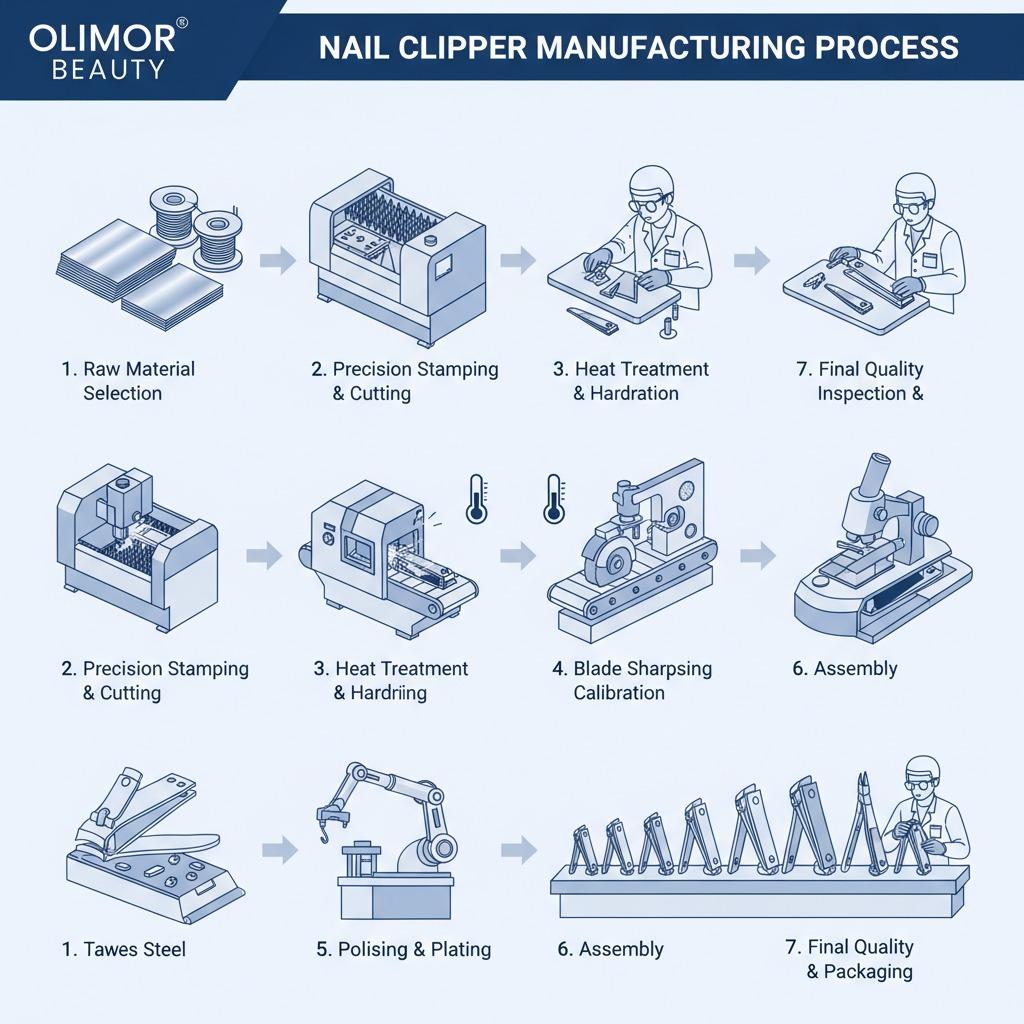
Good sourcing decisions come from asking practical questions. Instead of relying only on broad promises, build a checklist that covers material, forming, sharpening, assembly, finishing, packaging and shipment inspection. The goal is not to complicate the purchase; it is to prevent avoidable problems before production begins.
- Define the user group. Decide whether the clipper is for everyday home care, salon use, travel kits or thicker nail trimming.
- Confirm the construction direction. Compare standard and heavy-duty options based on size, leverage, opening width and grip comfort.
- Review sample consistency. Test several pieces for blade alignment, lever pressure, surface finish and stability.
- Check finishing details. Look for rough edges, uneven polishing, loose parts or marks that could affect shelf appeal.
- Plan packaging early. Confirm how the clipper will be protected, displayed and combined with other beauty tools.
- Set inspection expectations. Agree on appearance and function checks before bulk production and shipment.
If you have a target market, packaging concept or product range in mind, you can send an inquiry with the intended use, quantity planning and any customization direction. Clear information helps match the clipper type to the end customer more accurately.
Maintenance and Merchandising Tips for Nail Clippers
Retail success does not end at factory selection. Buyers can improve customer satisfaction by explaining basic care and positioning the product correctly. Nail clippers should be kept dry after use, wiped clean, and stored where the cutting edge is protected. Customers should avoid using a fingernail clipper on materials other than nails, because misuse can damage the cutting edge.
For merchandising, avoid treating all clippers as identical. A standard nail clipper can be positioned as a daily grooming essential for personal care kits or bathroom storage. A heavy-duty nail clipper can be presented for users who want stronger trimming support. Travel-size clippers are easier to pair with compact grooming sets or toiletry accessories. This clearer segmentation helps customers choose the right tool and reduces disappointment caused by mismatched expectations.
When comparing nail clipper factory options, look for a supplier that understands both manufacturing details and the way the product will be used after purchase. Olimor Beauty’s focus on precision, durability and ergonomic design makes nail clippers a practical category for buyers building dependable beauty tool assortments. The best choice is the one that aligns construction, comfort, quality control and end-user needs in a repeatable way.