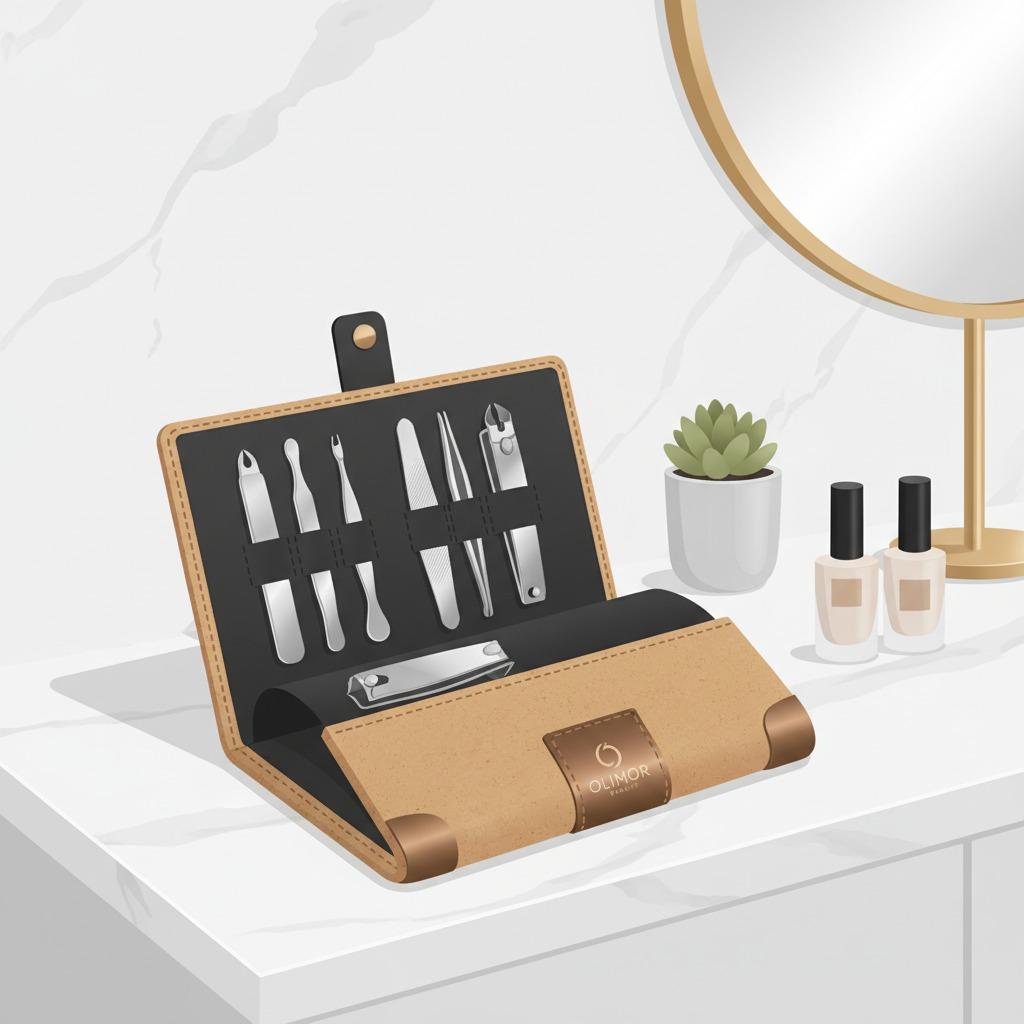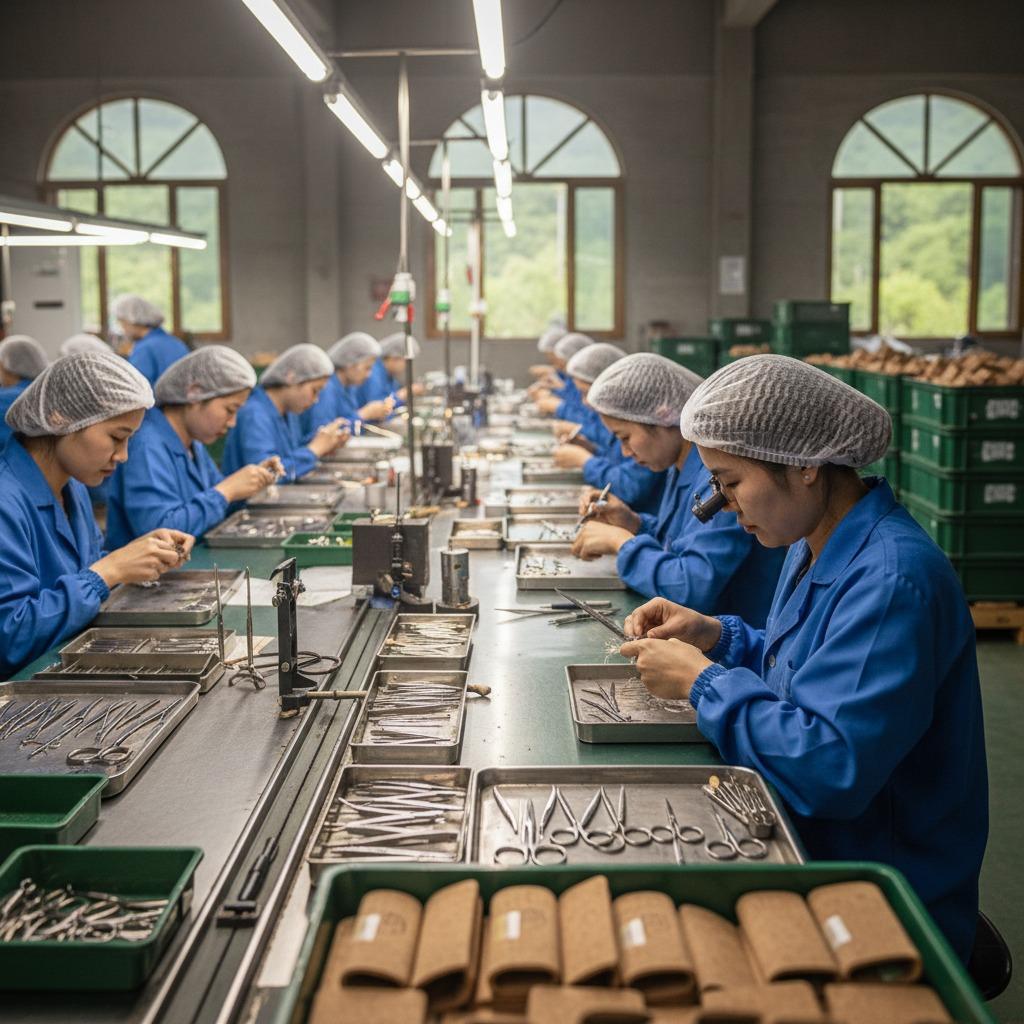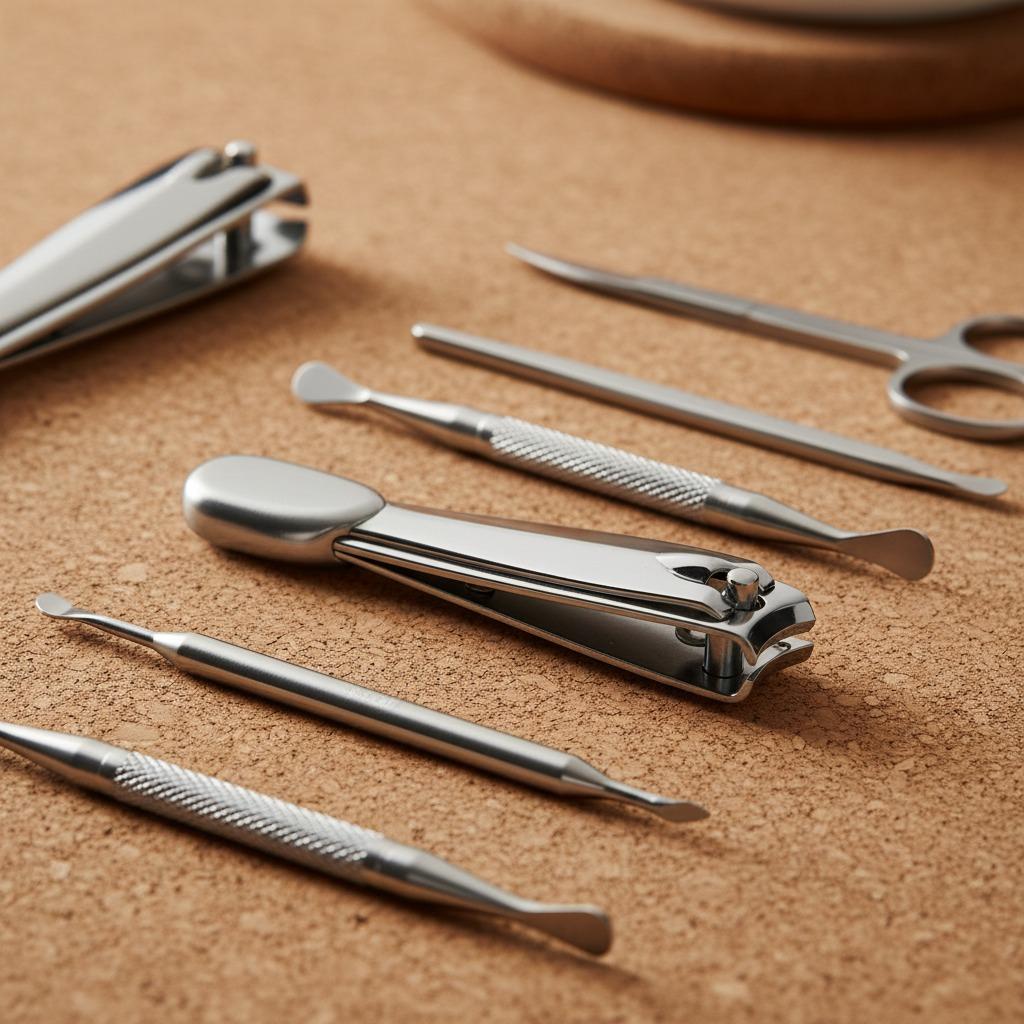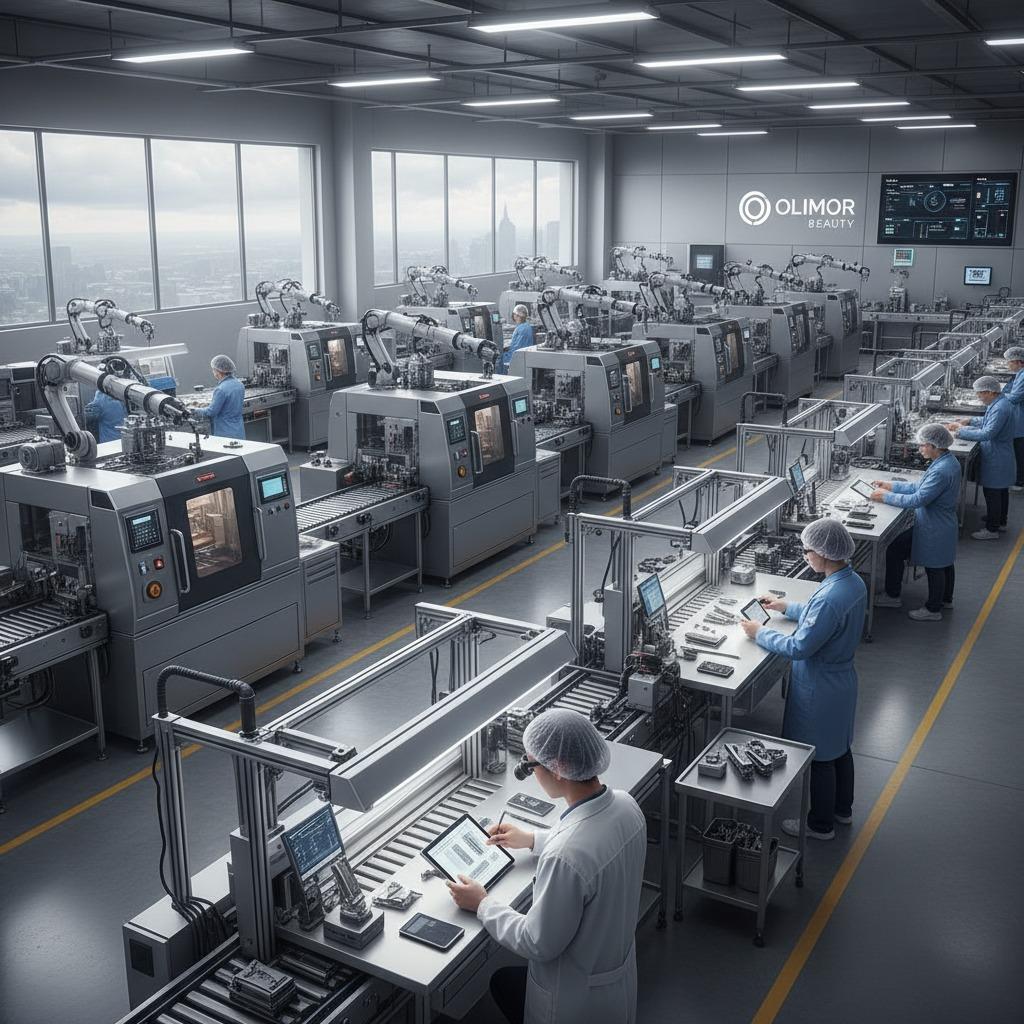
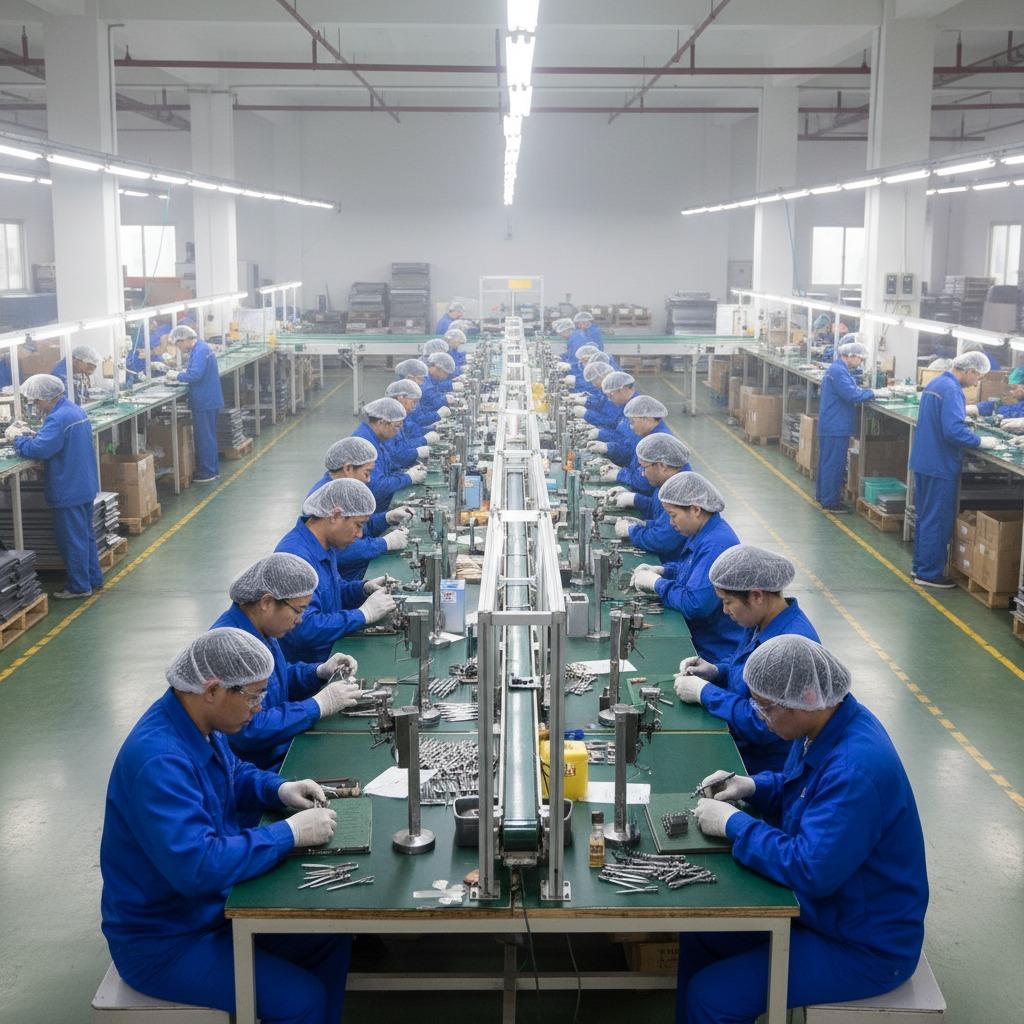
For a nail clipper, quality is not judged only by appearance. A buyer, distributor, salon operator, or private label brand needs a tool that cuts cleanly, feels stable in the hand, resists premature wear, and arrives without damage. Defect mitigation in factories is the practical system that helps make those outcomes repeatable.
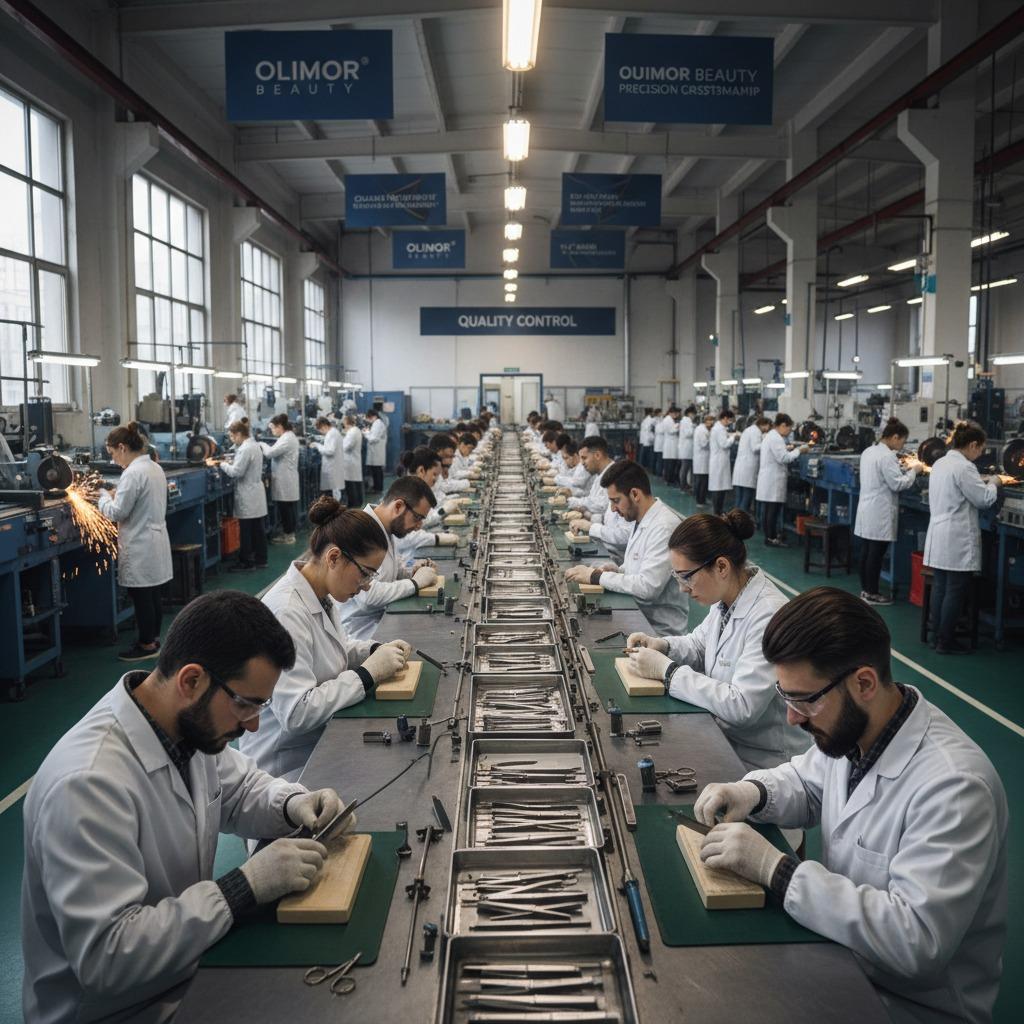
At Olimor Beauty, nail clipper production is approached as a controlled manufacturing process rather than a simple metal accessory order. The goal is to reduce preventable issues at each stage: material selection, forming, sharpening, plating or surface finishing when applicable, assembly, functional testing, and final packaging. This article explains what defect mitigation means for nail clippers and how buyers can evaluate production quality with more confidence.
Why Nail Clippers Require Process-Level Defect Control
Nail clippers look compact, but they combine several functions in a small structure. The cutting jaws must meet evenly. The lever must transfer force smoothly. The pin or rivet area must hold the assembly together without looseness. The surface must be comfortable to touch and free from burrs. If one part is slightly off, the finished tool may feel rough, cut unevenly, or fail sooner than expected.
Common nail clipper defects are usually linked to one of four areas: metal quality, cutting edge formation, component alignment, or handling during packing and shipping. A factory that waits until final inspection to find problems may discover defects too late, after time and materials have already been consumed. A better method is to identify possible failure points before they become batch-wide issues.
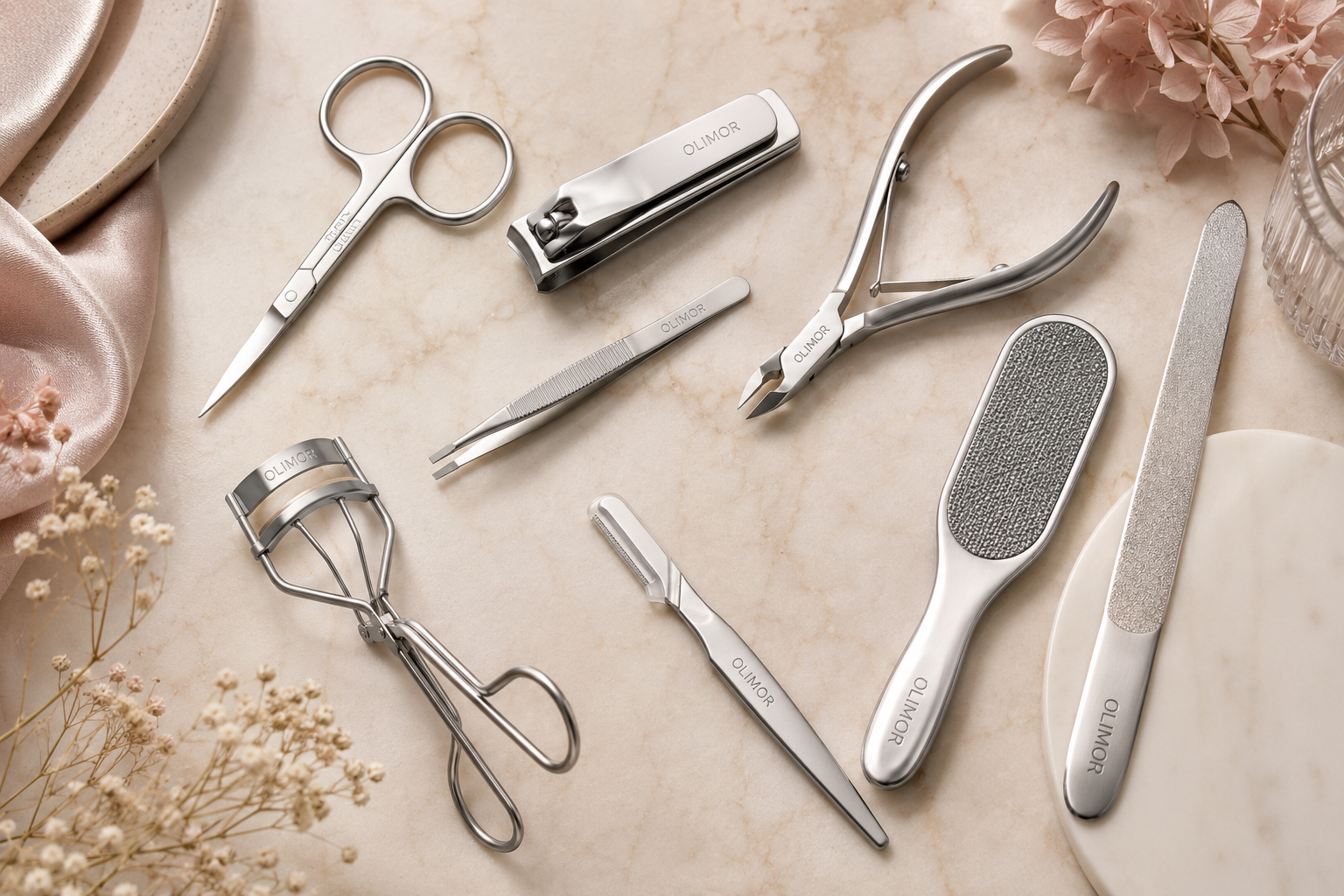
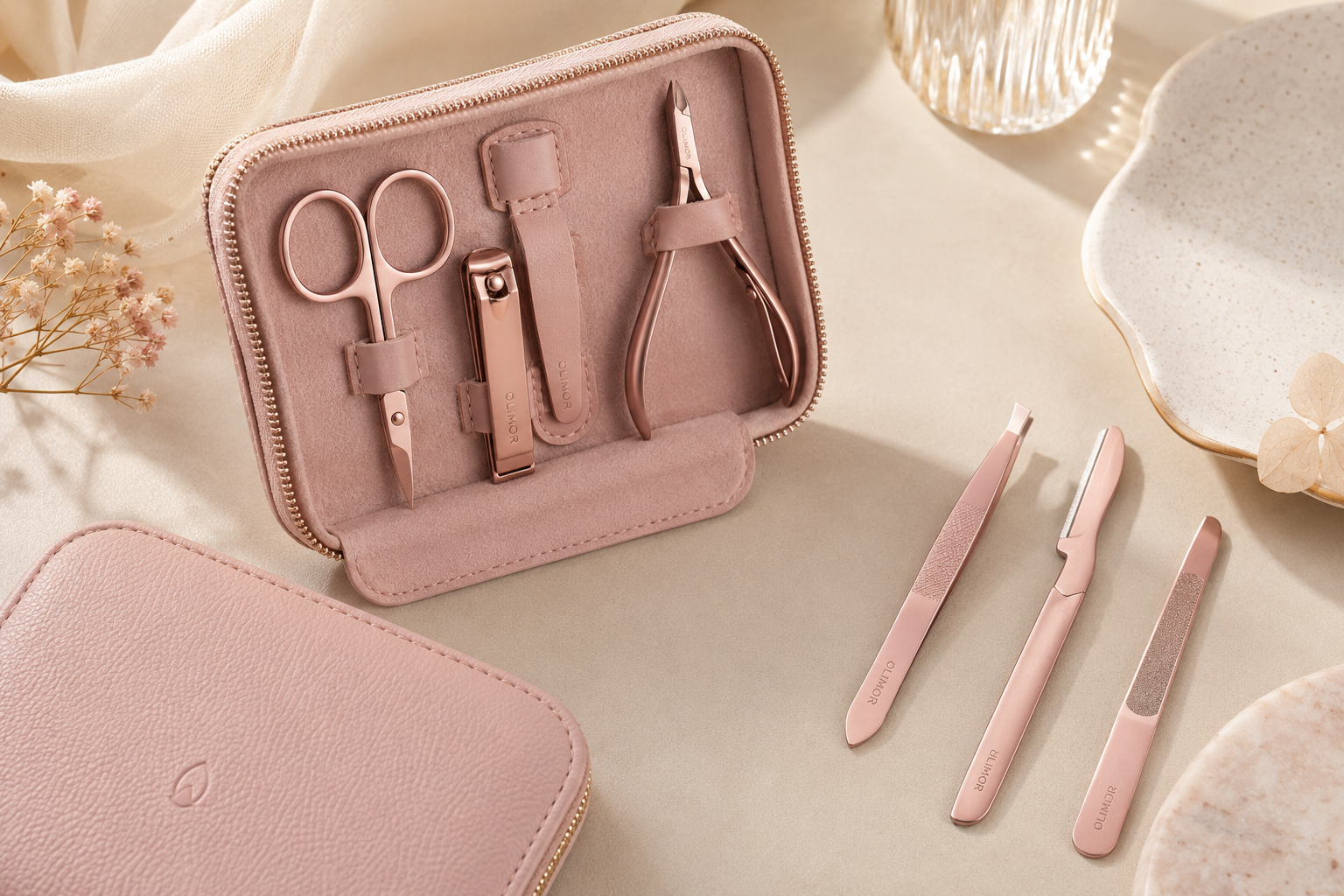
This is especially important for buyers sourcing nail clippers for retail assortments, travel kits, manicure sets, promotional programs, or salon supply channels. The tool may be small, but customer complaints are immediate when it pinches, tears nails, rusts too quickly, or arrives scratched. For related categories and sourcing ideas, buyers can explore Olimor beauty tool products and compare options across product collections.
Key Defects Buyers Should Watch For
A useful defect mitigation plan starts with knowing what to look for. Nail clipper quality cannot be assessed by shine alone. The following issues are among the most important to control during production and pre-shipment review:
- Uneven cutting edges: If the upper and lower jaws do not meet properly, the clipper may leave jagged nail edges or require repeated pressure.
- Dull or over-sharpened edges: A dull edge crushes or bends the nail. An overly aggressive edge may feel unsafe or chip more easily.
- Jaw misalignment: Side-to-side offset can occur during forming, assembly, or rivet setting, reducing cutting performance.
- Loose lever action: A weak or unstable lever affects user confidence and may signal inconsistent assembly.
- Burrs and sharp corners: Rough unfinished metal can scratch fingers, damage packaging, or create an unpleasant handling experience.
- Surface marks or stains: Scratches, discoloration, and residue can harm retail presentation, even when the tool still functions.
- Poor packaging protection: Clippers can rub against each other or against inserts during transit, creating avoidable cosmetic defects.
Some defects are functional, while others are cosmetic. Both matter, but they should not be treated the same way. A minor surface mark on a non-contact area may be a different concern from a jaw alignment issue that affects cutting. Clear defect classification helps buyers and factories make fair, consistent decisions.
Material and Edge Control: The Foundation of Performance
The original manufacturing discussion highlights stainless steel as an important material choice for nail clippers. Stainless steel is widely used in grooming tools because it can offer useful resistance to everyday moisture exposure and can be formed into a durable cutting structure. However, the material label alone does not guarantee a good clipper. Production control still determines whether the final tool performs well.
For buyers, material control should include confirmation that the selected metal is appropriate for the intended market, price position, and product life expectation. The factory should also manage incoming material consistency, because variations can influence forming, sharpening, surface finish, and long-term usability.
Cutting edge quality deserves special attention. A nail clipper should produce a clean cut with reasonable hand pressure. During production, edge shaping and finishing should be checked at intervals rather than only after the batch is complete. Practical review points include whether the jaws close evenly, whether the cutting line is continuous, and whether the clipper cuts test material smoothly without catching.
Assembly Checks That Prevent Functional Failures
Assembly is where many nail clipper defects become visible. Even if the stamped or formed components are acceptable, poor assembly can cause looseness, stiffness, misalignment, or inconsistent cutting pressure. Defect mitigation at this stage should focus on repeatable fit and movement.
A nail clipper’s lever must lift, rotate, and press down smoothly. If the lever is too tight, the user may struggle to operate it. If it is too loose, the clipper may feel cheap or unstable. The rivet or pin area should hold the upper and lower components in position without creating excessive friction. The jaws should meet at the correct angle and should not twist during operation.
For buyers placing repeat orders, it is useful to define acceptable movement and cutting feel before production begins. A retained approval sample can help align expectations between the buyer and factory. Without a reference, terms like “smooth,” “sharp,” or “firm” may be interpreted differently by different inspectors.
A Practical Inspection Checklist for Nail Clipper Orders
Inspection does not need to be complicated to be effective. The most useful checklist connects directly to how the customer will handle and use the product. Buyers can adapt the following points for sample review, during-production inspection, or final shipment evaluation:
- Visual finish: Check for scratches, stains, dents, plating flaws if applicable, and visible residue.
- Edge alignment: Close the jaws and confirm that the cutting edges meet evenly across the intended cutting area.
- Cutting test: Test several units for clean cutting action and consistent pressure, using an agreed test method.
- Lever movement: Open and close the lever repeatedly to identify stiffness, looseness, squeaking, or instability.
- Burr inspection: Run a careful touch check around edges, corners, lever surfaces, and underside areas.
- Assembly strength: Look for loose pins, shifting components, or unusual movement during use.
- Packaging condition: Confirm that each unit is protected from rubbing, moisture exposure, and deformation during transit.
- Label and assortment accuracy: Verify quantity, product version, color or finish where relevant, barcode placement if used, and carton markings.
This checklist is intentionally practical. It helps buyers focus on defects that lead to complaints, returns, or brand damage. For a new order, it can be expanded with market-specific packaging, labeling, or retail display requirements.
Packaging as Part of Defect Mitigation
Packaging is often treated as a final marketing step, but for nail clippers it is also a quality protection measure. A well-made clipper can still arrive with scratches if units are packed loosely or if metal surfaces contact each other during movement. Moisture, dust, and pressure during transit can also affect presentation.
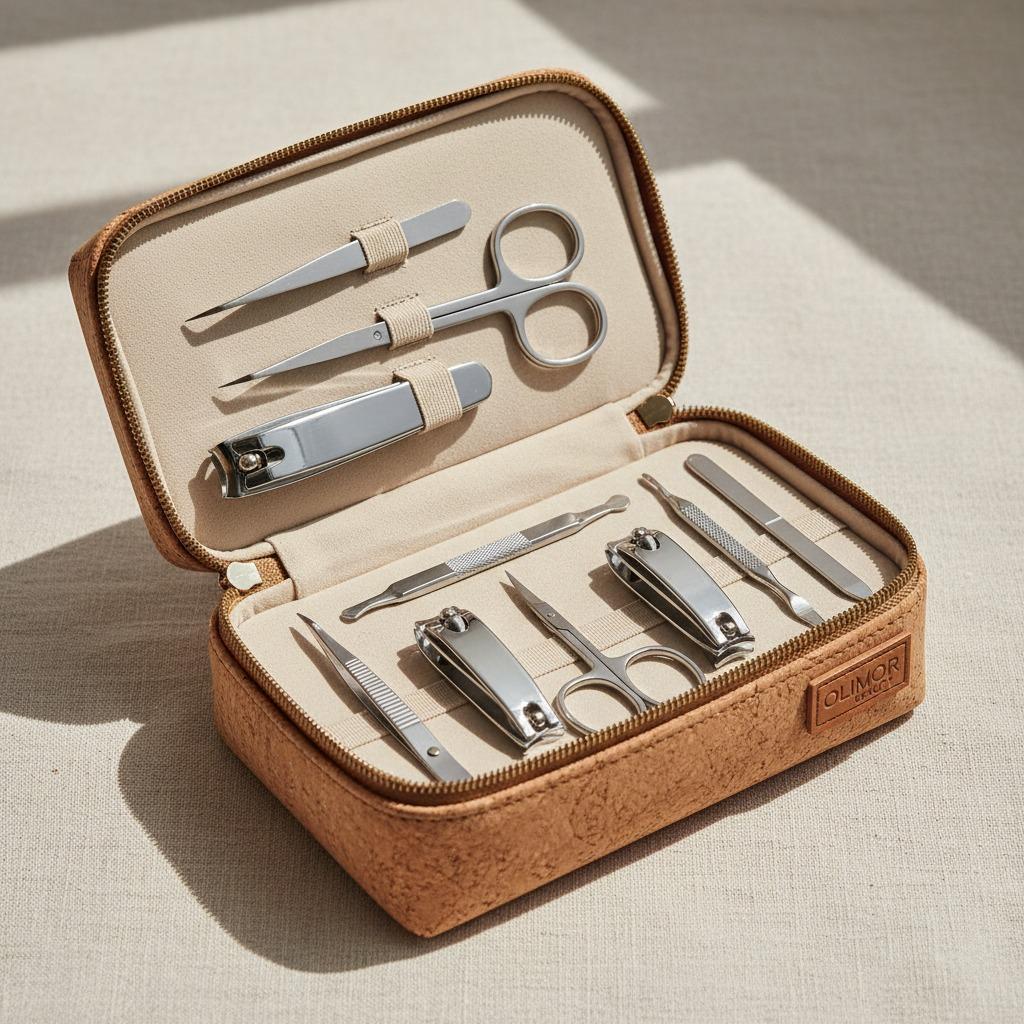
Good packaging planning considers how the clipper sits inside the pack, how the lever is positioned, and whether the cutting end is protected. For retail products, the front-facing appearance must remain clean. For bulk supply or kit assembly, the priority may be preventing metal-to-metal contact and making downstream handling efficient.
Buyers should review packaging samples with the actual clipper inside, not only artwork files or empty boxes. Shake, rub, and stacking risks can reveal problems before mass packing begins. This step is simple, but it can prevent many cosmetic claims.
How Buyers Can Compare Factory Quality Approaches
When sourcing nail clippers, buyers often compare unit price, appearance, and lead time. Those factors matter, but they should be weighed alongside process discipline. A lower price is less attractive if the order requires rework, sorting, replacement, or customer service recovery.
Useful questions during supplier evaluation include: How are incoming materials checked? At what production stages are edge alignment and cutting performance reviewed? Are approval samples retained for comparison? How are defects categorized and recorded? What happens when a recurring issue is found during production? How is packaging tested for surface protection?
These questions do not require a buyer to know every technical detail of metalworking. They simply encourage a structured conversation about prevention. A reliable sourcing relationship is built when expectations are defined before production and confirmed through consistent inspection.
Working With Olimor Beauty on Nail Clipper Quality
Olimor Beauty supports buyers looking for practical, well-controlled beauty tools, including nail clippers. The most successful projects begin with clear product expectations: target user, retail channel, packaging format, finish requirements, comfort preferences, and acceptable inspection criteria. When these details are aligned early, defect mitigation becomes part of the order plan rather than a last-minute reaction.
If you are comparing nail clipper options or planning a custom sourcing project, review the available beauty tool products and use the website to narrow your preferred direction. For order questions, packaging needs, or supplier discussions, you can contact Olimor or send an inquiry with your product requirements.
Defect mitigation in factories is ultimately about consistency. For nail clippers, that means clean cutting edges, stable assembly, comfortable handling, protected packaging, and inspection standards that match the buyer’s market. With a clear checklist and a process-focused manufacturing partner, nail clipper sourcing becomes more predictable and more suitable for long-term product programs.