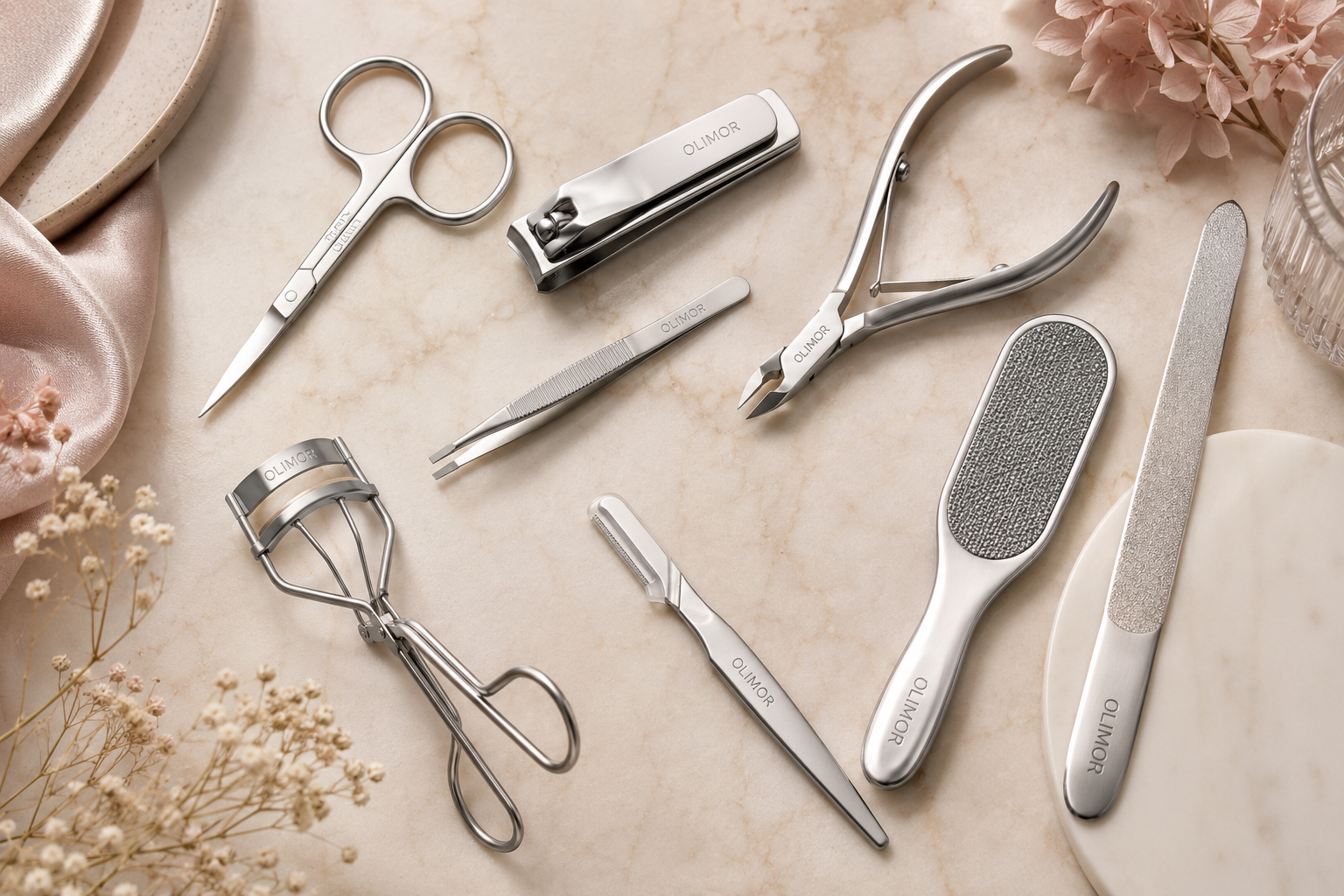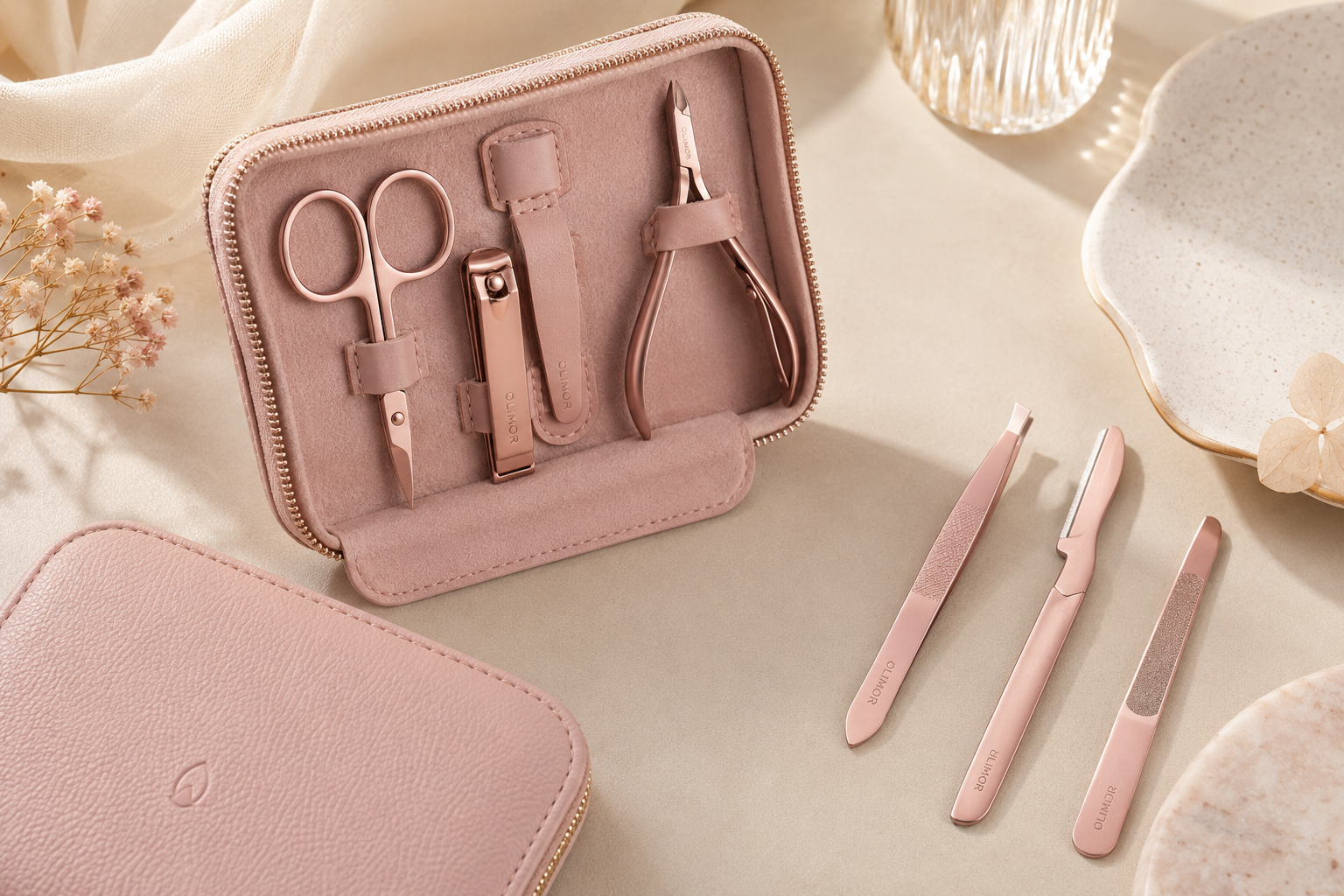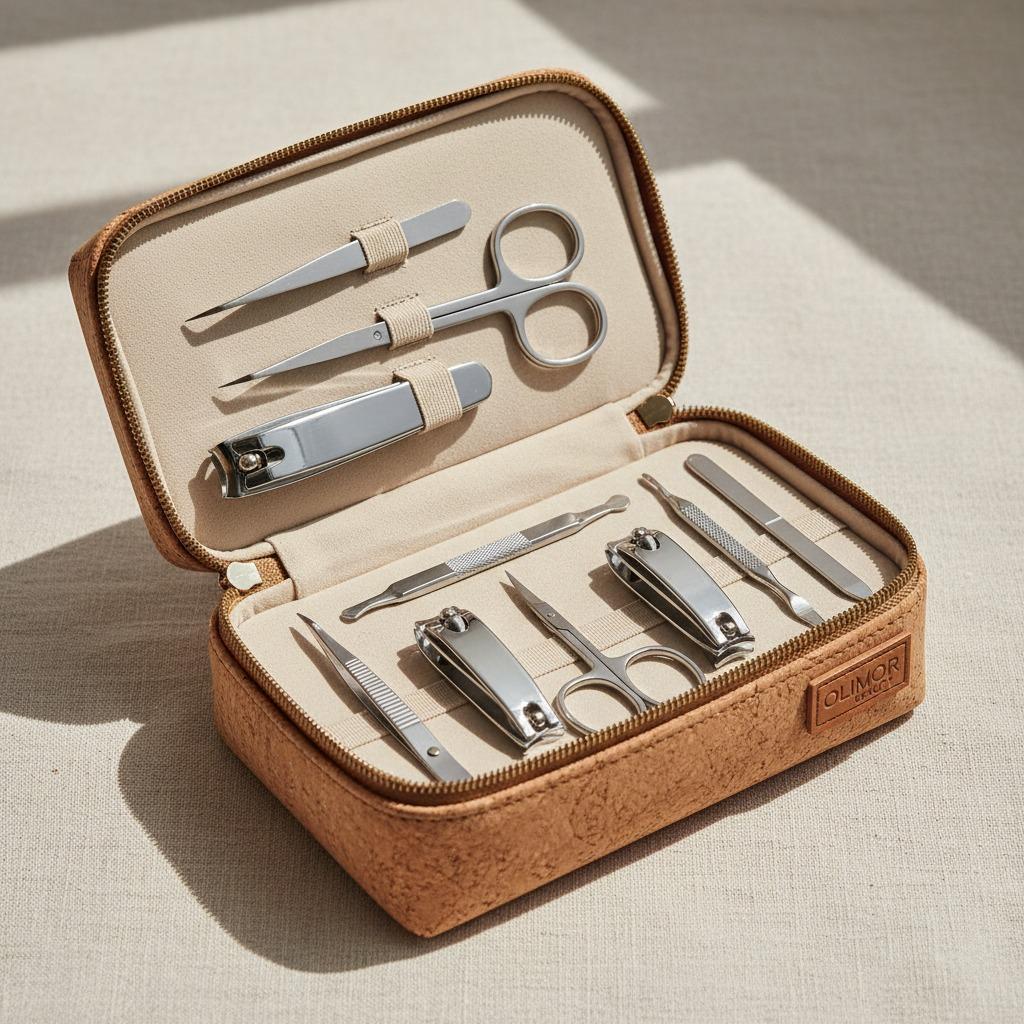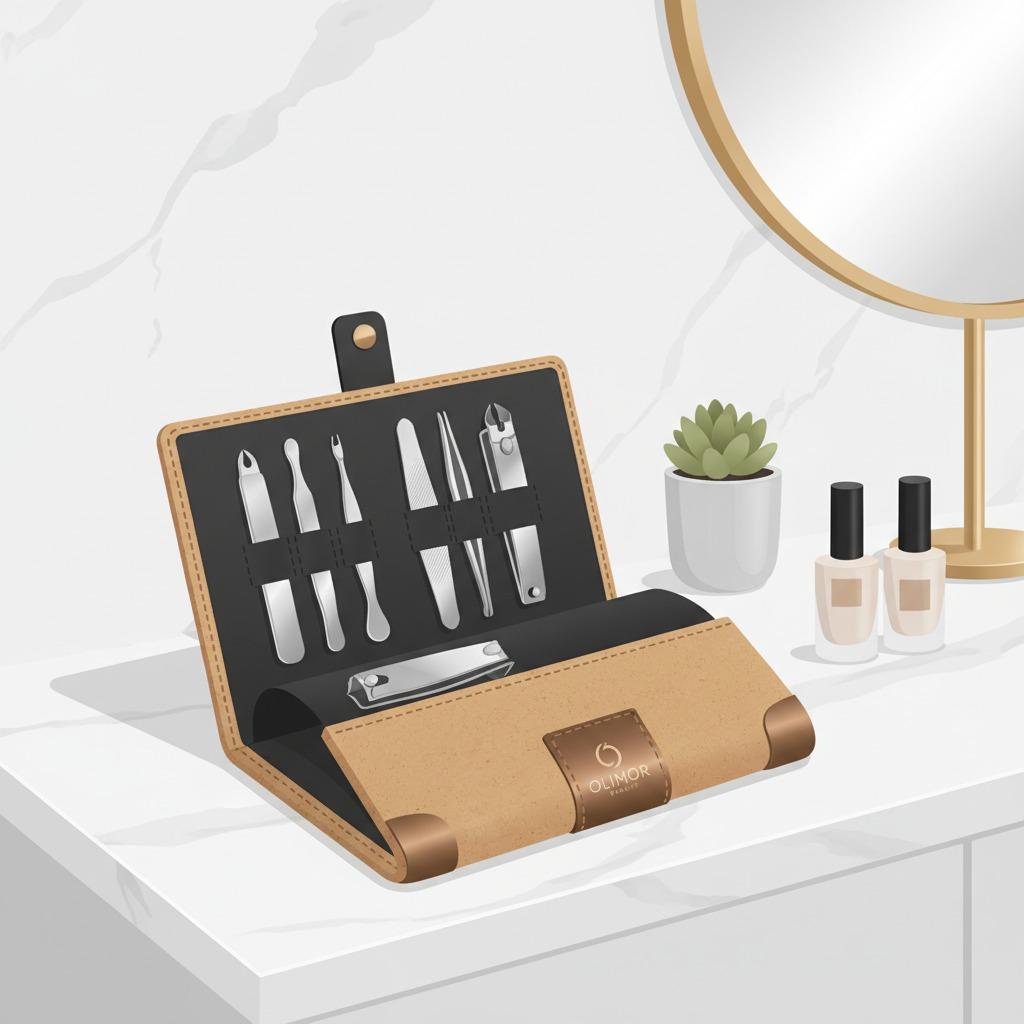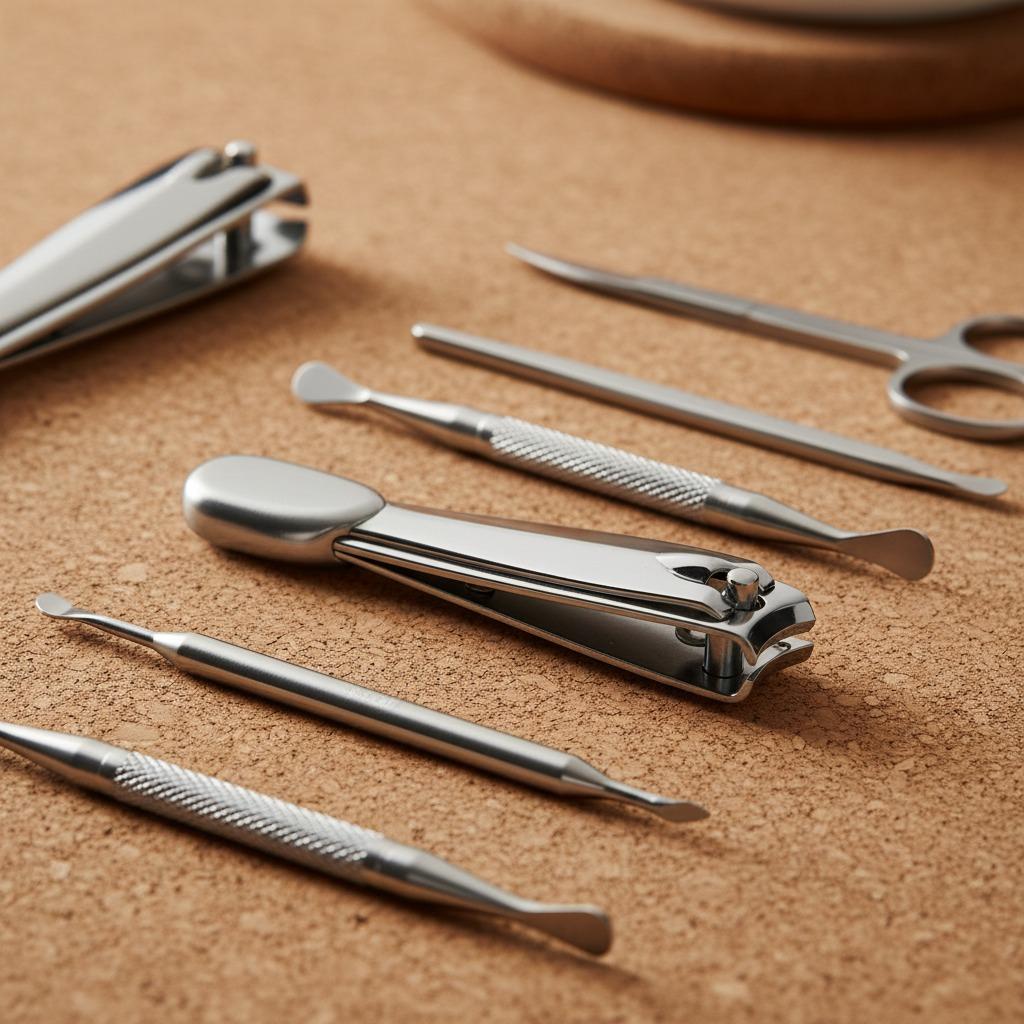











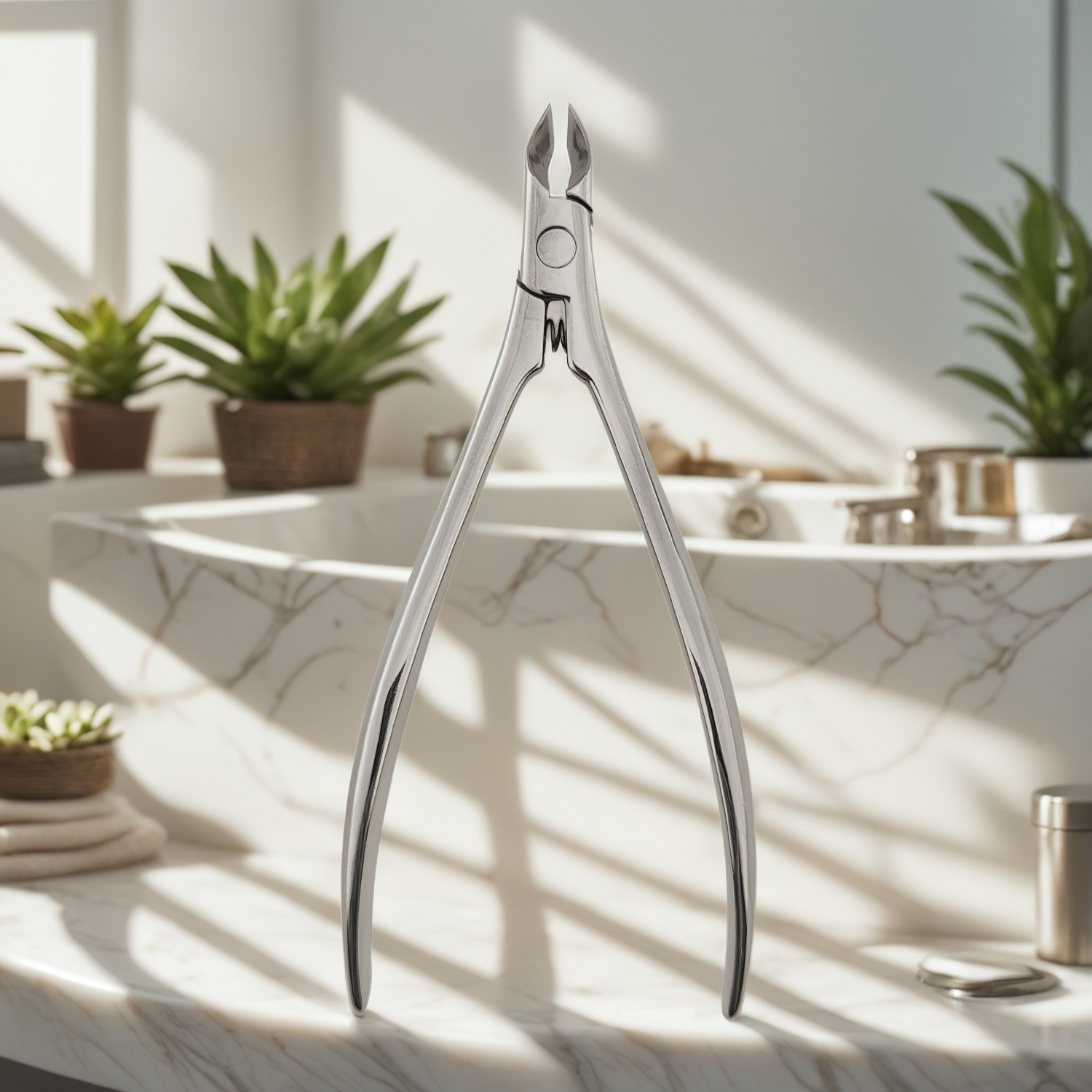
Cuticle nippers are small tools, but they carry a large responsibility in a manicure set. A clean cut can help refine the nail contour and remove excess hangnail or non-living cuticle neatly. A poor tool, however, can crush, pull or leave uneven edges that make the service feel uncomfortable and unprofessional. For salons, beauty distributors, retail buyers and hospitality procurement teams, choosing the right cuticle nippers manufacturer is not only about appearance. It is about cutting accuracy, durability, hygiene, consistency and how well the tool fits the way it will be used.
Olimor Beauty supplies professional beauty tools for nail care and grooming applications, including cuticle nippers made with high-grade stainless steel, ergonomic handles and a polished finish that supports cleaning and sanitizing. This guide explains what to evaluate before purchasing, how to compare samples and which questions matter when sourcing cuticle nippers for salons, personal care kits or hotel amenity programs.
What a Quality Cuticle Nipper Needs to Do
A cuticle nipper is designed for precise trimming around a sensitive area. It should not feel like a miniature wire cutter. The jaws need to meet cleanly, open and close smoothly, and give the user enough control to trim only what is necessary. For professional nail technicians, control helps reduce repeated passes. For personal grooming kits, it helps users work more safely and confidently. For hospitality amenities, the tool should feel dependable even when the guest is not a trained professional.
Quality starts with the relationship between the blades, spring action and handle shape. If the blades are misaligned, the tool can bend or tear skin instead of cutting. If the handles are slippery or too stiff, the user may apply uneven pressure. If the steel is too soft, the edge can dull quickly. These are practical performance issues that affect customer satisfaction more than decorative details.
Material, Sharpness and Durability Checks
The original quality standard for Olimor Beauty cuticle nippers emphasizes high-grade stainless steel, chosen for durability and long-lasting sharpness. Stainless steel is widely preferred for nail tools because it offers a clean, professional look and supports repeated cleaning. When reviewing a sample, buyers should focus on the areas where material and manufacturing quality are easiest to judge.
- Blade alignment: Close the nipper slowly and check whether the cutting edges meet evenly from tip to heel. Gaps or overlap can lead to uneven trimming.
- Tip precision: The tip should be fine enough for detail work but not so fragile that it bends under normal use.
- Cutting feel: A good nipper should cut a thin test material cleanly with controlled pressure, not squeeze or drag.
- Surface finish: The polished finish should be smooth, without burrs, rough patches or residue near the joint.
- Spring response: Opening and closing should feel stable and predictable. The spring should not rattle or snap harshly.
- Joint stability: The pivot should hold alignment without excessive looseness, because a loose joint can reduce cutting accuracy over time.
Durability is not only about the steel itself. It also depends on heat treatment, grinding, assembly and final inspection. When the tool will be used in a salon environment, small differences become more visible because the nippers may be used throughout the day. Buyers who need dependable supply can review related beauty tool products to compare the role of cuticle nippers within a wider manicure or grooming range.
Ergonomics for Salons, Retail Kits and Personal Care
Ergonomic handles are an important feature because cuticle trimming requires a steady hand. Olimor Beauty cuticle nippers are designed with comfortable, secure grip in mind, helping users maintain control and reduce hand fatigue during repeated use. This matters most in professional salons, where technicians may work on multiple clients in a single shift, but it is also relevant for home users who need a stable tool that does not slip easily.
Handle length, curve and resistance all influence comfort. A handle that is too short can feel cramped, while one that is too long may be difficult to control in a compact manicure kit. The spring should support the hand rather than fight it. For retail or private care sets, the tool should feel intuitive when picked up for the first time. For professional salon use, it should remain comfortable after many open-and-close cycles.
When sampling cuticle nippers, test them with both dominant and non-dominant hand positions. Notice whether the hand naturally finds a controlled grip. Also check whether the tool becomes slippery after cleaning or when handled with light lotion residue nearby. A polished surface can look elegant, but the handle geometry still needs to support safe use.
Sanitation and Maintenance Considerations
Cleanability is a key reason buyers look closely at the finish and construction of nail tools. The sleek, polished finish noted in Olimor Beauty’s cuticle nippers helps make the tool easier to clean and sanitize, which is critical for professional and hospitality environments. Smooth surfaces reduce areas where visible residue can remain, while a well-built joint should be accessible enough for proper care.
Maintenance instructions should be practical for the intended channel. A professional salon may already have internal sanitation procedures. A retail manicure kit may require simpler user guidance. A hotel amenity item may need packaging and instructions that make its intended use clear. In all cases, the buyer should consider how the tool will be cleaned, dried, stored and transported before it reaches the end user.
- Remove visible nail dust or residue immediately after use.
- Clean according to the sanitation process appropriate for the environment.
- Dry the nipper fully before storage to help maintain the finish.
- Keep the jaw tips protected from impact inside a pouch, box or tray.
- Do not use cuticle nippers for hard objects, artificial nail tips or tasks outside their intended purpose.
These steps sound simple, but they extend the usable life of precision tools. For buyers, they also influence packaging decisions. A tool that ships loosely without tip protection may arrive with alignment problems, even if the factory sharpening was correct.
Choosing Cuticle Nippers by Sales Channel
Different buyers need the same core performance but may prioritize different details. A salon buyer may focus on repeat use and hand comfort. A retail distributor may examine packaging, instructions and shelf presentation. A hotel procurement team may want a lightweight yet sturdy tool that looks neat as part of a premium grooming amenity. The table below shows how selection criteria can shift by application.
| Use Case | Most Important Checks | Buyer Notes |
|---|---|---|
| Professional nail salons | Blade precision, ergonomic grip, joint stability, easy sanitation | Test multiple samples over repeated opening and cutting cycles. |
| Personal grooming kits | Safe handling, compact size, clear instructions, durable edge | Consider how the tool fits with files, clippers and other kit items. |
| Retail beauty sets | Consistent finish, packaging protection, user-friendly design | Inspect appearance closely because the product may be judged before use. |
| Hotel amenity beauty tools | Polished finish, lightweight but sturdy feel, clean presentation | Plan storage, guest instructions and hygiene expectations from the start. |
Because cuticle nippers can be sold alone or as part of a coordinated grooming assortment, buyers may also want to review broader product collections to plan a consistent set for nail care, travel care or hospitality use.
Sourcing Questions That Prevent Costly Mistakes
When comparing manufacturers, the lowest unit price does not always lead to the best value. A batch with inconsistent blade alignment can create returns, complaints or extra inspection work. A tool that looks attractive but feels stiff in the hand may not satisfy salon technicians. Instead of relying only on photos, build a sourcing checklist that covers sample quality, production consistency and final packaging.
Useful questions include: What stainless steel construction is used for the tool? How is blade alignment checked during production? Are the handles reviewed for grip comfort and smooth operation? How are polished surfaces protected before shipment? What packaging options are suitable for salon supply, retail display or amenity placement? Can the buyer review pre-shipment samples or inspection criteria before a larger order moves forward?
These questions are not about creating unnecessary complexity. They help confirm that the product matches the buyer’s channel and end user. For example, a distributor serving professional salons may need packaging that protects the tip but is easy to open in bulk. A hospitality buyer may need a more presentation-focused format. A retailer may require space for usage and care instructions. If you are planning a new nail care assortment, you can send an inquiry with your intended application, target packaging style and quality expectations.
Why Work With Olimor Beauty for Cuticle Nippers
Olimor Beauty focuses on professional beauty tools that combine practical function with careful inspection. For cuticle nippers, that means attention to stainless steel durability, cutting precision, ergonomic handling and a polished finish that supports cleaning and sanitizing. Each of these factors affects how the tool performs in real use, not just how it appears in a product photo.
A dependable cuticle nipper should feel controlled in the hand, close cleanly at the jaws and hold up to the environment where it will be used. Whether you are sourcing for salons, personal care kits, retail beauty sets or hotel amenity programs, the best purchasing decision comes from matching tool performance to user expectations. Olimor Beauty can support buyers evaluating cuticle nippers as a single item or as part of a wider grooming range. To discuss requirements for your channel or compare suitable beauty tool options, contact Olimor and share your intended use case.