










A cuticle nipper is a small tool, but buyers know that small differences in blade alignment, spring tension and finishing can decide whether it feels professional or frustrating. For salons, distributors, nail care brands and beauty tool buyers, choosing the right cuticle nipper factory is not only about finding a sharp product. It is about sourcing a tool that can be used with control, cleaned properly, packed safely and supplied with consistency.
Olimor Beauty focuses on beauty tools for practical grooming use, including stainless steel cuticle nippers designed for careful trimming of loose cuticle and hangnails. If you are comparing suppliers or building a nail care assortment, this guide explains what to look for before placing an order, what details affect user experience and how to evaluate a factory’s approach without relying on vague claims.
What a Cuticle Nipper Needs to Do Well
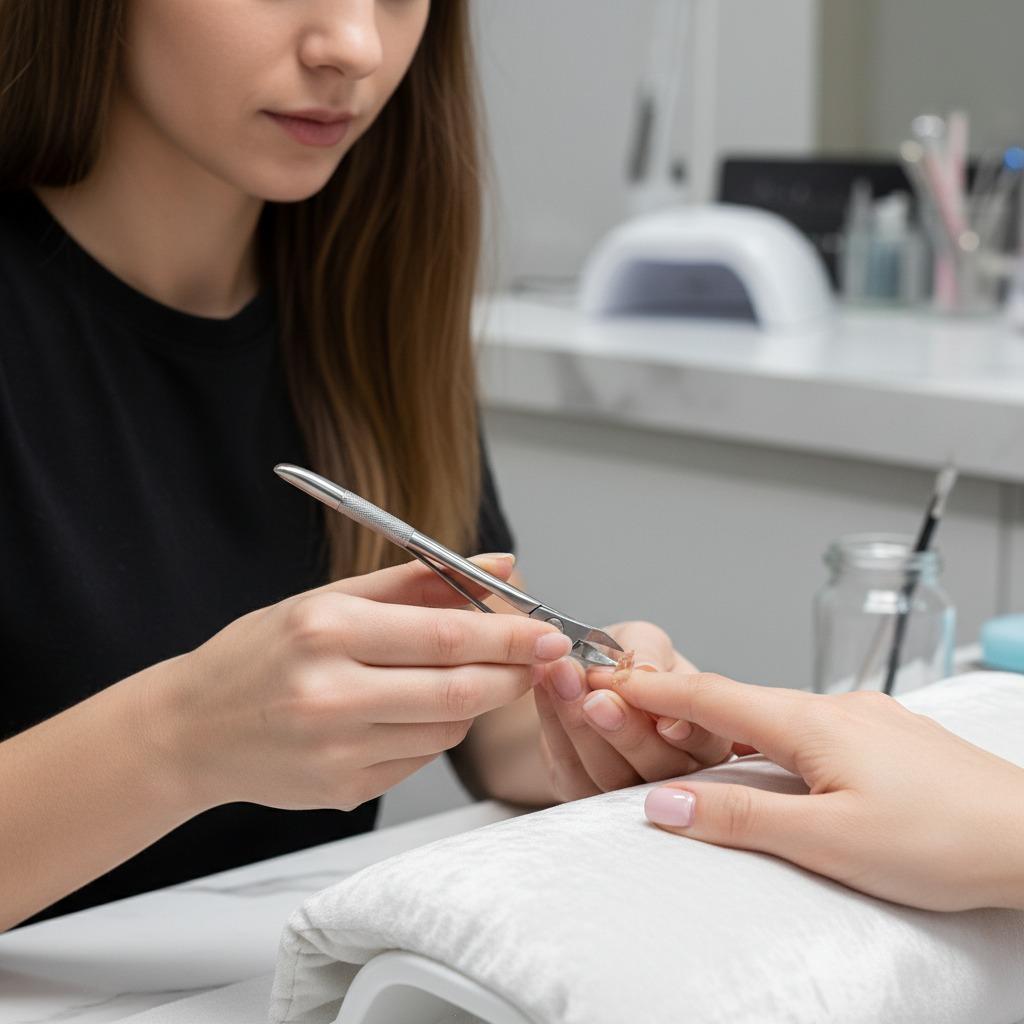
The basic job of a cuticle nipper is to remove small pieces of dead skin around the nail edge cleanly. It should not pull, crush or leave ragged edges. For professional use, the tool must also offer predictable control because technicians often work close to sensitive skin. A smooth cutting action reduces repeated snipping and helps the user work more accurately.
Good nippers usually share several practical qualities: the jaws meet evenly, the cutting edges are fine enough for detailed work, the handle sits comfortably in the hand and the spring returns the handles without feeling loose or stiff. These are simple points, but they are easy to overlook when sourcing by appearance alone. A polished tool may look attractive in photos, yet the real test is how the jaws close and how the tool performs after repeated cleaning and use.
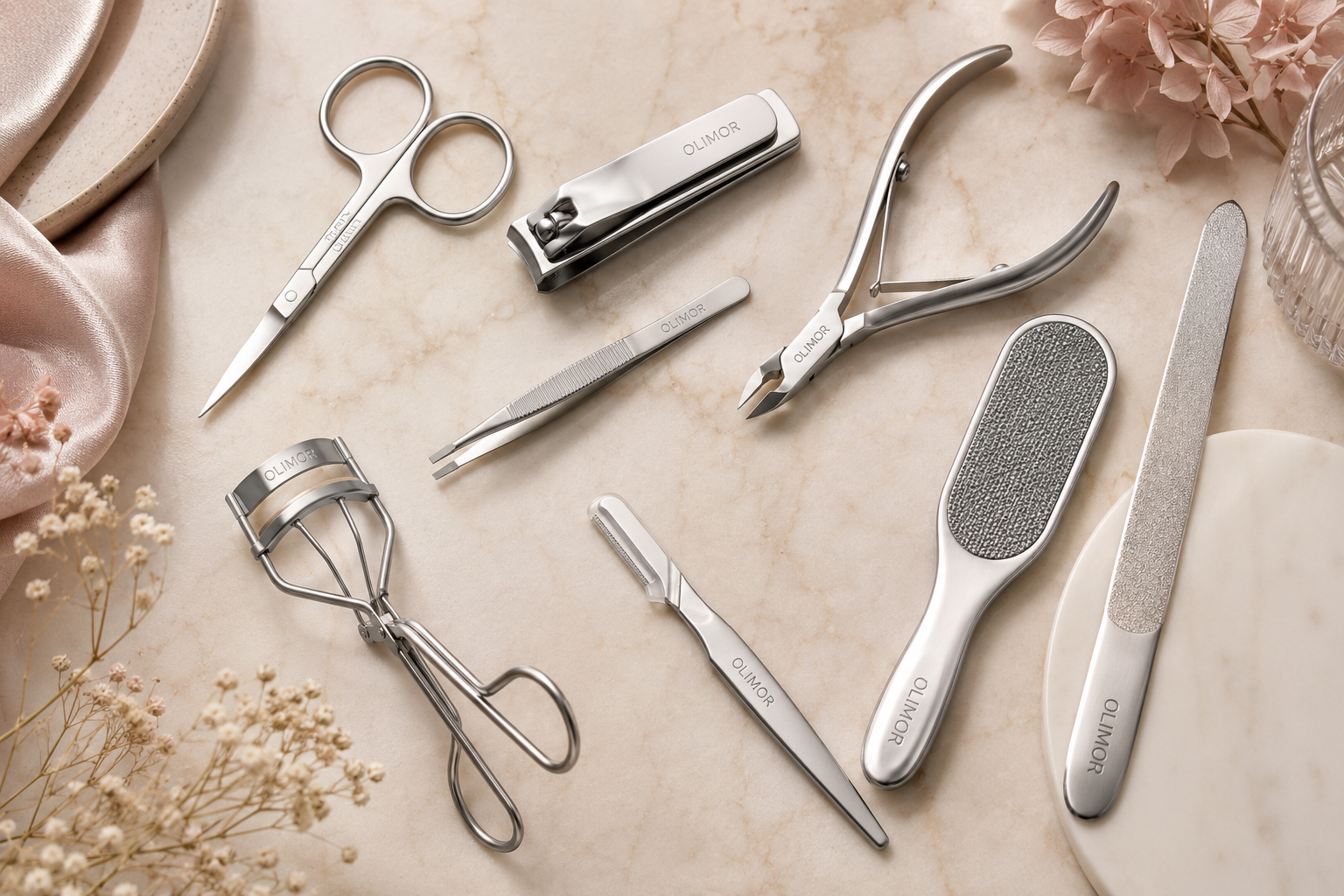
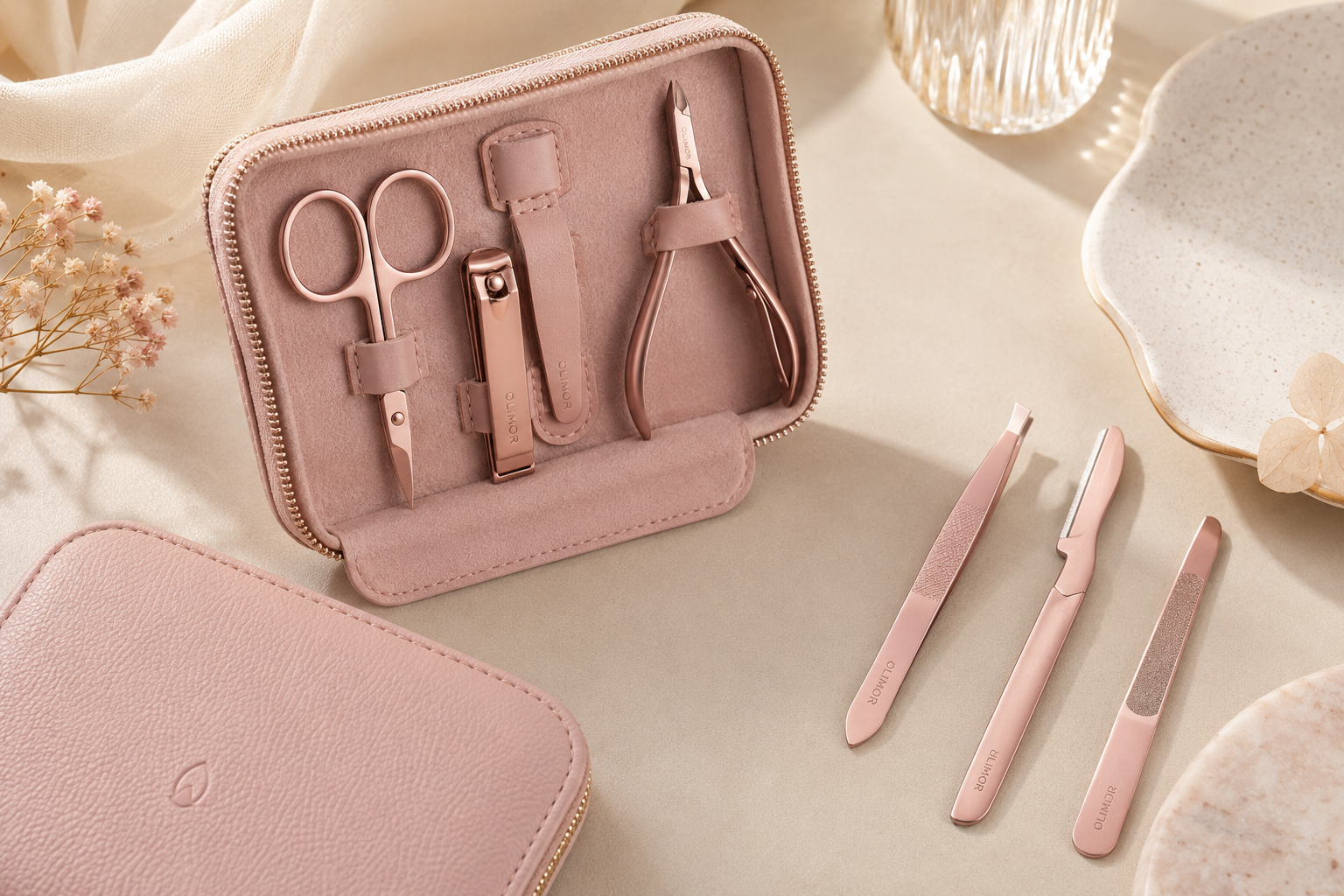
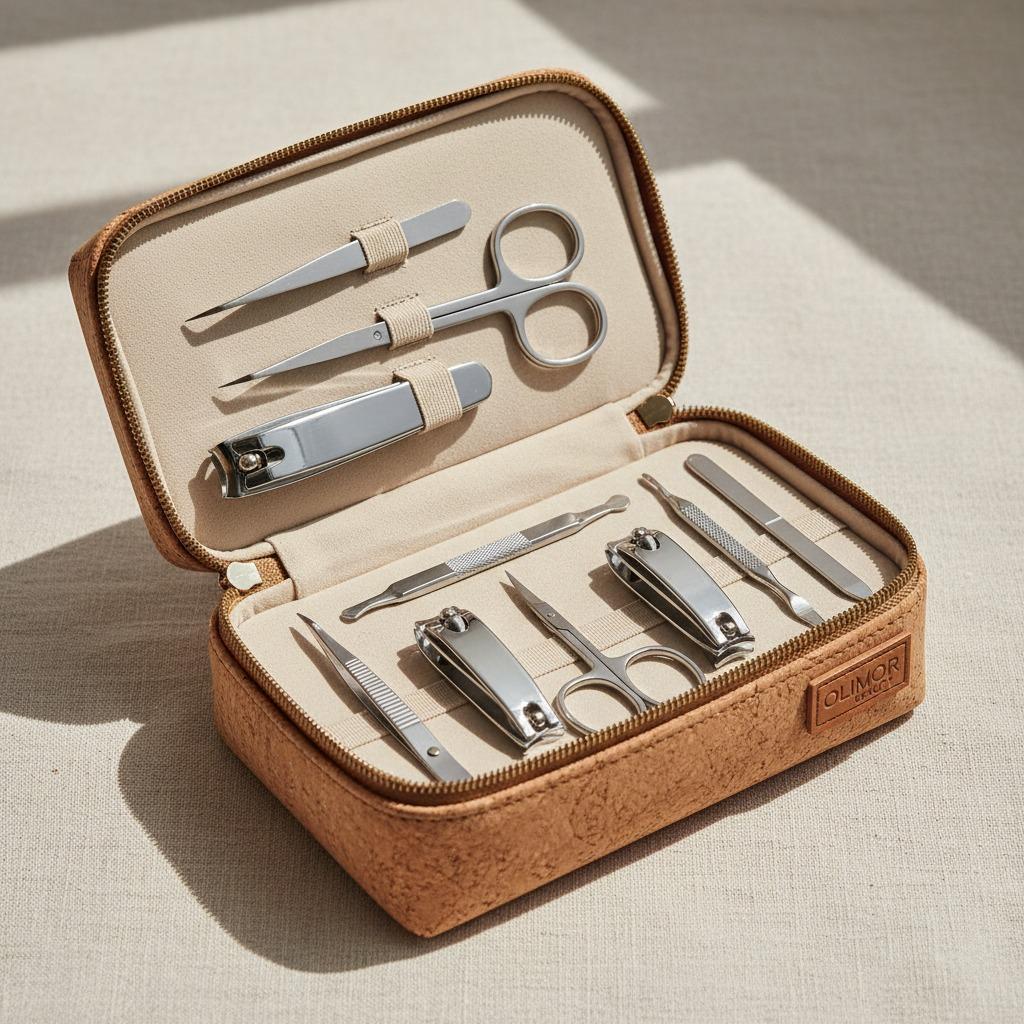
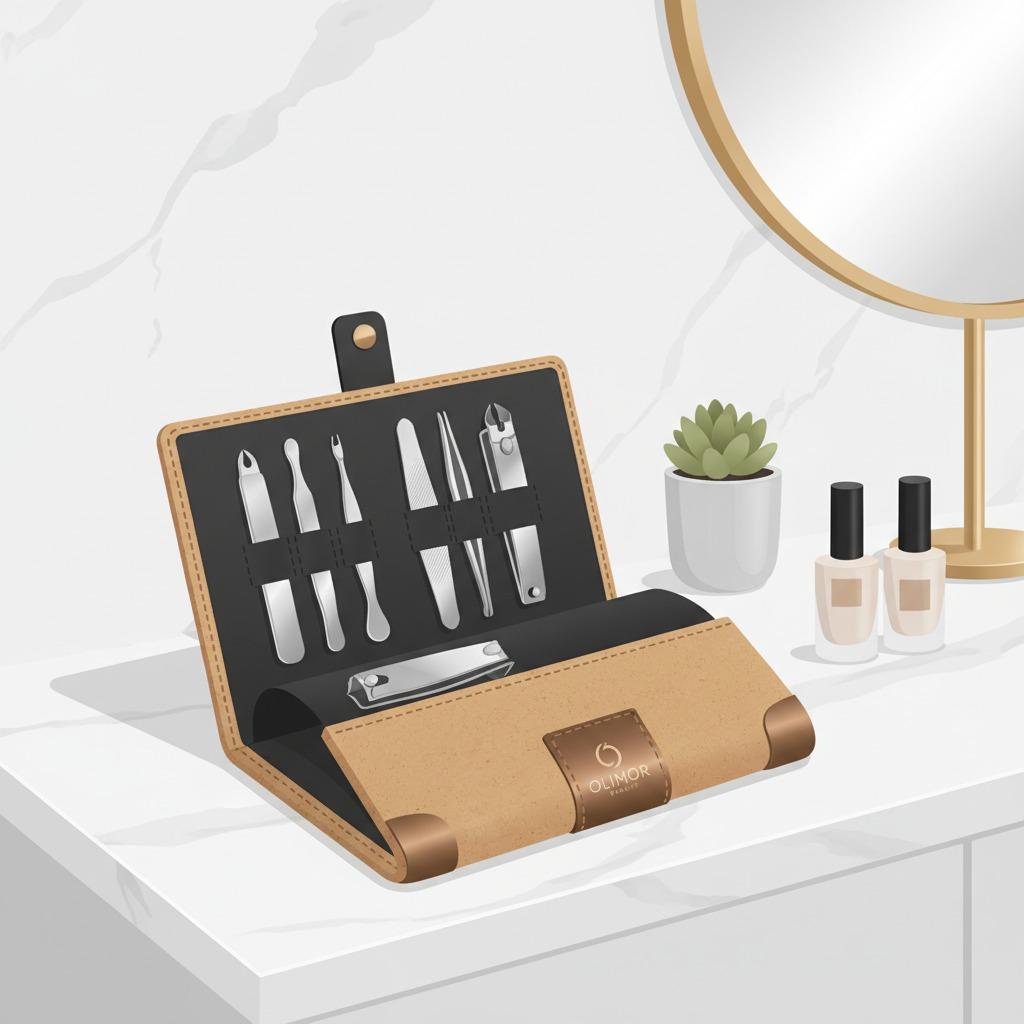
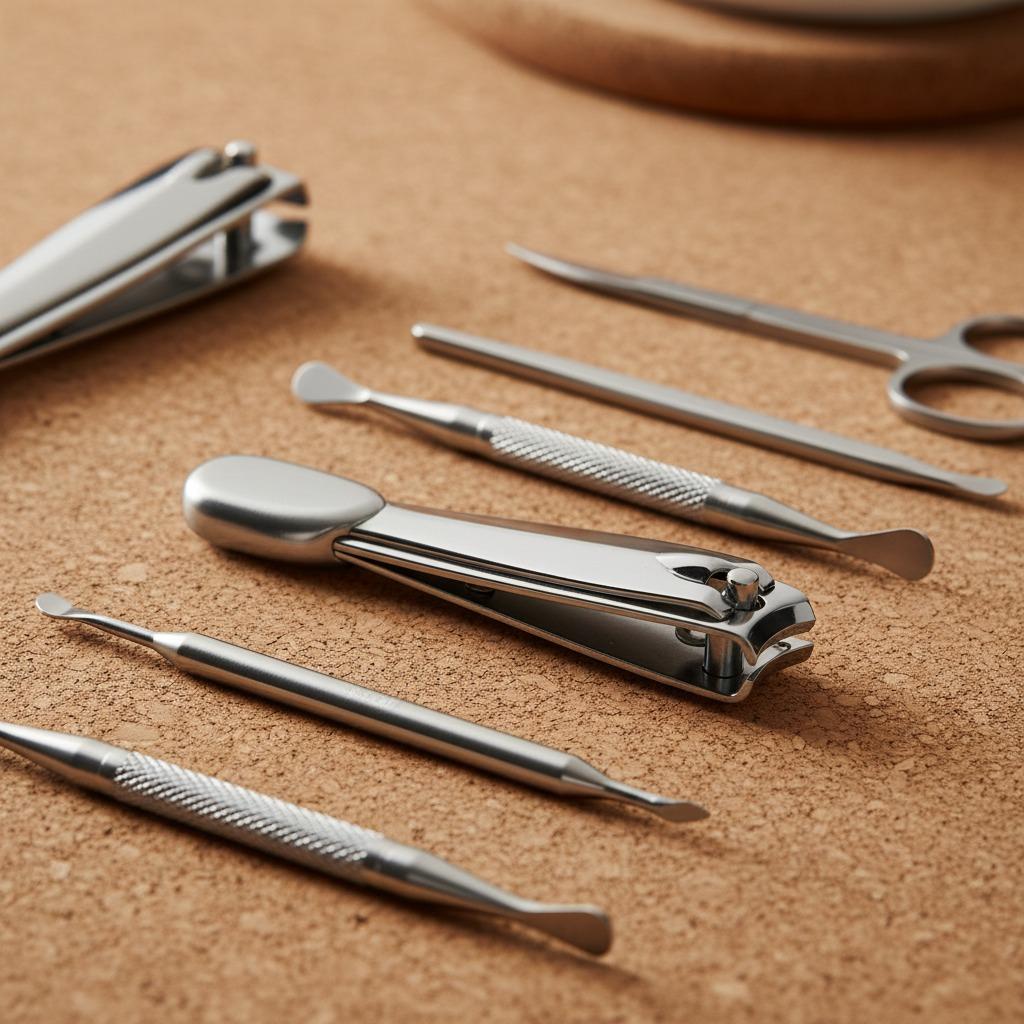
For buyers browsing beauty tool products, it is useful to compare cuticle nippers with related manicure tools such as nail clippers, scissors and pushers. The nipper is one of the most precision-focused items in a grooming kit, so its factory inspection standards should be treated accordingly.
Key Manufacturing Details That Affect Performance
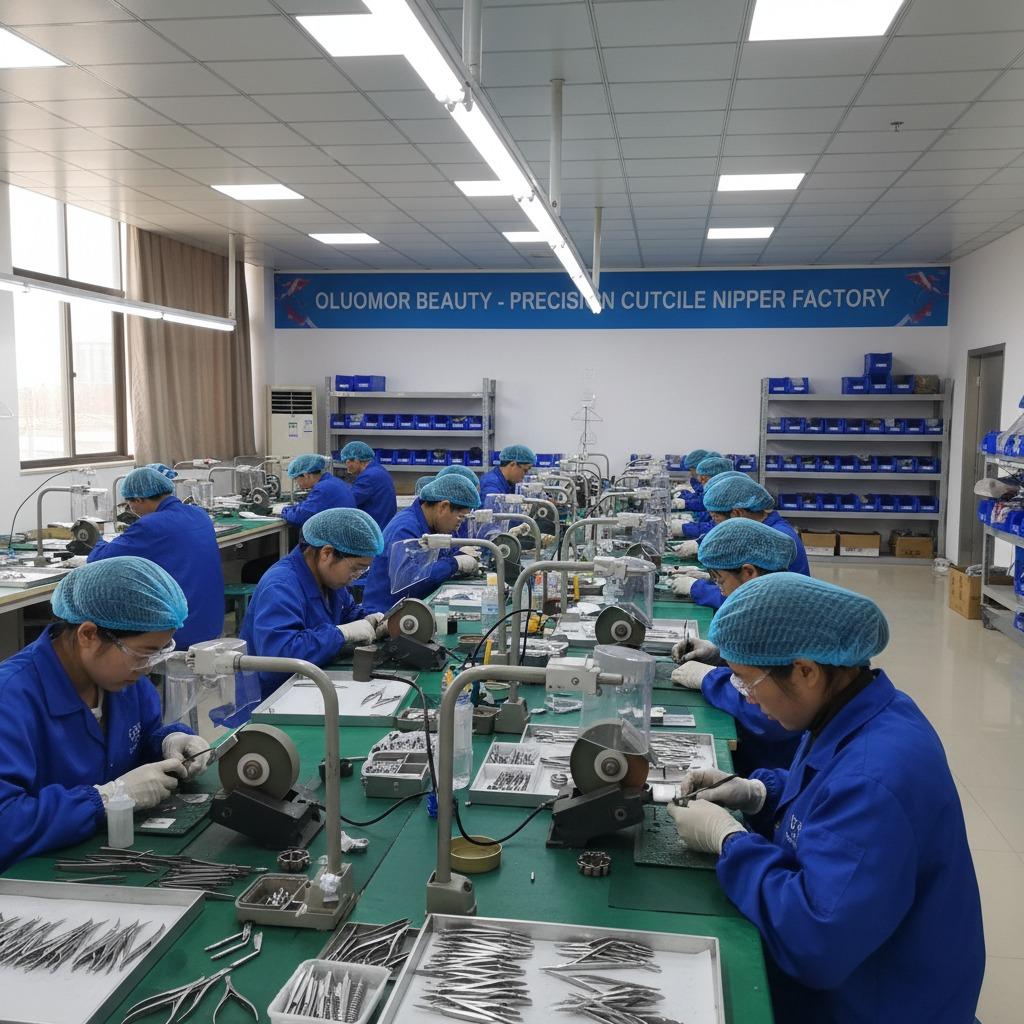
A cuticle nipper factory should pay attention to several stages: material selection, forming, grinding, sharpening, polishing, assembly and inspection. The supplied article identifies the tool as stainless steel, which is important because cuticle tools are exposed to moisture, skin oils and cleaning routines. However, stainless steel alone does not guarantee a good nipper. The way the steel is shaped and finished matters just as much.
Blade geometry is one of the most important factors. If the two cutting edges do not meet evenly from tip to heel, the nipper may fold the cuticle instead of trimming it. If the tip is too bulky, it becomes difficult to reach small areas near the nail fold. If the edge is too delicate without proper finishing, it may lose performance too quickly. A reliable factory should be able to maintain consistent jaw shape and edge alignment across production, not just on a display sample.
The pivot area is another detail buyers should inspect. A clean pivot gives the tool a stable opening and closing motion. Excessive looseness can make the blades misalign during use, while excessive tightness can tire the hand and reduce precision. Handle shape also matters. Ergonomic handles, as noted in the supplied product information, support a comfortable grip and help users guide the blades with control. Comfort is especially important for salon technicians who may use nippers many times in one day.
Buyer Checklist for Evaluating a Cuticle Nipper Factory
Before choosing a cuticle nipper supplier, compare samples using the same criteria. A structured review makes it easier to separate meaningful quality from surface-level presentation.
- Blade meeting point: Close the jaws slowly and check whether the tips and cutting edges align cleanly without gaps.
- Cutting feel: Test on appropriate sample material to confirm the blades trim cleanly rather than pinch or tear.
- Handle comfort: Hold the tool in different hand positions and assess whether the edges of the handles feel smooth.
- Spring response: Open and close the nipper repeatedly to see whether the return action is stable and controlled.
- Surface finish: Look for rough polishing marks, burrs near the jaw and uneven finishing around the pivot.
- Cleaning suitability: Consider whether the shape is easy to wipe and whether tight gaps may trap residue.
- Packaging protection: Check whether the blade tips are protected during transport and retail handling.
- Batch consistency: Review more than one sample, because one good sample does not prove stable production.
These checks are relevant whether you are sourcing a standard nipper, expanding a salon line or comparing options in Olimor Beauty’s product collections. They also help teams communicate clearly when requesting revisions or confirming a final sample.
Hygiene and Maintenance Considerations for End Users
Cuticle nippers are used close to the skin, so hygiene instructions are an important part of product planning. The original product information notes a sterilizable design, which is valuable for manicure tools. Still, buyers should avoid assuming that every cleaning method is suitable for every tool finish or package. Clear care guidance helps reduce misuse and supports longer product life.
End users should remove visible residue after use, dry the tool thoroughly and store it with the blades protected. In salon environments, tools should be cleaned and processed according to local hygiene rules and the salon’s approved procedures. A nipper should not be dropped into a drawer without a cap or sleeve, because the cutting tips can be damaged by contact with other metal tools.
Maintenance also includes watching for changes in feel. If the jaws stop meeting cleanly, if the spring becomes unstable or if the pivot feels rough, the tool may no longer deliver safe precision. For retail buyers, simple printed or digital care instructions can reduce complaints and help customers understand that professional grooming tools need proper handling.
How to Compare Samples Without Overlooking Details
Sample evaluation should imitate real use as closely as possible. A buyer may first examine the finish under bright light, then open and close the nipper repeatedly, test the grip and inspect the blade tips. When comparing multiple samples, use a written score sheet instead of relying on memory. Small differences in jaw alignment or handle comfort become clearer when they are recorded side by side.
The following table can help purchasing teams organize a practical comparison:
| Evaluation Area | What to Check | Why It Matters |
|---|---|---|
| Blade alignment | Tips meet evenly; no visible gap along the cutting edge | Supports clean trimming and controlled detail work |
| Pivot movement | Opens and closes smoothly without wobble | Helps maintain precision during repeated use |
| Handle finish | No sharp edges, rough polishing or uncomfortable pressure points | Improves comfort for salon and home users |
| Tip protection | Packaging prevents blade damage in shipping | Reduces defects before the product reaches the user |
When possible, evaluate several pieces from the same sample batch. If the first nipper feels excellent but the next two feel different, consistency should be discussed before moving forward. In beauty tool sourcing, repeatability is often as important as the best single sample.
Private Label and Assortment Planning Questions
Many buyers approach a cuticle nipper factory because they want to build or expand a manicure tool range. Before discussing decoration or packaging, it is helpful to define the intended user. A professional salon buyer may prioritize long working comfort, robust tip protection and cleaning guidance. A retail buyer may focus on safe packaging, clear usage instructions and a finish that photographs well online. A kit supplier may need the nipper to match other tools in shape, finish and perceived quality.
Useful sourcing questions include: What blade size and jaw shape are appropriate for the target user? How will the tool be protected during shipping? What inspection steps are used before packing? Can samples be reviewed from the same production approach expected for bulk supply? What information should appear on the package to encourage safe use and care? These questions do not require invented claims; they help buyers confirm whether a factory understands the product beyond appearance.
If your team is preparing specifications for a nail care project, you can send an inquiry with your target market, packaging plan and sample requirements. For broader sourcing discussions or coordination with Olimor Beauty, you may also contact Olimor directly.
Why Factory Consistency Matters for Cuticle Nippers
A cuticle nipper is judged in the hand. Customers may not know the details of grinding or polishing, but they quickly notice if the tool pulls skin, feels loose or arrives with bent tips. This is why a factory’s process discipline matters. Quality assurance should cover more than a final visual check. It should include attention to blade formation, handle finishing, movement, cleanliness and packing condition.
Olimor Beauty positions its cuticle nipper production around stainless steel tools, ergonomic handling, aligned blades and internal quality checks. For buyers, the practical value is the ability to evaluate a tool that is designed for controlled grooming and straightforward maintenance. The best purchasing decisions come from combining those stated product qualities with careful sample review and clear expectations for packaging and use.
Whether you are sourcing for salons, retail shelves or a complete manicure kit, treat the cuticle nipper as a precision item rather than a simple accessory. A well-made stainless steel cuticle nipper can support cleaner grooming results, but only when the blade, pivot, handle and finishing are all considered together. Starting with the right factory evaluation process will help you build a product line that users can trust in everyday nail care.