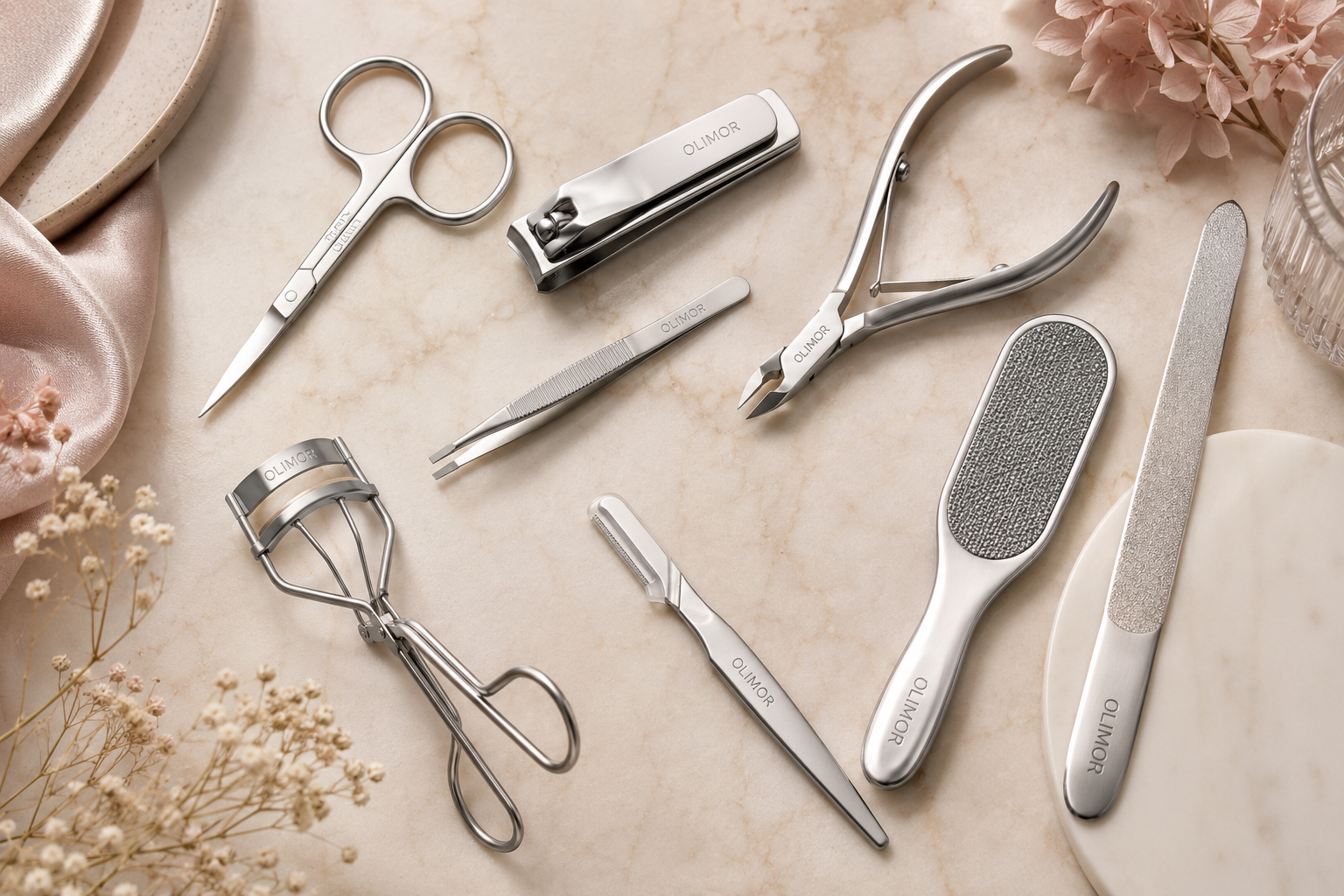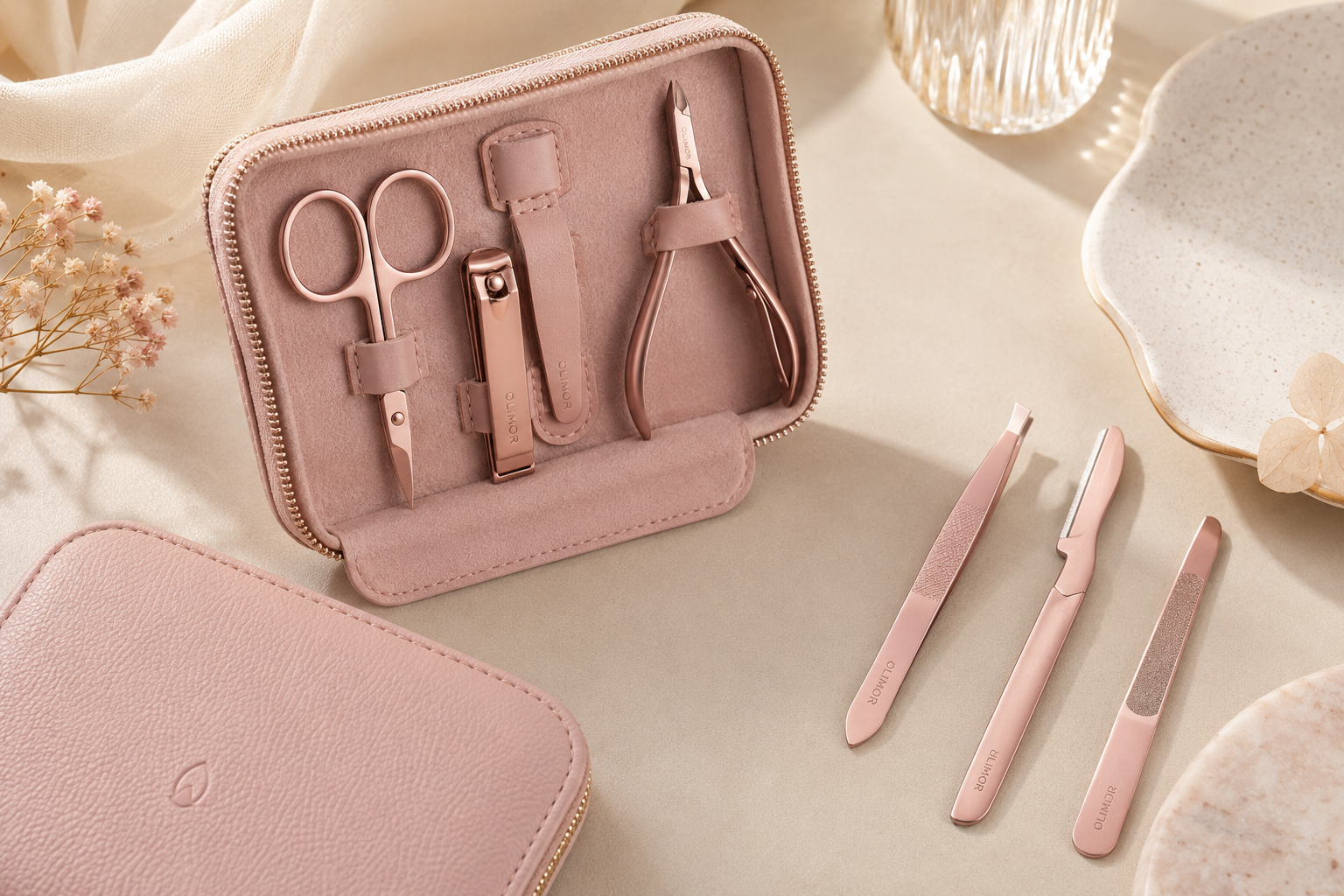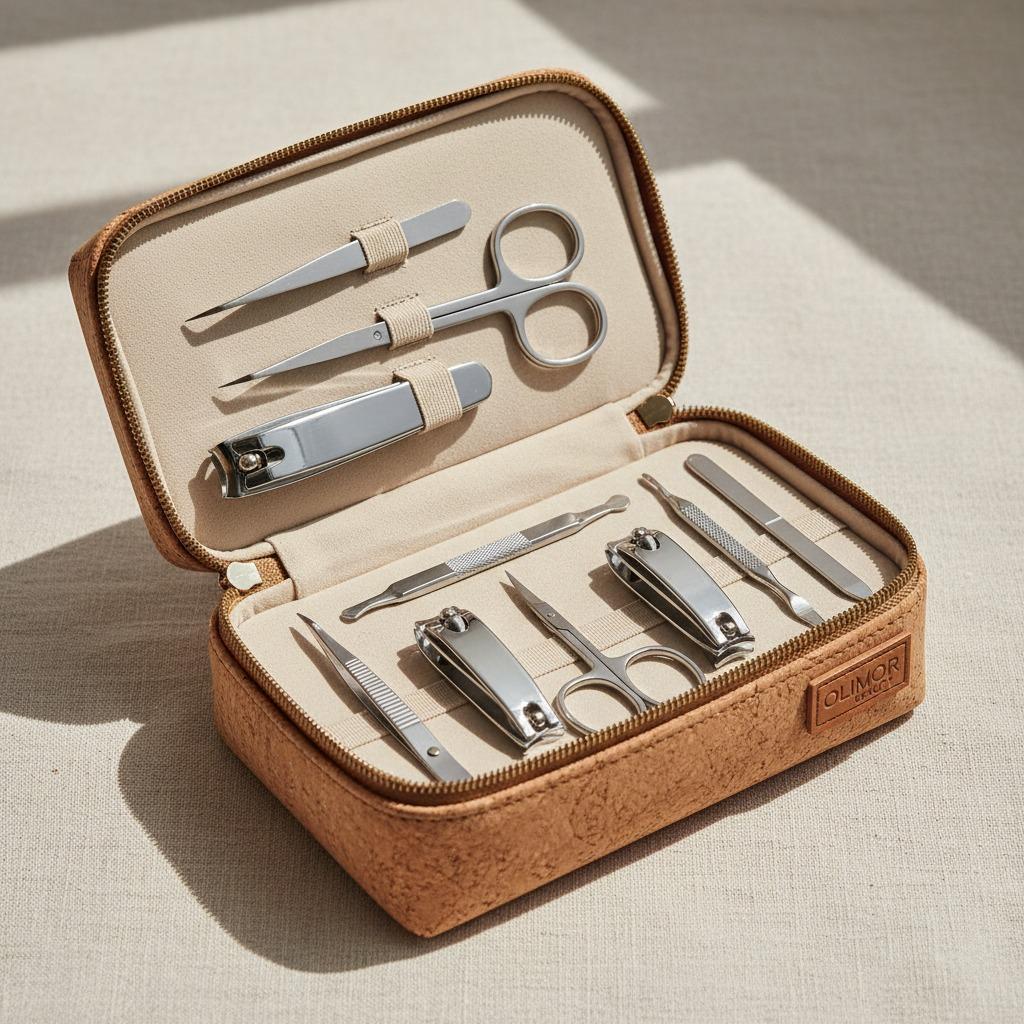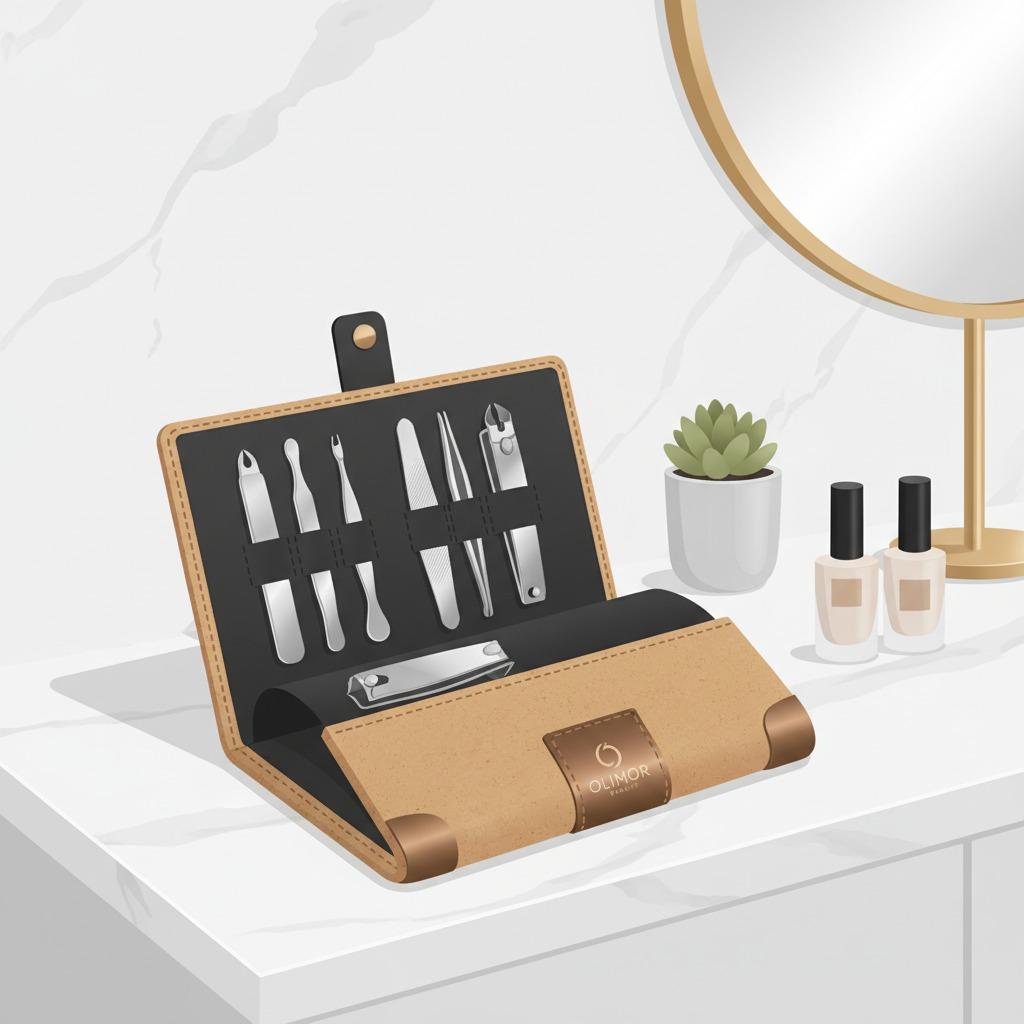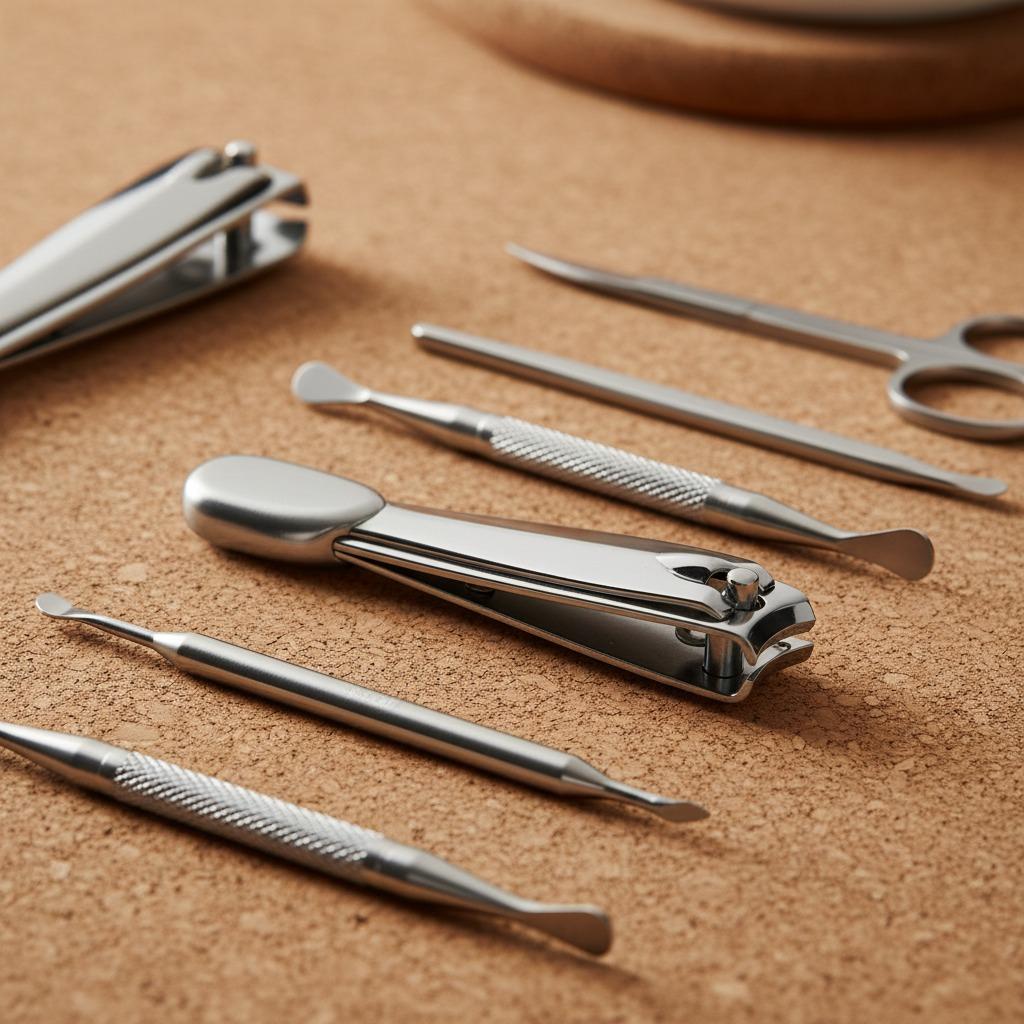













For salons, beauty distributors, private label buyers, and professional nail tool retailers, choosing a cuticle nipper factory is not only about finding a sharp tool. A cuticle nipper works close to delicate skin, so its blade finish, jaw alignment, handle comfort, material quality, and inspection process all matter. A well-made nipper helps technicians remove excess cuticle cleanly and with control, while a poorly finished tool can pull, slip, pinch, or become difficult to sanitize.
Olimor Beauty focuses on beauty tools for professional and retail nail care needs, including precision stainless steel cuticle nippers designed with curved blades and ergonomic handles. This guide explains what to look for when evaluating a cuticle nipper factory, how to compare samples, and which practical questions help you make a safer sourcing decision. You can also browse related beauty tool products or review broader product collections when building a complete nail care assortment.
What a Cuticle Nipper Factory Should Get Right
A cuticle nipper may appear simple, but it depends on several details working together. The two cutting edges must meet evenly, the joint should move smoothly, and the handle should give the user enough control without causing hand fatigue. For professional nail technicians who repeat the same motion many times a day, these details are not cosmetic; they directly affect comfort, speed, and consistency.
A dependable factory should be able to demonstrate control over the full production process, from raw material inspection to final packaging. The original Olimor Beauty article notes that inspection is carried out from raw materials through final packaging, and this approach is important for any buyer assessing reliability. If the tool is checked only at the end, defects such as poor blade grinding, uneven spring response, or surface finishing problems may already be built into the batch.
When reviewing a supplier, look for evidence of process control rather than broad claims. Useful indicators include stable sample quality, consistent blade closure, clean polishing, suitable packaging protection, and clear communication about customization limits. A factory that understands nail tool use will also pay attention to how the nipper feels in hand, not just how it looks in a product photo.
Blade Precision: The Most Important Performance Detail
The blade is the working heart of a cuticle nipper. Olimor Beauty's cuticle nippers are described as having sharp, curved blades for clean trimming. Curved blades are commonly preferred for cuticle work because they help the user follow the natural contour around the nail. However, blade geometry must be matched with careful alignment. If one side closes before the other, the nipper can fold or tug the cuticle instead of cutting it neatly.
When evaluating samples, do not judge sharpness only by feel. A very sharp edge that is poorly aligned can still perform badly. Open and close the jaws slowly under good light and check whether the tips meet cleanly. The cutting edges should come together without a visible gap. The tips should not cross, bite into each other, or remain offset. A smooth cutting action is especially important for professional salon use, where small inconsistencies become more noticeable over repeated service.
Buyers should also check the finish around the cutting head. Rough polishing near the blades can make the tool harder to clean. Uneven surfaces may collect residue, which is a problem for tools that need routine sanitation between uses. A high-quality nipper should combine sharpness, alignment, and a clean finish in one tool.
Material, Rust Resistance, and Surface Finish
The supplied product information highlights durable stainless steel construction that resists rust and supports long-lasting sharpness. Stainless steel is a practical choice for cuticle nippers because nail care tools are exposed to moisture, cleaning routines, and frequent handling. However, buyers should remember that the phrase stainless steel does not automatically guarantee equal performance across every factory. Material handling, heat treatment, polishing, and finishing all influence the final tool.
For sourcing decisions, focus on the total result rather than a single material claim. A good stainless steel cuticle nipper should show a smooth surface, stable movement, and clean edges. The finish should not have obvious pits, sharp burrs outside the cutting area, stains, or poorly polished corners. If the product will be sold in a retail set or professional kit, visual consistency across pieces also matters because customers judge quality before they ever test the blade.
Maintenance expectations should be realistic. Even stainless steel nail tools need proper cleaning and drying. Salons and end users should wipe tools after use, follow appropriate sanitation procedures, and store nippers in a dry place. Packaging that protects the cutting tip during transport and storage can help prevent damage before the product reaches the customer.
Ergonomic Handles and Control During Use
The original product information describes an ergonomic handle designed for a comfortable grip and improved control. This is a key buying point because cuticle nippers require small, accurate movements. If the handle shape is awkward, users may apply too much pressure or change their wrist angle, increasing the chance of uneven trimming.
Ergonomics should be tested by the people who will actually use the tool. A distributor may like the appearance of a nipper, but a nail technician will quickly notice whether the handle gives stable control. The spring tension should feel balanced: strong enough to reopen the tool reliably, but not so stiff that it tires the hand. The handle ends should not dig into the palm, and the grip area should feel secure when hands are dry or slightly damp from routine salon work.
For retail buyers, comfort affects reviews and repeat purchases. A nipper that looks premium but feels unstable may lead to complaints even if the blade is initially sharp. For professional channels, hand comfort is even more important because technicians may use the tool across multiple clients in one day.
Quality Control Checks Buyers Can Use
A factory's internal inspection process matters, but buyers should also have their own sample review method. This does not need to be complicated. A simple checklist helps compare different factories fairly and reduces the risk of selecting a product based only on price or appearance.
| Check point | What to look for | Why it matters |
|---|---|---|
| Blade closure | Edges meet evenly from tip through the cutting area | Supports clean trimming without pulling |
| Tip alignment | Tips are symmetrical and do not cross | Improves control near the nail edge |
| Joint movement | Opening and closing feels smooth, not loose or gritty | Affects precision and user confidence |
| Handle comfort | Grip feels stable and spring response is balanced | Reduces fatigue during repeated use |
| Surface finish | No visible burrs, stains, pits, or rough polishing | Supports cleaning and retail presentation |
| Packaging protection | Cutting head is protected during storage and transit | Helps prevent edge damage before sale |
This type of review is helpful for salons comparing professional tools, as well as importers and brand owners preparing to order larger quantities. If you are developing a custom assortment, you can send an inquiry with your target use, packaging expectations, and preferred product positioning.
Sourcing Questions Before Choosing a Factory
Before placing an order, buyers should define how the cuticle nipper will be used and sold. A tool for professional salon service may need different packaging, presentation, and durability expectations than a nipper included in a compact home manicure kit. Clear requirements help the factory recommend suitable options and help buyers avoid mismatched products.
- Who is the end user? Professional nail technicians, beauty retailers, gift set customers, and home users may prioritize different features.
- What level of finish is required? A retail product may need more consistent polishing and packaging presentation than a bulk tool for internal salon use.
- How will the tool be packaged? Consider blade protection, barcode needs, instruction inserts, and shipping durability.
- What inspection standard will be used? Define acceptable and unacceptable issues for blade alignment, surface finish, and handle movement.
- Is the nipper part of a larger range? If it will sit alongside pushers, scissors, files, or tweezers, the finish and packaging should look consistent.
These questions are more useful than asking only for the lowest unit cost. A cheaper tool that arrives with inconsistent alignment or weak packaging can create returns, customer complaints, and brand damage. In precision beauty tools, the value of stable quality often exceeds a small price difference.
Care and Handling for Longer Tool Life
Even a well-made stainless steel cuticle nipper performs best when it is handled correctly. End users should avoid dropping the tool, because the tips can misalign or the cutting edge can be damaged. After use, the nipper should be cleaned according to the salon's hygiene procedure, dried thoroughly, and stored with the blade protected. The joint should remain free of residue so the opening and closing action stays smooth.
Retailers can reduce customer misuse by providing simple care guidance in packaging or product listings. Clear instructions help customers understand that sharp nail tools require careful storage and should not be used for tasks outside cuticle care. This is especially important for curved blades, which are designed for controlled trimming around the nail rather than general cutting.
Why Work With Olimor Beauty for Cuticle Nippers
Olimor Beauty's cuticle nipper offering is built around practical nail care needs: stainless steel construction, sharp curved blades, ergonomic handling, and inspection from raw materials through final packaging. For buyers, these are the core areas that determine whether a tool feels reliable in daily use.
If you are comparing cuticle nipper factories, focus on sample consistency, blade performance, comfort, finish, and packaging protection. A good sourcing decision should support both the user's trimming experience and the brand's long-term reputation. To discuss cuticle nippers or related nail care tools for your market, you can contact Olimor with your requirements and intended sales channel.