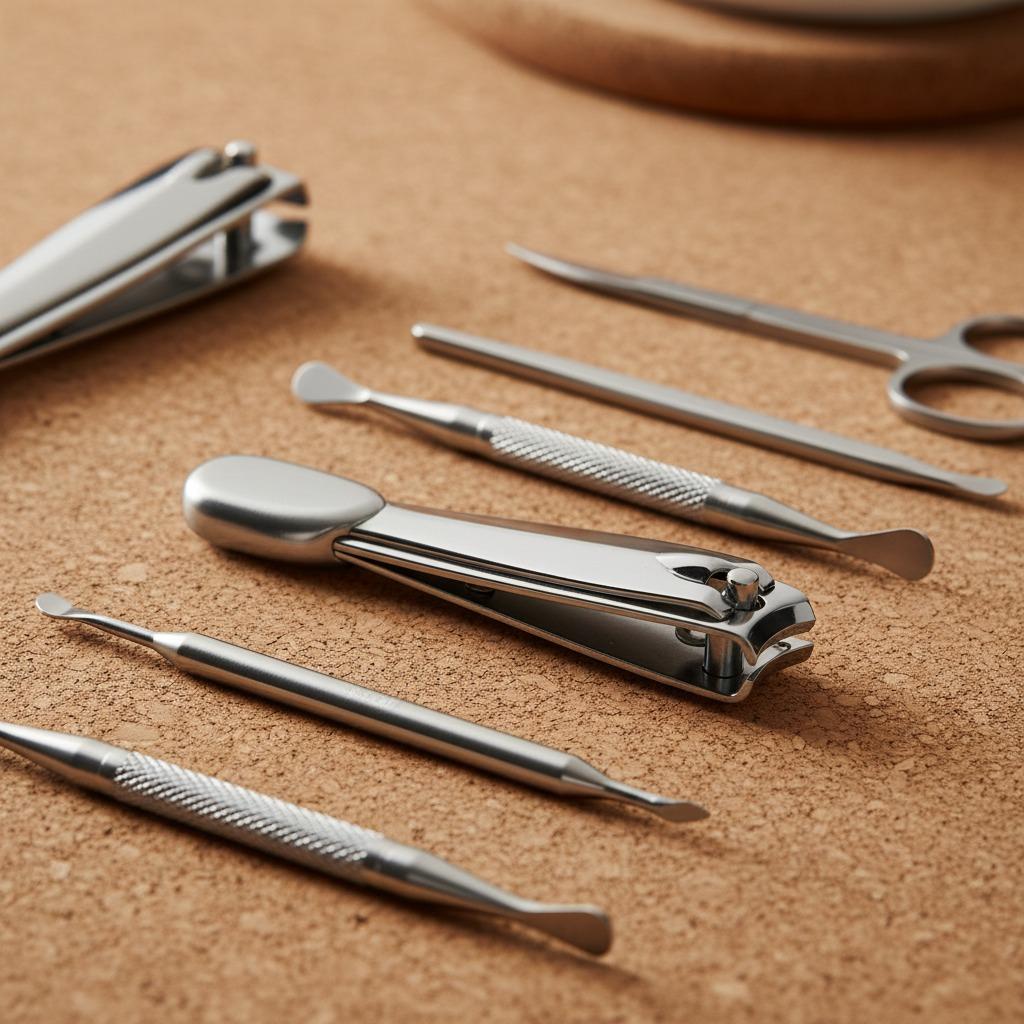
Custom tweezers for business buyers should be selected as precision beauty tools, not simple giveaway items. The best choice depends on how the tweezer grips, how consistently the tips meet, how the finish feels in the hand, how the packaging protects the tool, and how well the branding supports the intended sales channel.
For beauty retailers, salon suppliers, brow studios, distributors and private-label kit brands, tweezers are small products with high visibility. Customers use them close to the face and judge them quickly. If the tips slip, the arms feel uneven, the surface is rough, or the tool looks generic beside branded packaging, the customer connects that experience with the seller’s brand.
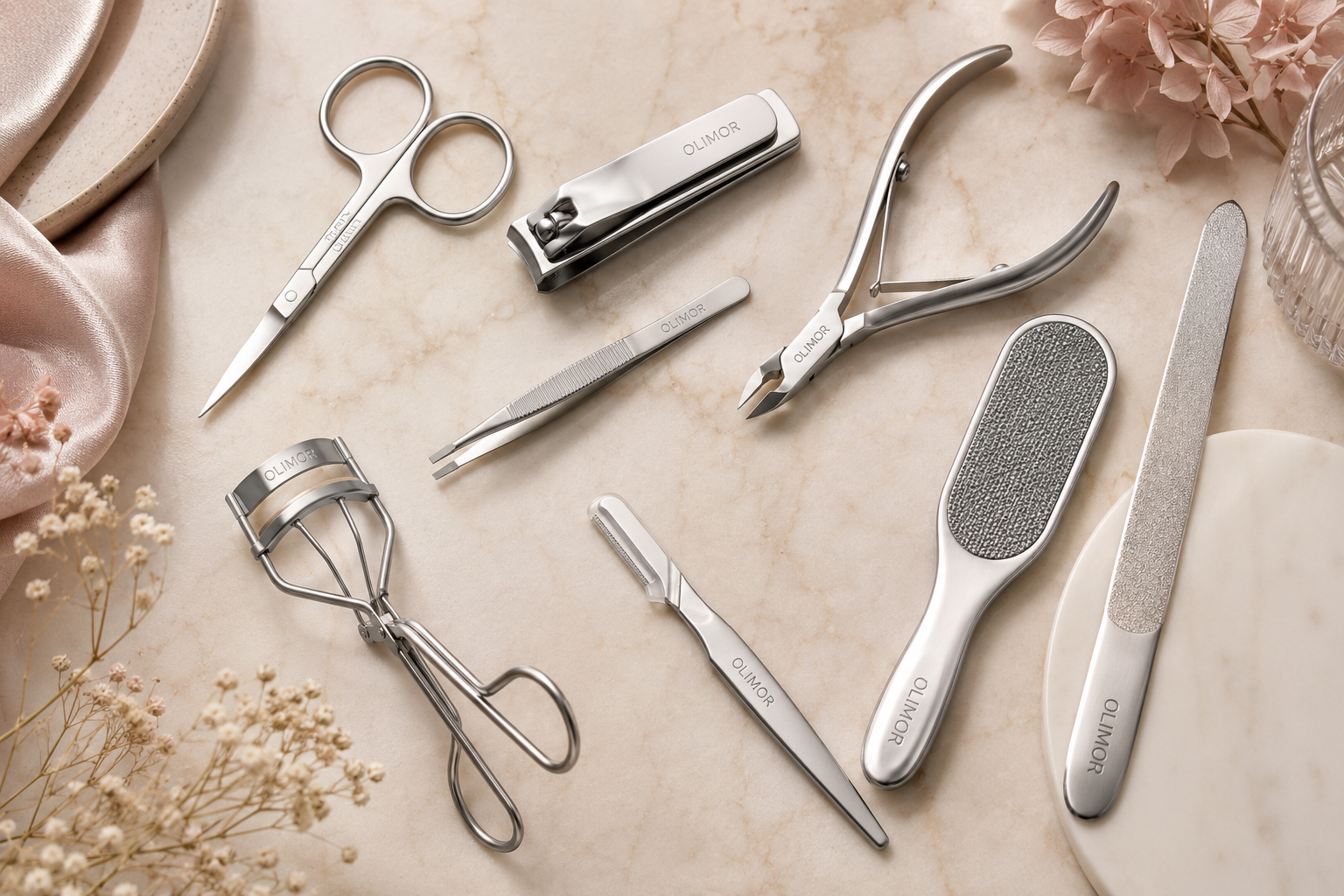
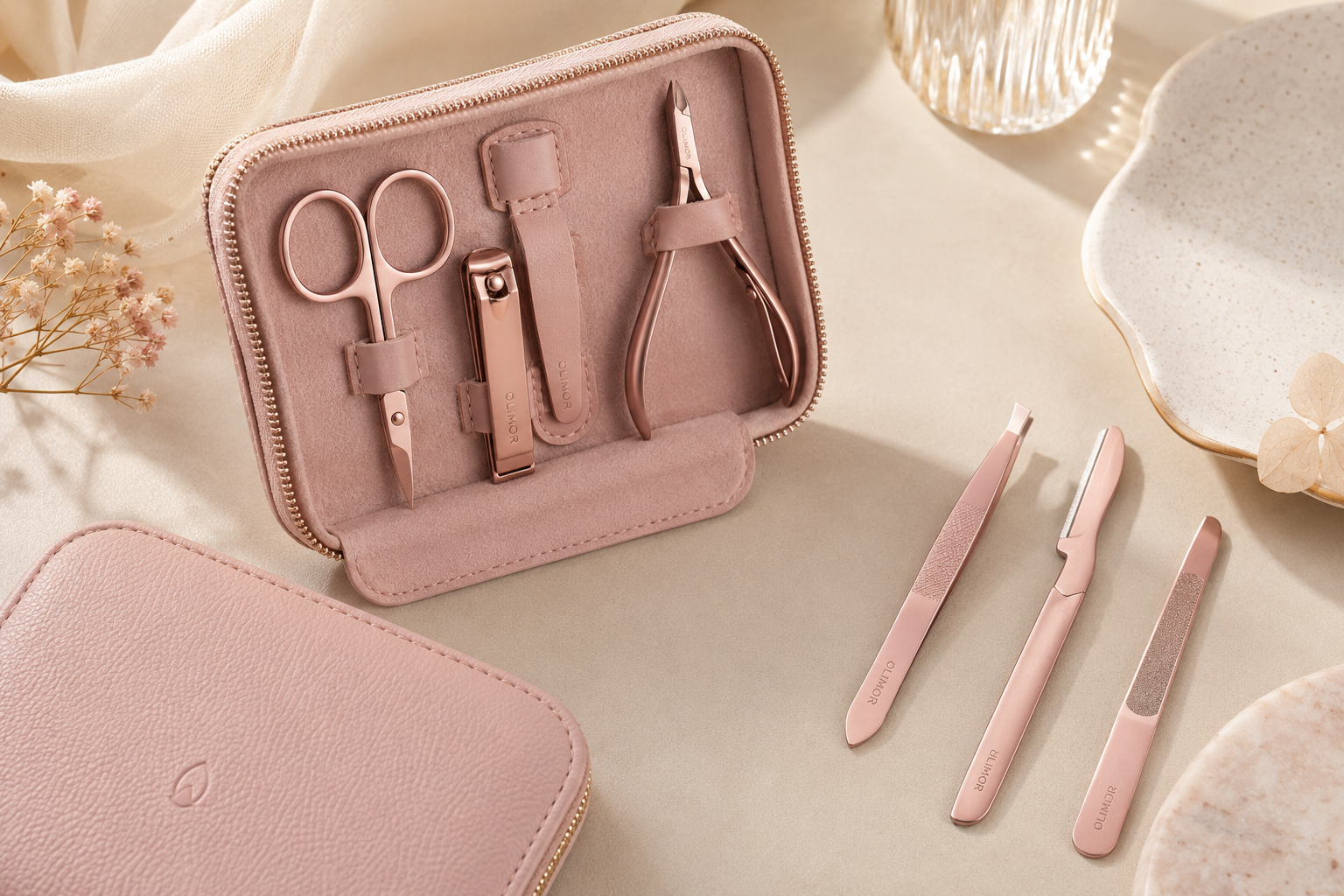
This guide explains how to evaluate custom B2B tweezers before ordering in bulk, including performance details, material and finish considerations, packaging questions, cost factors and supplier evaluation points. Buyers comparing beauty tool options can also review Olimor’s beauty tool products to see how tweezers may fit into a wider retail or professional assortment.
Why Custom Tweezers Need a B2B Buying Mindset
A consumer may buy tweezers after a quick look at the shape, color and price. A business buyer needs a more structured approach because one decision may affect many end users, retail reviews, salon services or reseller relationships. A bulk tweezer order may be sold through ecommerce, placed into beauty kits, supplied to technicians, used as a promotional item or distributed across multiple stores.
The buying question is not only whether the item looks acceptable in a product photo. The more important question is whether the product can remain consistent across the order and continue to represent the brand well after repeated use. Generic tweezers may offer a low initial unit cost, but hidden costs can appear when tip alignment varies, packaging fails in transit, coatings look inconsistent, or customers return items because the grip is unreliable.
Custom tweezers help business buyers define the product around a target use case. A salon supply buyer may prioritize precision, hand feel and durability. A beauty retail brand may need a balance of appearance, logo placement, package protection and margin. A distributor may focus on broad appeal, repeatable specifications and stable replenishment. The right specification connects tool performance with commercial purpose.
Core Product Details That Affect Tweezer Performance
The most important part of a tweezer is the meeting point of the tips. Even a visually attractive tool can disappoint if the ends do not close evenly or cannot hold fine hairs under normal pressure. For eyebrow shaping, stray hair removal, grooming kits and general beauty use, poor gripping performance is immediately noticeable.
Tip Alignment and Grip
Tip alignment should be checked before approving samples and again as part of bulk inspection. When the arms close under normal pressure, the tips should meet cleanly without an obvious gap. The tool should grip a fine hair or test fiber without requiring excessive force. If the tips are too blunt for the intended application, users may struggle to catch fine hairs. If the working edges feel too sharp for the use case, the tool may feel uncomfortable or aggressive.
Arm Tension and Hand Feel
Arm tension affects comfort, especially for professional or repeated use. If tension is too stiff, users may feel fatigue. If it is too loose, the tool may feel weak or imprecise. The surface should provide stable control, and non-working edges should not feel rough or sharp during handling. Ergonomic design is valuable because the tweezer must feel controlled in the fingers, not just look refined in packaging.
Material and Finish
Stainless steel is commonly selected for beauty tools because it supports a clean, professional feel and is suitable for repeated handling when manufactured and finished properly. Buyers should still confirm the selected style, finish and care expectations for the intended market. A polished, matte, colored or black finish can change the perceived value of the product, but finish consistency matters as much as the color itself.
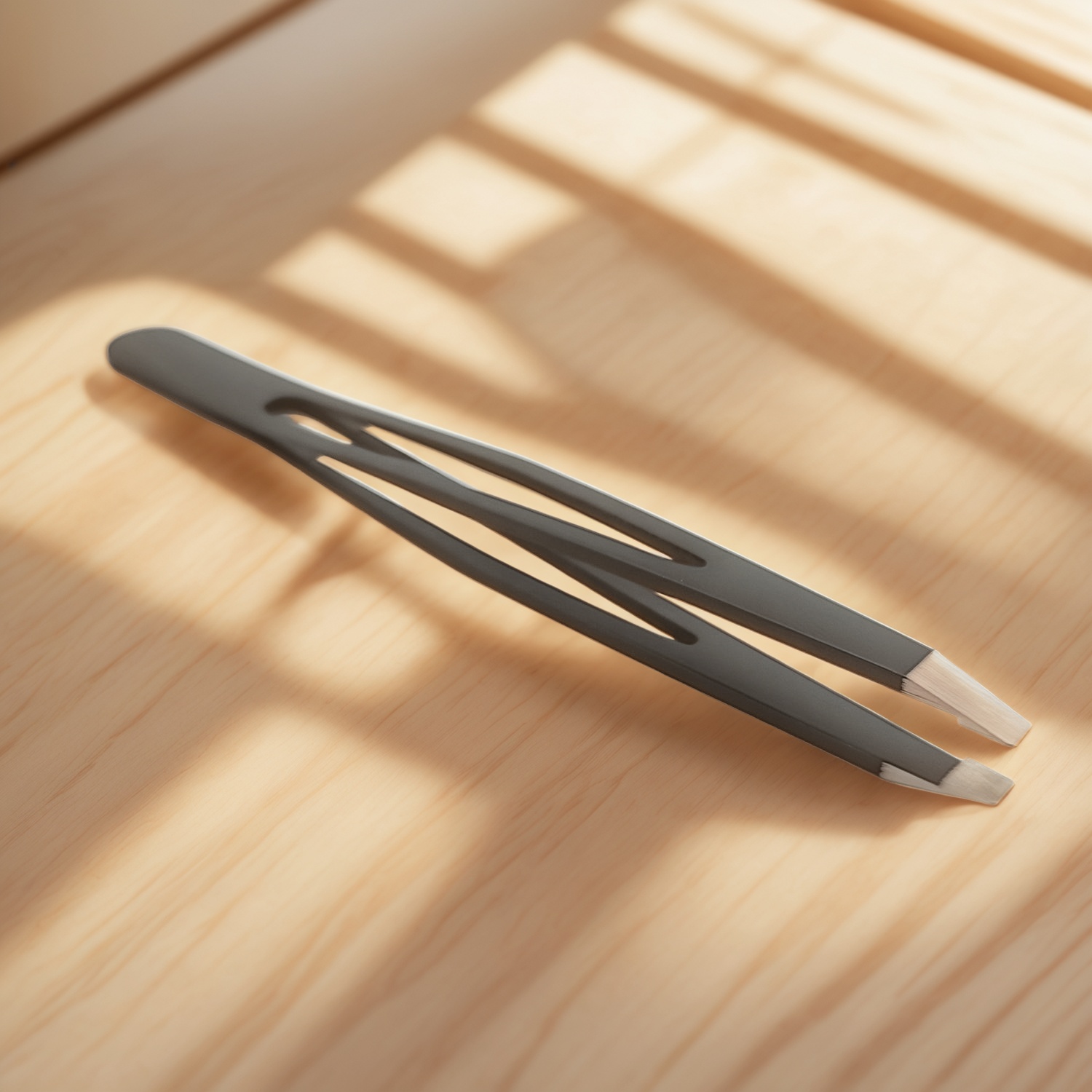
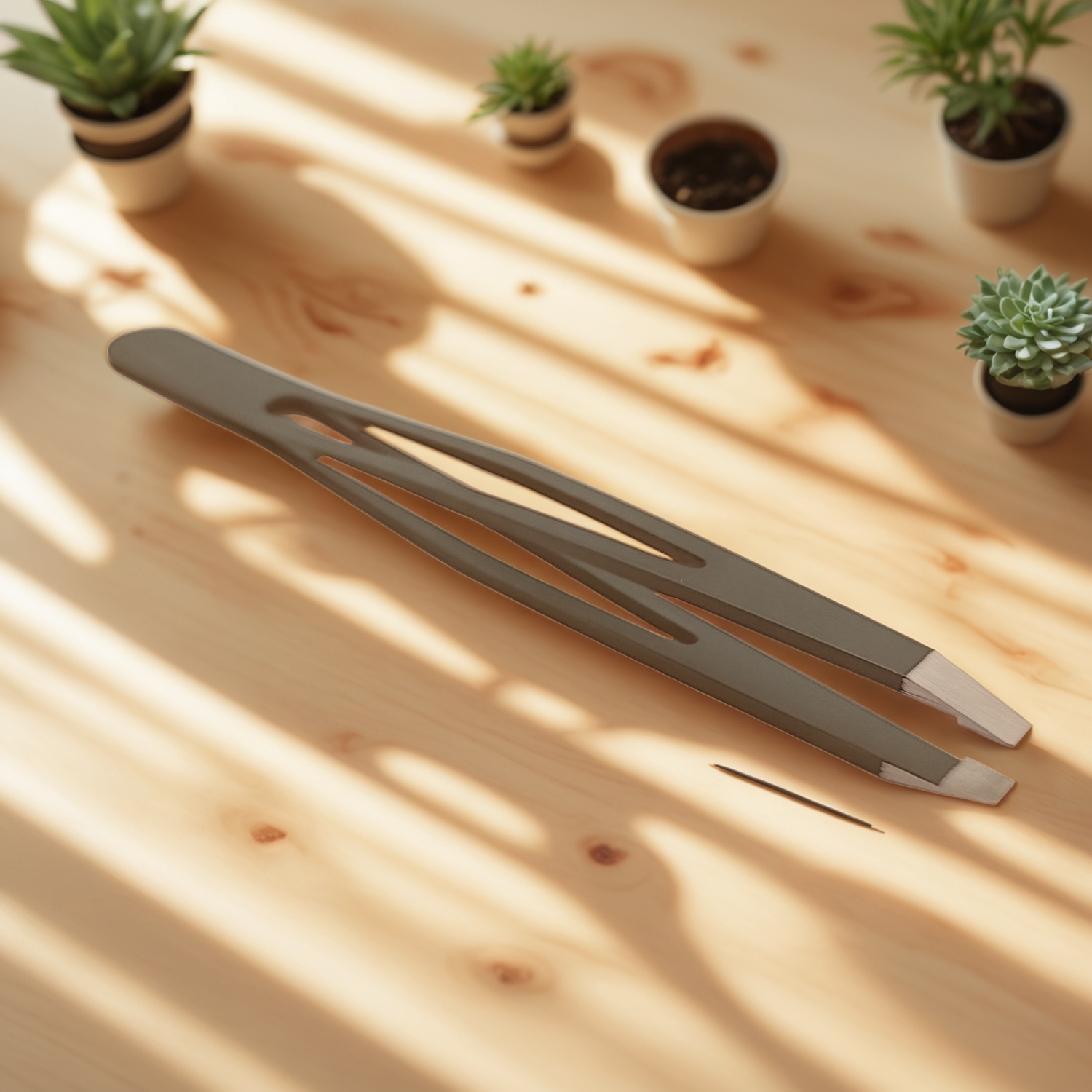
A sleek dark finish, for example, may support a premium look and help the product stand apart from basic silver tools, but it should be reviewed for even appearance, smooth hand feel and suitability for the expected sales channel. Buyers should not approve a finish based only on a render or catalog image; physical samples provide a clearer understanding of surface feel, color direction and branding visibility.
Choosing the Right Tweezer for the Use Case
A common sourcing mistake is choosing custom tweezers mainly by appearance. The tip shape, tension, packaging and branding should match the primary buyer. A brow-focused product has different expectations from a general grooming accessory, travel kit item or gift-with-purchase tool.
Before requesting customization, define where the product will be sold or used. Is it for professional salon work, everyday personal grooming, private-label retail, wholesale distribution, beauty kits or promotional programs? Each channel values a different mix of precision, comfort, visual style, packaging information and price position.
| Business use | Selection priorities | Buyer risk to avoid |
|---|---|---|
| Beauty retail brand | Consistent finish, clear logo placement, protective packaging and a product style that matches the retail price point | A tool that looks branded but performs like a low-grade generic item |
| Salon or professional supply | Tip precision, comfortable arm tension, smooth edges, durable material feel and reliable grip | User fatigue, inconsistent gripping or complaints from technicians |
| Distributor assortment | Broad market appeal, repeatable specifications, packaging flexibility and stable batch quality | Variation between orders that creates reseller complaints |
| Beauty kit or gift set | Visual match with other tools, compact presentation, secure packaging and acceptable functional performance | One weak accessory reducing the perceived value of the full set |
| Promotional program | Brand visibility, practical usability, safe packaging and a finish that does not feel disposable | A low-cost item that damages brand perception after first use |
Branding and Packaging Decisions Before Customization
Customization should improve the product experience, not distract from it. A logo that is too large, a color that marks too easily, or packaging that looks attractive but fails during shipping can reduce the perceived value of the entire order. Business buyers should decide how the tweezer will be presented before confirming decoration and packaging details.
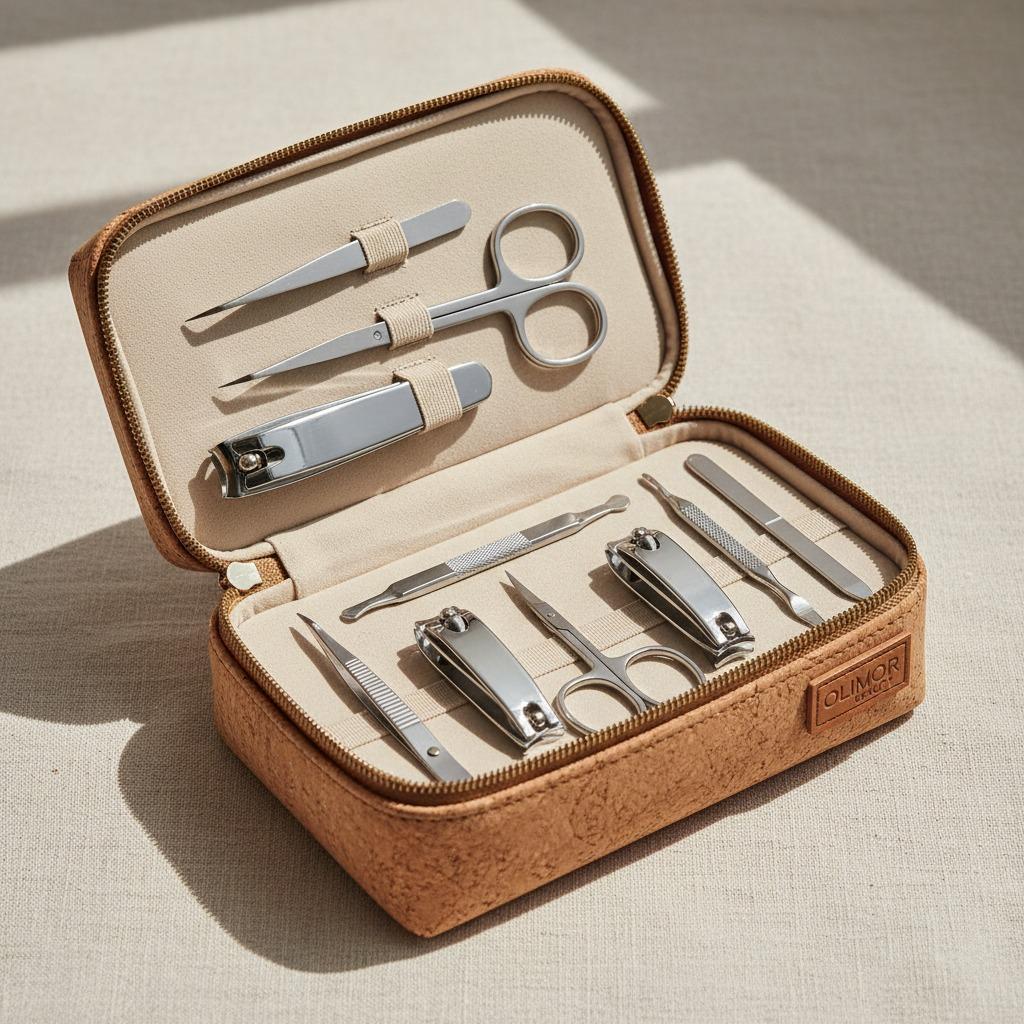
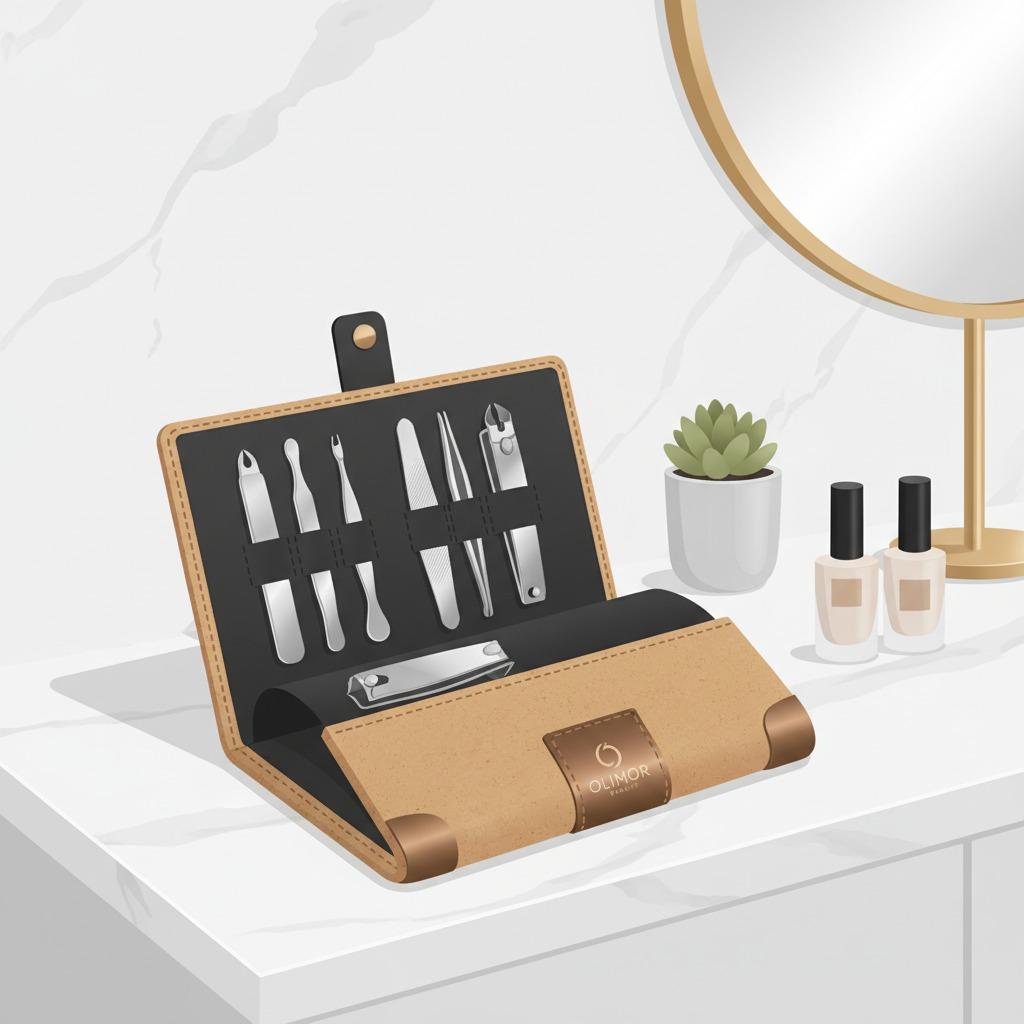
Branding may appear on the tool, the packaging or both. A retail brand may need clean logo placement, product information, barcode space and packaging that photographs well for ecommerce. A salon supplier may prefer practical packaging that allows easy identification and handling. A private-label kit may need the tweezer finish to match other beauty tools in the set.
Useful branding questions include:
- Will the tweezers be sold individually, bundled in a grooming kit, or used as a gift-with-purchase?
- Should the brand appear on the tool body, the outer pack, an insert card, or multiple surfaces?
- Does the finish match the brand’s existing color direction and beauty positioning?
- Does the package need space for barcode labels, instructions, care notes or multilingual information?
- How will the tool be protected during warehousing, shipping and shelf handling?
Buyers planning a coordinated product line can browse Olimor’s beauty tool collections to consider how tweezers may sit beside related grooming or beauty accessories.
Bulk Tweezers Price Versus Total Business Value
Bulk tweezers price is often the first point discussed, but the lowest quote is not always the best value. A lower unit cost can become expensive if it leads to returns, poor reviews, unsellable inventory, customer service time or weak repeat orders. For distributors, hidden costs may also include losing reseller confidence when quality varies between batches.
A stronger sourcing comparison looks at total landed value and brand impact. Visible costs include the product price, packaging, logo application, freight and any inspection or preparation requirements. Hidden costs include defect handling, replacement shipments, negative reviews, retailer complaints and the effect of a weak tool inside a branded kit.
When comparing suppliers, separate cost factors into what is fixed, what changes with customization and what may create risk later. A precise, comfortable tweezer can support repeat purchase and customer trust. A poorly made tweezer may save money at the sourcing stage but weaken the brand every time the end user tries to grip a fine hair.
Practical Sample Review Checklist
Samples are essential because many tweezer quality issues are tactile and functional. A photo can show shape and color, but it cannot prove alignment, tension, edge comfort or packaging stability. Buyers should review samples in the same context in which the final product will be sold or used.
- Check tip meeting: Close the tweezer under normal pressure and look for even contact at the working tips.
- Test grip behavior: Use a fine hair or similar test fiber to confirm that the tips hold without repeated attempts.
- Assess tension: Open and close the tool several times to judge whether resistance feels too stiff, too loose or inconsistent.
- Review surface feel: Run fingers carefully along the body and edges to identify rough areas or uncomfortable contact points.
- Inspect finish consistency: Compare multiple samples for color variation, marks, uneven coating or visible finishing defects.
- Confirm branding visibility: Make sure the logo is legible, properly placed and suitable for the product’s retail position.
- Evaluate packaging fit: Confirm that the tweezer sits securely and is protected from rattling, scratching or bending.
- Match the sales channel: Ask whether the sample feels appropriate for salon use, retail sale, kit inclusion or promotional distribution.
A good sample is useful only if the same specification can be repeated in bulk production. Buyers should clearly record approved details, including shape, finish direction, branding placement, packaging structure and functional expectations.
Quality Checks and Supplier Evaluation
Custom tweezer sourcing depends on repeatability. A supplier should be able to discuss how visible and functional points are checked during production and before shipment. Olimor Beauty focuses on beauty tool manufacturing and B2B product support, including custom tweezers and related accessories, with attention to technical quality and internal quality control. Buyers should still define their own acceptance expectations before placing a bulk order.
For practical inspection, buyers can specify key checkpoints such as tip alignment, grip behavior, arm tension, surface smoothness, finish appearance, logo placement, packaging fit and carton condition. If a buyer or third-party inspector uses a sampling plan, ISO 2859-1 is a commonly referenced standard for acceptance sampling by attributes. For markets where chemical restrictions on articles or coatings may apply, buyers may also need to consider requirements connected with public bodies such as the European Chemicals Agency under REACH. The applicable version, market obligations and supplier documentation should always be verified for the specific product and destination.
Supplier evaluation should cover communication as well as production capability. A reliable B2B partner should ask about intended use, market position, packaging needs and branding expectations before finalizing details. If a supplier focuses only on the lowest price without discussing performance and inspection points, the buyer may face problems later.
How to Prepare a Better Custom Tweezer Inquiry
A clear inquiry helps suppliers respond with more relevant options and reduces misunderstanding before sampling. Instead of asking only for a bulk tweezers price, prepare a short brief that explains the commercial goal, intended use and required presentation.
- Target channel: beauty retail, salon supply, wholesale distribution, private label kit or promotional program.
- Primary use: brow shaping, general grooming, travel set accessory or multipurpose beauty tool.
- Preferred style direction: tip shape, finish appearance, color direction and desired hand feel.
- Branding needs: logo placement, packaging artwork, barcode area, care notes or label requirements.
- Quality priorities: tip alignment, grip, tension, finish consistency and packaging protection.
- Commercial constraints: target price position, order planning, sample needs and replenishment expectations.
Business buyers ready to discuss a project can send requirements through Olimor’s custom product inquiry. For broader sourcing questions or project clarification, the Olimor contact page is available for direct communication.
FAQ: Custom Tweezers for Business Buyers
Can I request samples before placing a bulk tweezer order?
Sample review is recommended because tip alignment, arm tension, surface feel and packaging fit are difficult to judge from photos alone. Buyers should confirm sample availability, sample cost, customization scope and shipping details directly with the supplier.
What customization options should I decide first?
Start with the intended use, target sales channel, finish direction, logo placement and packaging style. These choices affect cost, production planning and perceived quality. Decoration should support the product’s function and brand position rather than overwhelm it.
How should MOQ be discussed for custom tweezers?
MOQ can depend on the selected style, finish, packaging, branding method and production arrangement. Buyers should avoid assuming one fixed quantity for every project and should confirm current requirements with the supplier before planning launch volumes.
What quality checks matter most for bulk tweezers?
The most important checks include tip meeting, grip on fine hair or test fiber, arm tension, smooth edges, finish consistency, logo placement and packaging protection. These points should be agreed before production so the approved sample can be used as a practical reference.
Can lead time be confirmed before ordering?
Lead time should be confirmed based on the final specification, sample approval, packaging requirements, order quantity and current production schedule. Buyers should verify timing directly and avoid planning retail launches until production and shipping details are agreed.
Final Buying Advice
The best custom tweezers for business buyers combine practical performance with appropriate branding. Tip precision, hand feel, material impression, finish consistency and packaging protection all influence whether the product supports repeat sales or creates avoidable complaints. A useful sourcing process begins with the target user, confirms samples carefully, compares total value instead of unit price alone, and defines quality checks before bulk production.
For retailers, salons, distributors and private-label beauty brands, tweezers may be small, but they are not minor. A well-specified tweezer can make a beauty kit feel more complete, a retail line feel more professional and a salon supply offer more dependable. The goal is not simply to add a logo; it is to create a tool that fits the market, performs reliably and represents the brand with confidence.