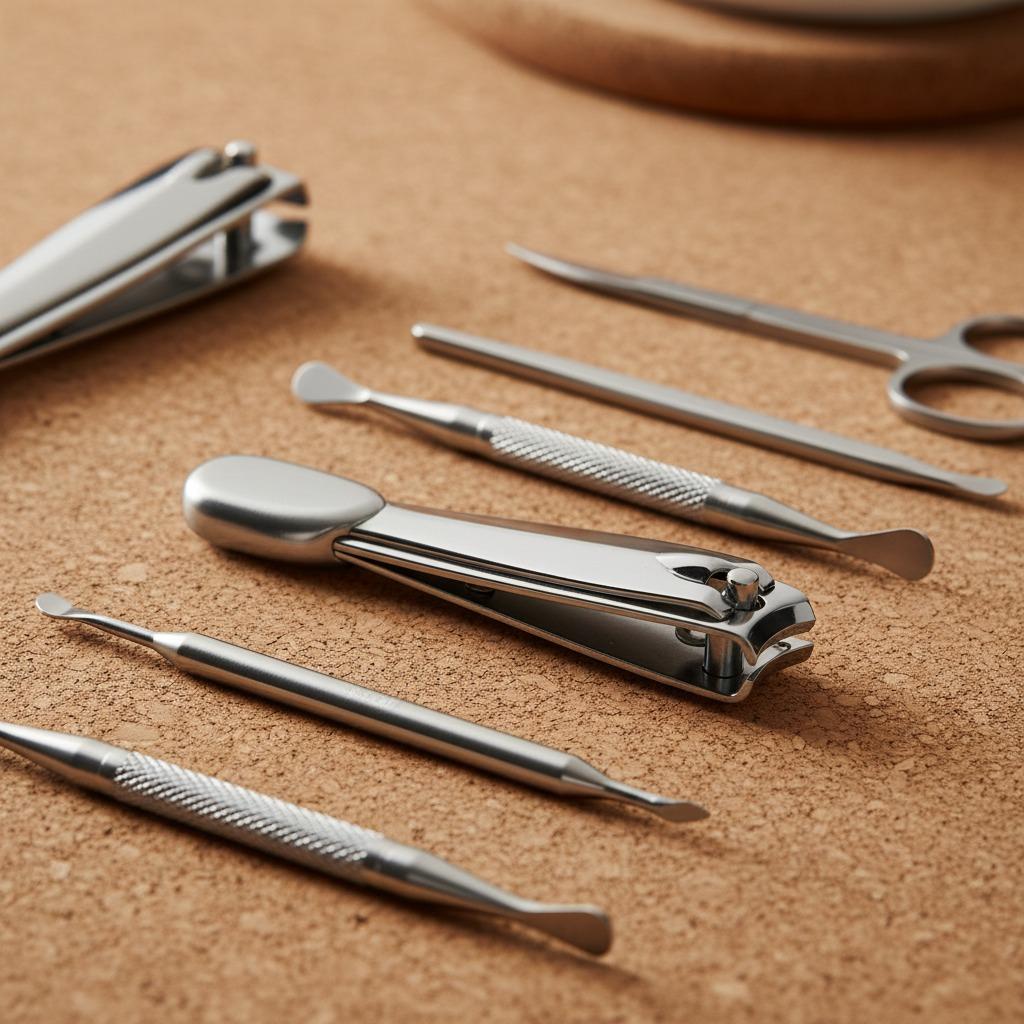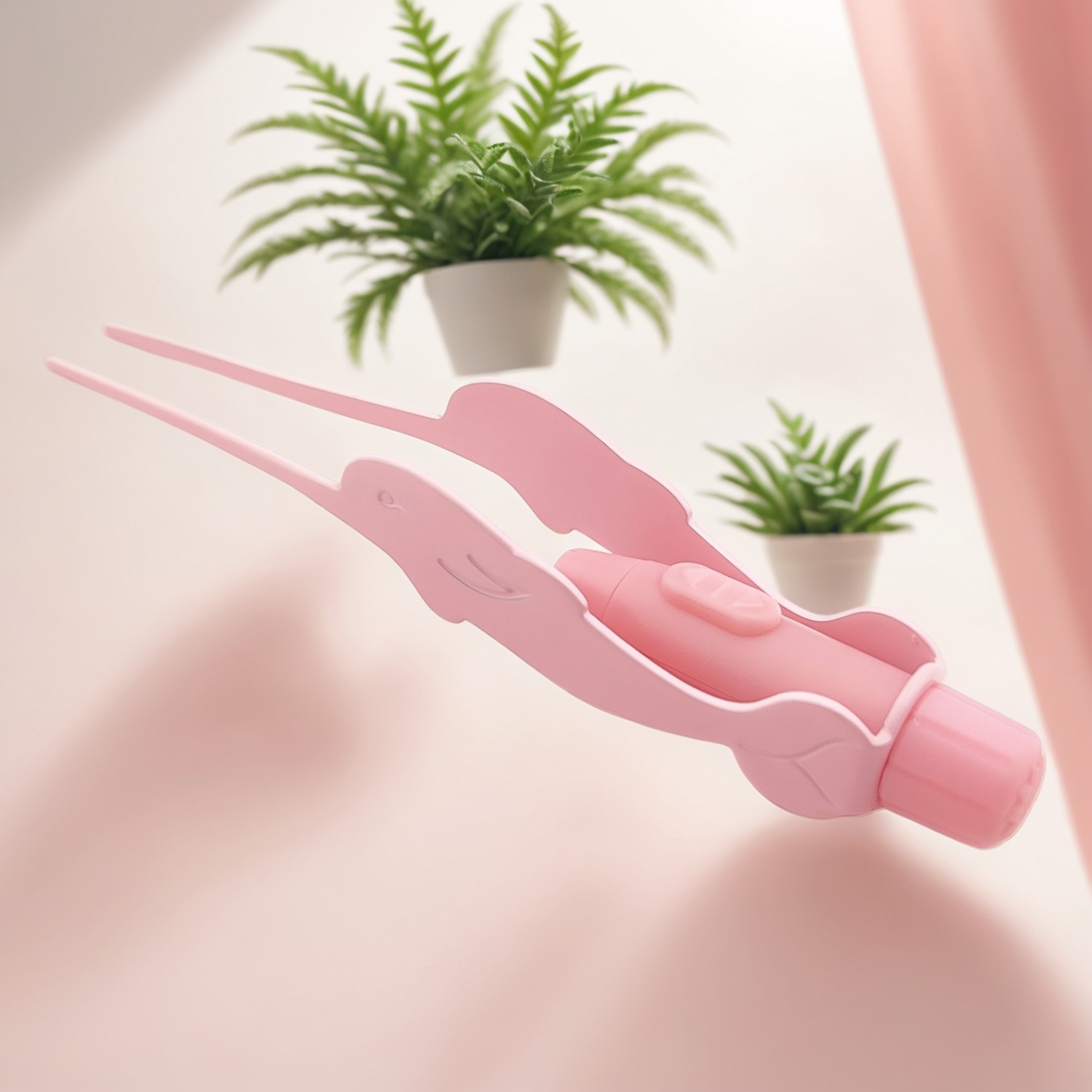
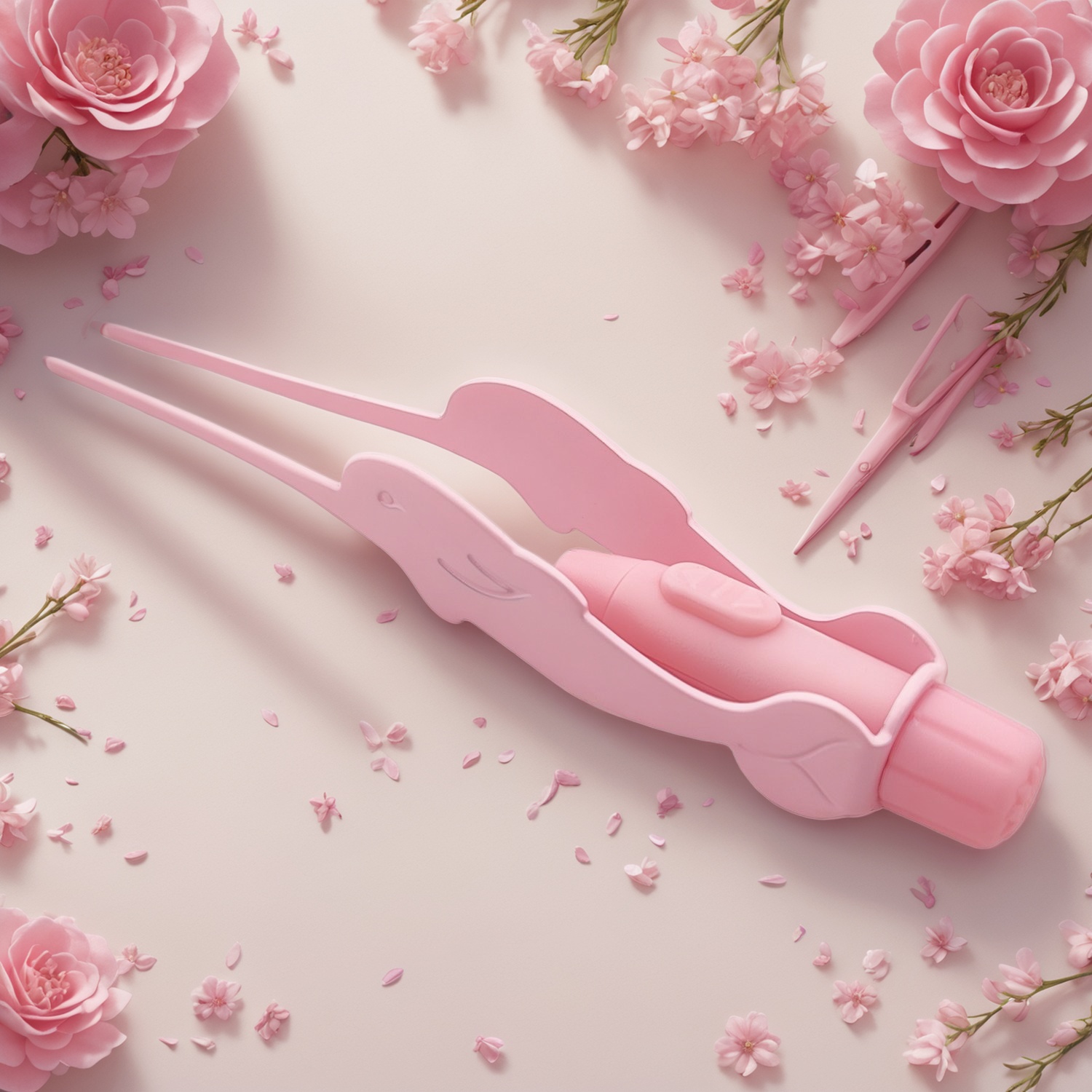
Custom tweezers are small beauty tools, but they can strongly influence how a customer judges a retail product, salon accessory, gift set or promotional item. Buyers notice the unit cost, while end users notice the details: whether the tips meet cleanly, whether the grip feels controlled, whether the finish looks consistent, and whether the packaging matches the brand promise.
For B2B buyers, the best sourcing decision is not simply choosing a tweezer shape and adding a logo. It is a controlled process that connects product use, customization, inspection, packaging and supplier capability. This guide explains how beauty brands, retailers, salon suppliers, distributors and promotional buyers can source custom tweezers with fewer misunderstandings and stronger repeat-order consistency.
Start With the Business Use Case
The most important sourcing question is not “What logo can we print?” but “What job must this tweezer perform?” A tool designed for brow shaping has different requirements from a tweezer included in a gift set, a lash application accessory, or a low-cost promotional item. Defining the use case first helps prevent over-customizing the wrong feature while ignoring the functional details that matter most.
A brow-focused retail tweezer may need a precise slant tip, balanced tension and protective packaging. A salon retail product may require a more polished presentation and reliable repeat quality. A promotional tweezer may prioritize a clean imprint area, simple packaging and consistent cost control. A beauty kit tweezer should coordinate with other tools in finish, size and presentation so the set feels intentional.
If you are planning a wider assortment, review related Olimor beauty tool products to understand how tweezers can fit with scissors, combs, mirrors, grooming tools or other beauty accessories. Sourcing tweezers as part of a product range often leads to better decisions on finish direction, packaging format and brand consistency.
Standard Tweezers or Custom Designs?
Standard tweezers can be suitable when speed, simplicity or basic resale is the main priority. They may work for starter product testing, general promotional use, or programs where a distinctive shape is not essential. Custom tweezers are more appropriate when the product must support a defined retail position, private label range, salon identity or gift-set presentation.
Customization can include the tip style, body shape, surface finish, color, branding method, protective sleeve, pouch, retail card, box, or set configuration. Each choice should support the intended user experience. A dramatic handle shape may look unique but feel uncomfortable. A glossy finish may look premium but show fingerprints more easily. A larger logo may improve visibility but reduce the clean look required for premium packaging.
Common Customization Areas
- Tip style: Slanted tips are commonly used for eyebrow grooming, pointed tips support fine-detail work, and flat or specialty tips may suit specific handling tasks.
- Tip alignment: The two sides should meet evenly without a visible gap, twist or offset, because this directly affects grip.
- Handle shape: The body should feel stable in the hand and provide controlled tension without requiring excessive force.
- Surface finish: Matte, polished, coated or colored finishes influence both appearance and perceived quality.
- Branding method: Logo placement should remain legible at the selected size and suit the surface finish.
- Packaging: Sleeves, pouches, cards and boxes affect protection, shelf presentation and perceived value.
Local Sourcing Versus International Tweezers Trade
Domestic sourcing can be useful when a buyer needs very small trial quantities, quick local communication or short-distance delivery. It may also simplify urgent replenishment and reduce import administration. However, local options may be limited if the project requires specific finishes, custom packaging, set assembly or direct manufacturing support.
International sourcing, including the decision to import tweezers from China, can give buyers access to a broader beauty tool supply chain and more customization options. This can be valuable for brands building a coherent beauty tools range rather than purchasing one isolated item. A specialized tweezers global supplier may be able to discuss tip options, finish direction, logo methods, protective packaging and retail presentation under one sourcing plan.
The tradeoff is planning. International projects require clear specifications, sample review, artwork confirmation, production scheduling, inspection and freight coordination. A lower unit quote is not necessarily a better result if the product does not match the approved sample, arrives with inconsistent packaging, or creates rework. The better sourcing question is whether the supplier can support your product complexity, target customer, quality expectations and reorder plan.
| Decision Area | Local Sourcing May Fit When | International Sourcing May Fit When |
|---|---|---|
| Project speed | You need rapid local communication or simple replenishment. | You can plan sampling, production and shipping in advance. |
| Customization | The product is close to a standard catalog item. | You need custom finish, logo, packaging or set configuration. |
| Supplier role | You mainly need distribution or resale support. | You need manufacturing input and product-detail coordination. |
| Cost evaluation | Domestic handling and simple logistics are priorities. | You compare total landed cost, inspection, freight and repeat supply. |
| Range planning | The tweezer is a one-time item. | The tweezer is part of a broader beauty tool collection. |
What to Define Before Requesting a Quote
Vague requests such as “custom tweezers with logo” often lead to quotes that are difficult to compare. A useful sourcing brief explains how the tool will be used, where it will be sold, what the end customer expects, and what packaging or labeling information is required. The brief does not need to be perfect at the first stage, but it should be specific enough for suppliers to recommend realistic options.
Before asking for pricing, prepare the following information where possible:
- Product role: Standalone retail tweezer, salon accessory, travel-size tool, gift-with-purchase item, promotional product or component in a beauty set.
- User task: Brow shaping, lash application, fine hair removal, general grooming or professional salon use.
- Tip requirement: Slant, pointed, flat or another style that matches the user skill level and intended precision.
- Finish direction: Natural metal appearance, matte effect, polished look, colored coating or other brand-appropriate surface.
- Branding details: Logo position, size, color expectations, and whether printing or engraving appears more suitable.
- Packaging format: Sleeve, pouch, card, retail box, set box or other structure required by the sales channel.
- Market requirements: Barcode area, product name, language needs, country-of-origin marking and any retailer-specific labeling instructions.
For import projects, buyers should verify current requirements with their logistics provider and relevant authorities. For example, U.S. importers may need to review country-of-origin marking expectations with U.S. Customs and Border Protection guidance. Requirements can vary by product, market and packaging claim, so the applicable version and supplier documentation should always be checked before production.
Quality Checks That Matter for Tweezers
Tweezers are precision tools, so inspection must go beyond appearance. A beautiful coating or attractive box cannot compensate for tips that fail to grip. The approved sample should represent the expected shape, finish, logo position, packaging and workmanship for production. Keeping that sample as a reference helps both buyer and supplier discuss future inspection findings clearly.
Practical Sample Approval Checklist
- Tip meeting point: Check whether the two tips meet from the very end without gaps, twisting or visible offset.
- Grip performance: Test the tweezer on fine material to confirm it can hold without slipping or cutting unexpectedly.
- Tension feel: Open and close the tool repeatedly to confirm the spring action feels controlled and consistent.
- Edges and safety: Review the handle and tip area for burrs, rough edges or unintended sharp surfaces.
- Finish consistency: Compare several samples for color, coating, polish, scratches, stains and visible surface defects.
- Logo execution: Confirm placement, legibility, orientation and appearance on the selected finish.
- Packaging fit: Make sure the tweezer is secure, protected and presented correctly in the selected packaging.
- Retail labeling space: Confirm there is room for barcode, product name, country-specific information and any required retailer content.
For larger or repeat B2B orders, buyers may use a recognized sampling approach such as ISO 2859-1 as a reference for acceptance sampling. This does not replace product-specific judgment, and buyers should verify the applicable version, inspection level and documentation requirements with their own quality team or inspection partner. Do not assume a supplier follows a standard unless it is agreed and documented.
How to Evaluate a Tweezers Global Supplier
A capable supplier should help turn a product idea into a controlled sourcing project. This means more than sending a price list. The supplier should be able to discuss feasible customization, explain tradeoffs, organize sample details, review artwork requirements and understand how packaging affects protection and retail presentation.
When comparing potential suppliers, consider these evaluation points:
- Beauty-tool experience: A specialized supplier is more likely to understand tip finishing, grip feel, packaging protection and set coordination.
- Communication clarity: Responses should be specific enough to confirm shape, finish, logo method, packaging and production assumptions.
- Sampling process: The supplier should provide samples or pre-production references that allow realistic function and appearance checks.
- Customization advice: A useful partner explains what is practical rather than agreeing to every design idea without review.
- Inspection planning: The supplier should be open to agreed quality checkpoints, approved samples and packaging references.
- Reorder support: For retail programs, the supplier should understand consistency across repeat production, not just a one-time shipment.
Olimor focuses on beauty tools, which can help buyers discuss custom tweezers in the context of a broader product plan. If you are comparing categories, the Olimor beauty tool collection can help frame decisions about finish matching, set composition and retail presentation.
Cost Factors Without Chasing the Lowest Quote
Custom tweezer cost depends on more than the metal tool itself. The final project cost can be affected by design complexity, finish selection, branding method, packaging structure, sampling requirements, inspection scope, shipping method and reorder expectations. Because these variables change by project, buyers should avoid relying on a unit price without understanding what is included.
A practical quote comparison should ask: Is the tweezer shape standard or customized? Is the logo printed, engraved or applied another way? Does the packaging include a sleeve, pouch, card or box? Are artwork adjustments included? What inspection expectations are agreed? How will cartons be labeled? What happens if production does not match the approved sample?
The lowest quoted unit cost may be attractive, but it can become expensive if finish quality is inconsistent, tips do not align, packaging is weak, or retail labels need rework. A better approach is to compare total project fit: product function, appearance, packaging, supplier communication, inspection plan and landed-cost considerations.
Problem-Solving Guide for Common Sourcing Issues
| Problem | Likely Cause | What Buyers Should Confirm |
|---|---|---|
| Tips do not grip fine hair well | Poor tip alignment, uneven finishing or unsuitable tip style. | Approve functional samples and inspect tip contact from multiple angles. |
| Logo looks weak or inconsistent | Branding method does not suit the finish or logo size. | Review artwork scale, placement and sample appearance before production. |
| Finish scratches or shows defects | Surface choice, handling or packaging protection is not aligned with the sales channel. | Compare finish samples and check packaging contact points. |
| Packaging looks good but does not protect the tool | The tweezer shifts, tips are exposed or the insert is not secure. | Test packaging fit and confirm pointed tips are protected during normal handling. |
| Reorders look different from the first order | No approved sample or reference standard was kept. | Maintain signed sample references for tool, finish, logo and packaging. |
Building a Clear Inquiry for Custom Tweezers
A clear inquiry saves time and improves quote accuracy. Include the intended use, target market, expected finish, logo method, packaging idea, and any known retail or import requirements. If you already have drawings, photos, packaging dielines or brand guidelines, share them with the supplier for feasibility review. If you are still early in development, explain the commercial goal so the supplier can suggest practical options.
For example, a strong inquiry might state that the product is a private label slant-tip tweezer for brow grooming, sold in retail packaging, with a matte or colored finish, a discreet logo, and protective packaging suitable for display. This is much more useful than asking only for “best price custom tweezers.”
Buyers developing a private label range or promotional program can send a custom tweezer inquiry with available product details, artwork direction and packaging expectations. For early-stage supplier evaluation, you can also contact Olimor to discuss feasible options before finalizing specifications.
FAQ: Custom Tweezers for B2B Buyers
Can I request samples before placing a production order?
Yes, sample review is an important step for custom tweezers. Buyers should use samples to check tip alignment, grip feel, finish, logo placement and packaging fit before approving production.
What affects MOQ for custom tweezers?
MOQ can depend on the tweezer style, finish, branding method, packaging format and whether the design uses standard or customized components. Confirm the applicable MOQ with the supplier after sharing your specification.
Can tweezers be customized for private label packaging?
Custom packaging may include sleeves, pouches, cards, boxes or set packaging, depending on the project. Buyers should provide artwork direction, labeling needs and retail channel requirements for review.
What quality checks should be agreed before shipment?
At minimum, buyers should check tip alignment, grip performance, tension, surface finish, logo execution, packaging fit and carton labeling. For larger programs, agree on the inspection approach and reference sample before production.
How should lead time be discussed with a supplier?
Lead time depends on sampling, artwork approval, production scheduling, inspection and shipping method. Ask the supplier to separate these stages instead of giving only one general timeline.
Final Sourcing Takeaway
Successful custom tweezers combine practical function with consistent brand presentation. The strongest projects begin with a clear use case, realistic customization choices, approved samples, agreed quality checks and a supplier capable of supporting repeat production. Whether you source locally or import tweezers from China, evaluate the full project rather than the unit price alone.
For beauty brands, salon suppliers, distributors and promotional buyers, a well-specified tweezer can become a dependable part of a product line. The key is to treat it as a precision beauty tool, not just a small branded accessory.