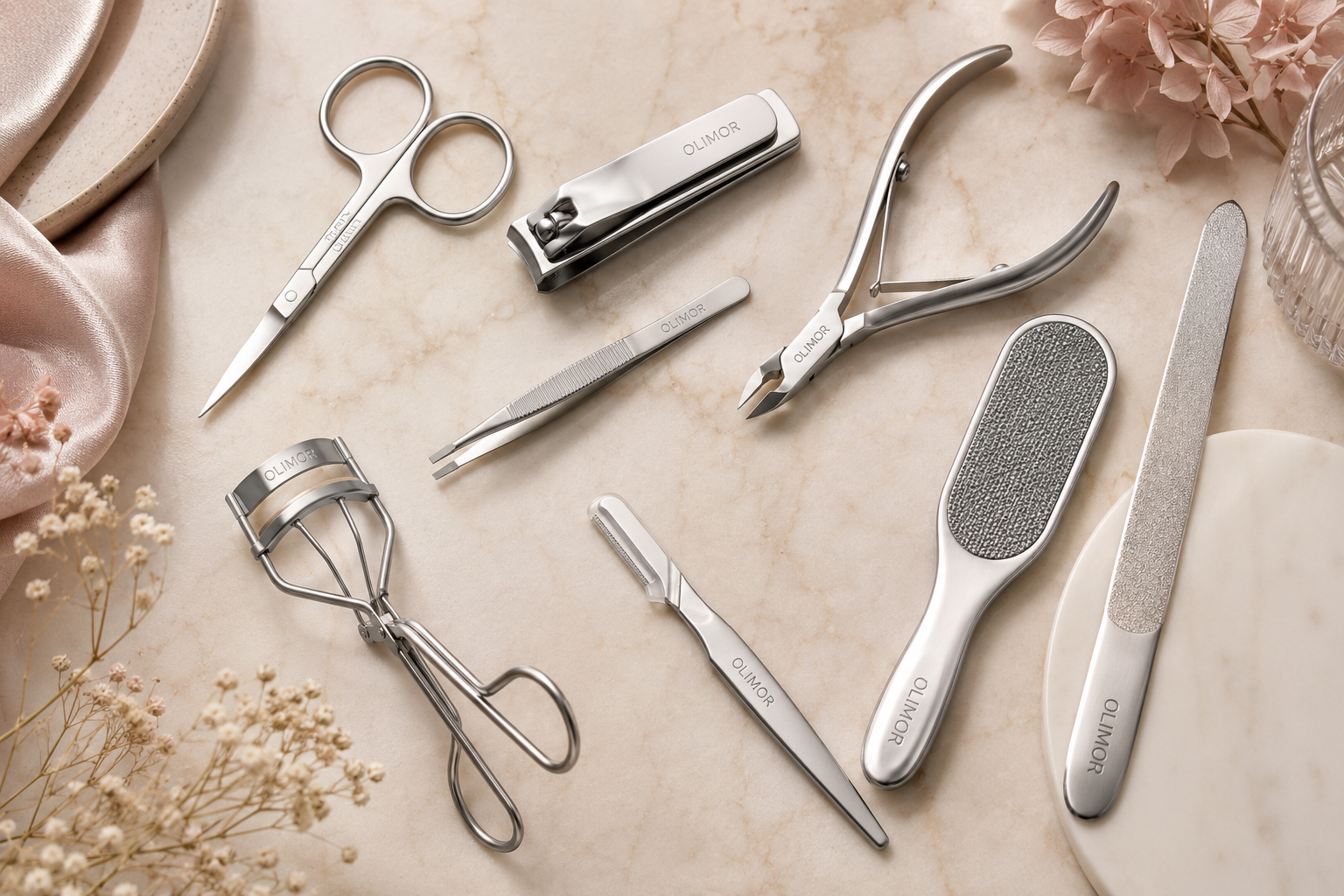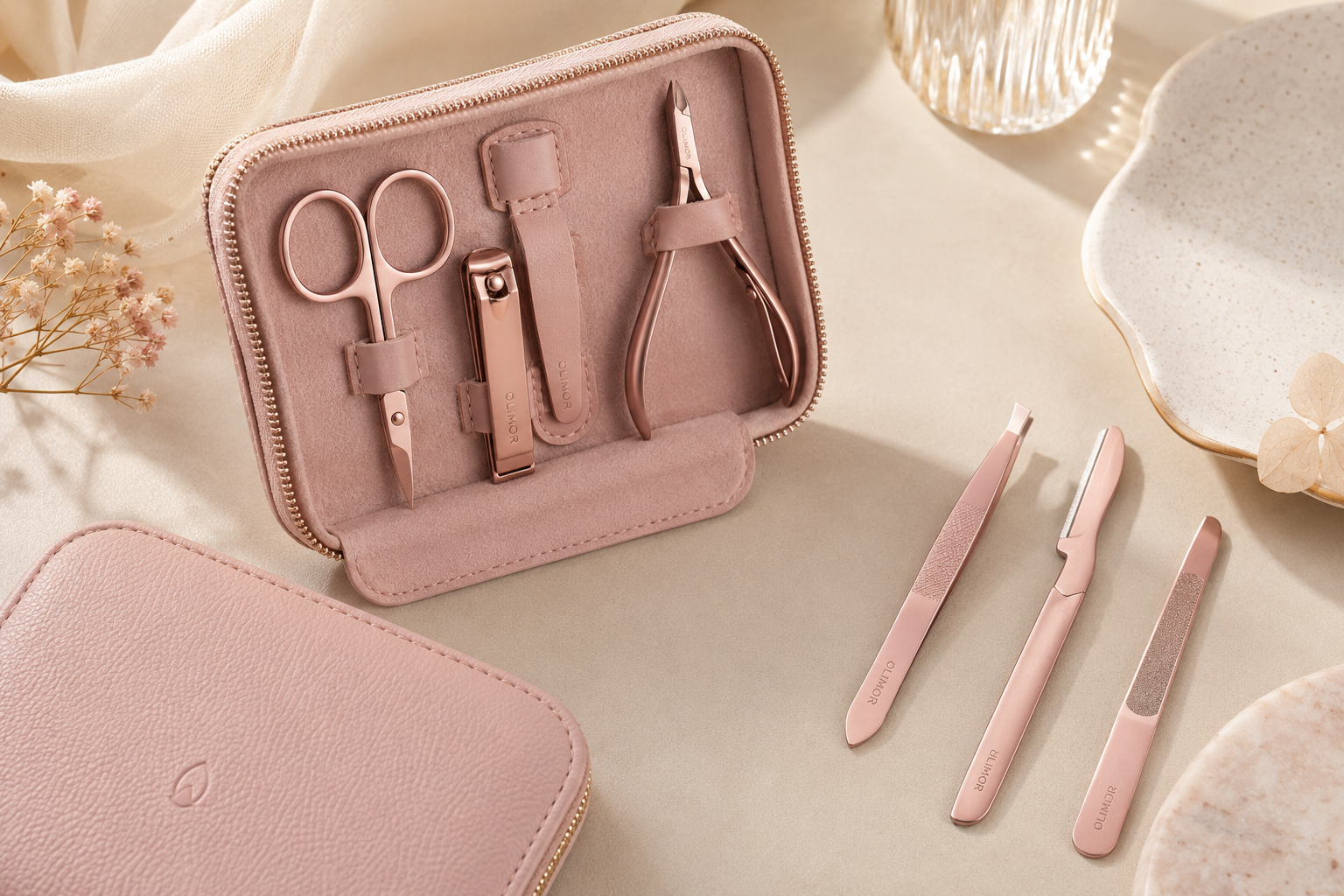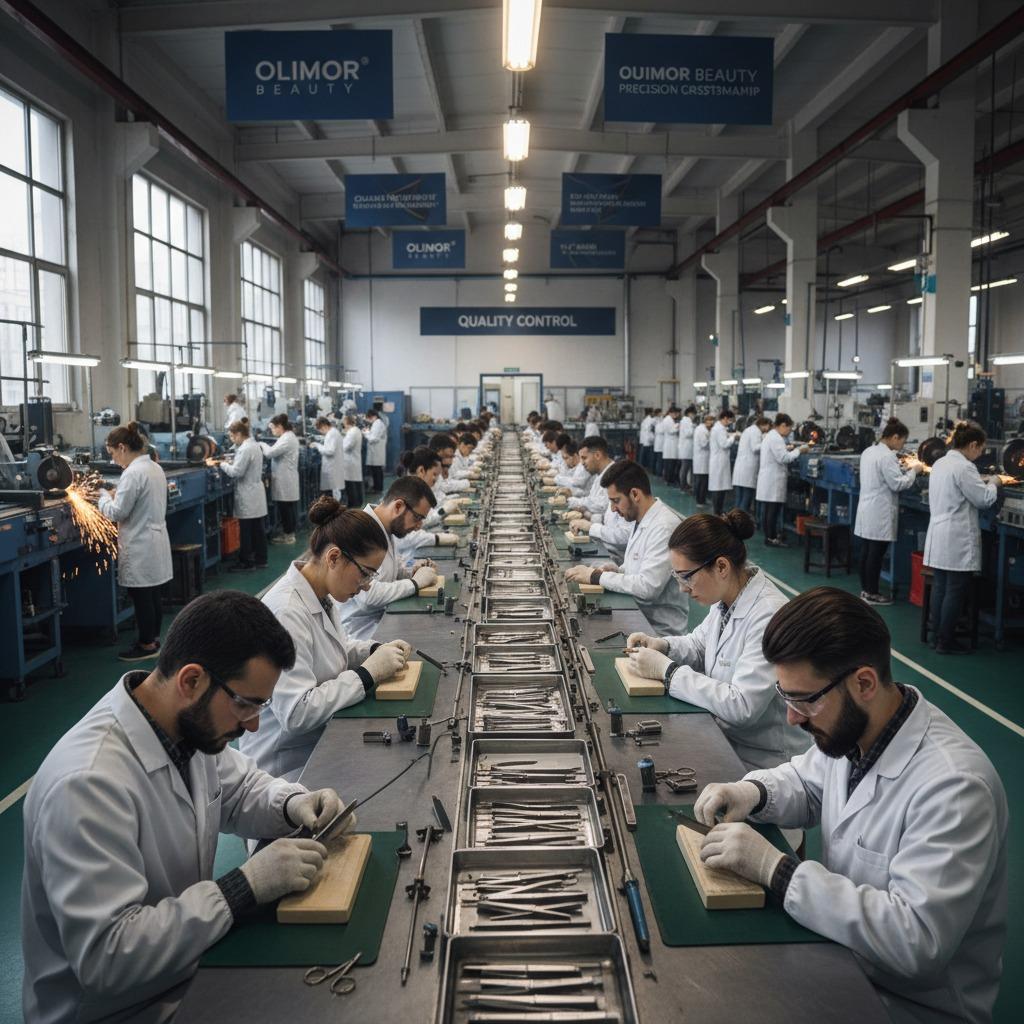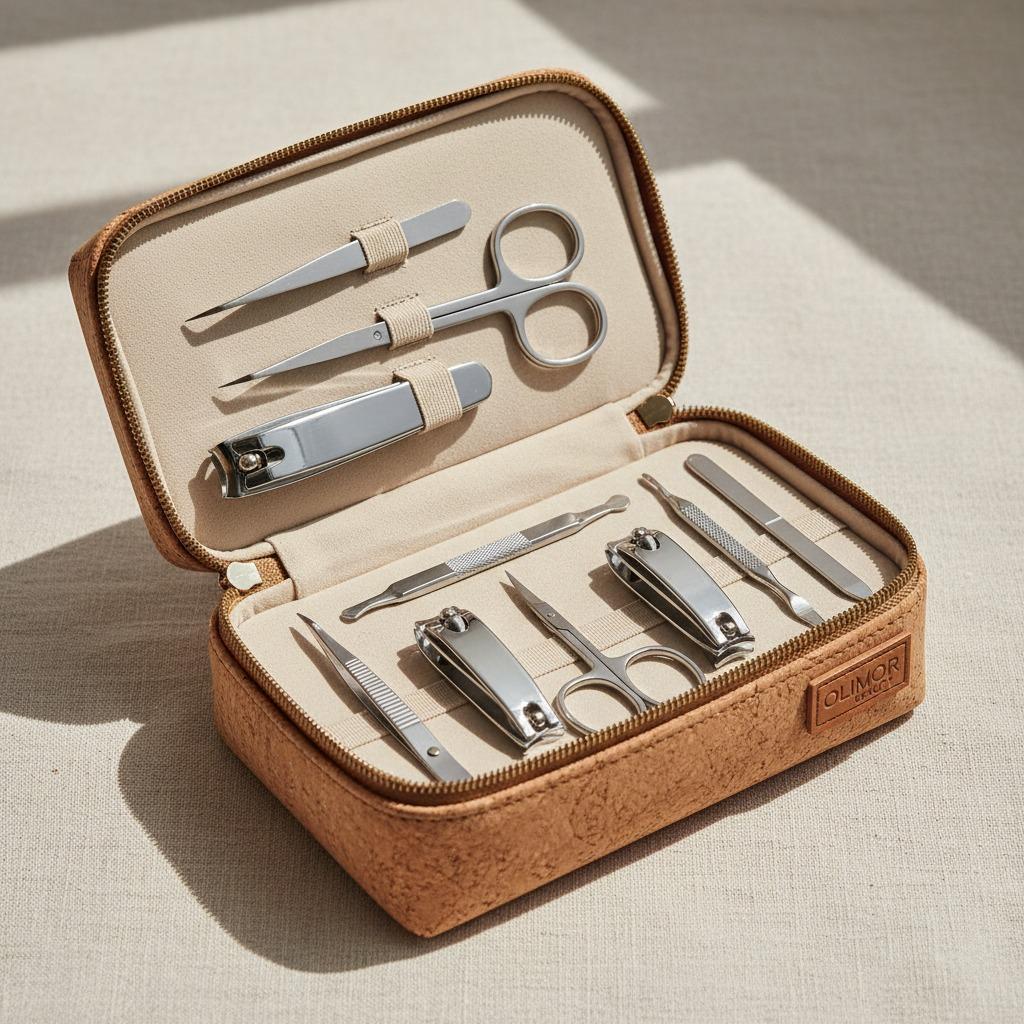
For beauty brands, salon distributors, private-label buyers, and promotional product teams, a custom beauty tools manufacturer is not just a factory that makes nail clippers or cuticle pushers. The right manufacturing partner helps turn a product idea into tools that feel comfortable in the hand, perform reliably, match a brand identity, and arrive ready for retail or professional use.
Manicure tools look simple from the outside, but small details matter. A nail clipper with poor alignment can crush instead of cut. A cuticle pusher with the wrong edge can feel harsh on the nail plate. A tweezer that is not finished correctly may lose grip quickly. When buyers search for salon-quality manicure tools or vegan manicure tools wholesale, they are usually looking for a balance of performance, appearance, ethical material choices, and predictable production standards.
This guide explains how to plan custom beauty tools with clearer selection criteria, more useful quality checks, and better communication before production begins.
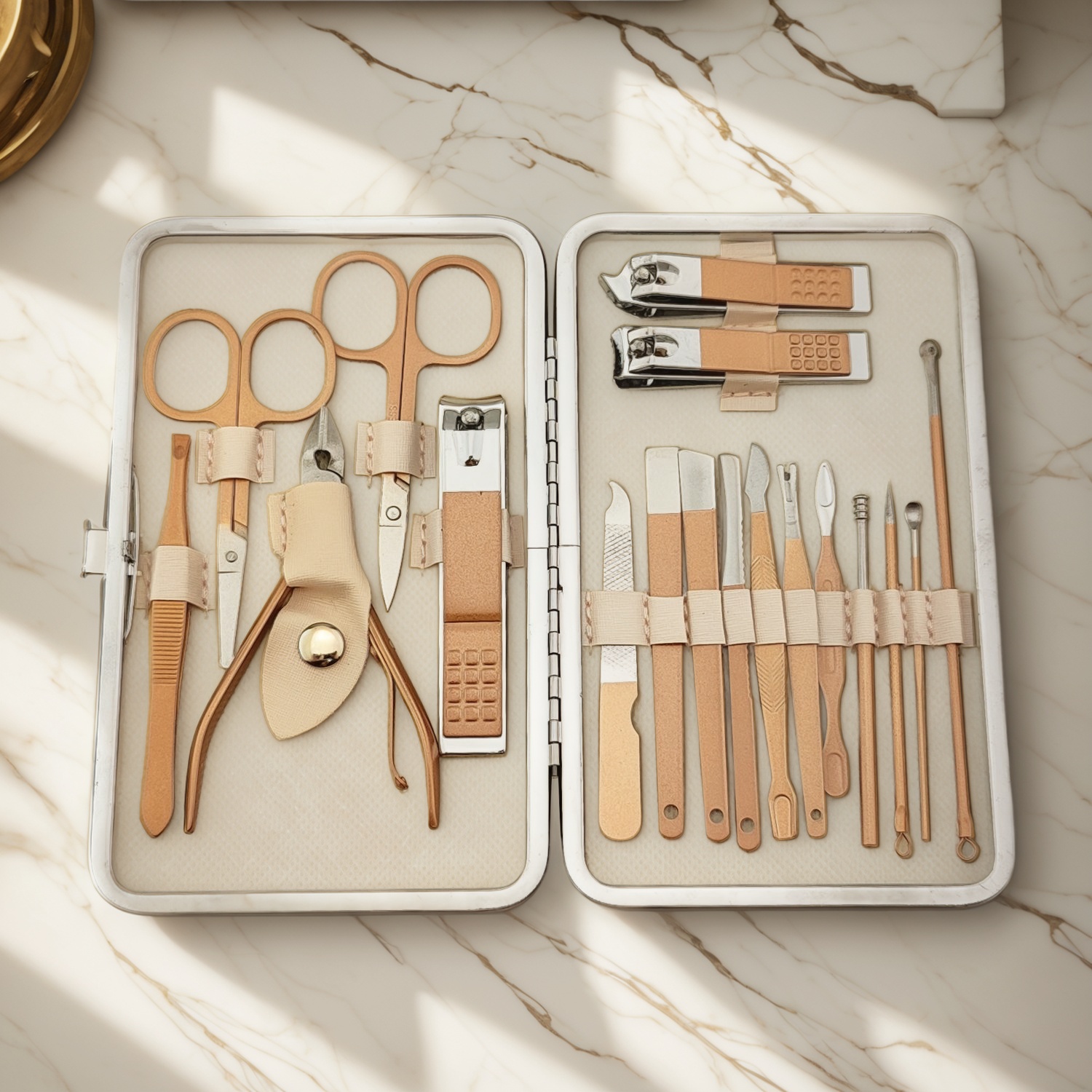
Why Custom Beauty Tools Need More Than a Logo
Customization often starts with branding, but it should not end there. A printed logo on a low-comfort tool rarely creates repeat purchases. Buyers should think about customization in three layers: product function, user experience, and brand presentation.
Function includes the basic performance of each tool: cutting, pushing, trimming, filing, shaping, gripping, or cleaning. User experience includes weight, grip, edge comfort, opening angle, spring tension, and how naturally the tool fits into a manicure workflow. Brand presentation includes color, surface finish, logo placement, packaging, and the way the set looks on a shelf or in a salon kit.
For a retailer, the priority may be visual consistency across a full collection. For a salon supplier, durability and sanitation-friendly design may be more important. For a gift-set brand, packaging and perceived value can strongly influence the final specification. Before browsing beauty tool products, it helps to define the user, selling channel, price position, and expected care routine.
Key Manicure Tools to Evaluate Before Custom Production
A manicure set can include many different items, but each tool needs its own review. Treating all tools the same is a common sourcing mistake. The following checklist helps buyers compare sample quality in a structured way.
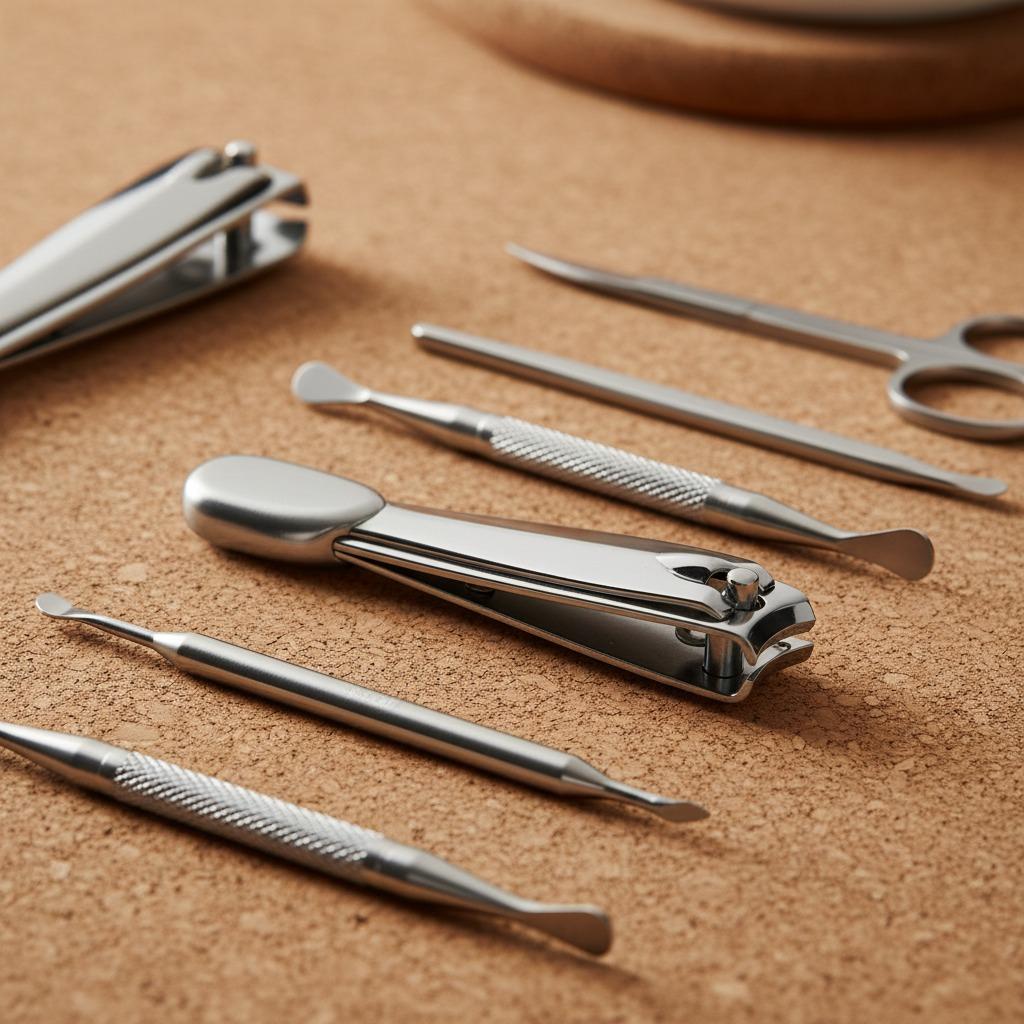
- Nail clippers: Check blade alignment, cutting smoothness, lever comfort, edge sharpness, and whether the clipper cuts cleanly without twisting the nail.
- Cuticle pushers: Review edge smoothness, handle control, tip shape, and whether the surface feels controlled rather than abrasive.
- Cuticle nippers: Look at jaw alignment, spring response, tip precision, opening and closing consistency, and handle stability.
- Tweezers: Test tip meeting accuracy, grip strength, finish smoothness, and resistance to slipping when holding fine hair or small nail accessories.
- Nail files: Consider grit feel, flexibility, durability, edge finishing, and whether the file is suitable for natural nails, artificial nails, or general grooming.
- Scissors: Review blade movement, cutting control, tip safety, and whether the handle suits the intended user group.
Samples should be tested by more than one person when possible. Hand size, technique, and manicure habits vary, so a tool that feels comfortable to one reviewer may feel awkward to another. For professional salon channels, longer test sessions are useful because hand fatigue becomes more noticeable during repeated use.
Choosing a Beauty Tools Supplier in China with Clear Criteria
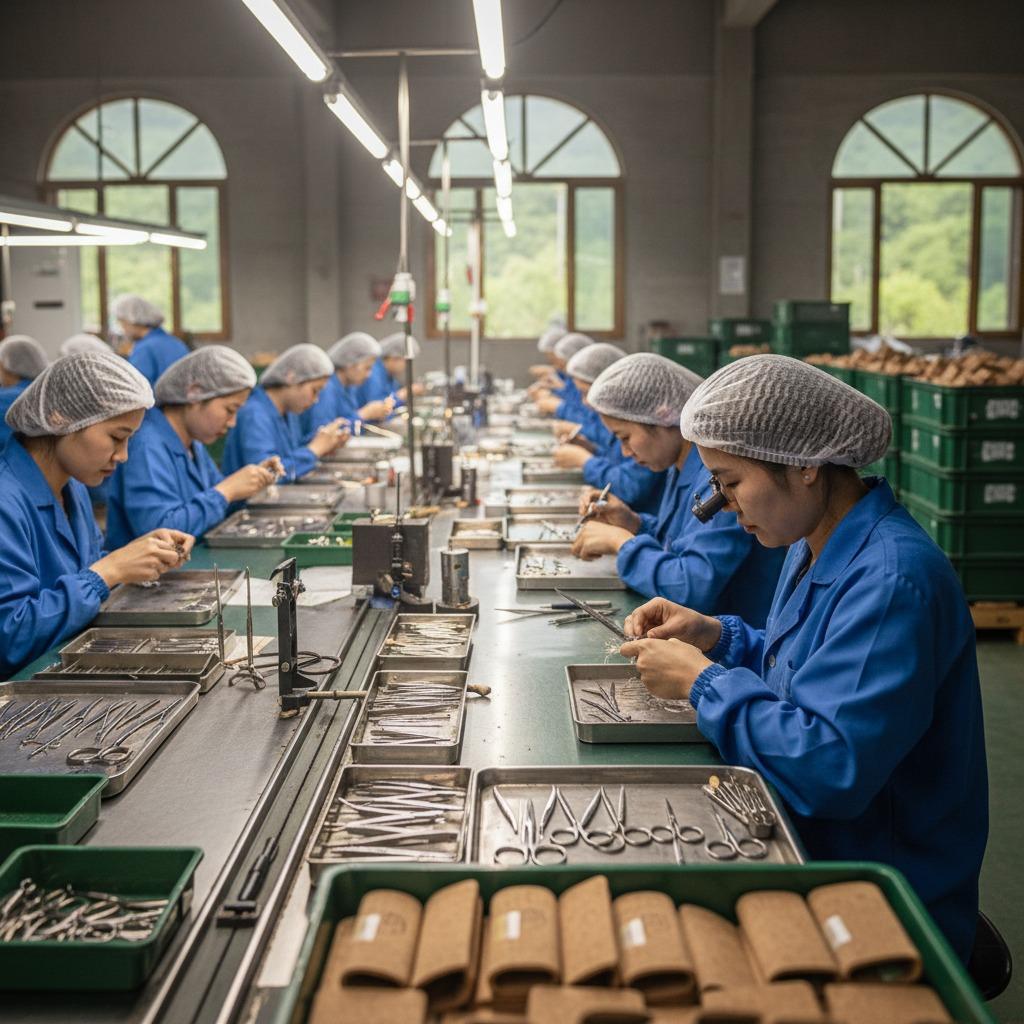
China is a major sourcing destination for beauty tools because it offers broad manufacturing capability, material options, finishing techniques, and packaging support. However, a good sourcing decision should be based on process clarity rather than location alone. A buyer comparing manufacturers should look for evidence that the supplier understands both beauty tool function and commercial requirements.
Important questions include: Can the supplier explain what can and cannot be customized? Are sample revisions handled in a clear sequence? Are tolerances, finishes, and packaging details documented before production? Is there a defined inspection process for appearance and function? These points reduce ambiguity and help avoid expensive misunderstandings after approval.
It is also important to separate visual customization from tooling customization. Color, logo, pouch design, and printed packaging are usually different projects from changing tool geometry, handle shape, or blade profile. When the customization affects how the tool performs, sampling and testing become more important. Buyers developing a coordinated set can also review Olimor product collections to think through assortment structure, tool combinations, and presentation options.
Vegan and Conscious Beauty Tool Sourcing
The phrase vegan manicure tools wholesale can mean different things depending on the market. For some buyers, it means avoiding animal-derived materials such as leather pouches or animal-based adhesives. For others, it may also involve packaging decisions, cruelty-free brand positioning, or preference for synthetic storage cases. Because definitions vary, the buyer should write the vegan requirement into the product brief rather than assuming everyone uses the same meaning.
For manicure tools themselves, the main focus is often on handles, pouches, cases, brush components if included, inserts, coatings, labels, and packaging materials. Metal tools can still be part of a vegan-friendly set, but the accessories and presentation materials need review. A synthetic pouch, paperboard box, or non-leather travel case may fit the requirement better than traditional materials.
Conscious sourcing also includes avoiding over-packaging, selecting durable tools that are not quickly discarded, and making care instructions clear. A longer-lasting manicure tool can be more responsible than a visually attractive item that performs poorly and is replaced quickly.
What Makes a Tool Feel Salon-Quality?
Salon-quality manicure tools are not defined only by a shiny finish. Professional users care about control, repeatability, cleaning, and comfort. They need tools that behave consistently from one client to the next. Even for home users, these same qualities make a set feel safer and more satisfying.
Buyers can use the following comparison points when reviewing sample sets:
| Quality area | What to check | Why it matters |
|---|---|---|
| Edge performance | Clean cutting or pushing action without snagging | Supports precision and reduces nail damage risk |
| Ergonomics | Grip shape, handle length, tension, and weight | Improves control during repeated use |
| Surface finish | Smooth edges, consistent polish, no rough burrs | Affects comfort, appearance, and perceived value |
| Assembly | Stable joints, aligned tips, even movement | Helps tools perform reliably over time |
| Packaging fit | Tools held securely without scratching each other | Protects the product during shipping and display |
When reviewing samples, do not rely only on photographs. A manicure tool is a tactile product. The feel of resistance, grip, and finish often reveals quality differences that are difficult to judge online.
Building a Practical Custom Product Brief
A clear brief helps a custom beauty tools manufacturer provide realistic feedback and accurate sampling. It also keeps internal teams aligned, especially when product development, purchasing, design, and sales teams all have opinions.
- Define the selling channel: retail, salon wholesale, e-commerce, travel set, gift set, or professional kit.
- Identify the end user: beginner home user, beauty enthusiast, nail technician, salon owner, or distributor.
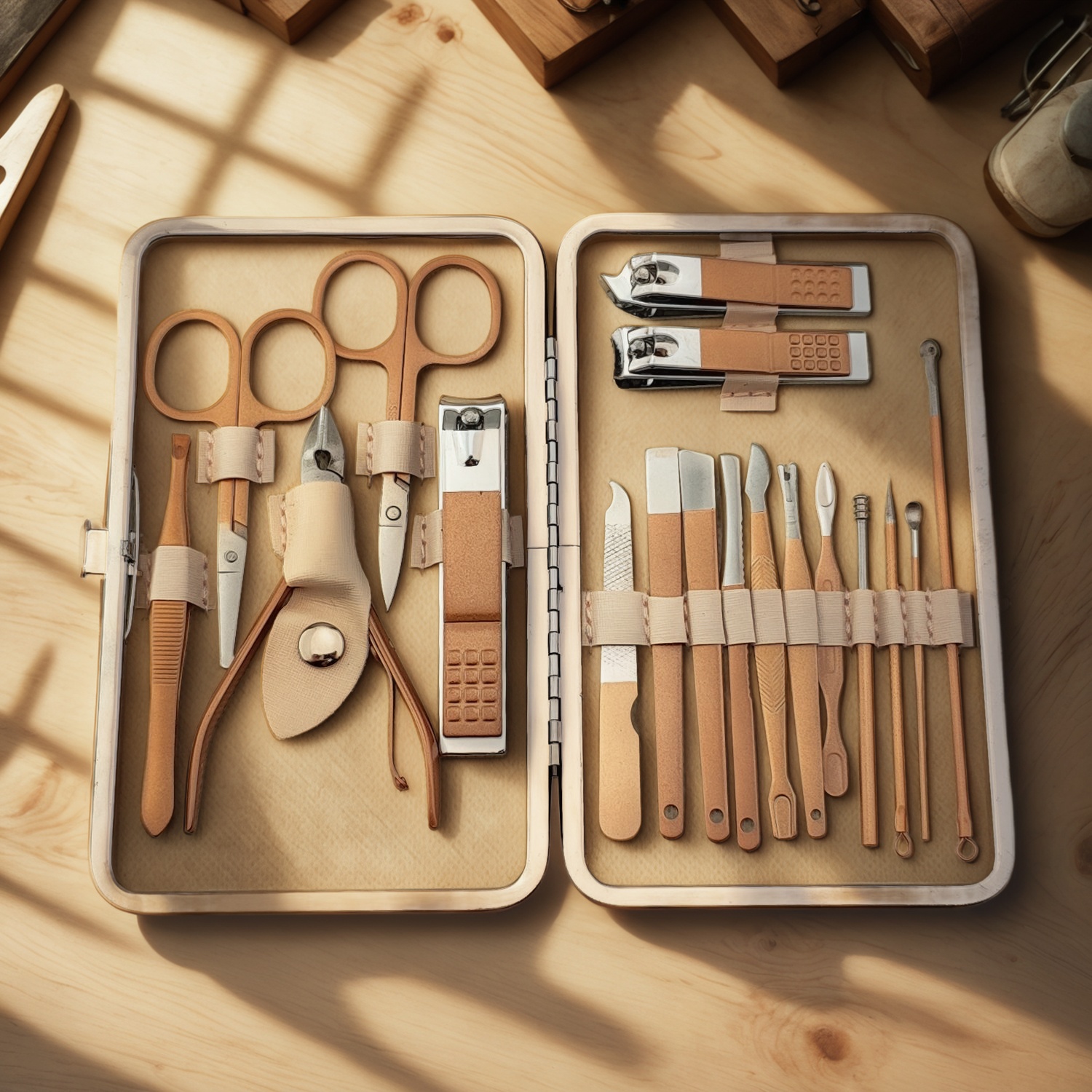
- List the tools: include exact quantities and whether each item needs color, logo, or shape customization.
- Specify the finish direction: polished, matte, coated, colored, or another visual treatment if available.
- State vegan or material restrictions: include pouch, case, packaging, adhesives, and decorative components.
- Describe packaging needs: retail box, travel case, pouch, insert card, barcode area, or multilingual instructions.
- Set inspection priorities: cutting performance, alignment, cosmetic finish, packaging accuracy, and labeling.
Providing reference photos can be helpful, but the brief should explain what you like about the reference: shape, finish, packaging structure, color mood, or price positioning. This avoids accidental copying and makes the development direction clearer.
Packaging, Branding, and Retail Readiness
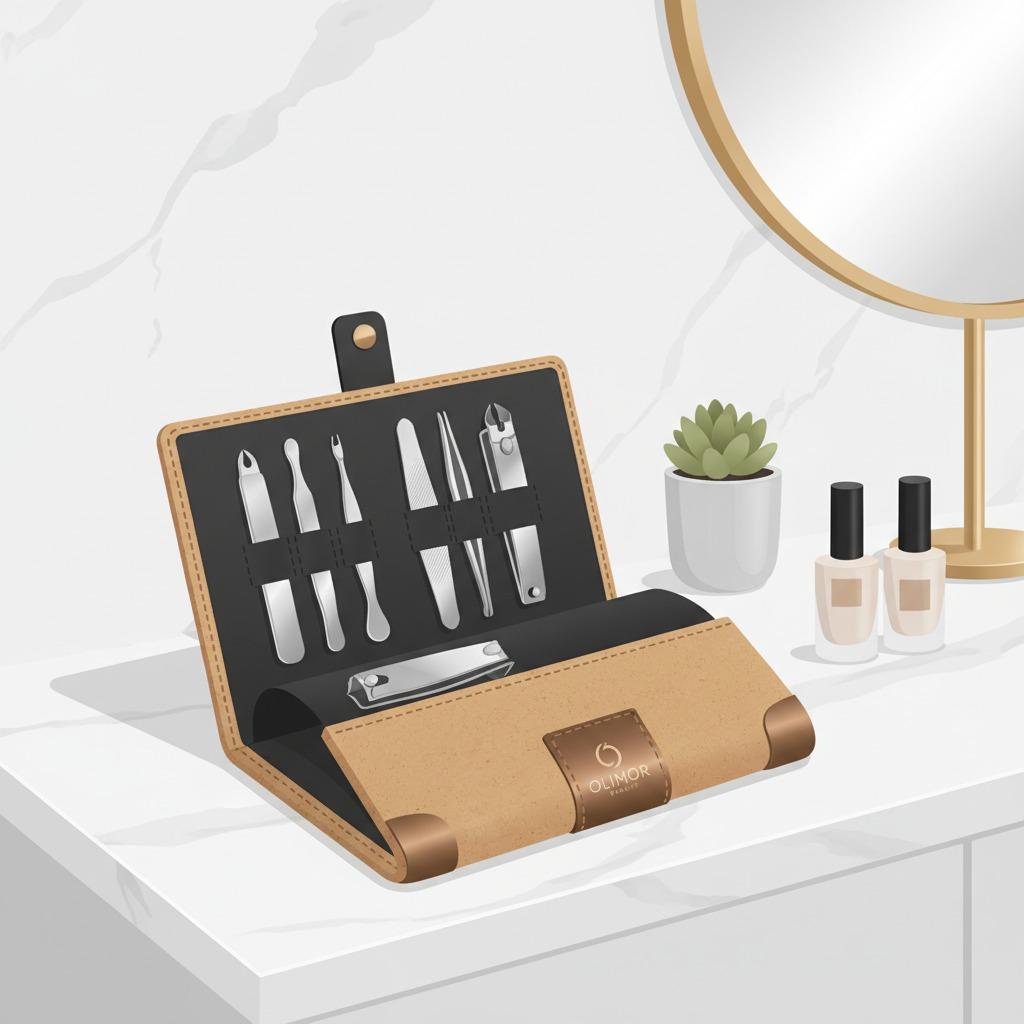
For custom beauty tools, packaging is part of the product experience. It protects sharp or polished items, communicates brand value, and helps buyers understand how the tools should be used and maintained. A pouch or case should prevent tools from rubbing against each other during transport. A box should hold the set securely enough for shipping and display.
Logo placement also deserves careful planning. On a small tool, an oversized mark can look crowded or wear unevenly. On packaging, the logo should be balanced with product information, care instructions, and any required market labeling. For e-commerce, packaging should photograph well and make the contents understandable at a glance.
Private-label buyers should review artwork carefully before approval. Check spelling, layout, color consistency, and whether the tool names match the actual contents. These simple checks help prevent avoidable delays and repacking costs.
Maintenance Guidance That Adds Value for End Users
Including care instructions can reduce complaints and improve user satisfaction. Manicure tools should be kept clean, dry, and stored in a way that protects edges and tips. After use, residue should be removed carefully. Tools should not be left in damp environments, and cutting edges should be protected from impact.
For salon channels, cleaning and sanitation routines depend on local practice and regulations, so packaging language should avoid unsupported claims. Instead, provide practical storage and handling guidance. If a tool has a sharp point or cutting edge, safety wording should be clear and easy to read.
A durable manicure set is easier to sell when the user understands how to care for it. Simple maintenance content on inserts, product pages, or packaging can strengthen the perceived professionalism of the set.
Working with Olimor Beauty on Custom Beauty Tools
A successful custom manicure tool project starts with clear decisions: who will use the set, which tools are essential, what level of customization is needed, and how the finished product should be presented. The better the brief, the easier it is to evaluate samples, refine details, and prepare for wholesale or retail launch.
Olimor Beauty supports buyers looking for custom beauty tools, salon-quality manicure tools, and wholesale beauty tool sourcing. Whether you are planning a compact travel set, a professional manicure assortment, or a vegan-positioned beauty tool kit, focus on measurable details: comfort, edge performance, finish consistency, packaging protection, and brand fit.
To discuss a custom project, contact Olimor with your product goals, reference direction, and target channel. If you already have a tool list or packaging concept, you can also send an inquiry so the team can review the requirements and help move the project toward sampling.