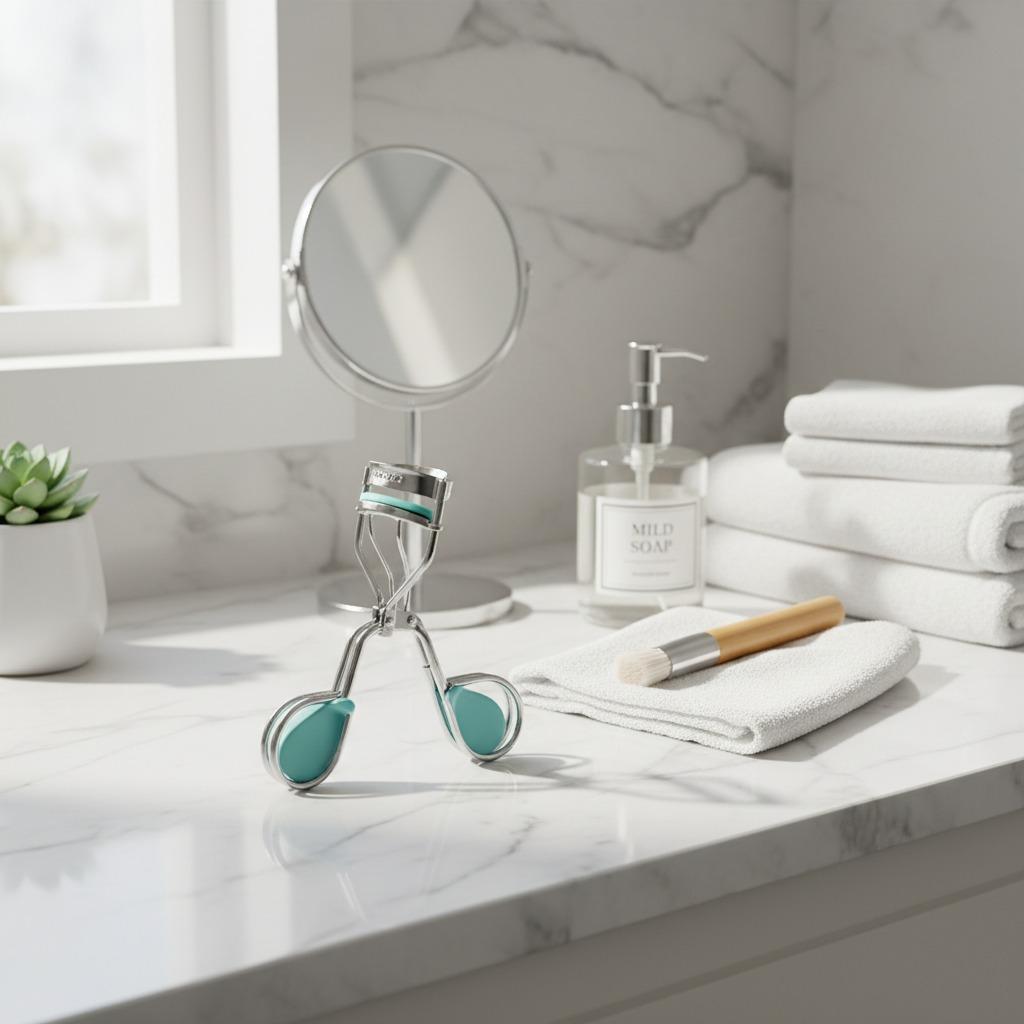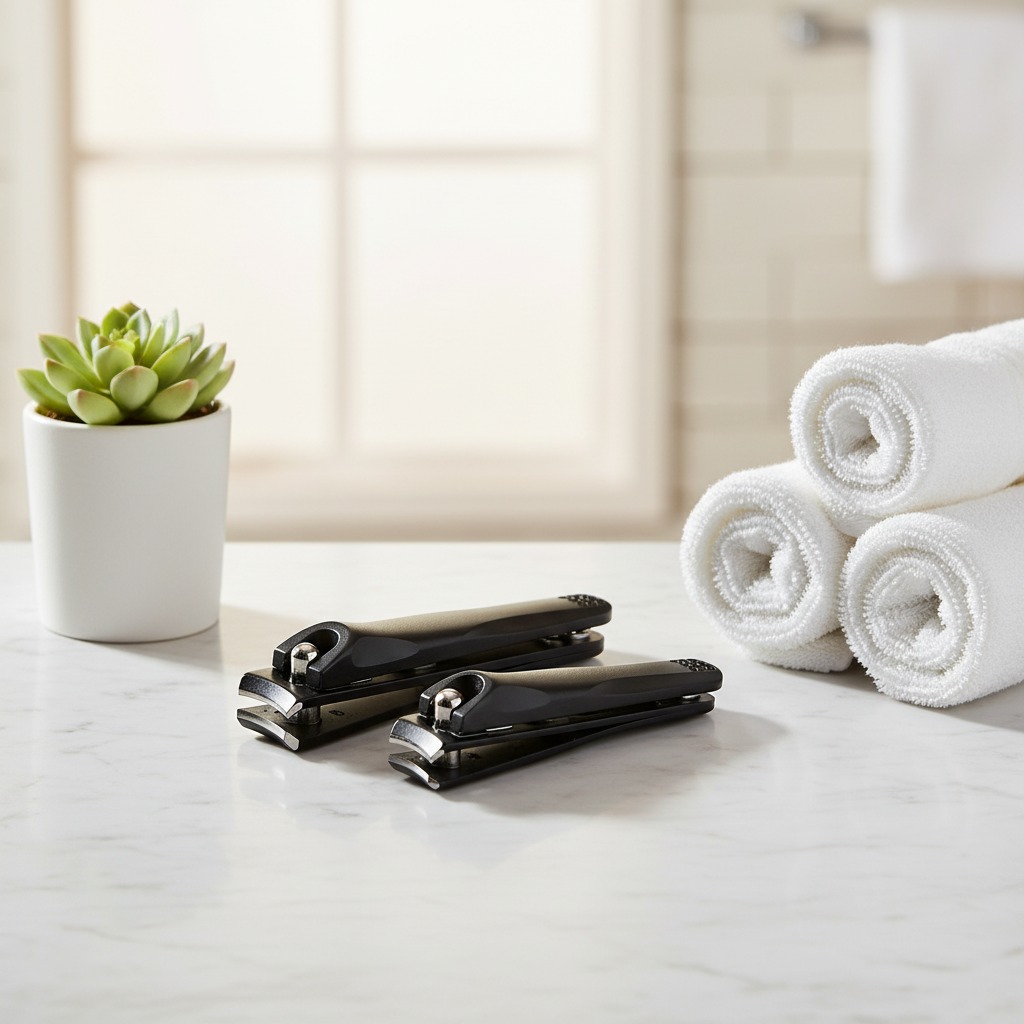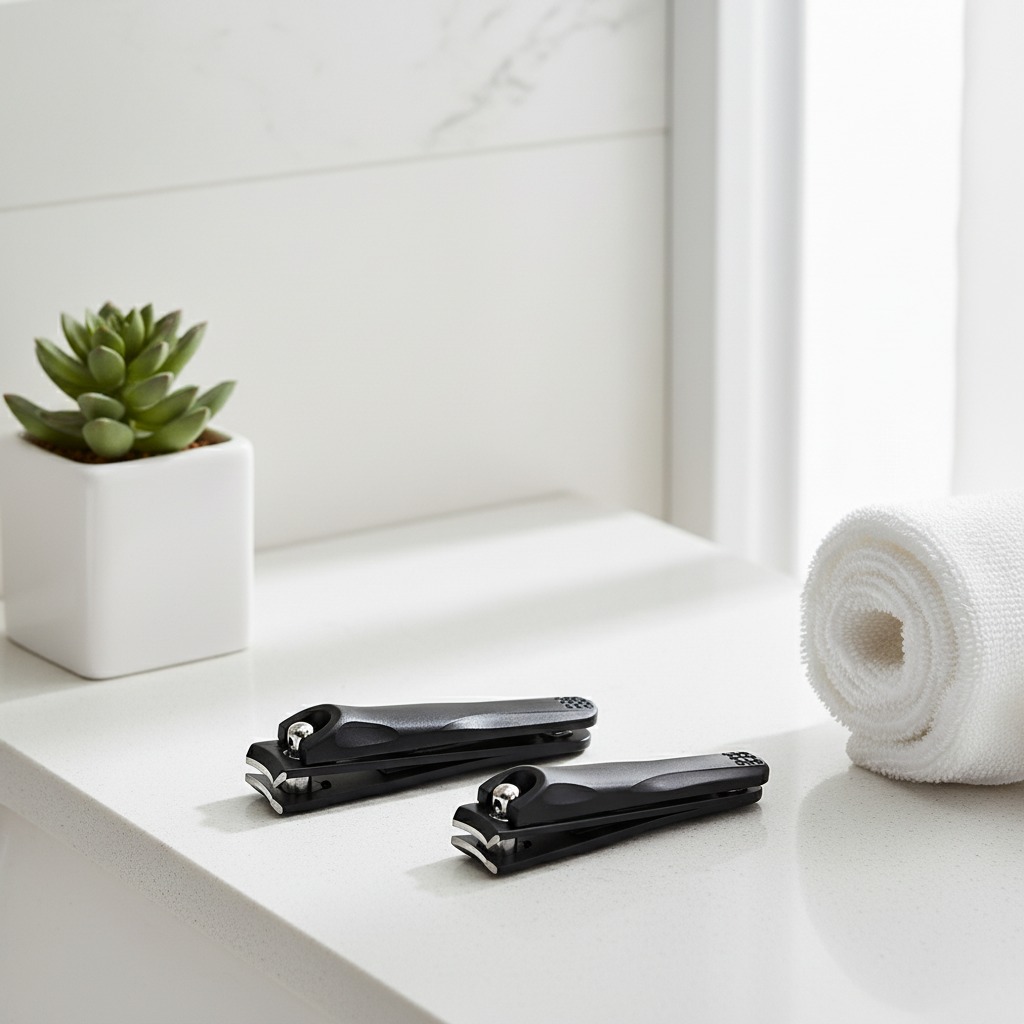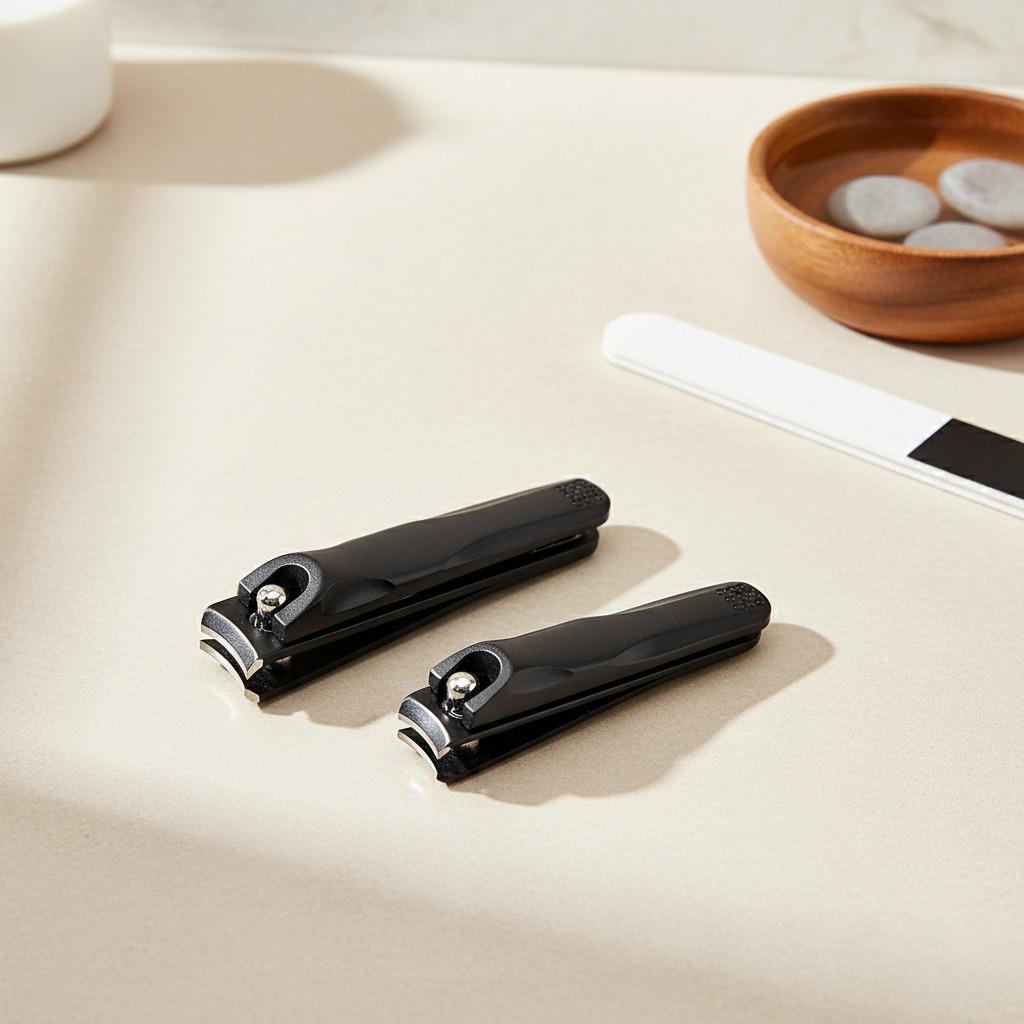











For salons, spas, nail studios, hotel wellness centers, and beauty distributors, manicure and pedicure tools are not casual accessories. They are daily working instruments that affect service quality, technician comfort, hygiene control, and client confidence. A dull cuticle nipper, poorly balanced pusher, or hard-to-clean implement can slow down an appointment and create avoidable risk. The right wholesale manicure and pedicure tools, on the other hand, help teams deliver consistent nail care across many clients and many workstations.
Buying wholesale is different from buying one personal kit. You need to think about repeated sterilization, staff preferences, replacement planning, packaging, storage, and whether the supplier can support your business over time. This guide explains how to evaluate professional nail care tools with practical criteria rather than generic claims, so you can build a toolkit that suits real salon and spa use.
Start With the Services You Actually Offer
Before comparing materials or prices, define the treatments your team performs most often. A salon focused on express manicures may need a different selection from a spa offering longer pedicure services, callus care, and detailed cuticle work. Distributors also need to consider whether their customers are small studios, multi-location salons, training academies, or retail beauty shops.
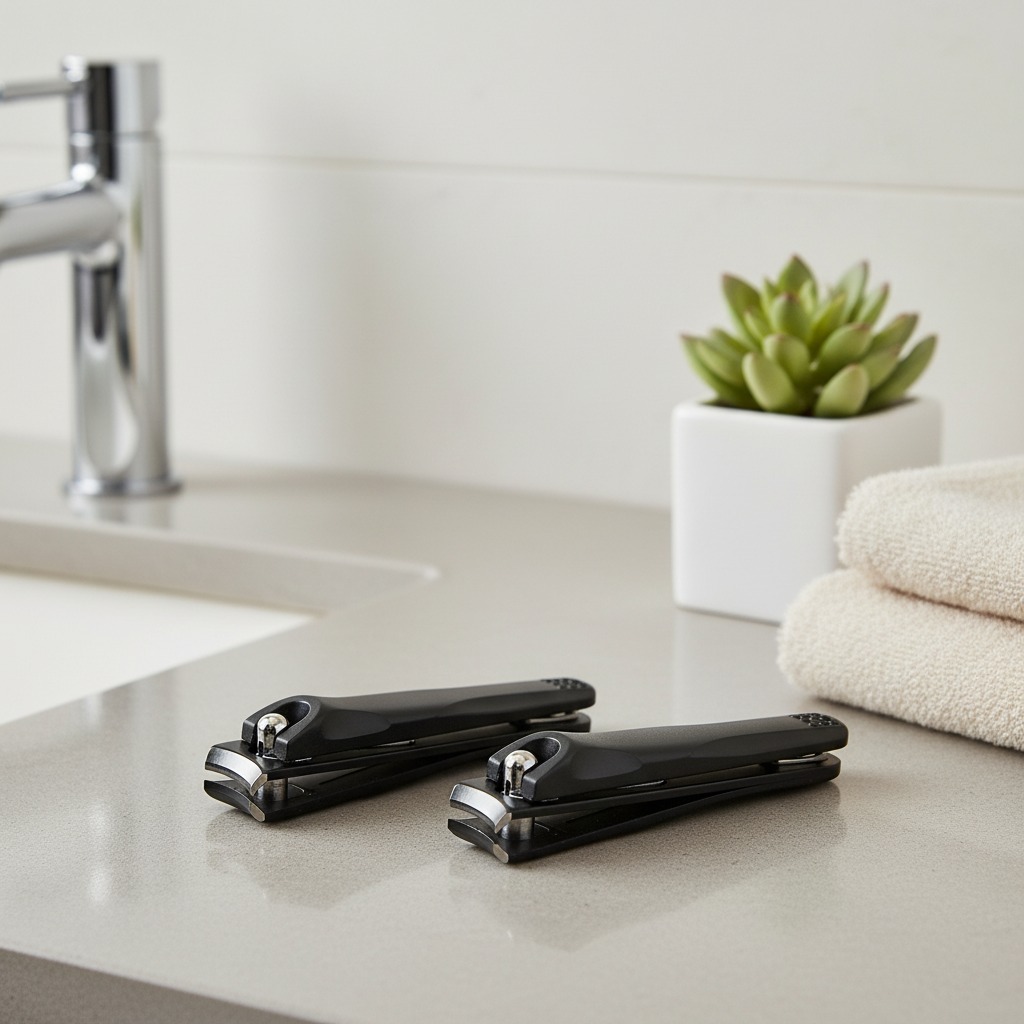
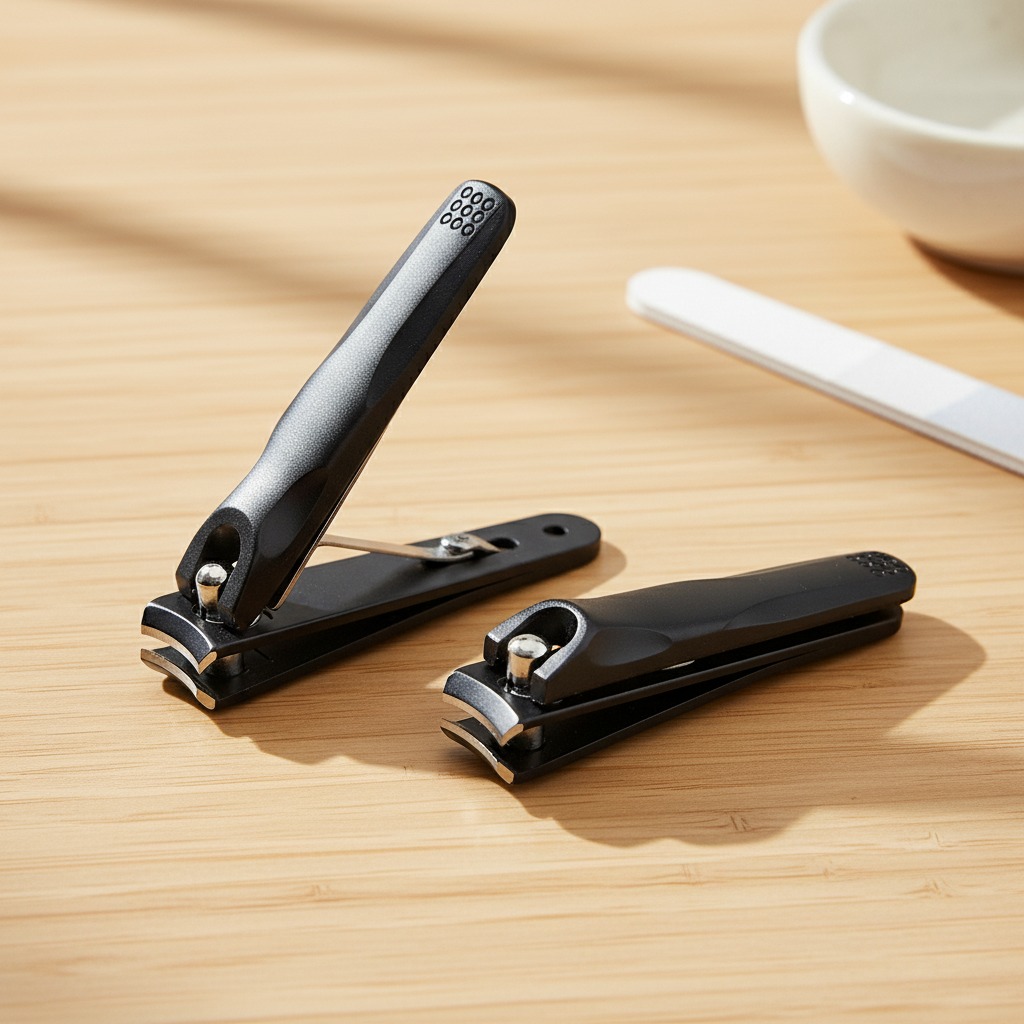
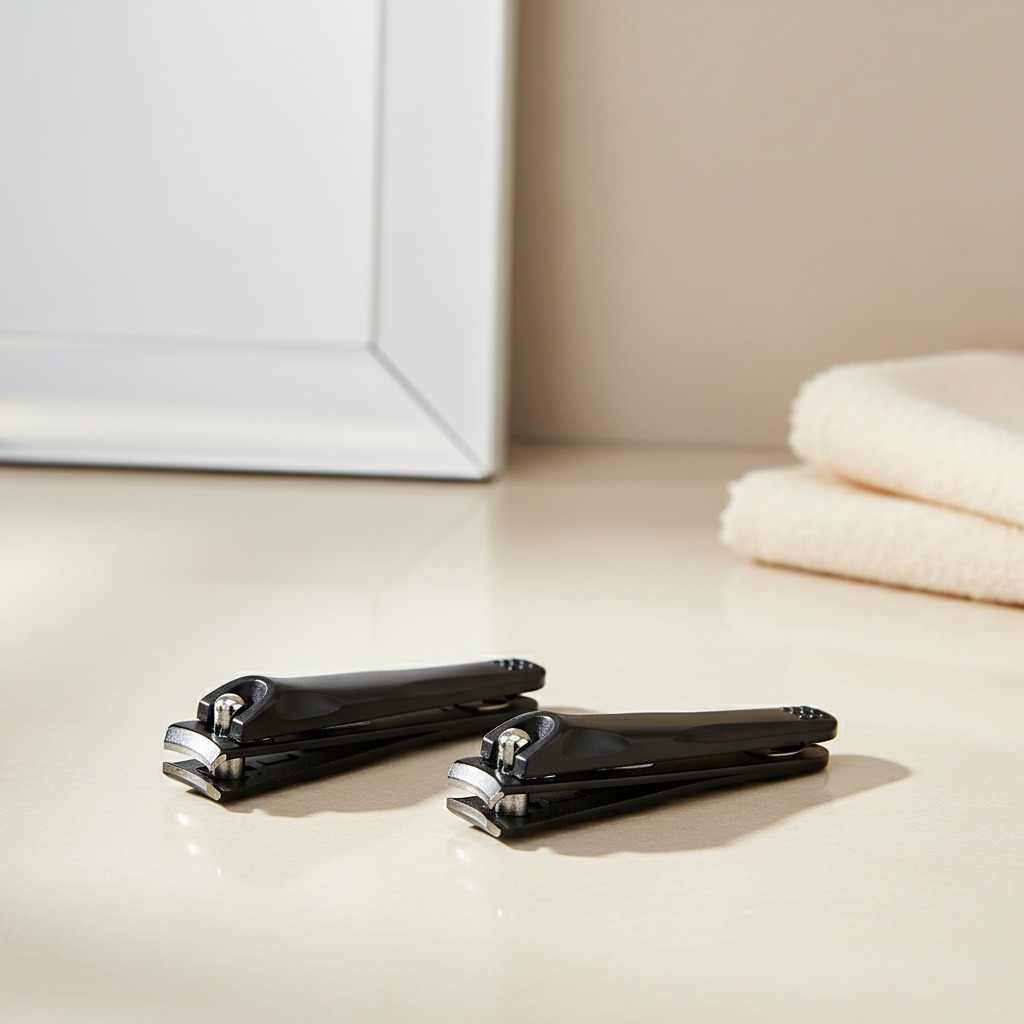
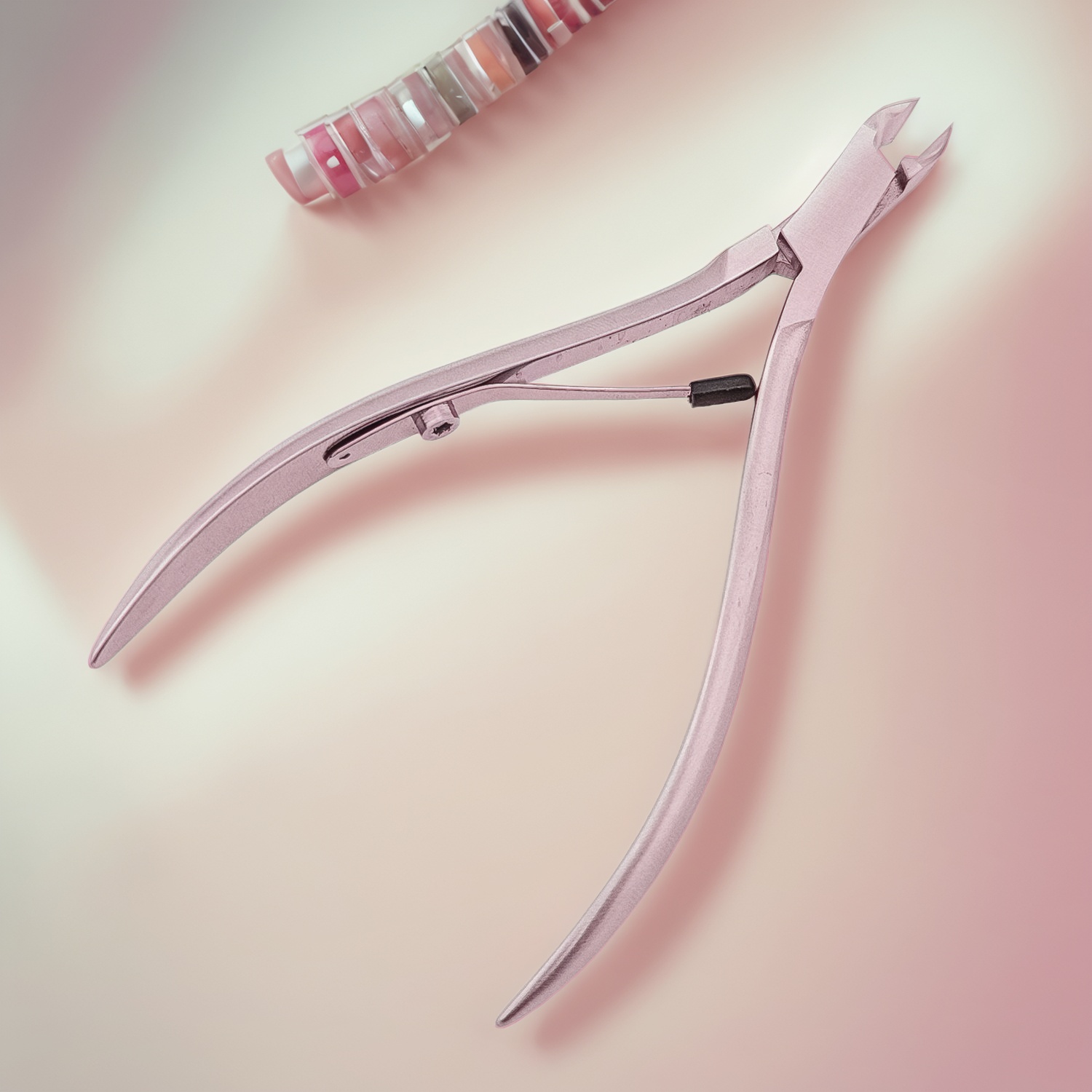
A practical wholesale buying list usually begins with core implements such as cuticle nippers, nail clippers, cuticle pushers, tweezers, scissors, files, and pedicure-specific tools. However, the exact mix should be driven by service menus and technician workflow. Overstocking tools that rarely leave the drawer ties up budget, while under-ordering essential implements can create bottlenecks during busy appointment blocks.
- For manicure tables: prioritize precise cuticle tools, nail clippers, pushers, and small implements that support close detail work.
- For pedicure stations: consider tools that can handle thicker nails and extended soaking or cleaning routines.
- For training environments: choose tools that are durable enough for repeated practice and simple enough for students to handle safely.
- For retail resale: packaging, product presentation, and clear use instructions may be as important as the tool assortment.
If you are building a broader sourcing plan, review Olimor’s beauty tool products to compare categories and identify which implements match your customers’ service needs.
Prioritize Materials That Support Durability and Hygiene
The original priority for professional nail tools remains valid: material quality matters. Manicure and pedicure implements are exposed to moisture, hand contact, cleaning solutions, and repeated sterilization routines. Tools made from premium stainless steel are valued in professional settings because stainless steel can offer durability, rust resistance, and easier cleaning when cared for properly. For spas and salons, those traits are not cosmetic; they are part of maintaining a hygienic service environment.
When evaluating wholesale manicure kits for spas or salon use, look beyond a broad claim such as “metal tool.” Check whether the surface is smooth, whether joints move cleanly, and whether edges are finished without rough burrs. A tool that looks acceptable in a catalog image may still perform poorly if the hinge feels loose, the cutting edges do not meet correctly, or the handle finish traps residue.
Useful material and finish questions include:
- Does the tool surface feel smooth enough for easy cleaning after each use?
- Do hinged tools open and close without grinding, wobbling, or sticking?
- Are cutting edges aligned so the tool trims cleanly instead of pulling or tearing?
- Can the tool tolerate the cleaning and disinfection procedures used in your location?
- Is the finish consistent across samples from the same batch?
Because hygiene rules vary by market and service type, salons should always align their tool care with local regulations and their internal sanitation procedure. Wholesale buyers should choose instruments that make those routines easier rather than more complicated.
Evaluate Ergonomics Before You Commit to Volume
A manicure tool can be made from a good material and still be uncomfortable. Nail technicians often repeat small hand movements for hours, so ergonomics affect both service precision and worker fatigue. A cuticle nipper with contoured handles and sharp, aligned blades allows controlled trimming. A pusher with a balanced handle can reduce strain during repeated cuticle work. Clippers that require excessive pressure may slow down services and fatigue the hand during pedicure appointments.
Whenever possible, assess samples before placing a larger wholesale order. Have several technicians test the tools, because hand size, grip style, and service technique differ from person to person. One technician may prefer a lighter implement for speed, while another may prefer a more substantial feel for control. The best choice is not always the flashiest design; it is the tool that performs reliably across a normal working day.
| Tool feature | Why it matters in professional use | What to check during evaluation |
|---|---|---|
| Handle shape | Affects comfort and control during repetitive tasks | Grip stability, slipping, pressure points |
| Blade alignment | Supports clean trimming and reduces pulling | Even contact from tip to base on cutting tools |
| Spring or hinge movement | Influences fatigue and service speed | Smooth opening, consistent resistance, no looseness |
| Tip precision | Important for cuticle and detail work | Accuracy, symmetry, and safe handling |
| Surface finish | Supports cleaning and professional appearance | No rough areas, chips, or residue-trapping gaps |
For salons buying across multiple locations, create a short internal scoring sheet. Rating each sample for comfort, sharpness, cleaning ease, and overall control helps avoid decisions based only on price or appearance.
Match Tool Quality to Salon Workflow and Client Volume
Wholesale buyers often focus on unit cost, but the better question is total working value. A low-cost implement that dulls quickly, rusts easily, or becomes uncomfortable may cost more in staff frustration, replacements, and inconsistent service results. Professional tools should be selected for the number of appointments they will support, the cleaning cycles they will undergo, and the skill level of the users.
For high-volume salons, consistency across units is especially important. If every nipper or clipper behaves differently, technicians may waste time adapting at the start of each service. For spas that emphasize a calm and careful experience, tool finish and quiet, smooth movement matter because the client is often paying attention to every detail. For distributors, repeatability matters because customers expect reordered items to match their previous purchase.
Consider grouping purchases by function. Daily-use core tools should receive the most scrutiny because they will see the heaviest wear. Backup tools should still meet safety and hygiene requirements, but you may plan inventory differently. Retail kits or promotional sets may require stronger attention to presentation and end-user instructions. Olimor’s product collections can help buyers think through how different tool categories fit into a wider beauty-tool assortment.
Plan Cleaning, Storage, and Maintenance From the Beginning
Even high-quality manicure and pedicure tools need correct handling. A good wholesale purchase can fail if tools are stored damp, dropped into drawers unprotected, or used beyond their intended function. Salons should create a clear workflow for used tools, cleaned tools, and tools ready for service. This reduces confusion between appointments and helps staff maintain consistent hygiene practices.
After each service, remove visible residue according to your salon procedure, clean the tool, and follow the applicable disinfection or sterilization process required in your market. Tools should be fully dry before storage. Cutting tools should be protected from impact, because blade damage can reduce precision and make trimming less comfortable. Hinged tools should be checked periodically for smooth movement and safe alignment.
A simple maintenance checklist for salon managers can include:
- Inspect cutting edges weekly for dullness, chips, or misalignment.
- Remove any tool that shows rust, cracking, unstable movement, or unsafe sharpness.
- Store cleaned tools in a dry, organized area away from used implements.
- Train staff to use each tool only for its intended nail care purpose.
- Track replacement patterns to identify which tools wear fastest in daily service.
This maintenance mindset helps protect the return on a wholesale order. It also supports a more professional client experience, because technicians are not forced to work with tools that have passed their useful condition.
Choose a Wholesale Partner With Quality Control Discipline
Finding a trusted wholesale partner is as important as selecting the tool itself. Reliable salon wholesale distributors and professional beauty tools suppliers should understand that consistency matters from raw materials through final packaging. Olimor Beauty emphasizes inspection from raw materials to final packaging, helping buyers source tools intended for safe, durable, and professional use.
When comparing suppliers, look for clear communication, stable product information, and the ability to discuss practical requirements without exaggerated promises. A dependable partner should be able to support product comparison, sample review, packaging considerations, and order planning. If your business serves a specific market segment, such as spas, nail schools, or retail stores, clarify how tools will be used so the selection matches the application.
Useful sourcing questions include whether samples are available for evaluation, how product consistency is monitored, what packaging options are suitable for your sales channel, and how the supplier handles quality feedback. These questions do not require invented claims or assumptions; they simply create a structured way to compare options before committing to volume.
Make the Final Selection With a Practical Buyer Checklist
The best wholesale manicure and pedicure tools are the ones that match your service environment, hygiene procedure, technician workflow, and business goals. A small salon may prioritize a focused set of reliable daily implements. A distributor may need a broader assortment with consistent presentation. A spa may give extra weight to smooth handling and a polished appearance because every detail contributes to the treatment experience.
Before finalizing a purchase, use this checklist:
- Does the assortment match your actual manicure and pedicure services?
- Are the materials and surfaces suitable for repeated professional cleaning routines?
- Have technicians tested comfort, balance, sharpness, and control?
- Are cutting tools aligned and consistent across samples?
- Can the tools be stored, maintained, and replaced efficiently?
- Does the supplier provide clear product communication and quality control support?
Thoughtful sourcing reduces waste and helps your team work with confidence. If you are preparing a wholesale order or comparing manicure and pedicure tool options for your business, you can send an inquiry with your requirements or contact Olimor to discuss suitable professional beauty tool categories.