










Buying nail clippers in bulk is not just a price decision. For salons, retailers, distributors, hotel amenity buyers and private label grooming brands, a nail clipper must feel stable in the hand, cut cleanly and arrive consistently packaged. A poor clipper creates complaints quickly: dull blades, rough edges, weak levers, misaligned jaws or handles that slip during use. A reliable bulk sourcing process helps prevent those problems before they reach your customers.
Olimor Beauty supplies beauty tools for buyers who need practical, durable grooming products. When sourcing nail clippers, the most useful approach is to compare design, material, cutting performance, inspection steps and order support together rather than choosing only by the lowest unit cost. This guide explains what to check when you buy nail clippers in bulk and how to build a clearer purchasing standard for repeat orders.
What Bulk Buyers Should Look for First
A nail clipper looks simple, but small manufacturing differences affect how it performs. The cutting edge must be sharp enough to trim nails without tearing. The jaws need to align evenly, so pressure is distributed across the blade. The lever should feel firm rather than loose, and the body should resist bending during normal use. For retail and professional channels, appearance also matters because customers notice polishing, surface finish and packaging before they ever test the blade.
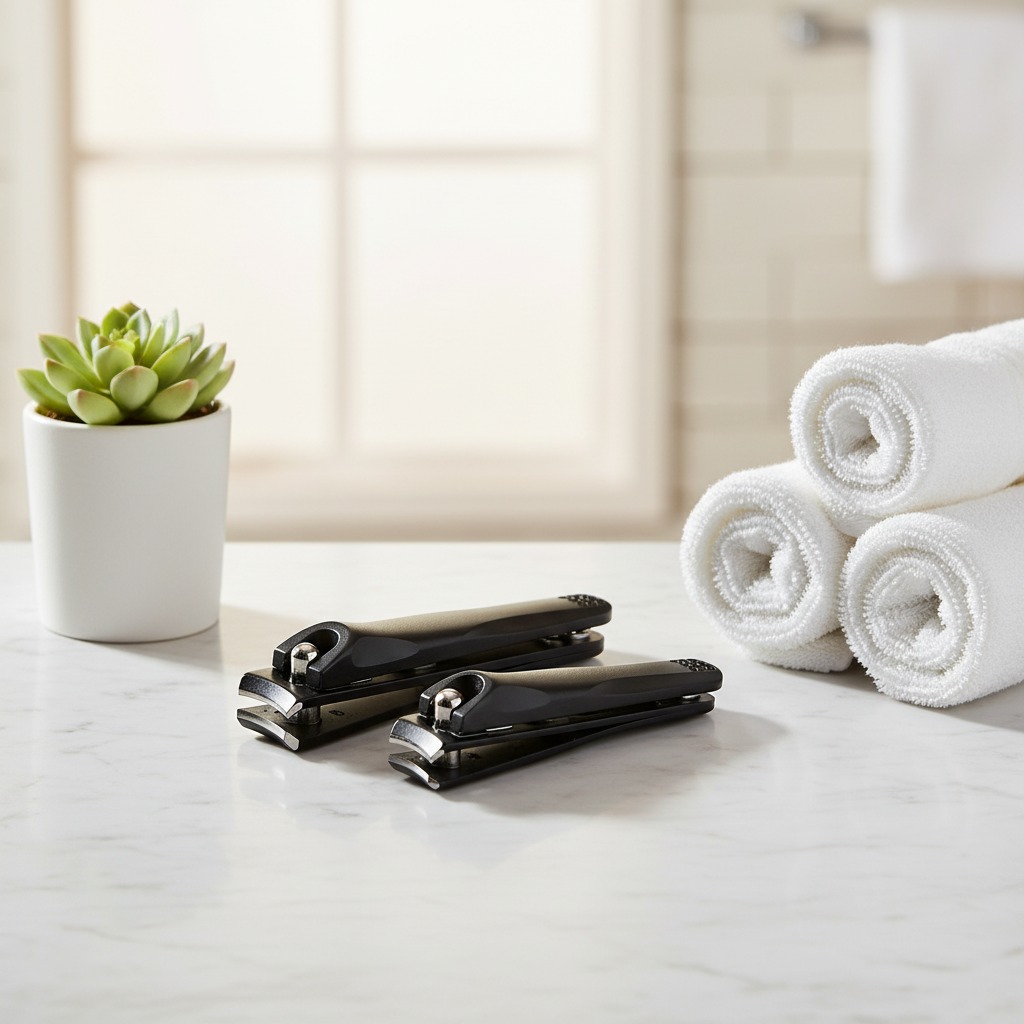
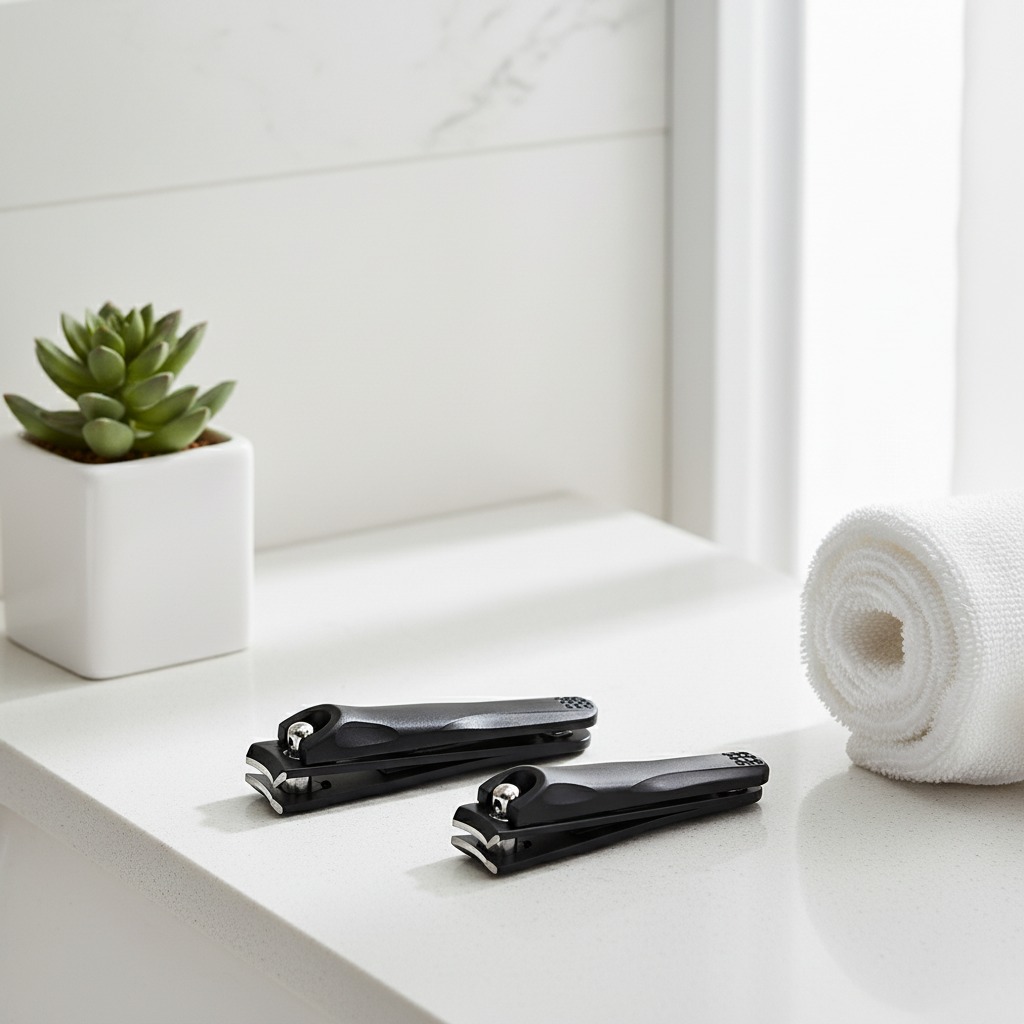
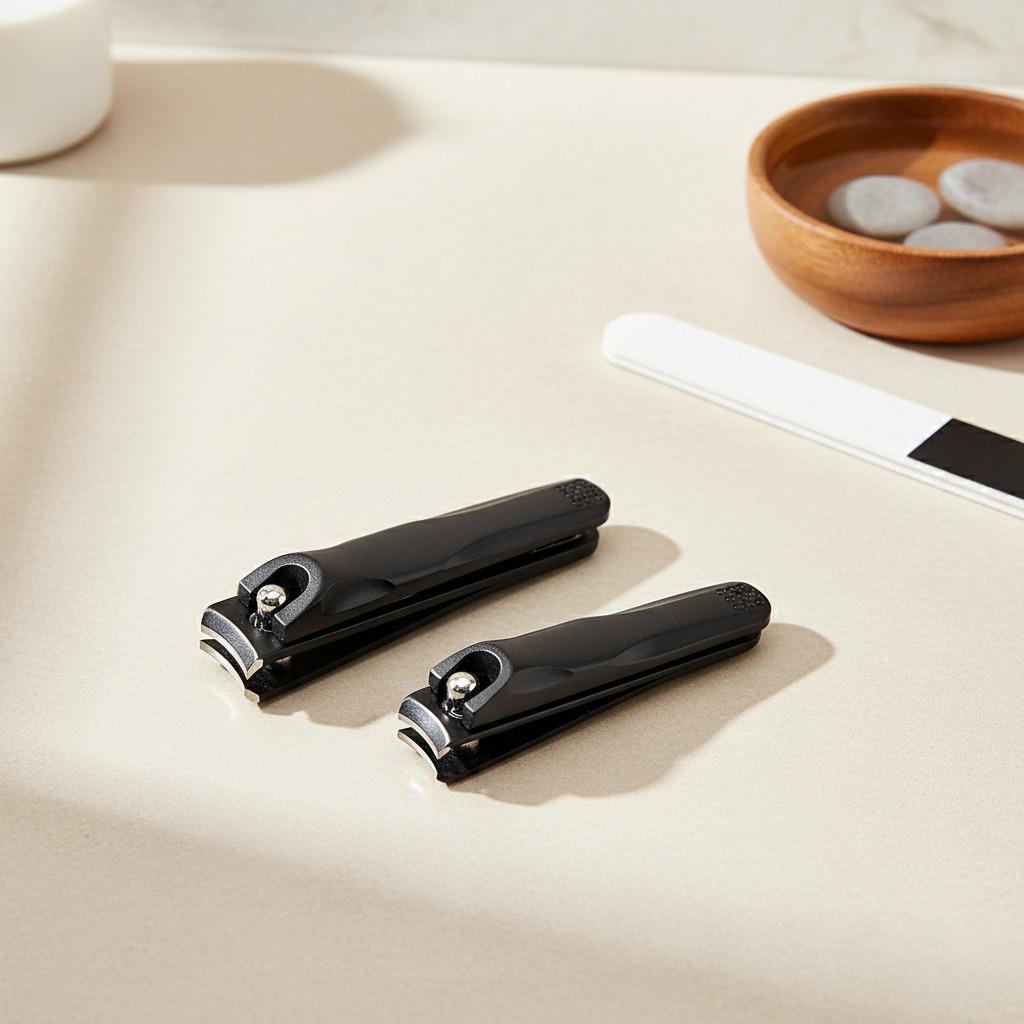
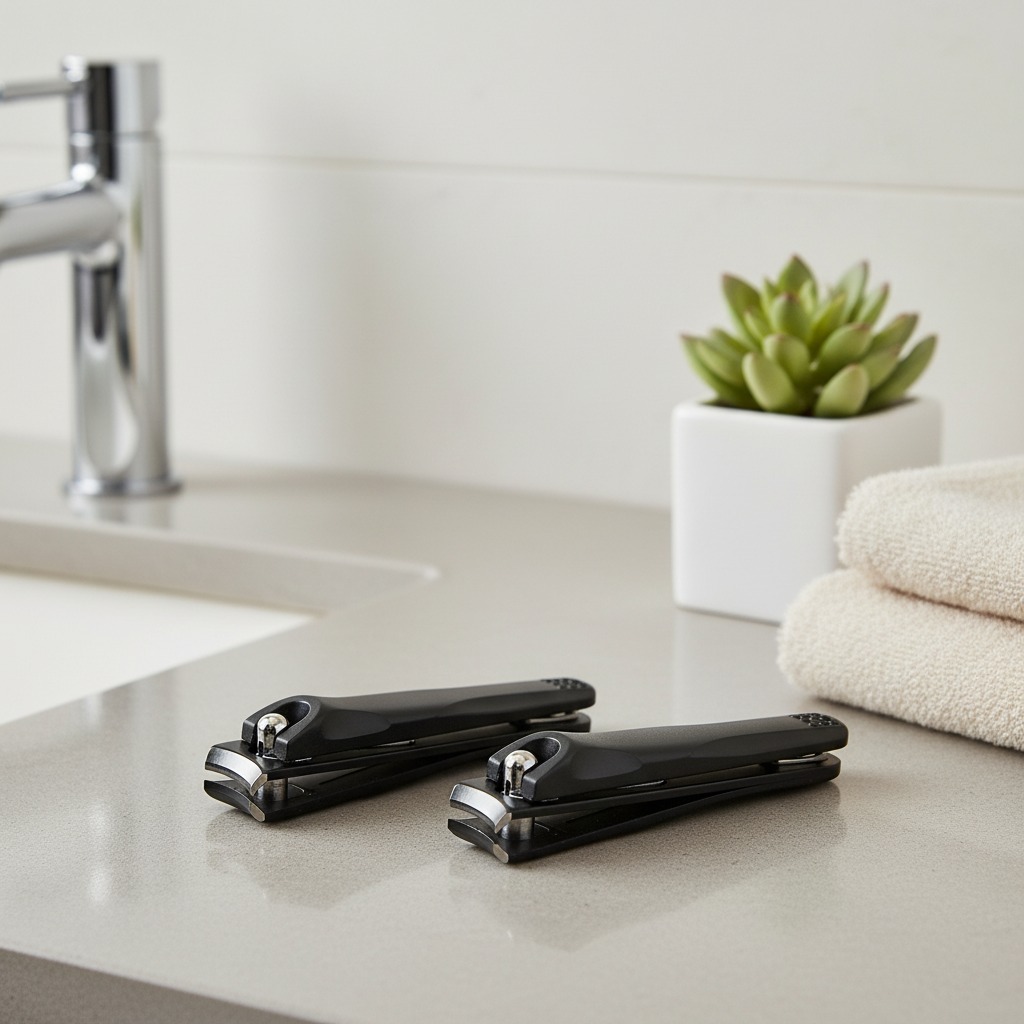
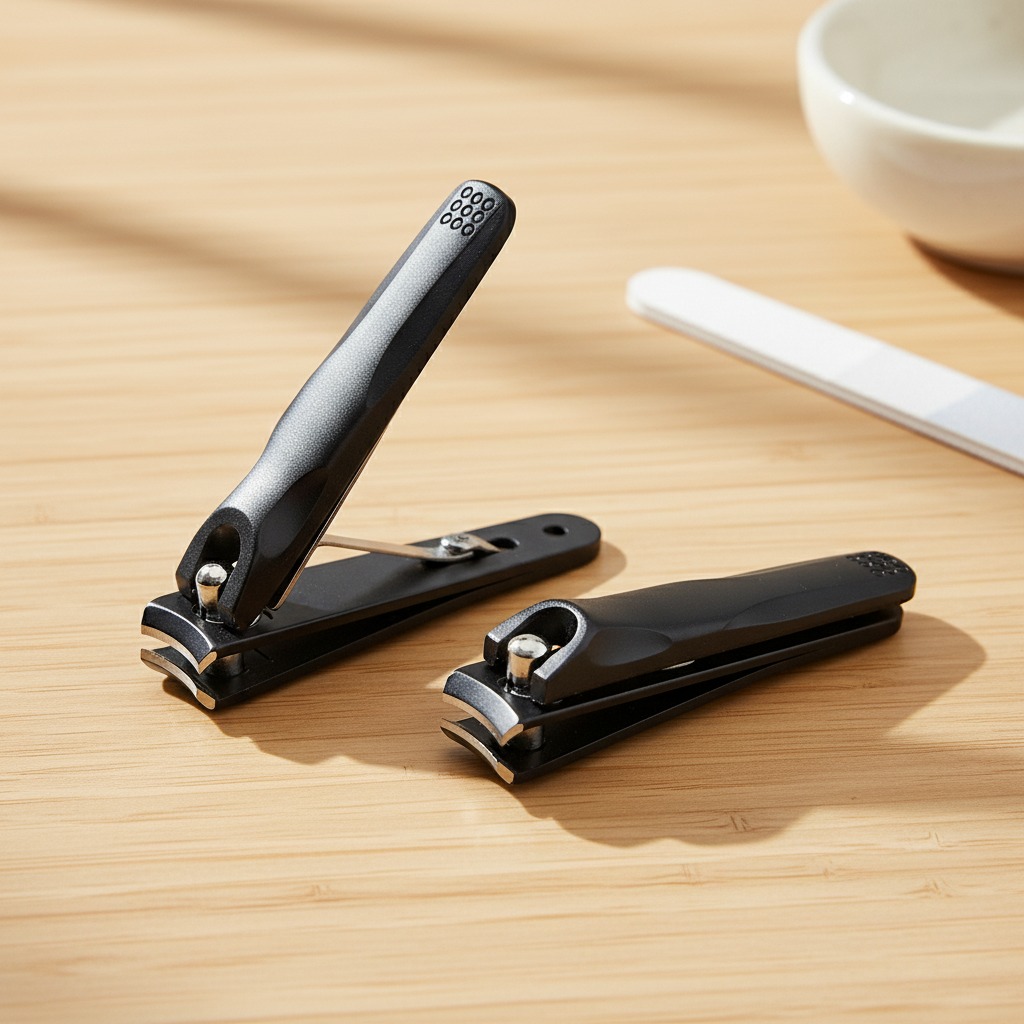
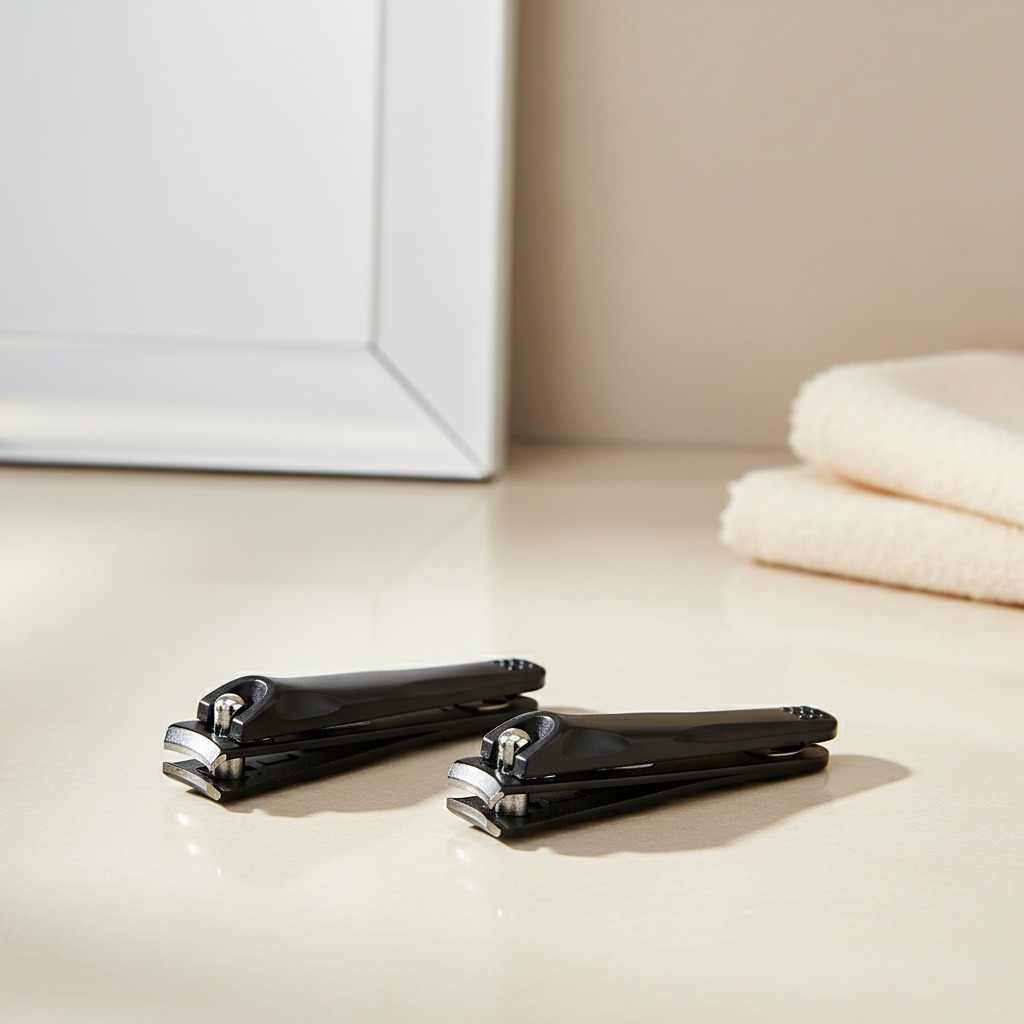
The original Olimor Beauty nail clipper description highlights several useful product features: a stainless steel body, ergonomic handle, sharp curved blades, a swivel mechanism for comfortable use from different angles and a patterned design that can add grip. These details are relevant because they address the most common buyer concerns: durability, handling comfort and clean cutting.
Before placing a bulk order, define the intended market. A salon may prioritize grip comfort and repeat-use durability. A retail brand may care more about surface finish, packaging presentation and barcode-ready cartons. A travel kit supplier may focus on compactness and safe packaging. Once the use case is clear, it becomes easier to evaluate samples and avoid buying a product that is technically acceptable but not right for your customer.
Material and Blade Quality: The Core of a Good Nail Clipper
Stainless steel is widely used for nail clippers because it offers strength, a clean appearance and resistance to everyday moisture exposure. However, the word “stainless” alone does not guarantee performance. Buyers should examine the clipper as a complete tool: the body, lever, pin, blade edge and surface finishing all need to work together.
Blade geometry is especially important. Curved blades that follow the natural shape of the nail can help users cut more smoothly and reduce the chance of splitting or snagging. The cutting edges should meet cleanly from one side to the other. If the blades touch unevenly, the clipper may leave jagged nail edges or require repeated pressure. That leads to customer frustration and faster product returns.
When reviewing samples, test multiple pieces rather than only one perfect unit. Use fingernail or suitable test material to check whether the clipper cuts cleanly at the center and near both corners. Open and close the lever several times to see whether the spring action and pivot feel consistent. A bulk supplier should understand that repeatability matters as much as the first sample.
Ergonomics, Grip and User Comfort
Comfort matters because nail clipping requires control. If the lever is too narrow, slippery or hard to press, users may apply pressure at an awkward angle. That can increase the chance of uneven trimming. An ergonomic handle helps the user keep a secure grip, especially in professional environments where tools may be handled repeatedly throughout the day.
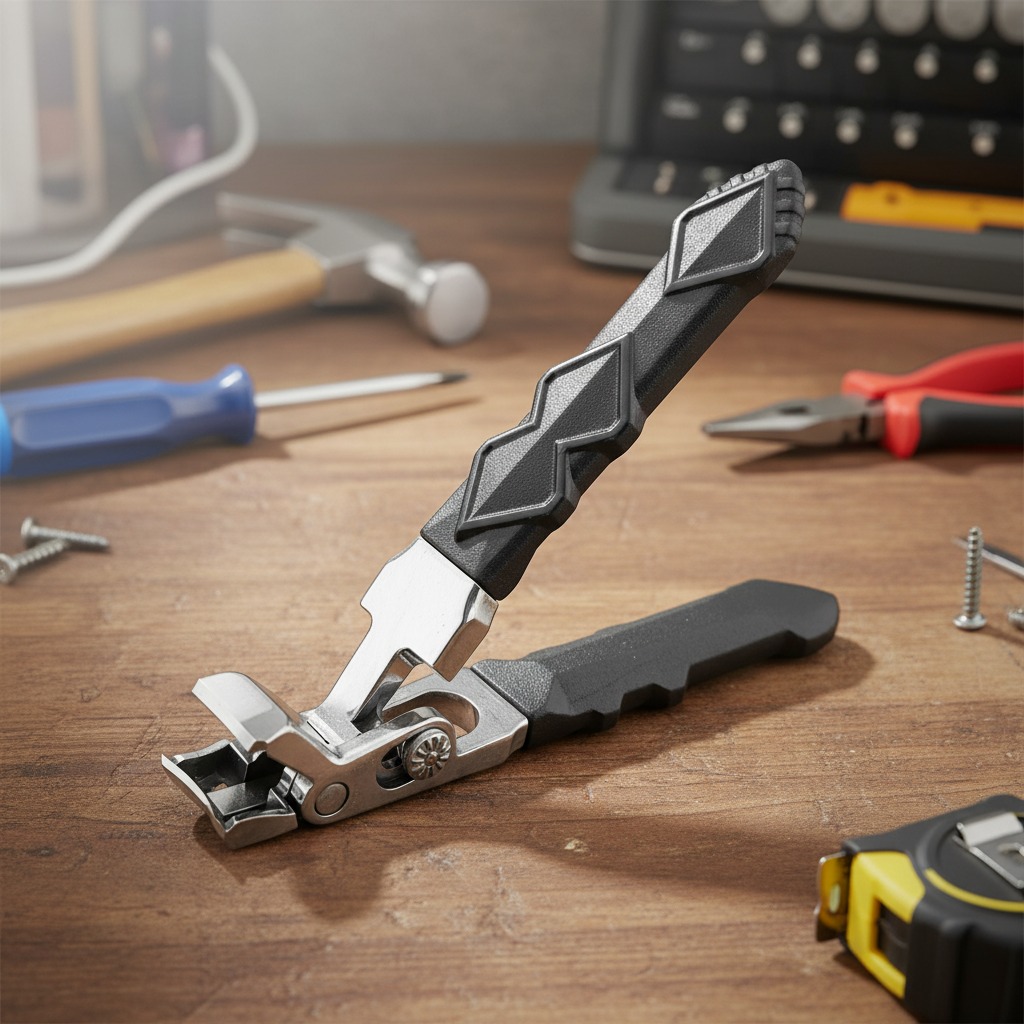
The Olimor Beauty description mentions a patterned design for added grip and a swivel mechanism that supports comfortable use from different angles. These details can be valuable for buyers serving customers who want easier handling, such as salons, home grooming users and travel accessory customers. When checking ergonomic design, consider both dry and slightly damp hands, because grooming tools are often used after washing or bathing.
Useful comfort checks include lever pressure, grip texture, edge smoothness and overall balance. The clipper should not have sharp unfinished corners on the handle or body. It should feel stable when pressure is applied, and the user should not need excessive force to make a clean cut. These details are small, but they strongly influence whether a customer buys again.
Quality Control Points from Raw Material to Packaging
A dependable nail clipper supplier should control quality at more than one point in production. The original product information refers to quality checks from raw material selection through final packaging. For buyers, that is an important structure because problems can occur at different stages: material defects, poor stamping, uneven polishing, dull grinding, misaligned assembly or damaged packaging.
When evaluating a supplier, create a checklist that separates product performance from packaging condition. This makes communication clearer and helps both sides agree on expectations before production. A practical checklist may include:
- Material appearance: stainless steel body should look clean, without obvious stains, deformation or rough areas.
- Blade alignment: cutting edges should meet evenly and trim without pulling or tearing.
- Lever function: lever should rotate and press smoothly, without excessive looseness.
- Grip and finish: handle surface should feel secure and free from sharp burrs.
- Swivel mechanism: if included, movement should feel stable and useful rather than weak or unstable.
- Packaging: individual packs and outer cartons should protect the product during storage and shipping.
- Batch consistency: samples from different pieces should show similar cutting performance and finish.
This type of checklist is more useful than a vague request for “good quality.” It gives your purchasing team, supplier contact and inspection staff the same standard to follow.
Bulk Order Planning for Salons, Retailers and Distributors
Bulk buyers should match order decisions to sales channel needs. A salon may reorder smaller quantities more frequently, while a distributor may need a stable item that can be stocked in larger volume. Retail buyers may need display-ready packaging, while e-commerce sellers may require packaging that survives parcel shipping. Each channel changes the way you should evaluate the clipper.
For a first purchase, low MOQ options can be helpful for small businesses and startups that want to test demand before scaling inventory. However, order quantity is only one part of risk management. Buyers should also confirm sample approval procedures, packaging artwork requirements, production lead time expectations and the inspection process. If you plan to develop a long-term supply relationship, keep a record of the approved sample and compare future shipments against it.
It is also worth thinking about assortment. Some customers prefer simple stainless steel clippers for everyday grooming, while others respond to tools with improved grip, curved blades or comfort-oriented mechanisms. You can review broader beauty tool products to understand how a nail clipper may fit into a wider grooming range, gift set or retail fixture.
Packaging, Presentation and Sourcing Questions That Matter
Packaging protects the product, but it also communicates value. A nail clipper sold in a salon, pharmacy, supermarket or online store needs packaging that looks clean and gives the customer confidence. At minimum, packaging should prevent scratching, reduce movement during transport and keep the cutting edge safely contained.
Before confirming an order, prepare clear answers for these sourcing questions:
- Will the clipper be sold individually, in a grooming kit or as part of a promotional bundle?
- Does the target market prefer simple utility packaging or a more retail-focused presentation?
- Are product instructions, warnings, barcodes or language requirements needed?
- How should cartons be packed for warehouse handling and onward distribution?
- What sample standard will be used to judge the finished bulk order?
These questions prevent late changes. They also help the supplier understand your actual sales channel instead of treating the order as a generic nail clipper request. If you are comparing several grooming tools together, Olimor’s product collections can help you think about how clippers, tweezers, scissors and other beauty tools may be grouped for buyers.
Choosing a Reliable Nail Clipper Manufacturer and Supplier
A reliable supplier should offer more than a product photo and a price. For bulk nail clippers, you need clear communication, stable sampling, realistic production planning and attention to inspection. The best supplier relationship is built around repeatable standards: the clipper approved today should match the quality and appearance of the next production run as closely as possible.
When comparing suppliers, look for direct answers about material, blade finishing, assembly checks, packaging options and order support. Avoid judging only by the most polished marketing language. Instead, request practical details that affect your business: how samples are approved, how packaging is confirmed, what inspection points are used and how nonconforming products are handled before shipment.
Olimor Beauty works with buyers who need nail clippers and other beauty tools for retail, professional and distribution use. If you are preparing a sourcing plan, you can send an inquiry with your target quantity, packaging requirements, market channel and any sample expectations. For broader purchasing discussions or help matching products to your business, you can also contact Olimor.
Final Buying Advice
To buy nail clippers in bulk with confidence, focus on the details users notice most: clean cutting, comfortable grip, stable lever action, safe finishing and protective packaging. Stainless steel construction, curved sharp blades, ergonomic handling and consistent quality checks can all support a stronger product experience. The most successful buyers set a clear standard before production rather than trying to fix problems after the shipment arrives.
Whether you are stocking a salon, building a retail grooming range or sourcing for distribution, treat the nail clipper as a precision tool. A structured review of samples, packaging and quality control will help you choose a supplier that can support long-term orders, not just a one-time purchase.