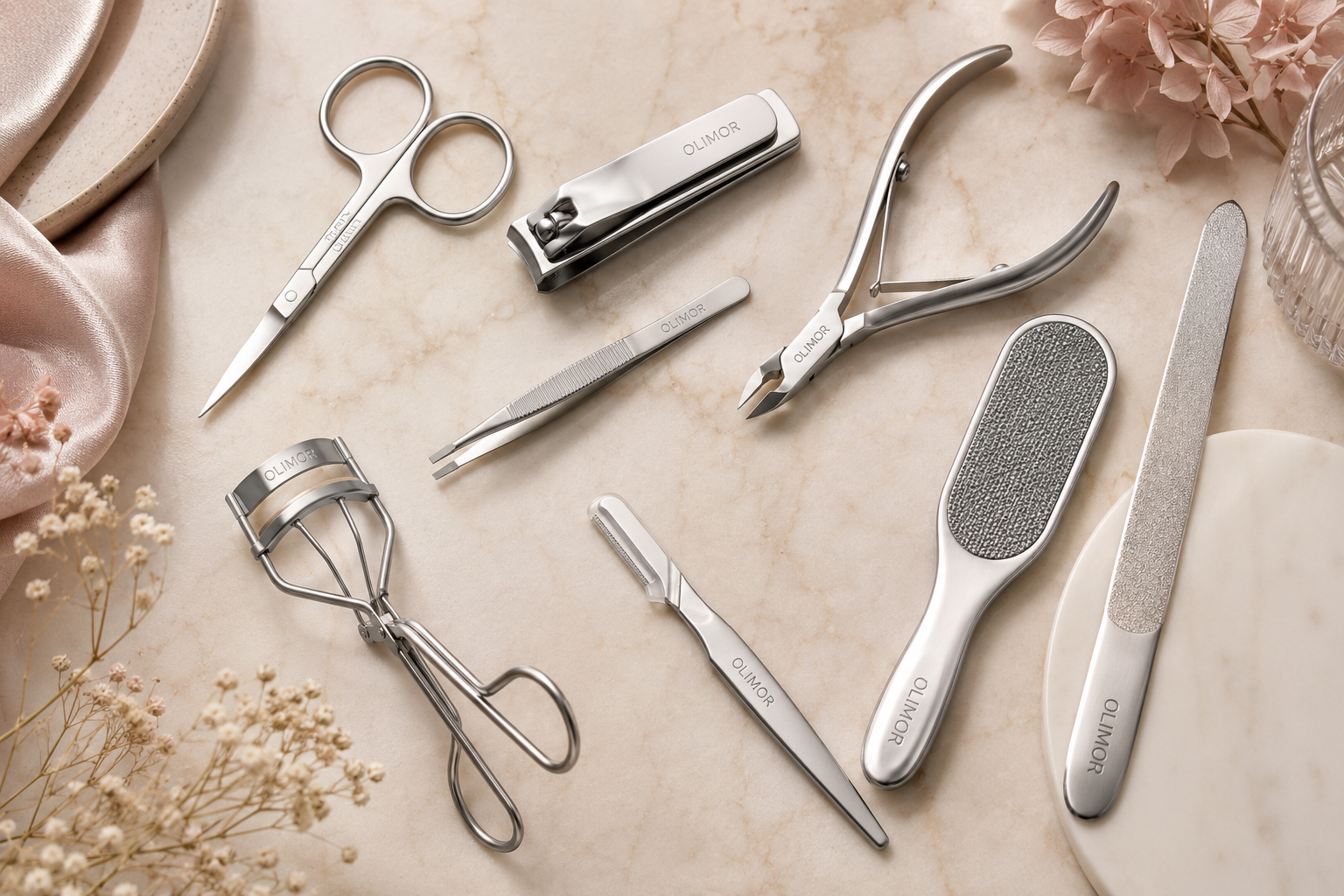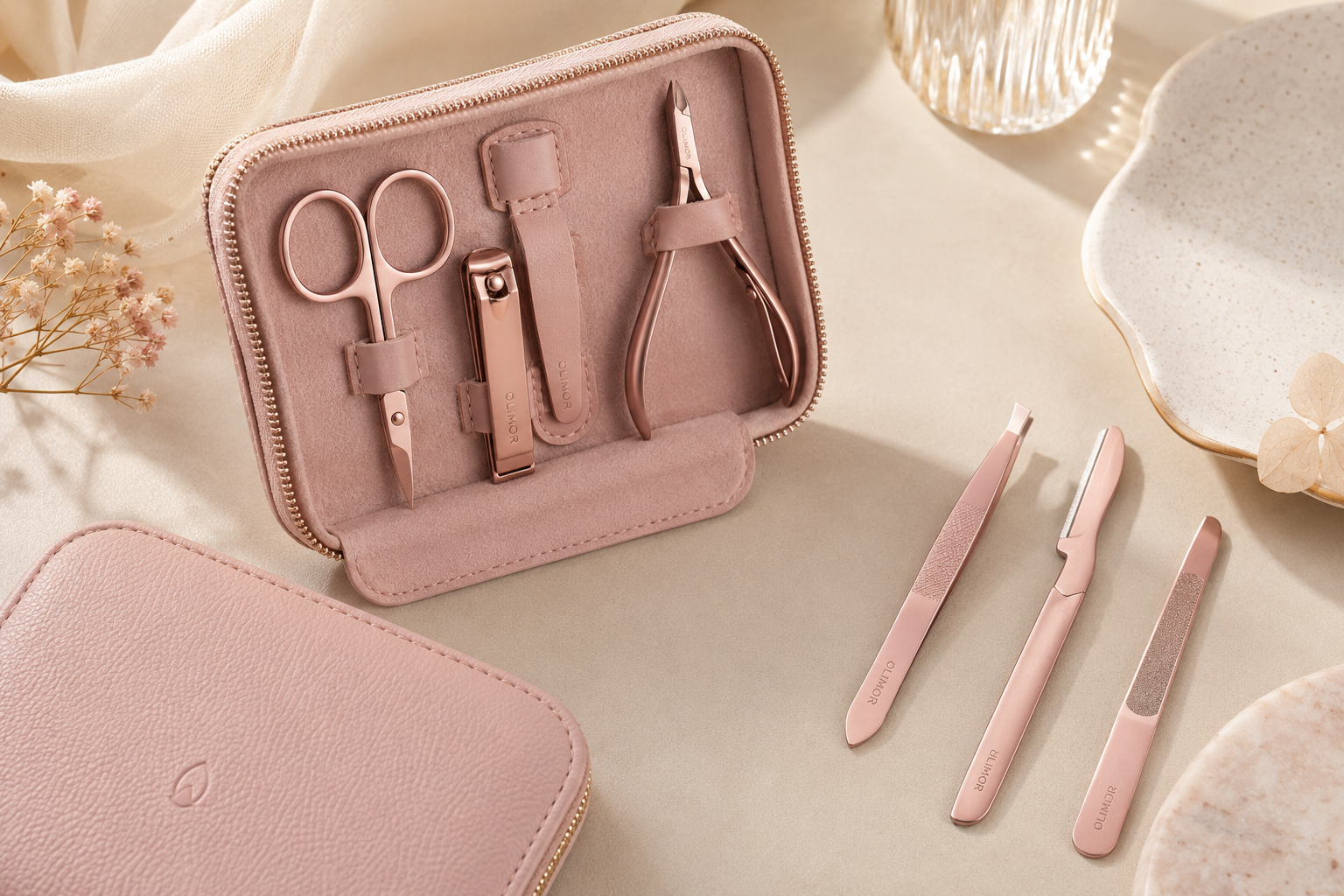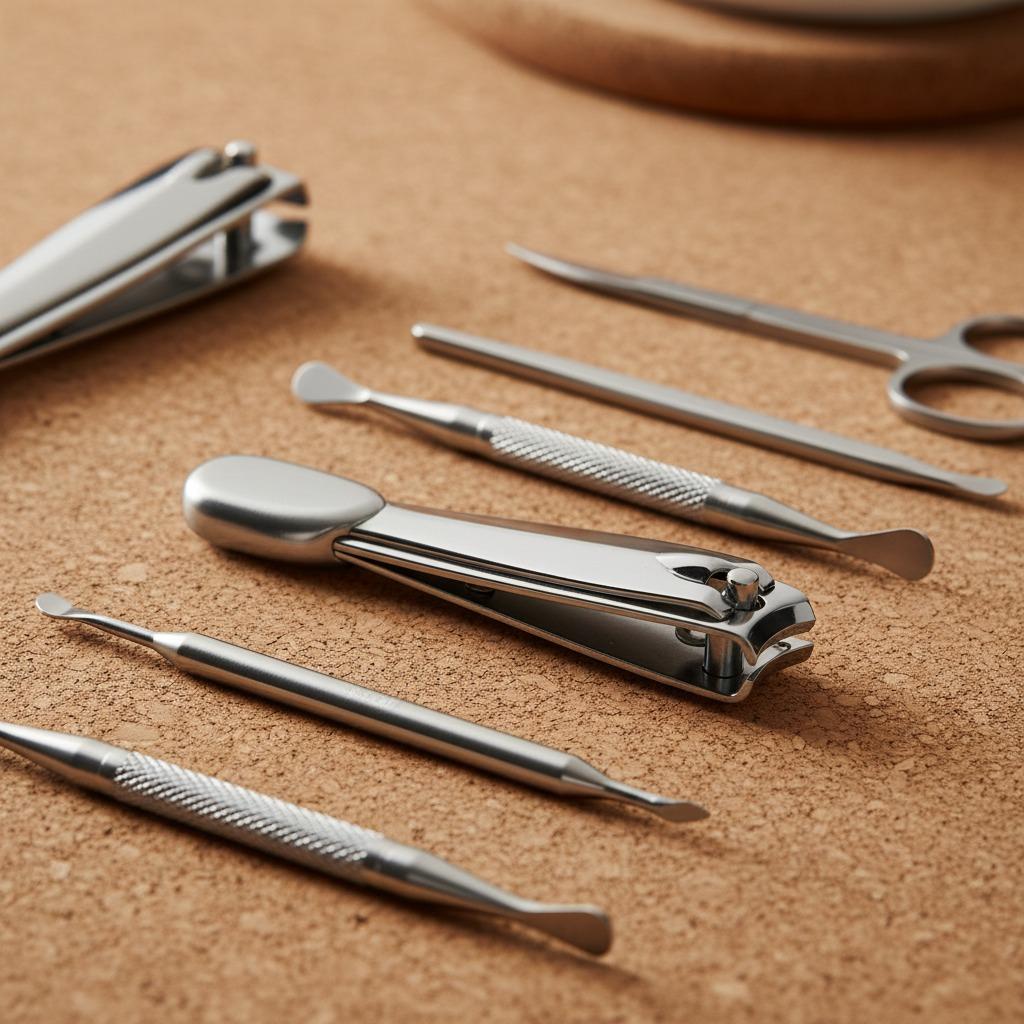












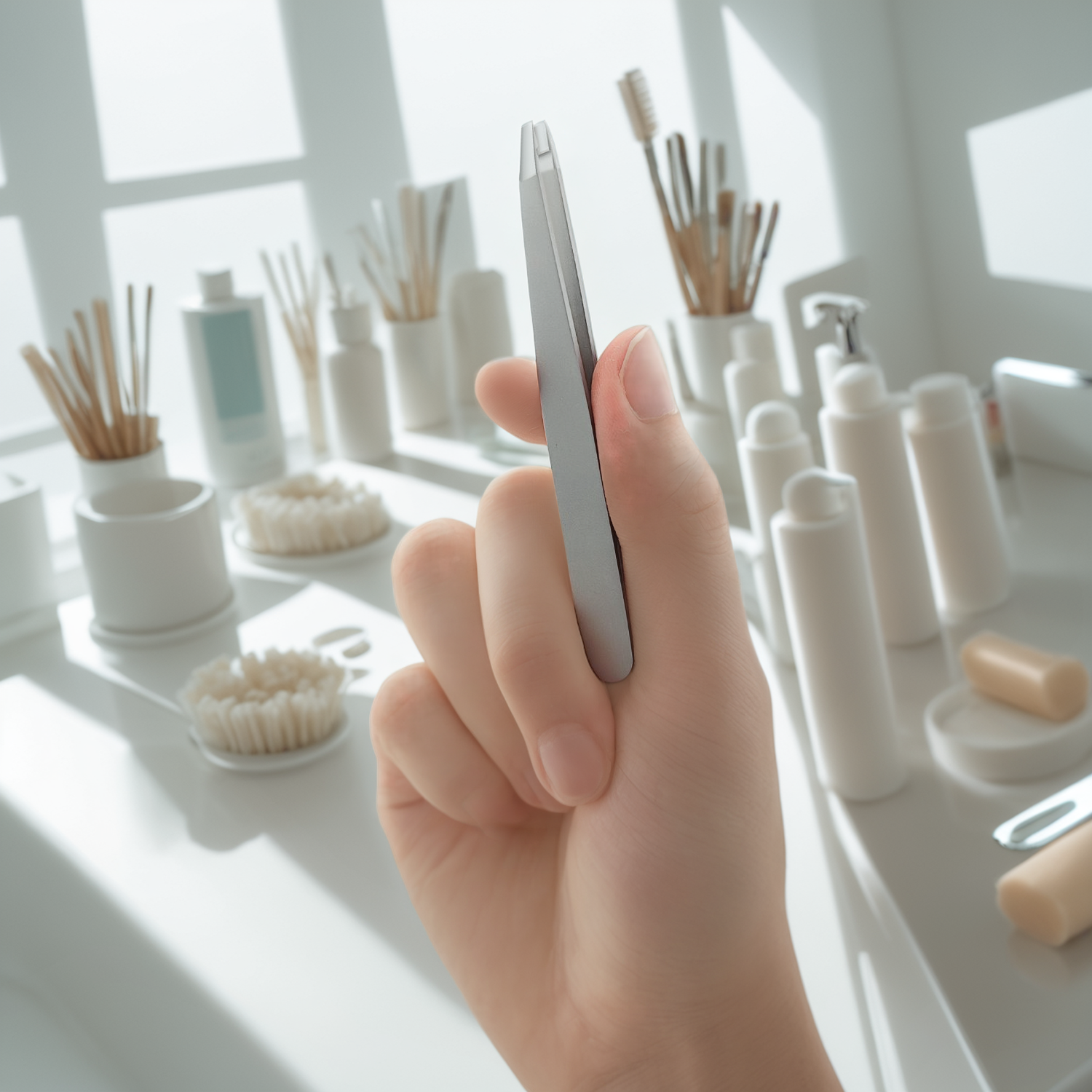
A slim stainless steel slanted tweezer is a small tool with a specific job: grip individual eyebrow hairs accurately, remove them cleanly, and give the user enough control to avoid over-tweezing or pinching skin. For personal grooming, the main question is whether the tweezer can handle fine, short and angled hairs. For retailers, salons, distributors and private-label beauty buyers, the question is broader: whether the tool is comfortable, consistent, presentable and suitable for repeat purchase.
Olimor Beauty’s Slim Stainless Steel Tweezer is built around the features most relevant to eyebrow maintenance: a slim profile, stainless steel construction, a matte finish, an ergonomic hand feel and a slanted tip. These details support a practical grooming experience without adding unnecessary complexity. This guide explains how to evaluate the tool, how to use it correctly, what affects sourcing decisions, and what B2B buyers should ask before placing an order.
What Makes a Slim Slanted Tweezer Useful for Eyebrows?
Eyebrow grooming requires selective hair removal. The goal is not to remove many hairs quickly, but to remove the right hairs without disturbing the brow shape. A slim slanted tweezer helps because it combines visibility, access and control.
The slanted tip is especially useful around the brow line. It gives the user a broader gripping edge than a very pointed tweezer, while still allowing the tool to approach hairs from an angle. This can help when cleaning the area under the arch, between the brows and along the upper brow line. The slim body also helps the user see the exact hair being targeted, which is important when working close to the skin.
For many consumers, poor tweezing performance comes from three issues: tips that do not meet evenly, a body that feels awkward to control, or edges that slide over the hair instead of gripping it. A well-designed slim stainless steel tweezer should reduce these frustrations by offering stable tension, clear tip contact and a comfortable grip.
Core Product Features and Why They Matter
The Olimor Beauty Slim Stainless Steel Tweezer is a focused beauty tool rather than a decorative accessory. Its value comes from the combination of material, shape and handling.
- Slanted tip: Supports angled access to stray eyebrow hairs and helps users grip close to the root.
- Slim profile: Improves visibility around the brow area and gives a lighter, more controlled hand feel.
- Stainless steel construction: A practical choice for a reusable grooming tool that needs to tolerate routine handling and cleaning.
- Matte finish: Gives the tool a clean, modern appearance suitable for retail displays, beauty kits and professional grooming sets.
- Ergonomic design: Helps users apply controlled pressure during detailed grooming instead of squeezing too hard.
For buyers comparing beauty tool products, these features are commercially relevant because they match common customer expectations. Consumers want tweezers that feel precise, look clean, store easily and work for regular touch-ups. Retailers and distributors should therefore evaluate both appearance and actual handling, not packaging design alone.
Slanted, Pointed or Flat Tweezers: Which Type Fits the Job?
Different tweezer tip shapes serve different grooming needs. A slim slanted tweezer is often the most versatile option for eyebrow maintenance, but it is helpful to compare it with other common styles before choosing a product assortment.
| Tweezer Type | Best Use | Considerations for Buyers |
|---|---|---|
| Slim slanted tweezer | Eyebrow shaping, stray facial hair removal and routine grooming touch-ups. | A balanced choice for retail and beauty kits because it combines control with everyday usability. |
| Pointed tweezer | Very fine or isolated hairs where high tip precision is needed. | Can be less forgiving for casual users and may require more careful handling. |
| Flat-tip tweezer | General gripping tasks and some non-brow uses. | May be less effective for isolating individual eyebrow hairs near the skin. |
| Wide-body tweezer | Users who prefer a larger gripping surface. | Can feel stable, but may block visibility in tight brow areas compared with a slim profile. |
For eyebrow-focused assortments, a slim slanted stainless steel tweezer is a strong core item. It fits both first-time users and experienced groomers, and it is easy to explain in product listings: angled grip, controlled handling and practical stainless steel construction.
How to Use Slanted Tweezers for Cleaner Brow Grooming
Even a well-made tweezer performs best with proper technique. Broken hairs, uneven shaping and skin pinching often result from rushing or gripping too far from the root. The following process is suitable for home users and useful for retailers creating product education content.
- Clean the brow area and the tool. Remove makeup, oil and lotion so hairs are visible and easier to grip.
- Use bright, even lighting. Clear lighting reduces the risk of removing the wrong hairs.
- Brush brows into their natural position. This separates clear strays from hairs that belong in the shape.
- Hold the skin gently taut. Light tension can improve access and reduce discomfort.
- Place the slanted tip close to the root. Grip the hair as near to the skin as practical without pinching.
- Pull in the direction of hair growth. This helps reduce snapping and supports cleaner removal.
- Pause often to check symmetry. Remove a few obvious strays, then step back before continuing.
The safest shaping approach is conservative. Clean up obvious stray hairs first, especially under the arch and between the brows, then reassess. A precision tweezer should make small adjustments easier; it should not encourage aggressive reshaping.
Inspection Checklist for Retailers, Salons and Distributors
When sourcing tweezers, the most important quality checks are simple but should be consistent. A tweezer can look attractive in packaging and still disappoint customers if the tips are misaligned or the tension feels uneven. Buyers should request samples when appropriate and inspect them under normal use conditions.
| Inspection Point | What to Look For | Why It Matters |
|---|---|---|
| Tip alignment | The two sides should meet evenly at the gripping edge without obvious gaps. | Proper contact helps grip fine eyebrow hairs instead of sliding over them. |
| Tip finish | The slanted edge should look clean and consistent, with no rough areas that feel uncomfortable. | Tip condition directly affects comfort and precision. |
| Tension | The arms should close smoothly with controlled pressure. | Too much tension can tire the hand; too little can reduce grip. |
| Body shape | The slim profile should feel stable and easy to position near the brow. | Good handling supports detailed grooming and lowers the chance of pinching skin. |
| Surface appearance | The matte finish should be even and clean. | Consistent appearance supports retail presentation and perceived quality. |
| Packaging protection | The tip should be protected from pressure during storage and shipping. | Damaged tips can affect performance before the customer uses the product. |
This checklist is useful for sample review, incoming inspection and internal product comparisons. For larger programs, buyers may also want to define acceptable appearance criteria, packaging requirements and handling checks in writing before production approval.
Material, Finish and Packaging Considerations
Stainless steel is widely used for reusable grooming tools because it offers a practical balance of durability, clean appearance and everyday maintenance. For tweezers, however, material alone is not enough. The performance depends on how the arms are formed, how the tips meet and how the tool is protected after finishing.
The matte finish on the Olimor slim tweezer gives the product a modern look that can suit minimalist beauty packaging, salon kits and personal grooming sets. For retail buyers, finish consistency matters because customers often judge tool quality before use by surface appearance, weight, cleanliness and packaging condition.
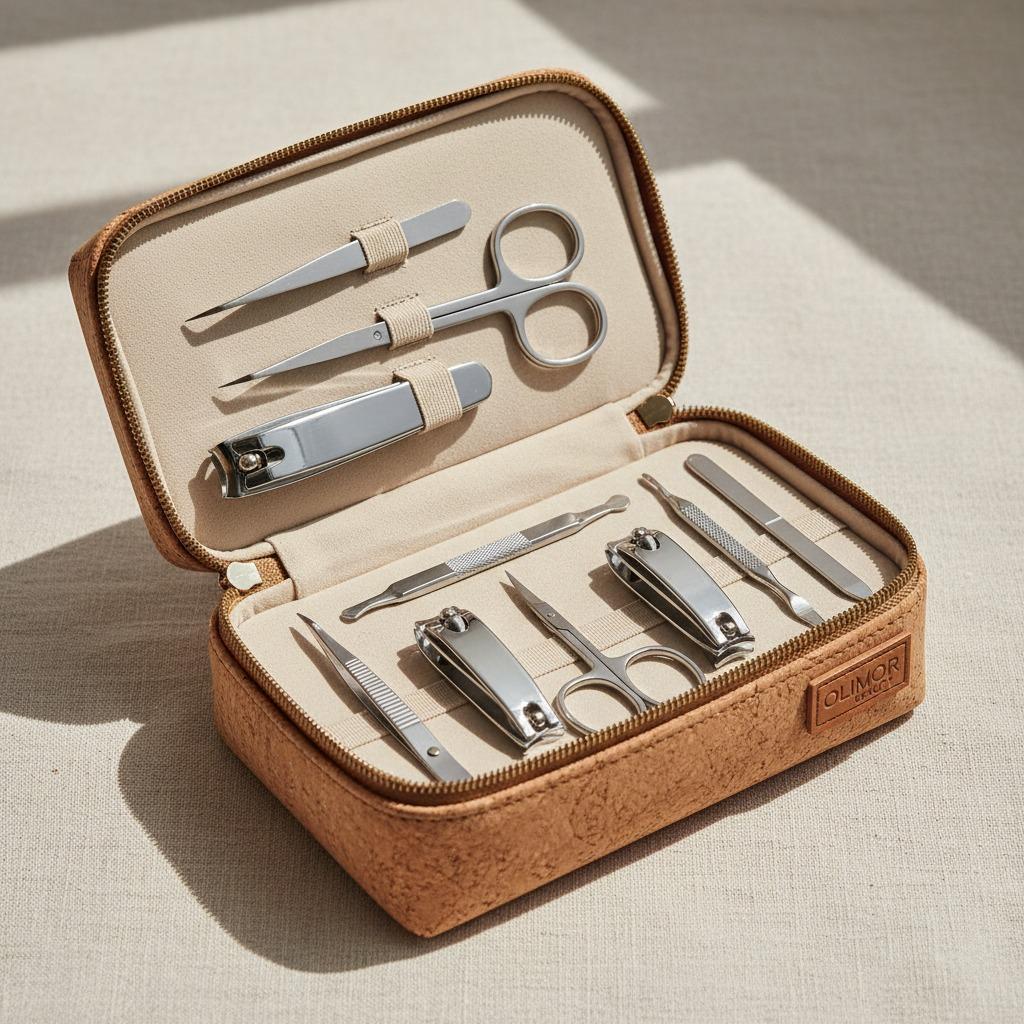
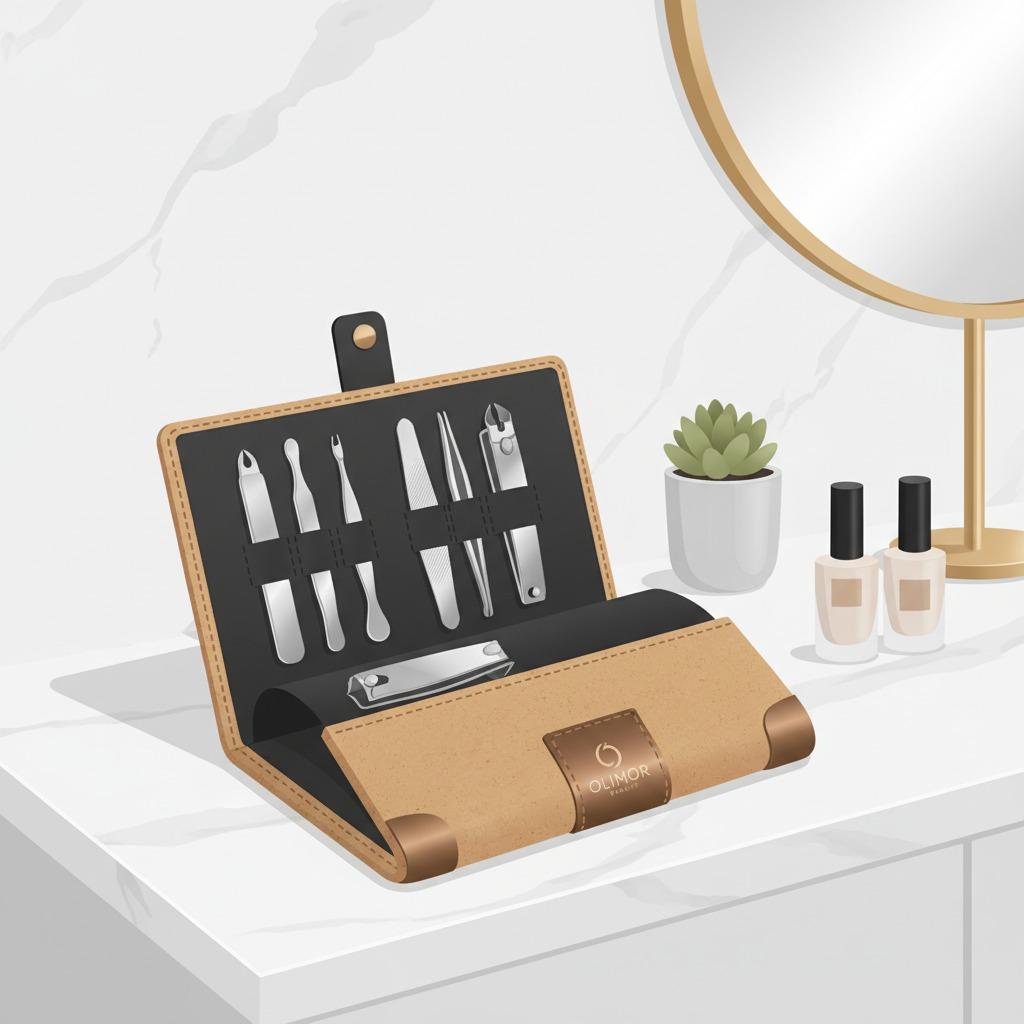
Packaging should do more than display the product. It should protect the slanted tip from impact and pressure. Even a small distortion at the tip can affect gripping performance. If the tweezer is part of a kit, the layout should keep it from rubbing against harder tools during transit. Buyers developing custom sets can review related beauty-tool options in the Olimor product collection to decide whether the tweezer should be sold alone, paired with brow scissors, or included in a broader grooming assortment.
Cost Factors Without Reducing the Tool to Price
For B2B buyers, tweezer cost is influenced by more than the unit price. A lower-cost tool that generates complaints, returns or poor reviews can be more expensive over time than a better-matched product. The main cost factors usually include material choice, finish requirements, tip workmanship, packaging type, customization, order quantity and inspection expectations.
Customization can also affect cost and planning. Buyers may want logo placement, packaging artwork, set configuration or market-specific labeling. These items should be confirmed directly with the supplier because available options, minimum order requirements and timelines depend on the project scope. Avoid assuming that all finishes, packages or branding methods are suitable for every tweezer design.
A practical sourcing discussion should therefore cover the intended sales channel, target consumer, packaging format, branding needs and quality expectations. This helps the supplier recommend a realistic solution instead of treating the tweezer as a generic metal item.
Care, Hygiene and Maintenance Guidance
Proper care helps preserve tweezer performance. After use, wipe the tool clean and allow it to dry before storage. Avoid dropping it onto hard surfaces, because precision depends on the slanted tips meeting correctly. Store the tweezer with the tip protected, especially in travel bags, salon drawers and retail kits.
Users should keep eyebrow tweezers separate from craft, household or non-beauty tasks. Using the same tool for adhesives, packaging, first-aid handling or other rough tasks can leave residue, dull the edge or affect alignment. For salon and professional service environments, cleaning and disinfection should follow applicable local public health requirements. If tools may contact broken skin, businesses should also review relevant workplace safety guidance from bodies such as OSHA in the United States, and verify the current version of any rule or guidance that applies in their location.
Retailers can include simple care instructions on packaging or inserts: clean after use, dry before storage, protect the tip and avoid non-grooming use. Clear instructions reduce avoidable complaints and help customers understand that a precision grooming tool should be treated carefully.
How to Evaluate a Tweezer Supplier
A reliable supplier should be able to discuss the tool beyond its appearance. For a slim stainless steel slanted tweezer, buyers should ask about sample review, finish consistency, packaging protection, customization process and inspection steps. The supplier does not need to overstate performance; it should provide clear information and documents relevant to the order.
Useful supplier evaluation questions include:
- Can the supplier provide samples for handling, tip alignment review and packaging assessment?
- What customization options are available for the tweezer, packaging or set configuration?
- How are tips protected during packing and shipment?
- What inspection points are used before goods are released?
- Which product documents, artwork confirmations or order specifications will be provided for approval?
Buyers should verify current supplier documents before purchasing and should not rely on assumptions about certifications, testing or regulatory status unless those documents are supplied and applicable. For general consumer product obligations, businesses may also need to review rules from recognized bodies such as the U.S. Consumer Product Safety Commission when selling into relevant markets. Requirements can change, so always confirm current versions and market-specific responsibilities.
Best-Fit Use Cases for Slim Stainless Steel Slanted Tweezers
This tweezer type is well suited for several channels. In personal care retail, it works as an everyday brow grooming item. In salons, it can serve as part of a professional tool kit for brow maintenance. In beauty subscription boxes or gift sets, it adds practical value because nearly every grooming customer understands its purpose. In private-label ranges, the clean matte look and slim profile can support a modern beauty-tool identity.
The tool is particularly relevant when customers search for solutions to slipping tweezers, broken hairs, uncomfortable grip or lack of precision around the brow line. Product pages and sales materials should explain those benefits clearly without exaggerated claims. Strong content should show the user why the slanted tip, slim profile and stainless steel construction matter in real grooming situations.
Practical Buying Summary
Choose a slim stainless steel slanted tweezer when the priority is controlled eyebrow grooming, visible access to fine hairs and a clean retail presentation. The Olimor Beauty Slim Stainless Steel Tweezer brings together a slanted tip, slim body, stainless steel construction, matte finish and ergonomic design for focused grooming use.
For B2B sourcing, evaluate samples carefully, confirm packaging protection, review customization needs and document quality expectations before ordering. To discuss product fit for a retail line, salon program or private-label beauty-tool project, contact Olimor Beauty or send a product inquiry with your requirements.
FAQ
Can I request samples before placing a larger order?
Sample availability should be confirmed with Olimor based on the product, customization needs and current sourcing plan. Samples are useful for checking tip alignment, hand feel, finish and packaging protection.
Is there a minimum order quantity for custom tweezers?
MOQ depends on the order details, packaging format and customization requirements. Buyers should confirm current MOQ directly before planning retail launches or promotional sets.
Can the tweezer or packaging be customized?
Customization may include branding, packaging design or set configuration depending on the project. Share artwork, target market and sales channel requirements early so feasible options can be reviewed.
How should quality be checked before approval?
Review sample tip alignment, tension, slanted edge consistency, matte finish, packaging fit and overall handling. For production orders, confirm the inspection points and approval documents with the supplier.
How is lead time determined?
Lead time depends on order quantity, customization, packaging, approvals and production schedule. Confirm timing directly with Olimor and allow time for sample review and artwork confirmation when customization is involved.