










Choosing the best tweezers for eyebrows is not only about picking a small metal tool from a beauty kit. For eyebrow shaping, the difference between a reliable pair and a frustrating pair is felt immediately: one grips a fine hair cleanly at the root, while the other slips, breaks the hair, or pinches the skin. Whether you are maintaining your brows at home, preparing a salon workstation, or sourcing grooming tools for retail, the right tweezer should combine tip accuracy, controlled tension, comfortable handling, and hygienic material.
Eyebrow tweezing is a detail-focused task. A few hairs removed from the wrong area can change the balance of the brow, and repeated pulling on broken hairs can irritate the skin. This guide explains what to look for in precision tweezers, how to use them correctly, and how to maintain them so they keep performing. For buyers comparing different beauty tool products, these criteria can also help separate a well-made brow tool from one that only looks polished in photos.

Why Eyebrow Tweezers Need More Precision Than General Tweezers
Eyebrow hairs can be short, fine, angled, or partially hidden against the skin. A general-purpose tweezer may be useful for many tasks, but brow grooming requires a tool that can isolate one hair at a time without catching surrounding hairs. This is especially important when cleaning the lower brow line, shaping the arch, or removing stray hairs between appointments.
A good eyebrow tweezer should grip evenly along the tip. If only one corner makes contact, the hair can slide away or snap before it is removed from the root. When tweezers break hairs repeatedly, regrowth may look uneven and the skin can become tender from multiple attempts. Clean removal depends on the combined performance of the tip edge, the spring tension of the arms, and the user's ability to see and control the hair being removed.
For personal users, precision means less time spent in the mirror and fewer red marks after grooming. For professionals and product buyers, it also affects customer satisfaction, repeat use, and perceived product quality. Tweezers are small, but the user judges them by immediate performance.
Key Features to Compare Before Choosing Brow Tweezers
When evaluating eyebrow tweezers, focus on functional details rather than decorative finishes alone. The following criteria are useful for home users, salon buyers, and sourcing teams reviewing product options.
- Tip alignment: The two tips should meet evenly without visible gaps. Proper alignment improves grip on fine and short hairs.
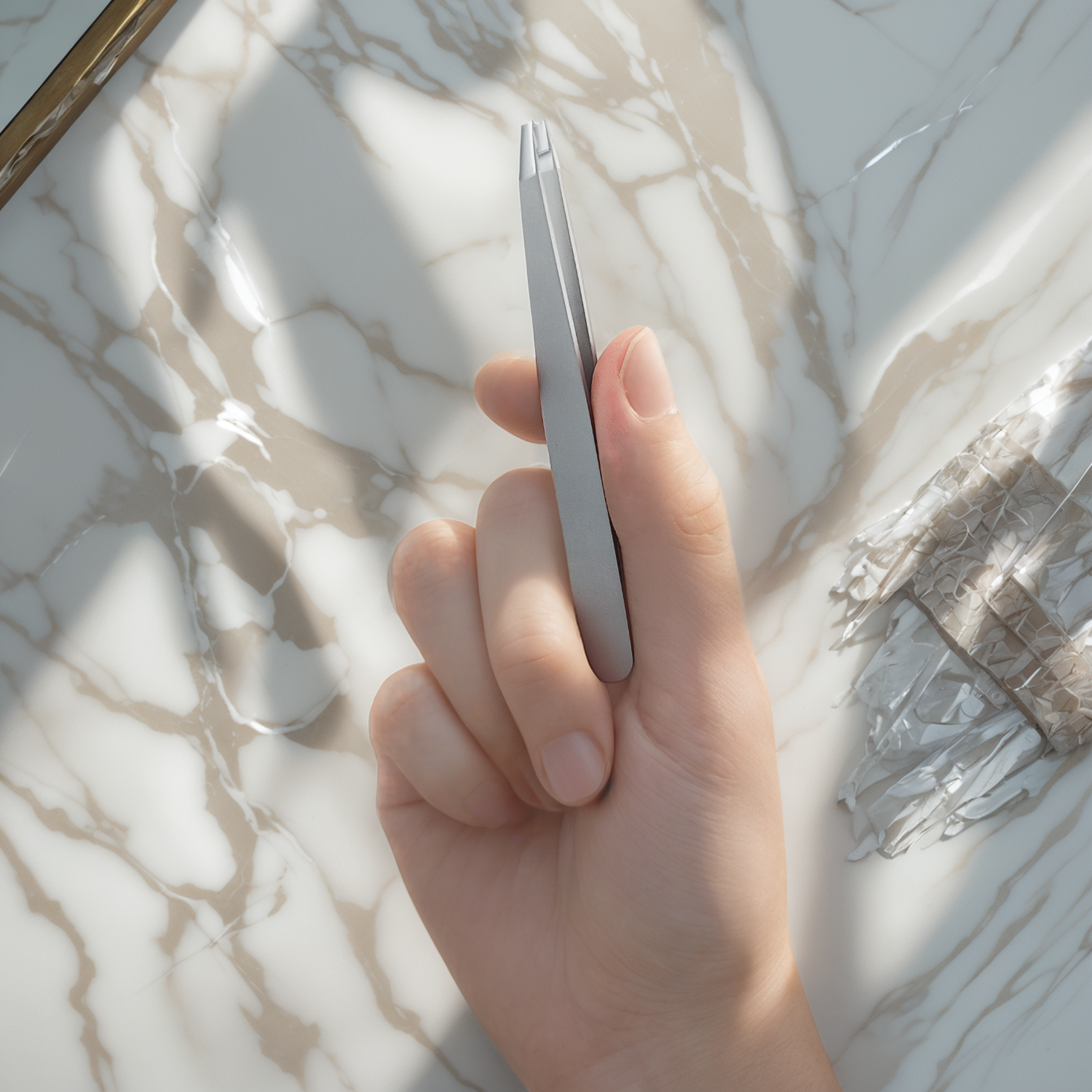
- Tip style: Slant-tip tweezers are a common choice for eyebrows because the angled edge can work along the brow line while still allowing targeted plucking.
- Material: Stainless steel tweezers are valued for durability, resistance to rust, and easier cleaning after use.
- Tension: The arms should close with controlled pressure. Too stiff can tire the hand; too loose can reduce gripping power.
- Edge finish: The gripping surface should be precise enough to catch hair but not so rough that it cuts or frays the strand.
- Body shape: A comfortable holding area helps users maintain control, especially when working on small brow areas.
- Protective storage: A cap or clean storage method helps protect the aligned tips from being bent in a makeup bag or drawer.
These details matter more than broad claims such as “professional quality.” A buyer can often evaluate a sample by checking whether the tips close evenly, whether the tweezer holds a single fine hair without slipping, and whether the arms return smoothly after pressure is released.
Slant Tip, Point Tip or Flat Tip: Which Is Best for Eyebrows?
Different tweezer tips are designed for different levels of control. For most eyebrow routines, a slant tip is the most versatile choice. The angled edge can rest naturally against the skin, making it easier to approach hairs from the correct direction. It can also be used with the pointed corner for more detailed work near the brow tail or arch.
Point-tip tweezers can be useful for extremely fine hairs or ingrown hairs, but they require a steadier hand and careful placement. They are not always the easiest option for quick brow cleanup because the narrow point can miss hairs if the user is not precise. Flat-tip tweezers can grip larger areas, but they are generally less suitable for eyebrow shaping because they may catch more than one hair at a time.
If you are selecting a tweezer for a broad audience, such as a retail grooming kit or a standard brow tool, a finely aligned slant-tip design is usually the safest and most practical direction. If you are building a complete beauty tool range, you can compare options across Olimor Beauty product collections to match different use cases and packaging needs.
How to Tweeze Eyebrows Cleanly and Comfortably
Technique is as important as the tool. Even the best tweezers for eyebrows will not perform well if hairs are pulled at the wrong angle or if the skin is oily and difficult to grip. The goal is to remove only the intended hair, as close to the root as possible, while minimizing discomfort.
- Start with clean skin. Remove makeup, oil, and skincare residue from the brow area so the tips can grip the hair, not product buildup.
- Use good lighting. Natural light or a bright mirror helps prevent over-plucking and makes fine hairs easier to see.
- Brush brows into place. This reveals the natural shape and helps distinguish stray hairs from hairs that support the brow line.
- Hold the skin taut. Gently stretch the skin with one hand to reduce pulling and help the hair release more cleanly.
- Grip close to the root. Place the tweezer tips as near to the skin as possible without pinching.
- Pull in the direction of growth. A swift, controlled pull helps reduce breakage and discomfort.
- Pause and check symmetry. Step back regularly. Removing one hair at a time is safer than trying to reshape the brow quickly.
Tweezing after a warm shower can make the process more comfortable because warmth helps soften the skin. However, the area should still be dry before tweezing so the hair does not slip. Avoid aggressive plucking when the skin is irritated, sunburned, or freshly treated with strong exfoliating products.
Common Mistakes That Lead to Poor Brow Results
Many brow problems come from rushing rather than from the tool itself. One common mistake is pulling upward instead of following the direction of hair growth. This can break the hair and leave a visible dark dot under the skin. Another mistake is using dull or misaligned tweezers and squeezing harder to compensate, which increases the risk of pinching the skin.
Over-plucking is also easy when working too close to a magnifying mirror. Magnification helps identify fine hairs, but it can make normal brow density look excessive. Use magnification for detail work, then check the overall shape in a regular mirror before continuing. It is usually better to remove fewer hairs and adjust later than to create a gap that takes weeks to blend back in.
For professional environments, hygiene mistakes can be even more serious. Tweezers should be cleaned between uses, stored properly, and inspected for damaged tips. A bent tip or uneven closure should not be ignored because it can reduce accuracy and comfort.
Care and Maintenance for Stainless Steel Tweezers
Stainless steel tweezers are a strong choice for brow grooming because they are durable and easier to keep clean. Still, they need proper care to maintain alignment and grip. After each use, wipe the tips to remove skin oils, hair fragments, and cosmetic residue. An alcohol swab can be used for routine sanitation, especially when the tool is shared in a professional setting.
Dry the tweezers before storage. Moisture left on any beauty tool can affect appearance and hygiene over time. Store the tweezers in a clean, dry place, ideally with a protective cap if available. The tips are the working part of the tool; if they are dropped, bent, or pressed against hard objects in a crowded bag, even a small change in alignment can affect performance.
A simple maintenance routine helps extend the useful life of the tool:
- Wipe residue from the tips after every grooming session.
- Keep the gripping edges protected during storage and travel.
- Do not use eyebrow tweezers for tasks that may deform the tips, such as prying, scraping, or pulling hard non-beauty materials.
- Inspect the tips regularly under good light to confirm they meet evenly.
- Replace the tool when alignment or gripping power can no longer be maintained.
Considerations for Retailers, Salons and Beauty Tool Buyers
When sourcing eyebrow tweezers for resale, kits, or professional use, the sample review should go beyond appearance. Test consistency across multiple pieces, not just a single sample. Look for clean finishing, stable arm tension, and reliable tip contact. Packaging should also protect the tips during transport because a well-made tweezer can still arrive damaged if the point of contact is exposed.
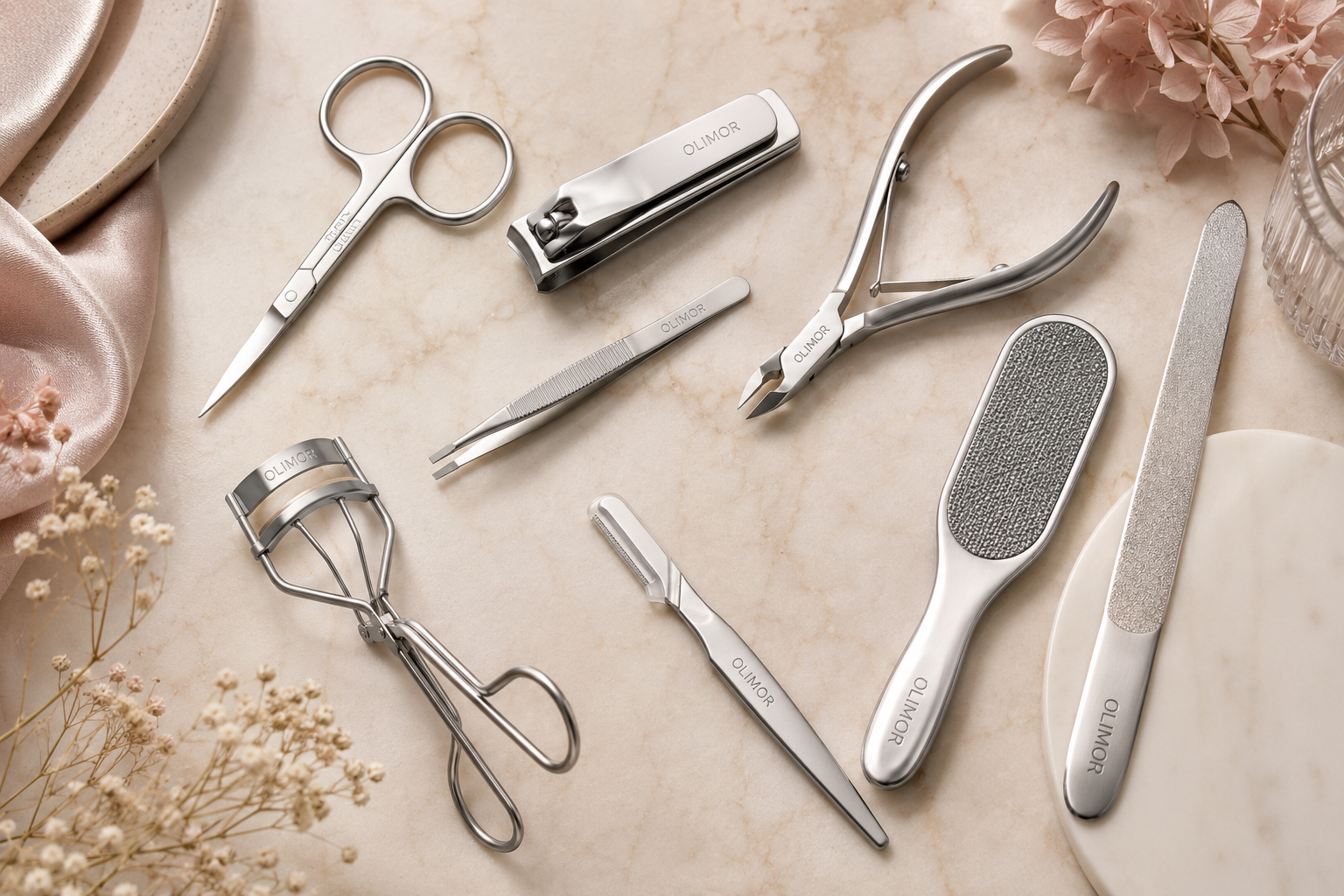
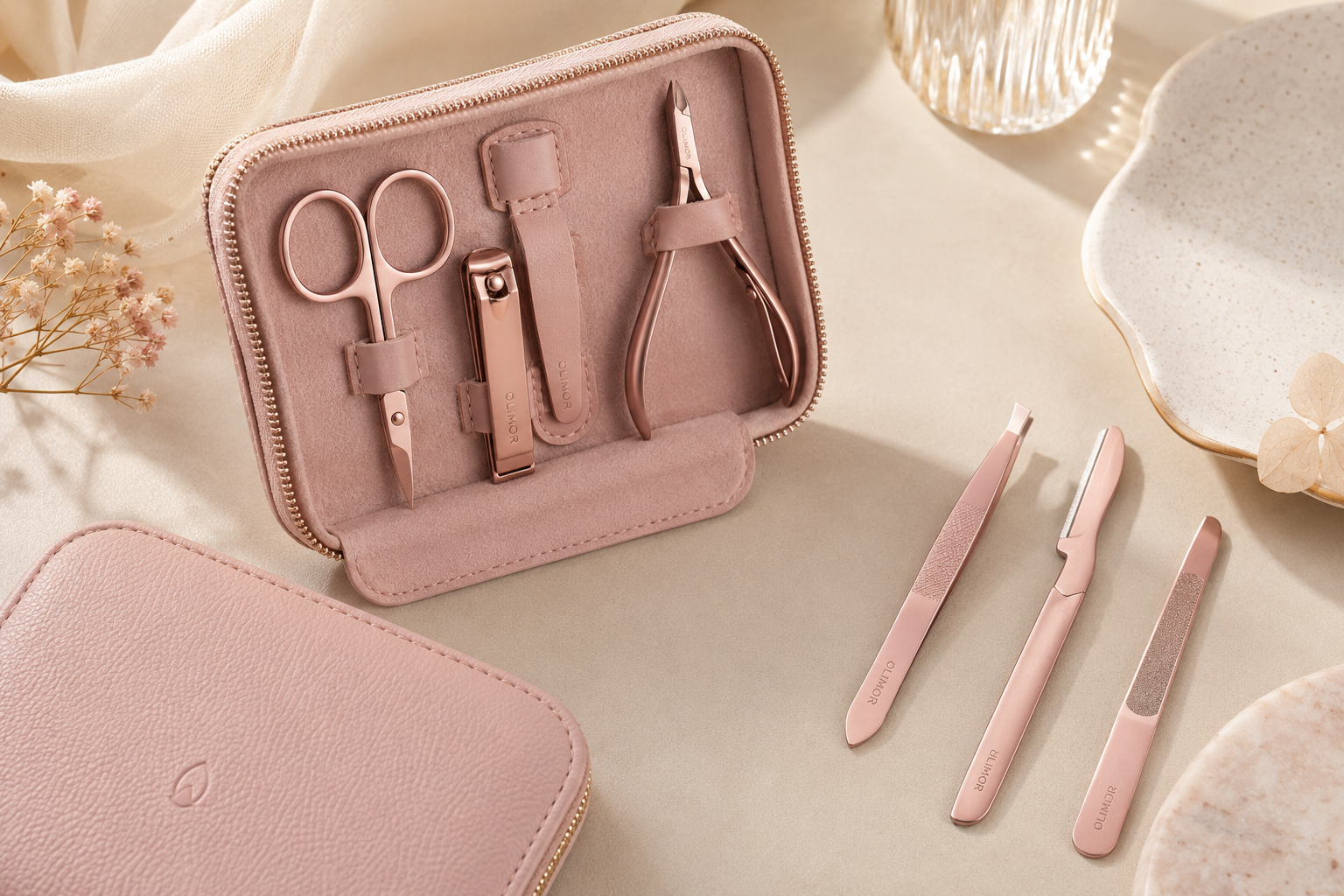
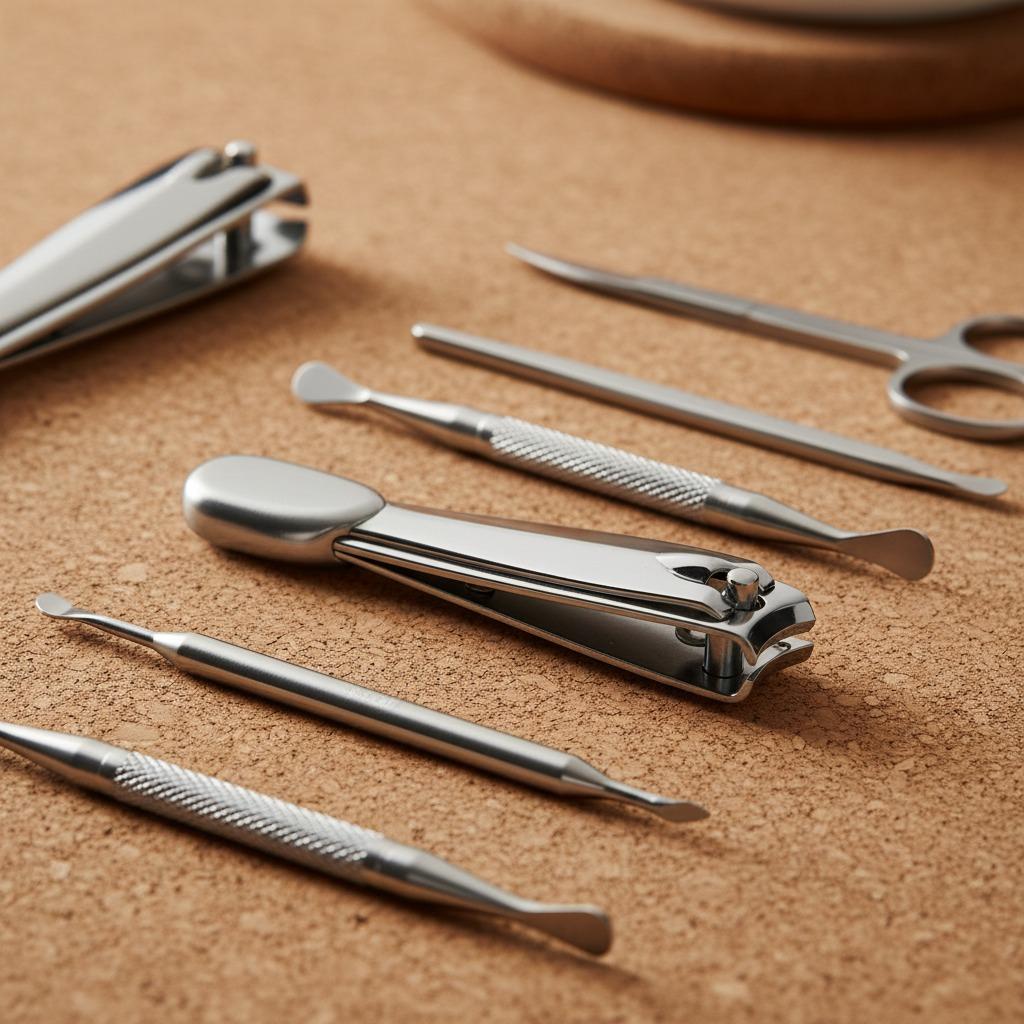
Buyers may also want to consider how the tweezer fits into a wider grooming range. A slant-tip eyebrow tweezer can pair naturally with brow scissors, lash tools, manicure tools, or skincare accessories, depending on the intended customer. If you are reviewing product options or planning a sourcing project, you can send an inquiry with your requirements or contact Olimor to discuss suitable beauty tool directions.
The best tweezers for eyebrows should feel precise from the first use and remain dependable with proper care. By focusing on tip alignment, stainless steel construction, controlled tension, and correct technique, users can achieve cleaner brow maintenance with less irritation and fewer broken hairs. For buyers, those same features create a more reliable product experience and a stronger foundation for beauty tool selection.