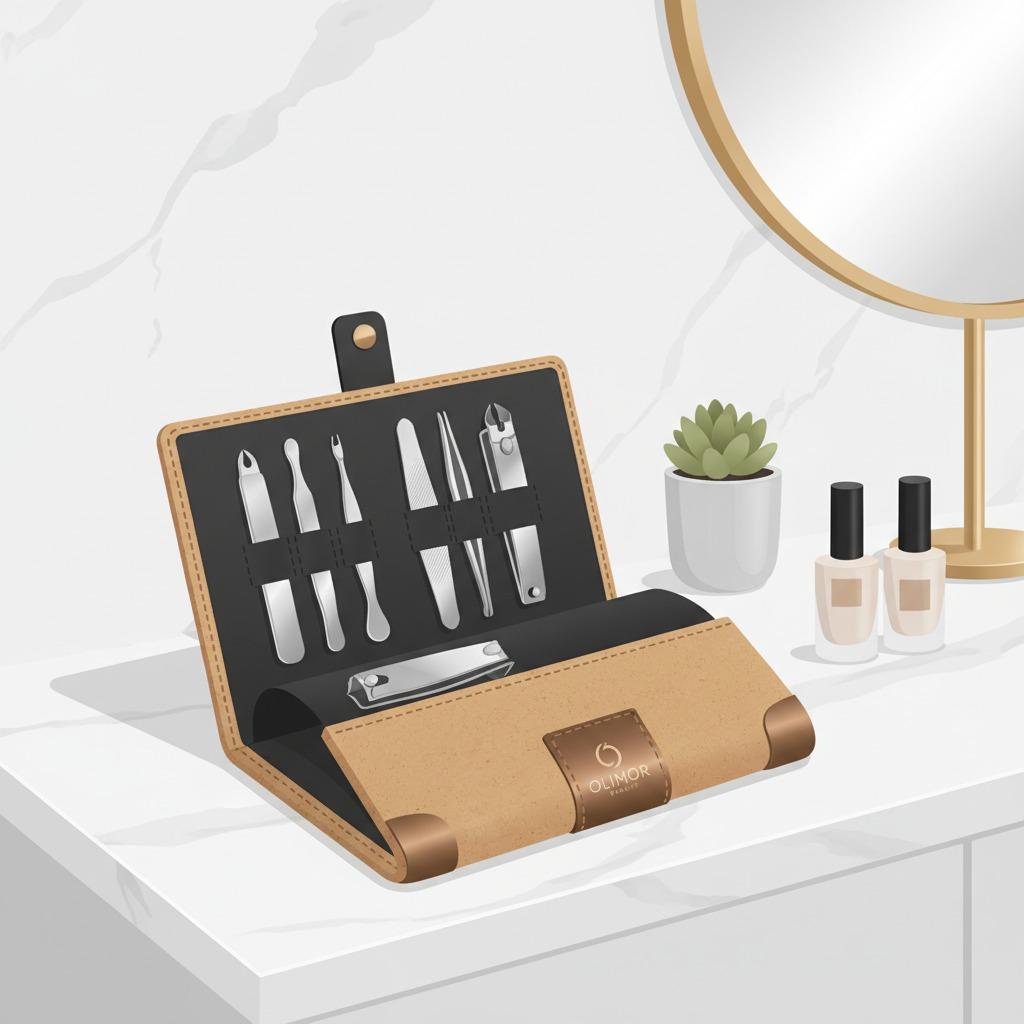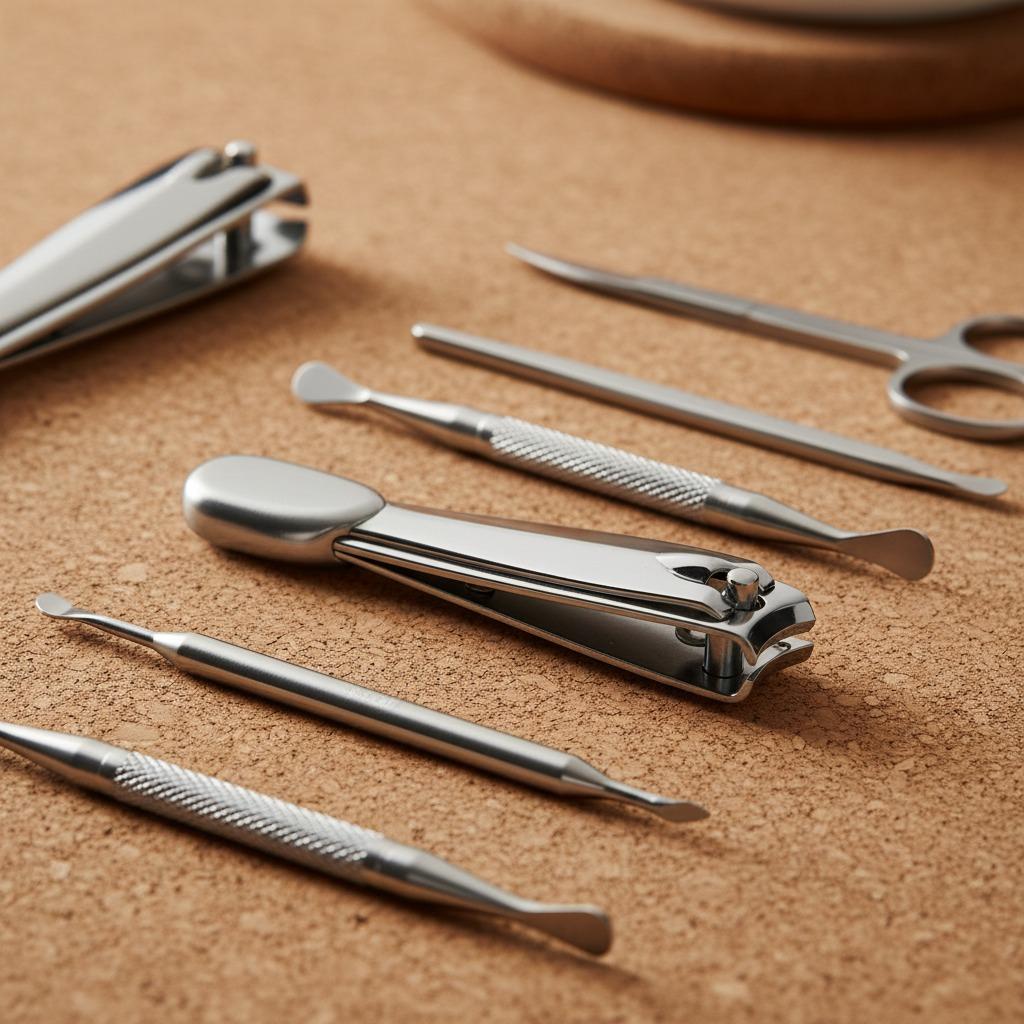











Stainless steel nail clippers are small tools with a large impact on how customers judge a grooming range. A good clipper should trim fingernails and toenails cleanly, feel stable in the hand, resist everyday moisture when cared for properly, and look consistent with the retail or professional setting where it is sold. For B2B buyers, the main question is not simply whether a nail clipper is made from stainless steel. The better question is whether the tool combines reliable cutting, comfortable handling, practical finishing, and sourcing support for the intended channel.
Olimor Beauty stainless steel nail clippers are positioned around polished stainless steel construction, rust-resistant design intent, sharp cutting edges to reduce tearing, an ergonomic grip, a smooth lever mechanism, and suitability for both fingernails and toenails. The product concept also supports refined presentation through details such as minimalist texture, laser-etched branding, and optional decorative elements like crystal accents where appropriate. This guide explains how to evaluate those features for retail assortments, salon support, travel grooming kits, gift sets, hotel amenities, and private-label beauty tool programs.
What buyers expect from stainless steel nail clippers
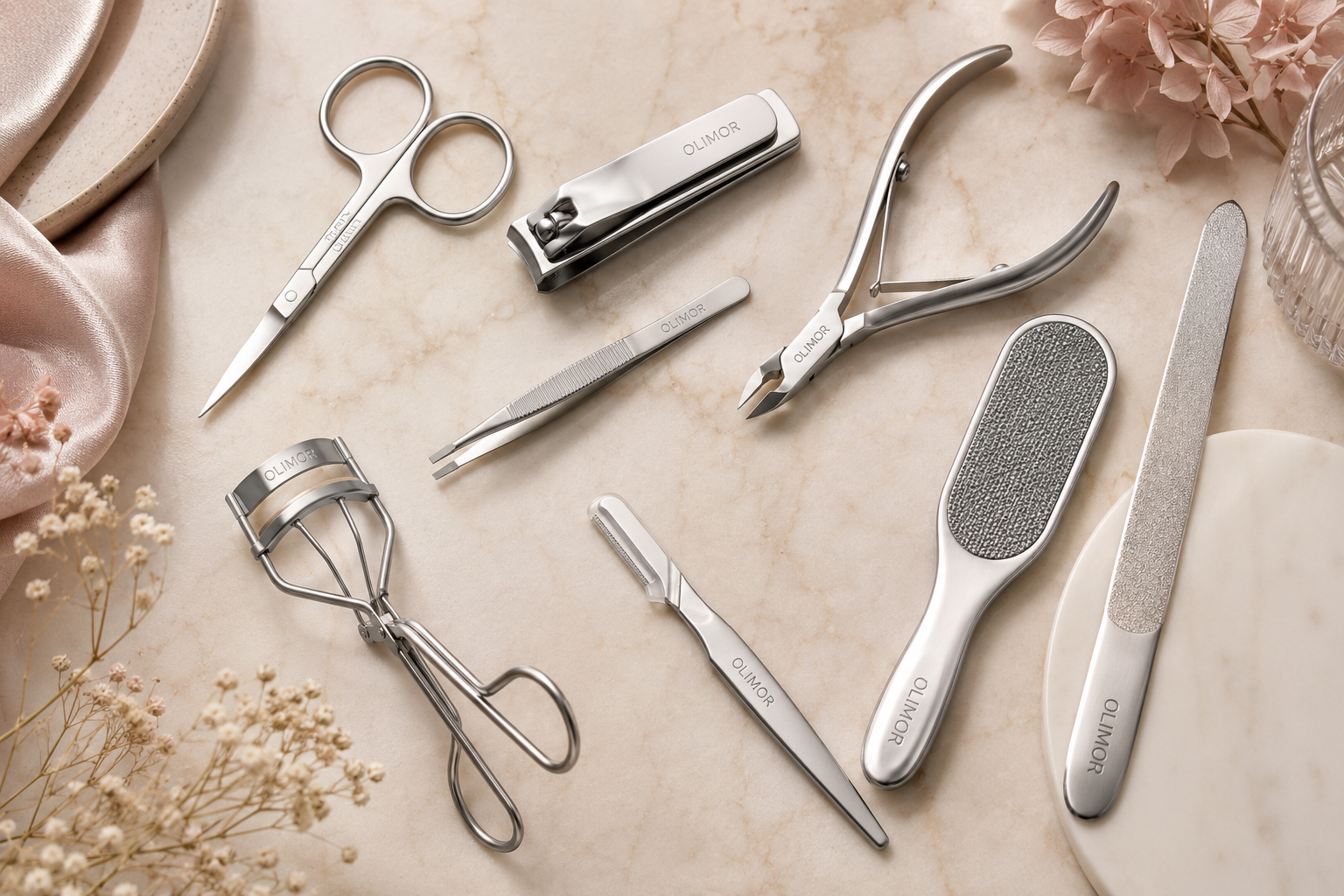
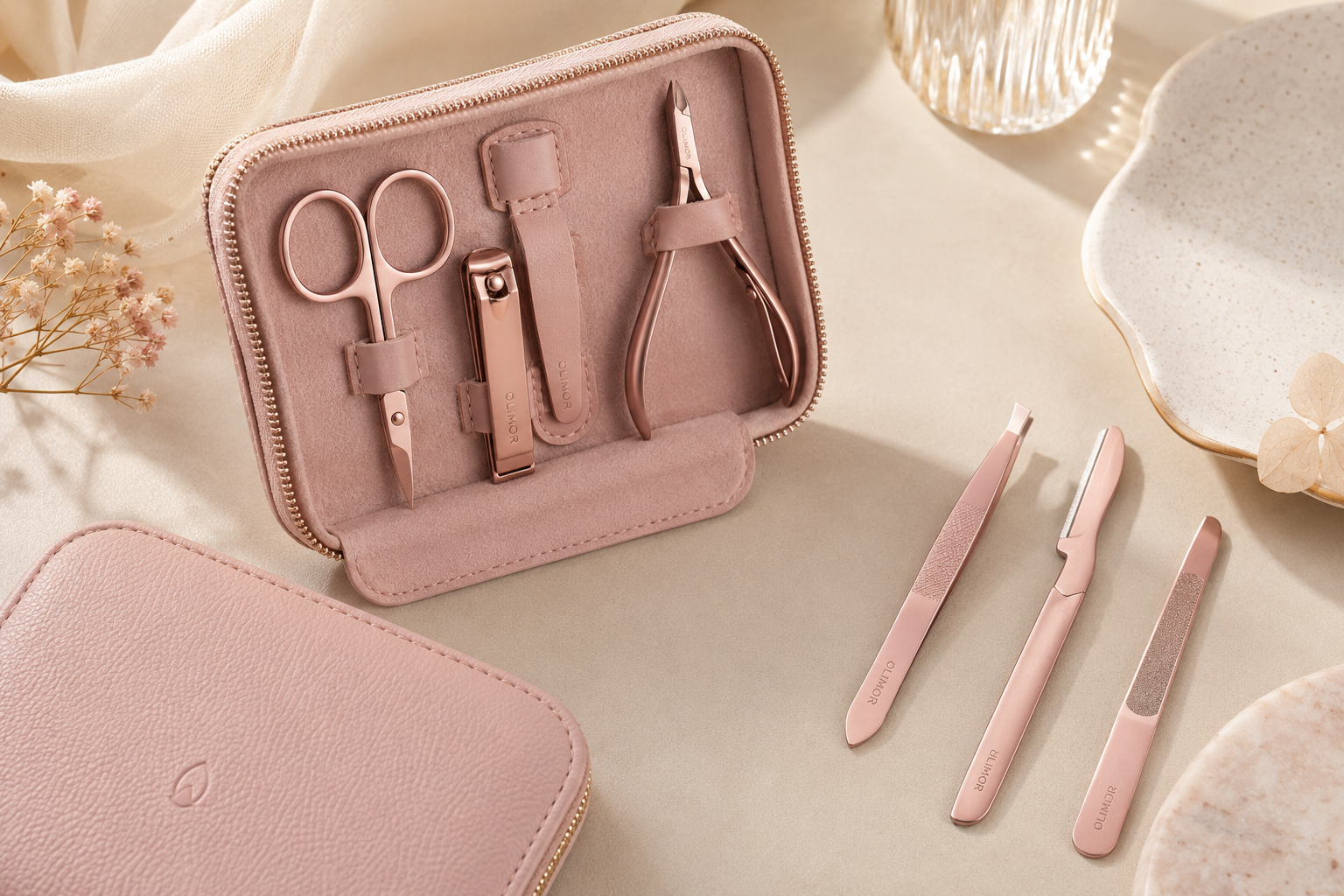
Most users want nail clippers to do three things well: cut cleanly, feel safe to control, and stay presentable after repeated use. Stainless steel is a practical choice because it provides a smooth metal surface, a solid hand feel, and a polished appearance that suits personal care products. It also works well in manicure and pedicure kits because the finish coordinates naturally with tweezers, files, cuticle tools, and other metal grooming accessories.
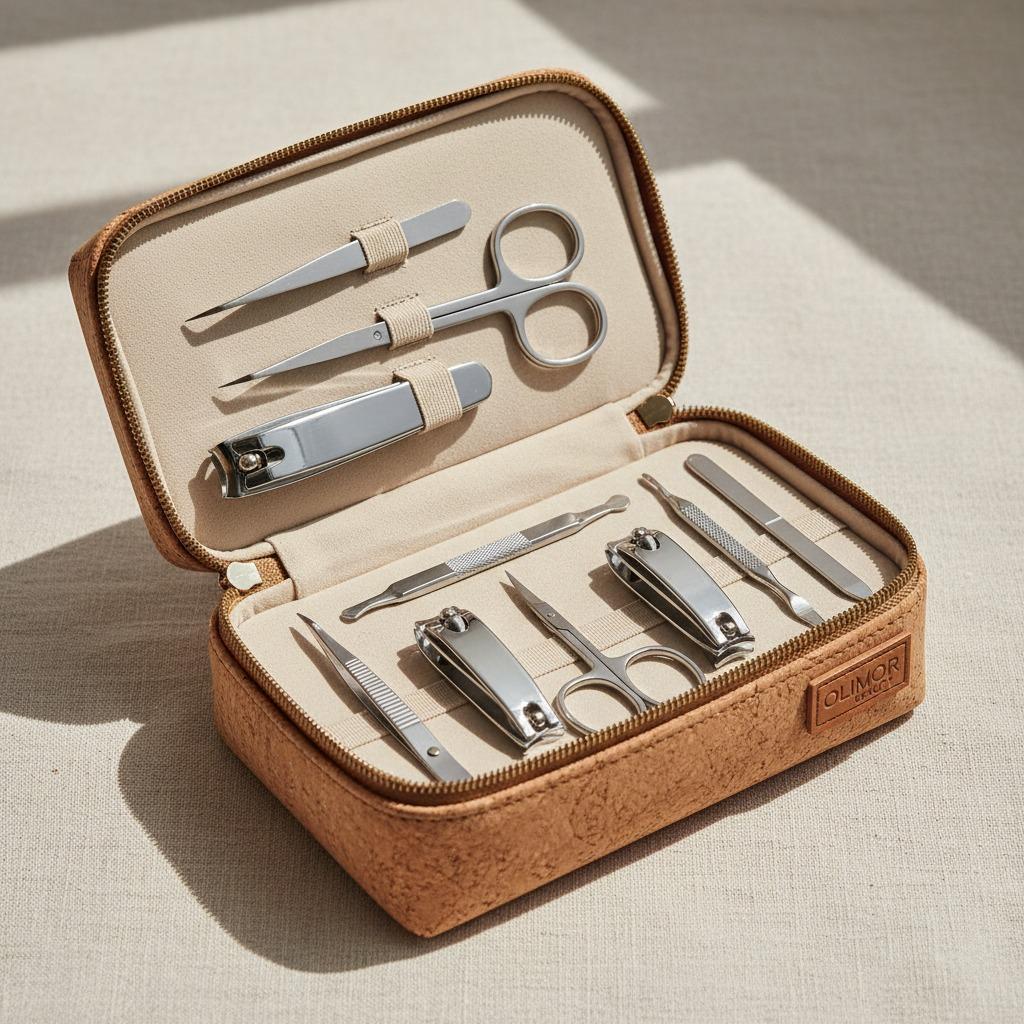
For commercial buyers, stainless steel nail clippers can serve several roles. They may be a standalone impulse item, part of a travel grooming set, a component in a manicure kit, a hotel or spa amenity, or a branded accessory in a gift program. Each channel has different priorities. A salon supply buyer may focus on function and cleanability. A retailer may look at shelf presentation and customer satisfaction. A private-label buyer may care about brand placement, packaging compatibility, and repeatable production quality.
Because the tool is simple, defects are easy for customers to notice. If the jaws do not meet evenly, the lever feels unstable, or the cut leaves ragged edges, the product will feel low quality immediately. That is why nail clippers should be sourced through hands-on sample evaluation, not photo comparison alone.
Material, finish, and construction details that matter
Stainless steel is widely used for grooming tools because it offers strength, a clean appearance, and better resistance to routine moisture than many basic metal alternatives. However, material alone does not guarantee a good user experience. The tool must be formed, finished, assembled, and inspected with attention to the areas that affect trimming performance.
Start with the surface. A polished stainless steel finish should feel smooth where the fingers touch the tool. There should be no sharp burrs, rough corners, or unfinished contact points on the lever, body, or underside. The surface should also be easy to wipe after use. For buyers planning premium retail packaging, the finish should be consistent enough to support close-up display and customer handling.
Next, inspect the clipper body. It should feel stable under pressure, without excessive flex. The jaw area should appear symmetrical, and the lever should sit properly when folded or raised for use. A stable construction helps the user apply controlled pressure, especially when trimming thicker toenails. A polished metal tool can look attractive, but if the working parts do not align well, the appearance will not compensate for poor performance.
Buyers should also consider how the clipper will be stored. A product intended for a travel pouch or manicure kit should resist ordinary movement in packaging without the lever catching or decorative elements snagging. If the design includes branding or decoration, those features should enhance presentation without making the tool harder to clean or hold.
Cutting performance: the most important quality check
The primary job of a nail clipper is to cut the nail instead of crushing, bending, or tearing it. Sharp cutting edges are central to that performance. Olimor Beauty’s stainless steel nail clipper concept emphasizes sharp cutting edges designed to reduce tearing, which is a key benefit for everyday grooming and commercial assortments alike.
Jaw alignment is just as important as sharpness. The upper and lower cutting edges should meet evenly from one side to the other. When alignment is poor, users may need to press harder, repeat the cut, or twist the tool, increasing the chance of uneven trimming. Clean alignment supports a smoother cut and a more confident grooming experience.
The lever mechanism should move smoothly and predictably. It should not feel loose, gritty, or excessively stiff. A smooth lever helps users trim with controlled force, which matters for home users, older users, and professionals handling multiple grooming tasks. It also contributes to perceived quality: customers often judge the clipper from the first press of the lever.
Simple sample test for cutting quality
- Check closure visually: confirm that the cutting edges meet evenly without obvious gaps or misalignment.
- Press the lever several times: the action should feel smooth, controlled, and repeatable.
- Evaluate grip during pressure: the body should not slip easily or feel uncomfortable under the thumb.
- Inspect the cut edge: the trimmed nail should look clean, not crushed or split.
- Look for rough finishing: areas touched by the hand should not scrape, pinch, or catch.
For wholesale or private-label programs, sample testing should be repeated across several pieces, not only one display sample. Consistency matters because customers expect each unit in a retail batch to perform the same way.
Grip comfort and ergonomics for real use
Nail clippers are compact, but ergonomics still matter. A secure grip helps users apply pressure in the right direction and reduces the chance of slipping. This is especially useful when trimming toenails, which often requires an awkward angle, or when the user has limited hand strength. Olimor Beauty’s product focus includes an ergonomic grip and comfortable handling, making grip quality one of the most relevant evaluation points.
A good grip does not have to be overly complex. It should support thumb placement, keep the tool stable, and avoid sharp or uncomfortable pressure points. Minimalist texture can improve handling while maintaining a clean visual style. For retail and gift programs, the design should look refined without sacrificing practicality.
Consider the end user when selecting a clipper format. A travel kit may need a compact clipper that fits easily in a pouch. A family grooming set may benefit from a sturdy all-purpose design suitable for both fingernails and toenails. A boutique beauty range may need a polished finish and subtle decoration. A professional setting may prefer a cleaner design that is easy to wipe and inspect.
Grip comfort is also commercially important because customers may not describe a problem as ergonomic. They may simply say the clipper feels cheap, hard to use, or uncomfortable. Testing the tool in hand before ordering helps prevent those issues.
Design, branding, and packaging considerations
Stainless steel nail clippers can be plain, premium, decorative, or part of a coordinated grooming line. The right design depends on the sales channel and price positioning, but function should always come first. Decorative choices should never interfere with cutting, lever movement, grip, cleaning, or storage.
Laser-etched branding can create a more professional look because it integrates the logo with the metal surface. It is useful for private-label ranges, promotional grooming accessories, and gift sets. Crystal decoration can add visual appeal for certain beauty retail concepts, but it should be evaluated carefully. Any decorative element should remain comfortable in use, secure in normal handling, and compatible with the packaging format.
Packaging should protect the cutting area and present the tool clearly. For retail display, buyers may want packaging that shows the polished finish and grip shape. For kits, the clipper should fit securely with related tools so it does not scratch other components. For travel sets, compact storage and clean presentation may matter more than display visibility.
If you are building a broader beauty tool program, compare the nail clipper with adjacent items in the line. The finish, logo style, and packaging language should feel consistent across tweezers, cuticle pushers, nail files, and manicure tools. You can review related beauty tool products when planning a coordinated assortment.
Comparison checklist for B2B nail clipper selection
A structured comparison helps buyers avoid decisions based only on appearance. Use the following checklist when comparing samples for retail, salon, travel, or private-label programs.
| Selection area | Why it matters | What to verify |
|---|---|---|
| Stainless steel construction | Supports durability, hygiene perception, and polished presentation | Surface should be smooth, clean, and free from rough contact points |
| Cutting edge quality | Determines whether nails trim cleanly | Edges should cut without obvious tearing, crushing, or repeated pressure |
| Jaw alignment | Affects control and consistency | Upper and lower jaws should meet evenly across the cutting area |
| Lever mechanism | Influences comfort and perceived quality | Lever should move smoothly without looseness or harsh resistance |
| Grip design | Helps prevent slipping during use | Thumb area and body shape should feel secure and comfortable |
| Branding or decoration | Supports retail identity and gift appeal | Logo or decorative details should not interfere with use or cleaning |
| Packaging compatibility | Protects the tool and supports channel requirements | Confirm fit for blister cards, boxes, pouches, kits, or display packs |
| Supplier communication | Reduces sourcing risk | Request clear product details, sample confirmation, and quality expectations |
This approach is especially useful when comparing multiple items in a grooming tool collection. It keeps the decision focused on performance, handling, and presentation rather than relying on a single product photo.
Cost factors without relying on guesswork
Nail clipper cost can vary for several reasons, and buyers should ask suppliers to explain the drivers rather than assume all stainless steel clippers are comparable. Material selection, polishing work, edge finishing, lever assembly, branding method, decorative details, packaging, order requirements, and inspection expectations can all influence the final commercial offer.
A very low unit cost may look attractive, but it can create risk if the lever feels weak, the jaws are inconsistent, or the finish does not match the brand position. On the other hand, unnecessary decoration or overly complex packaging can add cost without improving the user experience. The best value usually comes from matching the product specification to the sales channel.
For example, a basic retail clipper may need dependable cutting, a smooth finish, and simple branded packaging. A gift set may justify more attention to polish, logo treatment, and presentation. A hotel or travel program may prioritize compactness, clean appearance, and packaging efficiency. A salon-oriented product may focus on comfort, ease of wiping, and consistent cutting performance.
When requesting a quotation, provide the intended market, packaging direction, branding needs, and any quality expectations. This helps the supplier recommend a realistic configuration instead of quoting an unclear product description.
Care, maintenance, and customer guidance
Even stainless steel grooming tools need basic care. After use, nail clippings should be removed and the clipper should be wiped with a clean, dry cloth. If the tool becomes wet, it should be dried before storage. Users should avoid leaving clippers in standing water, damp shower areas, or sealed pouches while wet. Moisture trapped around hinges and overlapping parts can reduce the useful life of metal tools.
The clipper should only be used for nails. Cutting wire, plastic tags, craft materials, or other hard objects can damage the cutting edge or affect jaw alignment. If the clipper stops cutting cleanly, users should replace it rather than apply excessive pressure.
For shared environments such as salons, spas, or hospitality grooming stations, buyers should follow local hygiene requirements and internal handling procedures. Public bodies such as the U.S. Consumer Product Safety Commission and product safety rules such as the EU General Product Safety Regulation may be relevant depending on the destination market and sales channel. Buyers should verify current versions, local obligations, and supplier documents before distribution. These references do not imply any specific certification for Olimor products unless confirmed in supplier documentation.
How to evaluate a nail clipper supplier
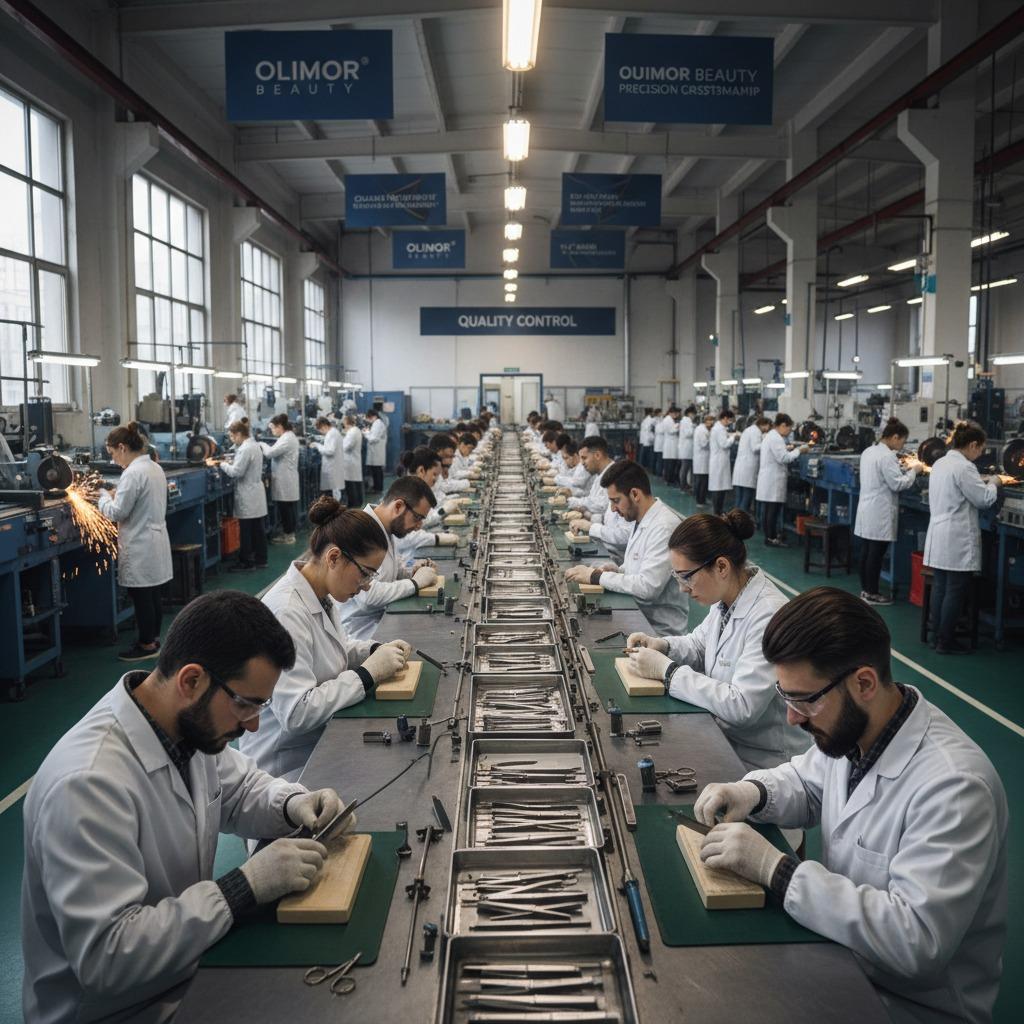
A strong supplier should be able to discuss more than appearance. For stainless steel nail clippers, ask how the product is positioned, what customization options are practical, how samples are confirmed, what packaging formats can be supported, and how quality expectations are checked before shipment. Clear communication is often as important as the product itself.
For private-label and retail buyers, useful discussion points include logo placement, finish preference, grip texture, packaging concept, and whether the clipper will be sold alone or inside a kit. If decoration such as crystal detail is being considered, ask how it affects handling, packaging, and cleaning. If the tool will be paired with other manicure products, request visual consistency across the set.
Olimor Beauty focuses on practical stainless steel nail clippers with polished presentation, ergonomic handling, smooth lever action, and sharp cutting edges for everyday grooming. Buyers planning a retail, travel, salon, or gift program can contact Olimor Beauty to discuss suitable configurations or send a product inquiry with target market, branding, and packaging requirements.
FAQ
Can I request samples before placing a B2B order?
Yes. Sample review is the best way to evaluate cutting feel, lever movement, grip comfort, finish, branding position, and packaging compatibility before confirming an order.
Is there a minimum order quantity for customized nail clippers?
MOQ can depend on the selected clipper style, branding method, packaging, and customization level. Buyers should confirm the current requirement directly with Olimor before planning production.
Can stainless steel nail clippers be customized for private label?
Customization may include logo treatment such as laser-etched branding, packaging direction, and design presentation. Available options should be confirmed based on the selected product and order requirements.
How should quality be checked before shipment?
Practical checks include jaw alignment, cutting consistency, lever action, surface finishing, grip comfort, branding placement, and packaging condition. Buyers should agree on inspection expectations with the supplier in advance.
What affects lead time?
Lead time may be influenced by sample approval, order quantity, customization, packaging development, and production scheduling. Confirm the current timeline with the supplier for each project.