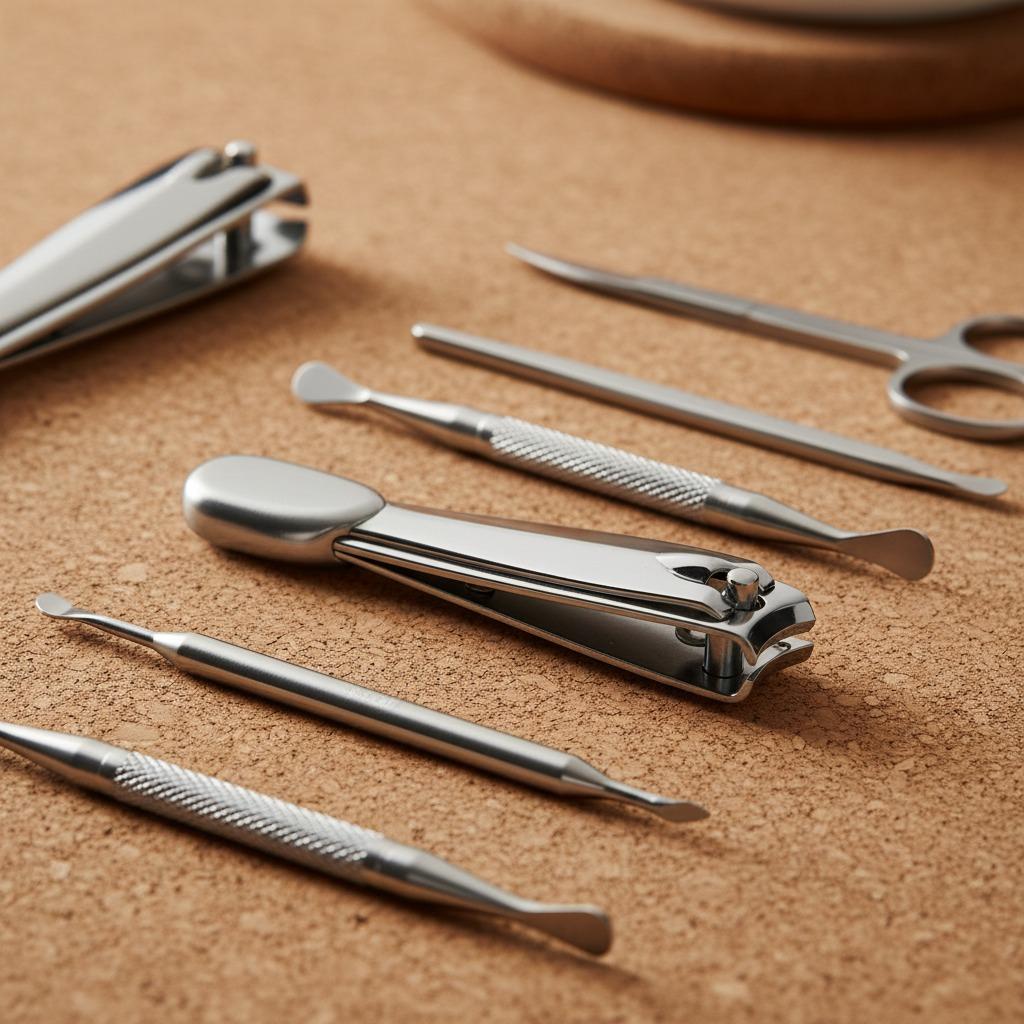
A stainless steel nail clipper looks simple, but the right one makes a noticeable difference in cutting comfort, control, and long-term hygiene. For retail buyers, salons, beauty brands, and personal-care distributors, the key questions are not only whether the tool is sharp. You also need to know whether it closes evenly, feels stable in the hand, resists corrosion, and keeps working after repeated use. If you are building a grooming assortment, you can browse related items in the Olimor Beauty product catalog or compare broader options in the grooming collection.
This guide focuses on one clear topic: how to evaluate stainless steel nail clippers for everyday trimming, thicker nails, and commercial sourcing. It also covers sample inspection, care, packaging, and supplier questions so buyers can choose a tool that fits the intended user instead of relying on generic claims.
What a good stainless steel nail clipper should do
The purpose of any nail clipper is simple: make a clean cut without crushing the nail plate, tearing the free edge, or forcing the user to press harder than necessary. Stainless steel is widely used because it is strong, easy to wipe clean, and more resistant to rust than many lower-grade alternatives when it is properly made and cared for. That matters in humid bathrooms, travel kits, and salon environments where hygiene and appearance both matter.
But stainless steel alone does not guarantee quality. A weakly assembled clipper can still feel rough, misaligned, or unstable. The finished tool should be judged by how it performs in hand, not just by what material is listed on the packaging. Buyers should look for the following practical signs of quality:
- The jaws meet evenly, with no visible gap or offset.
- The cutting edge feels smooth, not gritty or burred.
- The lever moves with controlled pressure and does not wobble sideways.
- The surface is easy to wipe clean after use.
- The clipper feels balanced enough for steady, accurate trimming.
For brands and retailers, these details matter because users notice them quickly. A clipper that cuts cleanly creates a better first impression, reduces frustration, and is more likely to be repurchased or recommended.
How to choose the right clipper for fingernails, toenails, and thick nails
Not every nail needs the same design. Fingernails are usually thinner and easier to trim, while toenails often need a wider jaw, more leverage, and a firmer feel. Thick or dense nails require even more attention to grip and mechanical advantage. The best way to choose a clipper is to match the tool to the use case.
| Clipper type | Best for | What to look for | Buyer priority |
|---|---|---|---|
| Standard fingernail clipper | Daily hand grooming and travel kits | Compact size, smooth closure, clean edge finish | Comfort, portability, everyday reliability |
| Toenail clipper | Thicker nails and more controlled trimming | Wider jaw, stable body, strong leverage | Force transfer and control |
| Ergonomic clipper | Users who want easier handling | Textured or shaped grip, steady lever action | Reduced hand strain and better stability |
| Heavy-duty or thick-nail clipper | Harder nails and users with less hand strength | Enhanced leverage mechanism, secure grip, predictable cut | Cutting efficiency without excess pressure |
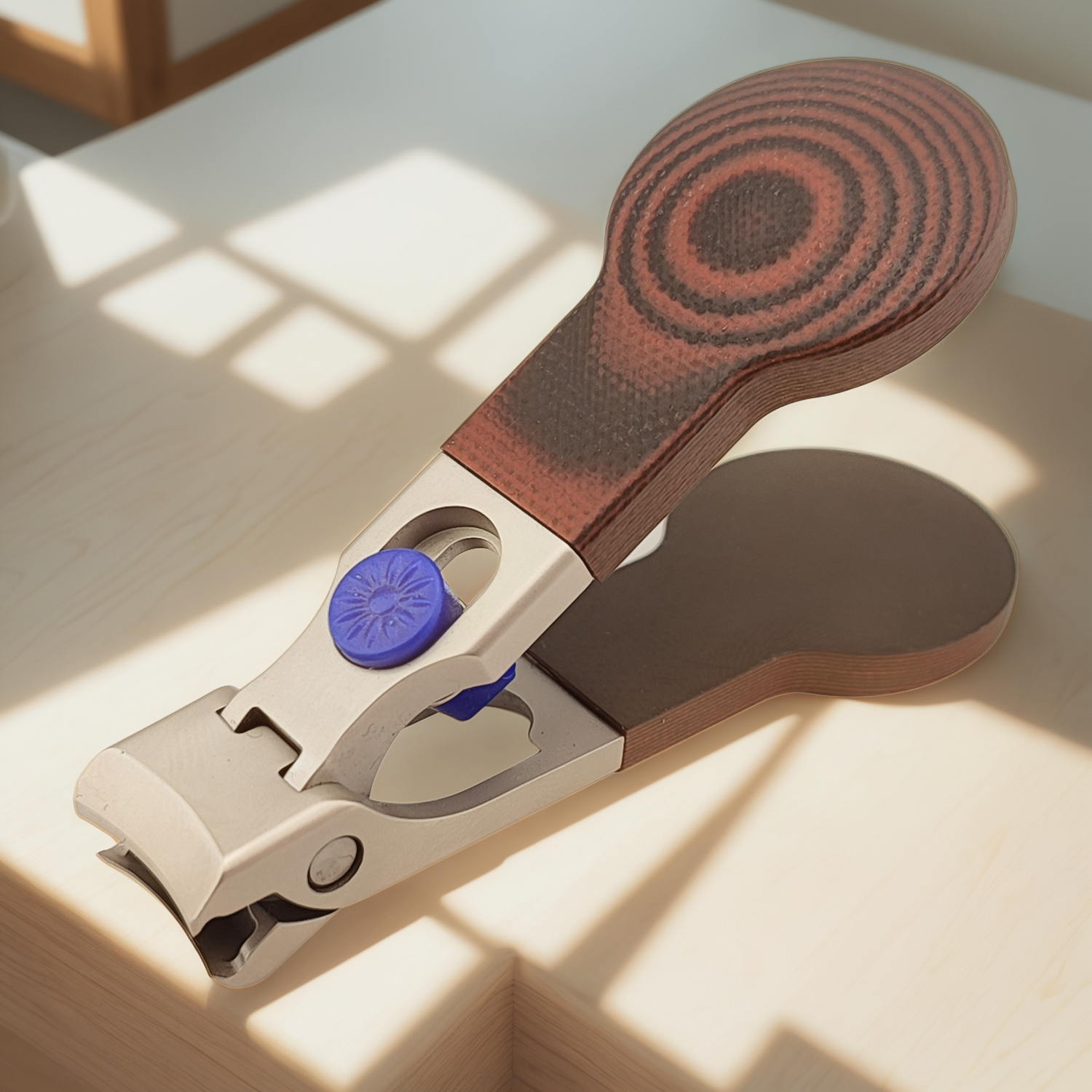
The supplied product details describe an enhanced leverage mechanism designed to amplify cutting force, which is especially useful for thicker nails and for users who do not want to apply excessive pressure. In practical terms, leverage helps the user trim in smaller, more controlled sections instead of forcing a difficult cut all at once.
For thick nails, do not focus only on sharpness. A useful clipper must combine jaw opening, leverage, grip stability, and blade alignment. If the body twists or the lever feels loose, the cut becomes harder to control. That can lead to uneven edges or repeated squeezing, neither of which is ideal for user comfort.
Manufacturing details that influence durability and feel
In a small tool like a nail clipper, manufacturing precision is a major part of performance. Two clippers can look similar in packaging and still feel very different in use because of differences in alignment, grinding, pivot assembly, and surface finishing.
Buyers should pay attention to the following manufacturing-related points:
- Edge finishing: The cutting surfaces should be smooth and even, without burrs or rough marks from grinding.
- Pivot quality: The lever and body should move together smoothly without excessive looseness.
- Jaw alignment: The cutting edges should close evenly so they trim rather than crush.
- Handle design: A textured or shaped handle can improve control during trimming.
- Surface treatment: A clean finish improves appearance and makes routine wiping easier.
The supplied details also mention a high-strength G10 composite handle on some designs. In this type of application, the purpose of that handle material is to improve grip friction and wear resistance. That can be useful for users who want a more secure hold, especially when trimming thicker nails or working with wet hands.
Some designs may also include an adjustable control knob for closeness or cutting pressure. If a clipper includes that feature, it should be simple to understand and stable in use. Adjustment is only valuable when it improves control without adding confusion or unwanted movement.
For sourcing teams, a practical question is not just whether the material is stainless steel, but how the entire assembly is built. Ask how the pivot is secured, how cutting alignment is checked, and how consistent finishing is maintained across production. Those details matter more than decorative packaging language.
What to inspect in samples and pre-shipment checks
Before placing a product into retail, salon, or private label use, inspect multiple samples rather than relying on a single piece. A small tool can vary noticeably if alignment, grinding, or assembly is inconsistent.
| Inspection area | What to check | Why it matters |
|---|---|---|
| Cutting alignment | Jaws meet evenly along the cutting edge | Supports clean trimming and avoids crushing |
| Lever action | Press feels smooth, stable, and predictable | Improves control and reduces strain |
| Surface finish | No rust marks, burrs, or rough edges on non-cutting areas | Helps hygiene, comfort, and appearance |
| Grip stability | Handle or body resists slipping during use | Important for thicker nails and safer trimming |
| Packaging fit | Tool is protected from scratches and movement | Reduces damage before sale or kit assembly |
A useful sample check includes repeated opening and closing, trimming on different nail types, and visual inspection under good light. If the clipper is intended for a travel kit, verify that the size and storage format are practical. If it is intended for salon resale, confirm that the look and finish match the intended market position.
For procurement discussions, it helps to send clear product requirements and usage goals rather than general inquiries. You can send a sourcing inquiry with the intended user group, packaging style, and customization needs, or contact the team for project questions.
What affects sourcing cost, packaging, and product positioning
Even when price is not listed, several factors influence overall cost and the way a clipper should be positioned in the market. Knowing these variables helps buyers compare offers more effectively and prevents mismatched expectations.
- Material and finishing: Stainless steel construction, surface polishing, and any additional treatment can affect the final product level.
- Handle design: A more ergonomic body, textured grip, or composite handle can add value when the market expects better control.
- Mechanical features: An enhanced leverage design or adjustable mechanism may require more careful assembly.
- Packaging: Retail-ready packaging, protective inserts, or branded presentation usually changes the sourcing scope.
- Customization: Logo placement, color choices, and kit compatibility can all affect production planning.
- Quality checks: More detailed inspection and consistency control generally matter more for tools sold as premium or professional-grade.
When comparing suppliers, ask whether the quoted sample reflects the final production finish, whether packaging is included in the same specification, and whether customization changes the way the clipper is assembled or protected. These are practical questions, not sales questions, and they help prevent surprises later in the buying process.
How to care for stainless steel nail clippers
Stainless steel is corrosion resistant, not maintenance free. A clipper that is left wet, stored in a sealed pouch while damp, or allowed to collect nail debris around the pivot can lose smoothness over time. Good care extends both hygiene and service life.
A simple care routine works well for most users:
- Wipe the cutting area after each use to remove nail dust and skin oils.
- Dry the clipper before storing it, especially after use in bathrooms or after cleaning.
- Keep the pivot area clear so the lever continues to move smoothly.
- Store the tool in a clean, dry place away from prolonged moisture.
- Do not use the clipper to cut wire, plastic tags, or other hard materials.
For salons and shared-use environments, cleaning procedures should follow local hygiene requirements and professional practice. If you are sourcing for regulated markets, verify current documentation against applicable rules such as EU REACH or guidance from the U.S. Consumer Product Safety Commission, and check current supplier documents rather than relying on old paperwork.
How to position clippers for retail, salon, or private label assortments
A single clipper can serve multiple audiences, but the product message should be precise. A compact model should be presented as a convenient everyday tool. A thick-nail or leverage model should be presented as a better choice for harder nails, users with reduced hand strength, or buyers who want more control. An ergonomic model should be positioned around comfort and grip stability.
Useful buyer questions include:
- Is the main customer trimming fingernails, toenails, or thicker nails?
- Does the user need a compact travel format or a more stable body?
- Would a textured grip or composite handle improve confidence in use?
- Should the product be sold alone or as part of a grooming set?
- Does the packaging need to support retail display or gift presentation?
Clear positioning reduces returns and makes the product easier to explain. It also helps staff or ecommerce listings avoid broad claims such as "one tool for every nail" unless the design really supports that statement.
If you are comparing options for a new assortment, it can help to start from the intended use case and then narrow the feature set from there. That is usually more effective than picking a shape first and trying to fit the customer later.
FAQ
Can I request samples before placing a larger order?
Yes. Samples are a practical way to check alignment, lever feel, finish, and packaging before any broader commitment. Share the intended use case so the sample matches your market expectation.
What customization options are usually relevant for nail clippers?
Common customization discussions may include logo placement, packaging style, finish, and set configuration. The actual options depend on the product model and production setup, so confirm details with the supplier.
How do I judge quality without lab testing?
Start with hands-on checks: jaw alignment, smooth lever action, clean edge finishing, grip stability, and consistent appearance across multiple samples. Those basic inspections reveal a lot about real-world use.
Are stainless steel nail clippers suitable for thick nails?
They can be, if the design has the right leverage, jaw opening, and body stability. For thick nails, do not rely on material alone; test the tool on the intended use case.
What should I ask about lead time or production timing?
Ask the supplier to confirm the current production schedule, sample process, packaging requirements, and any customization steps that may affect timing. Lead time depends on the full scope of the order.
For buyers evaluating stainless steel nail clippers as a durable everyday grooming tool, the best approach is simple: match the design to the nail type, inspect the sample carefully, and verify that the supplier can keep the same quality across production. If you are ready to compare options or discuss a private label project, review the available beauty tool products and related collections, then send your requirements through the inquiry form.