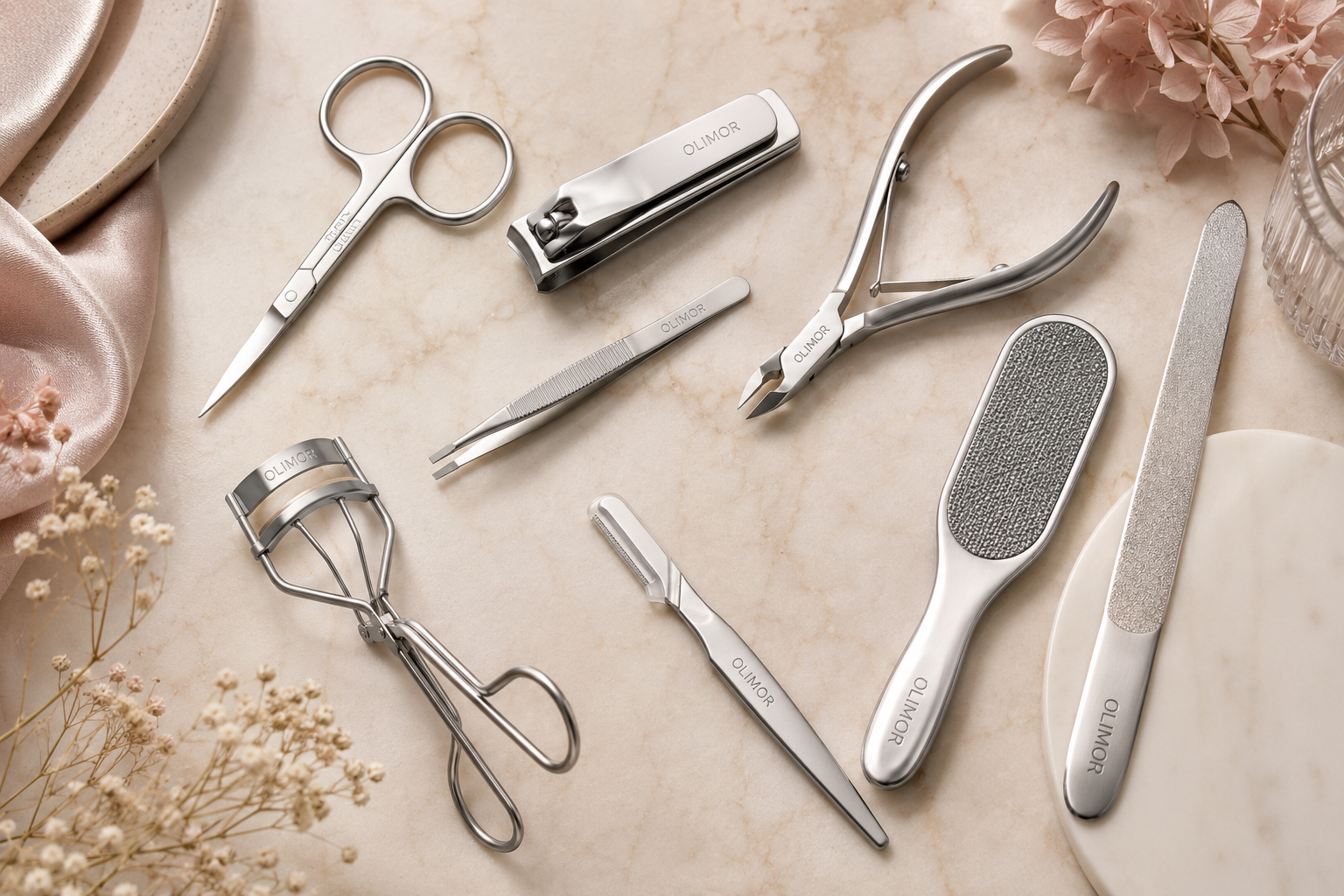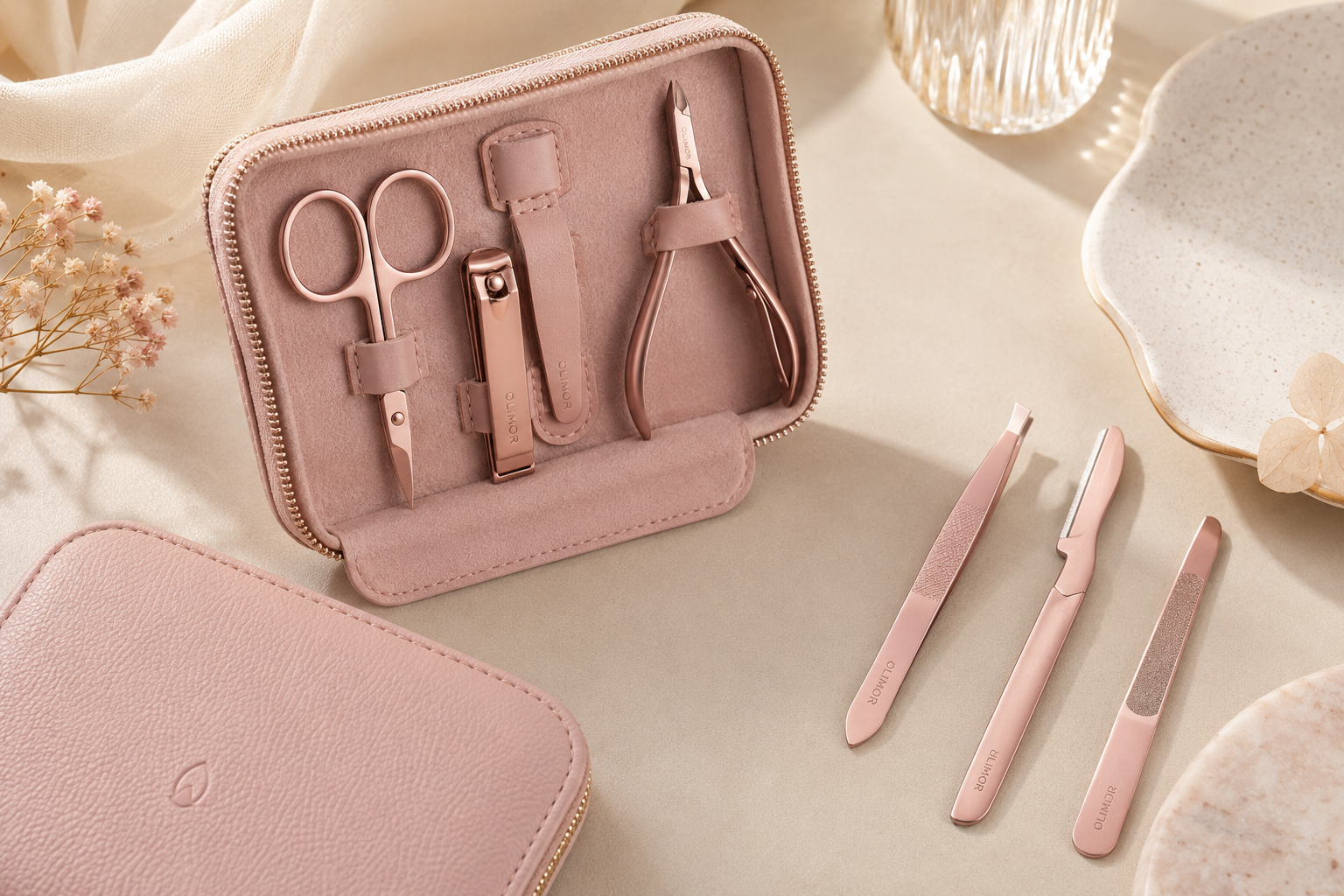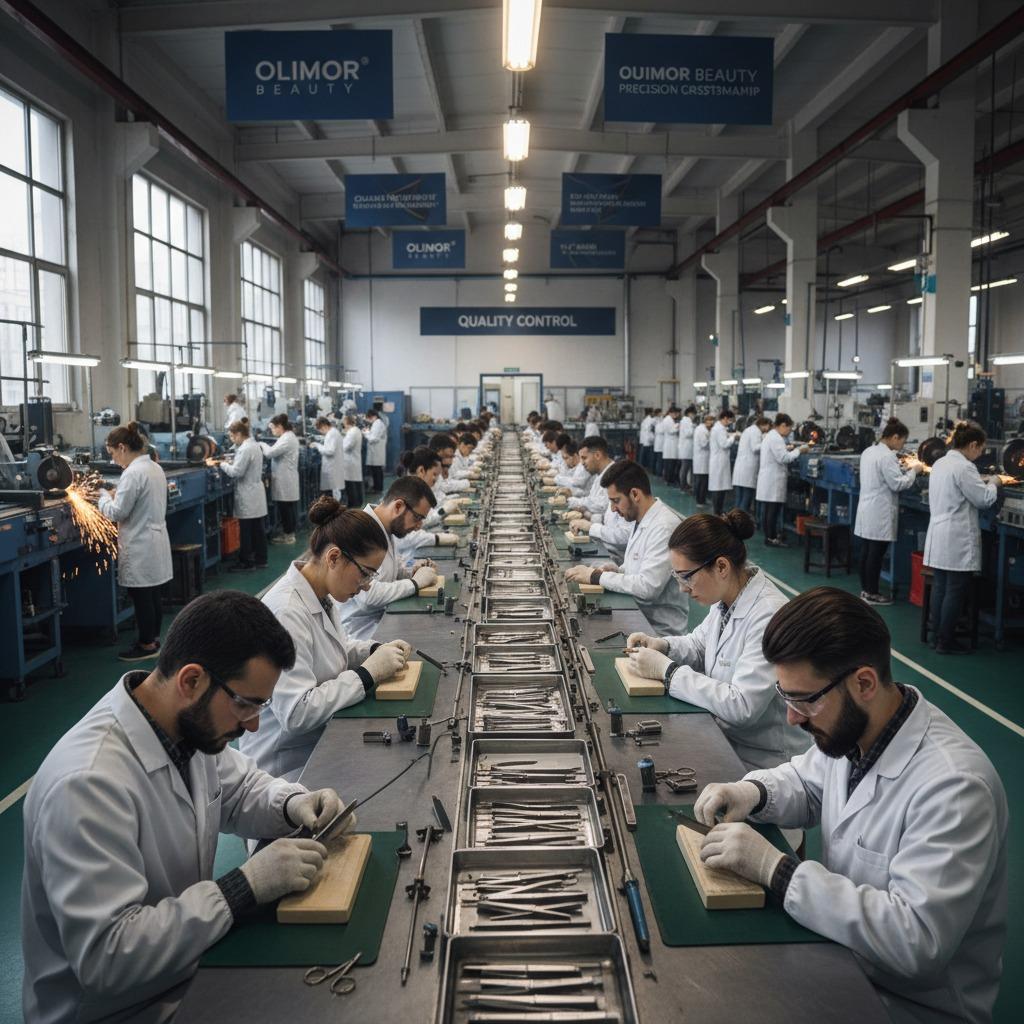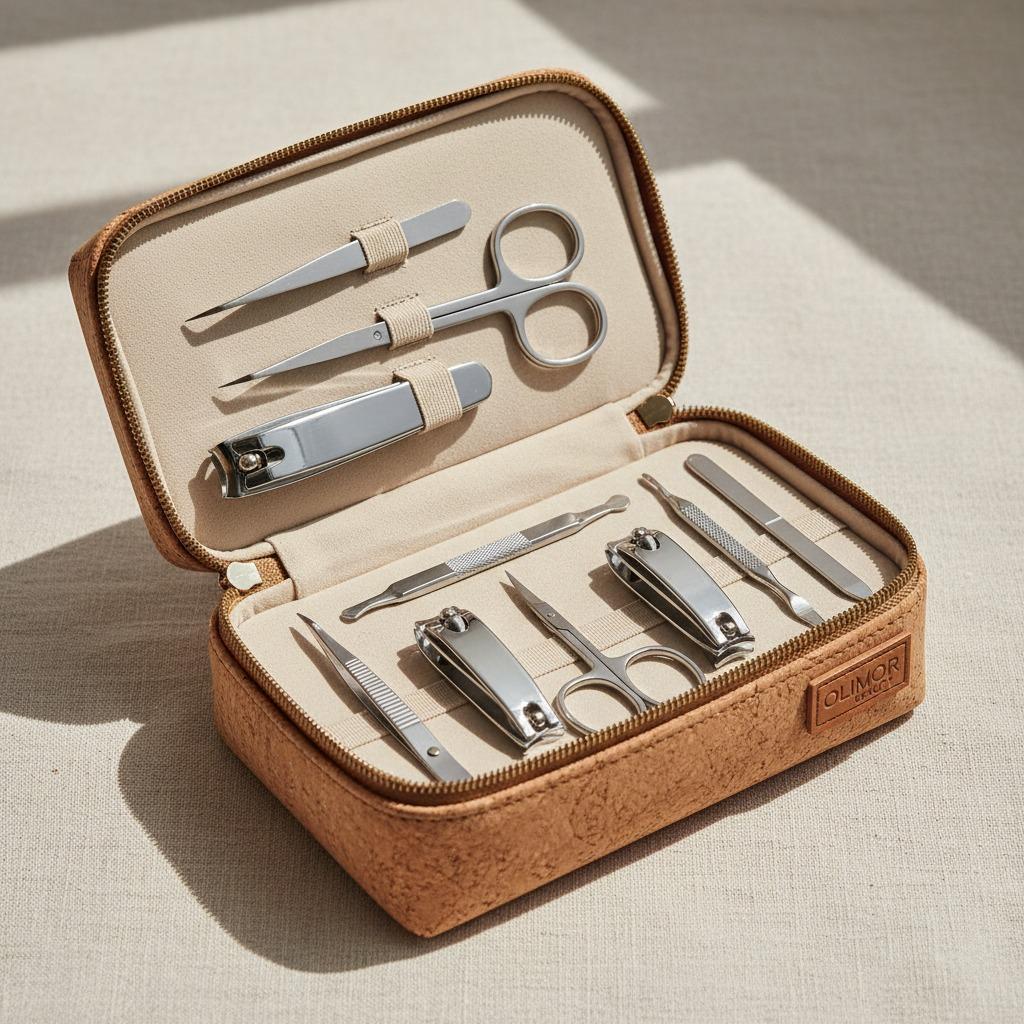











A nail clipper looks simple, but anyone who has used a dull, slippery or poorly aligned clipper knows how much the design matters. Clean nail trimming depends on blade geometry, hand control, material stability and a mechanism that closes evenly. The Chromeedge Precision Nail Clipper by Olimor Beauty is presented as a stainless steel nail care tool with a chrome finish, curved blades, a non-slip textured grip and an ergonomic form intended to support smooth, accurate cutting.
This guide explains what those features mean in daily use and how to evaluate a nail clipper for personal grooming, retail selection, salon kits or branded beauty tool sourcing. Instead of treating the clipper as an accessory, it looks at the product as a precision grooming tool where comfort, consistency and easy maintenance all affect the user experience.
Why the Nail Clipper Design Matters
The best nail clippers do more than shorten nails. They help produce a clean edge with less pressure, less tearing and better control. A weak clipper can bend the nail before cutting it, which may leave a rough edge or require repeated passes. A tool with poor alignment may also pinch one side of the nail while leaving another part untrimmed.
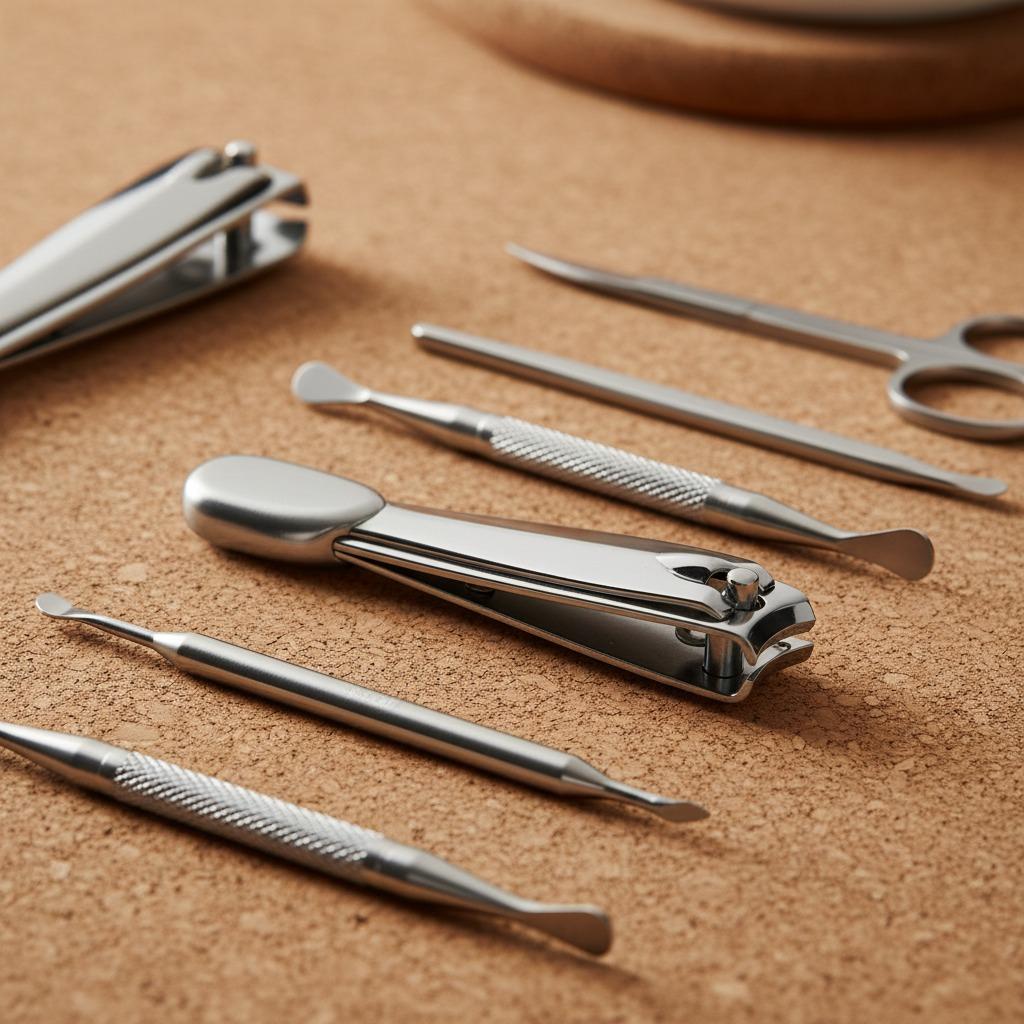
The Chromeedge Precision Nail Clipper is described as using curved blades that follow the natural arc of the nail. This is important because fingernails and toenails are not straight surfaces. A curved cutting edge helps the user guide the trim in a more natural shape, especially when working across the center of the nail. For many users, this reduces the need to over-correct with a file after clipping.
Good cutting action is also about leverage. A smooth mechanism should close predictably without feeling loose or overly stiff. When the clipper responds evenly, users can apply controlled pressure rather than forcing the blades shut. That difference is especially noticeable for people who trim nails frequently or include clippers in a professional manicure set.
Stainless Steel and Chrome Finish: Practical Advantages
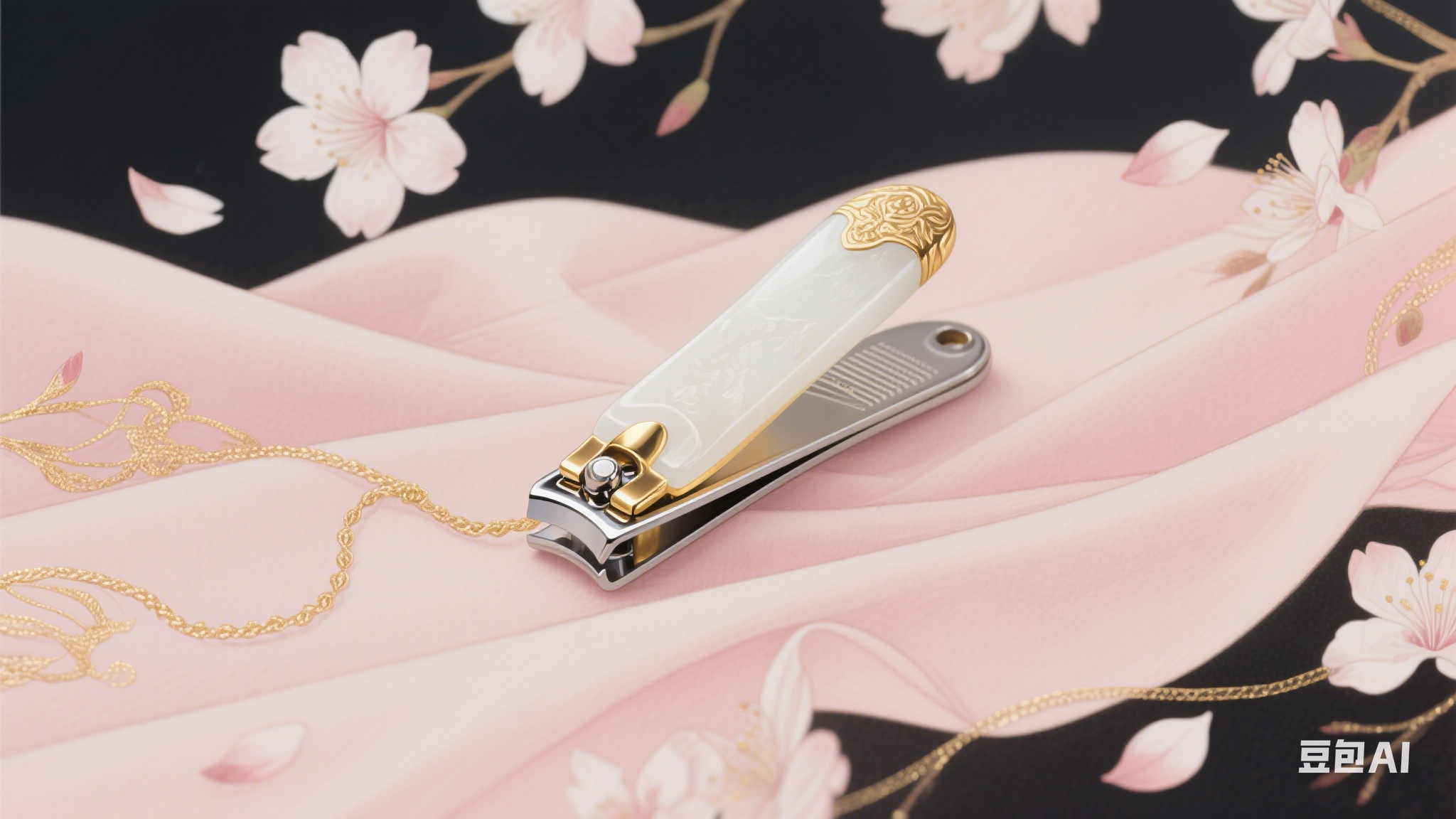
The original product information identifies the Chromeedge Precision Nail Clipper as a stainless steel clipper with a sleek chrome finish. Stainless steel is a common choice for grooming tools because it offers a balance of hardness, corrosion resistance and clean appearance. For nail clippers, material choice affects not only how the tool looks when new, but also how well it keeps its shape and remains usable over time.
The chrome finish adds a polished look and is described as supporting durability and resistance to rust. For buyers, this matters because nail tools often live in bathrooms, travel pouches, salon drawers and manicure kits where moisture is common. A finish that is easy to wipe clean helps keep the tool presentable and practical for repeated use.
When evaluating any stainless steel nail clipper, look beyond shine alone. The surface should feel smooth at the touch points, the lever should sit securely, and the cutting edges should meet neatly. A bright surface may attract attention on a retail shelf, but long-term satisfaction depends on how the metal parts are formed, finished and assembled.
Ergonomics, Grip and Control During Trimming
A nail clipper is usually operated with one hand while the other hand or foot is being trimmed. That makes grip design more important than it may appear. The Chromeedge Precision Nail Clipper includes a non-slip textured grip and ergonomic design, both intended to help users maintain control during cutting.
Grip becomes especially important in realistic grooming situations: after washing hands, when applying skincare products, when trimming small nails or when working at an awkward angle. A slippery lever can make users squeeze harder, which reduces accuracy. Texture gives the thumb a more secure point of contact, while a comfortable shape helps distribute pressure.
For retail buyers or beauty tool sourcing teams comparing clippers, the following checklist can help separate attractive samples from tools that are easier to use in practice:
- Blade alignment: The cutting edges should meet cleanly from one side to the other without visible gaps.
- Cutting feel: The lever should close smoothly and return without wobbling.
- Grip security: The thumb area should provide traction without sharp or uncomfortable texture.
- Edge finish: Non-cutting surfaces should be smooth enough to handle comfortably.
- Size suitability: The clipper should match the intended use, such as general fingernail care, travel kits or broader grooming sets.
- Cleaning access: The shape should be simple to wipe after use, especially around the cutting head.
How the Chromeedge Precision Nail Clipper Fits Different Use Cases
For individual users, the Chromeedge Precision Nail Clipper is most relevant to people who want a durable, polished grooming tool that can deliver a clean trim without complicated accessories. The curved blades and textured grip make sense for routine nail maintenance, particularly when users prefer a clipper that feels stable in the hand.
For salons, spas or grooming service providers, a nail clipper must also support consistency. Tools used in a professional environment should feel predictable, clean easily and present well to clients. While every business has its own sanitation process and tool management requirements, a stainless steel construction and smooth surface are practical starting points for a working manicure tool.
For retailers and distributors, the product’s appeal is tied to a clear value story: stainless steel construction, chrome appearance, curved precision blades and ergonomic control. These points are easy for customers to understand because they connect directly to everyday frustrations with lower-quality clippers. Buyers building a broader grooming assortment can compare this type of clipper with other beauty tool products to create a more complete nail care offering.
Buyer Evaluation Table for Nail Clipper Sourcing
When selecting nail clippers for a product line, it helps to evaluate features in a structured way. The table below highlights practical inspection points without assuming unavailable specifications.
| Evaluation Area | What to Check | Why It Matters |
|---|---|---|
| Cutting edge | Curvature, alignment and clean closure | Supports smoother trimming and reduces repeated cuts |
| Material and finish | Stainless steel body and polished chrome appearance | Affects durability, corrosion resistance and shelf appeal |
| Grip design | Texture, comfort and thumb stability | Improves control when trimming at different angles |
| Mechanism | Lever movement, hinge stability and pressure feel | Determines whether the clipper feels precise or difficult to use |
| Maintenance | Ease of wiping, drying and storing | Helps maintain hygiene and long-term appearance |
Maintenance Tips for Longer Tool Life
Even a well-made nail clipper benefits from basic care. Nail residue and moisture can collect near the cutting head, so the clipper should be cleaned after use. Wipe away debris with a dry cloth, and if the tool has been exposed to water, dry it thoroughly before storing it. Keeping the clipper in a dry place is one of the simplest ways to protect the finish and maintain smooth movement.
Avoid using a nail clipper on materials it was not designed to cut. Trimming plastic tags, wire, packaging or other hard items can damage the cutting edges and weaken alignment. If the blade begins to feel rough, produces crushed edges or requires unusual pressure, it is time to inspect the tool rather than continue forcing it.
For shared or professional use, cleaning procedures should follow the standards appropriate to the setting. The important point is consistency: remove visible residue, dry the tool well and store it so the cutting edges are protected from impact.
Questions to Consider Before Adding This Clipper to a Product Range
Beauty brands, wholesalers and retailers should think about how a nail clipper fits the broader customer need. Is it intended for an everyday manicure kit, a premium grooming gift set, a travel assortment or a salon supply range? A clipper with a polished chrome finish and ergonomic grip can work in several positions, but the packaging, product copy and assortment strategy should match the target customer.
Useful review points include handle comfort for different hand sizes, whether the curved blade shape matches the intended nail care use, how the finish looks under retail lighting, and how the clipper pairs with related items such as nail files, cuticle tools or grooming sets. Exploring wider product collections can help buyers decide whether to present the clipper as a standalone tool or part of a coordinated nail care lineup.
If you are comparing options for a private label or wholesale program, prepare a short specification checklist before requesting samples. Include desired finish, packaging direction, target customer, inspection expectations and any market-specific labeling needs. To discuss suitable beauty tool sourcing options, you can contact Olimor or send an inquiry with your project details.
Final Takeaway
The Chromeedge Precision Nail Clipper by Olimor Beauty is best understood as a refined stainless steel nail trimming tool built around practical user needs: clean cutting, comfortable control, a polished chrome appearance and durable everyday handling. Its curved blades are suited to following the natural nail shape, while the textured grip supports steadier use.
For consumers, it offers a straightforward upgrade from flimsy or uncomfortable clippers. For beauty tool buyers, it provides a clear feature set that can be evaluated through cutting performance, finish quality, ergonomics and maintenance. The right nail clipper should feel precise from the first trim and remain easy to use over time; focusing on those fundamentals is the smartest way to choose a tool that earns a permanent place in a grooming kit.