










A good nail clipper should cut cleanly, feel steady in the hand, suit both fingernail and toenail care where intended, and remain easy to clean after use. For home users, that means fewer jagged edges and less frustration during routine grooming. For beauty tool buyers, personal care retailers, distributors and kit planners, it means a small product category where blade alignment, handle comfort, finish and packaging can strongly influence customer satisfaction.
The best nail clipper is not simply the sharpest-looking tool on a display card. A poorly aligned cutting edge can crush or split the nail before it cuts. A slippery handle can make trimming less controlled, especially for toenails. A rough finish can make the product feel lower quality even if the basic shape is familiar. When sourcing or selecting a clipper, the most useful question is simple: will this tool help the user make controlled, repeatable, clean cuts with minimal extra filing?
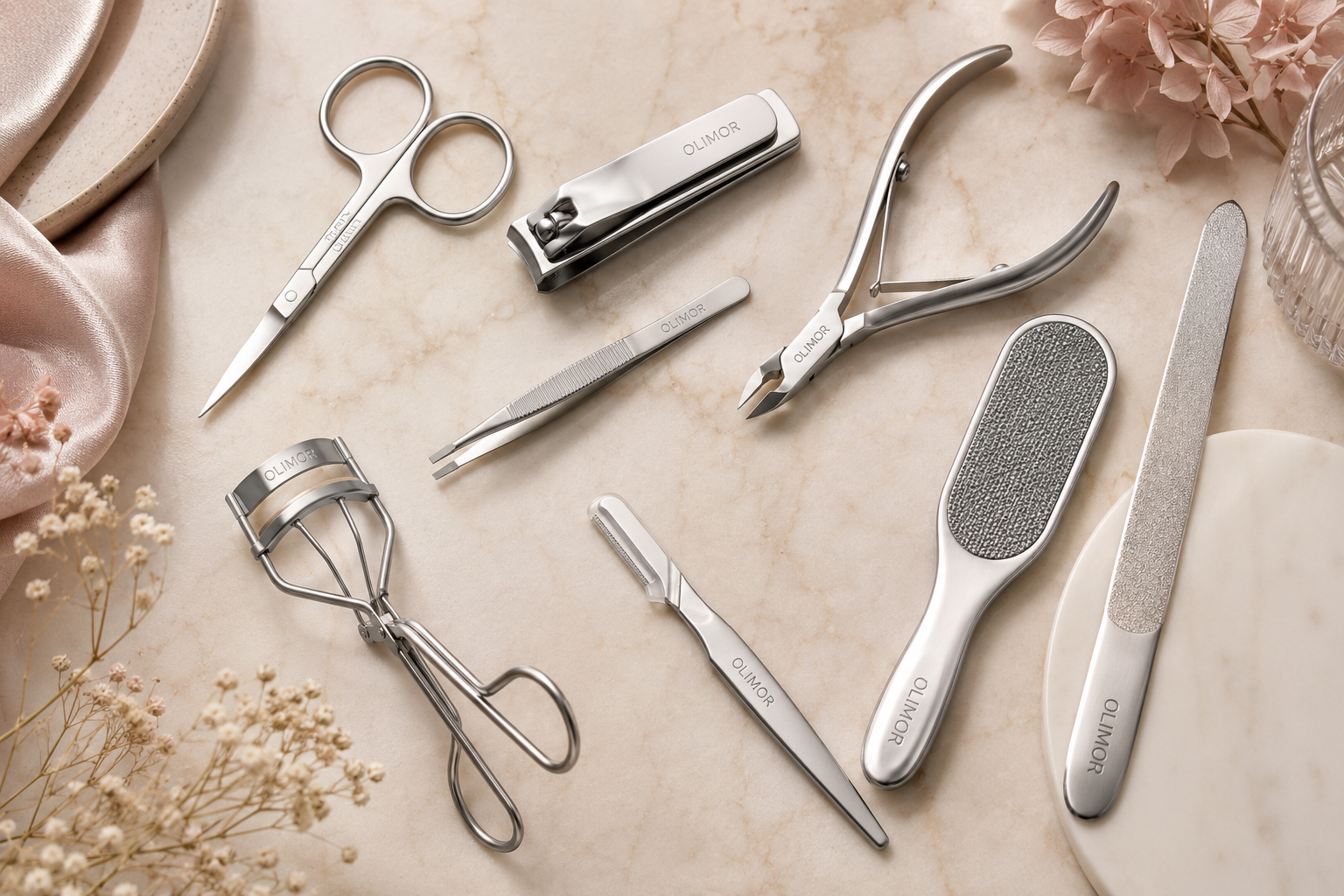
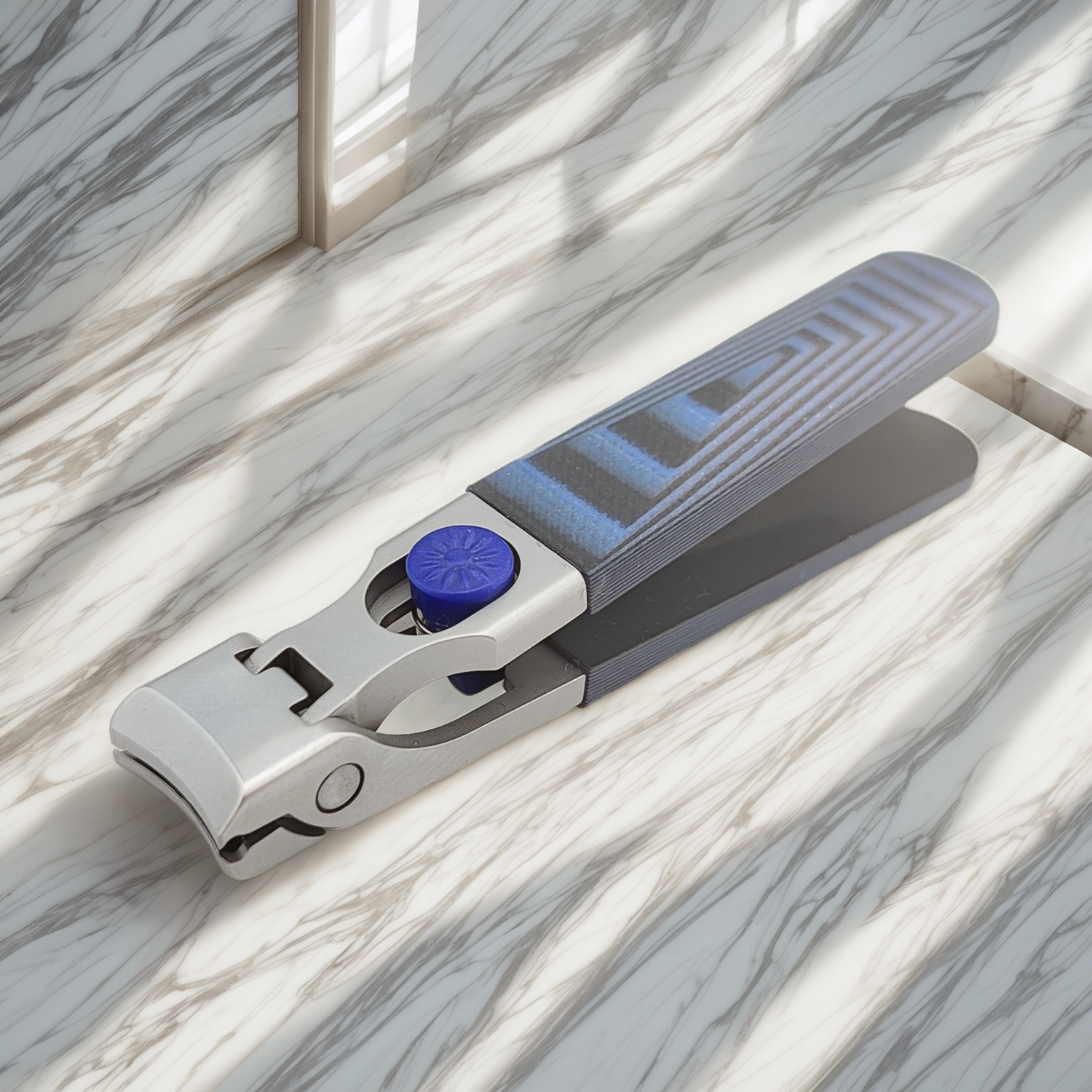
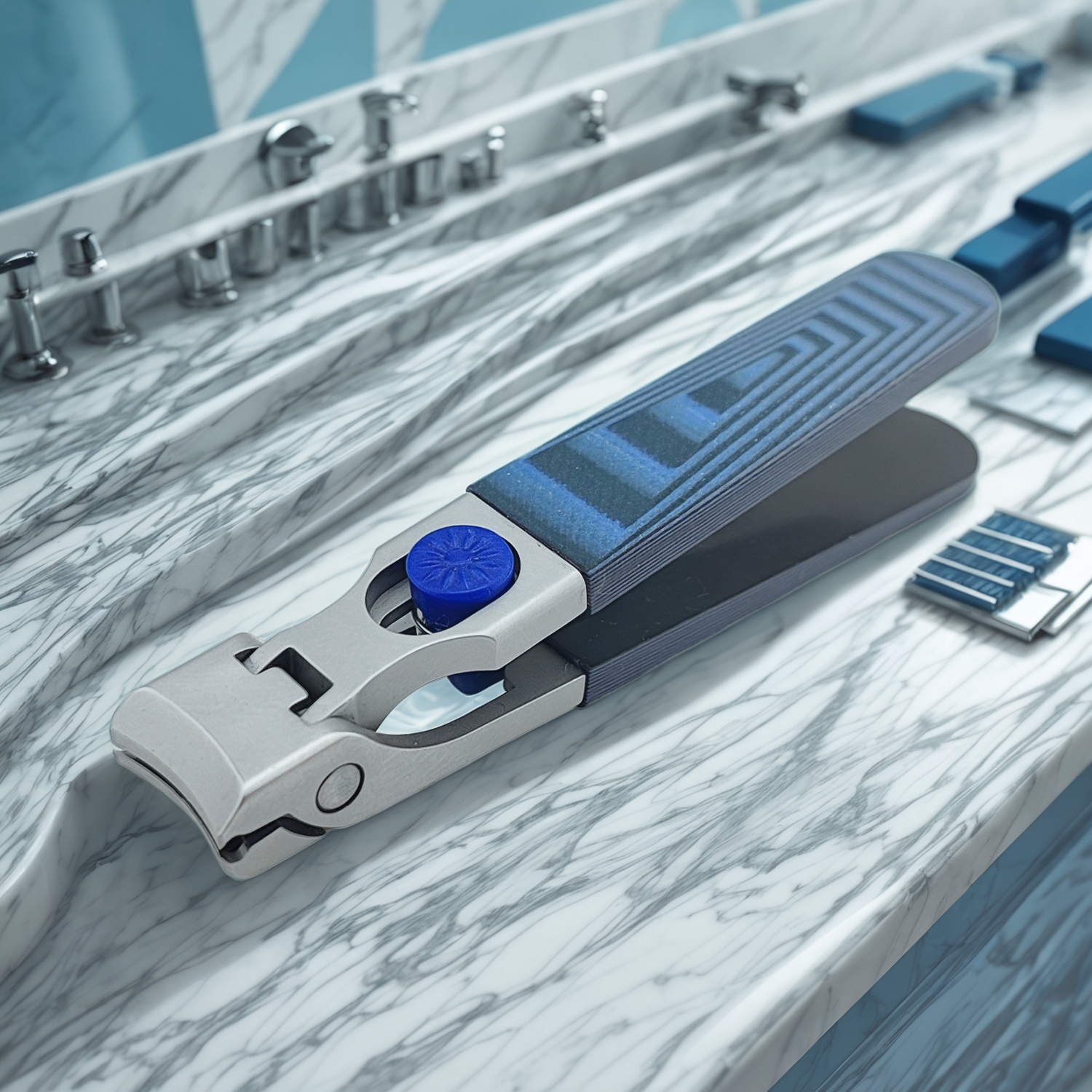
Olimor Beauty offers practical grooming tools designed for everyday personal care use. The nail clipper featured in this guide is built with stainless steel construction, ergonomic handling and an artistic handle with an intricate geometric pattern. These product-specific details matter because a clipper must combine function, durability, ease of cleaning and shelf appeal. The right choice should look refined in a grooming set, but it should first perform reliably on nails.
What a Quality Nail Clipper Should Do
A quality nail clipper should separate the nail with a decisive cut rather than bending, crushing or tearing it. When the upper and lower cutting edges meet evenly, the nail is more likely to trim cleanly. When the blades are misaligned, dull or uneven, users often see layered edges, rough corners or a ragged finish that catches on clothing and requires extra filing.
For manicure use, precision matters most. Fingernails are usually trimmed in smaller sections along a curved edge, so the user needs to see the blade position clearly and control each cut. For pedicure use, stability and leverage become more important because toenails are often thicker and less flexible. A clipper intended for both manicure and pedicure care should provide enough pressure for toenails without making the user feel that the handle is twisting or slipping.
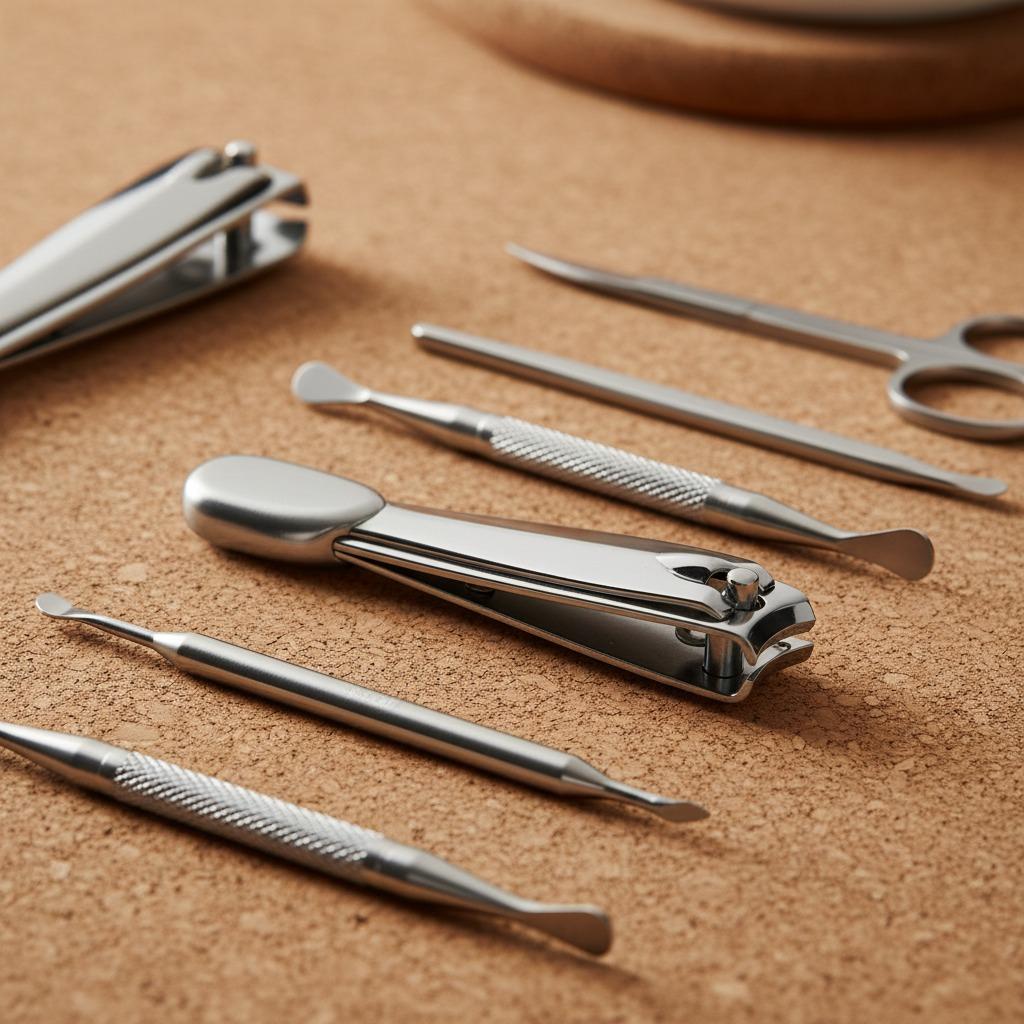
Stainless steel is widely used for nail tools because it is durable, practical for repeated handling and easier to wipe clean than many low-quality plated alternatives. Buyers should still confirm the exact material specification with the supplier when placing a procurement order, because stainless steel grades and finishes can vary. In day-to-day evaluation, practical signs are more immediate: the surface should look clean, the edges should not feel rough, the lever should move smoothly, and the cutting jaws should close evenly.
The handle also deserves attention. Olimor Beauty’s clipper uses an ergonomic form and a geometric handle pattern. The pattern gives the tool visual character and can support a more secure contact area for the thumb and fingers. For a consumer, that can make trimming feel more stable. For a retailer or distributor, it helps the product stand apart from plain commodity clippers while still remaining appropriate for everyday grooming.
Manicure vs. Pedicure Use: How the Needs Differ
Fingernails and toenails create different trimming challenges. Fingernails are more visible during grooming, so users often focus on shape and smoothness. Toenails can be thicker and harder to reach, so the user needs a steadier grip and a clipper that does not require awkward force. A universal nail clipper can be useful, but only when its cutting edge, handle and leverage are suitable for both tasks.
For fingernails, the most important features are control, moderate cutting pressure and a clean edge that follows the intended shape. Users typically trim in several small cuts rather than one wide cut across the full nail. For toenails, the user often benefits from trimming straighter across and refining corners gently with a file if needed. The clipper should feel stable at the moment pressure is applied, because hesitation or slipping can lead to uneven cuts.
Common use cases include:
- Home manicure maintenance: A clean cutting edge helps reduce rough points that need repeated filing.
- Pedicure grooming: A stable handle and smooth lever action help users trim thicker nails with more confidence.
- Travel or compact kits: One well-made clipper can reduce the number of separate tools carried.
- Family grooming storage: Stainless steel construction and accessible surfaces make cleaning between uses more practical.
- Retail beauty assortments: A refined handle pattern and polished finish improve shelf presentation while preserving practical value.
If nails are painful, unusually thick, discolored or difficult to trim safely, users should seek appropriate professional care. A nail clipper is a grooming tool, not a medical device or a substitute for foot care advice.
Buyer Checklist for Retailers, Distributors and Personal Care Brands
For B2B sourcing, nail clippers should be assessed as functional tools, not only as low-cost accessories. Small differences in alignment, finish and handling can affect returns, reviews and repeat orders. Before approving a product for a kit, private label line or retail program, buyers should inspect samples under normal use conditions and compare several units for consistency.
| Evaluation area | What to check | Why it matters |
|---|---|---|
| Blade alignment | Upper and lower cutting edges meet evenly along the cutting line | Helps reduce tearing, crushing and uneven nail edges |
| Cutting feel | Lever closes smoothly and cuts without a gritty or loose sensation | Improves user confidence during manicure and pedicure grooming |
| Handle comfort | Thumb and fingers have stable contact during pressure | Reduces slipping and supports control on thicker toenails |
| Surface finish | Visible surfaces are clean, polished and free from sharp burrs | Supports a professional product impression and safer handling |
| Cleaning access | Nail fragments can be removed and the cutting area can be wiped | Helps users maintain hygiene after repeated use |
| Design fit | Shape, finish and handle pattern match the intended market position | Helps the clipper work in gift sets, travel kits or everyday retail ranges |
| Supplier documentation | Material, packaging, inspection and labeling information can be confirmed | Supports procurement decisions without relying only on appearance |
Buyers comparing grooming accessories can review Olimor beauty tool products to understand available product directions. For broader assortment planning, Olimor personal care collections can help teams compare related tools for kits, retail displays or coordinated grooming programs.
Materials, Finish and Manufacturing Details to Discuss
Stainless steel construction is a practical starting point for a nail clipper because the tool is handled often, exposed to moisture during bathroom storage and cleaned repeatedly. However, the word stainless is not enough for procurement. Buyers should ask suppliers to confirm the material specification used for the product, how the surface is finished, and what inspection steps are applied before packing. Olimor’s clipper is described as stainless steel, but buyers should verify project-specific documentation for any order.
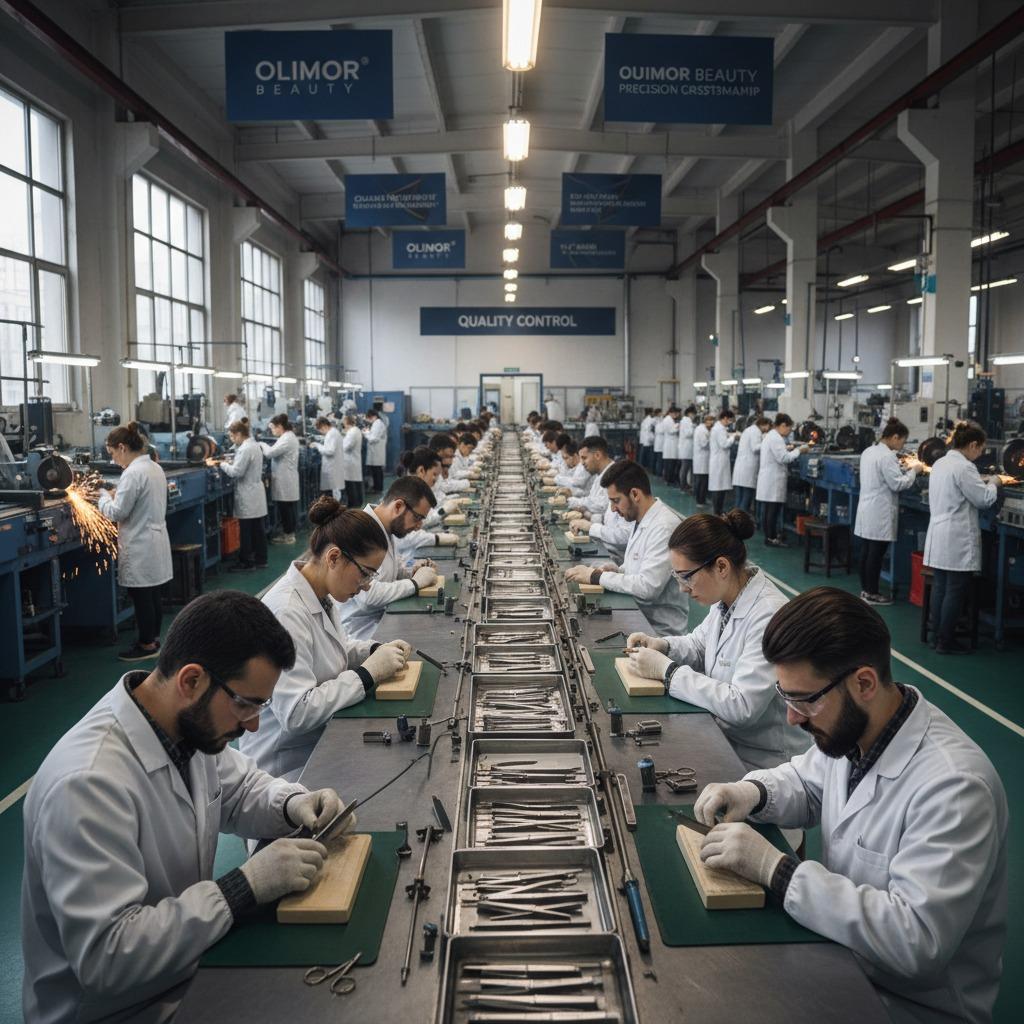
Manufacturing quality can be judged through visible and tactile details. The lever should rotate and press without grinding. The jaw area should close evenly. The cutting edge should appear consistent rather than wavy or nicked. The underside and handle edges should not have burrs that scratch the user or damage packaging. The geometric handle pattern should be cleanly formed and aligned with the product’s overall appearance.
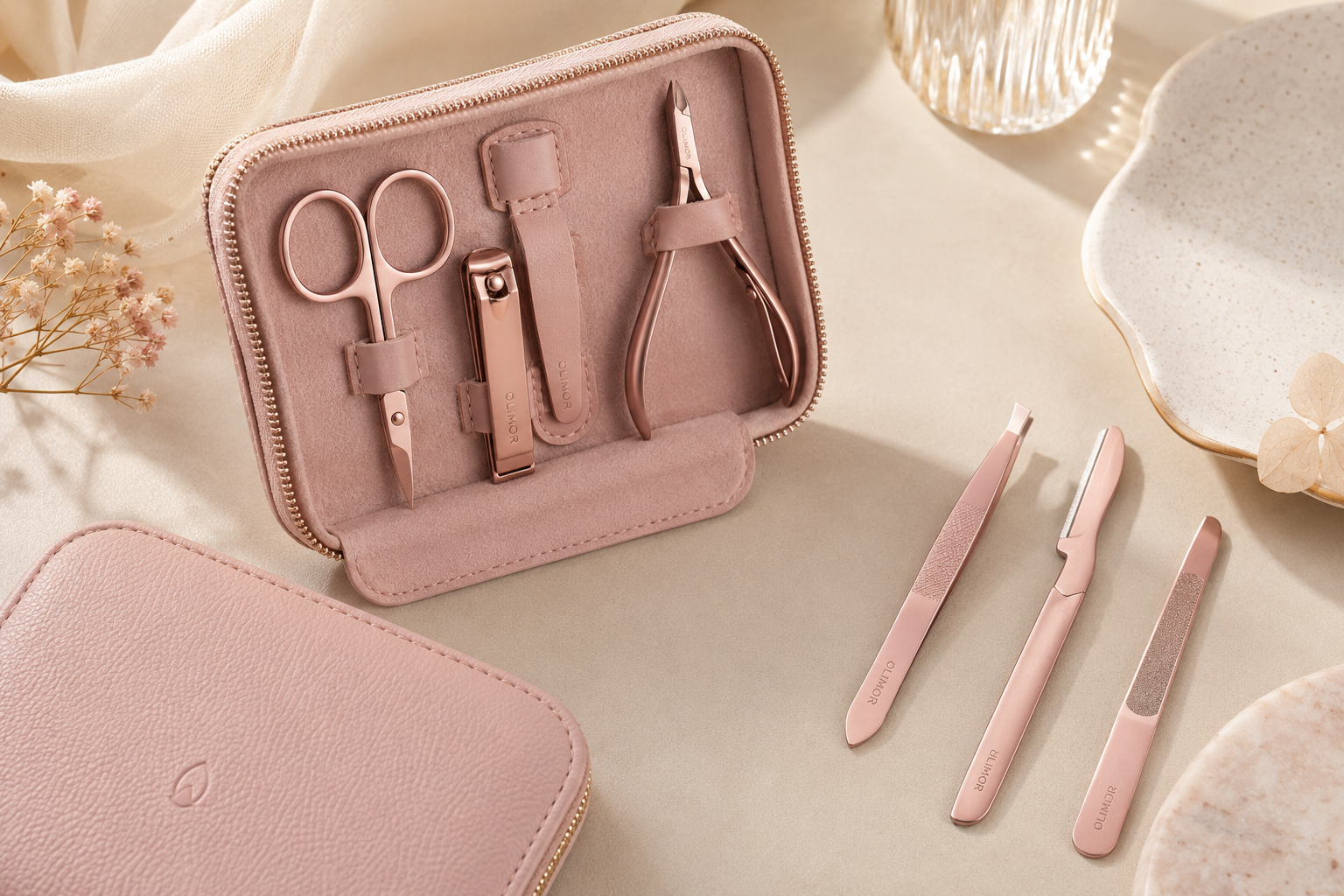
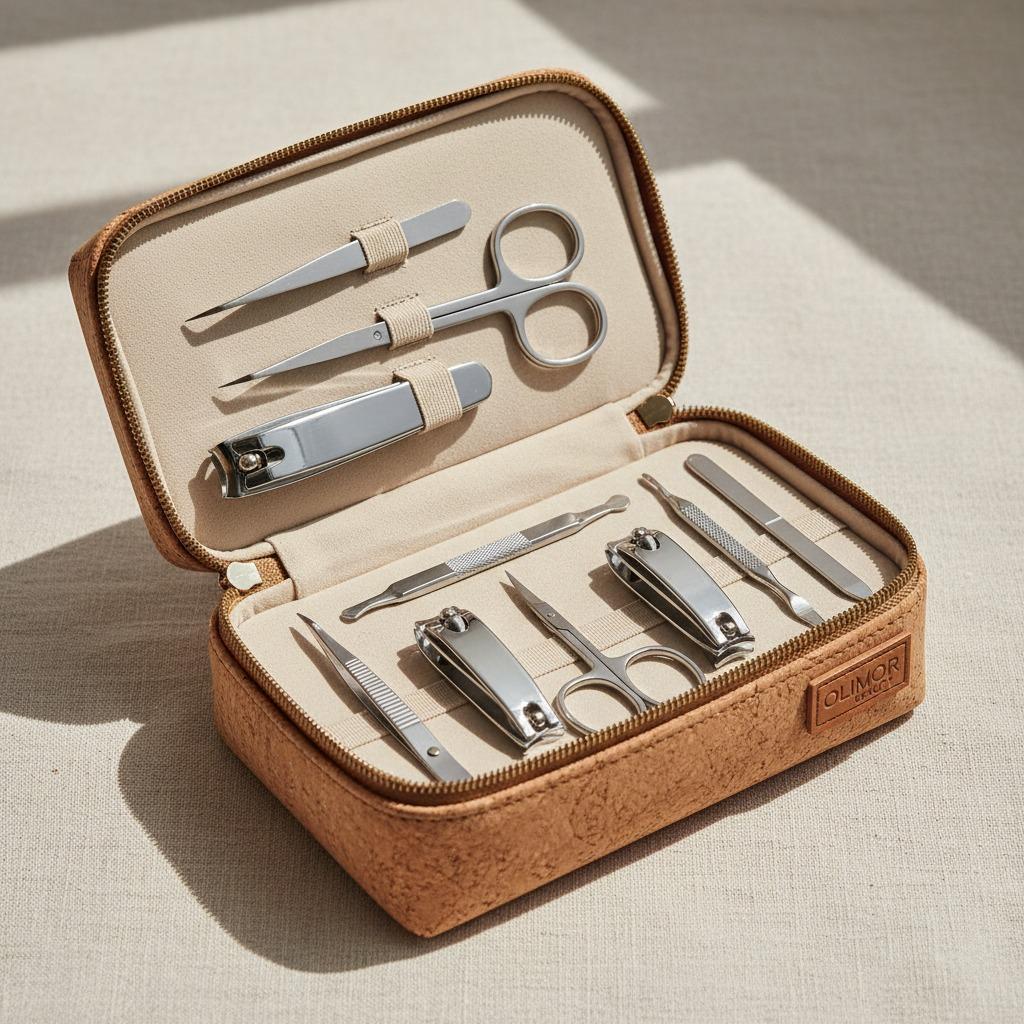
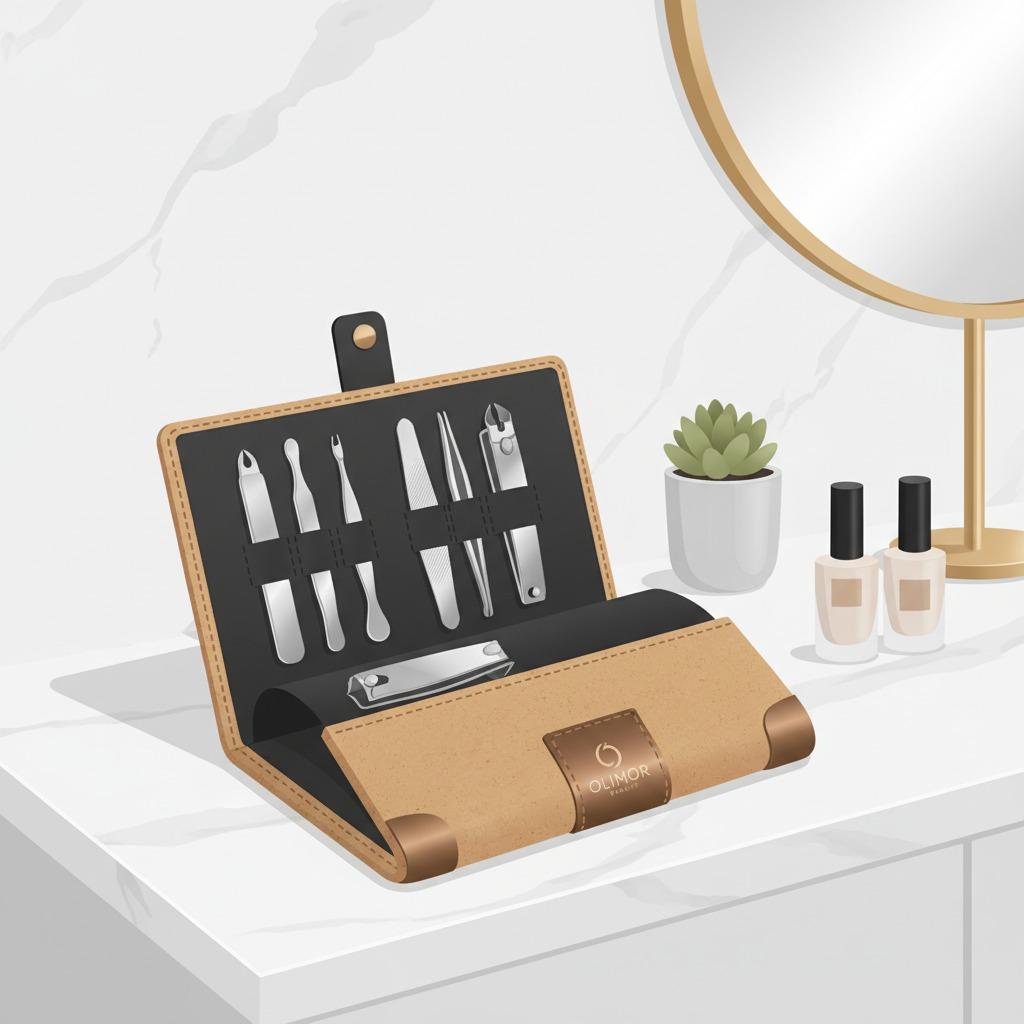
For retail programs, packaging compatibility is also part of the product decision. A clipper may be sold as a single grooming tool, placed in a manicure set, included in a travel kit, or paired with related personal care items. In each case, the packaging should protect the cutting edge, present the patterned handle clearly where appropriate, and include instructions or warnings suited to the target market. Labeling and product safety requirements can differ by region, so buyers should verify current obligations with their compliance teams and supplier documents.
Recognized public bodies and regulations may be relevant depending on the sales market. For example, consumer products sold in the United States may fall under general consumer product safety oversight associated with the U.S. Consumer Product Safety Commission. Products sold in the European Union may need to be assessed under applicable general product safety rules, including the EU General Product Safety Regulation. Requirements can change, so buyers should verify current versions, market-specific obligations and supplier documentation before import or sale. This does not imply any certification claim for Olimor products.
How to Use a Nail Clipper for a Cleaner Result
Technique has a major effect on the final nail edge. Even a well-made clipper performs best when the user trims gradually, works in good light and avoids cutting too close to the skin. The goal is not to remove as much nail as possible in one press. The goal is controlled trimming that leaves a smooth edge and reduces the need for correction.
- Clean the clipper before use. Wipe the cutting edge, especially if the tool has been stored with other grooming items.
- Trim in good light. Make sure the free edge of the nail is visible before placing it between the blades.
- Use small cuts. Work across the nail in sections instead of forcing one wide cut.
- Keep a safe margin. Avoid cutting into the side corners or too close to the skin.
- File if needed. Use a nail file to smooth sharp points after clipping.
- Clean after use. Remove nail fragments, wipe the surface and allow the tool to dry before storage.
Some users prefer trimming after washing or bathing because nails may feel slightly easier to cut. Nails should not be so soft that they tear. For toenails, many users trim straighter across to reduce uncomfortable side pressure, then lightly refine corners if necessary. Any recurring pain, bleeding, infection signs or nail abnormality should be addressed by a qualified professional.
Maintenance, Hygiene and Storage
A stainless steel nail clipper is low maintenance, but it is not maintenance-free. The most important habits are removing nail debris, wiping moisture away and storing the tool in a dry place. Bathroom storage is convenient, yet humidity can affect grooming tools over time. If the clipper is kept in a kit, pouch or drawer, it should be protected from abrasive items that could rub against the cutting edge.
Do not use a nail clipper for wire, plastic tags, craft materials, thread or other household cutting tasks. These uses can damage blade alignment and reduce cutting performance on nails. Once the edge is distorted, users may notice more crushing, splitting or rough trimming. For retailers and distributors, clear care guidance can help reduce misuse and improve the customer experience.
For shared household grooming, cleaning between users is especially important. Users should wipe the tool and remove fragments after each session. In professional or commercial environments, businesses should follow their local hygiene rules and any applicable workplace procedures. A nail clipper used for personal grooming should always be treated as a personal care tool that needs clean handling.
Cost Factors and Supplier Evaluation
Nail clipper cost is shaped by more than metal weight. Material specification, cutting edge processing, surface finish, handle design, inspection steps, packaging and order requirements can all affect the final quotation. A basic plain clipper may appear economical at first, but a better-finished tool with more stable cutting feel can support a stronger retail position or gift-set experience. Buyers should compare value, not only unit cost.
When discussing a sourcing project, ask practical questions rather than relying only on catalog photos. Can the supplier provide samples for evaluation? Can they confirm the stainless steel specification for the proposed version? What customization options are available for packaging or product presentation? How is blade alignment checked before packing? What information will appear on export cartons, retail packaging or instruction materials? The answers help buyers understand whether the supplier can support a repeatable product program.
It is also useful to inspect a small group of samples, not just one hand-selected piece. Check whether the lever feel, surface finish and blade closure are consistent across units. If the clipper will be sold in a set, test how it fits the pouch, tray, blister card or box. The geometric handle pattern should remain visible and protected if it is part of the product’s retail appeal.
When This Olimor Nail Clipper Is a Good Fit
This Olimor Beauty nail clipper is a strong fit for buyers who want a practical stainless steel grooming tool with everyday manicure and pedicure usefulness, ergonomic handling and a more distinctive visual style. The geometric handle pattern gives the clipper a design feature that can work well in personal grooming kits, beauty sets, travel assortments and retail personal care displays.
It is especially relevant when the product brief calls for a clipper that looks more considered than a plain commodity item but remains focused on simple grooming performance. The key selection points remain the same: clean cutting, stable grip, smooth lever action, easy cleaning and consistent finish. Buyers should confirm final specifications, packaging requirements and inspection expectations before placing an order.
To compare nail care tools with related grooming accessories, explore the Olimor product range. If you have a defined assortment brief, packaging requirement or sourcing question, you can send an inquiry to Olimor for project discussion.
FAQ
Can I request samples before placing a nail clipper order?
Sample availability should be confirmed with Olimor based on the current product and project requirements. Samples are useful for checking cutting feel, finish, handle comfort, packaging fit and consistency before a larger procurement decision.
Is there a fixed MOQ for this nail clipper?
MOQ can depend on the product version, packaging plan, customization needs and production arrangement. Buyers should confirm the current MOQ directly with Olimor rather than relying on assumptions from a general article.
Can the nail clipper be customized for retail or gift sets?
Customization may involve packaging, assortment planning or presentation details. Available options should be reviewed with Olimor for the specific project, because customization scope can vary by product, order plan and market requirements.
How should buyers evaluate quality before shipment?
Buyers should agree on practical inspection points such as blade alignment, cutting feel, surface finish, lever movement, cleanliness, packaging condition and labeling requirements. Any required documents, standards or market compliance checks should be verified in current supplier paperwork.
How is lead time determined?
Lead time can vary according to order quantity, packaging requirements, customization, production schedule and shipping arrangement. Confirm timing with Olimor during the quotation and order planning stage so the schedule matches your retail or distribution needs.