A good nail clipper should do one simple job extremely well: cut the nail cleanly without crushing, tearing or forcing the user to repeat the same cut several times. That sounds basic, but anyone who has used a dull or poorly aligned clipper knows how quickly a small grooming task can become uncomfortable. The best nail clipper for daily use combines a sharp cutting edge, a stable lever, a comfortable grip and a jaw shape suited to the nails being trimmed.
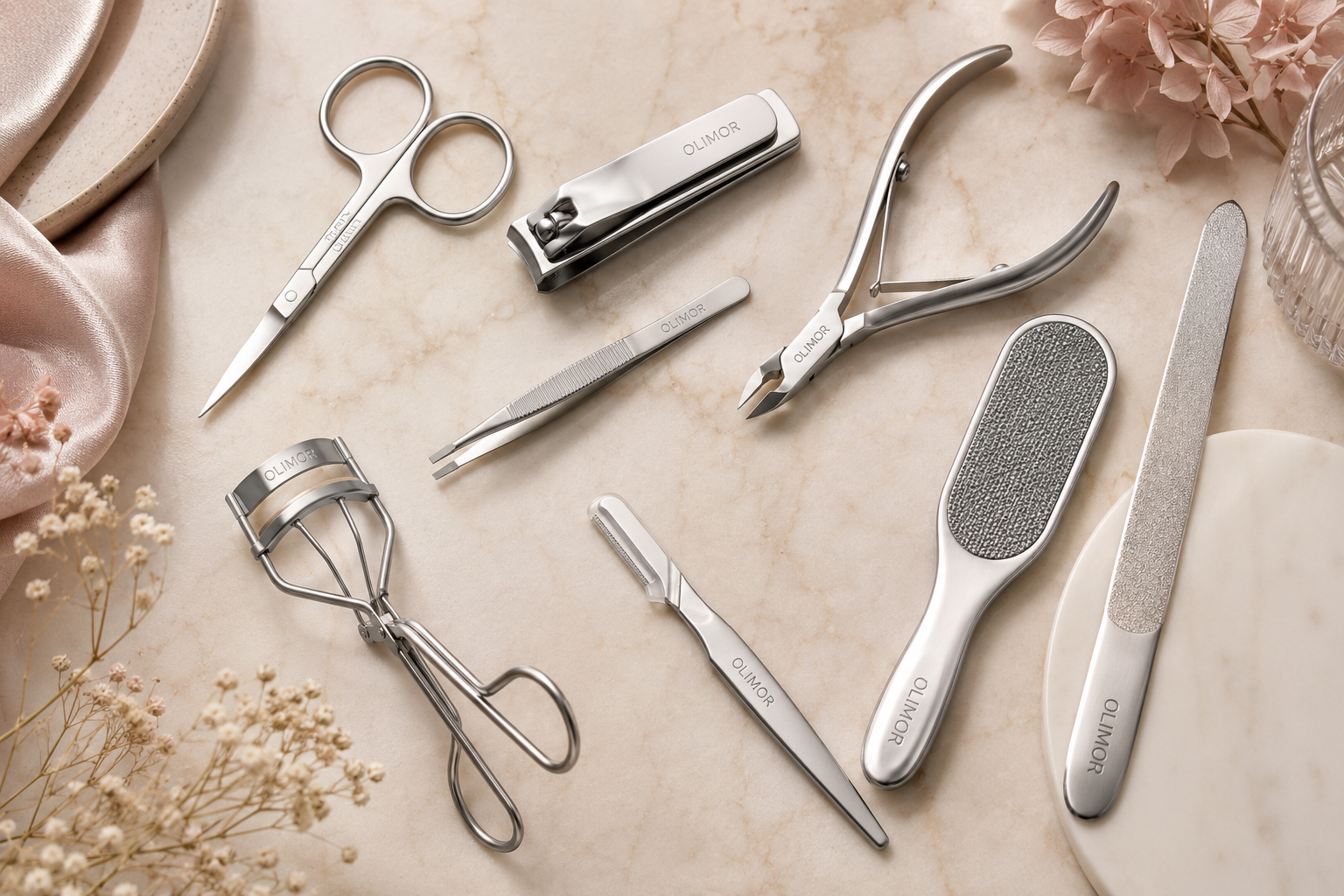
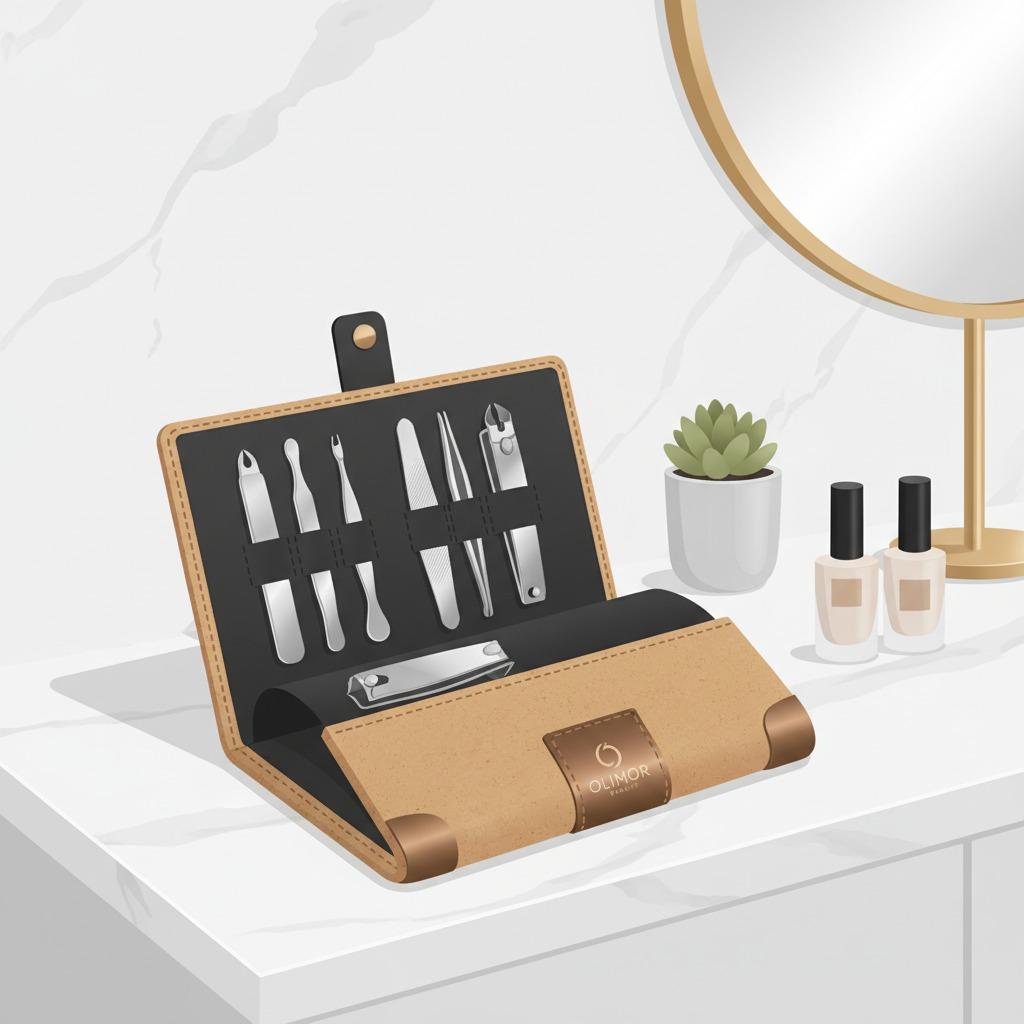
For beauty retailers, salons, personal care brands and grooming kit buyers, nail clippers are also a product where small details affect repeat purchase and customer satisfaction. A clipper may look simple in a product photo, but performance depends on blade alignment, leverage, edge finishing, material choice and quality control. Olimor Beauty focuses on practical beauty tools for regular use, and nail clippers are a category where precision and reliability matter more than decoration alone. You can also explore related beauty tool products when building a complete grooming assortment.
What Makes a Nail Clipper Feel Precise?
Precision is not only about sharpness. A precise nail clipper allows the user to place the cutting edge exactly where it is needed, press the lever smoothly and remove the nail tip in one controlled movement. When a clipper lacks precision, the cut may leave a ragged edge, split the nail plate or require the user to twist the tool awkwardly.
Several construction details influence how precise a nail clipper feels in the hand:
- Blade alignment: The upper and lower cutting edges should meet evenly. Misalignment can pinch the nail or leave uncut sections.
- Jaw curvature: A curved jaw follows the natural shape of many nails, helping the user trim in small, clean sections.
- Lever resistance: The lever should offer enough strength for a firm cut without feeling stiff or unstable.
- Grip surface: A secure handle makes it easier to control the tool, especially after washing hands or feet.
- Edge finishing: A well-finished cutting edge reduces tearing and helps leave a smoother nail edge before filing.
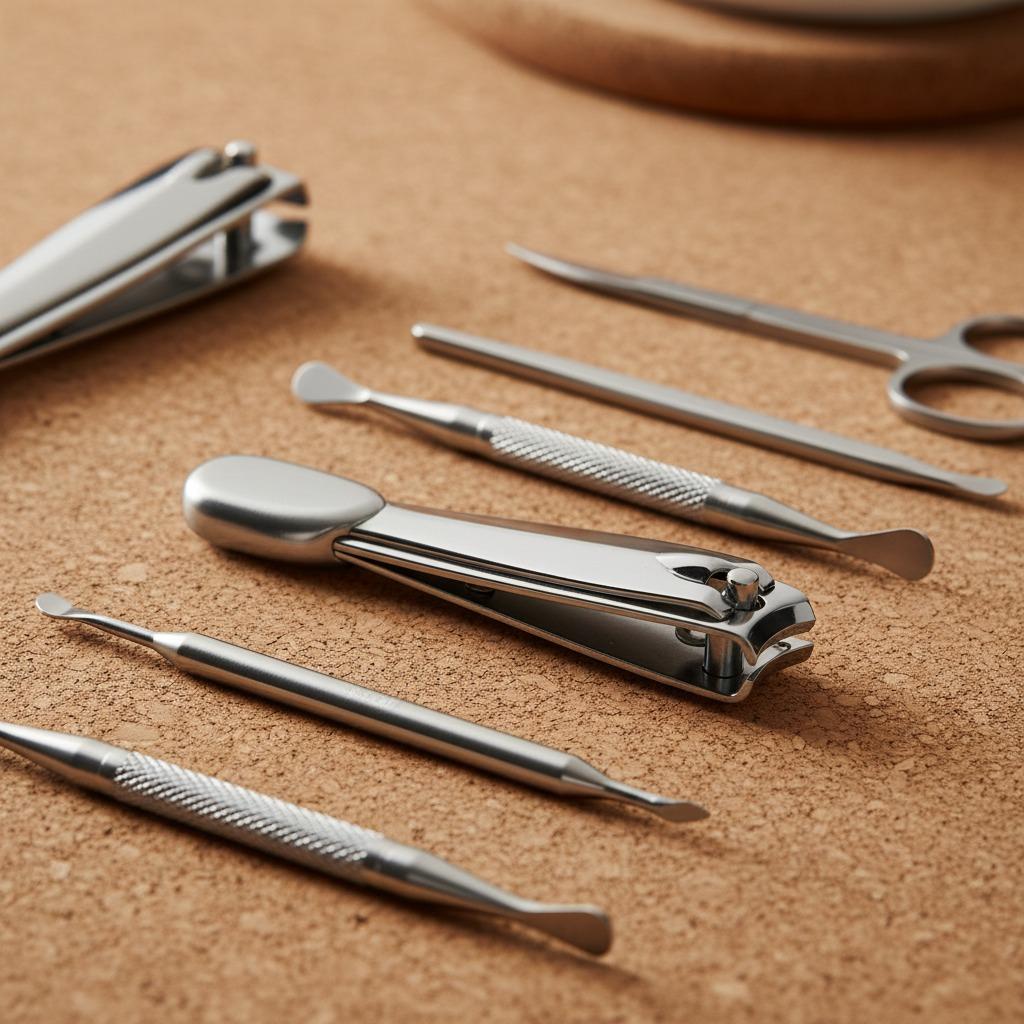
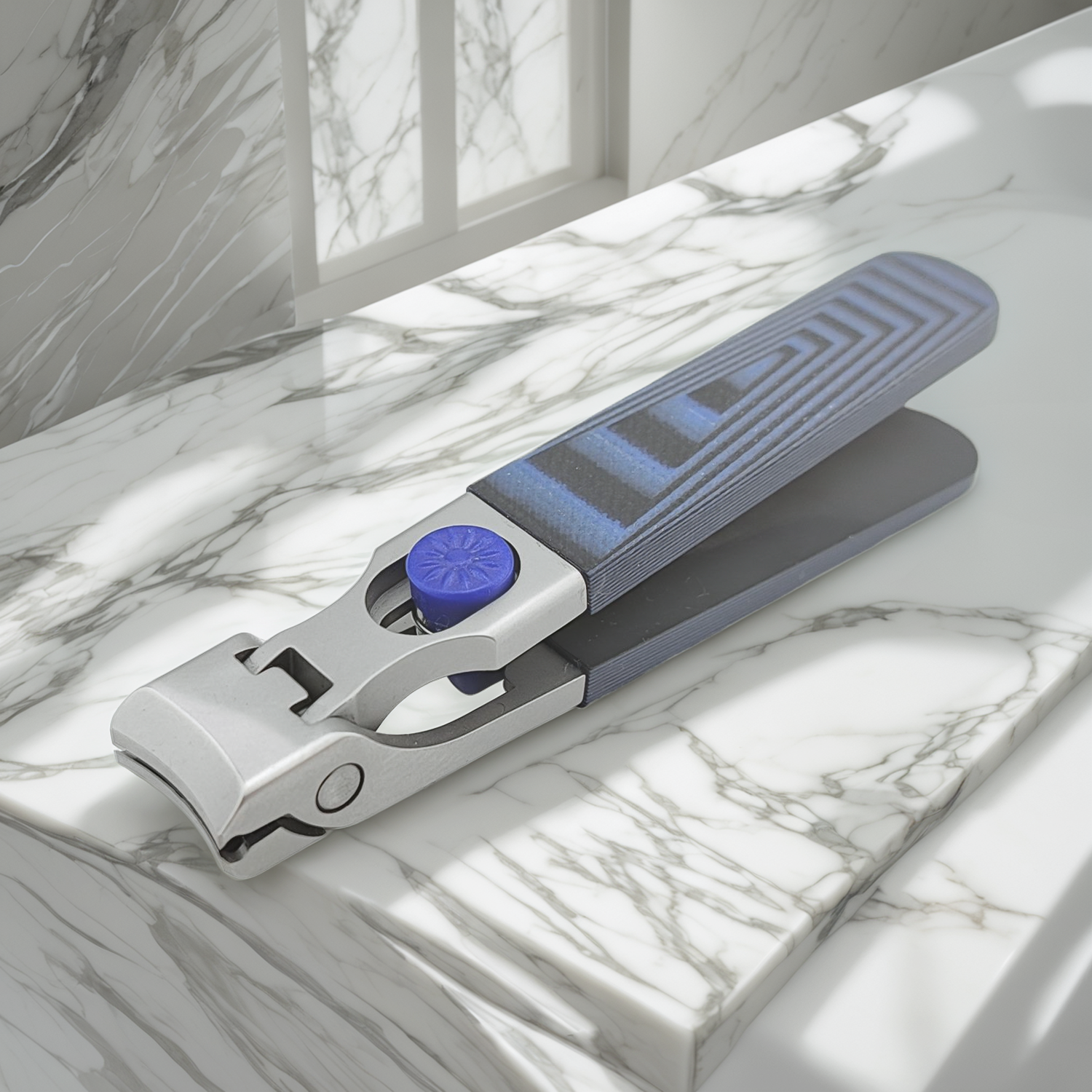
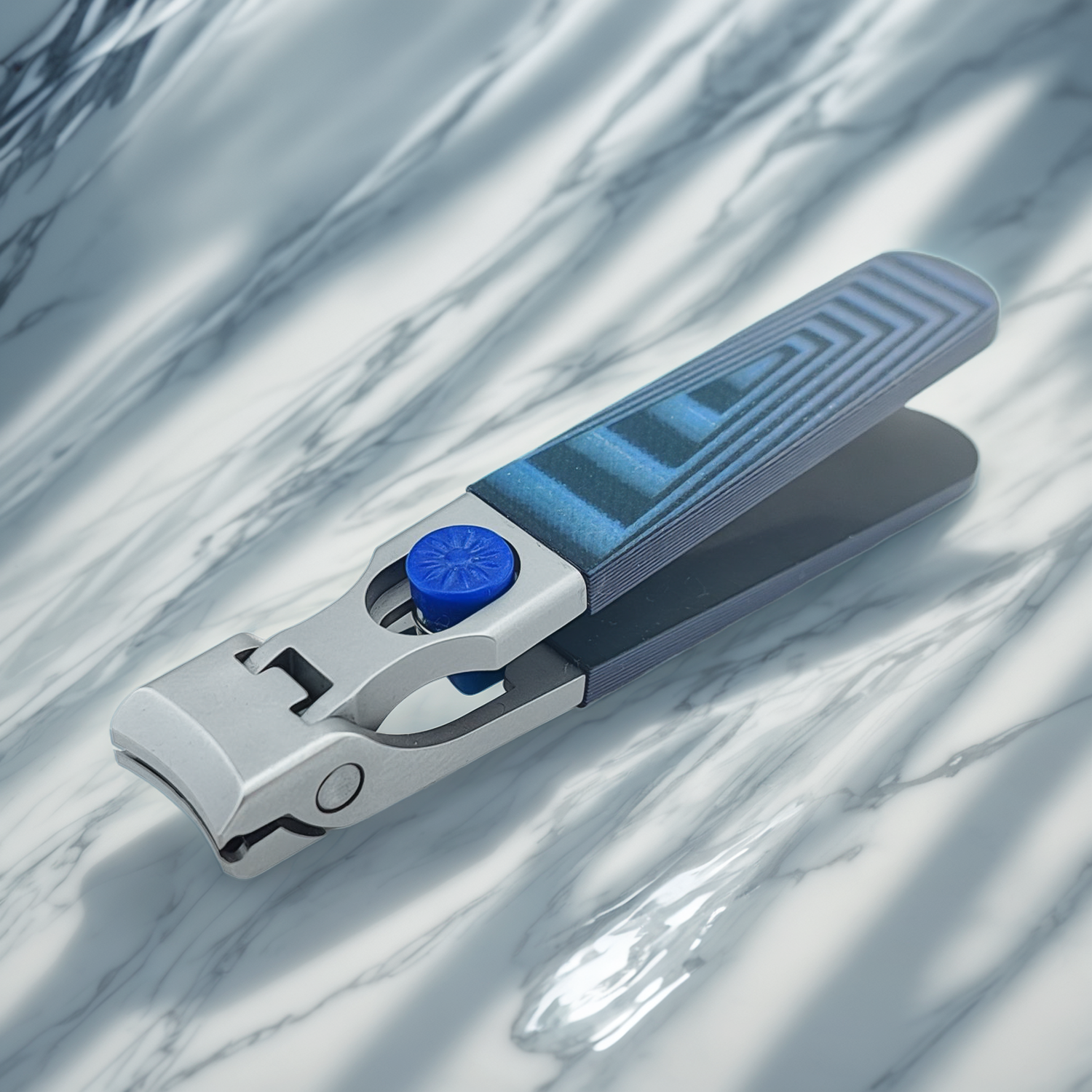
The original Olimor Beauty nail clipper described for this page is made with stainless steel, features a sharp curved jaw and uses an ergonomic handle for comfort and control. Those are meaningful characteristics because they address the most common problems users have with low-quality clippers: slipping, uneven cutting and excessive force.
Fingernail Clipper vs. Pedicure Nail Clipper
Many people use one clipper for all nails, but fingernails and toenails do not always need the same tool geometry. Fingernails are usually thinner and easier to trim. Toenails are often thicker, flatter and more resistant, especially on the big toe. A pedicure nail clipper should therefore provide stronger leverage and confident blade contact without requiring the user to squeeze too hard.
A dedicated pedicure nail clipper can be useful for home care, salon use and travel grooming sets. It is especially valuable when the goal is to trim toenails straight and controlled rather than cutting too deeply into the corners. While nail clippers are not medical devices, careful trimming technique can help reduce avoidable irritation caused by jagged edges or overly short cuts.
| Use case | Helpful clipper feature | Why it matters |
|---|---|---|
| Everyday fingernail trimming | Moderate curved jaw and easy lever action | Supports small, frequent cuts with less effort |
| Toenail grooming | Stronger jaw and stable grip | Helps cut thicker nails more cleanly |
| Salon or shared professional use | Durable stainless steel construction | Supports repeated cleaning and regular handling |
| Retail grooming kits | Consistent finish and comfortable handling | Improves customer perception after purchase |
How to Choose the Best Nail Clipper for Your Audience
The best nail clipper depends on who will use it and how it will be sold. A personal care brand may want a clipper that photographs well and feels premium in the hand. A salon supply buyer may prioritize durability and easy cleaning. A retailer may need a dependable clipper that works for a wide range of customers without complex instructions.
Use the following selection criteria before adding a nail clipper to a product line or grooming kit:
- Check the target nail type. Decide whether the clipper is mainly for fingernails, toenails or general grooming. The jaw opening and leverage should match the intended use.
- Evaluate cutting smoothness. A clean cut should not require repeated pressure on the same nail section. The nail edge should be tidy enough that only light filing is needed.
- Review the handle design. The handle should provide controlled pressure. An ergonomic handle is especially important for users who trim slowly or need more stability.
- Consider hygiene and cleaning. Stainless steel is a practical material for grooming tools because it is durable and suitable for routine cleaning when cared for correctly.
- Inspect appearance and finishing. Edges, corners and surfaces should feel smooth. A beauty tool should not have rough spots that catch the skin or packaging.
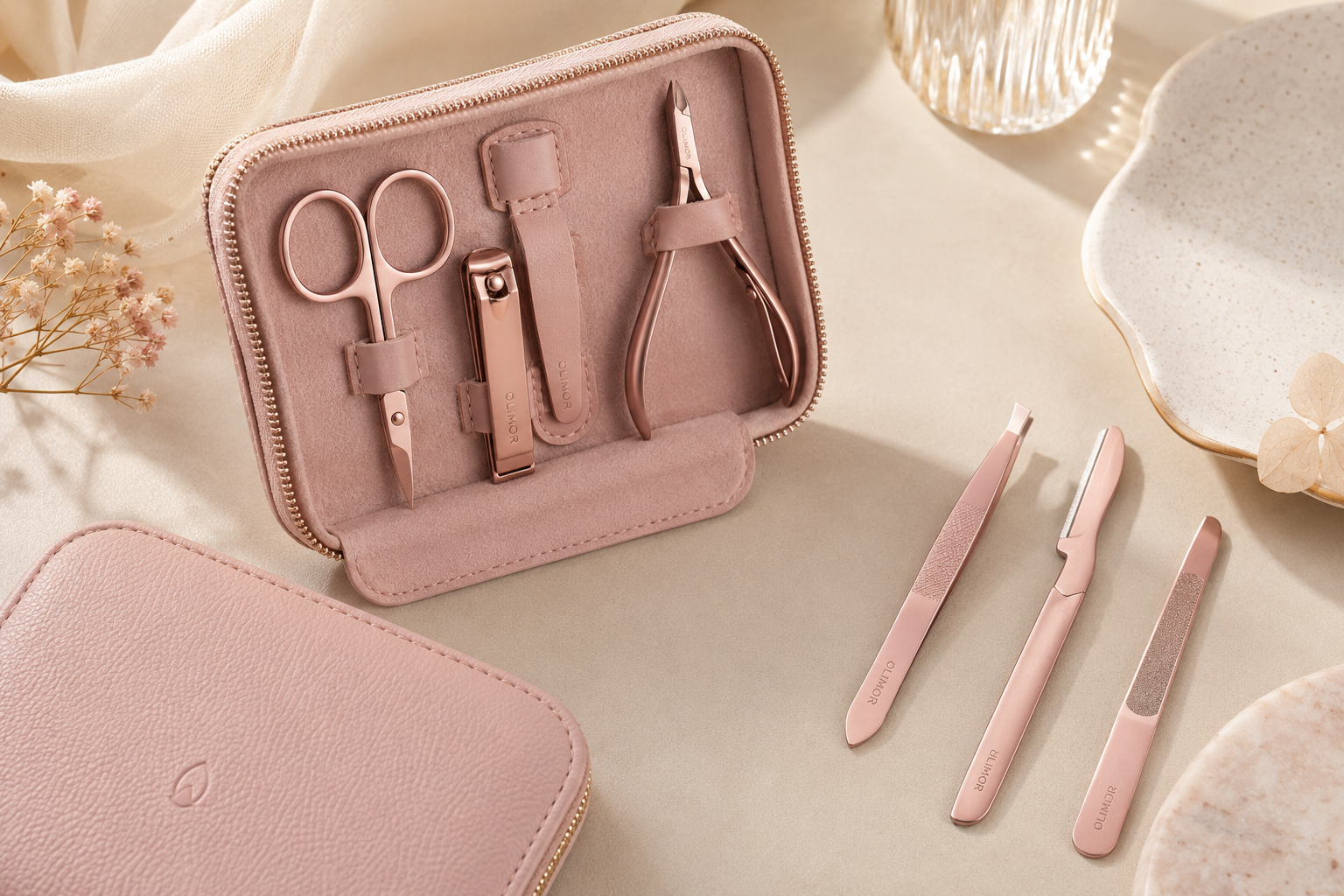
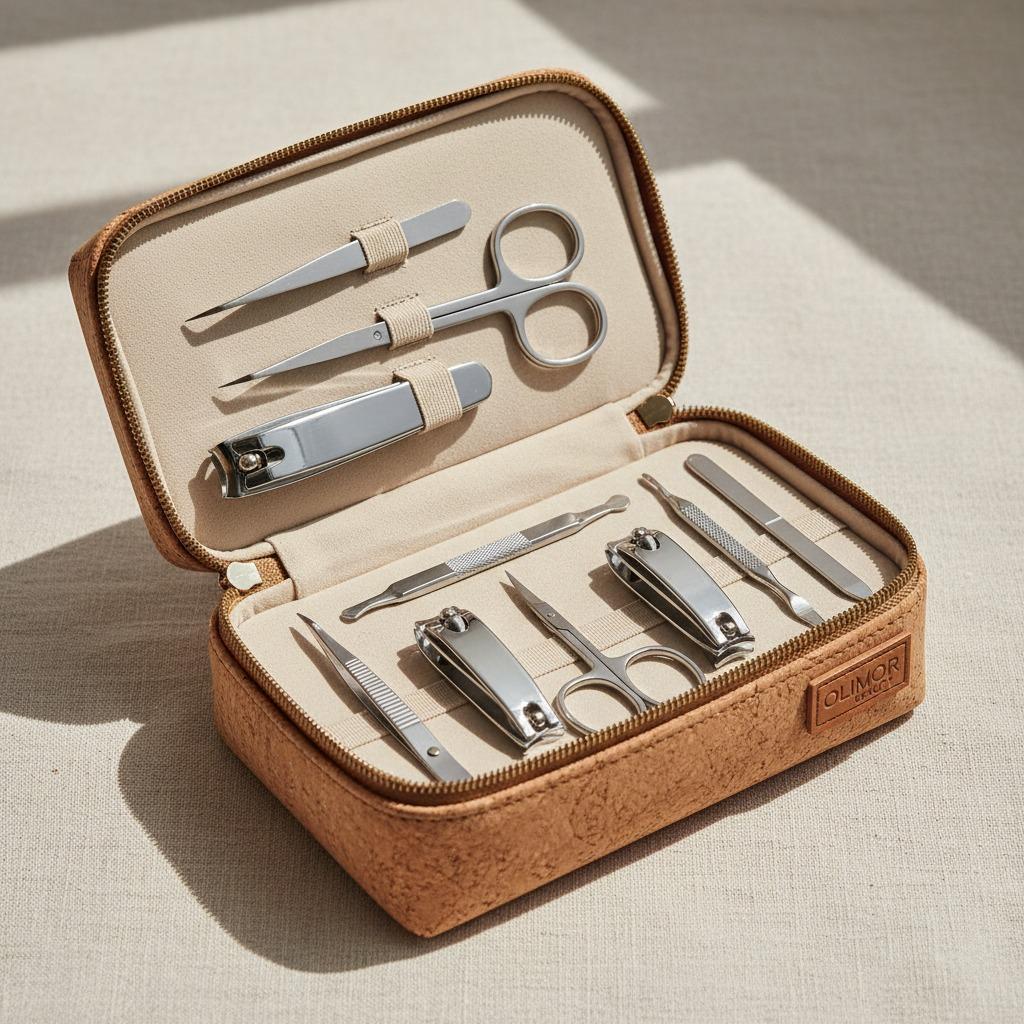
- Plan the assortment. A nail clipper may be sold alone or combined with files, cuticle tools or other personal care items from product collections.
For bulk sourcing, it is useful to compare samples using the same nail thickness and trimming method each time. This makes the evaluation more objective than judging by appearance alone.
Using a Nail Clipper Without Damaging the Nail Edge
Even the best nail clipper performs better when used with good technique. Nails should be trimmed in small sections instead of trying to remove a large piece at once. This is especially important for toenails, where excessive pressure or aggressive corner cutting may create discomfort.
For fingernails, follow the natural curve of the nail and leave a small free edge if preferred. For toenails, many users prefer a straighter cut across the top, softening only sharp corners with a file. Avoid cutting nails too short, and do not use a nail clipper to pull away skin, cuticles or painful nail fragments. If a nail is unusually thick, discolored, painful or difficult to cut, the user should seek appropriate professional care rather than forcing the tool.
After trimming, a light file can smooth the edge and reduce snagging. This small extra step is helpful for customers who expect a polished result from a home grooming tool.
Cleaning, Storage and Maintenance
A professional nail clipper should be easy to keep clean. After use, remove nail debris from the jaw area and wipe the tool dry. Moisture left on any metal grooming tool can shorten its service life, so storage matters. Keep the clipper in a dry place rather than leaving it in a damp shower area or sink-side container.
For personal use, cleaning after each session is usually enough. For salon or shared settings, buyers should establish a hygiene process that fits local rules and the nature of their service. The important point is to treat the clipper as a precision tool, not a disposable accessory. Dropping it, using it to cut non-nail materials or storing it loosely with heavy metal items can affect alignment over time.
Retailers can also improve customer satisfaction by including simple care guidance on packaging or inserts: trim clean nails, cut gradually, wipe after use and store dry. These instructions reduce misuse and help customers understand why a sharper, better-aligned clipper feels different from a low-cost alternative.
Sourcing Questions for Brands and Retail Buyers
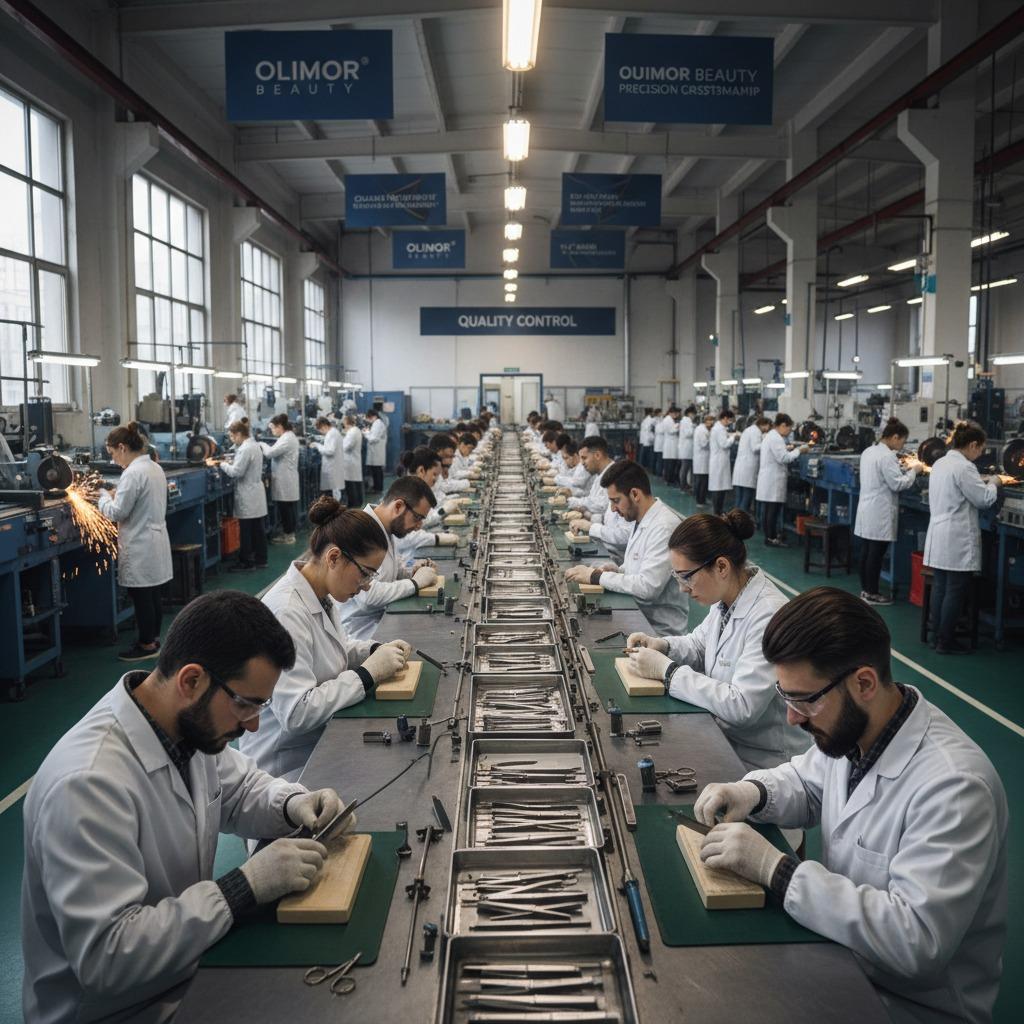
When sourcing nail clippers, avoid relying only on catalog images. A product that looks polished can still have weak leverage or inconsistent blade contact. Physical samples should be reviewed for cutting performance, hand feel, surface finish and packaging compatibility. Olimor Beauty applies quality assurance from raw materials through final packaging, which is important for a small tool where alignment and finishing directly affect the user experience.
Useful sourcing questions include:
- Does the clipper cut both thin and moderately thick nails cleanly during sample testing?
- Is the curved jaw consistent from sample to sample?
- Does the handle feel stable when pressure is applied?
- Are there any sharp unfinished areas on the body, lever or jaw exterior?
- Will the clipper fit the intended retail packaging, travel kit or grooming set?
- Is the product positioning focused on home use, pedicure care, salon supply or giftable personal care?
If you are developing a nail care assortment, Olimor can help discuss tool selection and product matching. Visit contact Olimor for general communication or send an inquiry when you are ready to share sourcing details.
A Small Tool That Depends on Real Performance
A nail clipper does not need complicated features to be valuable. It needs to cut cleanly, feel secure and hold up to regular grooming. The best nail clipper for a buyer’s assortment is the one that matches the intended user, trims without tearing and supports a consistent experience from the first use onward.
With stainless steel construction, a sharp curved jaw and an ergonomic handle, the Olimor Beauty nail clipper is designed around the practical details that matter in personal grooming. For homes, salons and beauty tool assortments, choosing a reliable clipper is a simple way to improve everyday nail care with less frustration and better control.