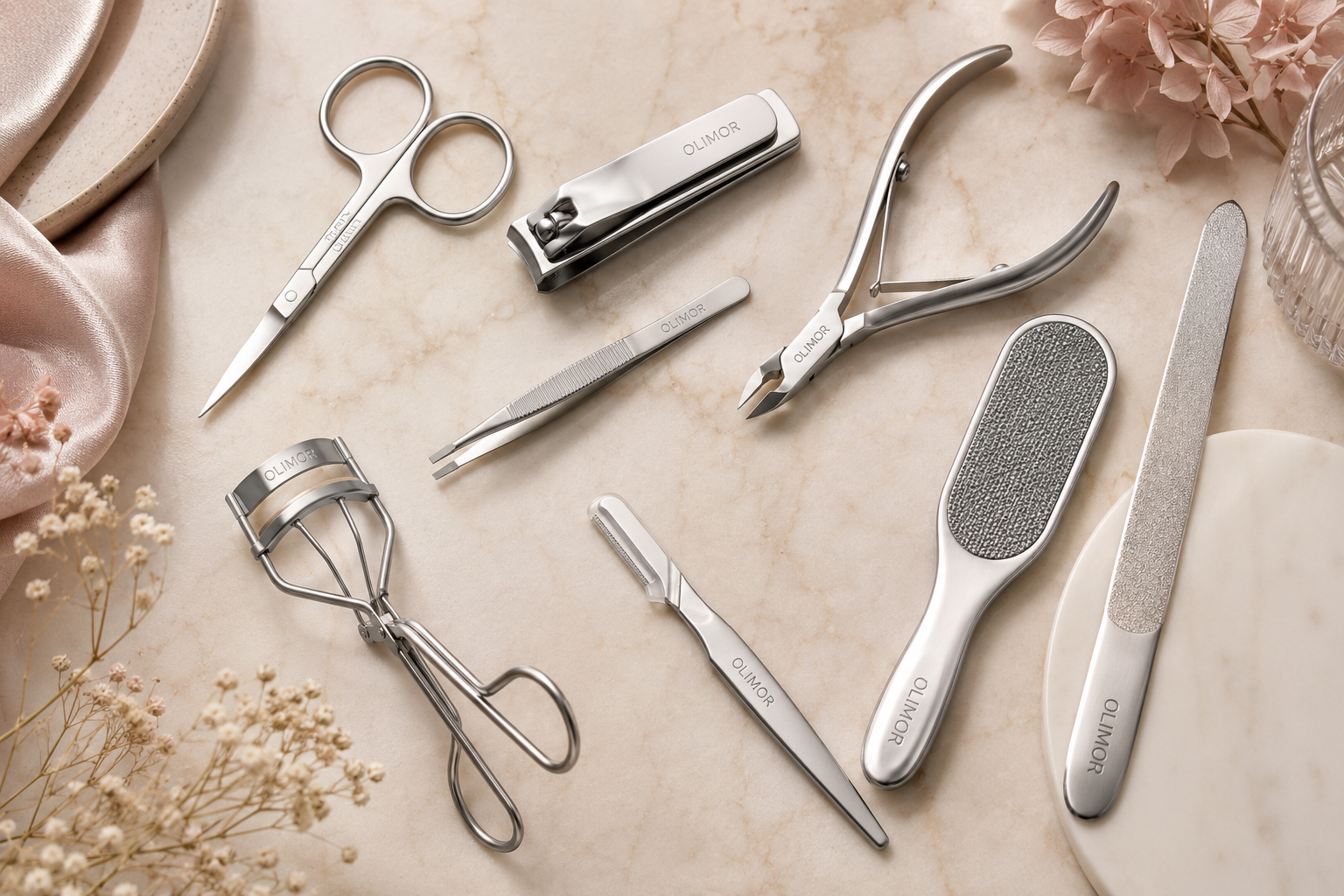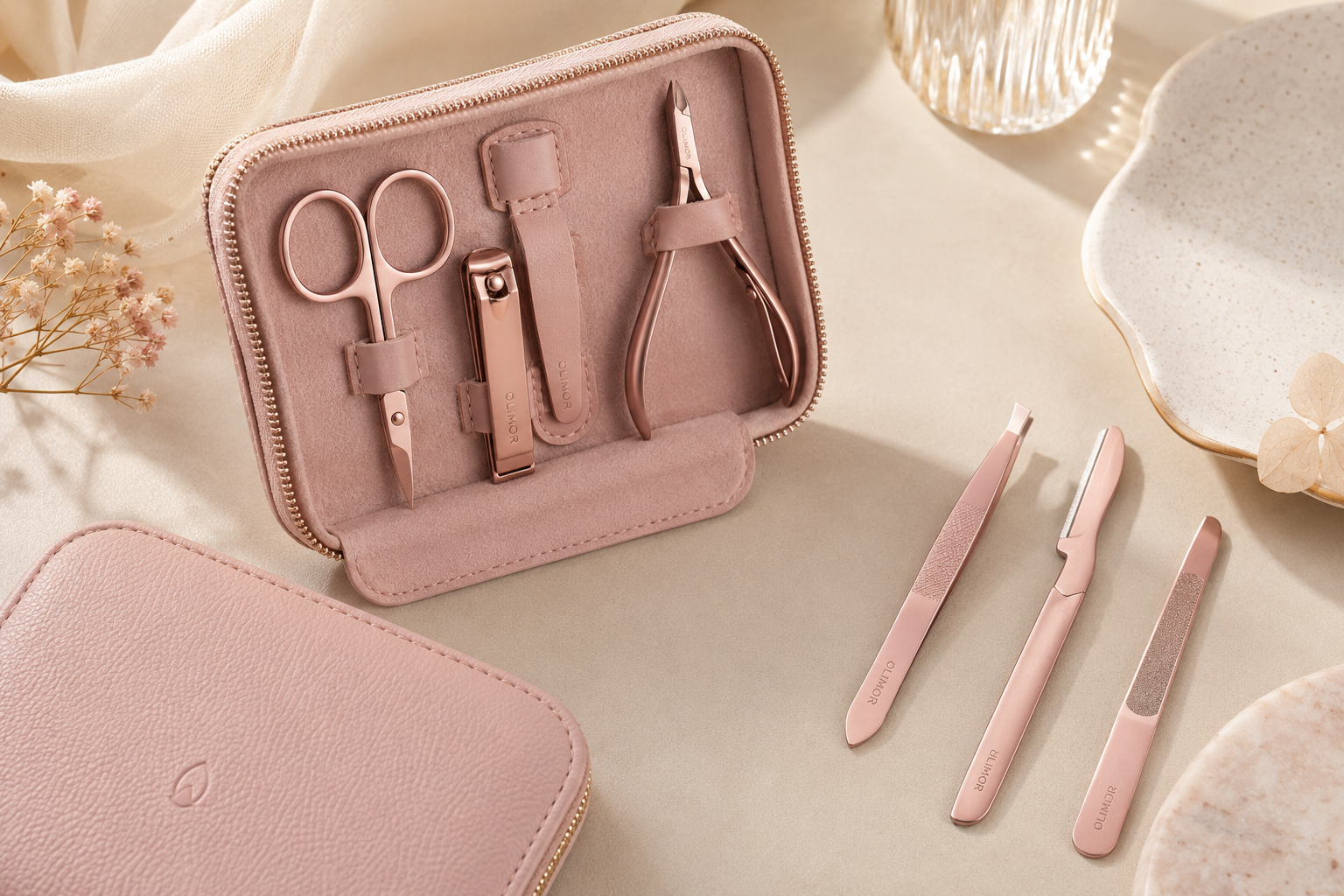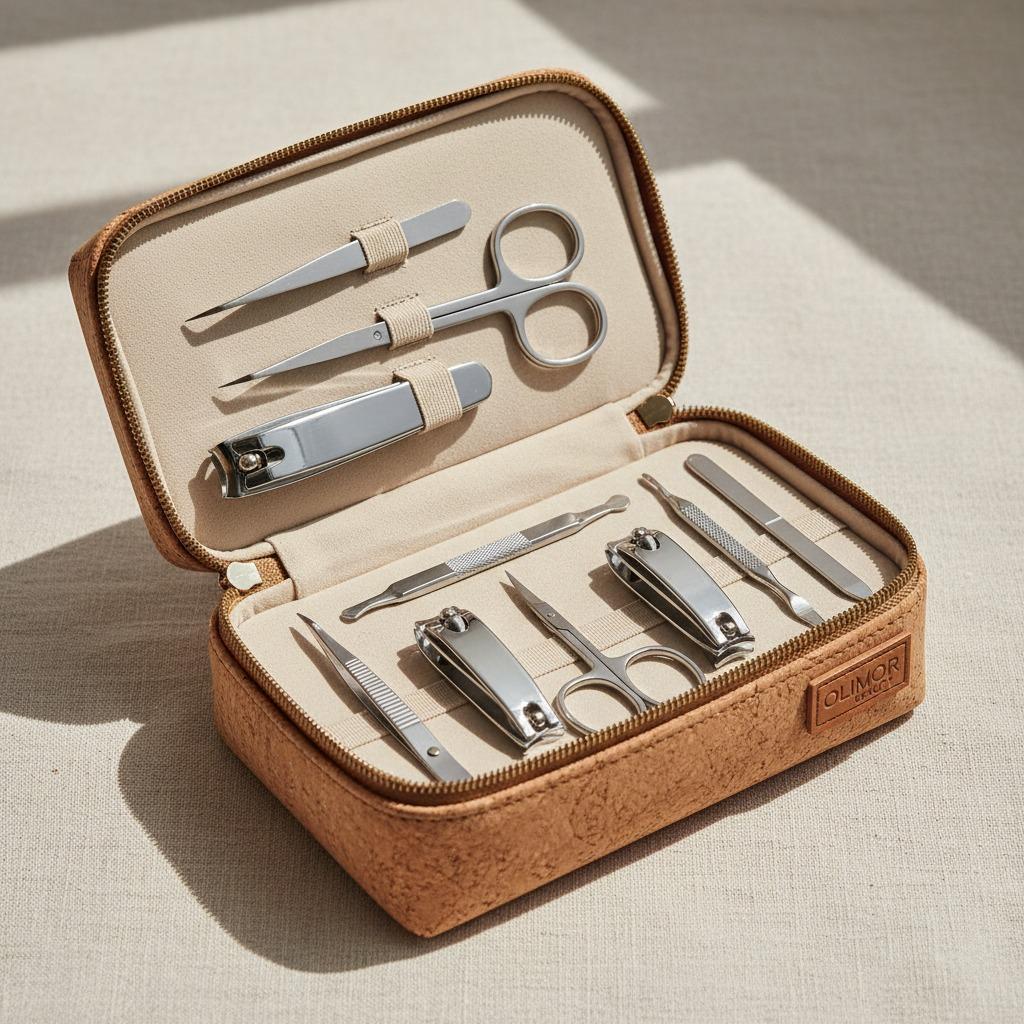











A nail clipper is a small tool, but the difference between an average clipper and a well-made one is easy to feel. A clean cut should not require excessive force, leave ragged edges, or make the hand slip at the moment of trimming. For personal grooming users, salon buyers, travel kit brands, and beauty tool distributors, the best nail clipper is one that combines cutting accuracy, durable materials, comfortable handling, and consistent finishing.
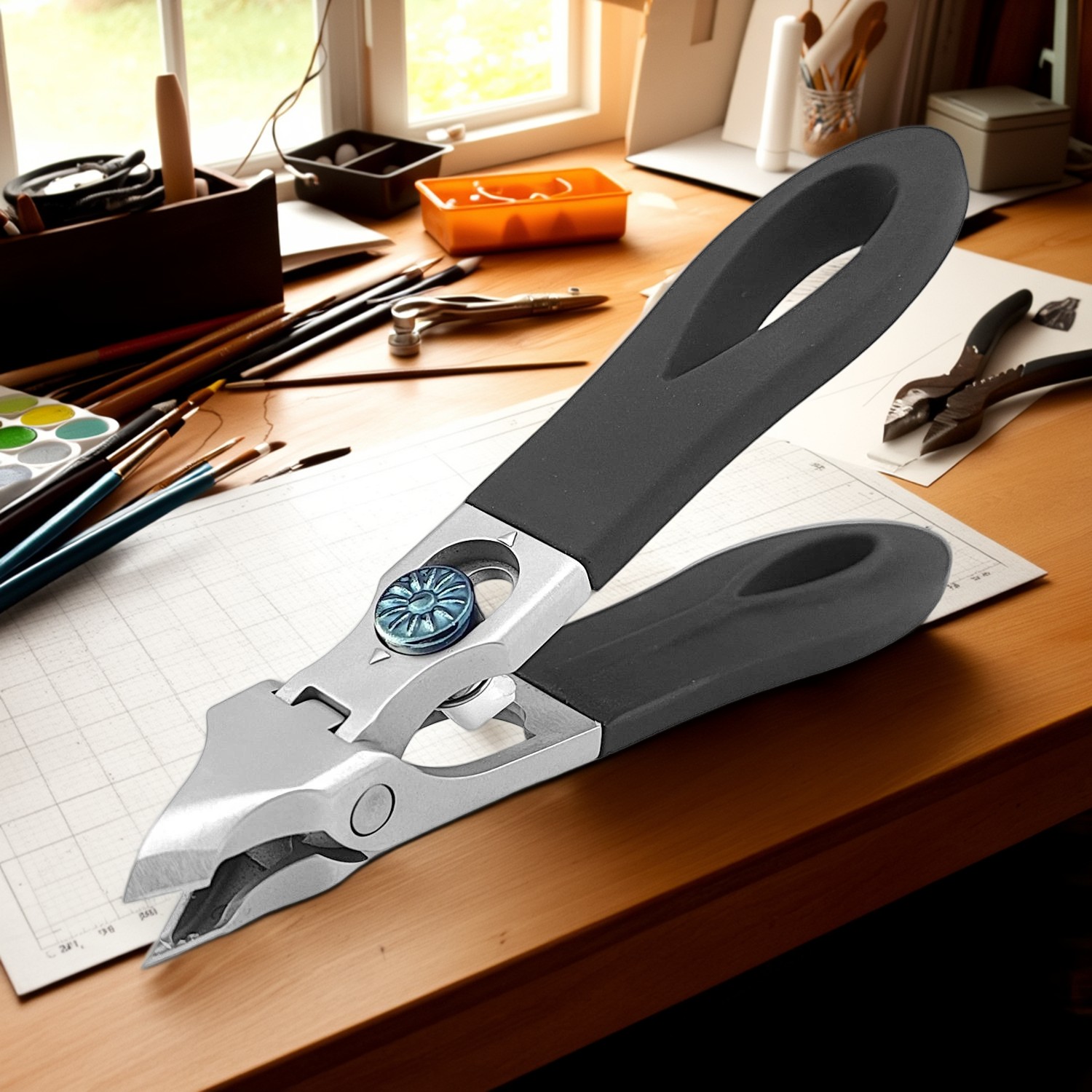
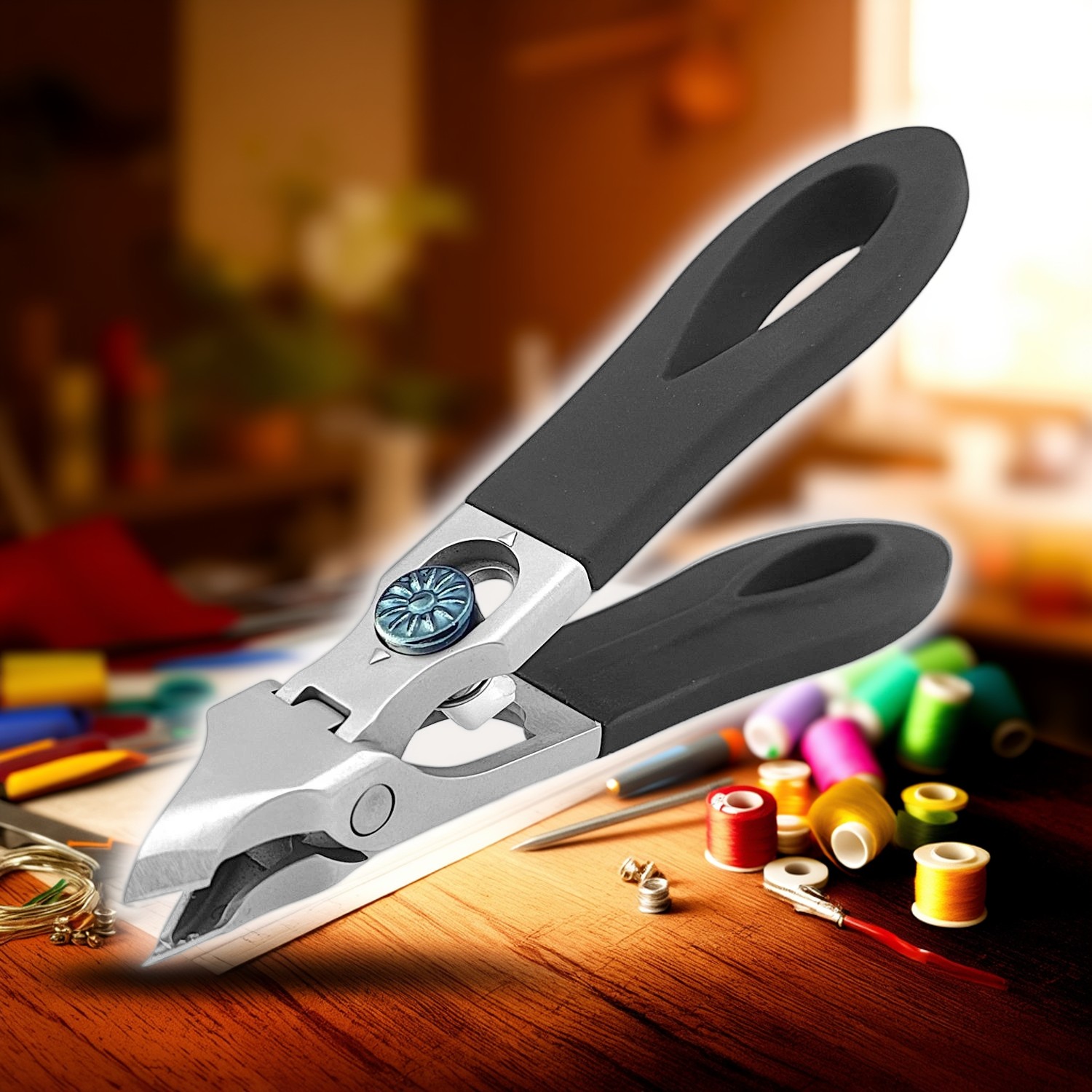
Olimor Beauty focuses on beauty tools that support practical daily grooming while still looking refined. The nail clipper described here is designed around several useful details: stainless steel blades, a sharp angled cutting edge, an ergonomic handle wrapped in matte black rubber, and a bold metallic-blue center joint. These features matter because nail trimming is a repetitive, detail-focused task where control is more valuable than decoration.
What Makes a Nail Clipper Worth Choosing?
The best nail clipper is not simply the sharpest one. Sharpness matters, but it must be paired with stability, blade alignment, leverage, and a grip that feels secure when fingers are dry, damp, or freshly washed. A good clipper should cut smoothly through the free edge of the nail without bending it downward. It should also allow the user to trim in small, controlled sections rather than forcing one heavy cut across the whole nail.
For many users, the most noticeable difference is the edge quality after trimming. A cleaner cut reduces the amount of filing needed and helps avoid tearing, splitting, or uneven corners. For professional use, consistency is even more important: a tool that feels predictable from one customer to the next saves time and reduces hand fatigue during repeated service.
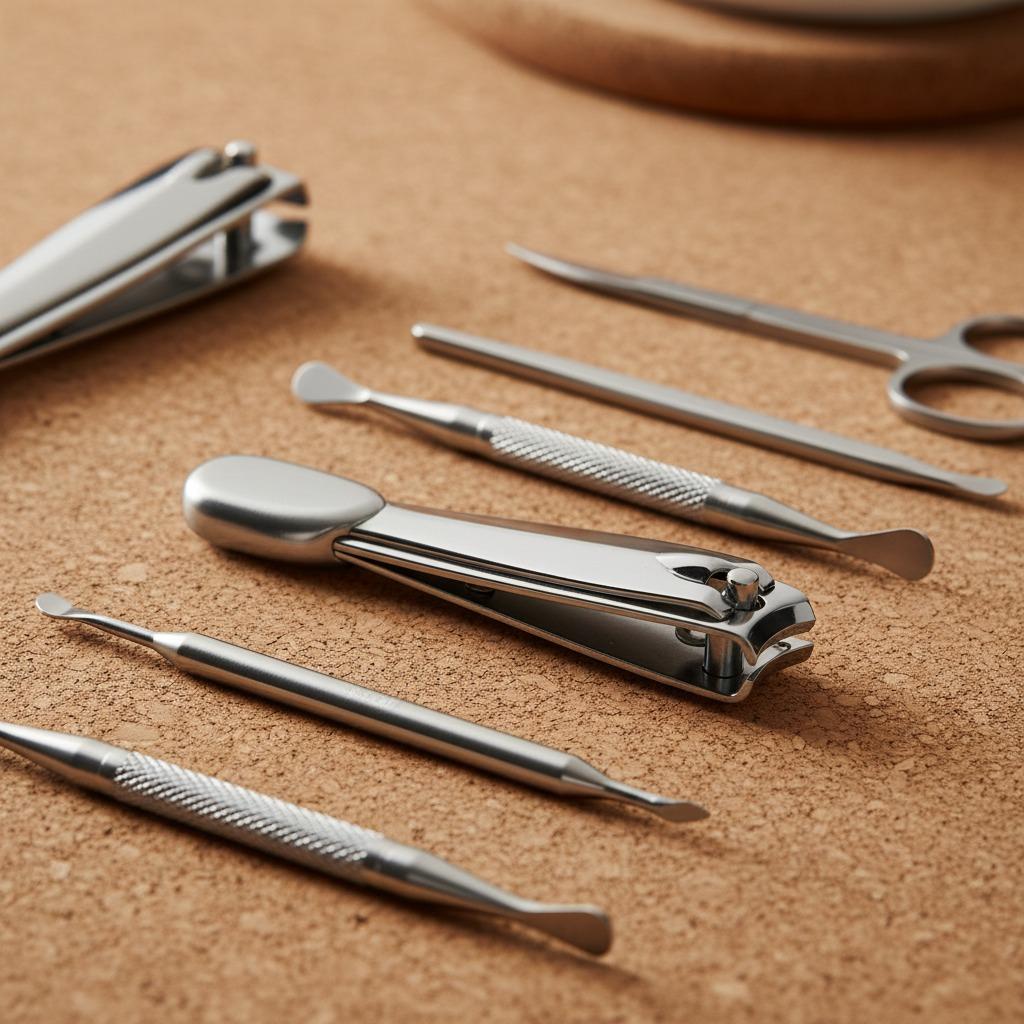
Buyers comparing beauty tool products should look beyond appearance alone. A polished or colored component can make a clipper attractive, but the functional elements determine whether customers will keep using it. The joint should move smoothly, the lever should offer adequate pressure, and the cutting edges should meet evenly.
Key Features to Check Before Buying
Olimor Beauty’s nail clipper design highlights several criteria that are especially useful when evaluating a precision nail clipper for daily grooming or professional kits. Use the checklist below when comparing samples, sourcing options, or retail-ready grooming tools.
- Blade material: Stainless steel blades are preferred for nail tools because they support durability and easy cleaning. The supplied design specifies high-grade stainless steel blades.
- Cutting edge shape: A sharp, angled edge helps guide the cut more accurately, especially around corners and shorter nails.
- Grip security: A matte black rubber-wrapped handle can improve comfort and reduce slipping during use.
- Leverage and joint control: The center joint affects how smoothly pressure transfers from the lever to the cutting edge. The metallic-blue center joint on this clipper also adds a visible design accent.
- Finishing quality: Edges should feel smooth to the touch, with no rough burrs where the fingers rest.
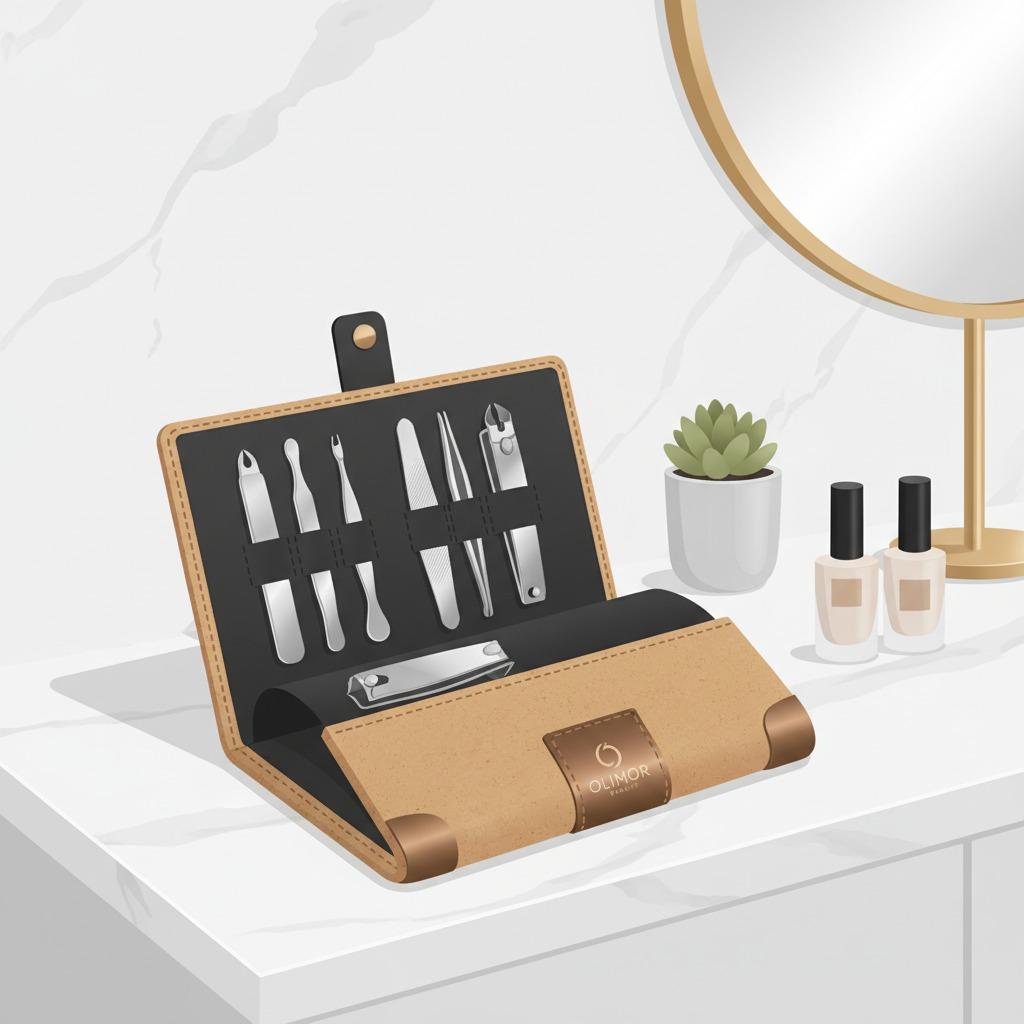
- Portability: A compact clipper should store easily in a grooming pouch, travel case, salon drawer, or retail kit without exposing sharp edges unnecessarily.
Why Stainless Steel Blades and an Angled Edge Matter
Nails vary widely in thickness, curvature, and flexibility. Fingernails are usually thinner and easier to trim, while toenails may need more pressure and better control. Stainless steel blades help provide the rigid cutting surface needed for consistent trimming. When the two cutting edges meet cleanly, the nail is clipped rather than crushed.
The angled edge is also useful because it gives the user a better view of the trimming line. Instead of approaching the nail from a flat, awkward position, the angled edge can make it easier to follow the natural curve of the nail. This is especially helpful for trimming corners in smaller steps. Rather than cutting too deeply, users can make several short clips and then refine the shape with a file.
For brands or distributors, blade geometry is one of the features customers quickly judge. A clipper may look premium in packaging, but if it leaves jagged nail edges, the repeat purchase value drops. When evaluating samples, compare how the clipper performs on different nail thicknesses and whether the blades stay aligned during the cut.
Comfort, Grip, and Control During Repeated Use
The ergonomic handle wrapped in matte black rubber is one of the most practical details of this nail clipper. Nail trimming requires pressure from the thumb and finger, and a slippery lever can make the action feel less precise. Rubber wrapping can improve contact and help the user apply force more steadily.
For at-home grooming, this means less fumbling and better control when trimming the non-dominant hand. For salon and professional use, it may help reduce fatigue during repeated clipping tasks. Comfort should be judged not only by how the clipper feels at first touch, but also by how it performs after multiple trims. A lever that is too narrow, too slick, or too stiff can become tiring quickly.
The visual design is secondary to function, but it still has value. The matte black grip and metallic-blue center joint create a modern appearance that fits well in personal grooming sets or retail beauty tool assortments. For buyers building coordinated product collections, these details can help a small tool feel considered rather than generic.
How to Use a Precision Nail Clipper Safely
Even the best nail clipper performs better when used with careful technique. Cutting too aggressively, especially at the corners, can lead to discomfort or uneven nail shape. A controlled method protects both the tool and the nail.
- Clean and dry the tool: Make sure the clipper is free of residue before use. Dry hands also improve grip.
- Trim in small sections: Avoid trying to remove the full nail edge in one cut. Short clips provide better control.
- Follow the natural nail shape: For fingernails, a gentle curve often looks neat. For toenails, avoid cutting corners too deeply.
- Use the angled edge deliberately: Position the blade so you can see the cutting line before applying pressure.
- Finish with a file if needed: A clipper shapes the nail quickly; a file smooths small edges afterward.
- Clean after trimming: Remove nail debris and wipe the tool dry before storage.
Maintenance Tips for Longer Tool Life
A nail clipper is exposed to moisture, skin oils, and nail dust, so simple maintenance is important. After each use, brush away small clippings from the blade area and wipe the metal surfaces. If the clipper has been washed, dry it thoroughly before closing and storing it. Storing any metal grooming tool while damp can affect appearance and performance over time.
Keep the clipper in a dry pouch, drawer, or case where the cutting edge is protected. Avoid dropping it onto hard floors, as impact can affect blade alignment or joint movement. If the lever begins to feel gritty, inspect the joint area for trapped debris. Do not use the clipper for non-grooming tasks such as cutting wire, plastic tags, or craft materials; those uses can damage the cutting edge and reduce trimming quality.
Buyer Questions for Sourcing Nail Clippers
When sourcing nail clippers for retail, salon supply, gift sets, or private beauty assortments, the sample review process should be structured. The goal is to confirm that the product feels reliable in the hand and performs consistently, not just that it looks attractive in a product photo.
| Evaluation Area | What to Check | Why It Matters |
|---|---|---|
| Cut quality | Test whether the blades create a clean edge without crushing or tearing. | Customers judge a clipper primarily by the finish it leaves on the nail. |
| Blade alignment | Look at how evenly the two cutting edges meet when closed. | Poor alignment can cause uneven trimming and extra pressure. |
| Handle comfort | Hold and press the lever repeatedly to check grip and hand feel. | Comfort affects both home users and professionals using the tool often. |
| Surface finishing | Inspect edges, corners, and contact points for roughness. | Smooth finishing improves perceived quality and user safety. |
| Packaging readiness | Review how the clipper will be protected, displayed, and labeled. | Good packaging supports retail presentation and protects the tool in transit. |
Olimor Beauty’s Approach to Practical Grooming Tools
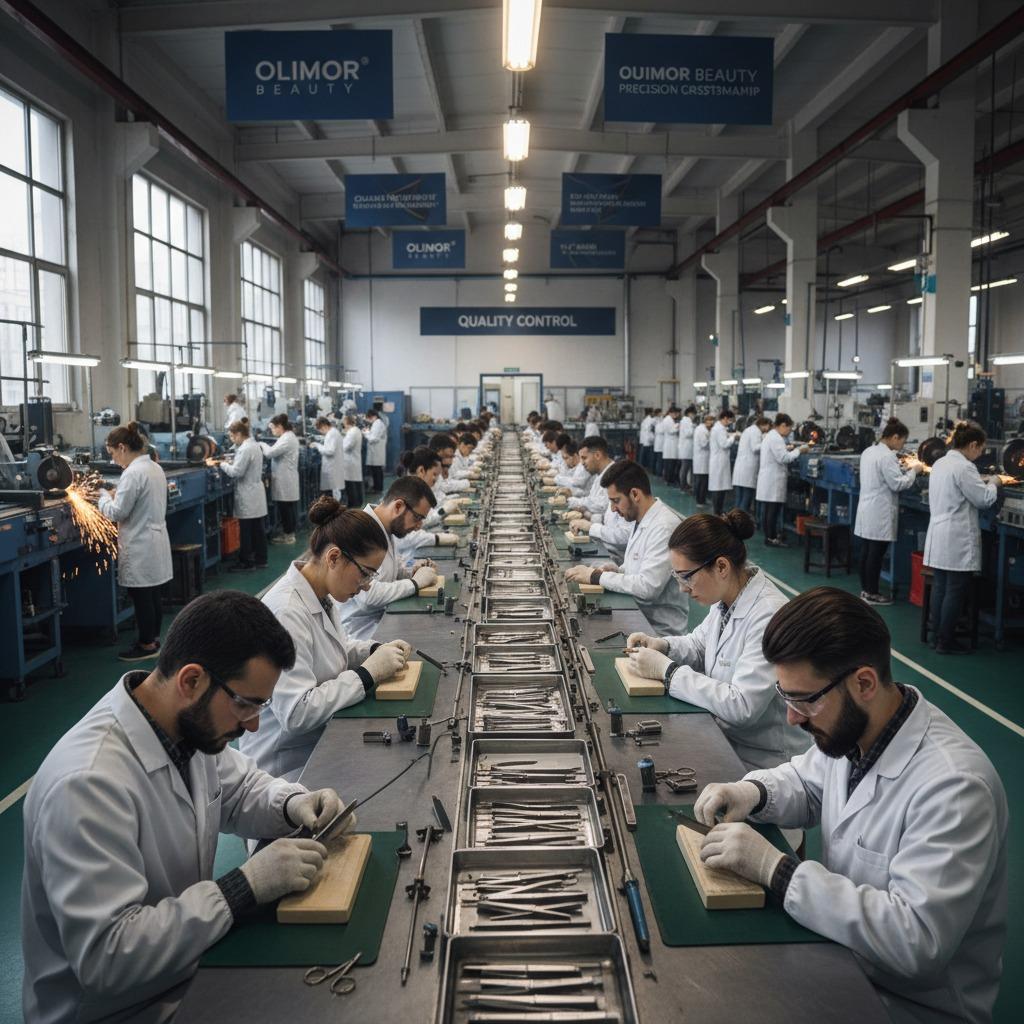
Olimor Beauty emphasizes precision, durability, and refined design in beauty tools. For this nail clipper, the functional story is clear: stainless steel blades support clean trimming, the angled cutting edge improves control, the rubber-wrapped handle improves grip, and the metallic-blue center joint adds a distinctive finish. Quality control from raw materials to final packaging is also an important part of delivering a consistent grooming tool.
If you are selecting nail clippers for personal use, focus on how the tool cuts, how it feels in your hand, and whether it is easy to clean and store. If you are purchasing for a product line or wholesale program, compare samples with a checklist that covers cutting performance, lever comfort, finishing, and packaging requirements.
To explore suitable grooming tools or discuss sourcing needs, browse Olimor Beauty’s beauty tool products or send an inquiry with your target use, preferred tool type, and packaging expectations. A well-chosen nail clipper is a small product, but it can strongly influence how customers judge the quality of an entire grooming set.