










Choosing the best cuticle nipper is not only about finding a sharp nail tool. It is about control, hygiene, comfort and the ability to remove small pieces of excess cuticle or hangnail without damaging the surrounding skin. A quality nipper can make a manicure cleaner and more comfortable, while a poorly chosen tool can pull, crush or tear delicate skin around the nail.
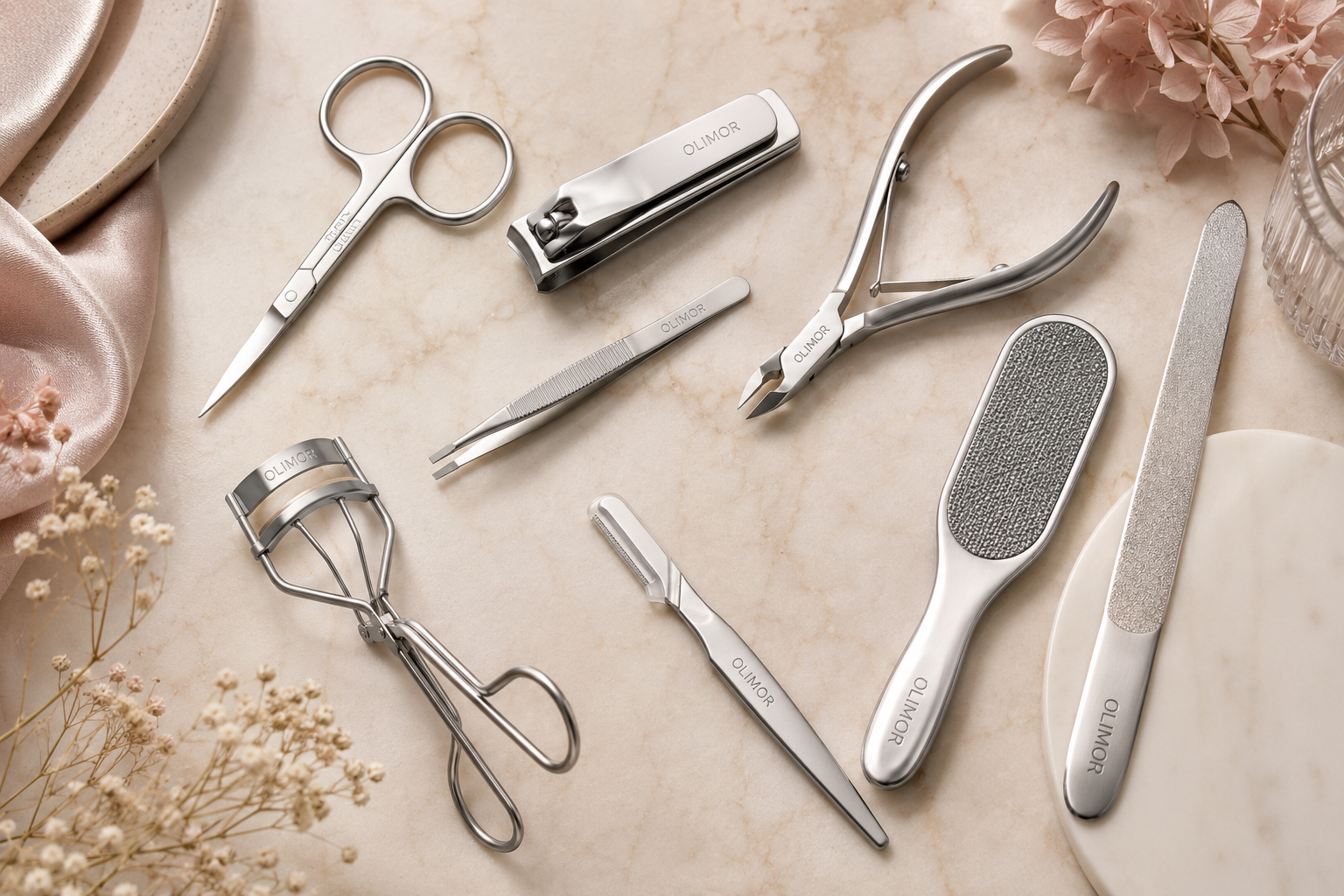
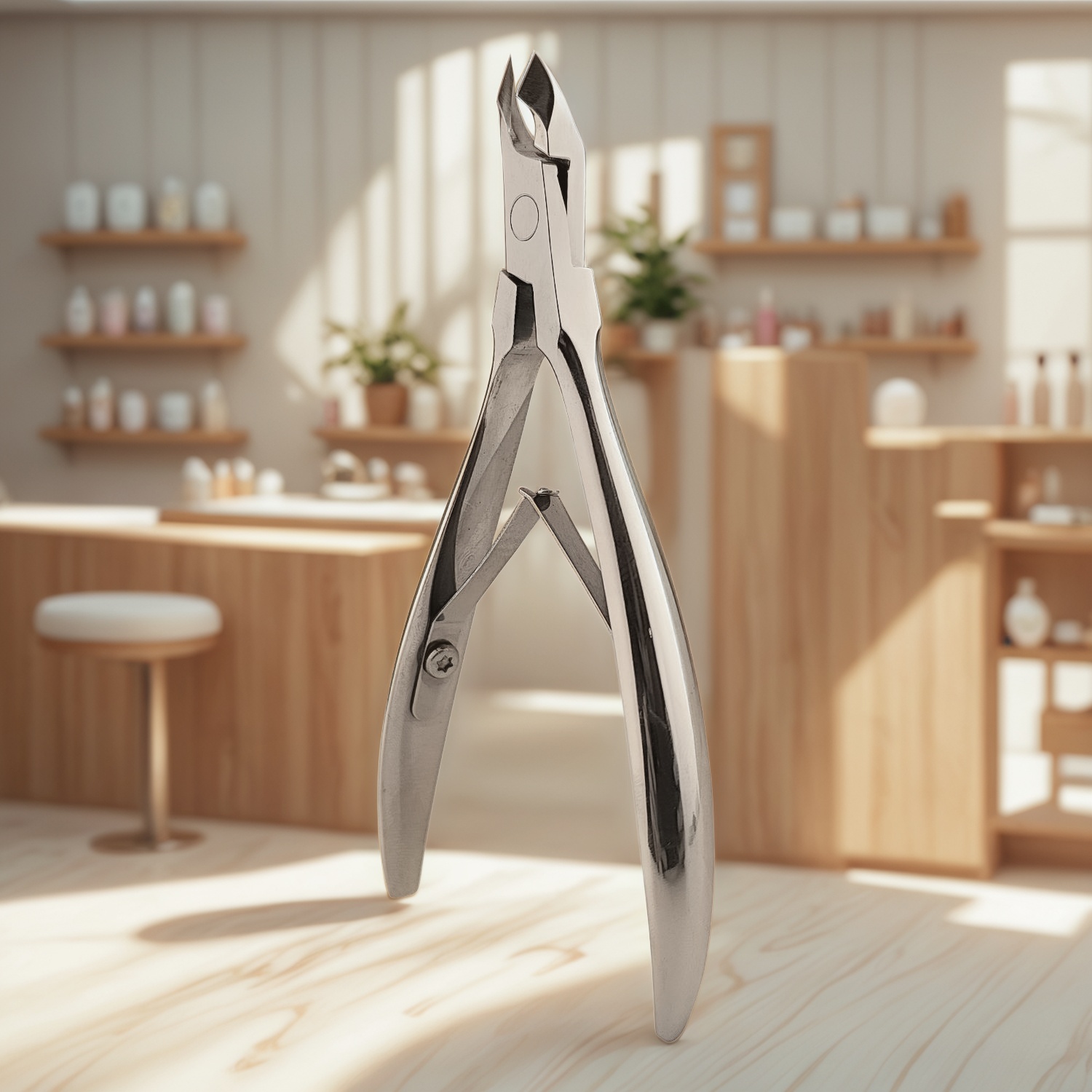
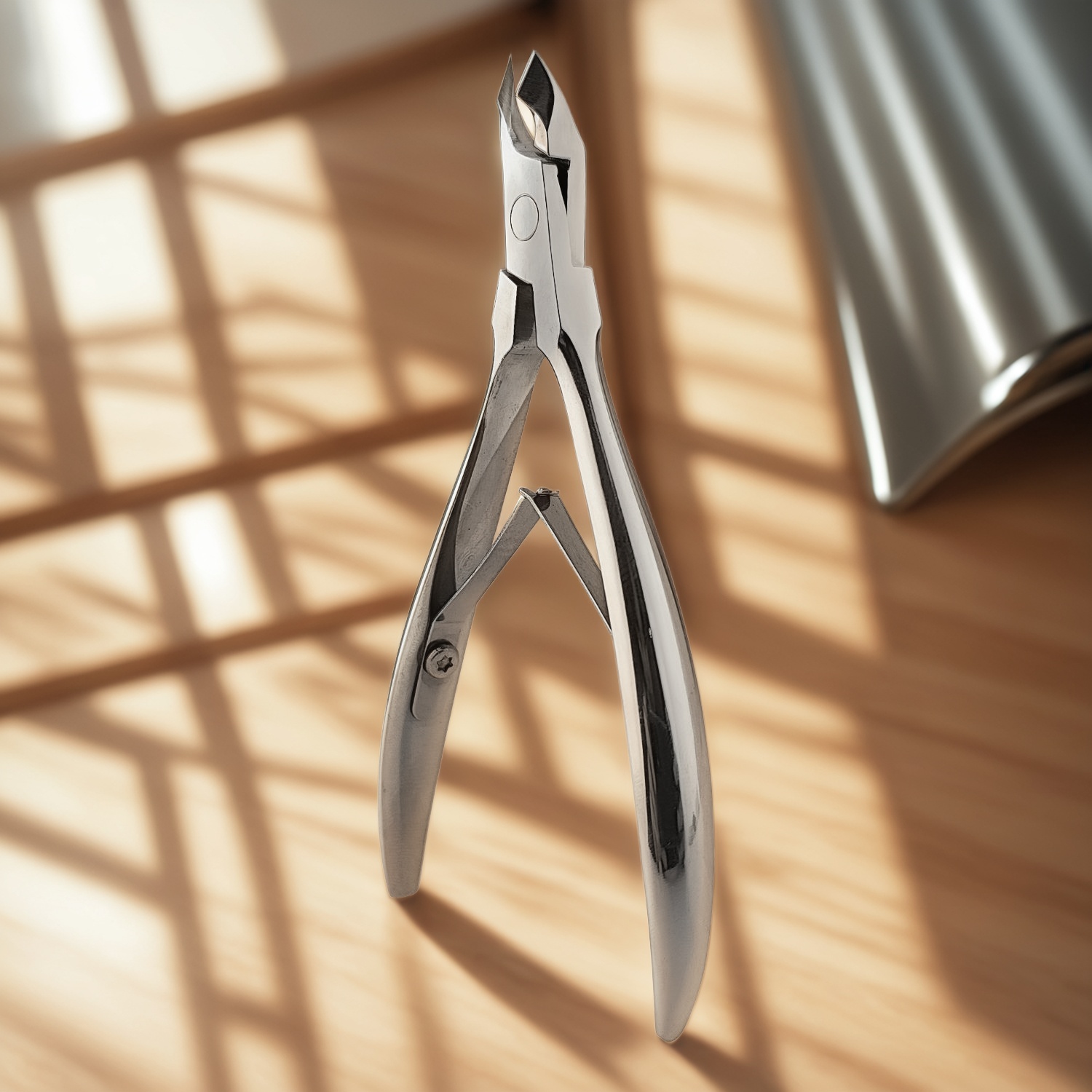
For salons, nail technicians, beauty retailers and careful home users, the cuticle nipper is one of the most detail-focused tools in a manicure set. Olimor Beauty’s Professional Stainless Steel Cuticle Nipper is designed around the practical needs of precision nail care: stainless steel construction, a polished finish, ergonomic handles, a smooth double spring mechanism and sharp angled blades for controlled trimming.
What Makes a Cuticle Nipper Worth Buying?
A cuticle nipper works in a much smaller area than a nail clipper. The tips need to meet cleanly, the hand position needs to feel stable, and the spring must reopen the handles smoothly so the user can work in small, controlled movements. The best cuticle nipper should feel precise before it ever touches the nail.
Stainless steel is a practical choice for this category because cuticle tools are frequently cleaned, exposed to moisture and handled repeatedly. The stainless steel construction of the Olimor Beauty cuticle nipper supports durability and rust resistance, which are essential qualities for both personal grooming kits and professional manicure stations.
The polished finish is also useful beyond appearance. A smooth surface is easier to wipe clean, and it gives the tool a neat presentation for retail packaging, salon tool trays or personal storage. For buyers comparing beauty tool products, these details help separate a simple low-cost accessory from a tool intended for repeated, careful use.
Key Features of the Olimor Beauty Stainless Steel Cuticle Nipper
The Professional Stainless Steel Cuticle Nipper from Olimor Beauty focuses on the details that matter during cuticle work. Instead of relying on broad claims, evaluate the tool by how each feature supports safer and cleaner trimming.
- Stainless steel body: Built for durability and resistance to rust in normal grooming and salon-care conditions.
- Ergonomic handles: Designed to support a comfortable, secure grip during small trimming movements.
- Double spring mechanism: Helps the handles reopen smoothly after each cut, reducing the need for extra hand effort.
- Sharp angled blades: Allow more accurate access to tiny cuticles and hangnails than wider, blunt grooming tools.
- Polished finish: Gives the nipper a clean, professional appearance and a smooth surface for routine wiping and care.
These features are especially relevant for users who want repeatable results. When the handles feel stable and the blades are aligned, the user can trim only what needs to be removed instead of cutting too much skin. That distinction is important for comfort, appearance and safety.
How to Use a Cuticle Nipper Safely
A cuticle nipper is meant for removing excess non-living cuticle and small hangnails, not for aggressive cutting of healthy skin. The safest manicures begin with preparation. Working on dry, tight cuticles can lead to pulling, while softened cuticles are easier to assess and trim lightly.
- Clean the hands and nails. Wash thoroughly and remove any old polish if needed so the nail edge and cuticle area are visible.
- Soften the cuticle area. Warm water or a cuticle-softening step can make the area easier to manage.
- Gently push back the cuticle. Use a suitable cuticle pusher before trimming. This makes it easier to identify loose excess skin.
- Trim only small loose pieces. Hold the nipper securely and use short, careful cuts. Do not pull the skin with the blade.
- Stop if the skin feels tender. Redness, pain or bleeding means the trimming has gone too far or the area needs rest.
- Clean the tool after use. Wipe the blades and handle area before storing the nipper in a dry place.
For beginners, it is better to make fewer cuts than too many. A neat result comes from patience and visibility, not force. The angled blade design is helpful because it allows the user to approach small areas with more control, but the user still needs a steady hand and good lighting.
Professional Salon Use Versus Home Manicure Use
The same cuticle nipper can serve different users, but the buying criteria may shift depending on the setting. A home user may focus on comfort, ease of control and safe storage. A salon or beauty business may also consider cleaning workflow, repeated use, staff preferences and consistency across multiple workstations.
| Use Case | What to Prioritize | Why It Matters |
|---|---|---|
| Personal manicure kit | Comfortable grip, sharp tips, easy cleaning | Supports controlled trimming without complicated maintenance |
| Salon workstation | Durable stainless steel, smooth spring action, consistent blade alignment | Helps technicians work efficiently during repeated manicure services |
| Retail beauty set | Polished finish, practical design, clear product positioning | Makes the tool easier to present as part of a nail care assortment |
| Wholesale sourcing | Material, finish, mechanism, packaging options and quality checks | Supports a more reliable purchasing decision before adding to a catalog |
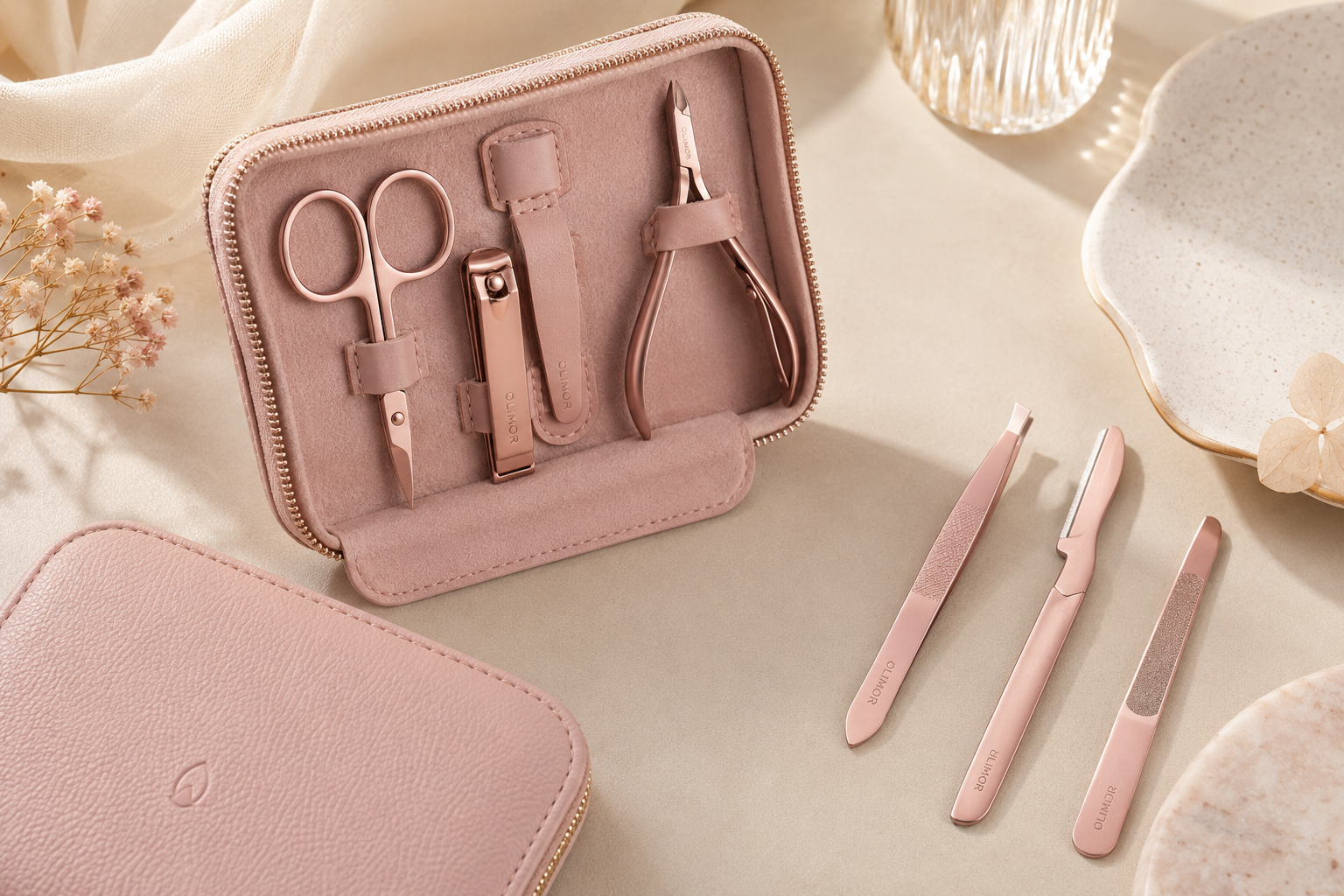
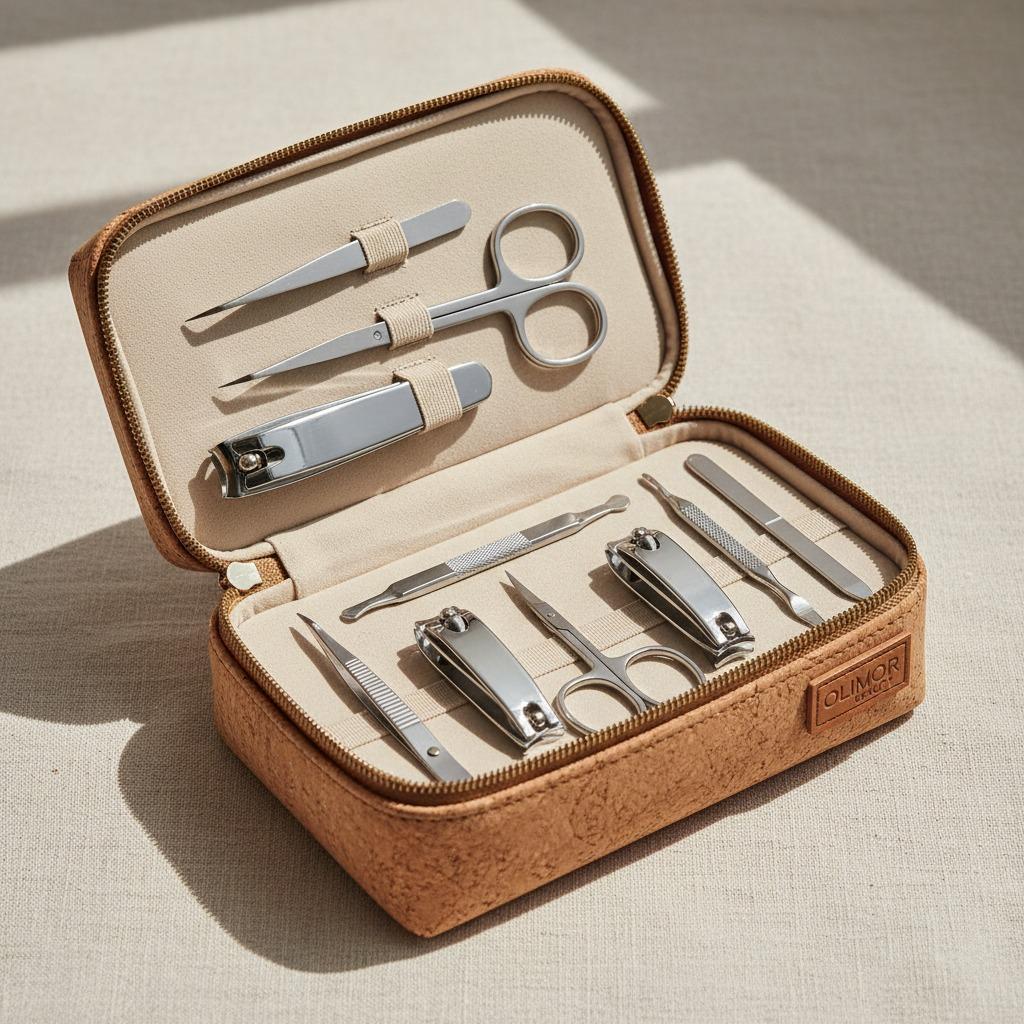
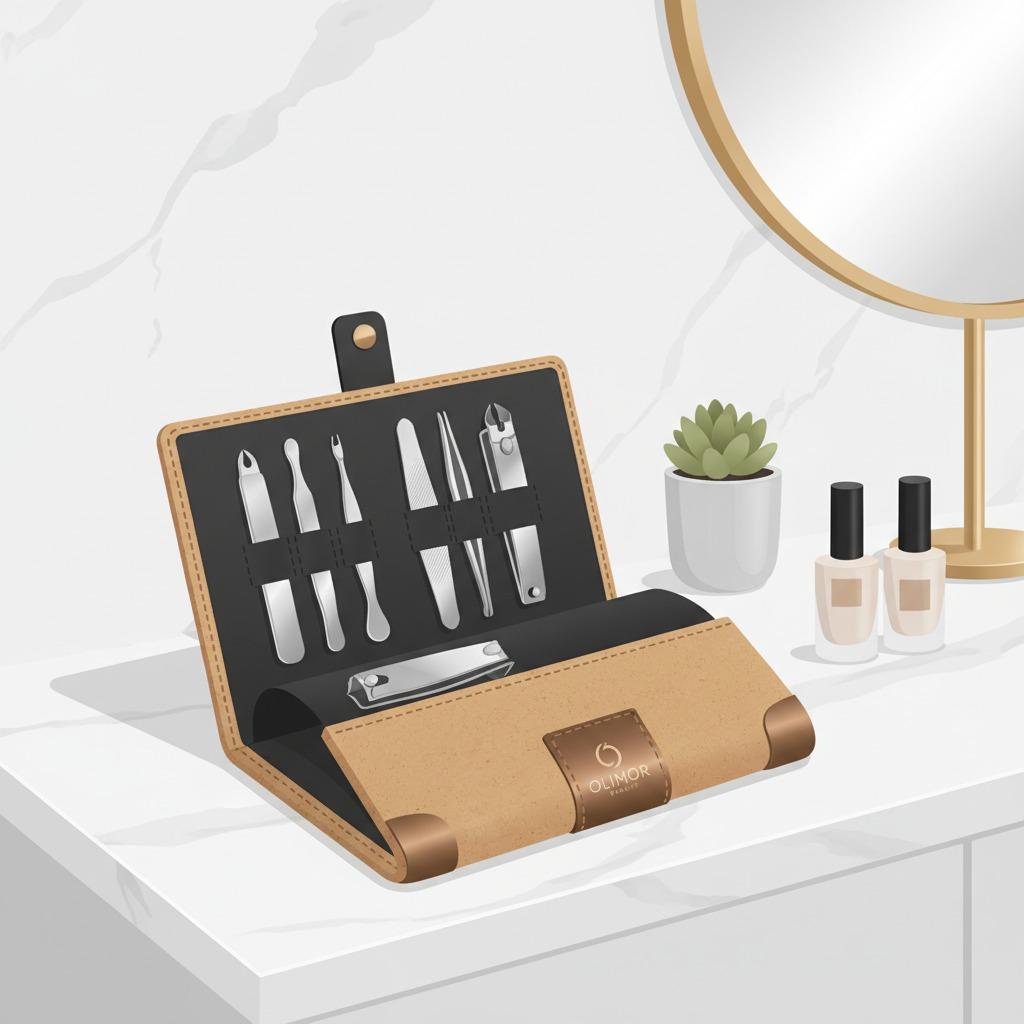
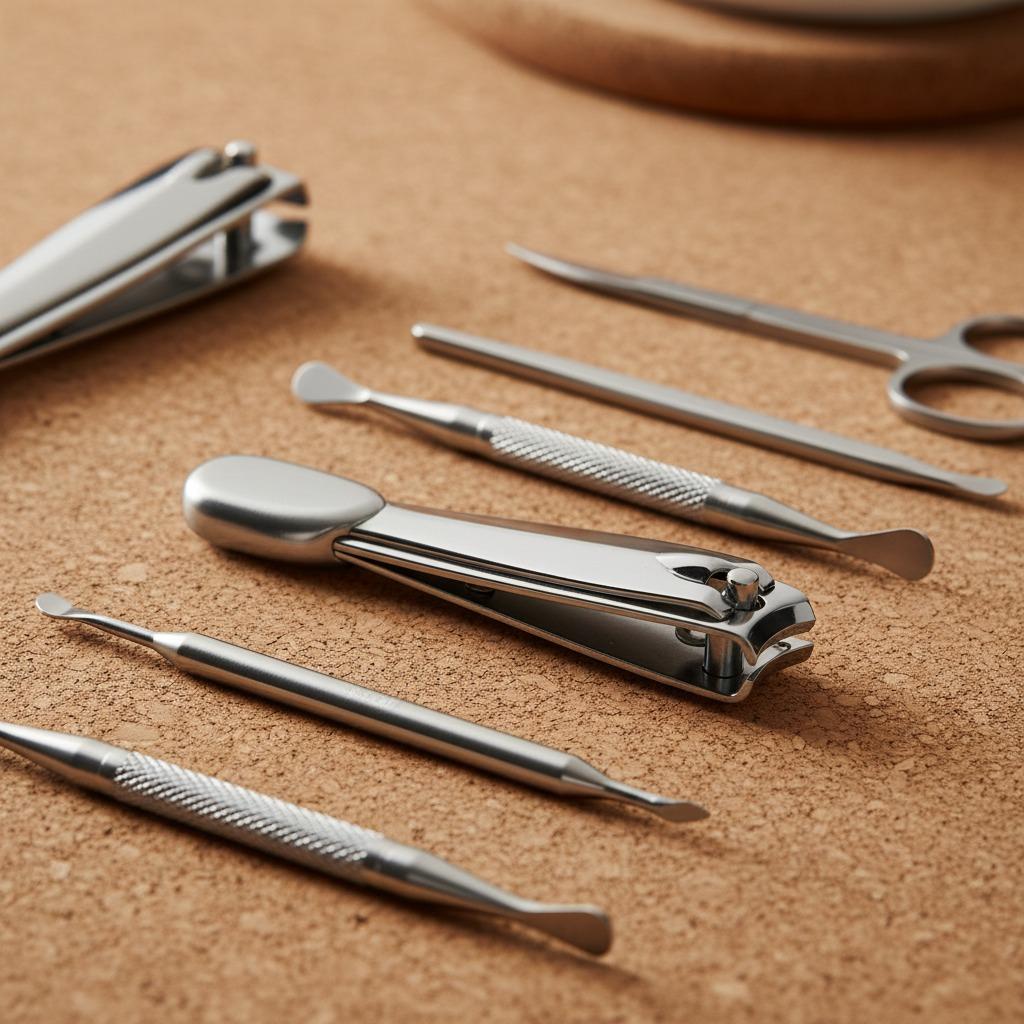
If you are building a broader nail-care range, it can help to compare the nipper with other product collections so the final assortment feels coherent. A cuticle nipper pairs naturally with nail clippers, cuticle pushers, files and grooming kits, but it should still stand on its own as a precision tool.
Selection Criteria for Beauty Buyers and Distributors
For business buyers, the best cuticle nipper is the one that matches your market position and customer expectations. A low-price impulse item, a salon-oriented nail tool and a premium grooming accessory may all look similar online, but the decision criteria are not identical.
Start with the functional details. Check whether the handles feel secure in the hand and whether the spring response is smooth rather than stiff or loose. Inspect how the blade tips meet when closed. They should align cleanly enough to cut fine cuticle edges without needing excessive pressure. The angled blade should provide visibility and access without feeling difficult to control.
Next, consider finish and presentation. A polished stainless steel nipper has a clean look that suits salon counters and retail displays. For private-label, wholesale or beauty-tool assortment planning, also review how the tool will be packaged, stored and explained to the end user. Clear usage guidance can reduce misuse and improve customer satisfaction.
Because product requirements vary by market, it is useful to prepare a checklist before comparing options:
- Target user: salon technician, beauty retailer, distributor, gift set buyer or home manicure customer
- Preferred handle feel: compact, firm, lightweight or broader grip
- Blade expectation: fine tip access, clean closure and controlled cutting edge
- Cleaning routine: wipe-down needs, dry storage and salon hygiene workflow
- Packaging role: individual tool, manicure kit component or retail display item
- Branding needs: neutral presentation, custom packaging discussion or assortment matching
For sourcing discussions, buyers can send an inquiry with intended use, order planning and packaging needs. Providing this context makes it easier to match the cuticle nipper to the right sales channel without relying on vague product descriptions.
Care and Maintenance for Longer Tool Life
Even a well-made stainless steel cuticle nipper needs proper care. The blades are designed for precision, so they should not be used on hard nails, wires, packaging or other materials. Misuse can affect alignment, dull the cutting edge or damage the spring action.
After each use, remove residue from the blades and handle area. Dry the tool before storage, especially if it has been washed or used in a humid environment. Store it where the tips are protected from impact. Dropping a nipper or leaving it loose in a crowded drawer can affect blade alignment and reduce cutting accuracy.
In a salon environment, follow the hygiene procedures required for your location and service type. Keep tools organized so clean and used instruments are not mixed. For personal use, avoid sharing cuticle nippers unless they have been properly cleaned, because the tool works close to delicate skin.
When to Replace a Cuticle Nipper
A cuticle nipper should cut cleanly with light pressure. If it begins to tug, crush or leave uneven edges, it may be dull, misaligned or damaged. A sticky spring, loose handle action or visibly uneven blade tips are also signs that the tool may no longer be suitable for precise cuticle work.
Replacement timing depends on frequency of use, care habits and handling. Salon tools that are used throughout the day may need closer monitoring than a personal manicure tool used occasionally. Rather than following a fixed timeline, judge the tool by performance: clean closure, smooth reopening, comfortable grip and precise trimming.
A Practical Choice for Detail-Focused Nail Care
The Olimor Beauty Professional Stainless Steel Cuticle Nipper is designed for users who value controlled trimming, durable stainless steel construction and a comfortable hand feel. Its ergonomic handles, smooth double spring mechanism and sharp angled blades make it suitable for precise cuticle and hangnail work when used with proper technique.
Whether you are selecting a tool for personal grooming, salon use or beauty product sourcing, focus on the details that affect real manicure performance: blade alignment, handle comfort, spring response, finish quality and maintenance needs. To discuss product options or sourcing requirements, you can contact Olimor for support.