










For beauty retailers, salon distributors, nail brands and private-label buyers, China remains one of the most important sourcing markets for manicure tools and related beauty accessories. The appeal is not only product variety. Buyers also look to Chinese manufacturers for custom packaging, brand-ready assortments, flexible product development and wholesale options that can support both small specialist ranges and broader retail programs.
When the purchasing brief includes vegan manicure tools or custom beauty tools, the decision becomes more detailed than simply comparing unit prices. A buyer has to consider materials, adhesives, surface finishes, packaging components, product claims, inspection criteria and how the final product will be presented to consumers. A supplier such as Olimor Beauty can be considered within that wider sourcing landscape by buyers who need manicure and beauty tools aligned with brand, retail or salon requirements.
What Buyers Mean by Vegan Manicure Tools
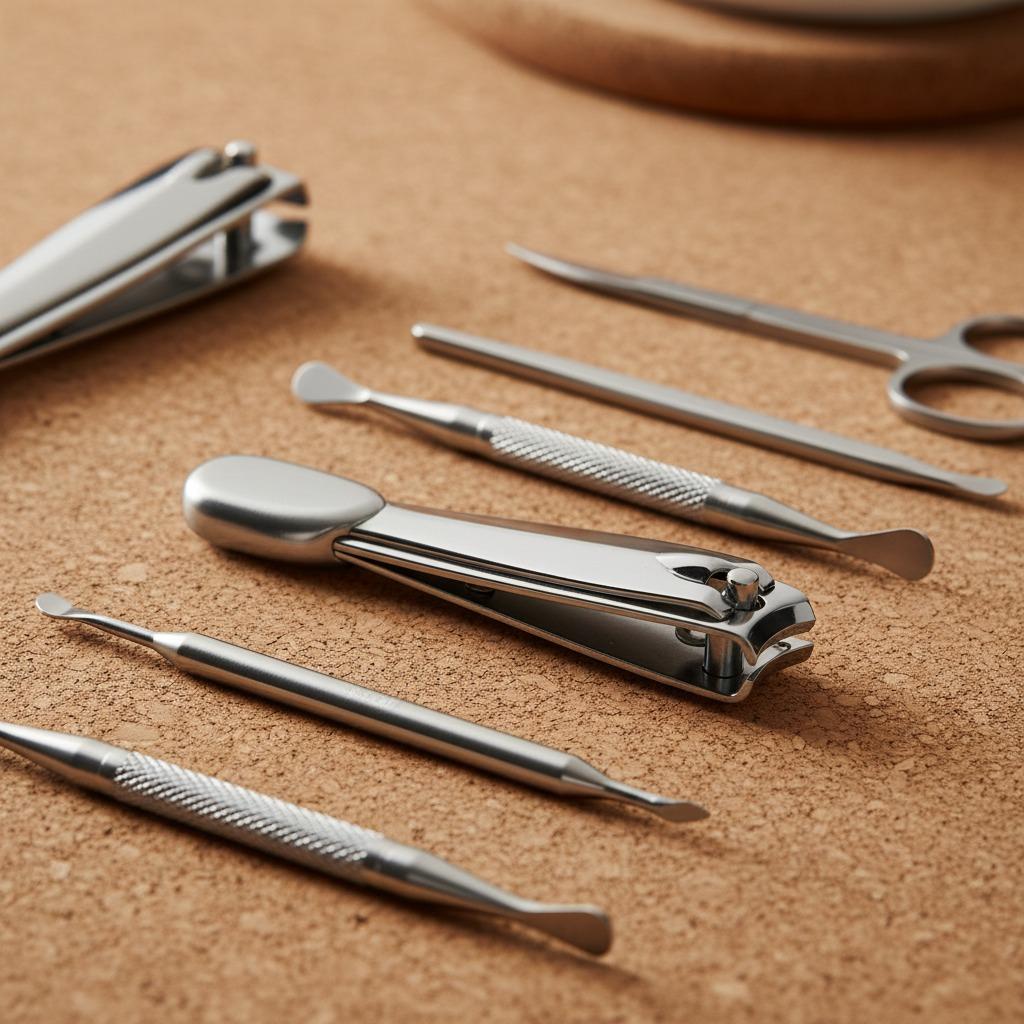
In beauty tool sourcing, “vegan” usually refers to avoiding animal-derived components in the finished item and, where relevant, in related consumables or packaging choices. For manicure tools, this may involve checking handle materials, brush fibers, buffers, storage cases, pouches, packaging trims and adhesives. A metal nail tool may seem straightforward, but a complete retail set can include multiple parts that need review before a vegan claim is used on packaging or ecommerce pages.
Because the word “vegan” can be interpreted differently across markets, buyers should define the claim before requesting quotes. A salon supply brand may only need a simple animal-free material position, while a cosmetics retailer may require more structured documentation to support merchandising language. The clearest approach is to create a component checklist that covers the tool itself, accessories and presentation materials.
- Tool body: confirm the main material and any coating, grip or decorative surface.
- Brush or soft components: verify whether fibers, pads or buffers use synthetic rather than animal-derived materials.
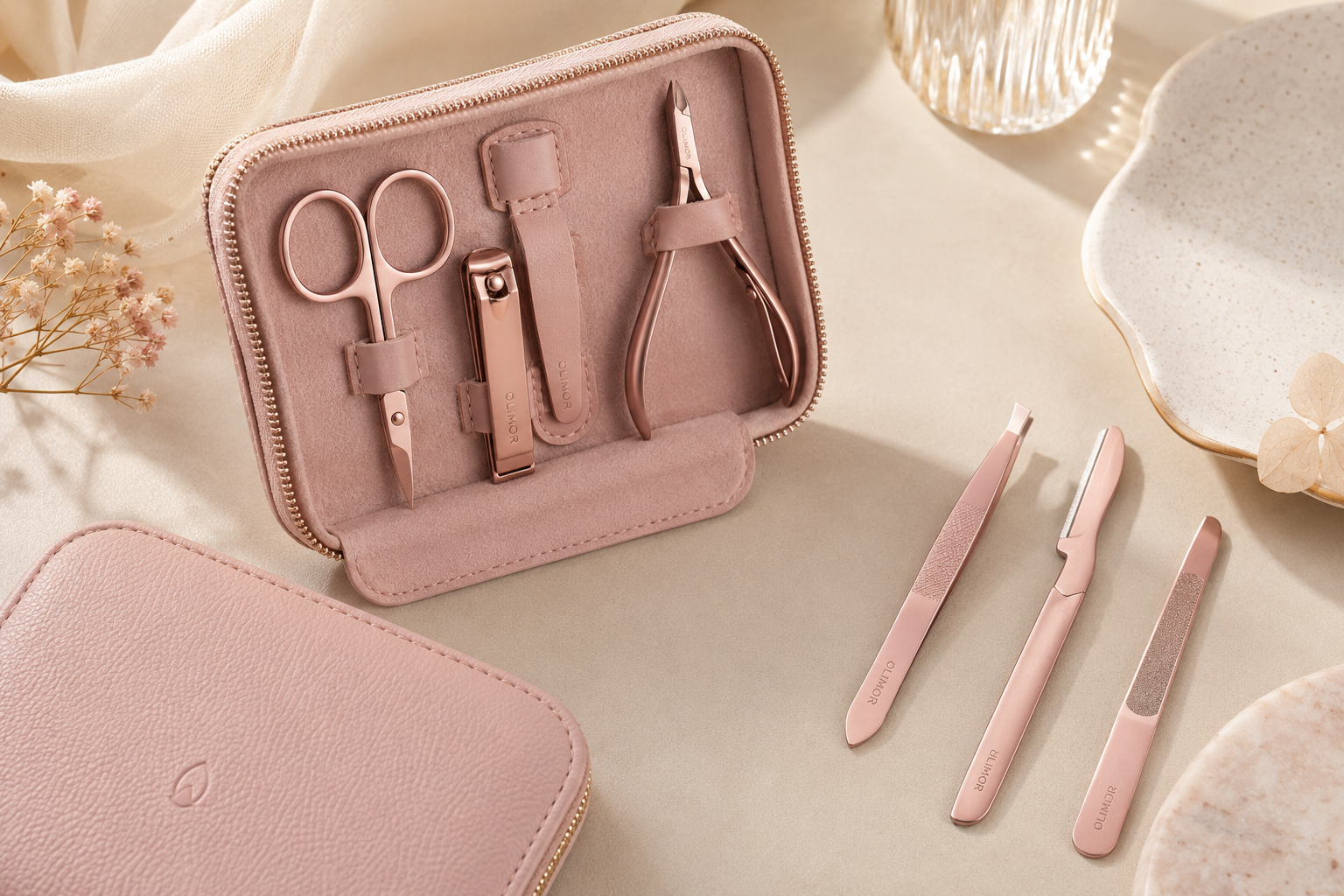
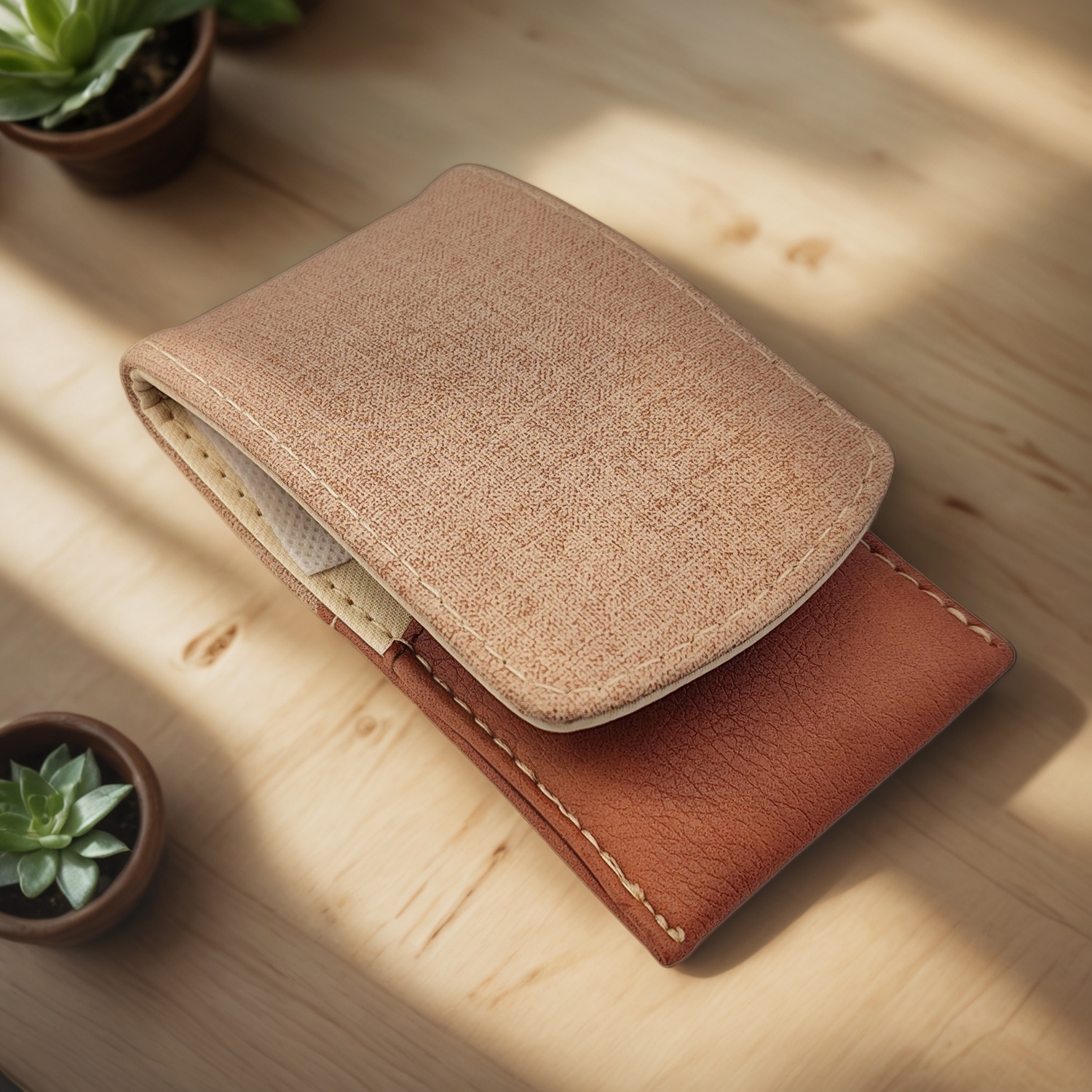
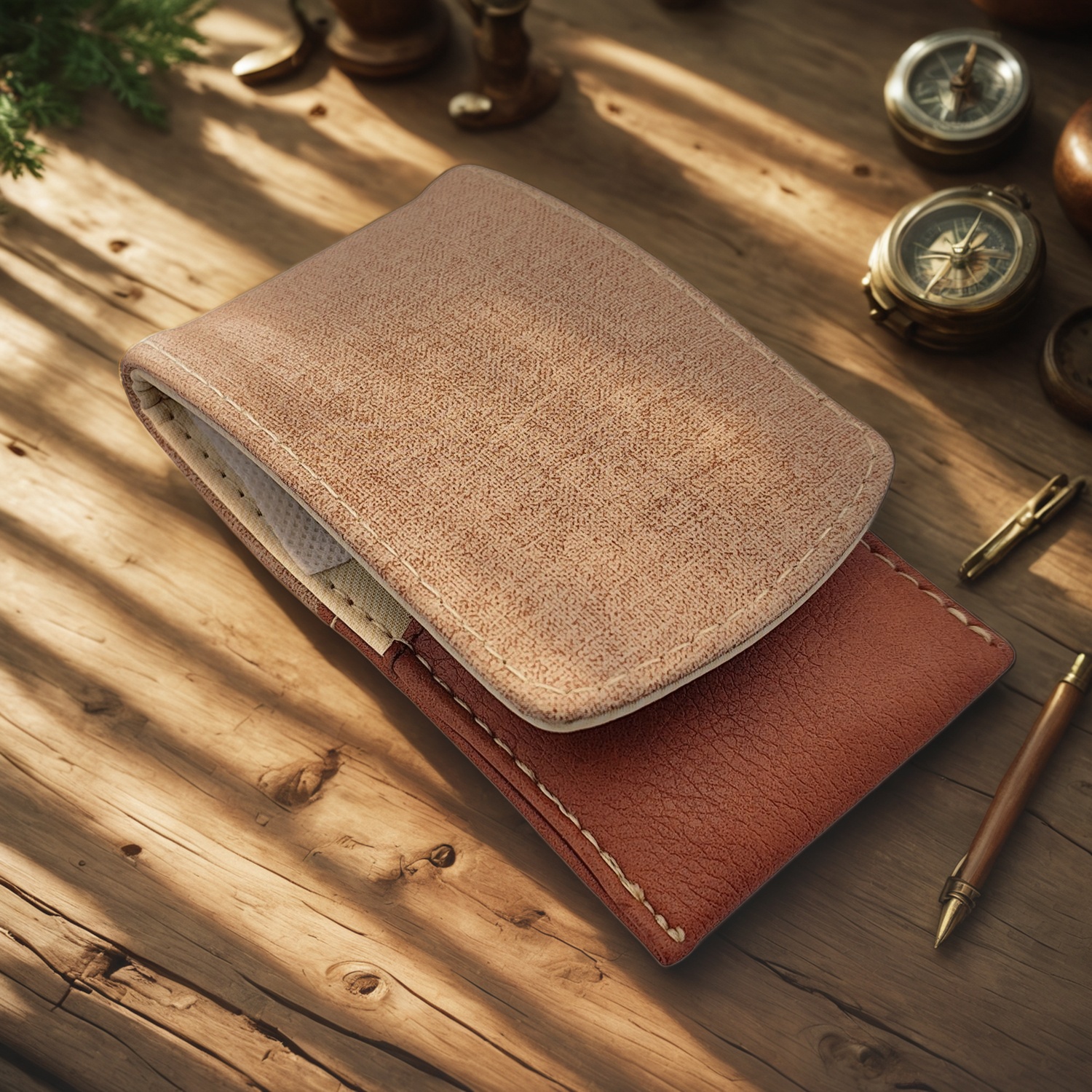
- Cases and pouches: avoid leather, suede or animal-based trims unless clearly replaced with synthetic alternatives.
- Packaging: review paper coatings, ribbons, inserts, glues and labels when making vegan-positioned retail claims.
- Marketing wording: use claims that match the level of evidence available for the product and packaging.
Why China Is a Strong Sourcing Base for Beauty Tools
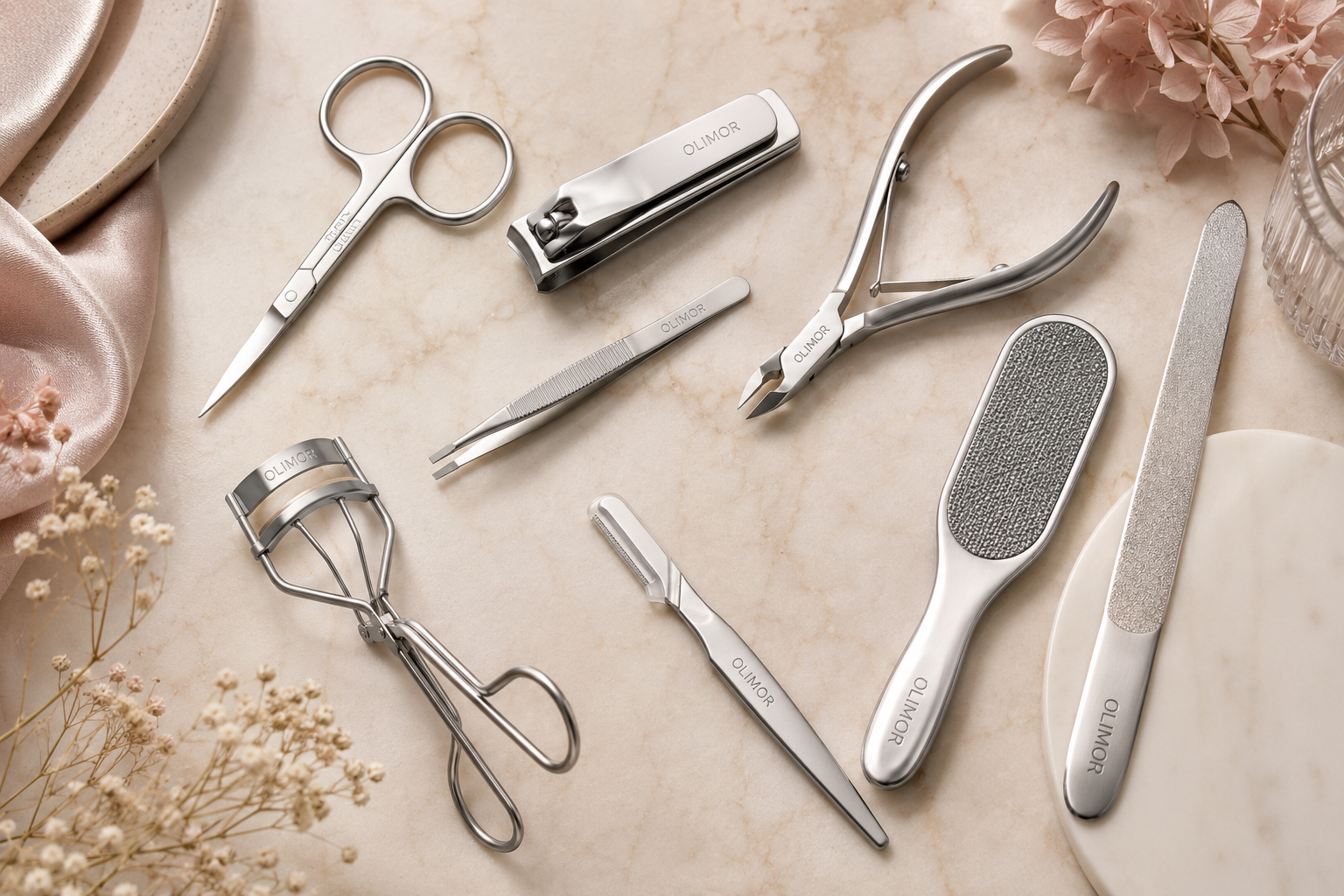
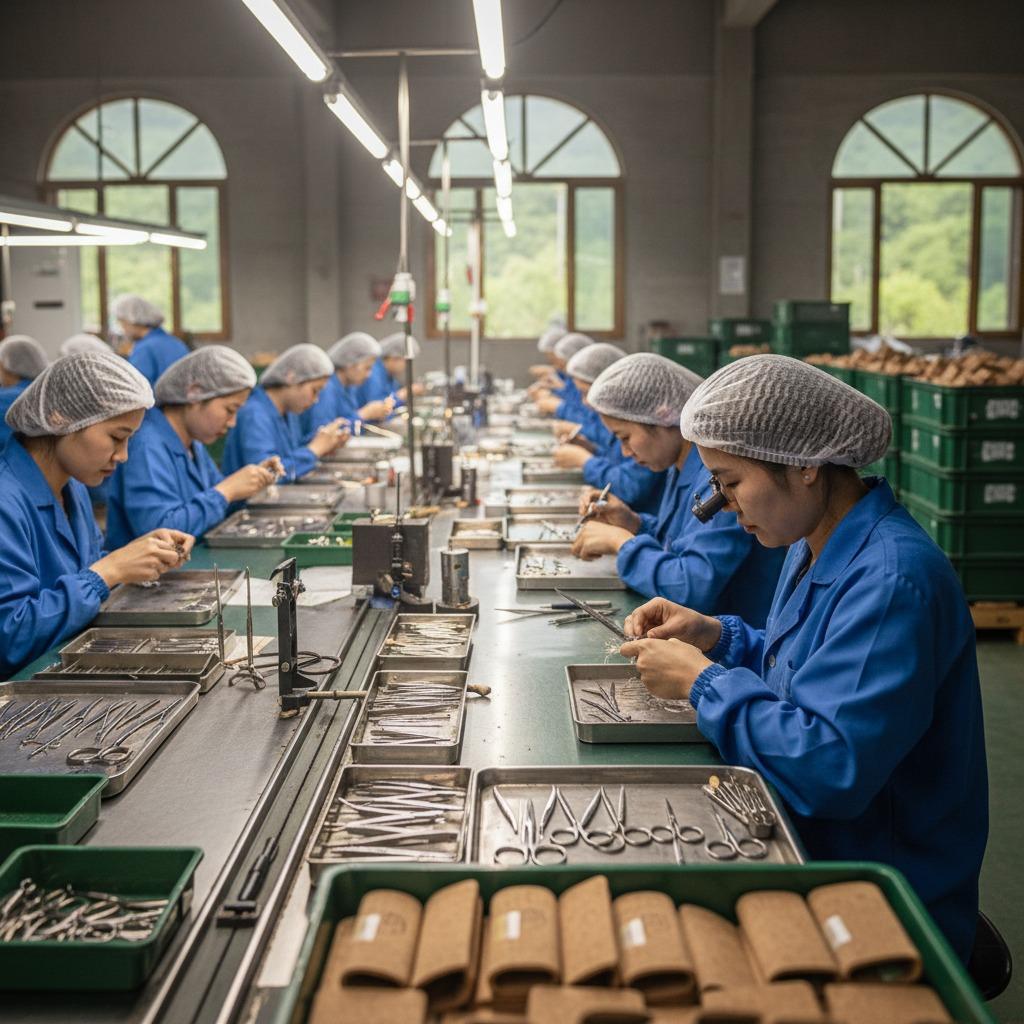
China has developed a broad manufacturing ecosystem for beauty tools, including manicure implements, grooming accessories, applicators, compact kits and private-label packaging. This concentration can make sourcing more efficient because related services are often available within the same supply chain: tooling, surface treatment, printing, assembly, packaging and inspection can be coordinated for a finished retail product.
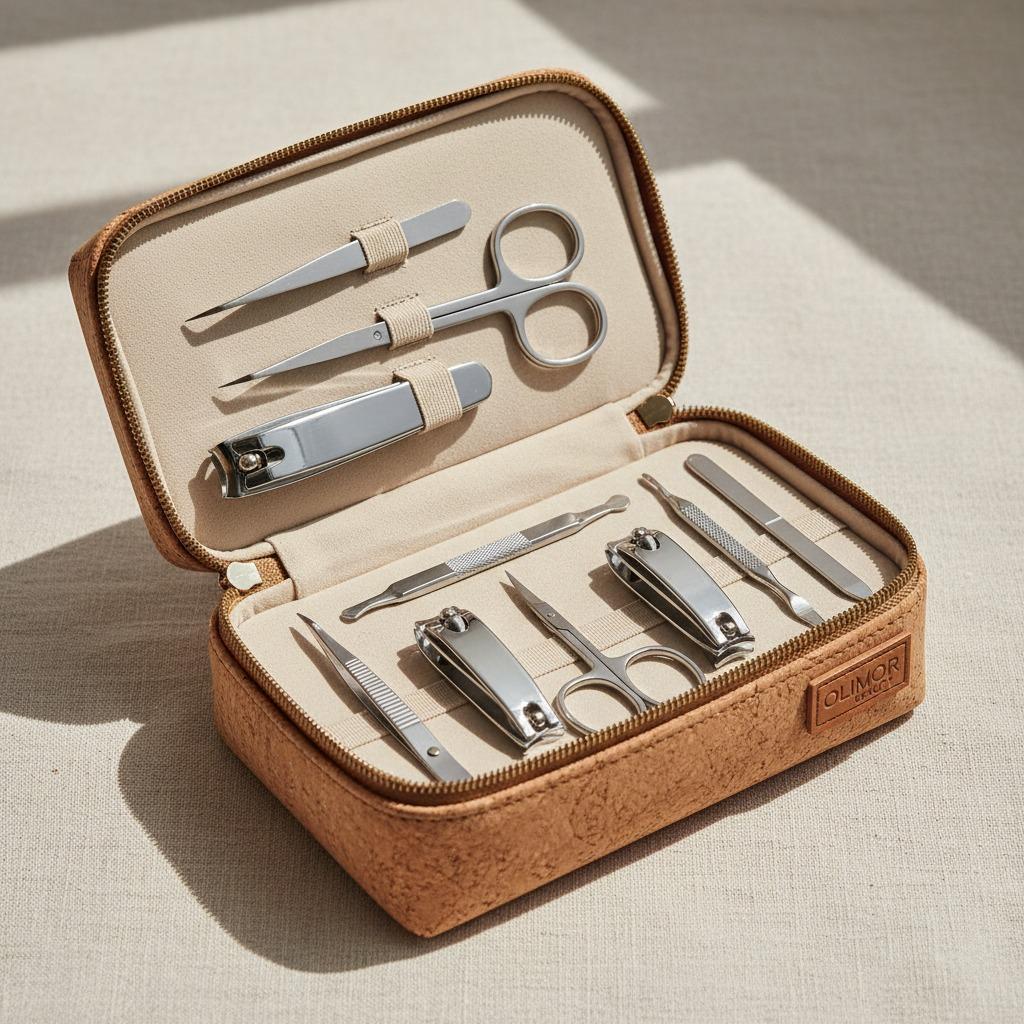
For wholesale buyers, the main advantage is the ability to compare different construction choices and packaging formats. A nail care kit, for example, may be designed for salon use, travel retail, ecommerce bundles or promotional gifting. Each channel has different priorities. Salon buyers may care most about durability and repeat cleaning. Ecommerce sellers may prioritize safe packing, consistent appearance and a clear product story. Retail buyers may focus on shelf presentation, barcode placement, hang tabs and box strength.
Before selecting from beauty tool products, it is useful to decide whether the project is a standard wholesale order, a modified product or a fully custom development. Standard items can be faster to evaluate, while custom work may create a more distinctive range but requires more decisions and approval steps.
Custom Beauty Tools: What Can Be Personalized
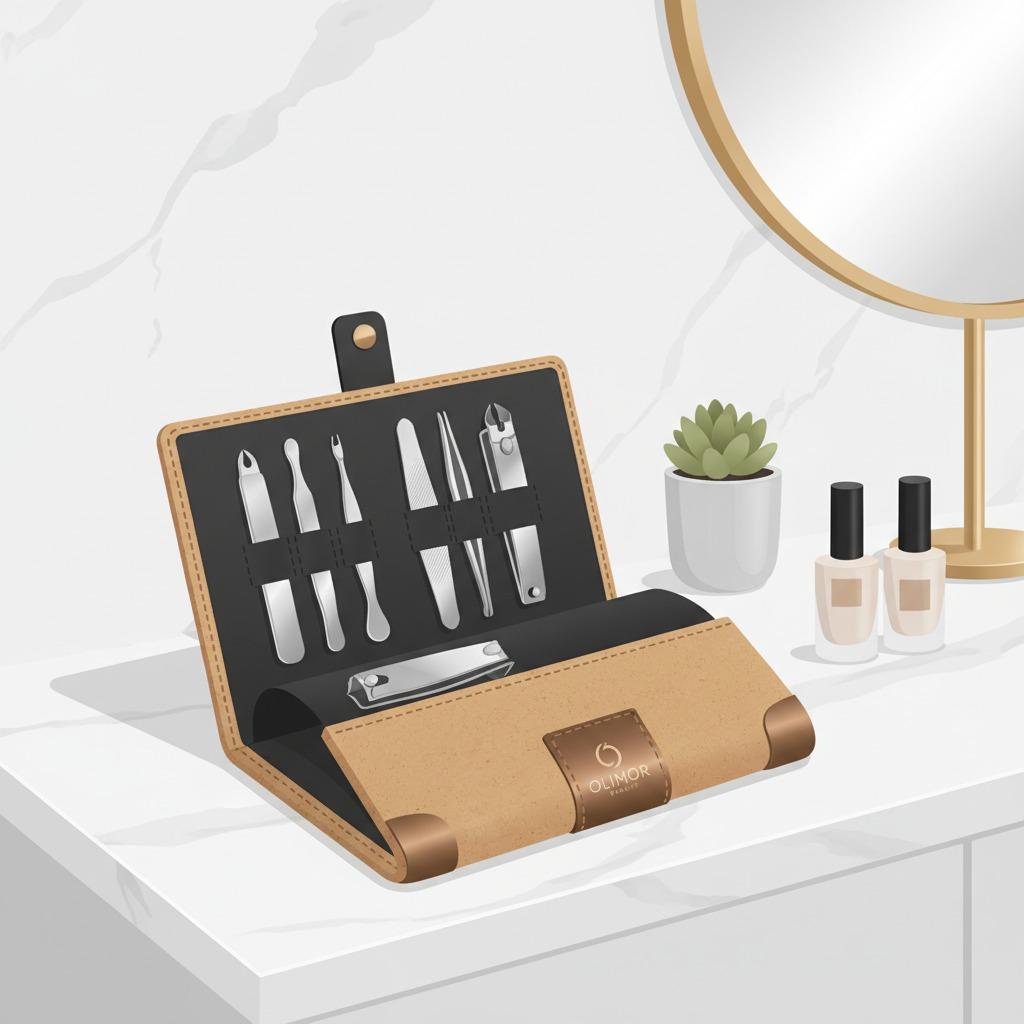
Customization is one of the main reasons buyers search for a custom beauty tools manufacturer rather than a simple trading source. However, “custom” can mean many different things. Some projects only need logo placement and branded packaging. Others involve a revised tool shape, a different handle finish, a curated manicure set or a private-label kit built around a specific consumer segment.
Common customization areas include logo printing, color selection, surface finish, pouch or case design, set composition, outer packaging and instruction inserts. For a vegan manicure line, customization may also include replacing animal-derived materials with synthetic alternatives and aligning the product presentation with a cruelty-conscious or eco-aware brand position. Buyers should keep the customization brief practical: every added color, part, insert or packaging detail increases the number of items that must be checked during sampling and production.
A useful first step is to separate essential requirements from optional preferences. Essential requirements may include tool function, consumer safety expectations, non-animal material choices, brand color accuracy and packaging size. Optional preferences may include decorative finishes, seasonal box artwork or premium add-ons. This distinction helps prevent the project from becoming more complex than the selling price or launch schedule can support.
Wholesale Selection Criteria for Manicure and Beauty Tool Buyers
When comparing suppliers, the strongest quote is not always the lowest price. A practical evaluation should consider whether the supplier understands the intended retail channel, can communicate clearly about materials and can provide samples that match future production expectations. Beauty tools are tactile products; customers notice weight, grip, edge finish, alignment, color consistency and packaging quality immediately.
| Decision Area | What to Check | Why It Matters |
|---|---|---|
| Product function | Grip comfort, cutting or filing performance, alignment, surface smoothness | Reduces complaints and supports repeat purchase |
| Vegan positioning | Material declarations for tool parts, pouches, fibers, adhesives and packaging | Helps avoid unsupported marketing claims |
| Branding | Logo size, print method, placement, color match and durability | Protects brand presentation across retail and online channels |
| Packaging | Box strength, insert fit, label area, barcode space and shipping protection | Improves shelf display and reduces transit damage |
| Inspection | Appearance standards, function checks, quantity verification and packing review | Creates objective acceptance criteria before shipment |
Buyers can also review existing product collections to identify formats that may suit their market before requesting custom adjustments. This can shorten development time because the discussion starts from a known product type rather than a completely open idea.
Quality Control Questions to Set Before Production
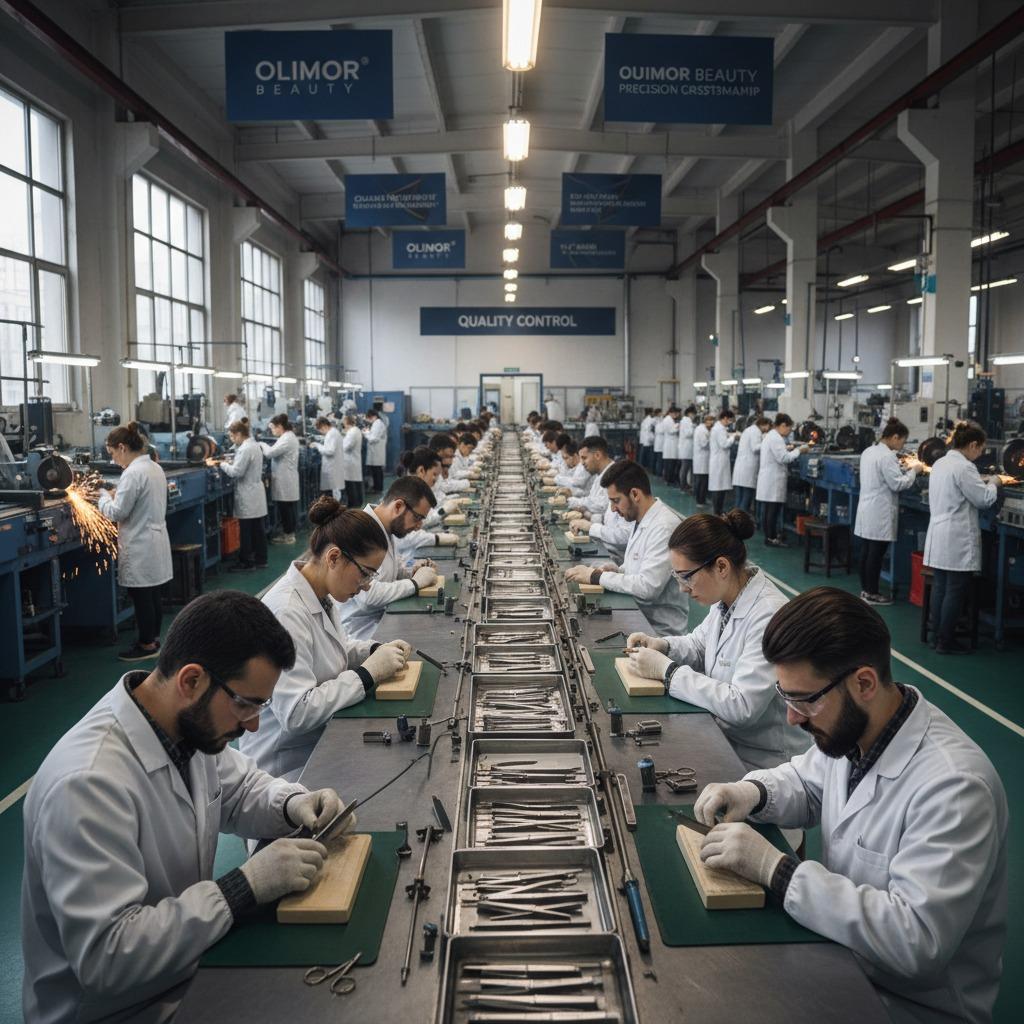
Quality control is easier when expectations are written before production begins. For manicure tools, this does not need to be overly complicated, but it should be specific. Instead of saying “good quality,” define what should be checked: sharp edges where they should be sharp, smooth edges where they should not scratch, consistent color, clean printing, no visible rust, secure assembly, no loose parts and correct packaging count.
Sample approval should include both appearance and use-based evaluation. A product may look good in photos but feel unbalanced in the hand. A pouch may appear attractive but not protect the tools during shipping. A printed logo may be accurate at first but vulnerable to rubbing if the wrong surface treatment is selected. Testing the sample in realistic handling conditions gives buyers a better understanding of whether the product is ready for retail or salon distribution.
For custom projects, keep an approved reference sample and a packaging reference. These become the standard for comparison when production is inspected. If a later batch changes color, material texture, logo position or set contents, the difference is easier to identify and discuss when the original approval standard is clear.
How to Plan a Vegan or Custom Beauty Tool Inquiry
A detailed inquiry helps a manufacturer respond with more relevant options. This is especially true when sourcing vegan manicure tools wholesale, because the supplier needs to understand whether the vegan requirement applies only to the tool, the full kit, the pouch, the retail box or the entire presentation. A vague request can lead to quotes that are difficult to compare.
- Define the product type: single manicure tool, multi-piece nail set, travel kit, salon accessory or retail gift set.
- State the target customer: salon professionals, beauty retailers, ecommerce shoppers, gift buyers or private-label distributors.
- List vegan-related restrictions: materials to avoid and any packaging components that need review.
- Provide branding needs: logo artwork, preferred colors, packaging language and whether inserts are required.
- Clarify market requirements: destination country, retail channel, labeling needs and any internal quality standards.
- Request sample direction: ask for standard samples, modified samples or a custom prototype depending on the project stage.
If the project is ready for supplier discussion, buyers can send an inquiry with the above details. For broader questions about available options, customization approach or product categories, it may be more efficient to contact Olimor before preparing final artwork or packaging files.
Sourcing Decisions That Protect Brand Value
Beauty tools are often small products, but they carry a large share of a brand’s perceived quality. A manicure tool with rough edges, weak packaging or unclear claims can damage customer trust quickly. On the other hand, a carefully selected tool range can support a retailer’s vegan positioning, provide useful add-on sales for salons and help private-label brands create a more complete beauty assortment.
The best sourcing decisions balance price, function, claim accuracy and presentation. Buyers should avoid over-customizing products that do not need it, but they should also avoid choosing generic stock items when the brand requires a clear point of difference. For vegan manicure tools, the most important step is to make the claim precise and trace it through the full product set. For custom beauty tools, the priority is to turn brand ideas into specifications that can be sampled, checked and repeated in production.
Olimor Beauty fits into this sourcing conversation as a China-based beauty tools supplier for buyers evaluating wholesale and custom options. By preparing clear requirements and reviewing products with both consumer use and retail presentation in mind, brands can make better decisions and build manicure tool lines that are practical, marketable and easier to manage over time.