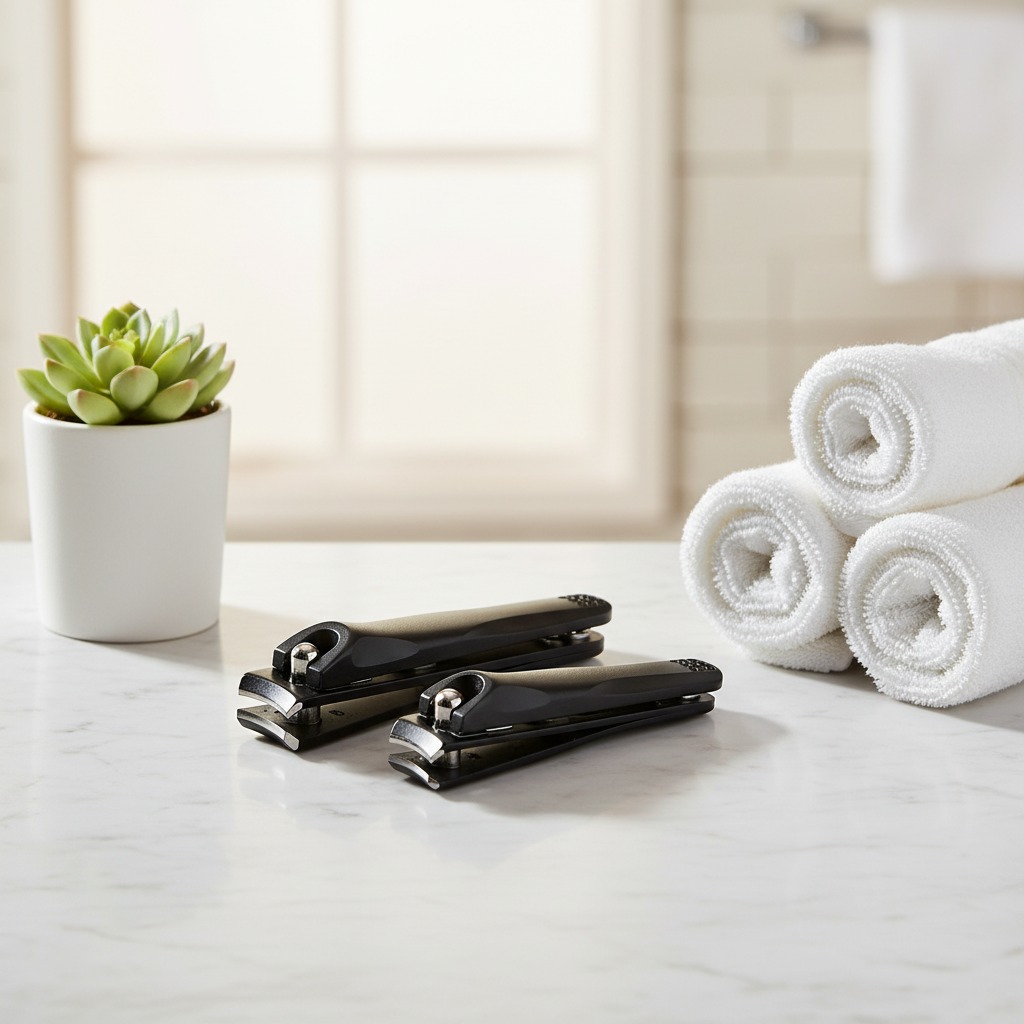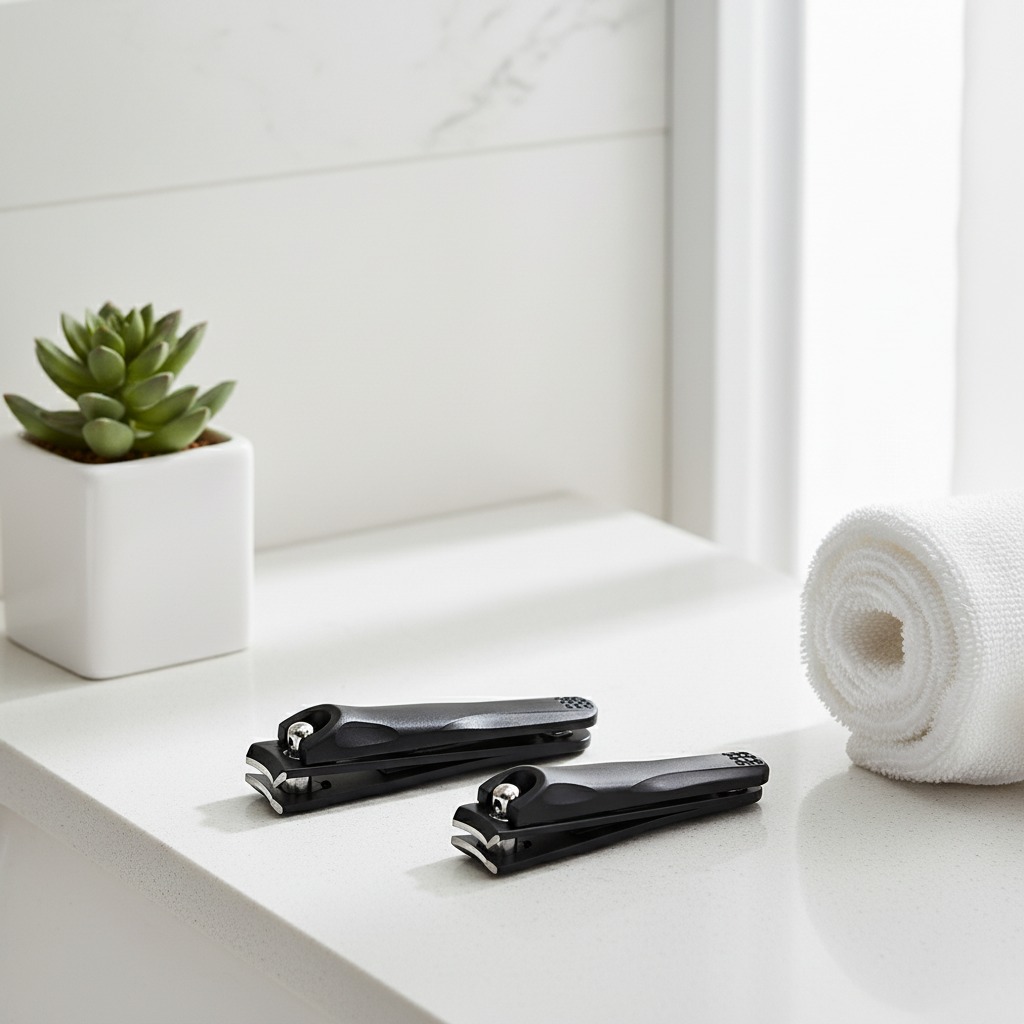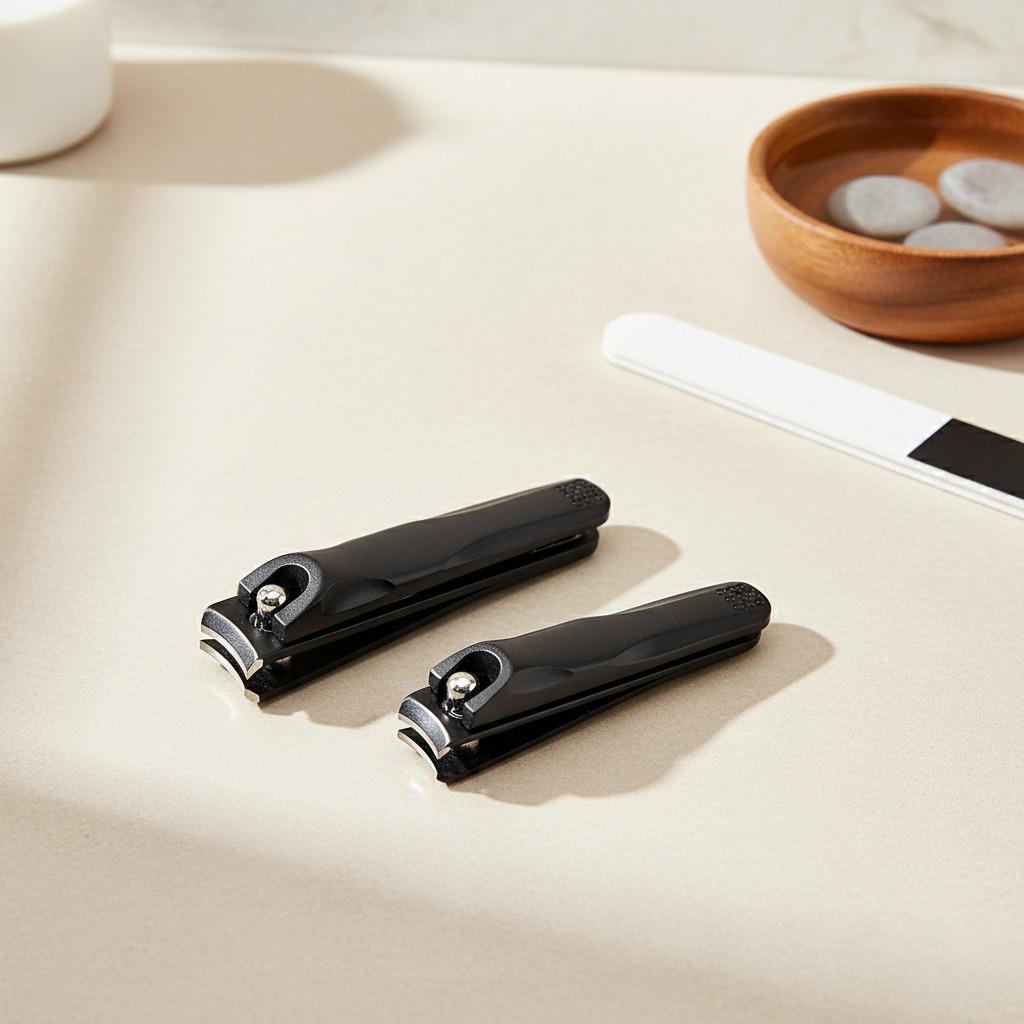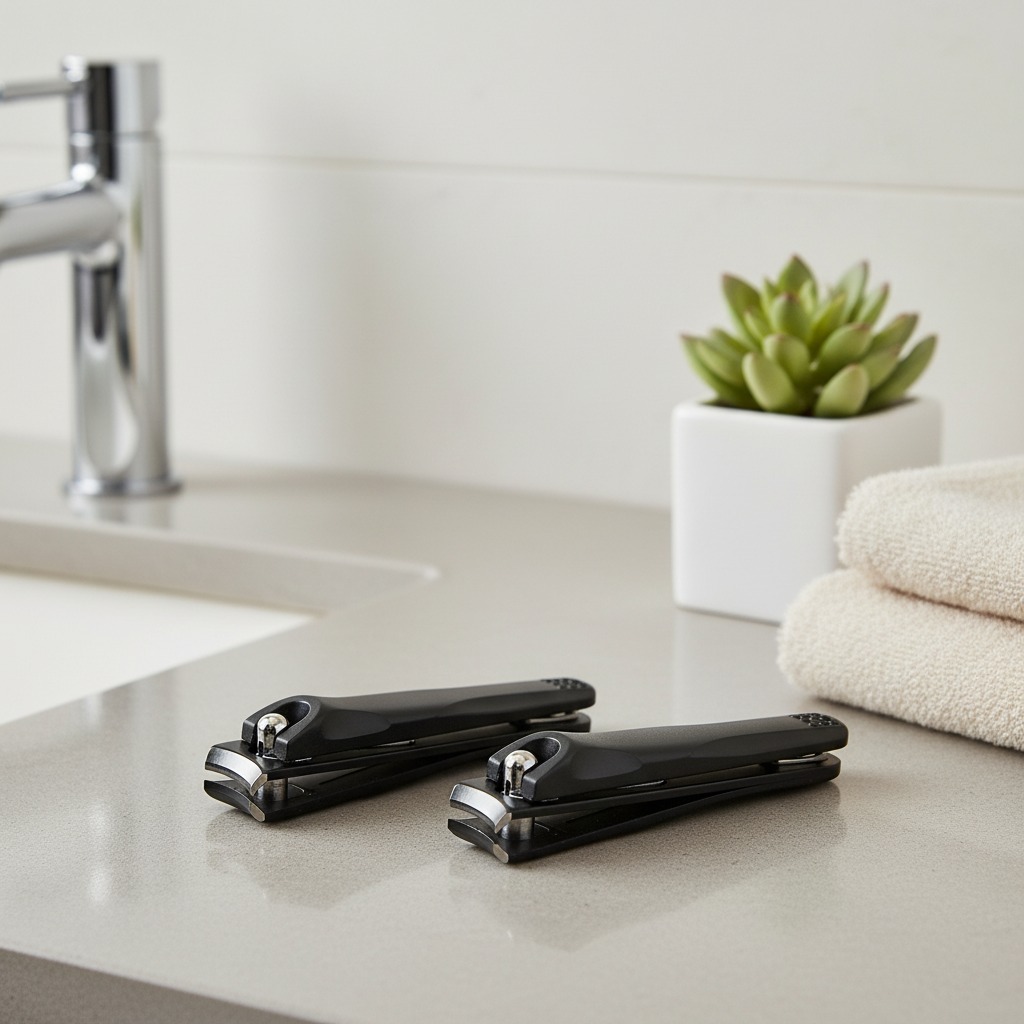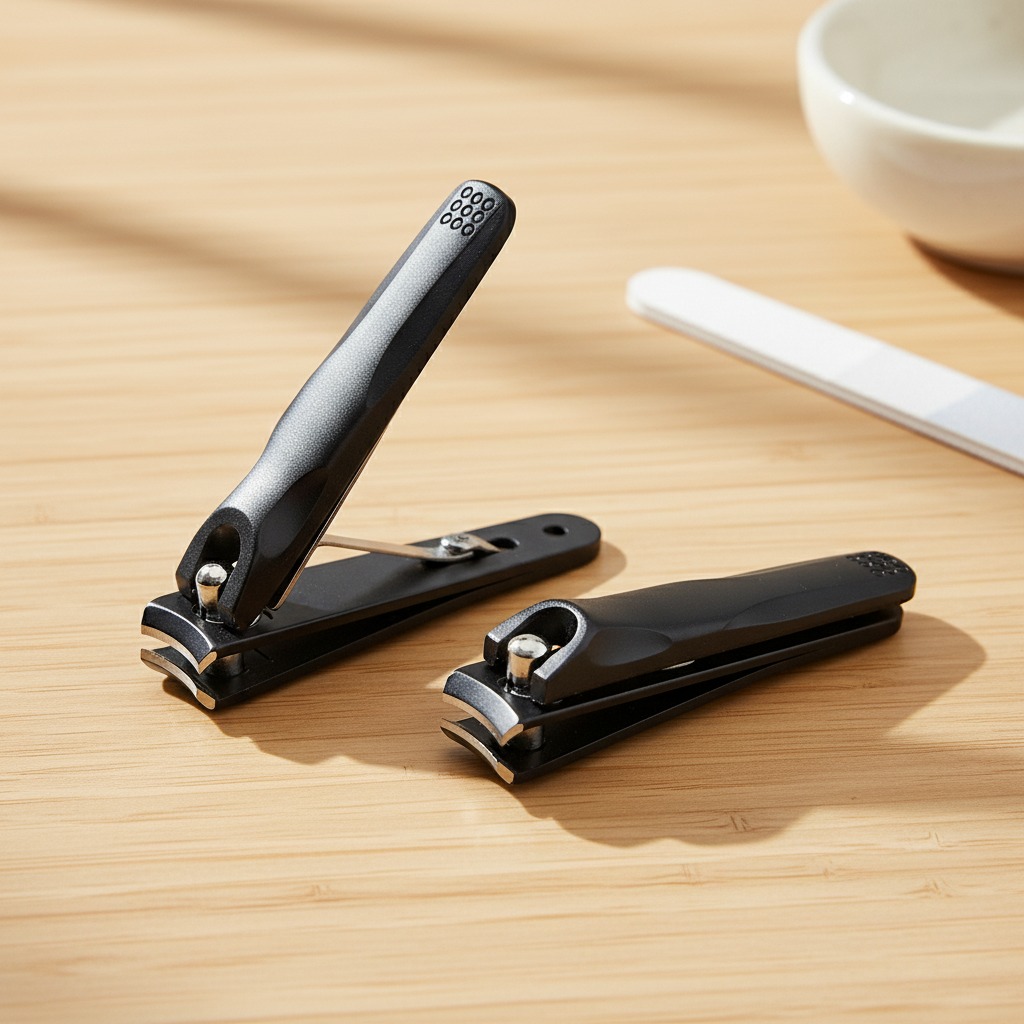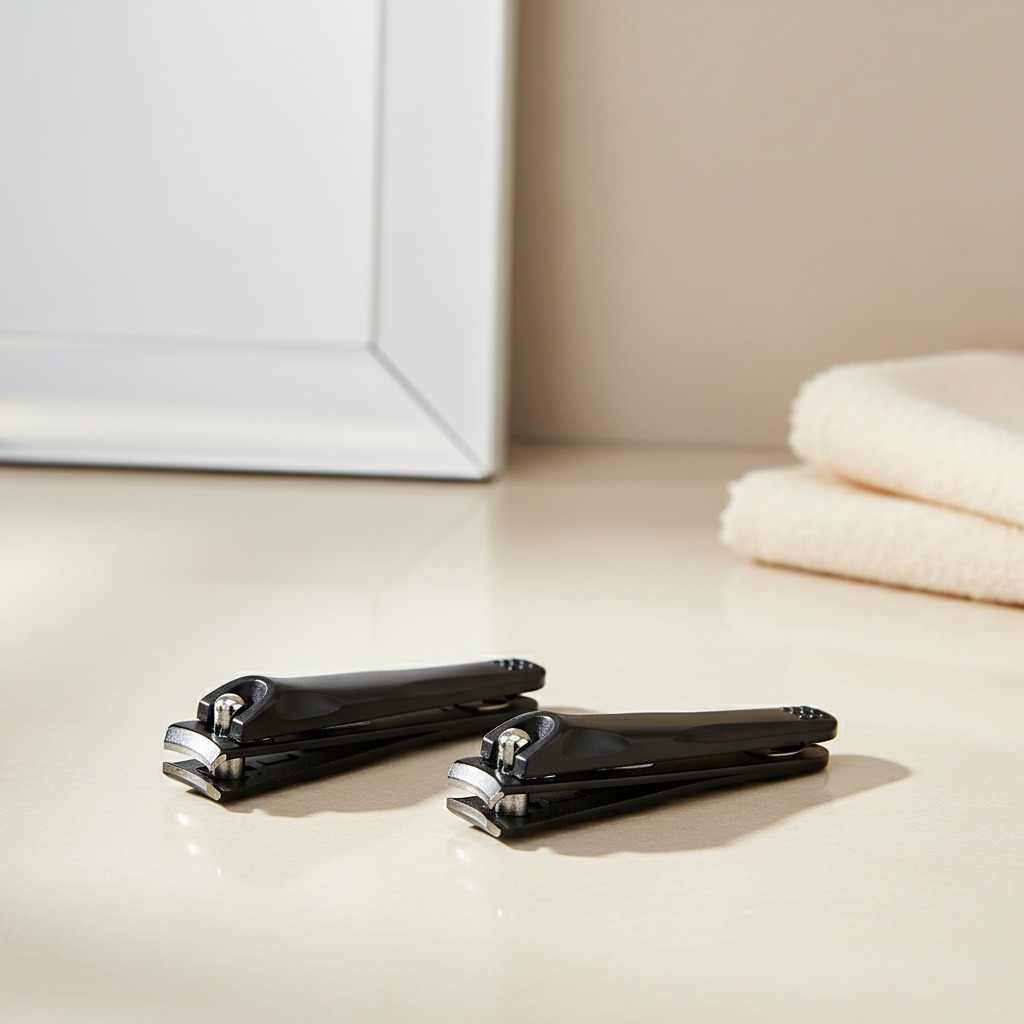












A nail clipper looks simple from the outside, but its performance depends on a very small contact area: the cutting edge. If the upper and lower blades are not shaped, sharpened, and aligned consistently, the tool may squeeze the nail instead of cutting it cleanly. For beauty tool brands, distributors, salon suppliers, and private-label buyers, this is why automated blade sharpening deserves close attention during sourcing.
Automated sharpening is not only about making an edge feel sharp on the first use. It helps manufacturers control blade geometry, reduce variation between production batches, and support a more reliable user experience. When paired with suitable material selection, forming, assembly, and inspection, it becomes one of the most important steps in producing dependable nail clippers.
Why the Cutting Edge Matters More Than the Handle
Consumers often notice the finish, shape, and grip of a nail clipper first. However, the blade determines whether the product is comfortable to use over time. A well-sharpened blade can cut through fingernails or toenails with less pressure, leaving a cleaner edge and reducing the risk of tearing, splitting, or jagged trimming.
For retail and professional channels, inconsistent sharpness can create several problems. Some units may feel smooth while others feel blunt. A buyer may approve a sample but later receive bulk goods that do not match that sample. Customer returns and complaints can increase even when the product looks acceptable. Automated blade sharpening helps address these risks by making the edge preparation more repeatable than fully manual sharpening.
Olimor Beauty works with a wide range of grooming and beauty tools, and nail clipper quality is closely connected to production discipline. Buyers comparing beauty tool products should look beyond appearance and consider how the blade edge is formed, controlled, and inspected before shipment.
How Automated Blade Sharpening Fits Into Production
The sharpening stage usually comes after the blade portions of the clipper have been formed from metal blanks and prepared for finishing. In many nail clipper production lines, stainless steel blanks are cut and shaped to the required dimensions, often with equipment designed to improve consistency from part to part. The exact process varies by manufacturer and clipper type, but the goal is the same: create a blade profile that can be sharpened accurately and assembled correctly.
Automated blade sharpening systems use controlled movement, pressure, and abrasive contact to create the cutting edge. Compared with hand grinding, automated equipment can maintain more stable sharpening angles and contact time. The original manufacturing concept often references a 20 to 25 degree edge as a practical balance between sharpness and durability. The precise target may vary by product design, metal thickness, and intended use, but the principle is clear: an edge that is too blunt may cut poorly, while an edge that is too thin may wear or deform too quickly.
Automation also allows manufacturers to organize sharpening as a measurable process rather than relying entirely on operator feel. Sensors, fixtures, and visual inspection systems may be used to monitor position, edge condition, and surface consistency. These controls do not replace skilled technicians; they help technicians keep production within a defined range.
What Automation Improves in Nail Clipper Quality
Automated sharpening can improve several quality factors that matter to buyers and end users. The most important benefits are repeatability, edge symmetry, and fewer defects moving into assembly.
- More consistent sharpness: Controlled pressure and movement help reduce differences between units in the same batch.
- Better edge alignment: Uniform sharpening supports cleaner contact between the upper and lower blades when the clipper is assembled.
- Reduced operator variation: Manual skill still matters, but automation reduces dependence on individual grinding habits.
- Improved production efficiency: Automated sharpening can shorten cycle time and make large-batch production easier to manage.
- Earlier defect detection: When inspection is integrated after sharpening, chips, burrs, uneven edges, or surface flaws can be found before packaging.
These improvements are valuable for brands that sell the same nail clipper across multiple channels. Consistency is especially important for repeat orders, private-label programs, and bundled grooming sets where every unit should meet the same usability expectation.
What Buyers Should Check Before Ordering Nail Clippers
When sourcing nail clippers, it is tempting to focus on finish color, packaging, and unit cost. Those details matter, but they should not replace a practical review of cutting performance. A buyer does not need to know every engineering parameter, but should have a clear checklist for evaluating samples and production goods.
| Check point | Why it matters | Practical evaluation method |
|---|---|---|
| Cutting smoothness | Shows whether the edge is sharp enough and properly aligned | Test several units on suitable nail samples or accepted test material |
| Edge uniformity | Reduces batch-to-batch quality variation | Inspect the blade line visually under good lighting and compare units |
| Burr control | Burrs can scratch, snag, or reduce cutting comfort | Run a fingertip carefully near non-cutting surfaces and inspect the blade area |
| Lever action | Poor assembly can waste the benefit of a sharp blade | Open and close the clipper repeatedly to feel resistance and return |
| Finish around the head | Rough finishing can affect hygiene perception and product value | Check corners, rivet area, and underside for rough spots |
For larger orders, buyers should compare pre-production samples with shipment samples. The goal is not just to approve one excellent sample, but to confirm that the manufacturing process can repeat that quality at scale. If you are developing a sourcing plan, you can send an inquiry with your intended product type, market channel, and packaging requirements so the discussion stays focused on practical selection criteria.
Common Problems Automated Sharpening Helps Prevent
A dull nail clipper is easy to recognize, but many quality problems are more subtle. One common issue is uneven cutting, where one side of the blade cuts before the other. This can happen when the blade edge is not symmetrical or when assembly alignment is poor. Automated sharpening helps by creating a more uniform edge before the parts reach assembly, though final fitting remains important.
Another problem is crushing instead of cutting. This often makes the user press harder, which can lead to discomfort and rough nail edges. A properly sharpened blade reduces the force required. For toenail clippers, where nails are often thicker, sharpness and leverage must work together. A strong lever cannot compensate for a poorly prepared edge.
Excessive burrs are another concern. Burrs may appear as tiny raised metal edges after grinding or cutting operations. If not removed or controlled, they can affect appearance, safety perception, and performance. Automated systems with stable grinding conditions can reduce burr inconsistency, while finishing and inspection steps help remove remaining issues.
Maintenance Expectations for End Users
Even a well-manufactured nail clipper needs reasonable care. Buyers choosing products for retail or salon use should consider whether the end user will understand basic maintenance. Simple care instructions can reduce complaints and extend usable life.
- Keep the clipper dry after use to reduce moisture-related staining or corrosion risk.
- Remove nail debris from the blade and pivot area with a small brush or clean cloth.
- Avoid using nail clippers on wire, plastic tags, or other hard non-nail materials.
- Store the tool in a clean, dry place rather than loose in a damp bathroom drawer.
- For shared environments, follow appropriate cleaning practices between users.
Maintenance cannot fix a poorly sharpened blade, but it can help preserve the performance of a properly made one. For brands, adding concise care guidance to packaging or inserts can support customer satisfaction without making exaggerated claims.
Sourcing Decisions: Balancing Cost, Consistency, and Market Position
Automated blade sharpening can support better consistency, but sourcing decisions should still consider the entire product. A low-cost clipper with unstable assembly may not perform well even if the blade is sharp. A premium-looking finish may disappoint if the cutting edge wears quickly. The best choice depends on the target user: everyday household grooming, travel kits, salon resale, gift sets, or professional accessory lines.
When comparing options, consider how the nail clipper fits into the rest of your assortment. If you are building a coordinated line, review related product collections to think about finish, packaging, and tool combinations. If you need guidance on product direction, material expectations, or sample evaluation, you can also contact Olimor for a more focused discussion.
The Value of Precision in an Everyday Tool
Nail clippers are small, affordable tools, but they are used close to the body and judged immediately by feel. A clean cut communicates quality more clearly than decorative packaging alone. Automated blade sharpening helps manufacturers control one of the most important performance factors: the cutting edge.
For buyers, the key is to treat sharpening as part of a complete quality system. Look at edge consistency, blade alignment, lever action, burr control, finishing, and maintenance expectations together. When these details are managed well, the result is a nail clipper that feels dependable in daily use and supports stronger confidence in repeat orders.