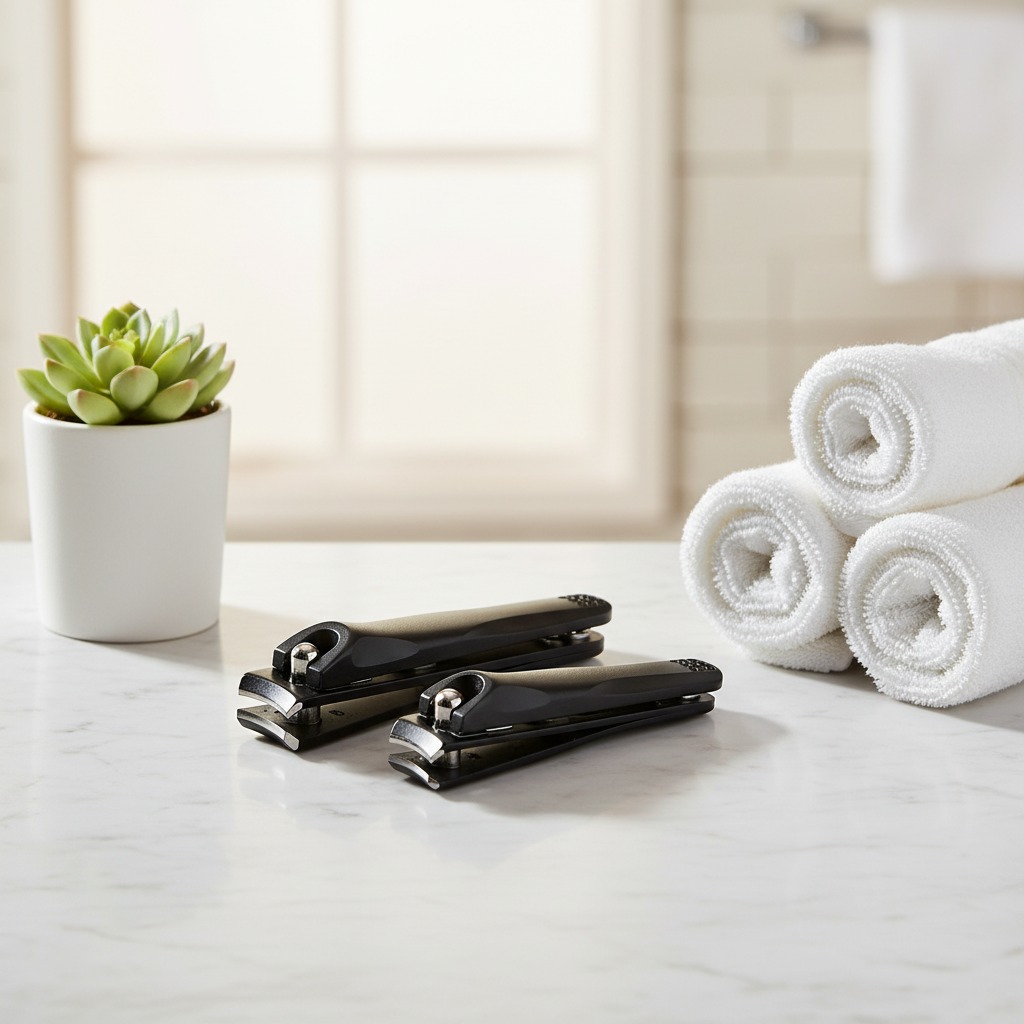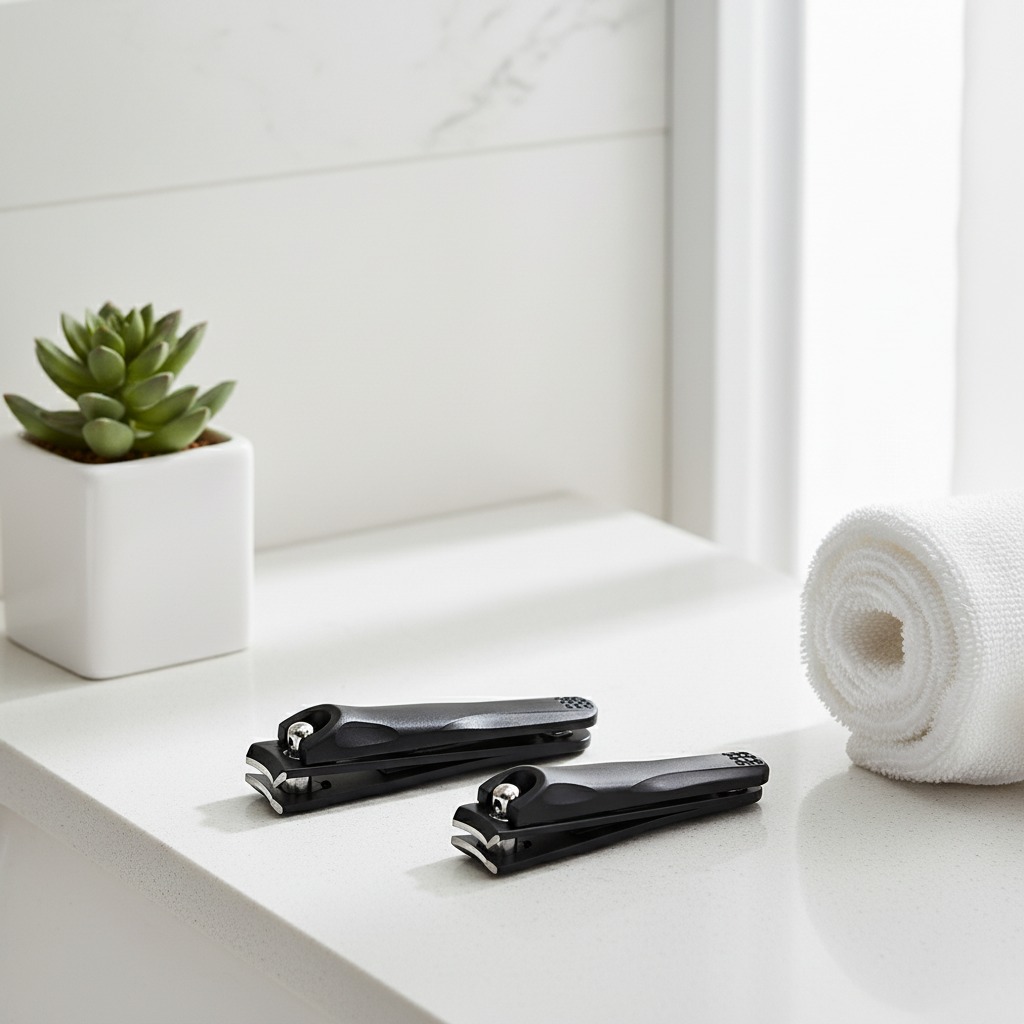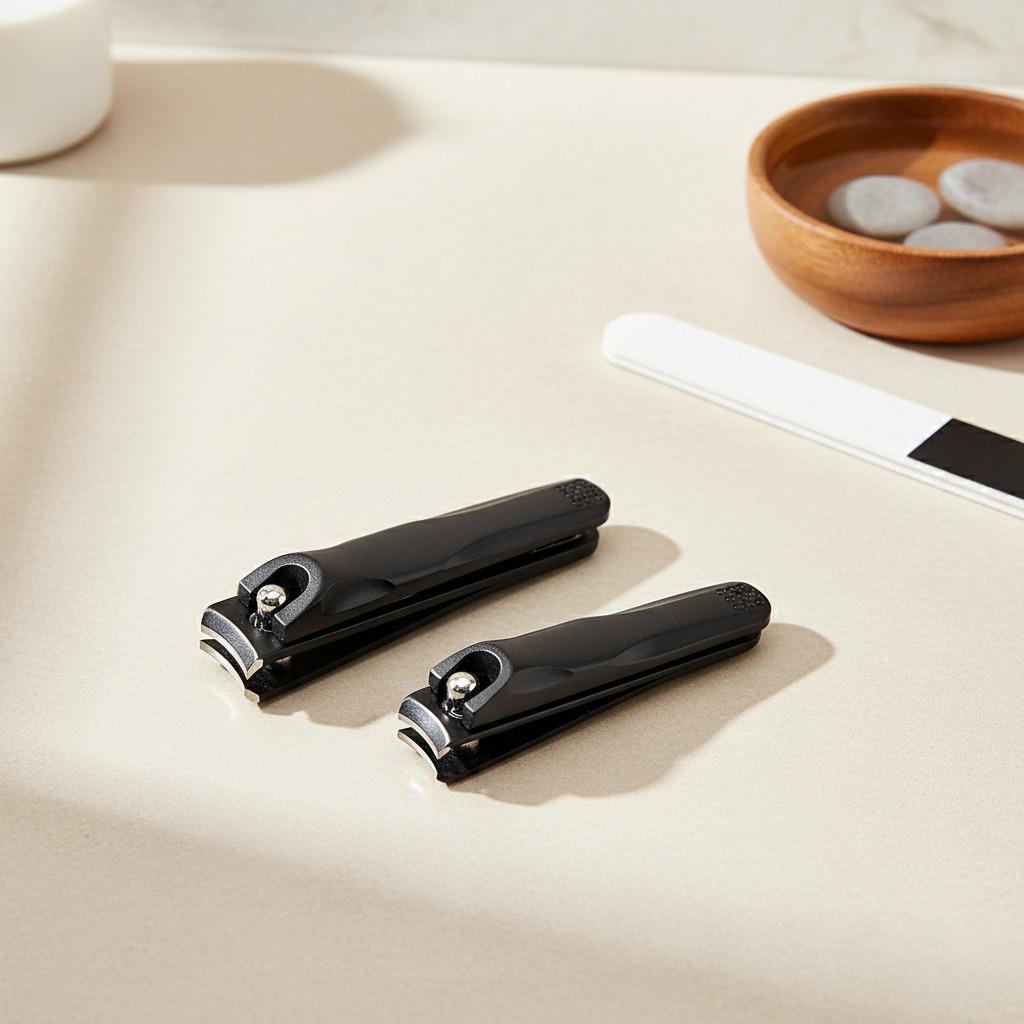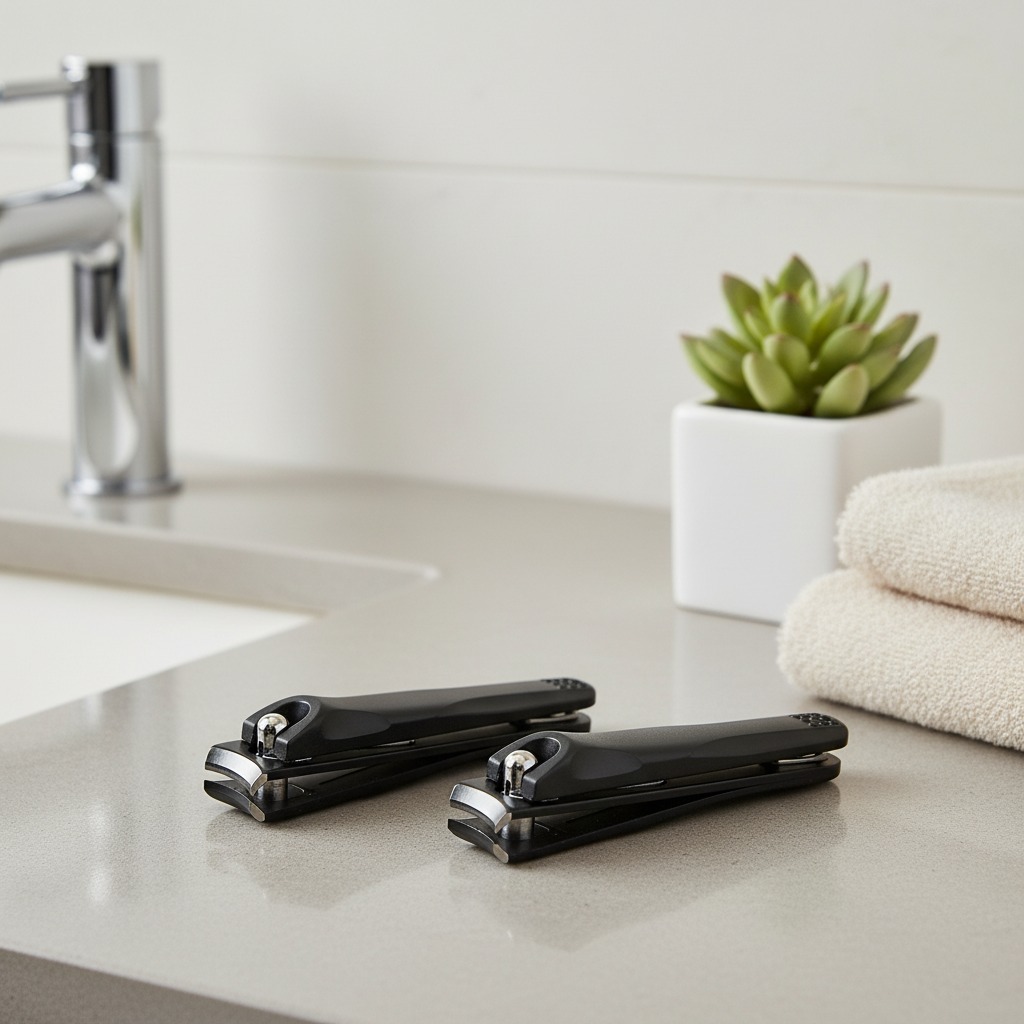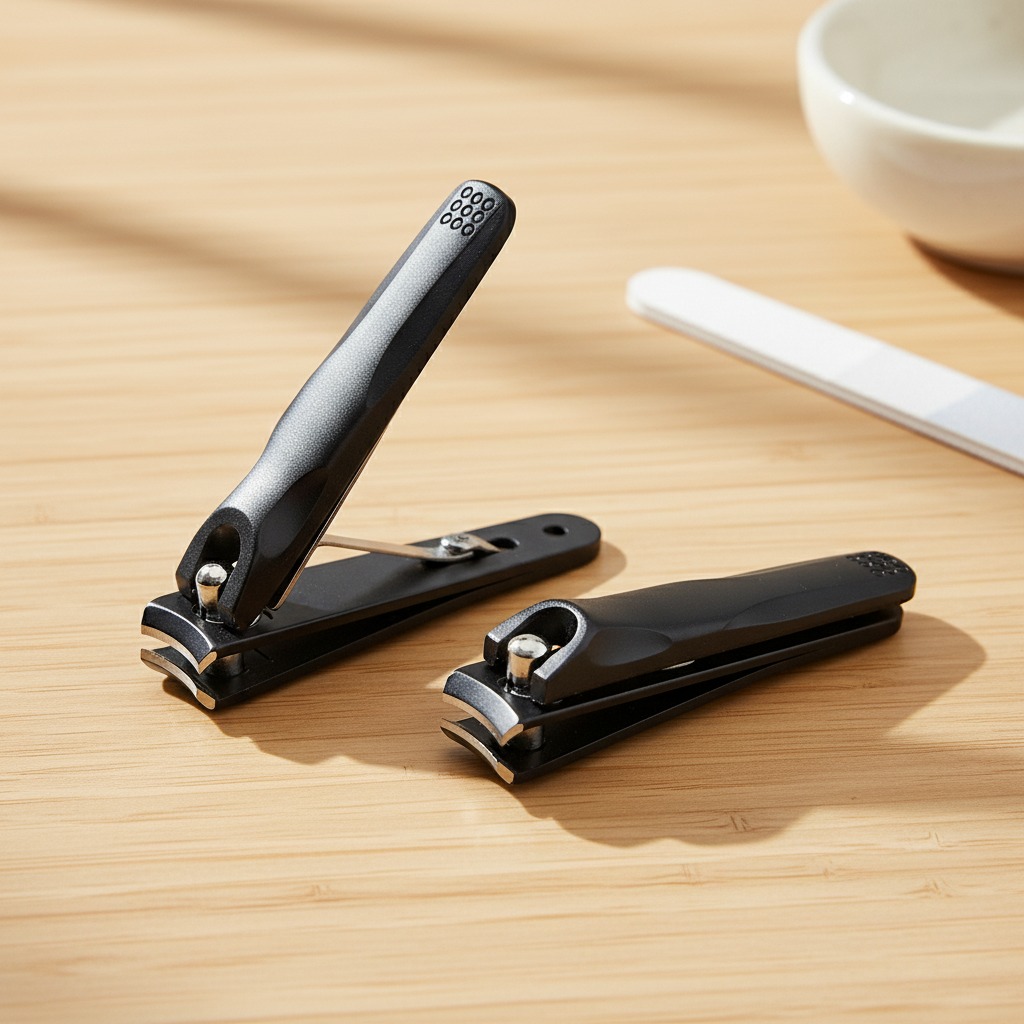











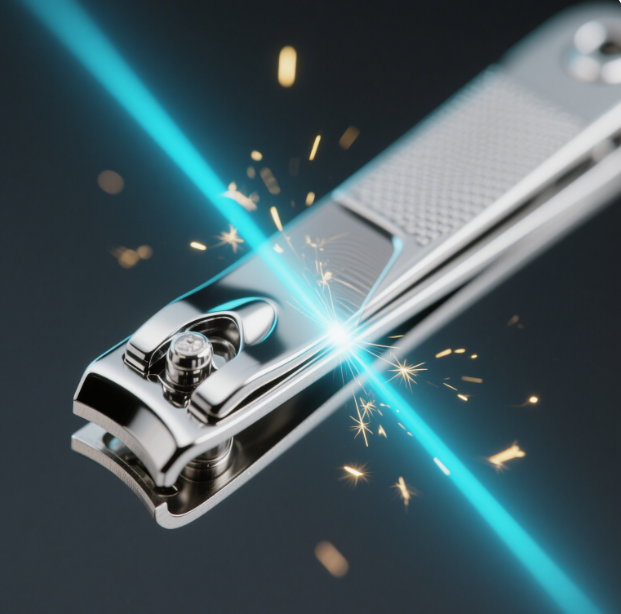
For nail clippers, the cutting edge is not a small detail. It is the part of the tool that determines whether the user gets a clean trim or a rough, uncomfortable cut. A nail clipper may look simple from the outside, but its performance depends on how accurately the two cutting edges meet, how smooth the edge finish is, and whether the blade geometry remains consistent across production batches.
Automated blade sharpening plays an important role in modern nail clipper production because it helps manufacturers control these variables more consistently than a fully manual process. For beauty tool buyers, private-label teams, wholesalers, and product managers, understanding this step makes it easier to compare suppliers, evaluate samples, and avoid quality issues that may only appear after products reach customers.
This guide explains how automated sharpening is commonly used in nail clipper manufacturing, what it can improve, and which inspection points matter when sourcing nail clippers or related beauty tool products.
Why Blade Sharpness Matters in a Nail Clipper
A nail clipper cuts by bringing two curved or straight cutting edges together with pressure from the lever. If the edges are sharp, aligned, and evenly finished, the nail separates cleanly. If they are dull, uneven, or misaligned, the clipper may crush the nail before cutting it. This can cause jagged edges, splitting, repeated cutting attempts, or discomfort during use.
Sharpness is not only about making the edge thin. A nail clipper blade also needs enough strength to resist deformation during repeated cutting. If the edge is too fragile, it may feel sharp at first but wear quickly. If it is too thick, the clipper may require more force and leave a poor cut. The production challenge is to create an edge that balances cutting efficiency, durability, and safety.
In volume production, consistency is just as important as peak sharpness. A sample that cuts well is not enough if later batches vary widely. Automated sharpening helps reduce variation by controlling tool movement, grinding pressure, sharpening angle, and processing time more precisely.
How Automated Sharpening Fits into Nail Clipper Manufacturing
Automated blade sharpening is one stage in a broader production sequence. The exact workflow depends on the factory, product design, and finish requirements, but a typical process includes forming the blade part, preparing the surface, sharpening the edge, polishing, assembly, and inspection.
After clipper components are cut or formed from stainless steel sheets, the blade areas usually require preparation before the final edge is created. Preliminary grinding may remove small imperfections and help establish the basic blade shape. Automated equipment can then sharpen the cutting edges with programmed movements that aim for a defined angle and edge profile.
CNC grinding machines are often associated with this kind of controlled sharpening. In the original manufacturing context, diamond-coated wheels are used to sharpen the blades, while programmed settings guide the machine toward the required edge. After sharpening, polishing can smooth the blade surface and reduce friction during cutting. Inspection may include checking the edge, the alignment of the two jaws, and the way the clipper performs when cutting.
For buyers, the key point is not simply whether a supplier uses automation. The more important question is whether the process is stable, repeatable, and supported by appropriate inspection. Automation can improve consistency, but only when machine settings, tooling condition, operator training, and quality checks are well controlled.
What Automated Sharpening Can Improve
Automated sharpening offers several practical advantages in nail clipper production. These advantages are especially relevant for buyers who need dependable quality across repeat orders.
- Edge uniformity: Programmed grinding helps create a more consistent blade angle and edge profile from piece to piece.
- Batch-to-batch repeatability: Once the process parameters are set correctly, the same sharpening approach can be repeated more reliably across production runs.
- Reduced manual variation: Manual sharpening depends heavily on operator skill and fatigue. Automation reduces some of that variability.
- Improved cutting feel: A smoother, sharper edge can reduce the pressure needed to cut the nail and help prevent rough trimming.
- Better inspection compatibility: Consistent edges are easier to inspect against a defined standard than highly variable manually finished edges.
These benefits do not remove the need for human judgment. Skilled technicians still matter when setting up machines, maintaining grinding wheels, checking output, and adjusting the process when materials or product designs change.
Important Quality Checks After Sharpening
A sharp edge alone does not guarantee a good nail clipper. The finished tool must be assessed as an assembled product because the two blades must meet properly under leverage. Buyers evaluating nail clipper samples should look beyond surface appearance and test actual cutting performance.
Useful inspection points include:
- Cutting alignment: The upper and lower cutting edges should meet evenly, without visible gaps that could leave part of the nail uncut.
- Edge smoothness: The blade edge should not show burrs, rough grinding marks, or uneven sections that may catch on the nail.
- Cutting pressure: A good clipper should cut without excessive force. If users need to press too hard, the edge geometry or alignment may be poor.
- Clean cut result: The nail edge should be smooth enough to require minimal filing after trimming.
- Lever action: The lever should operate smoothly and return properly. Even a sharp blade can perform poorly if the mechanism feels loose or unstable.
- Finish around the blade: Polished blade surfaces can help reduce friction and improve the trimming experience.
Some production inspections may use measurement tools to confirm sharpness, alignment, or dimensional consistency. The supplied manufacturing information also notes the use of laser measurement tools for confirming sharpness and alignment. For sourcing teams, it is useful to define acceptance standards before mass production rather than relying only on visual approval.
Buyer Checklist for Sourcing Sharpened Nail Clippers
When comparing suppliers or evaluating new nail clipper designs, buyers should translate “sharp blade” into measurable or observable requirements. The checklist below can help structure sample reviews and production discussions.
| Evaluation Area | What to Look For | Why It Matters |
|---|---|---|
| Blade edge | Even sharpening, no visible burrs, no chipped sections | Supports clean cutting and reduces snagging |
| Jaw alignment | Upper and lower blades meet consistently across the full cutting width | Prevents incomplete cuts and nail crushing |
| Cutting test | Smooth cut with reasonable hand pressure | Reflects real user experience more accurately than appearance alone |
| Surface finish | Polished blade area and comfortable contact surfaces | Reduces friction and improves perceived quality |
| Batch consistency | Multiple samples perform similarly, not just one selected piece | Helps predict repeat order quality |
If you are developing a line of grooming tools, it may also help to compare several clipper types within broader product collections. Different sizes and shapes may require different sharpening and alignment controls, especially when products are intended for fingernails, toenails, travel kits, or retail gift sets.
Maintenance Considerations for End Users
Even a well-sharpened nail clipper can lose performance if it is poorly maintained. Buyers creating product instructions, packaging copy, or customer support materials should include simple care guidance. This helps reduce avoidable complaints and extends the useful life of the tool.
End users should keep nail clippers dry after cleaning, remove nail debris from the cutting area, and avoid using the clipper on materials it was not designed to cut. Moisture and residue can affect the lever action and the cutting edge over time. If the product includes a polished finish, wiping it with a soft dry cloth after use can help preserve its appearance.
Storage also matters. A clipper thrown loosely into a drawer with hard metal items may suffer edge impacts or cosmetic scratches. A pouch, case, or dedicated grooming kit compartment can protect the cutting edges and keep the tool more hygienic between uses.
How to Discuss Sharpening Requirements with a Manufacturer
For sourcing teams, the most productive conversations are specific. Instead of asking only whether the blades are sharp, define how the product should perform. Sample approval should include cutting tests, edge appearance checks, and inspection of multiple units. If the product will be sold under a private label, the quality standard should be clear enough that later shipments can be compared against the approved sample.
Useful discussion points include the sharpening method, edge consistency controls, polishing process, alignment inspection, and how nonconforming pieces are separated. It is also reasonable to discuss packaging protection, because blade quality can be affected if products rub against each other during transport. When requirements are documented early, the manufacturer has a clearer target for both production and quality control.
Teams evaluating nail clippers for retail, salon, promotional, or private-label use can contact Olimor to discuss product options or send an inquiry with specific sourcing needs.
Why Automated Sharpening Supports Better Nail Clipper Quality
Automated blade sharpening is valuable because it addresses one of the most performance-sensitive parts of a nail clipper: the cutting edge. By using controlled grinding, polishing, and inspection, manufacturers can improve edge consistency and reduce the variation that often leads to uneven cutting. The result is a product that feels more dependable in everyday grooming.
For buyers, the takeaway is clear: do not judge nail clippers by appearance alone. A polished finish and attractive shape matter, but cutting performance depends on blade geometry, edge finish, jaw alignment, and production consistency. Automated sharpening can support all of these goals when it is paired with disciplined quality control and realistic product standards.
When selecting nail clippers, focus on how the blade is produced, how the finished tool is inspected, and how consistently samples perform. That approach leads to better sourcing decisions and a more reliable grooming tool for the end user.