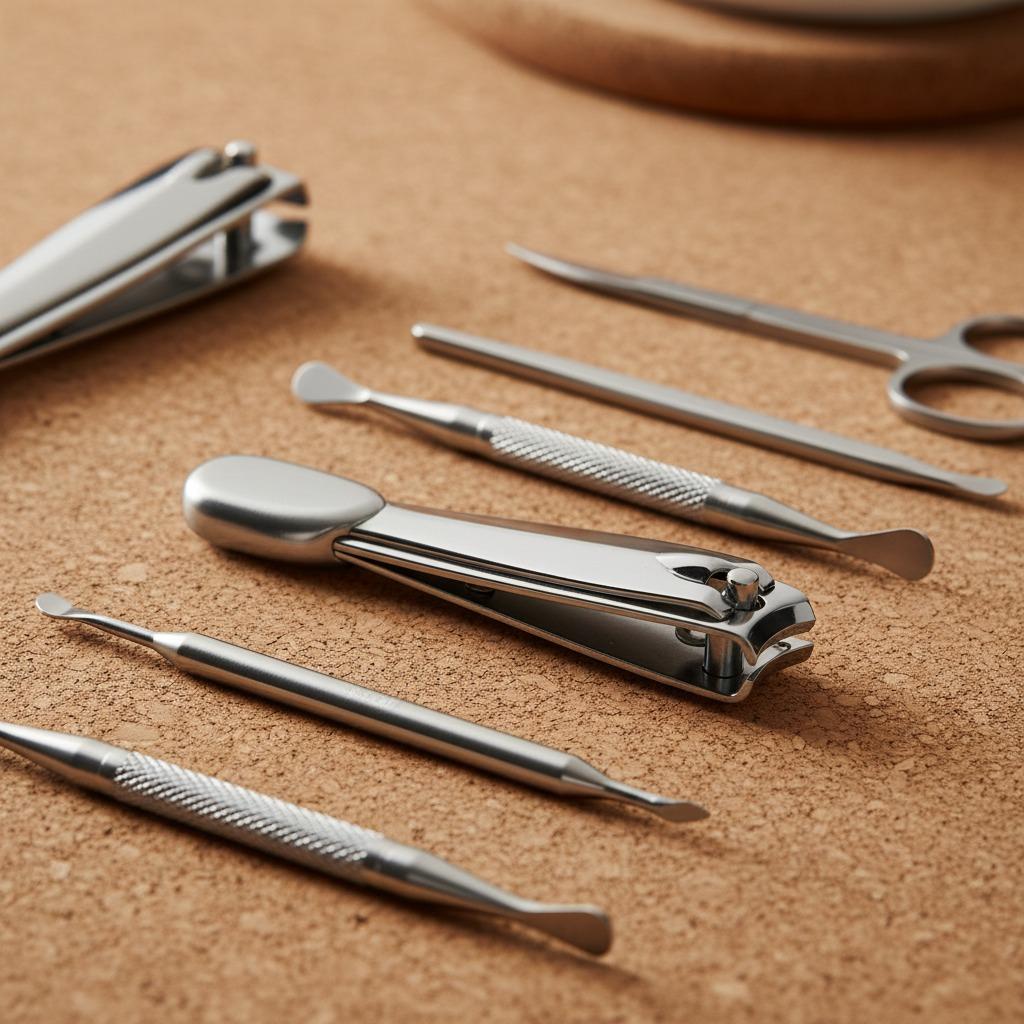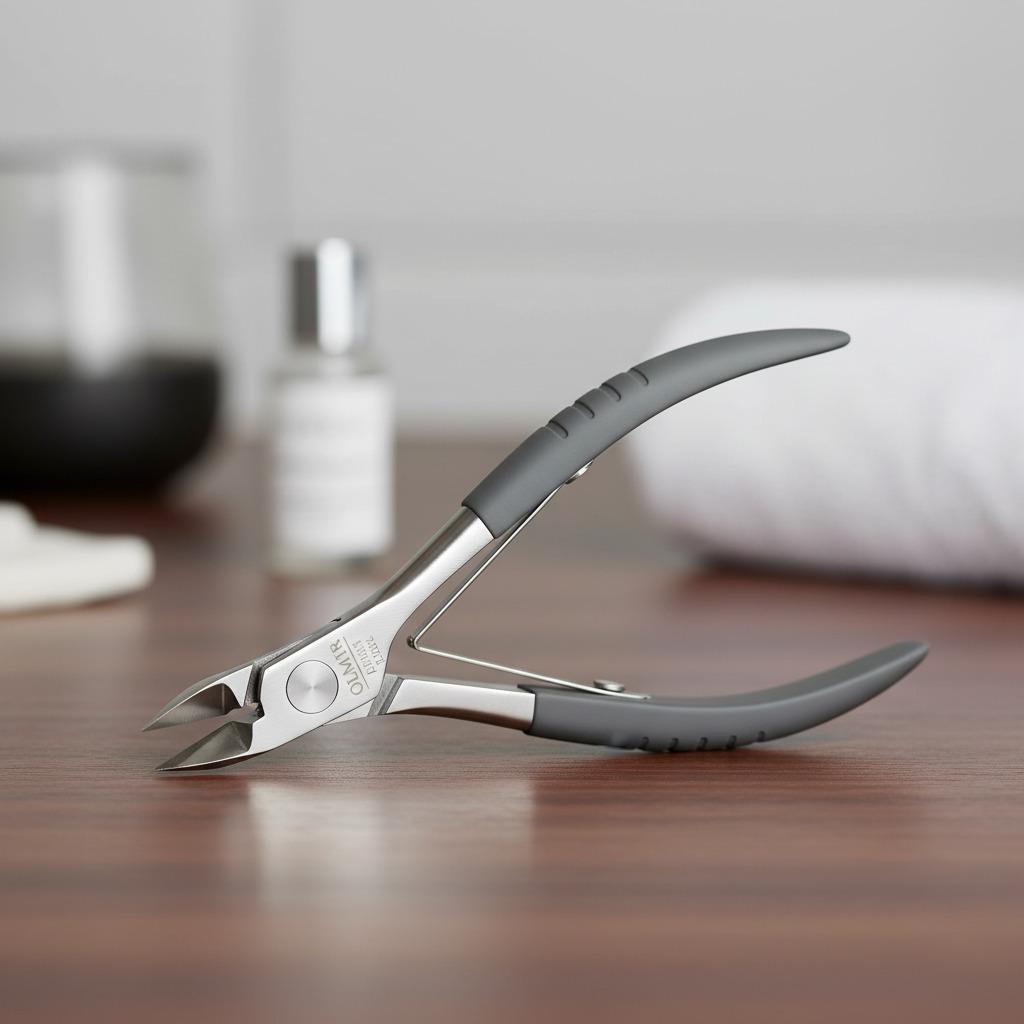
Cuticle nippers are small tools, but their quality has a visible effect on the finished manicure. A clean trim around the nail plate helps remove dry, lifted cuticle tissue without leaving torn edges. For nail technicians, salon buyers, private-label beauty brands, and careful home users, the right nipper should feel controlled in the hand, close evenly at the blade tips, and be easy to clean between uses.
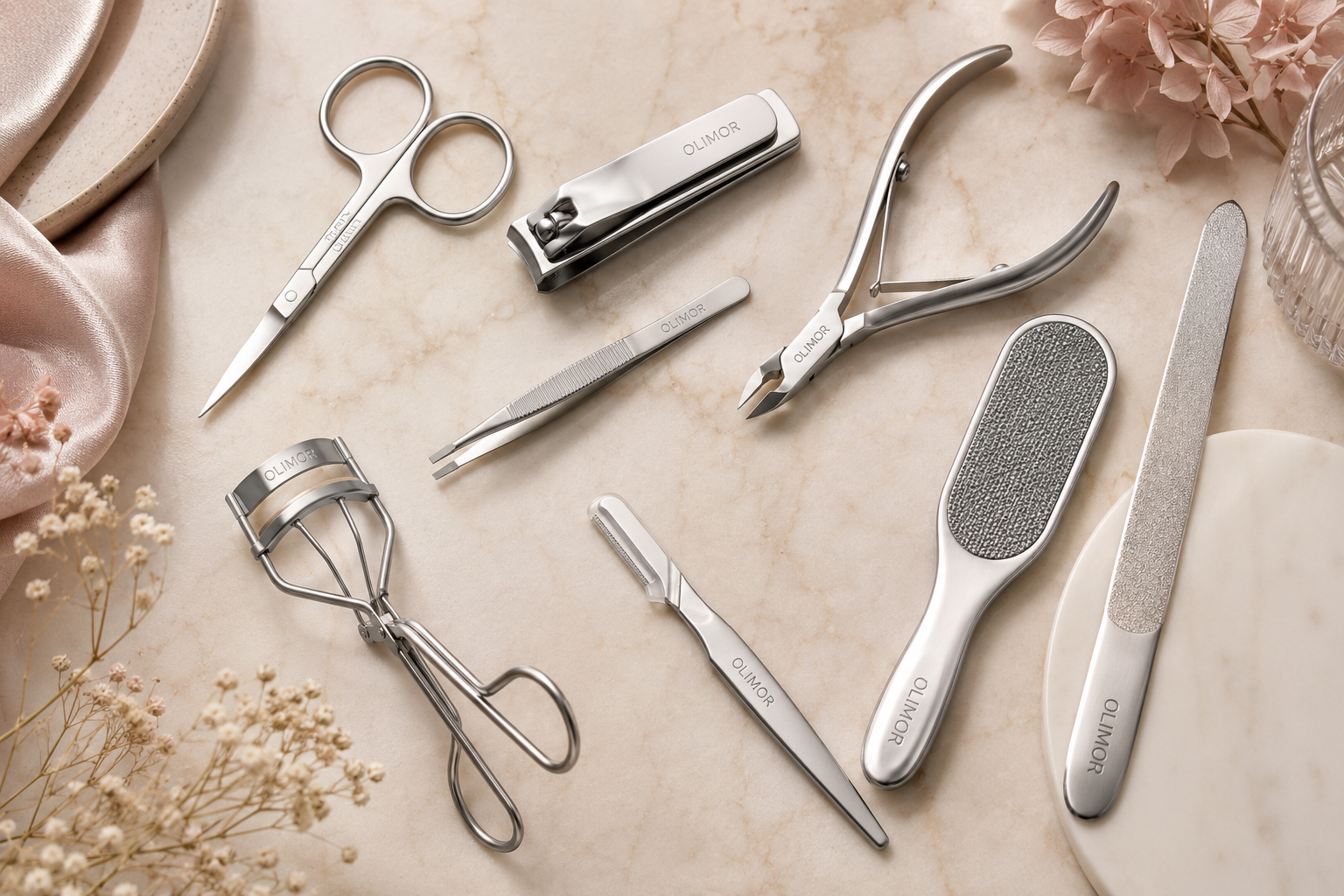
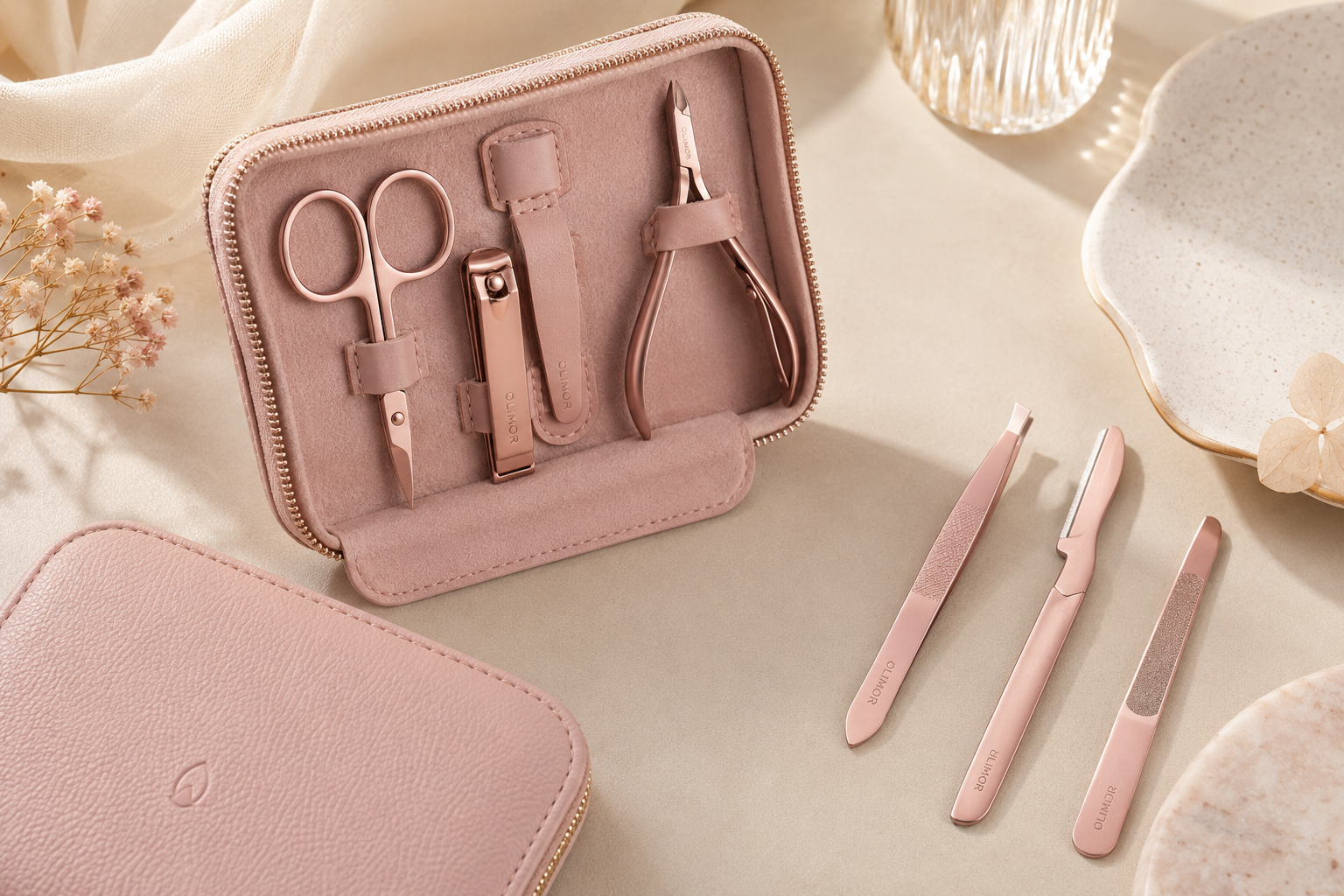
Olimor Beauty cuticle nippers are designed for manicure and pedicure cuticle care where precision matters. The original product information highlights precision-engineered stainless steel, ergonomic handling, and quality checks from raw material inspection through final packaging. Those details are important because cuticle trimming requires a tool that can make small, accurate snips without forcing the user to squeeze hard or cut too much at once.
What a Good Cuticle Nipper Should Do
A cuticle nipper is not meant to remove healthy living skin or reshape the nail. Its role is to trim loose, dry, or lifted cuticle tissue after the nail area has been softened and prepared. The best result comes from a tool that cuts cleanly at the tips rather than crushing or pulling. When the blades meet precisely, the user can work in short sections and avoid jagged pieces that catch on towels, gloves, or clothing.
For professional work, comfort is also a performance issue. A nipper that feels unstable encourages over-gripping, which reduces control and increases fatigue during multiple services. Ergonomic design, balanced spring action, and a grip that suits the user’s hand size all help create smoother, safer trimming. Buyers comparing beauty tool products should therefore look beyond appearance and check how the nipper behaves in real cutting motions.
Selection Criteria for Salons, Retailers, and Beauty Brands
Choosing a cuticle nipper is easier when the buyer separates cosmetic features from working features. A polished finish may look attractive in a retail display, but the tool still needs a sharp cutting edge, consistent closure, and a comfortable handle. For salons, repeat use and cleaning routines are central. For retail buyers, packaging, user education, and clear positioning may matter more. For beauty brands sourcing tools, manufacturing consistency is often the main concern.
- Blade alignment: The two cutting edges should meet neatly, especially at the tips. Misalignment can bend or tear cuticle tissue instead of trimming it.
- Cutting feel: A suitable nipper should cut thin cuticle tissue with light, controlled pressure. Excessive force is a sign that the tool may be dull, poorly aligned, or not suitable for detailed work.
- Handle comfort: The handle should sit securely in the hand without sharp pressure points. This is especially important for nail technicians who use nippers throughout the day.
- Spring response: Smooth opening and closing help the user make small, repeated snips without hand strain.
- Material and cleaning: Stainless steel construction, as described for Olimor Beauty cuticle nippers, supports durability and hygiene-focused maintenance when handled correctly.
- Inspection consistency: For bulk purchasing, check that samples from different batches have similar blade closure, finish, and grip feel.
How to Prepare the Cuticle Area Before Trimming
Even a sharp nipper can give poor results if the cuticle area is not prepared. Dry cuticle tissue is more likely to pull, split, or resist the blade. Preparation should soften the skin and make it clear which tissue is loose enough to remove. This is also the point where the user should examine the surrounding skin for irritation, cuts, swelling, or infection. If the skin is damaged, trimming should be avoided.
- Clean the hands or feet: Remove visible dirt, polish residue, and oil from the nail area before starting.
- Soften the cuticle: Use a warm soak or a gentle cuticle softening product according to its directions.
- Push back carefully: Use an appropriate cuticle pusher to separate the non-living cuticle from the nail plate. Do not force the skin backward.
- Identify only the excess: Trim lifted or dry tissue only. Avoid cutting into attached skin, as this can cause soreness and increase the risk of irritation.
- Work in small sections: Short, controlled snips create a smoother line than one long cut.
Clean Cutting Technique: Control Matters More Than Speed
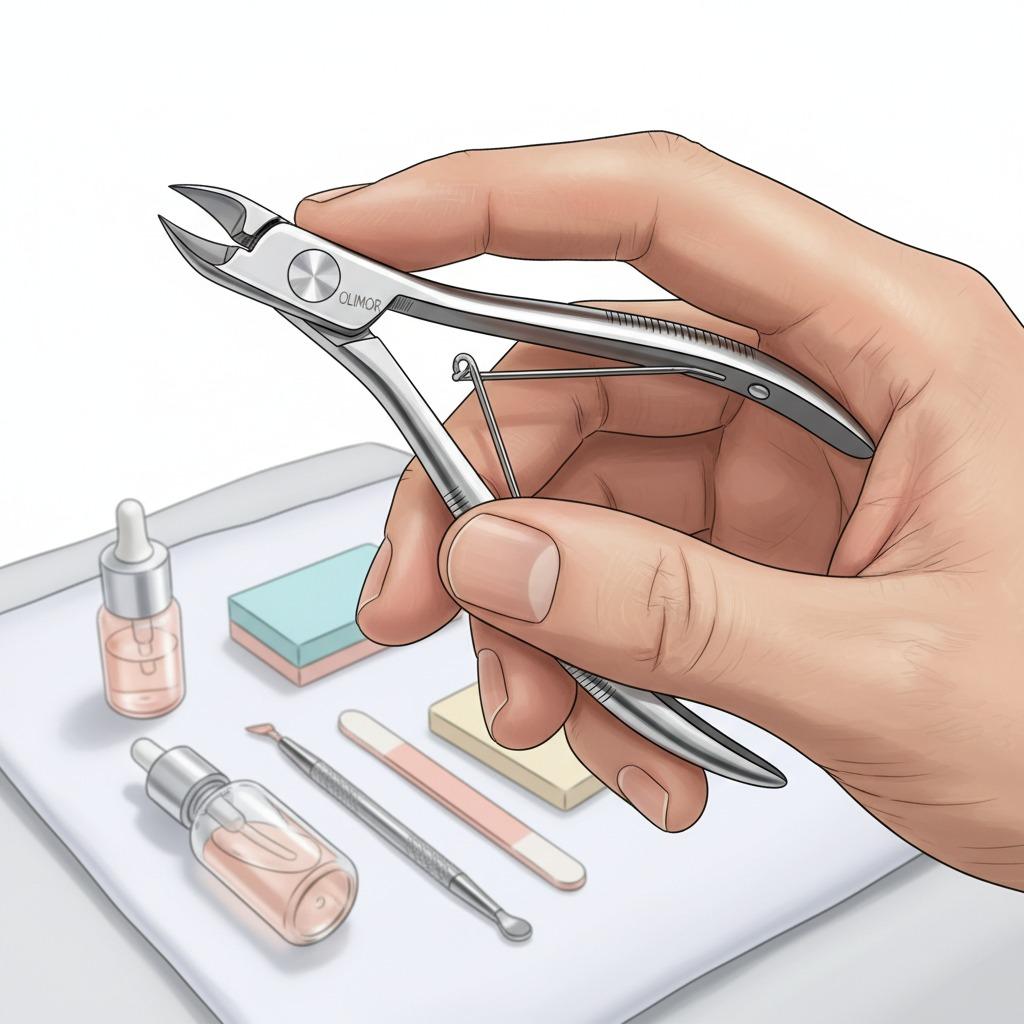
The original guidance for Olimor Beauty cuticle nippers recommends positioning the blades at about a 45-degree angle and applying gentle, steady pressure. That angle helps the user see the cutting area and approach the lifted cuticle without digging downward. The aim is not to remove as much tissue as possible; it is to tidy the nail fold while protecting the surrounding skin.
Hold the nipper so the blade tips are visible. Place only the loose cuticle tissue between the blades, then close the handles with a light squeeze. Release, reposition, and continue in short movements. If the tool begins to drag, stop and check whether the cuticle is too dry, the blade is dull, or the angle is incorrect. Never twist the nipper while the blades are closed on skin, because twisting can tear tissue even if the initial cut was small.
For pedicures, use extra care around the corners of the nails. Thick or dry skin near the toe can tempt users to cut aggressively, but cuticle nippers are not a substitute for callus tools or nail clippers. Keep the nipper’s job specific: detail trimming around the cuticle and nail fold.
Cleaning, Storage, and Maintenance After Use
Cuticle nippers touch skin closely, so cleaning is not optional. After each use, remove visible debris from the blade area and hinge. Follow the hygiene procedure required for the setting where the tool is used, whether that is a personal kit, a salon station, or a product demonstration area. Dry the tool thoroughly after cleaning, especially around the joint, because trapped moisture can affect movement over time.
Storage also matters. Do not drop nippers into a drawer where the tips can hit other metal tools. The cutting edges are fine, and impact can create small chips or misalignment. A protective cap, pouch, or separated storage slot helps preserve the blade tips. If the nipper no longer closes evenly or requires extra pressure, remove it from service until it can be evaluated. Continuing to use a damaged nipper can lead to rough cuts and user frustration.
Sourcing Questions for Professional Beauty Tool Buyers
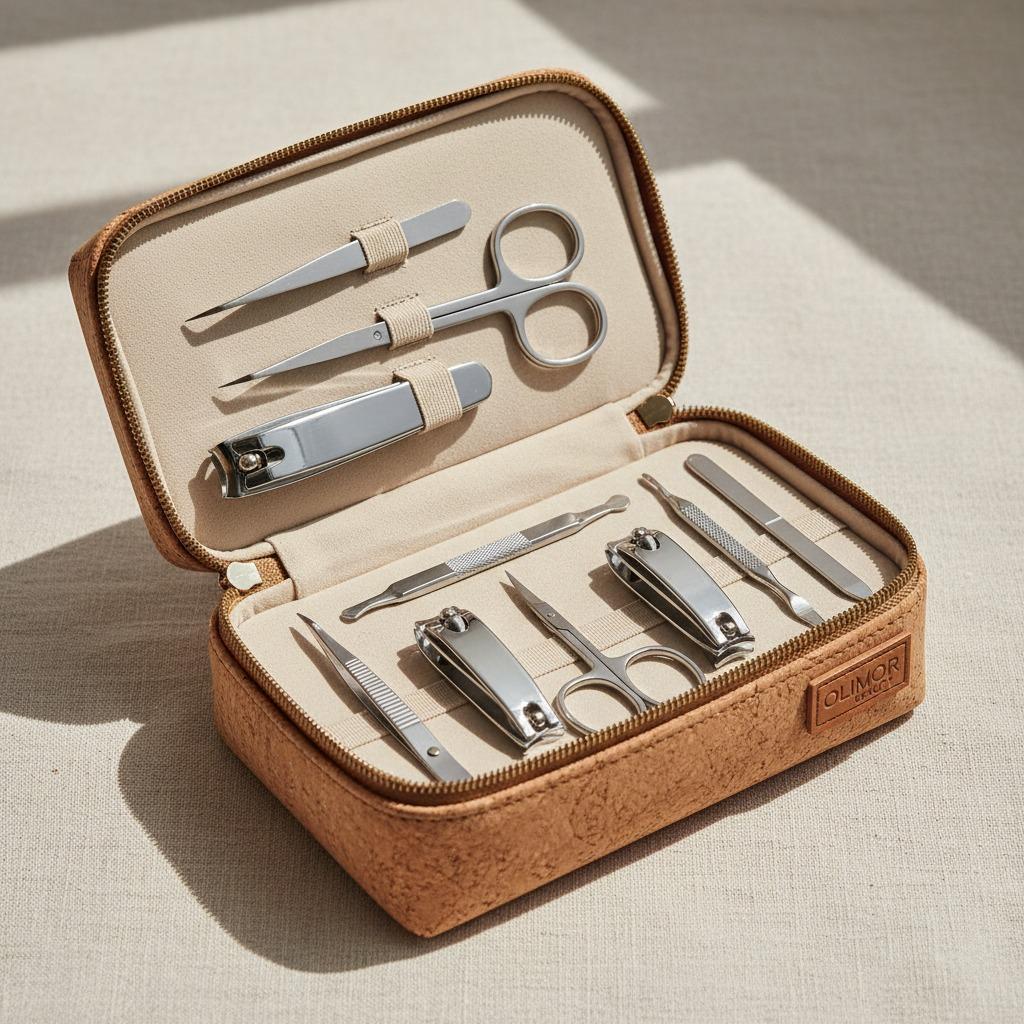
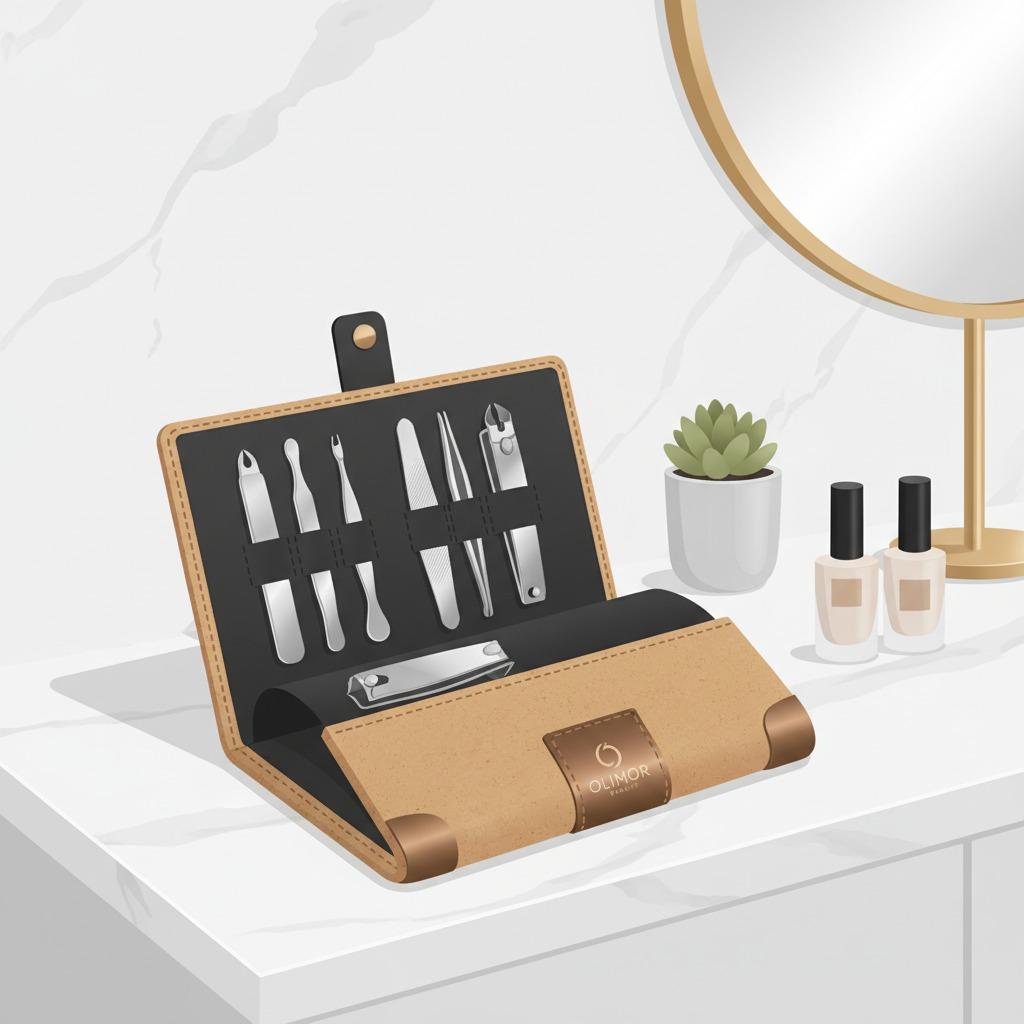
For distributors, salon supply companies, and beauty brands, cuticle nippers are often purchased as part of a wider tool range. Olimor Beauty offers beauty tool options that buyers can explore through product collections or by reviewing related items in the beauty tool products area. When evaluating any cuticle nipper for retail or professional supply, focus on repeatable quality rather than a single attractive sample.
| Buyer concern | What to check | Why it matters |
|---|---|---|
| Blade consistency | Compare several samples for tip closure and cutting feel. | Consistent blades reduce returns and service complaints. |
| Handle ergonomics | Test the grip with different hand sizes and repeated snipping motions. | Comfort affects technician control and long-session fatigue. |
| Finish quality | Inspect edges, hinge area, and surface uniformity. | Smooth finishing improves handling and retail presentation. |
| Packaging suitability | Review protection for the blade tips and clarity of user information. | Good packaging helps prevent damage before the tool reaches the user. |
| Quality control process | Confirm how inspection is handled from material checks to final packing. | Documented checks support more predictable bulk purchasing. |
When to Replace a Cuticle Nipper
A well-maintained nipper should remain reliable through repeated use, but no cutting tool lasts forever. Replace or service the tool if the tips no longer meet properly, if the spring feels uneven, if the blades crush rather than cut, or if the tool has been dropped and shows visible damage. In a salon, staff should be encouraged to report dullness early instead of compensating with extra pressure. In retail use, clear care instructions can help customers understand how to protect the tool and when to stop using it.
For buyers comparing supply options or planning a manicure tool assortment, Olimor Beauty cuticle nippers are a practical choice for precise cuticle trimming supported by stainless steel construction, ergonomic handling, and quality-focused inspection. To discuss sourcing requirements, packaging needs, or product availability, contact Olimor or send an inquiry with the intended use case and target market.